Sony Interactive Entertainment and developer Insomniac Games have officially launched Marvel’s Wolverine on September 15 for the PlayStation 5 console. Built within a proprietary game engine, the single-player action title brings one of Marvel Comics’ most iconic and feral protagonists to contemporary hardware. While early critical and player reception highlights the game’s striking visual fidelity, detailed environmental design, and emotionally grounded narrative, deeper analysis reveals a division regarding its linear level design and repetitive combat mechanics. As the latest major superhero release from a first-party Sony studio, the title carries substantial weight within the current console generation, prompting close evaluation of its technical achievements, gameplay loop, and broader standing in the gaming industry.
Background Context and Development History
The journey toward a standalone Wolverine video game has spanned decades, with various iterations developed under different publishers since the character’s breakout success in popular culture. However, Insomniac Games’ modern adaptation represents a major milestone, following the studio’s highly successful Marvel’s Spider-Man franchise. Announced initially to immense fan anticipation, the project tasked Insomniac with translating Logan’s brutal, visceral combat style and complex psychological history into an accessible yet high-fidelity blockbuster format.
Insomniac Games adopted a tightly focused narrative approach rather than mirroring the open-world sandbox design of their previous superhero titles. Set approximately three years after Logan walks away from the covert operations unit known as Team X, the plot re-engages the character alongside familiar mutant figures Mystique and Sabretooth. The mutant task force is hastily reassembled to confront Bolivar Trask, a prominent billionaire antagonist driven by a strict ideology of human superiority and an unwillingness to compromise. Alongside Trask, the narrative incorporates fan-favorite figures such as Jean Grey, alongside a diverse cast that spans international locations including Canada, Madripoor, and Japan. This geographic variety helps differentiate the release from contemporary superhero titles predominantly localized within urban American settings.

Gameplay Mechanics and Combat Analysis
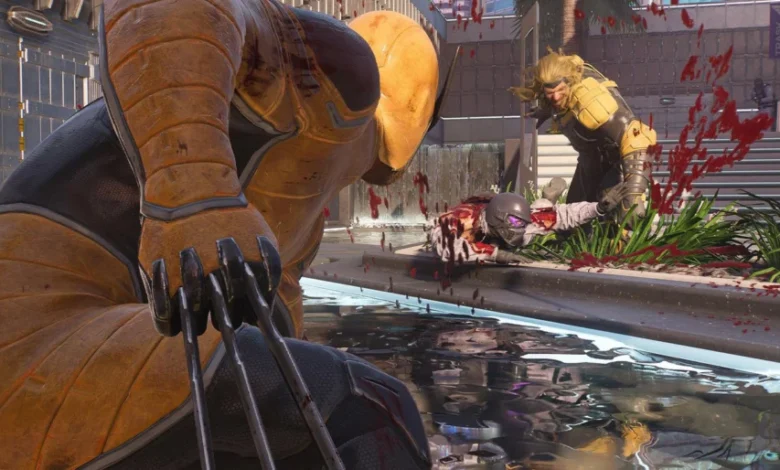
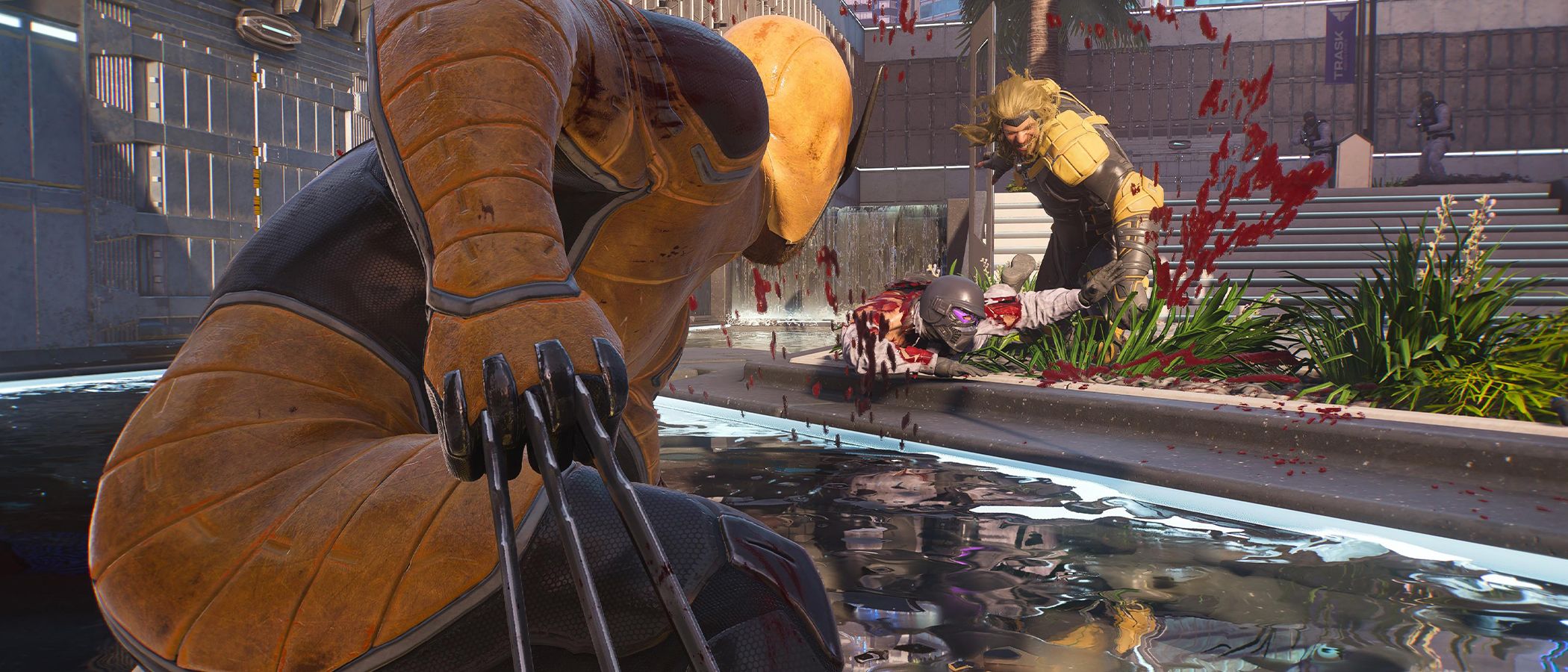
At its core, Marvel’s Wolverine functions as a linear, corridor-to-arena brawler. Players guide Logan through environments by kicking down doors, utilizing heightened senses to track scents, and engaging in close-quarters combat against waves of adversaries. The initial experience of launching Logan across a room claws-first into destructible furniture and enemy ranks has been widely praised for its raw kinetic energy and animation quality. The development team clearly invested heavily in conveying Logan’s immense physical presence, ensuring that environmental collateral reflects the character’s chaotic and destructive nature.
Despite this strong visual introduction, reviewers and players have noted a distinct friction between the aesthetic brutality of the combat and the actual strategic depth required during extended play sessions. On paper, the mechanics offer a comprehensive toolkit: basic strikes, parries, dodges, and leaping attacks into elevated vantage points. Additionally, the game features Special Techniques such as the Tornado Spin and Knee Breaker, alongside a three-tiered Rage system designed to escalate critical damage output. Adaptations can be applied to modify health pools and parry windows, while four rechargeable techniques can be equipped simultaneously to handle large crowds of enemies.
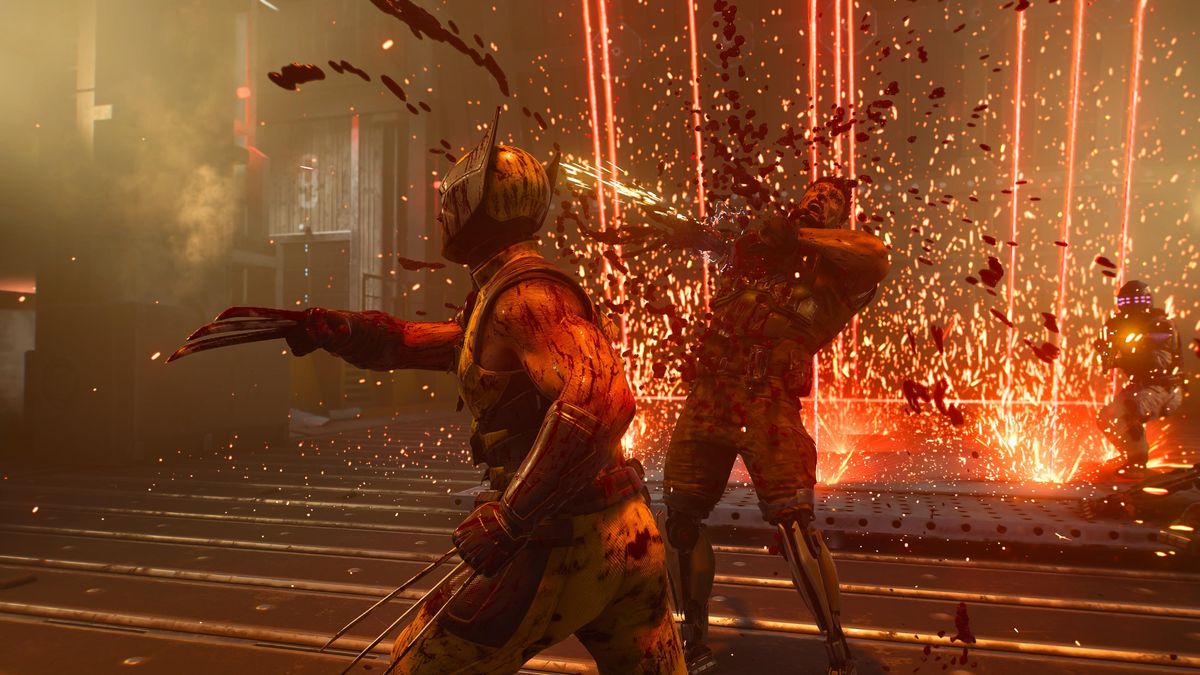
However, in practice, encounters frequently reduce to repetitive input patterns. Players often find themselves relying heavily on a single primary attack button paired with reactive parrying and dodging maneuvers. While Special Techniques and Rage meters offer occasional bursts of strategic relief—and environmental interactions, such as using forklifts for tactical eliminations, provide satisfying moments—the underlying combat loop remains largely uniform. Boss encounters, despite their elaborate choreography and cinematic scale, ultimately conform to a predictable rhythm of waiting for enemy telegraphs, parrying, and counter-attacking. Fact-based analysis suggests that while the spectacle is undeniable, the lack of combat flexibility and combo depth prevents the gameplay from evolving significantly over the course of the campaign.
Technical Performance and Presentation
Visually, Marvel’s Wolverine stands as a technical showcase for the PlayStation 5. Utilizing advanced real-world scanning and detailed reference materials, Insomniac Games has crafted environments with significant physical weight and intricate textures. The character models for Logan, Jean Grey, Mystique, and Sabretooth are rendered with emotional nuance, carrying the narrative through complex interpersonal dynamics that prevent the story from devolving into generic conflict tropes. Voice performances, including Liam McIntyre’s committed portrayal of Logan, anchor the emotional stakes of the 14-hour campaign.
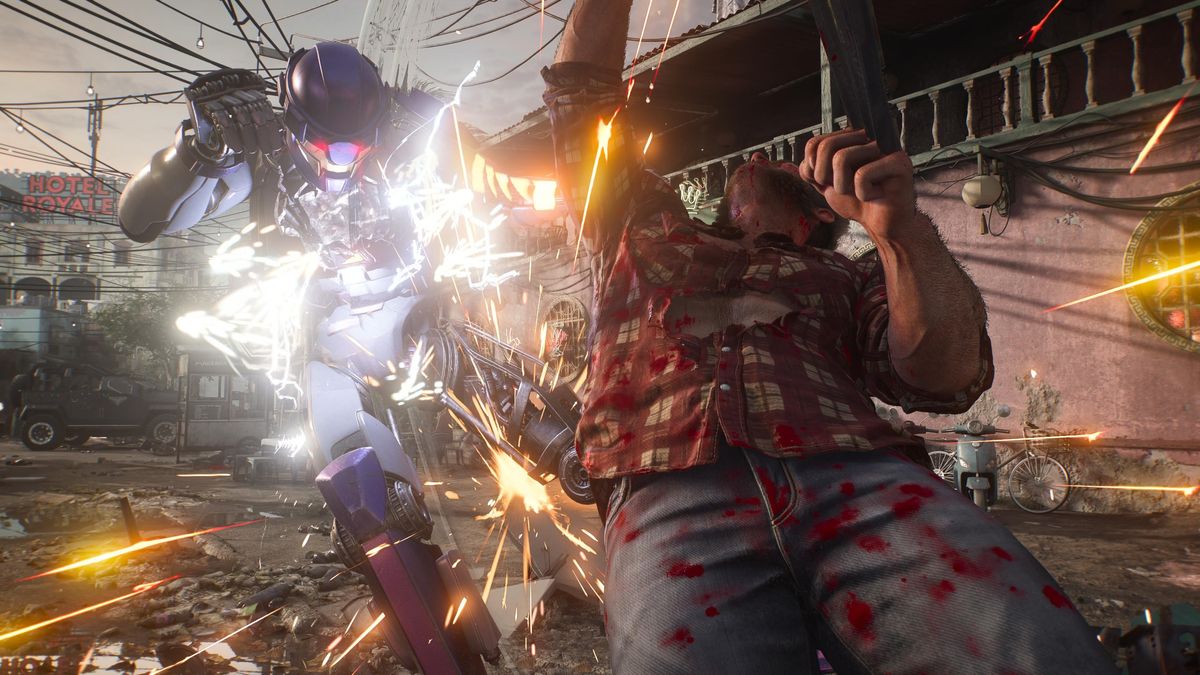
Nevertheless, technical execution has faced minor scrutiny. While Sony’s first-party titles generally maintain high standards of polish, this release exhibits occasional bugs, including floating non-player characters, pathfinding glitches where enemies become trapped within geometry, and artificial intelligence stutters. These technical anomalies occasionally disrupt the carefully constructed cinematic immersion. Furthermore, the inclusion of unlockable costumes and cosmetic claw variants serves primarily as fan service rather than altering gameplay mechanics, leaving the character progression and build-crafting systems feeling somewhat shallow.
Broader Industry Implications
The release of Marvel’s Wolverine highlights a critical ongoing debate regarding the modern first-party development formula, particularly within Sony’s portfolio. Titles like Marvel’s Spider-Man succeeded largely due to the sheer joy of dynamic traversal through an open-world Manhattan, while the God of War series balances its combat with robust puzzle-solving, exploration, and upgrade loops. Because Marvel’s Wolverine relies heavily on a linear brawler structure without secondary gameplay systems to absorb repetition, any limitations in its core combat loop become more pronounced over extended play sessions.
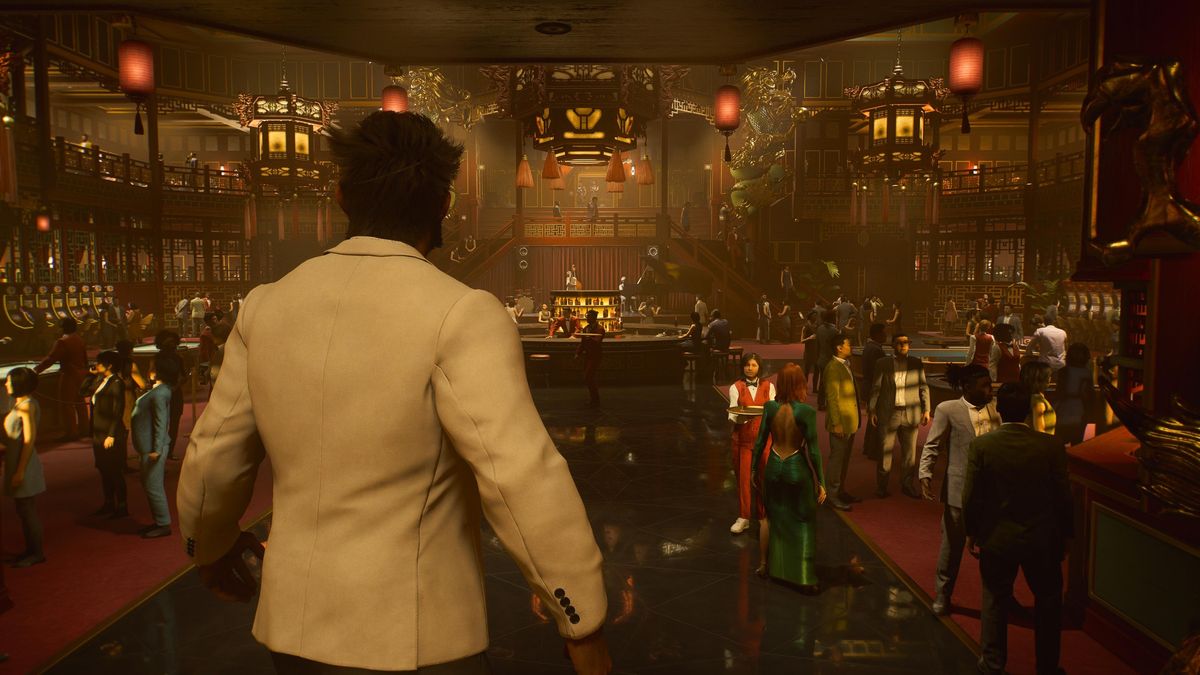
Industry analysts note that while cinematic spectacle and accessible design continue to drive commercial success for major platform-exclusive titles, there is a growing demand from core gamers for deeper mechanical agency and experimental freedom. Insomniac Games has proven its ability to craft compelling narratives, atmospheric world-building, and high-end visual design. However, the conservative approach taken with Wolverine’s gameplay mechanics suggests that future entries or similar projects may need to expand their interactive depth to satisfy audiences looking for both style and substance.
Conclusion
Marvel’s Wolverine is ultimately a game of stark contrasts. It delivers a compelling, character-driven story, top-tier technical presentation, and fleeting moments of brilliant cinematic action—such as exploring the rooftops of Madripoor or utilizing tactile environmental puzzles via the DualSense controller. Yet, constrained by a narrow combat scope and a repetitive gameplay loop, the title occasionally struggles to match its monumental style with enduring substance. As players continue to explore the campaign, the game remains a visually stunning achievement that leaves enthusiasts eager to see how Insomniac Games might expand these foundational ideas in future projects.
Related posts: