The Iconic LAMY Safari Fountain Pen Receives Rare Amazon Discount, Bringing German Engineering to Writers for Under $30

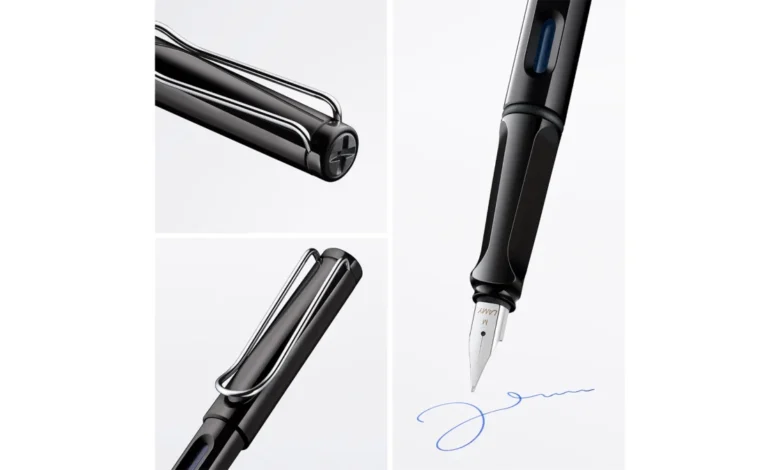
In an era dominated by digital screens, rapid keyboard tapping, and ephemeral text messages, analog writing instruments have experienced a steady resurgence among consumers seeking a deliberate digital detox. For those aiming to cultivate the habit of traditional journaling or elevate their daily note-taking, the market offers a wide spectrum of options, ranging from ultra-luxury brands costing thousands of dollars to accessible everyday carry items. Among the most celebrated entries in the latter category is the classic LAMY Safari fountain pen, a staple of German product design that has recently seen a notable price reduction. Amazon has lowered the cost of the popular writing tool by nearly $10, bringing the price down to $27.22 for a limited promotional window. This discount presents an economical entry point for both seasoned fountain pen enthusiasts and novices looking to experience minimalist Bauhaus-inspired engineering without making a substantial financial commitment.
The enduring appeal of the LAMY Safari lies in its distinct synthesis of utilitarian functionality, structural durability, and modernist aesthetics. Manufactured by LAMY—a family-owned company officially known as C. Josef Lamy GmbH, based in Heidelberg, Germany—the Safari line has served as a benchmark for affordable, high-performance writing instruments for more than four decades. While high-end luxury houses like Montblanc or Tibaldi command prestige through precious metals and luxury positioning, LAMY has historically focused on democratizing good design. The Safari achieves this through an intentional design philosophy that prioritizes ergonomics, reliability, and resilience against daily wear and tear.
A Legacy of Bauhaus Design and Industrial Engineering
To understand the cultural and functional significance of the LAMY Safari, one must examine its origins and the design philosophy that birthed it. Introduced to the market at the Frankfurt Fair in 1980, the Safari was developed in close collaboration with industrial designer Wolfgang Fabian and the firm Berggold Industrial Design. At a time when fountain pens were often viewed as delicate, status-driven accessories meant for formal desks, LAMY and Fabian envisioned something fundamentally different: a rugged, dependable tool designed specifically for young adults and students.
The engineering choices behind the Safari reflect core tenets of the Bauhaus movement, where form strictly follows function. Constructed from heavy-duty ABS (Acrylonitrile Butadiene Styrene) plastic—the exact same high-impact polymer utilized in the manufacture of Lego bricks—the pen’s barrel and cap are engineered to withstand rigorous daily handling. Whether tossed into a crowded backpack, dropped onto a hard classroom floor, or carried in a professional briefcase, the Safari is built to absorb impact without cracking or failing.
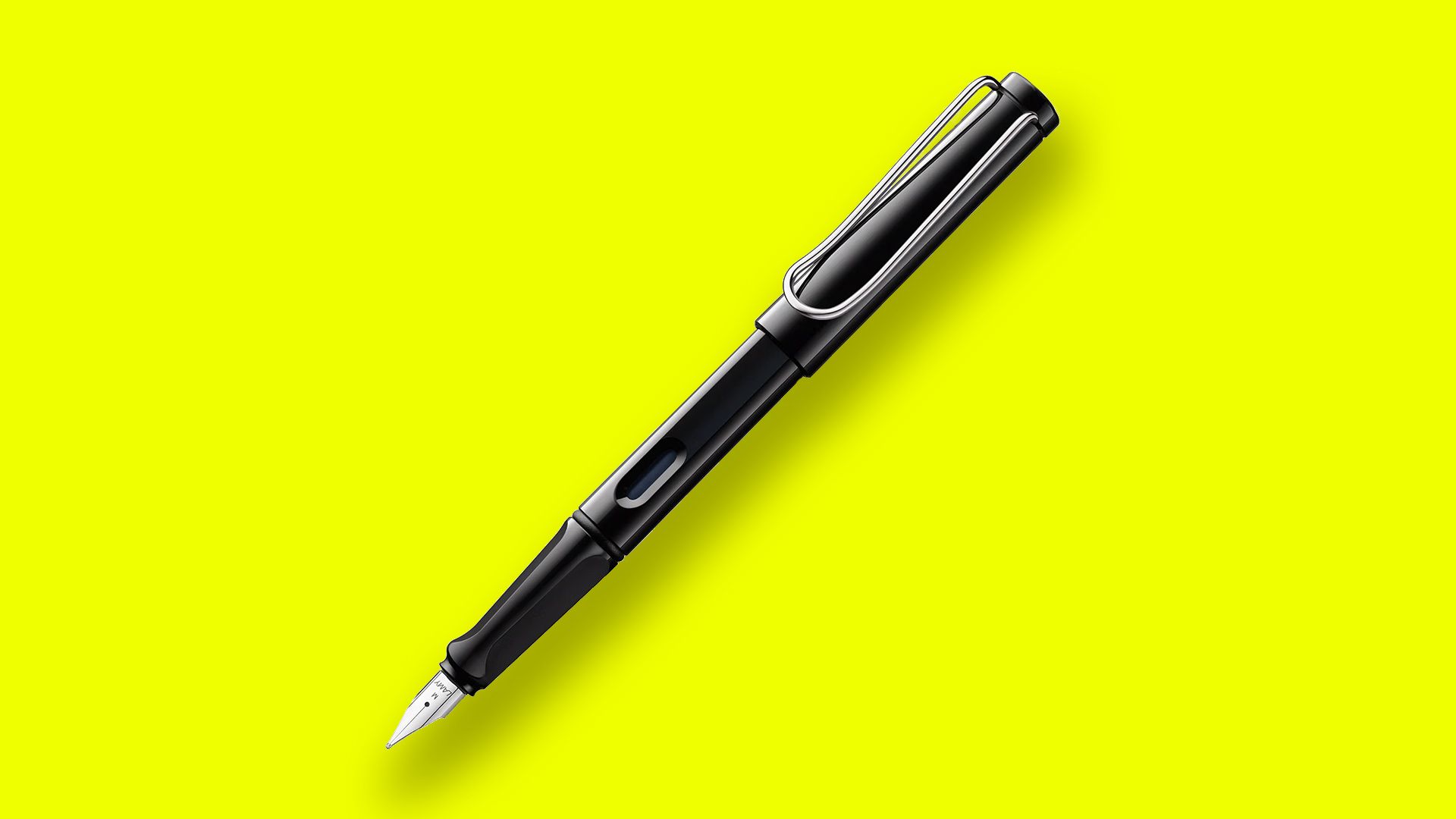
Furthermore, the pen incorporates several distinct mechanical innovations that set it apart from traditional fountain pen designs. Most notable is its flexible, wire-action brass clip, which is spring-loaded to allow the pen to be securely fastened to thick notebook covers, pockets, or lariats without snapping. Additionally, the barrel features an integrated ink-view window, allowing users to monitor their remaining fluid levels at a glance—a practical feature for students and professionals alike who cannot afford unexpected interruptions during critical writing tasks.
Ergonomics and Customization for Every Writer
Beyond its robust exterior, the LAMY Safari is widely recognized in the stationery community for its ergonomic innovations. The gripping section features a distinct, molded triangular contour. While polarizing to some purists, this design strictly enforces a proper three-finger tripod grip, training users to hold the pen at the optimal writing angle. This ergonomic alignment significantly reduces hand fatigue, making the Safari exceptionally well-suited for extended writing sessions, academic examinations, or long-form journaling.
Another major factor contributing to the pen’s longevity is its modular nib system. LAMY designs its stainless-steel nibs to be easily interchangeable. Users can slide off an existing nib and replace it with a new one in a matter of seconds, allowing them to effortlessly transition between different line widths—ranging from extra-fine (EF) to broad (B)—or switch to specialized calligraphy and left-handed nib configurations. This modularity ensures that the pen grows and adapts alongside the user’s changing handwriting styles and artistic needs.
Performance-wise, the Safari utilizes a cartridge-converter system, allowing users to either insert proprietary LAMY T10 ink cartridges or attach a Z28 converter to draw bottled ink from an infinite palette of colors. Out of the box, the pen is celebrated for delivering a remarkably consistent, reliable ink flow that minimizes skipping and hard starts, even after sitting idle for several days.
Market Context and the Analog Renaissance
The timing of Amazon’s discount on the LAMY Safari coincides with a broader cultural shift toward tactile, offline hobbies. Industry analysts note that sales of stationery, analog planners, fountain pens, and high-end notebooks have seen steady growth over the past several years. Market researchers attribute this trend to widespread "screen fatigue" and a growing body of psychological research highlighting the cognitive benefits of handwritten note-taking over digital typing for memory retention and deep focus.
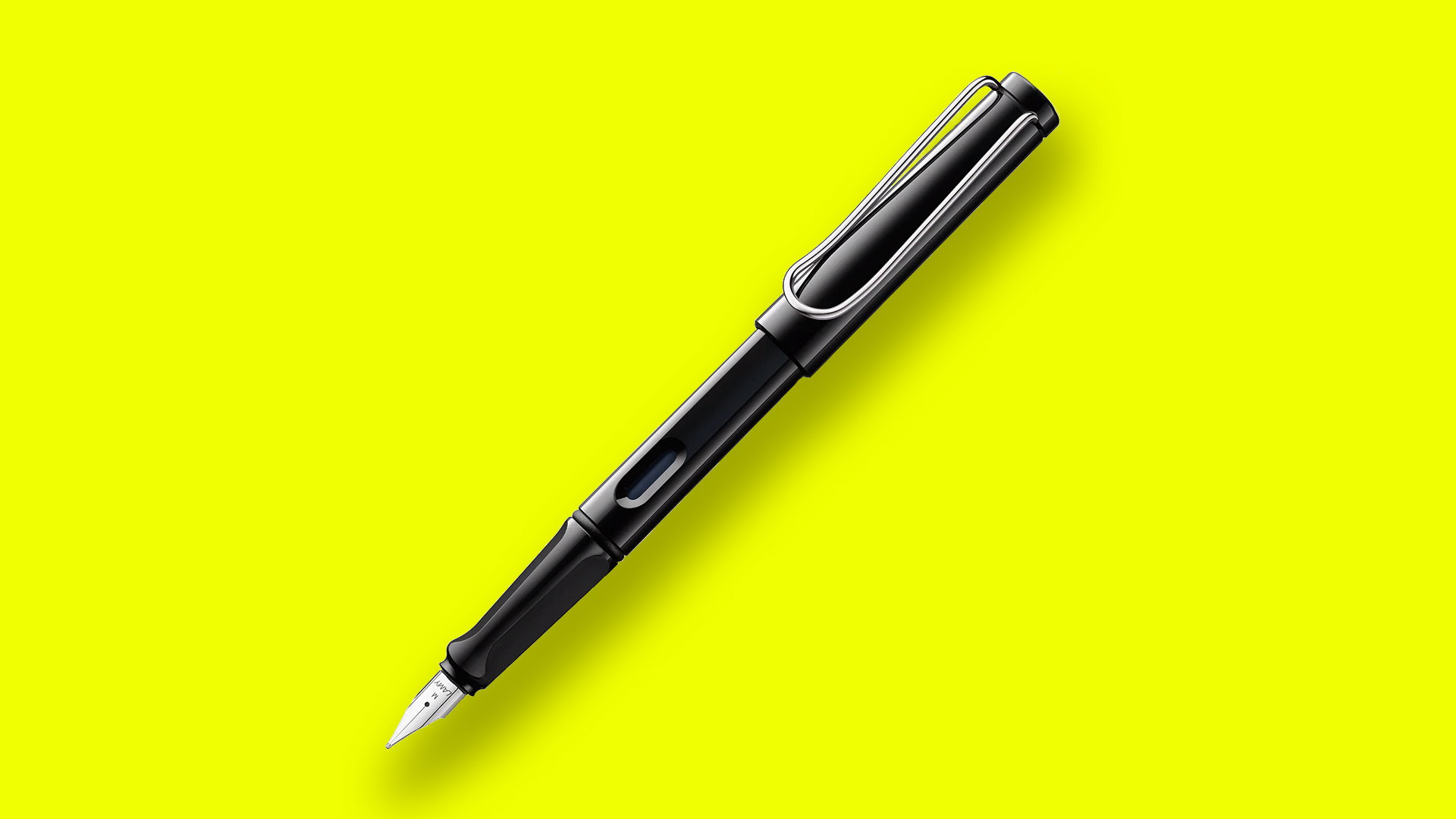
While luxury pen segments continue to cater to collectors and corporate gift-giving markets, the entry-level and mid-tier segments have become increasingly competitive. Brands like Pilot, Kaweco, and TWSBI compete fiercely with LAMY for the attention of modern consumers seeking intentionality in their daily routines. Within this competitive landscape, the LAMY Safari has maintained its status as a definitive entry point. Industry experts frequently recommend it as the first "real" fountain pen a person should purchase, bridging the gap between disposable ballpoints and high-end luxury instruments.
Implications of Retail Discounts on Consumer Behavior
The decision by major online retailers to discount iconic design goods like the LAMY Safari often triggers measurable surges in consumer acquisition for specialty categories. When everyday luxury items—goods that offer high aesthetic and functional value at a relatively low price point—are subjected to promotional pricing, they tend to attract impulse buyers who might otherwise hesitate to experiment with an unfamiliar medium.
For the design and stationery sectors, such promotions serve a vital function: lowering the barrier to entry for quality craftsmanship. By making a German-engineered, award-winning writing instrument available for under $30, retailers encourage consumers to step away from single-use plastics and disposable pens, opting instead for durable, refillable tools designed to last for decades. As the market continues to navigate the tension between digital convenience and the psychological grounding of analog practices, accessible design classics like the LAMY Safari demonstrate that enduring utility and timeless style do not require exorbitant expenditure.