Apple and Goldman Sachs Launch High-Yield Savings Account for Apple Card Users to Expand Financial Services Ecosystem

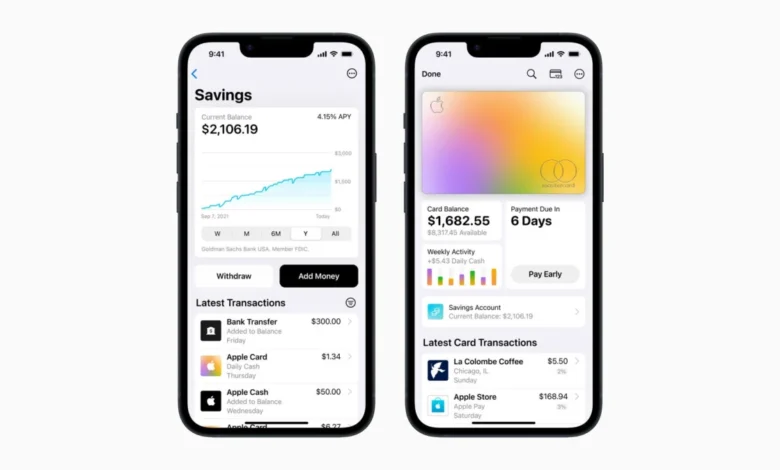
Apple officially entered the high-yield savings market on Monday, announcing a strategic partnership with Goldman Sachs to offer a new savings account exclusively for Apple Card users. This development marks a significant milestone in Apple’s multi-year effort to integrate financial services directly into the iPhone ecosystem. By leveraging the existing infrastructure of the Apple Card, the tech giant is positioning its Wallet app as a comprehensive hub for personal finance, moving beyond simple payment processing into the realm of wealth management and interest-bearing deposits.
The new savings account allows users to earn an annual percentage yield (APY) of 4.15 percent on their balances. While the account is designed to seamlessly hold Daily Cash—the rewards earned from using the Apple Card—it also functions as a traditional savings vehicle. Users are permitted to deposit funds directly from linked external bank accounts, with a total deposit limit of up to $250,000, which aligns with standard Federal Deposit Insurance Corporation (FDIC) coverage limits.
A Chronology of Apple’s Financial Integration
The launch of the savings account is the latest step in a methodical expansion that began nearly a decade ago. Apple’s journey into the financial sector has been characterized by a gradual rollout of services designed to increase user retention and capitalize on the ubiquity of the iPhone.
- September 2014: Apple introduces Apple Pay, enabling mobile payments at physical retail locations using Near Field Communication (NFC).
- March 2019: Apple announces the Apple Card in partnership with Goldman Sachs, a credit card integrated directly into the Apple Wallet app, emphasizing transparency and simplified fee structures.
- September 2021: The company launches "Apple Card Monthly Installments," allowing users to pay for Apple products over time with no interest.
- March 2023: Apple rolls out "Apple Pay Later," a buy-now-pay-later (BNPL) service that competes directly with established fintech players such as Affirm and Klarna.
- April 2023: The company launches the Apple Card high-yield savings account, enabling users to earn interest on their deposits and rewards.
Each of these steps has served to deepen the relationship between the consumer and the Apple Wallet interface, transforming it from a digital storage for credit cards into a holistic financial platform.
Competitive Positioning and Market Context
The 4.15% APY offered by Apple is competitive when measured against the broader retail banking market, particularly when compared to the interest rates provided by traditional brick-and-mortar financial institutions. Major national banks have historically maintained savings account rates near the federal minimum, often as low as 0.01% APY. By offering a rate significantly higher than the national average, Apple is creating a compelling incentive for its user base to keep their capital within the Apple ecosystem.
However, it is important to note that the high-yield savings landscape is highly competitive. Numerous online-only banks and fintech companies—such as Marcus by Goldman Sachs, Ally Bank, and SoFi—have offered comparable or higher yields for several years. Apple’s primary advantage is not necessarily the absolute ceiling of its interest rate, but the friction-less user experience. By eliminating the need to navigate external banking websites or separate applications, Apple provides a level of convenience that appeals to its massive existing user base.
Financial analysts have pointed out that while 4.15% is attractive, it is not the highest rate currently available on the market. Consumers who prioritize maximizing interest earnings may still find better options at specialized digital banks. Nevertheless, for the casual user who already utilizes the Apple Card, the ease of automating transfers from Daily Cash rewards into an interest-bearing account represents a significant "no-brainer" feature that is likely to see rapid adoption.
Official Statements and Strategic Rationale
The strategic intent behind this launch was articulated by Jennifer Bailey, Apple’s vice president of Apple Pay and Apple Wallet. In an official statement accompanying the launch, Bailey noted, "Our goal is to build tools that help users lead healthier financial lives, and building Savings into Apple Card in Wallet enables them to spend, send, and save Daily Cash directly and seamlessly — all from one place."
The partnership with Goldman Sachs remains central to this operation. Goldman Sachs acts as the underlying bank for the Apple Card and the new savings account, ensuring that the financial products remain compliant with banking regulations. For Goldman Sachs, the partnership provides a massive influx of retail deposits, which are a low-cost source of funding for the bank’s broader lending activities. This symbiotic relationship allows Apple to outsource the complex regulatory and operational burdens of banking while maintaining the sleek, user-friendly interface that defines its brand.
Implications for the Banking Industry
The move into savings accounts has significant implications for the broader banking sector. By capturing a portion of consumer savings, Apple is effectively positioning itself as a challenger to traditional retail banking. This "embedded finance" model—where financial services are integrated into non-financial platforms—is becoming increasingly prevalent.
Traditional banks now face the challenge of competing with tech-first platforms that offer superior digital interfaces. While the banking industry has invested billions in digital transformation, companies like Apple possess a unique advantage: high user trust and a deep integration into the daily habits of millions of consumers.
The integration of the BNPL service last month and the savings account today suggests that Apple is building a comprehensive suite of "financial wellness" tools. Future iterations could potentially include investment services, insurance, or more complex personal finance management tools.
Regulatory and Economic Considerations
As Apple expands its footprint in the financial services sector, it is likely to attract increased scrutiny from regulators. The intersection of "Big Tech" and banking has historically raised concerns regarding data privacy, market concentration, and the systemic risk associated with non-traditional financial entities.
Furthermore, the economic environment remains a critical factor. The current high-interest-rate environment, driven by the Federal Reserve’s attempts to curb inflation, has created a window of opportunity for high-yield products. However, Apple has explicitly stated that its APY is subject to change at any time. Should market conditions shift and interest rates decline, the attractiveness of these savings accounts will fluctuate accordingly. Users should view the 4.15% APY as a variable benefit rather than a fixed guarantee.
Conclusion
The rollout of the high-yield savings account for Apple Card users represents a logical, albeit aggressive, progression in Apple’s financial strategy. By prioritizing user convenience and leveraging its existing hardware and software infrastructure, the company is successfully lowering the barrier to entry for personal savings. While it may not displace the entirety of the traditional banking sector, it is undoubtedly changing the expectations of the average consumer regarding how they interact with their money. As Apple continues to iterate on its financial products, the divide between technology platforms and financial institutions will continue to blur, necessitating a recalibration of how banks approach their digital presence and customer engagement strategies. For now, the integration of savings into the Apple Wallet stands as a clear signal that the company intends to be a long-term player in the personal finance landscape.