Apple Dominates US Smartphone Market with Surge to 57% Share Despite Industry-Wide Decline

Apple Inc. has firmly solidified its leadership position in the domestic mobile market, surging to a commanding 57% share of United States smartphone shipments during the third quarter. According to fresh data published by Counterpoint Research, this performance represents a substantial leap from the 50% share Apple held during the same period in the previous year.
While the broader mobile hardware industry continues to grapple with macroeconomic headwinds, supply chain cost pressures, and a notable contraction in consumer demand, Apple stands as the sole major manufacturer among the market leaders to completely buck the downward trend. Overall US smartphone shipments fell by 9% year over year in the third quarter, a decline driven heavily by soaring component expenses—specifically volatile memory costs—that severely squeezed Android device manufacturers operating in the low-to-mid-tier pricing brackets.

A Wider Industry Slump and the Android Squeeze
The broader contraction of the US smartphone market reflects a compounding set of financial and operational challenges that have persisted throughout the year. Counterpoint Research’s quarterly metrics highlight that major domestic telecommunications carriers also felt the pinch, with collective smartphone sales across the top three US carriers falling by 4% year over year.
Industry analysts attribute much of this downturn to escalating component prices. Throughout the year, memory component costs have risen sharply, placing immense margin pressure on original equipment manufacturers (OEMs). While luxury and flagship models can occasionally absorb these spikes, the low-end Android segment—which relies heavily on tight margins and high-volume turnover—has borne the brunt of the shock. Many competing brands were forced to implement consecutive price hikes or compromise on hardware specifications to maintain profitability.
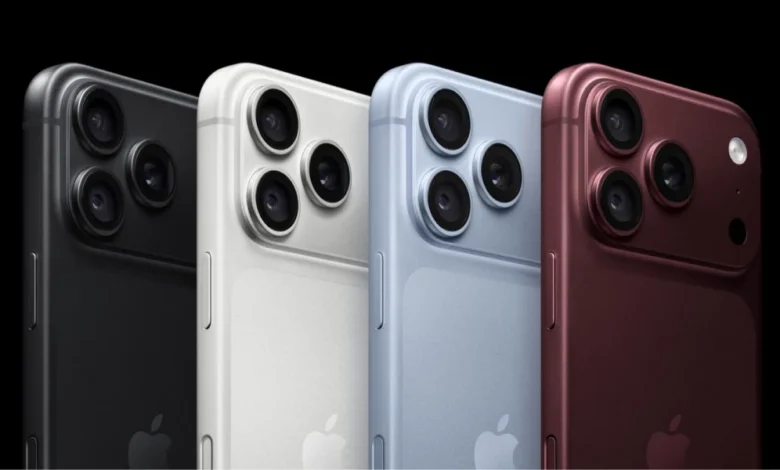
In contrast, Apple’s supply chain resilience and strategic pricing model allowed the Cupertino-based tech giant to navigate component shortages and cost inflation far more effectively than its rivals. By keeping iPhone pricing largely stable for the majority of the year—holding off on sweeping price adjustments until the rollout of the flagship iPhone 18 Pro lineup in September—Apple managed to sustain consumer interest and protect its shipment volumes.

Amid the general Android slump, Samsung emerged as the lone major Android manufacturer to expand its footprint slightly, capturing a one-percentage-point increase to reach a 25% shipment share. Counterpoint noted that Samsung’s ability to weather the storm was largely bolstered by its diverse portfolio, which successfully bridges high-end flagship devices with the high-volume, budget-friendly Galaxy A-series. Nevertheless, the chasm between Apple and the remainder of the market has widened significantly.
Global Parallels: Apple’s Resilience in Latin America
The domestic dominance recorded in the US market mirrors a broader international narrative of market share consolidation for Apple. Just days prior to the US report, Counterpoint Research released telemetry covering Q3 smartphone shipments in Latin America, revealing a regional market plunging by 24% year over year.
Even within that deeply distressed regional ecosystem, Apple outperformed its peers. While competitors suffered steep double-digit declines, Apple recorded the smallest year-over-year contraction among the region’s top five smartphone manufacturers. Consequently, the company expanded its regional shipment share in Latin America from 7% to 9%.

These parallel trends across disparate geographic markets underscore a distinct consumer behavioral shift: during periods of economic uncertainty and inflationary pressure, consumers increasingly gravitate toward premium, long-lasting hardware ecosystems rather than disposable budget alternatives. Apple’s persistent focus on device longevity, trade-in programs, and financing structures has positioned the iPhone as a resilient asset class in the eyes of global telecom consumers.
Strategic Timing: The iPhone 18 Pro Launch and Carrier Dynamics
A critical catalyst in Apple’s third-quarter surge was the timing and market reception of its latest hardware generation. September marked the commercial debut of the iPhone 18 Pro and its accompanying lineup. Historically, the launch window serves as a powerful revenue and shipment driver for Apple, but the 2026 release cycle arrived at a uniquely advantageous moment.
While competitors were scaling back shipments due to prohibitive component costs and sluggish consumer retail traffic, Apple leveraged its massive capital reserves and premier tier-one supplier agreements to secure essential silicon and memory components ahead of time. When the iPhone 18 Pro hit shelves, retail channels and carrier stores were adequately stocked to meet pent-up consumer demand.

However, the retail landscape remains cautious. Telecommunications carriers are currently reassessing their promotional strategies ahead of the traditional year-end holiday shopping season. According to market analysts, US carriers are adopting a more selective, conservative approach to device subsidies and holiday promotions. Counterpoint Research projects that Q4 sales will remain relatively subdued compared to historical seasonal peaks, as elevated memory costs continue to constrain OEM profitability and carriers prioritize high-margin service plans over aggressive hardware discounting.
Economic Implications and Market Outlook
The implications of Counterpoint’s Q3 data extend far beyond quarterly shipment statistics, signaling a structural maturation of the North American smartphone market. With Apple commanding well over half of all domestic shipments, the competitive balance of power has shifted decisively.
For Android OEMs, the path forward will require navigating a persistent cost structure where basic hardware components remain expensive. If memory costs fail to stabilize, lower-tier Android manufacturers may find it increasingly difficult to compete on price without sacrificing device performance or corporate margins. This dynamic risks pushing budget-conscious consumers either toward second-hand and refurbished device markets—where Apple products also traditionally command higher residual values—or into extended upgrade cycles that further depress overall industry shipment volumes.

Conversely, Apple enters the final quarter of the year with profound momentum, though it is not entirely immune to the macroeconomic caution gripping domestic carriers. As holiday promotional budgets tighten, Apple’s established ecosystem lock-in, combined with the initial adoption curve of the iPhone 18 Pro series, will serve as its primary bulwark against a softening retail environment.
As the industry looks toward the new year, the central question for market observers is whether competitors can recalibrate their supply chains to challenge Apple’s expanding monopoly on US consumer mindshare, or if the domestic market will see a permanent consolidation around the Cupertino ecosystem.