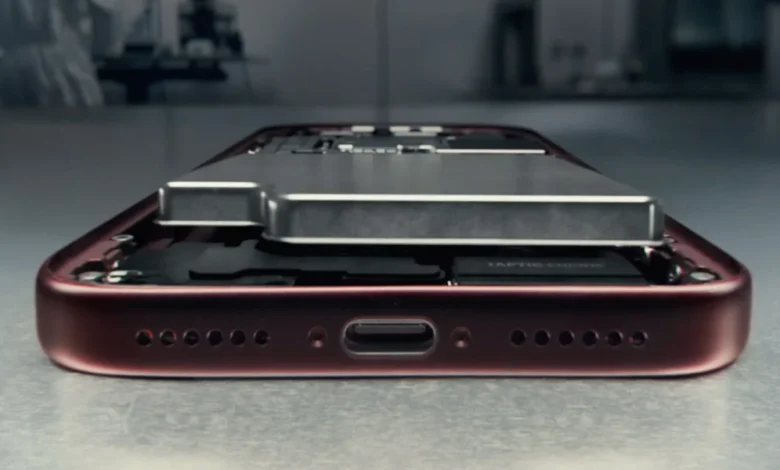
Apple has officially updated its support documentation, specifically the Apple Service and Repair for iPhone portal, revealing the out-of-warranty service pricing structure for the newly unveiled iPhone 18 Pro and iPhone 18 Pro Max. Among the various line items detailed in the updated service tables, a notable adjustment has emerged: the cost of replacing the battery for both flagship devices has risen by $10 compared to previous generations, settling at a standard out-of-warranty fee of $129.
This minor yet significant price adjustment affects users who require a battery swap outside of their standard one-year limited warranty or the extended coverage provided by AppleCare+. While minor hardware and component price increases are frequently observed across the consumer electronics industry, the adjustment for the iPhone 18 Pro lineup aligns directly with substantial internal hardware redesigns, increased physical battery capacities, and evolving manufacturing methodologies employed by Apple for its latest flagship generation.
Out-Of-Warranty Battery Service Pricing Structure
According to the newly published service tables on Apple’s official support website, out-of-warranty battery replacements for both the iPhone 18 Pro and the iPhone 18 Pro Max will cost $129. This represents a $10 increase over the $119 fee that Apple maintained across multiple preceding generations, including the iPhone 16 Pro, iPhone 16 Pro Max, iPhone 17 Pro, and iPhone 17 Pro Max models.
Apple’s support documentation clarifies that this $129 baseline applies strictly to out-of-warranty repairs. Furthermore, the company explicitly notes that individual service centers will inspect each device upon intake to diagnose potential secondary issues, meaning that final service fees could theoretically vary if physical damage, water intrusion, or auxiliary internal component failures are detected during the diagnostic process.
For consumers who purchase AppleCare+—Apple’s optional hardware insurance and technical support subscription—battery service continues to be covered at no additional charge, provided that diagnostic testing confirms the battery’s health has degraded to less than 80 percent of its original capacity during the coverage window. For customers operating without AppleCare+, however, the rising cost reflects the increasing complexity of modern smartphone repairs.
Historical Context And Pricing Evolution
To understand the trajectory of iPhone battery replacement pricing, it is helpful to examine the historical context of Apple’s repair ecosystem. For years, Apple maintained a standard out-of-warranty battery service fee of $79 for most modern iPhone models. However, this pricing structure underwent a dramatic shift in late 2017 and early 2018 in the wake of the "batterygate" controversy, during which Apple temporarily slashed out-of-warranty battery replacement costs to $29 globally to appease consumers affected by performance management software tied to degraded batteries.
Once that promotional pricing window concluded, Apple gradually stepped up baseline repair costs. With the introduction of the iPhone 14 lineup, out-of-warranty battery replacements climbed significantly higher, reflecting larger cells and more intricate internal architectures. By the time the iPhone 16 Pro and iPhone 17 Pro generations arrived, the standard out-of-warranty battery fee had stabilized at $119. The latest shift to $129 for the iPhone 18 Pro series marks the second major structural tier increase for Pro-level devices within a half-decade, signaling that the escalating energy density and physical size of smartphone power cells directly influence long-term maintenance costs.

Substantial Increases In Battery Capacity
The decision to increase the out-of-warranty service fee is closely tied to the physical and technical specifications of the power cells housed within the iPhone 18 Pro and iPhone 18 Pro Max. According to official technical specifications released for European Union markets—where stringent regulatory compliance mandates detailed public disclosure of component characteristics—the physical capacity of the batteries has grown appreciably compared to the previous generation.
Specifically, the iPhone 18 Pro is equipped with a 4,056 mAh battery, representing a notable upward shift from the 3,988 mAh cell found in the preceding iPhone 17 Pro. Meanwhile, the larger-form-factor iPhone 18 Pro Max incorporates a massive 5,391 mAh battery, eclipsing the 4,823 mAh capacity of the iPhone 17 Pro Max.
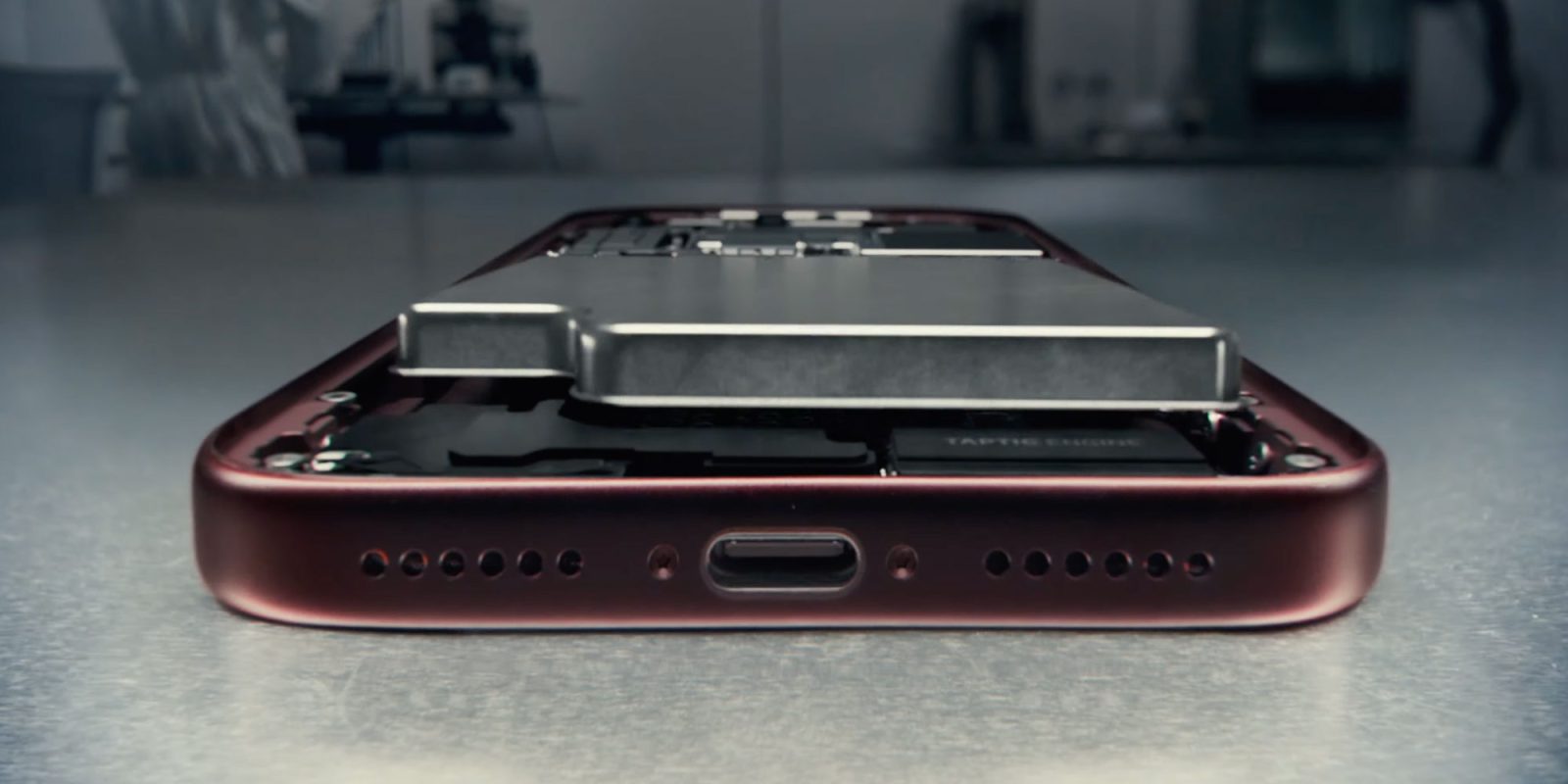
This substantial leap in energy storage—particularly in the Pro Max model, which has crossed the threshold into the mid-5,000 mAh range—requires advanced chemical compositions, highly secure housing enclosures, and complex internal adhesive management systems. These engineering enhancements improve daily endurance and power efficiency for resource-heavy tasks such as on-device artificial intelligence processing and high-refresh-rate gaming, but they also increase the baseline manufacturing and handling costs associated with recycling and replacing the lithium-ion power cells safely.
Implications For Consumers And Right To Repair
The adjustment to the iPhone 18 Pro repair pricing schedule carries several practical implications for everyday consumers, long-term device ownership trends, and the broader consumer electronics repair industry. As smartphones evolve into increasingly sophisticated computational tools, their internal architecture grows denser, making authorized component replacements more intricate and labor-intensive for certified technicians.

- Total Cost of Ownership: For users who intend to hold onto their smartphones for three, four, or five years, budgeting for potential out-of-warranty maintenance is becoming an increasingly important consideration. While modern lithium-ion batteries are rated to retain a high percentage of their original capacity through hundreds of charge cycles, intensive daily use eventually necessitates a replacement to maintain optimal peak performance.
- The Value Proposition of AppleCare+: With out-of-warranty repairs becoming progressively more expensive—not only for batteries, but also for displays, rear glass, and camera modules—the financial calculation surrounding AppleCare+ continues to shift. Consumers weighing the upfront cost of insurance versus paying out-of-pocket for unexpected repairs may find that comprehensive protection plans offer enhanced peace of mind over the multi-year lifecycle of a high-end flagship device.
- Independent Repair Industry Impacts: Apple’s pricing adjustments frequently serve as a benchmark for independent repair shops and third-party service providers. While independent technicians often price their labor and parts competitively relative to official Apple Store rates, rising component acquisition costs for OEM-grade batteries can influence the broader market pricing for out-of-warranty device restoration.
Official Response And Availability
Apple has not issued a separate standalone press release addressing the $10 price adjustment, treating the update as a standard administrative refresh of its global service and repair portal alongside the commercial launch of the iPhone 18 lineup. The updated pricing tables are effective immediately across Apple Stores, authorized service providers, and mail-in repair depots.
Consumers seeking to verify warranty status, estimate repair costs for older or newer hardware, or initiate a service request can access the official Apple Service and Repair portal directly through the company’s support website. As always, Apple recommends backing up all personal data via iCloud or a local computer before submitting any device for physical hardware inspection or component replacement.