Garmin’s Body Battery Feature Sets a Benchmark for Wearable Energy Tracking Amidst Samsung’s Evolving Health Ecosystem

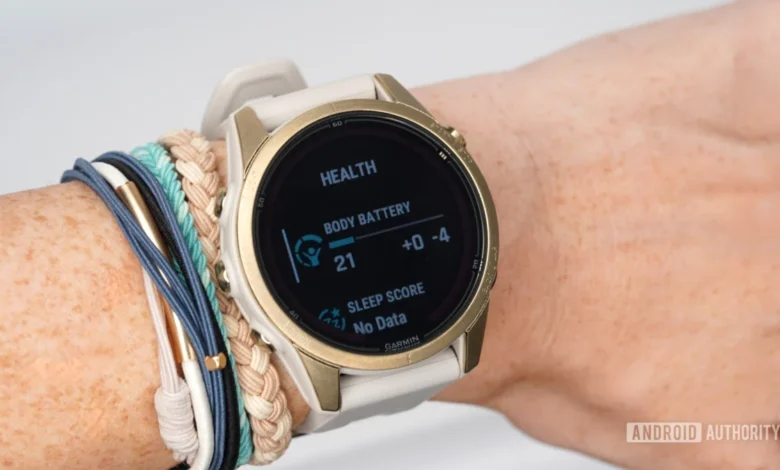
The wearable technology market is perpetually driven by innovation, with major players like Samsung continually introducing new health and fitness metrics. However, despite the recent excitement surrounding forthcoming devices such as the Galaxy Watch 9 and Galaxy Watch Ultra 2, alongside significant upgrades to the Samsung Health app promising features like a Fitness Index, Vitals, and Hearing Health, one particular metric from rival Garmin continues to stand out for its comprehensive and intuitive approach to daily energy management: Body Battery. For many long-time smartwatch users, even those sporting advanced devices like the Galaxy Watch 4, the absence of a truly dynamic and holistic energy score from competitors creates a compelling argument for Garmin’s enduring appeal in this specific domain.
Understanding Garmin’s Body Battery Score: A Holistic Energy Metric
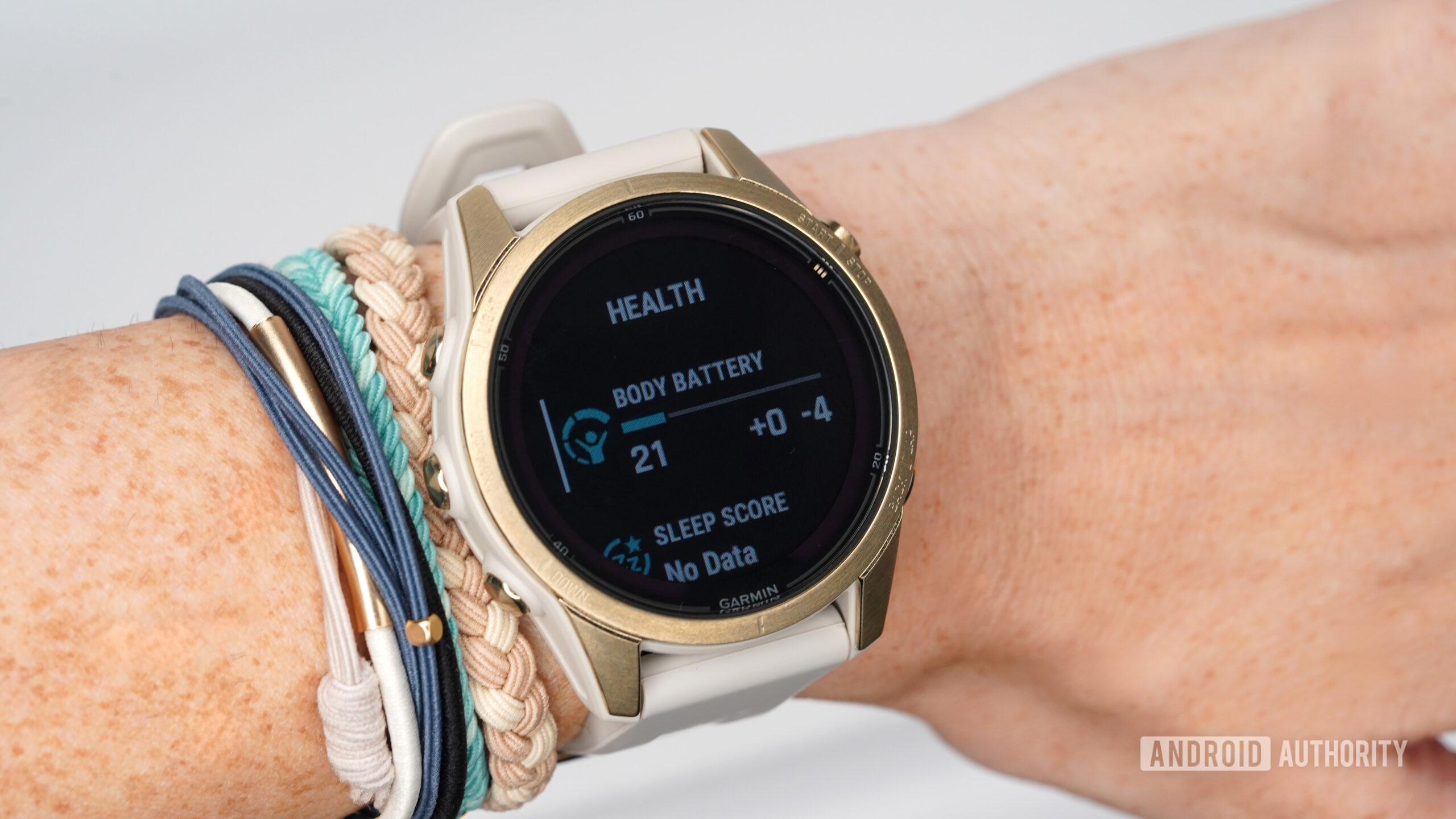
Garmin’s Body Battery, a feature introduced nearly a decade ago, offers users an approximation of their overall energy levels throughout the day, scaled from 0 (lowest) to 100 (highest). This metric transcends simple activity tracking by integrating a complex array of physiological factors into its calculation. Key components include heart rate data, the quality and duration of sleep, and crucially, heart rate variability (HRV). HRV, a measure of the variation in time between heartbeats, is widely recognized by physiologists and medical professionals as a robust indicator of the body’s stress and recovery balance, reflecting the activity of the autonomic nervous system. A higher HRV generally suggests a body that is well-rested and adaptable to stress, while a lower HRV can indicate fatigue, stress, or overtraining.
What fundamentally differentiates Body Battery from many contemporary health scores is its dynamic nature. Unlike metrics that reset daily or update infrequently, Body Battery operates on a continuous, fluid model. Users can "recharge" their score—accrue positive points—through periods of rest, quality sleep, or even short naps. Conversely, any form of physical exertion, mental stress, or insufficient recovery will deplete the score. The more demanding an activity or the more prolonged the stress, the faster the Body Battery will drain. This real-time feedback loop allows individuals to observe the immediate impact of their daily choices on their energy reserves. For instance, a strenuous workout might significantly lower the score, while an hour of relaxation or a brief midday nap could visibly top it up. This immediate, actionable feedback mechanism fosters a deeper understanding of one’s physical state.
Garmin’s approach simplifies a complex physiological concept into an easily digestible "state of charge" metaphor. This framework resonates with both novice users seeking straightforward guidance and advanced athletes looking for nuanced recovery insights. The intuitive nature of the score eliminates the need for verbose, often vague, AI-generated anecdotes that sometimes accompany rival platforms’ metrics, instead providing a clear numerical representation that directly correlates with perceived energy levels. The continuous flux of the Body Battery score is central to its utility. Human physiology is not static; energy levels ebb and flow throughout the day, influenced by myriad factors beyond just the previous night’s sleep. Body Battery acknowledges this reality by allowing the score to roll over from one day to the next, making each action and period of rest feel more consequential and meaningful within the broader context of an individual’s ongoing energy management.
The Evolution of Energy Tracking in Wearables
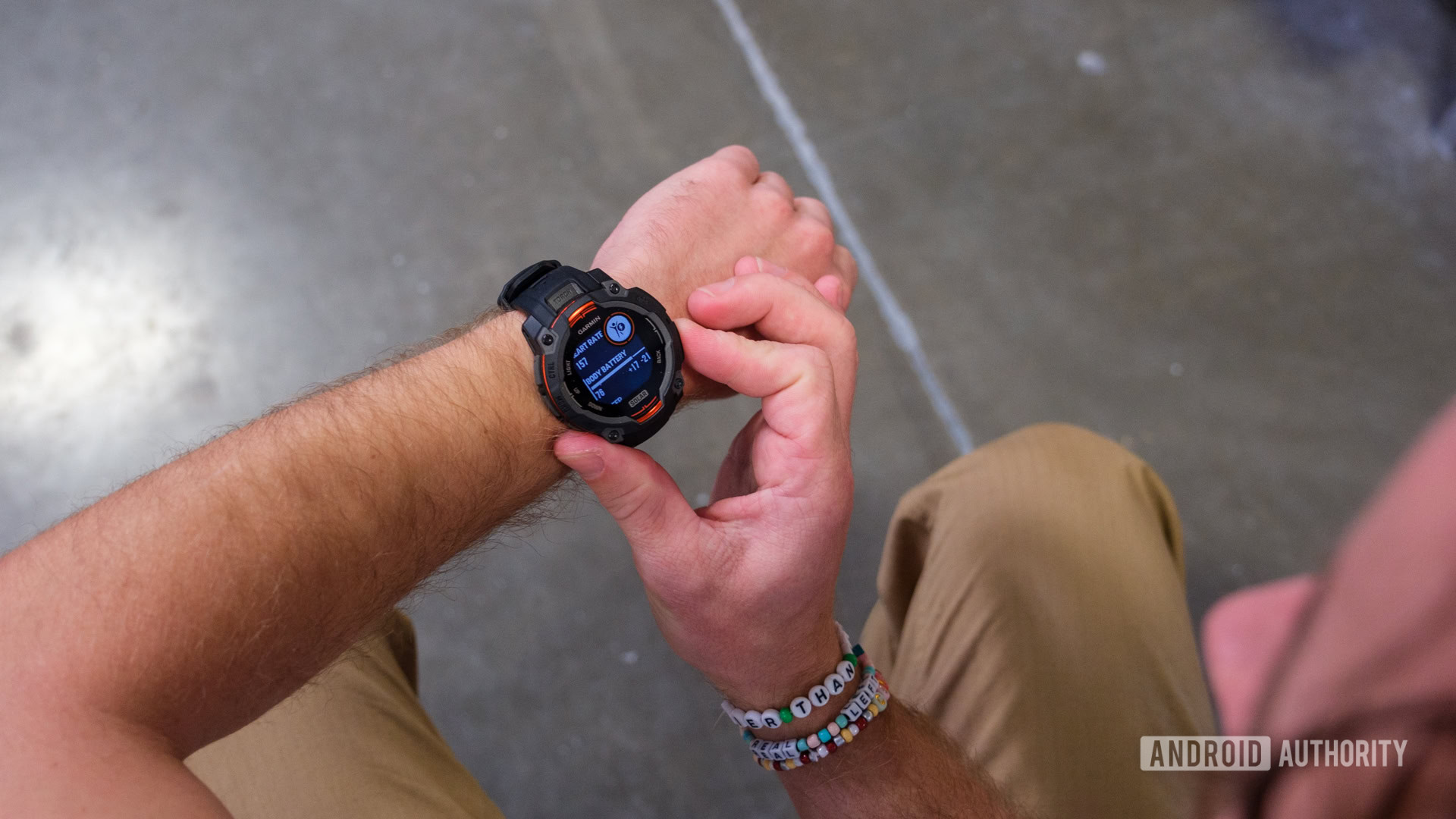
The concept of quantifying human energy and readiness is not new, but its integration into consumer wearables has seen significant evolution. Early fitness trackers primarily focused on rudimentary metrics like step counts and calories burned. As sensor technology advanced, wearables began incorporating heart rate monitoring, sleep tracking, and eventually, more sophisticated metrics like HRV.
Garmin introduced Body Battery in 2017, positioning it as a key differentiator in a burgeoning market. The feature was born out of Garmin’s collaboration with Firstbeat Analytics (now part of Garmin), a Finnish company specializing in physiological analytics for sports and well-being. Firstbeat’s algorithms, which power many of Garmin’s advanced metrics, are rooted in extensive scientific research, particularly in the fields of cardiology, exercise physiology, and stress research. The integration of HRV data, sleep stages, and activity intensity allows Body Battery to paint a comprehensive picture of an individual’s physiological load and recovery status. Over the years, Garmin has refined the algorithm, enhancing its accuracy and responsiveness to different types of activities and rest. This continuous development underscores Garmin’s commitment to providing users with practical, actionable health insights.
Other companies have since developed their own versions of "readiness" or "recovery" scores. Oura Ring offers a "Readiness Score," Whoop provides a "Recovery Score," and even Apple Watch, through third-party apps, can track similar metrics. These often leverage similar physiological inputs like HRV, sleep, and resting heart rate. However, the implementation and real-time responsiveness often vary, making Body Battery’s dynamic, continuously updating nature a distinctive characteristic.
Comparative Analysis: Garmin vs. Samsung’s Energy Score and Other Rivals
While Samsung is making strides with its expanded Health app features and devices like the upcoming Galaxy Watch 9 and Ultra 2, its current "Energy Score"—a de facto equivalent to Body Battery—operates on a fundamentally different principle. Samsung’s Energy Score updates only once a day, typically in the morning, and relies heavily on sleep statistics. This heavy weighting means that factors like slightly oversleeping or missing specific sleep zones can disproportionately influence the score, potentially misrepresenting an individual’s actual energy reserves for the day. While activity levels are factored in, they often constitute a smaller portion of the overall calculation, leading to a less holistic and less responsive metric.
The static nature of Samsung’s Energy Score presents a significant limitation. It fails to provide immediate feedback on how daily activities, stressors, or restorative periods affect one’s energy. If a user engages in a demanding activity, like a heavy weightlifting session, the impact on their energy might not be reflected until the following morning. This delay hinders real-time decision-making regarding whether to push further, take a break, or adjust plans. In contrast, Body Battery’s fluid updates allow users to see the consequences of their actions within minutes of completion, empowering them to make informed choices about continuing their activity or prioritizing rest. This immediate insight into physiological response is invaluable for pacing oneself throughout the day, whether in athletic pursuits or managing daily tasks.
The utility of Body Battery extends beyond just exercise. It serves as an intuitive guide for managing overall daily energy expenditure. If a user wakes up with a lower-than-average Body Battery score, indicating insufficient recovery, they might adjust their day to include lighter workouts, prioritize mental breaks, or schedule an earlier bedtime. Conversely, a high Body Battery score provides confidence to tackle more challenging tasks or extend physical activity without fear of overexertion or compromising recovery for the next day. This budgeting of "theoretical energy" across 24 hours provides a tangible benefit that static scores cannot replicate.
Moreover, the interpretation of scores also differs. Garmin’s direct "state of charge" model is straightforward. Samsung’s Energy Score, while providing a number, often requires additional interpretation or accompanying textual analysis, which can sometimes be less clear or actionable. Other readiness scores from brands like Whoop and Oura offer similar dynamic feedback, focusing heavily on recovery. However, Garmin’s integration of mental stress and daily activity alongside sleep, and its continuous update throughout the waking hours, distinguishes it as a particularly user-friendly and comprehensive metric for general daily energy management, not just post-workout recovery.
The Broader Landscape of Health Metrics and Consumer Implications
The wearable market is increasingly moving towards offering a myriad of specialized health scores. Samsung’s upcoming "Fitness Index," "Vitals," and "Hearing Health" are examples of this trend. While these features promise deeper insights into specific facets of health and wellness, they also present a challenge: the potential for information overload. A plethora of distinct scores, each measuring a niche aspect of health, can inadvertently make it harder for users to synthesize this data into a coherent understanding of their overall well-being. The core question remains: how do these individual scores integrate to provide a unified, actionable understanding of one’s physical and mental state?
This is where Body Battery’s singular, comprehensive approach shines. By synthesizing sleep, activity, stress, and recovery into one dynamic number, it provides a powerful, overarching metric that helps users understand "how they feel and why they might feel it." This simplicity and dynamism are crucial for widespread adoption and consistent utility among a diverse user base, from casual users to dedicated athletes.
Assigning a numerical value to a complex, subjective concept like "energy" is, by its nature, an approximation. Biometric sensors can sometimes miss nuances, and algorithms can be affected by data anomalies. However, the goal of these metrics is not absolute scientific precision in every instance, but rather to provide a useful estimate that guides behavior. Anecdotal evidence from many users suggests that Garmin’s Body Battery often aligns remarkably well with their subjective feeling of energy and fatigue, underscoring the effectiveness of its underlying algorithms and data integration.
Implications for Consumer Choice and Industry Innovation
As the wearable market matures, features that offer truly actionable and intuitive insights will likely become key differentiators. For consumers, the choice between a device offering a multitude of specific, static scores and one providing a single, dynamic, and holistic energy metric depends on their individual needs and preferences. However, the growing emphasis on holistic well-being and proactive health management suggests a strong demand for tools that simplify complex data into practical guidance.
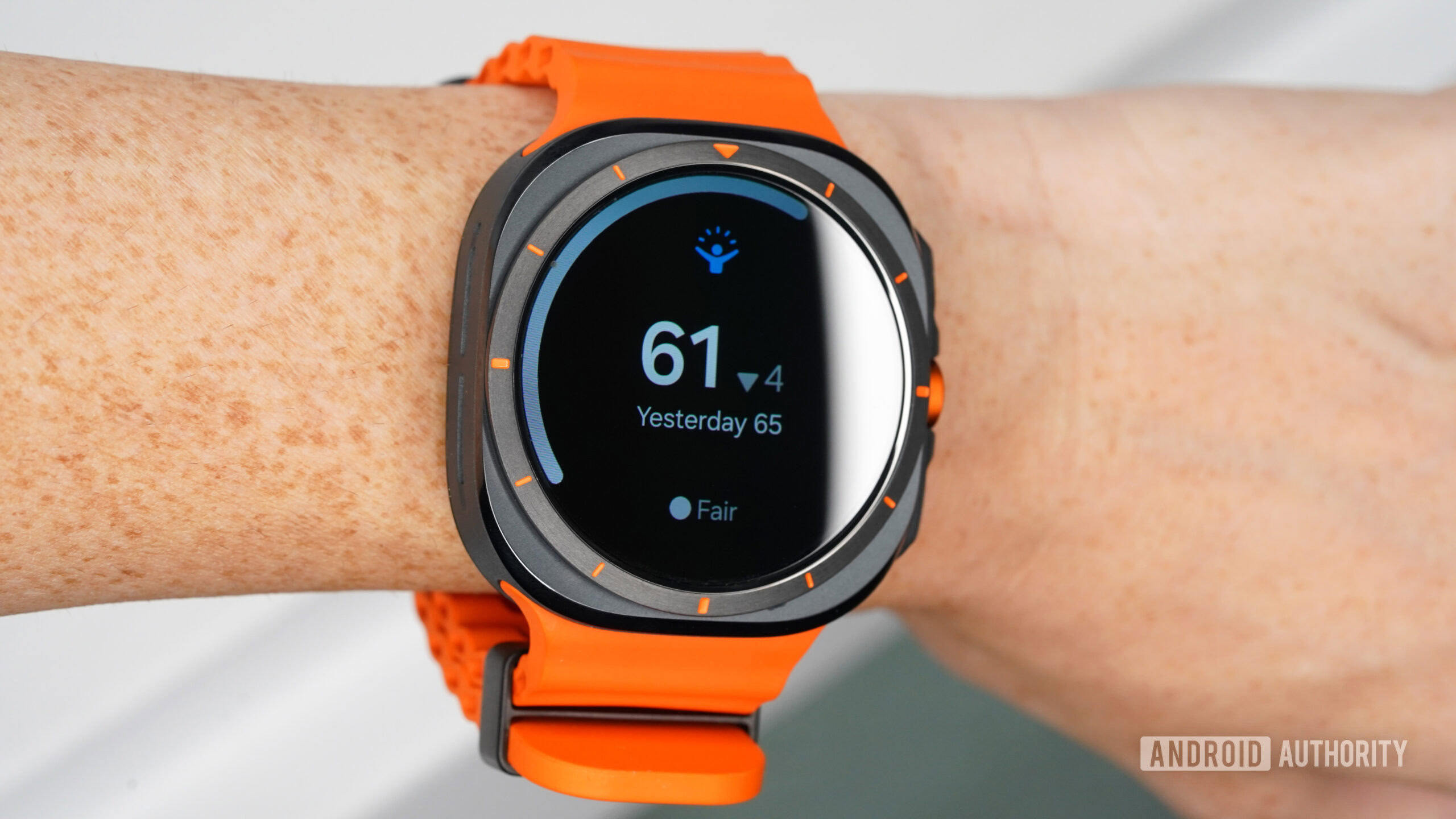
Garmin’s continued success with Body Battery poses a challenge for competitors like Samsung and Google. To truly compete in this specific niche, they may need to move beyond static, sleep-centric energy scores and develop algorithms that incorporate real-time physiological responses to activity and stress throughout the day. This would involve more sophisticated data integration from a wider range of sensors and a commitment to continuous algorithm refinement.
The "stickiness" of features like Body Battery also contributes to brand loyalty. Users who rely on this metric for daily decision-making may find it difficult to transition to a platform that lacks a comparable, equally effective tool. This creates a powerful incentive for manufacturers to invest in developing and refining such holistic health metrics.
Conclusion and Outlook
As Samsung gears up for the launch of its new Galaxy Watch series, bringing with it a suite of new health features, the conversation around comprehensive energy tracking remains pertinent. While advancements in specific health areas are commendable, the enduring appeal of Garmin’s Body Battery highlights a fundamental desire among users for a singular, easily understandable, and dynamically responsive metric for overall energy. It might not be a perfect science, as no wearable metric can claim absolute infallibility, but Body Battery has consistently proven to be one of the most effective and user-friendly energy estimates available. Its ability to respond to actions throughout the day, provide a known baseline that shifts with physiological realities, and simplify complex health data into an actionable "state of charge" continues to set a high bar for the wearable industry. In a world saturated with data, the true value lies in how effectively that data can be translated into meaningful insights that empower individuals to better manage their health and well-being.