Apple iPhone Duo Stylus Strategy Highlights Divergent Approaches to Foldable Hardware Design

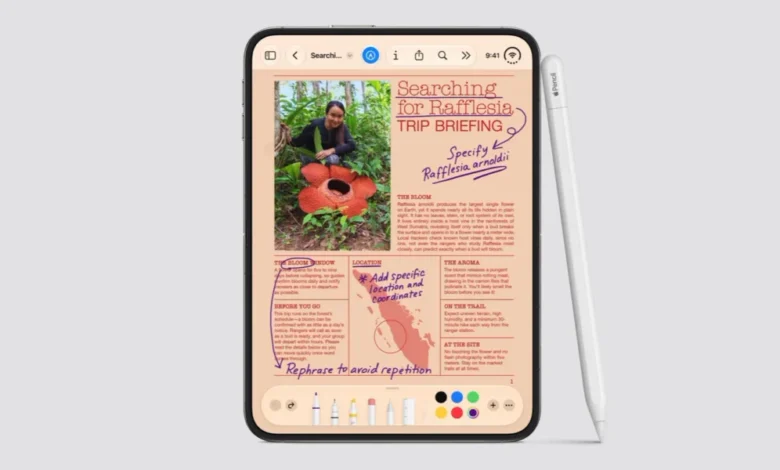
The release of the Apple iPhone Duo has reignited the industry-wide debate regarding the necessity and implementation of stylus integration within the foldable smartphone segment. While Apple’s entry into the foldable market did not fundamentally disrupt the established form factor, its decision to provide stylus support—albeit through an unconventional route—has placed renewed pressure on market leader Samsung. The current technological landscape reveals a stark contrast between Apple’s software-first adaptation and Samsung’s hardware-centric withdrawal, as both companies grapple with the engineering constraints inherent to slim, folding devices.
A Chronology of Stylus Integration in Foldables
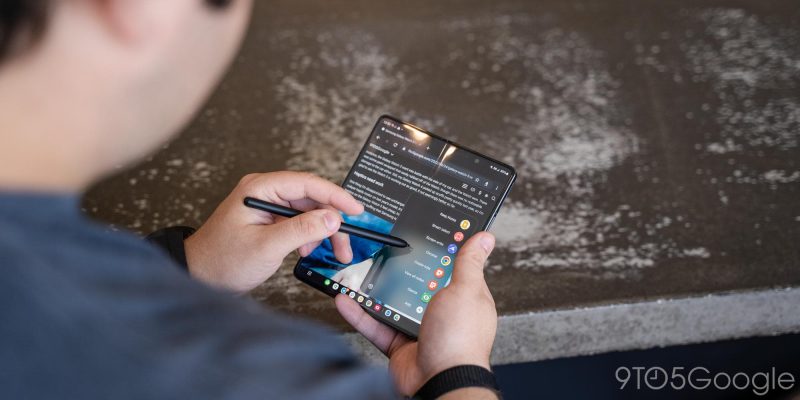
The history of stylus support on foldable displays is a relatively brief but volatile timeline. Samsung pioneered this feature in 2021 with the Galaxy Z Fold 3, which introduced a specialized digitizer layer in the display to accommodate the S Pen. This version of the stylus was passive, meaning it lacked an internal battery, thereby reducing weight and size. However, the limitation of this design was the lack of an internal stowage mechanism, forcing users to carry the stylus separately or purchase specialized cases.
For several generations, the S Pen was a hallmark of the Fold series, serving as a spiritual successor to the discontinued Galaxy Note line. This functionality persisted through the Galaxy Z Fold 6. However, the release of the Galaxy Z Fold 7 in 2025 marked a definitive shift in strategy. In a concerted effort to compete with the ultra-slim profiles of Chinese foldable manufacturers, Samsung removed the digitizer layer entirely. The result was a significantly thinner device, but one that alienated a core segment of power users who relied on the S Pen for productivity.
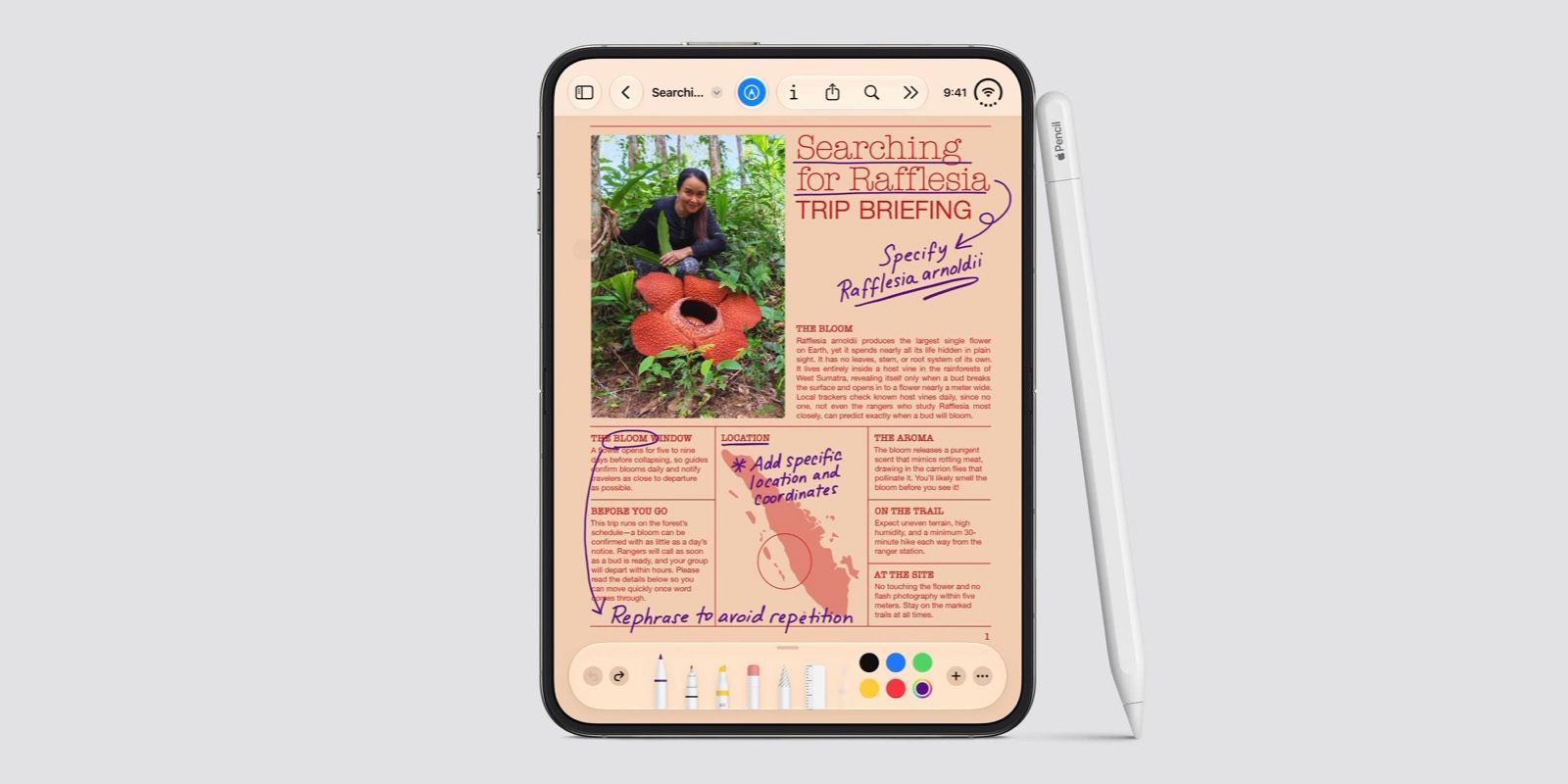
The current generation, represented by the Galaxy Z Fold 8 and Z Fold 8 Ultra, continues this trend of prioritizing portability over input versatility. Conversely, Apple’s iPhone Duo enters the market with a software-enabled stylus capability that utilizes the existing USB-C Apple Pencil. This represents a strategic pivot, as internal reports suggest Apple had originally intended to launch a proprietary, magnetically attachable stylus specifically designed for the Duo’s hinge.
The Engineering Challenges Behind the Screen
The technical friction point for all foldable manufacturers remains the display assembly. To support a stylus, a smartphone screen must house a Wacom-style electromagnetic resonance (EMR) digitizer layer. This component is not merely a software toggle; it is a physical layer of hardware that adds thickness, increases weight, and complicates the mechanical stress placed on the folding hinge.
In the case of the iPhone Duo, Apple’s pivot toward the iPad-compatible USB-C Apple Pencil was a reactive measure rather than an initial design goal. According to industry reports, the company encountered insurmountable "technical problems" related to the integration of a miniaturized, hinge-docked stylus just months before the product’s scheduled mass production. The current solution, which involves a firmware-level software update expected to roll out in late 2026, suggests that Apple is attempting to bridge the gap between its tablet ecosystem and its phone lineup without compromising the device’s structural integrity.
Samsung’s engineers face a similar dilemma. The push for a sub-10mm folded thickness leaves little room for the extra layers required by an active digitizer. While Samsung has experimented with various pressure-sensitive technologies, the trade-offs in weight and durability have consistently led the company to favor thinness. The market has noticed, and the lack of a "pro" input tool has been a frequent point of contention in consumer feedback forums and technical reviews.
Comparative Market Analysis
To understand the implications of these design choices, one must look at the broader foldable market. Chinese OEMs, such as Honor, Vivo, and OnePlus, have largely maintained stylus support in their premium foldable offerings. By integrating thin-film digitizers, these companies have managed to keep their devices competitive in weight while offering the functionality that Samsung has temporarily abandoned.
From a data perspective, the "stylus-less" approach has not necessarily hampered Samsung’s sales volume, but it has created a clear distinction between the "Fold" series and the traditional "Ultra" flagship line. The Galaxy S26 Ultra remains the primary vessel for S Pen enthusiasts, effectively segmenting the market. However, as the iPhone Duo gains traction, the absence of a stylus on a device priced and marketed for productivity could become a competitive liability.
If Apple successfully deploys its stylus support via software, it signals a shift toward "ecosystem-based" features. By allowing the existing iPad Pencil to function on the iPhone Duo, Apple is lowering the barrier to entry for the stylus, whereas Samsung’s hardware-locked approach requires users to purchase a dedicated, proprietary tool.
Official Stance and Future Outlook
While Samsung has remained tight-lipped regarding the specific roadmap for the Galaxy Z Fold 9, internal leaks and public statements from company executives suggest that the door is not closed. In July 2026, representatives indicated that the company is "exploring multiple avenues" for stylus integration, suggesting that the removal of the S Pen was a generational design choice rather than a permanent architectural decision.
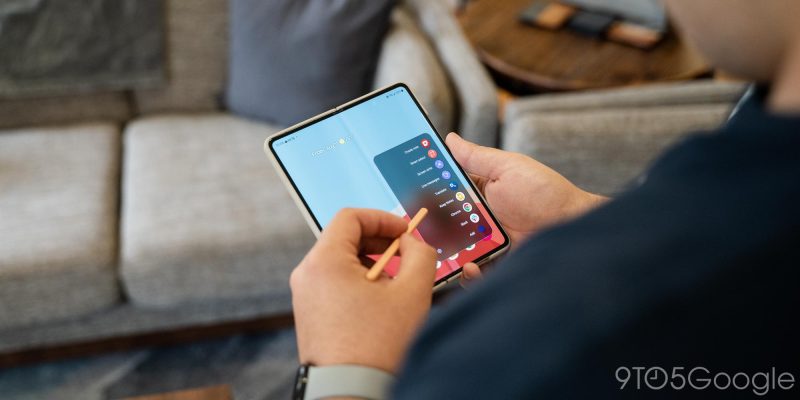
The primary hurdle for the next generation of Fold devices will be balancing the consumer desire for a thinner profile with the professional demand for input precision. Industry analysts suggest that we are nearing a plateau in foldable thickness reduction, meaning the next phase of innovation will likely focus on "internal real estate optimization." This could involve more efficient battery stacking or the development of a next-generation flexible digitizer that occupies less than 0.2mm of depth.
Broader Implications for the Mobile Industry
The broader implication of this competition is a shift in how manufacturers define "productivity" on a mobile device. For years, the smartphone was a consumption-first device. With the rise of foldables, the industry is attempting to transition the device into a content-creation powerhouse. Apple’s entry, even with its delayed software rollout, validates the form factor as a legitimate professional tool.
For the consumer, the next eighteen months will be defined by software interoperability. As Apple prepares its late-2026 update for the iPhone Duo, Samsung will likely be forced to respond. Whether that response comes in the form of a hardware re-integration or a proprietary software solution that mimics the Apple approach, the trend toward stylus-enabled foldables appears to be gaining momentum.
Ultimately, the divergence between the current Samsung design and the emerging Apple philosophy highlights the central tension of the foldable era: the struggle to pack laptop-level utility into a pocketable frame. As both companies continue to refine their respective hardware, the role of the stylus will likely transition from a niche accessory for illustrators to a standard expectation for the enterprise and power-user markets. Whether the industry settles on a magnetic, hinge-based solution or a universal software-based input, the goal remains the same: transforming the foldable display from a novelty into an essential instrument for the modern digital workspace.