The Era of the Googlebook Begins: Pre-Orders Open for Google’s New Flagship Laptop Lineup Powered by Snapdragon X Elite and Android

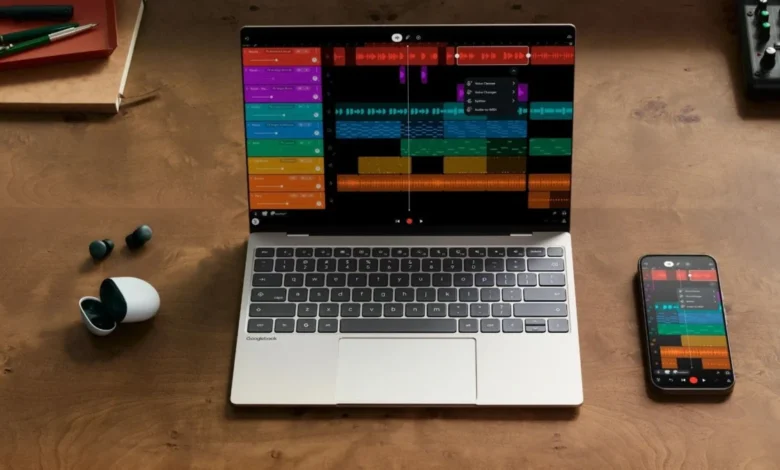
The landscape of personal computing shifted significantly on September 21, as Google officially opened pre-orders for its highly anticipated line of flagship laptops, appropriately named the Googlebook. Starting at $899, this inaugural generation of devices represents a major strategic pivot for the tech giant, which has spent over a decade cultivating the lightweight, cloud-centric Chromebook market. By combining high-end hardware manufacturing partnerships with a serious, deeply integrated version of the Android operating system, Google is positioning the Googlebook to directly challenge established premium laptops in the consumer and professional sectors.
Hardware Engineering and the Return of Iconic Design Elements
The first wave of Googlebooks is being produced in collaboration with some of the industry’s most prominent PC manufacturers, including Acer, ASUS, Dell, HP, and Lenovo. Rather than relying on a single reference design, each hardware partner has infused its respective model with distinct craftsmanship characteristics. These range from bespoke, tactile keyboard layouts to cinematic, high-fidelity audio systems designed to rival multimedia-focused competitors.
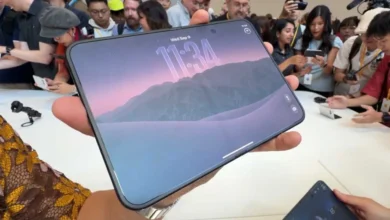
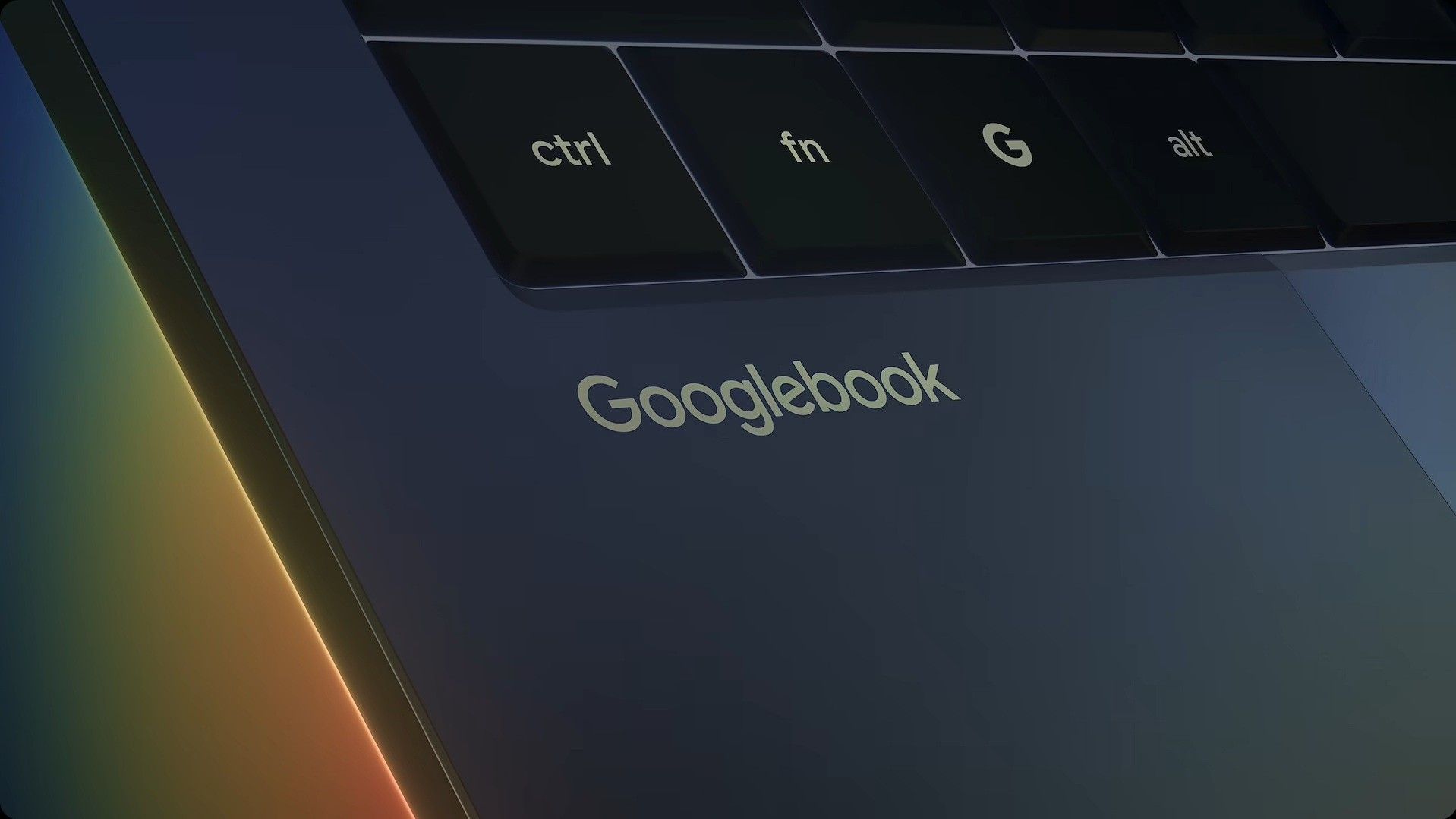
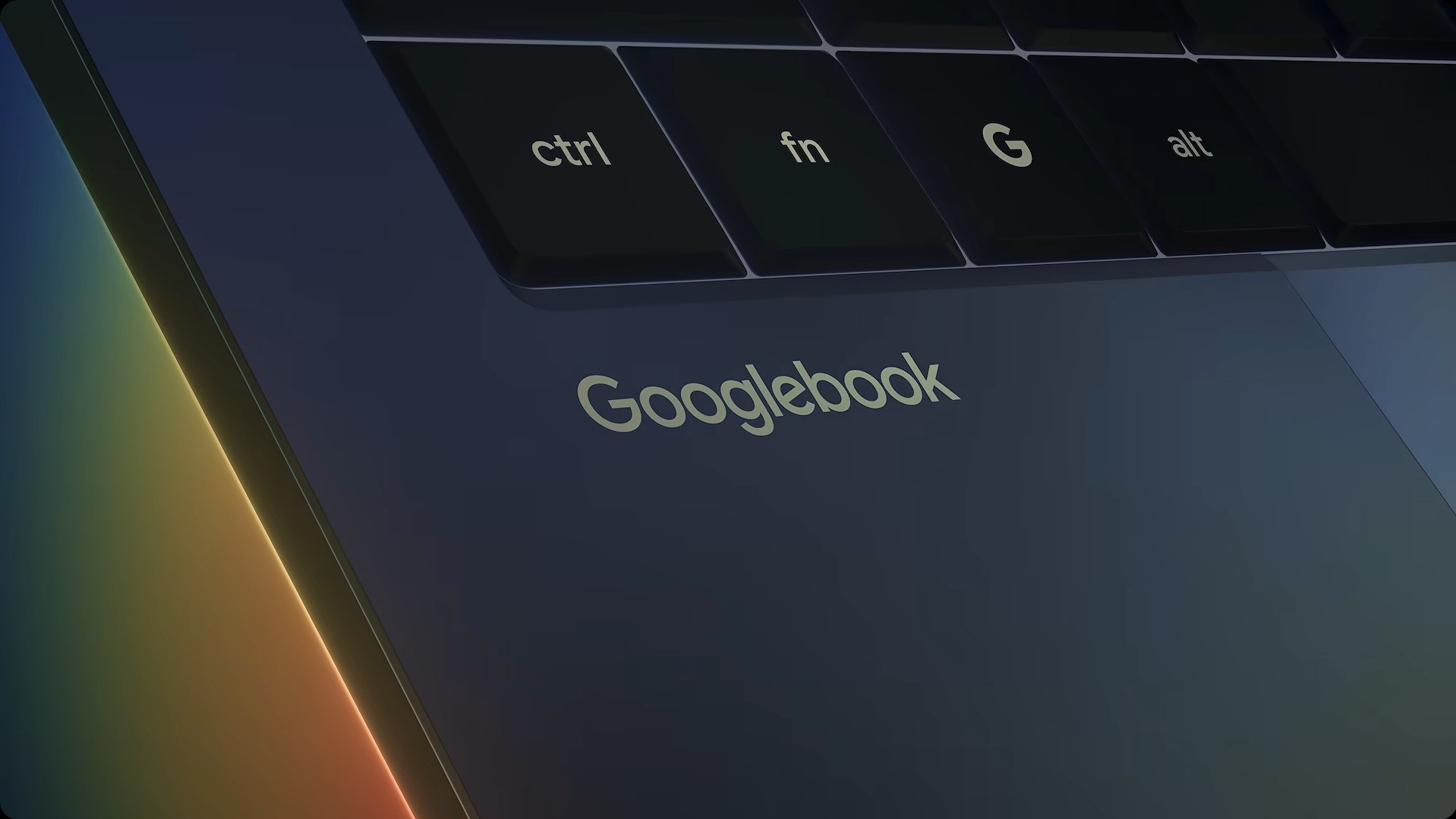
Constructed from premium materials such as aluminum, magnesium alloy, and carbon fiber, the chassis of these new devices are engineered to be exceptionally light, sleek, and durable. Display specifications match this premium exterior, featuring vivid touchscreens equipped with up to 2.8K OLED panels. For navigation and input, the laptops integrate responsive haptic glass trackpads and backlit keyboards. Under typical usage conditions, users can expect up to 14 hours of continuous battery life, supported by energy-efficient processor architectures.
Notably, the launch marks the nostalgic return of the "Glowbar"—an illuminating hardware feature that lights up upon system startup. Beyond its aesthetic appeal, the Glowbar serves functional purposes, displaying real-time battery percentage indicators and dynamic visual animations when users interact with Google’s on-device AI assistant, Gemini.
Under the Hood: Snapdragon X Elite and High-Performance Processing
Powering the core computational tasks of the initial Googlebook lineup is Qualcomm’s powerful Snapdragon X Elite processor. Featuring a 12-core Oryon CPU architecture clocking speeds of up to 4GHz, this silicon provides the heavy lifting necessary for demanding computational tasks, local artificial intelligence processing, and robust multitasking capabilities.
This processing muscle is complemented by deep software optimization designed to bridge the gap between mobile productivity and desktop-class performance. For creative professionals and media consumers alike, standard productivity and editing suites—such as Adobe Photoshop and Lightroom—run natively and fluidly within the environment. Furthermore, the inclusion of the Google Play Store opens access to a vast library of streaming services, applications, and mobile games.
To cater to high-end gamers, Google has partnered with cloud gaming platforms, announcing that every Googlebook purchase will include a complimentary one-year subscription to NVIDIA GeForce NOW, enabling users to stream AAA titles from major gaming studios without requiring discrete desktop graphics hardware.
A Unified Ecosystem: Bridging Android and Laptop Computing
Historically, attempts to merge mobile operating systems with traditional laptop form factors have faced criticism for fractured user experiences. With the Googlebook, Google is taking its Android software ecosystem on desktop hardware more seriously than ever before. The software framework is designed to deliver "the best of the web and the Play Store," ensuring that the apps, tools, and content familiar to users from their mobile phones translate seamlessly to a larger canvas.
Upon initial setup, signing into a Googlebook initiates a comprehensive ecosystem sync. User preferences—including Android phone settings, saved Wi-Fi networks, browser passwords, and messaging threads—automatically migrate to the laptop. This continuity allows users to instantly pick up active projects, messaging conversations, or travel bookings right where they left off on their mobile devices.
Cross-device integration is further enhanced through features such as app casting, which mirrors or extends mobile app workflows onto the laptop screen. Additionally, a dedicated Files app provides direct access to an Android phone’s internal storage, allowing users to search, view, and open local files and photographs directly from the computer interface without manual file transfers.
Deep Gemini AI Integration and Advanced Software Tools
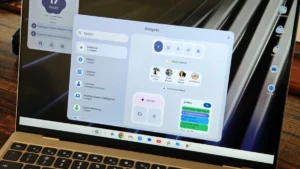
Artificial intelligence forms the backbone of the Googlebook user experience, anchored heavily by Google’s Gemini assistant. Among the standout productivity features introduced with the platform is the "Magic Pointer," a tool initially previewed during Google I/O. By performing a distinct wiggling motion with the cursor, users can summon Gemini contextually relative to whatever is currently displayed on their screen, enabling immediate task execution, text summarization, or context-aware assistance.
Additional AI capabilities incorporated into the operating system include advanced text-polishing utilities designed to refine dictated or typed notes by automatically removing conversational filler words. Furthermore, a new "Create My Widget" tool allows users to dynamically generate custom desktop widgets tailored to display specific real-time data feeds and personal preferences.
Launch Timeline, Pricing, and Regional Availability
Pre-orders for the Googlebook officially commenced globally on September 21, accessible through the official Google Store, Best Buy, and other major consumer electronics retailers.
The staggered global rollout will see physical units arrive on store shelves in the United States on October 4. International availability follows closely behind, with Canada receiving the devices on October 5, alongside concurrent launches in the United Kingdom, Ireland, France, Germany, and Australia. To incentivize early adoption, Google is bundling promotional perks with initial purchases, including extended access to Google AI Pro services and YouTube Premium subscriptions.
Market Implications and Strategic Outlook
The launch of the Googlebook line marks a pivotal inflection point for the personal computer industry. By leveraging the ARM-based efficiency of the Snapdragon X Elite architecture and deeply integrating the Android operating system with enterprise-grade and consumer hardware partners, Google is attempting to carve out a new middle ground between traditional Windows-based PCs, Apple’s macOS ecosystem, and conventional ChromeOS devices.
Industry analysts suggest that if the hardware reliability matches the ambition of the software integration, the Googlebook could redefine consumer expectations of how mobile and desktop environments should interact. By lowering the friction between smartphone workflows and laptop productivity, Google aims to capture a significant share of the premium notebook market, appealing to mobile-first digital natives and professionals who rely heavily on cross-device continuity. As the initial wave of devices reaches consumers in early October, the market will closely monitor how third-party developers adapt to this unified ecosystem and whether the performance claims of the Snapdragon-powered Googlebooks translate effectively into day-to-day user satisfaction.