Apple Testing AI-Powered ‘Live Notes’ Feature at Genius Bar for Enhanced Customer Service

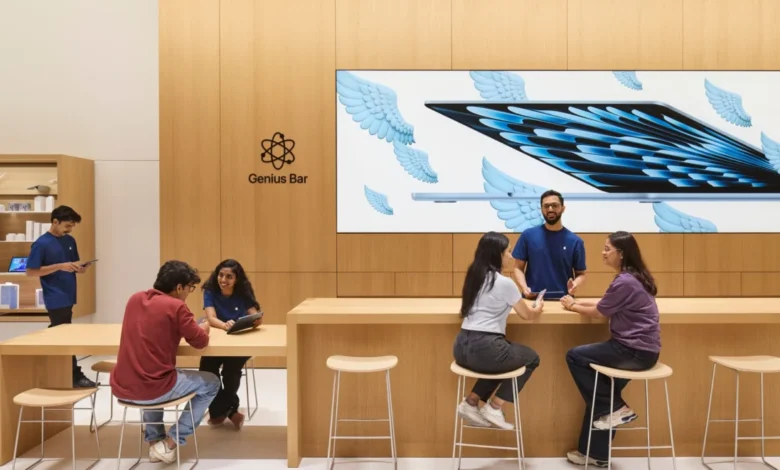
Apple is reportedly piloting an innovative AI-powered "Live Notes" feature designed to transcribe conversations between its Genius Bar technicians and customers within select retail locations. This development, first reported by Bloomberg‘s Mark Gurman on July 19, 2026, signals a significant step in Apple’s ongoing integration of artificial intelligence into its customer service operations. The system is currently being tested on an opt-in basis, necessitating explicit agreement from both the Genius Bar employee and the customer before activation, underscoring Apple’s emphasis on user consent in its AI initiatives.
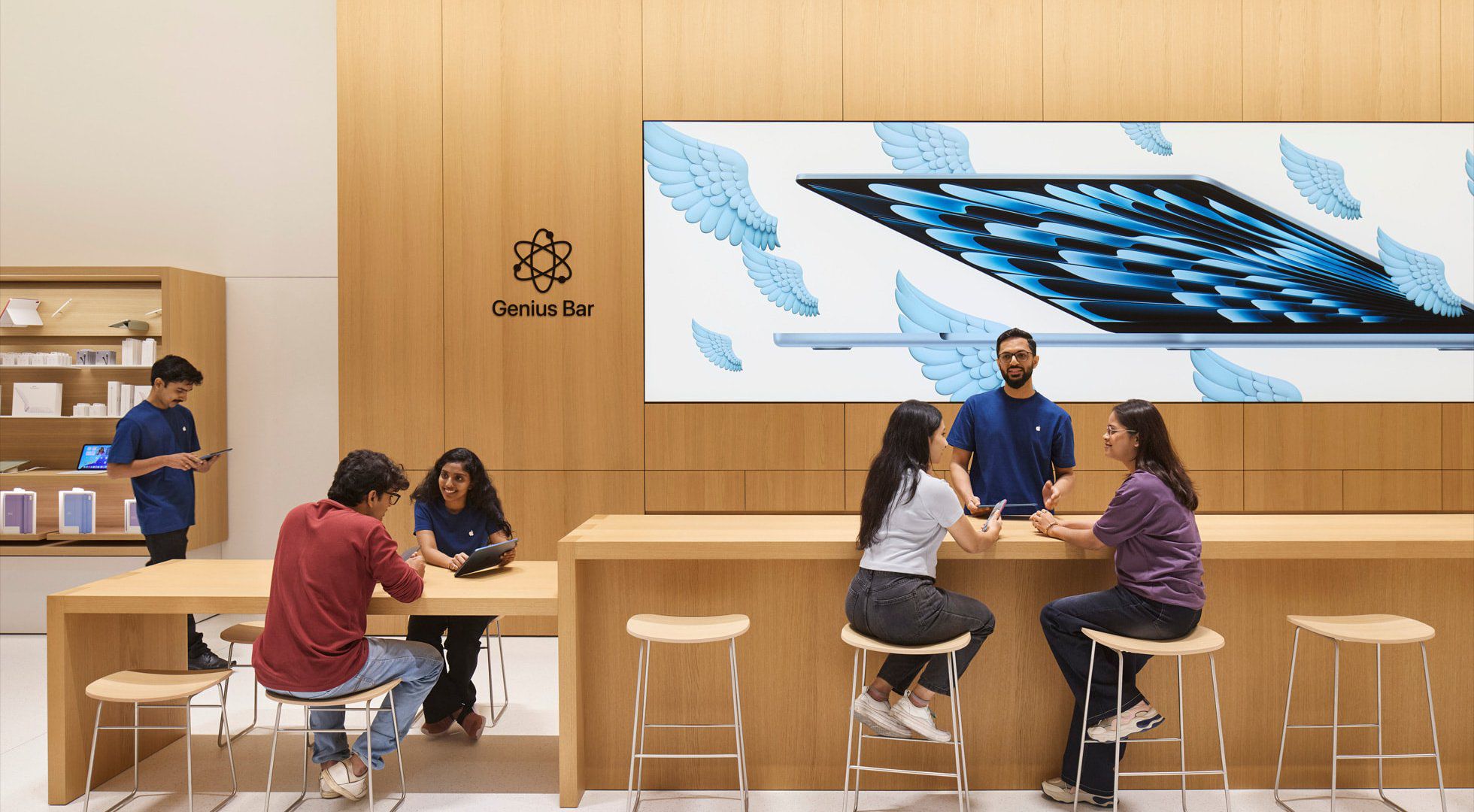
The primary objective behind the "Live Notes" feature, as outlined by Gurman, is to streamline the service process by alleviating Genius Bar employees from the manual task of note-taking during appointments. By automating the transcription of repair sessions, Apple aims to enable its technicians to dedicate more focused attention to the customer, fostering a more engaging and empathetic interaction. The resulting transcript is seamlessly integrated into the employee’s iPad, forming a comprehensive and accurate record of the repair session, which can then be referenced for continuity and follow-up.
The Evolution of Customer Service: A Glimpse into the Future
This trial represents a strategic move by Apple to leverage advanced AI capabilities to enhance efficiency and customer satisfaction within its renowned retail ecosystem. For years, the Genius Bar has stood as a cornerstone of Apple’s brand experience, offering personalized technical support and repair services that differentiate it from competitors. The introduction of "Live Notes" seeks to further refine this experience, transforming what can often be a time-consuming administrative task into an opportunity for deeper human connection.
The traditional Genius Bar appointment involves technicians meticulously documenting diagnostic findings, repair actions, and customer queries. This manual process, while thorough, can divert attention from the direct interaction, potentially leading to perceived delays or a less personal experience. By automating this data capture, Apple envisions a scenario where technicians can maintain eye contact, actively listen, and engage more effectively with customers, ultimately leading to quicker resolutions and a more satisfying service journey.
Technological Underpinnings: AI, Transcription, and Integration
At its core, the "Live Notes" feature relies on sophisticated AI algorithms for real-time speech-to-text transcription. These algorithms are trained on vast datasets of spoken language to accurately convert conversations into written text, even in potentially noisy retail environments. Natural Language Processing (NLP) techniques likely play a crucial role in understanding context, identifying key information (e.g., device models, issue descriptions, troubleshooting steps), and potentially summarizing lengthy interactions.
The transcribed data is then seamlessly integrated into Apple’s internal service management systems, accessible via the employee’s iPad. This integration ensures that all relevant information is captured and stored securely, creating a consistent and verifiable record. This digital record not only benefits the immediate service appointment but also provides valuable data for future reference, employee training, and even broader insights into common product issues and customer pain points. The emphasis on "live" transcription suggests a low-latency system designed to keep pace with natural conversation, providing immediate textual feedback to the technician.
Apple’s Broader AI Ambitions: A Strategic Imperative
The deployment of "Live Notes" at the Genius Bar is not an isolated event but rather fits into a larger pattern of Apple’s increasing investment and integration of AI across its product and service offerings. In recent years, Apple has significantly ramped up its AI research and development, quietly acquiring AI startups and hiring top talent. While often more private about its AI advancements compared to some competitors, the company has consistently incorporated AI to enhance features like Siri, Photos, and on-device machine learning for privacy-centric functionalities.
The timing of this revelation, occurring in mid-2026, places it within a period of accelerated AI adoption across the tech industry. Just days before this news, on July 17, 2026, reports emerged about the impending launch of the iPhone 18 Pro, rumored to include advanced features that would heavily rely on on-device AI capabilities, such as a smaller Dynamic Island and 5G via satellite. This confluence of developments underscores Apple’s strategic imperative to not only embed AI into its hardware but also to revolutionize its service infrastructure. The goal is to deliver a more intelligent, efficient, and personalized experience across all touchpoints of the Apple ecosystem.
Privacy at the Forefront: The Opt-In Mechanism
A crucial aspect of the "Live Notes" feature is its opt-in nature. This design choice aligns with Apple’s long-standing commitment to user privacy, a core tenet of its brand philosophy. By requiring explicit consent from both the customer and the employee, Apple addresses potential concerns regarding the recording and transcription of private conversations. This mechanism empowers individuals to decide whether they wish to participate, thereby maintaining a degree of control over their data.
For customers, the opt-in provides reassurance that their interactions are not being automatically recorded without their knowledge or approval. For employees, it ensures transparency and avoids any feeling of being constantly monitored without their consent. Apple’s reputation for privacy is a significant competitive advantage, and the company is likely to implement robust data handling protocols, including anonymization, secure storage, and strict access controls, to protect the integrity of the transcribed data. It is plausible that the transcripts would be stored locally on Apple’s secure servers and only used for the intended purpose of improving service records, without being linked to personal identifiers beyond what is necessary for the repair. Furthermore, the possibility of data being used for training future AI models would likely also be covered under the terms of the opt-in agreement, ensuring full disclosure.
Benefits for Customers: Consistency, Clarity, and Efficiency
From a customer perspective, "Live Notes" promises several tangible benefits. Firstly, it can lead to greater consistency in service. With an accurate, real-time transcript, there’s less room for misinterpretation or missed details between what the customer describes and what the technician records. This ensures that the problem is clearly understood and addressed, reducing the likelihood of repeat visits for the same issue.
Secondly, the feature could significantly reduce appointment times. By freeing technicians from manual note-taking, more time can be dedicated to diagnosis, repair, and explaining solutions to the customer. This efficiency translates to shorter wait times and a more streamlined overall experience, which is particularly valuable in busy Genius Bar locations. The ability for technicians to quickly review past interactions via the digital record also ensures continuity if a customer needs to follow up or interact with a different technician.
Impact on Genius Bar Employees: Workflow Transformation and Skill Augmentation
For the Genius Bar employees, "Live Notes" represents a shift in their workflow. While it automates a tedious administrative task, it doesn’t diminish the need for their expertise. Instead, it augments their capabilities, allowing them to focus on the higher-value aspects of their role: problem-solving, empathy, and customer education. Technicians can now fully engage in the conversation, using their human intelligence to interpret nuances, read body language, and provide personalized support, while the AI handles the factual recording.
However, the introduction of such a system also necessitates adaptation. Employees would need training on how to best utilize the feature, how to explain it to customers, and how to review and potentially edit the AI-generated transcripts for accuracy. The skill set of a Genius Bar technician might evolve, placing a greater emphasis on diagnostic prowess and interpersonal communication, with less emphasis on clerical precision during the interaction itself. Concerns about job displacement are often raised with AI adoption, but in this context, the aim appears to be augmentation rather than replacement, empowering employees to perform their roles more effectively.
Industry Context and Competitive Landscape
Apple’s move with "Live Notes" is indicative of a broader trend across the retail and service industries, where companies are increasingly deploying AI to optimize customer interactions. Call centers have long utilized speech analytics and transcription, but bringing such technology directly into a face-to-face retail environment is a more recent development. Other tech giants and retail chains are experimenting with AI-powered chatbots, virtual assistants, and in-store analytics to personalize experiences and improve operational efficiency.
By integrating "Live Notes," Apple reinforces its position as a leader in retail innovation. While other companies might focus on transactional efficiency, Apple consistently seeks to balance efficiency with a premium, human-centric service experience. This AI feature, therefore, is not merely about speeding things up but about enriching the quality of human interaction, a hallmark of the Apple brand. It also provides a significant competitive edge, potentially setting a new standard for in-person technical support.
Challenges and Considerations: Accuracy, Adoption, and Data Management
Despite its promise, the "Live Notes" feature is likely to face several challenges. The accuracy of real-time transcription, especially in environments with background noise or varied accents, will be critical. Inaccuracies could lead to frustration for both customers and employees if transcripts require extensive manual correction. Apple’s AI models would need to be highly robust to handle the diversity of human speech.
Customer adoption of the opt-in feature is another key consideration. While some customers may readily embrace the efficiency, others might be hesitant due to privacy concerns, even with explicit consent. Apple’s communication strategy around the benefits and privacy safeguards of "Live Notes" will be crucial for encouraging widespread adoption. Employee adoption and comfort with the new workflow will also be vital for its success. Any perceived complexity or lack of reliability could hinder its integration into daily operations.
Finally, the sheer volume of transcribed data will require sophisticated data management strategies. Ensuring the security, privacy, and utility of this data, while complying with various regional data protection regulations, will be an ongoing task for Apple. The company will need to clearly define data retention policies and access controls.
Future Outlook and Potential Expansion
If the "Live Notes" pilot proves successful, its implications could extend beyond the Genius Bar. The underlying AI transcription and integration technology could potentially be deployed in other customer service contexts, such as Apple Support calls or online chat interactions, further enhancing consistency and efficiency across all support channels. Imagine a future where a customer’s support history, from a phone call to a Genius Bar visit, is seamlessly linked by AI-generated notes, providing a holistic view of their device’s journey and interaction history.
Furthermore, the data collected, if anonymized and aggregated, could provide invaluable insights for Apple’s product development teams, helping them identify recurring issues, understand user behavior, and prioritize future enhancements. This feedback loop, powered by real-world customer service interactions, could contribute to the continuous improvement of Apple’s hardware and software. The insights could also inform Genius Bar training programs, identifying common customer questions or areas where technicians might need additional support.
Analyst Perspectives and Market Reception
Tech industry analysts are likely to view Apple’s "Live Notes" initiative as a smart, incremental step in its broader AI strategy. While not as flashy as generative AI features, it addresses a tangible pain point in customer service and aligns with Apple’s brand values of efficiency and user experience. Analysts would likely commend the opt-in approach as a responsible implementation of AI, contrasting it with more aggressive data collection practices seen elsewhere.
The market reception would largely depend on the perceived impact on customer satisfaction and operational efficiency. If the feature demonstrably reduces wait times and improves the quality of service, it could further solidify Apple’s reputation for premium support, potentially driving customer loyalty and differentiating it from competitors who may struggle with similar service challenges. The long-term success will hinge on the balance between technological advancement and maintaining the human touch that defines the Genius Bar experience.
In conclusion, Apple’s trial of the "Live Notes" feature at its Genius Bars represents a forward-thinking application of AI to a critical customer touchpoint. By automating note-taking, the company aims to empower its technicians, enhance customer engagement, and streamline its renowned service operations. While challenges related to accuracy, adoption, and data management will need to be navigated, this initiative underscores Apple’s strategic commitment to integrating artificial intelligence to refine and elevate every aspect of the user experience, from product design to post-purchase support. The opt-in mechanism also reiterates Apple’s enduring focus on privacy and user control, even as it embraces cutting-edge AI technologies.