Apple’s Software Gamble with the iPhone Duo: Why Third-Party App Support Poses a High-Stakes Challenge for the New Foldable Ecosystem

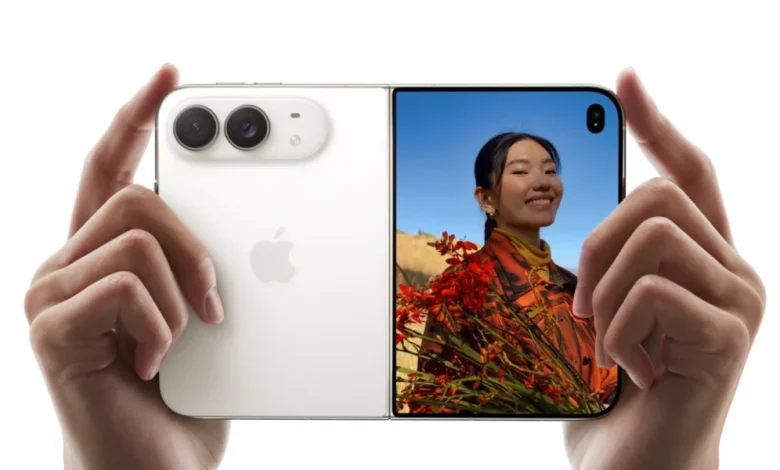
The introduction of Apple’s long-anticipated foldable device, the iPhone Duo, marks a monumental shift in the company’s hardware design philosophy. However, this hardware leap has been accompanied by a significant software gamble. To harness the expanded real estate of the inner display, Apple has mandated that all third-party applications must be recompiled for iOS 27.0 at a minimum. Furthermore, utilizing the Duo’s proprietary tab bar and specialized user interface components requires upgrading the development target to iOS 27.1, which was recently introduced via Xcode beta releases.
While this strict architectural approach ensures that applications tailored for the iPhone Duo maintain a polished, native appearance rather than resembling the scaled-up tablet interfaces commonly found on competing Android foldables, it places an immediate burden on the developer community. Without a legacy compatibility layer or an automated iPad binary fallback option at launch, developers who have not yet updated their codebases risk seeing their applications constrained by black bars on the inner screen.
The Technical Framework and Software Requirements
The core of Apple’s strategy relies on compelling developers to fully commit to the new design paradigm introduced with iOS 27. The operating system update brings forward deeply integrated interface changes, most notably the implementation of "Liquid Glass" design elements across the ecosystem. Compiling an app for iOS 27 is not merely a matter of supporting the unique folding form factor of the iPhone Duo; it also forces developers to drop older compatibility options that previously allowed them to opt out of modern design standards.
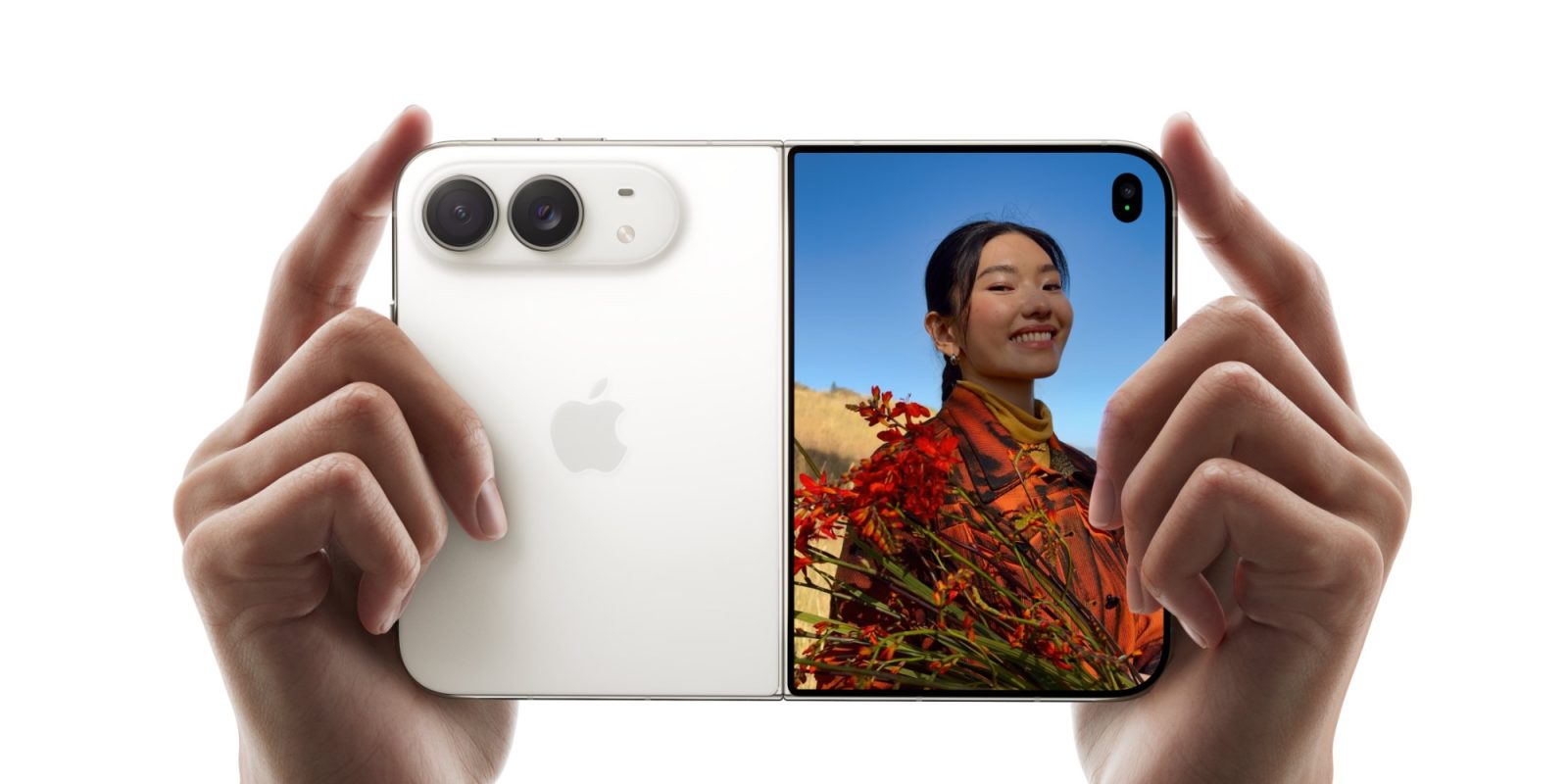
For application creators, this creates a dual-pressure environment. They must simultaneously refactor their layouts to accommodate dual-screen continuity, multi-window split-screen execution, and new navigation components, while also adapting to mandatory visual framework changes. Analysts note that while Apple’s refusal to rely on a generalized iPad compatibility layer preserves the bespoke, high-end feel of the iPhone Duo, it simultaneously heightens the risk of initial friction. If developers drag their feet, early adopters may encounter a fragmented software experience during the critical first few months of the product’s lifecycle.
Historical Context and Development Timeline
The path to the iPhone Duo has been shaped by years of industry speculation and iterative mobile OS development. Foldable technology has steadily matured in the consumer electronics market since the late 2010s, with various manufacturers attempting to solve the inherent software challenges of variable screen sizes. Google and Samsung, among others, deployed robust compatibility layers that allowed tablet apps or resized phone applications to stretch across foldable screens, prioritizing software availability over uniform design consistency.
Apple, true to its historical precedent, waited until component maturity and software synergy aligned before entering the market. The timeline leading up to the release of the iPhone Duo includes several key milestones:
- Early 2026: Apple signals upcoming shifts in minimum SDK requirements for App Store submissions, laying the groundwork for mandatory design standard updates.
- September 2026: Apple officially unveils the iPhone Duo alongside iOS 27, detailing the device’s inner display specifications and proprietary UI components.
- Mid-September 2026: Apple releases Xcode 27.1 beta, giving developers the specific toolsets required to integrate the Duo’s unique tab bar and advanced navigation frameworks.
- Post-Launch Phase: The current ecosystem window, characterized by developers rushing to update binaries while navigating the complex transition to iOS 27 compliance.
Industry Implications and User Experience Impact
The implications of Apple’s policy extend deeply into key software categories, most notably mobile gaming and productivity suites. The inner display of the iPhone Duo is expected to serve as a primary canvas for high-end gaming and multi-application multitasking. However, if a title lacks a native full-screen implementation due to delayed developer updates, the user experience could suffer significantly. While split-screen functionality may mitigate some of the friction by allowing non-native apps to run alongside updated ones, the lack of proper scaling for full-screen immersive applications remains a notable vulnerability.

Industry analysts have observed that Apple’s strategy echoes past transitions, such as the shift to Retina displays and the introduction of different screen aspect ratios like the iPhone X notch. In those instances, Apple utilized a combination of strict enforcement, developer evangelism, and temporary compatibility measures to guide the ecosystem toward uniformity.
However, foldables present a uniquely complex hurdle because they require dynamic layout responsiveness rather than simple static resolution scaling. If developer adoption lags behind hardware sales, Apple retains a clear fallback strategy. Industry observers suggest that Apple could introduce an optimized iPad app compatibility mode in a subsequent point release, such as iOS 28, should the initial software deficit prove too disruptive to consumer satisfaction.
Developer Community and Economic Realities
The economic reality for independent developers and large enterprise engineering teams alike involves resource allocation. Recompiling applications for iOS 27 and rewriting user interfaces for a brand-new device category requires dedicated engineering hours. For smaller studios, the cost of prioritizing iPhone Duo optimization must be weighed against broader product roadmaps.
Furthermore, the mandatory integration of Liquid Glass aesthetics leaves little room for gradual migration. Developers who rely on legacy codebases must perform substantial architectural overhauls to avoid being left behind. This hard-line stance demonstrates Apple’s confidence in the long-term value of the iPhone Duo platform, signaling that the company expects its hardware prestige to drive developer compliance.

As the iPhone Duo reaches consumers worldwide, the coming months will test whether Apple’s uncompromising vision for foldable software design yields a superior user experience or simply creates an adoption bottleneck. The ultimate success of the device will depend not only on its innovative hardware engineering but also on how swiftly the global developer community rises to meet Apple’s rigorous new standards.