The Legend of Zelda: Ocarina of Time Remake Achieves Critical Acclaim Ahead of Nintendo Switch 12 Launch

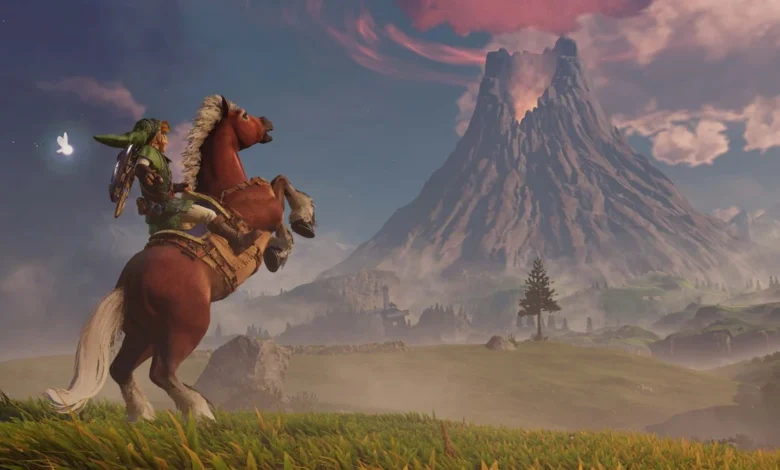
Early critical assessments for The Legend of Zelda: Ocarina of Time remake on the Nintendo Switch 2 have positioned the title as a benchmark for modern video game preservation and reimagining. Settling comfortably at an impressive 96 out of 100 on review aggregator Metacritic, the November 5 release has successfully bypassed the pitfalls of polarizing visual overhauls that often plague classic game remakes. Instead, Nintendo has delivered a modernized version of its seminal 1998 Nintendo 64 masterpiece that honors its foundational legacy while integrating contemporary technical and gameplay standards.
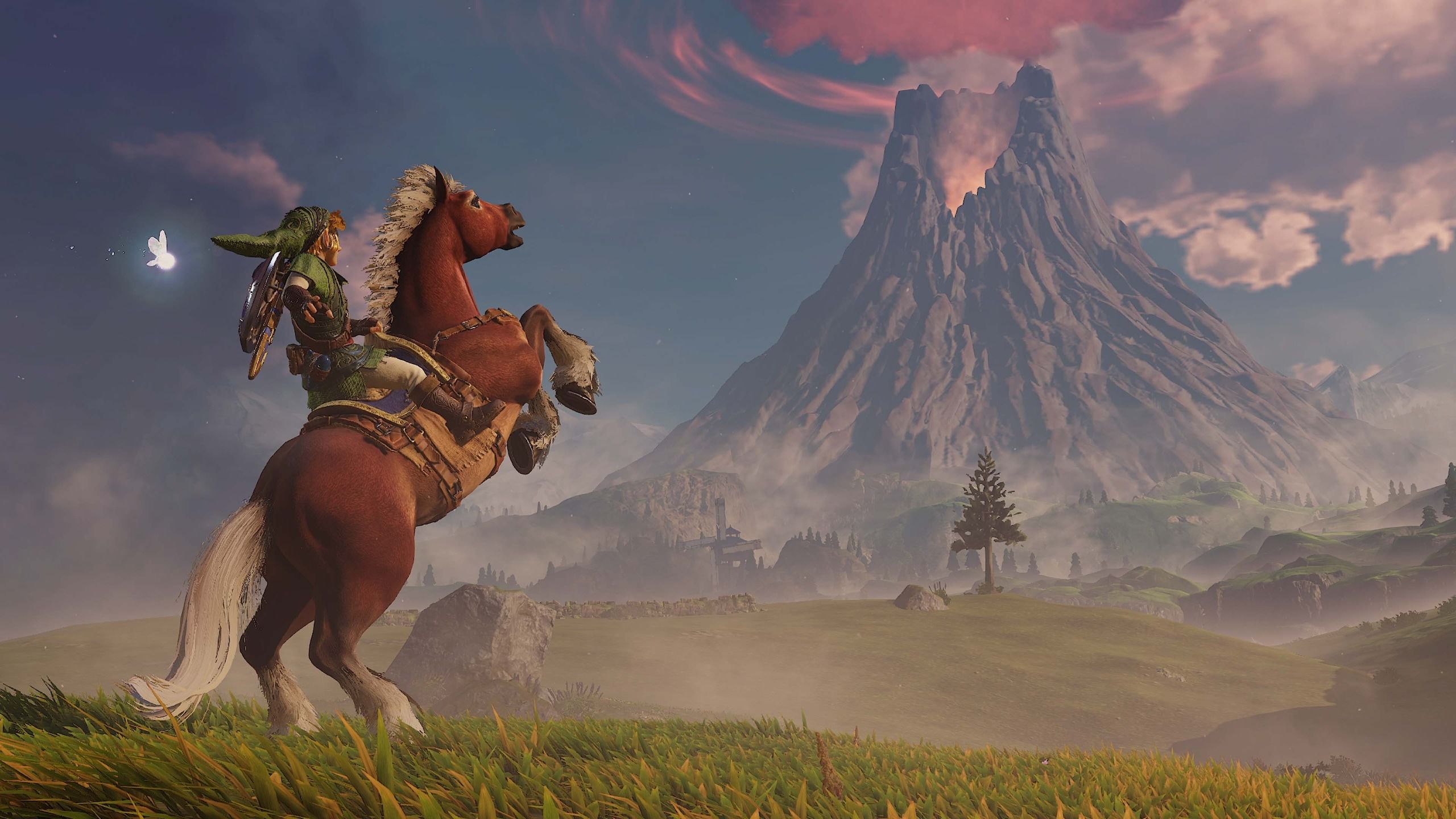
Originally launched in November 1998 for the Nintendo 64, The Legend of Zelda: Ocarina of Time fundamentally altered the trajectory of 3D game design. Developed under the direction of Shigeru Miyamoto, Takashi Tezuka, and a multidisciplinary team at Nintendo EAD, the title introduced industry-standard mechanics including context-sensitive actions, automated camera framing, and lock-on targeting—subsequently dubbed "Z-targeting." These innovations provided a grammar for spatial interaction in virtual environments that continues to influence game developers globally. Over the subsequent decades, the title has consistently topped retrospective lists of the greatest video games ever made, cementing Hyrule’s initial 3D iteration as a cultural touchstone for generations of players.
The path toward this definitive modernization spans nearly three decades of hardware evolutions. Following its original N64 debut, the game was ported to the Nintendo GameCube in 2002 as a pre-order bonus alongside Ocarina of Time Master Quest, which offered rearranged and more difficult dungeons. It subsequently saw a virtual console release on the Wii and Wii U, and a comprehensive stereoscopic 3D remake developed by Grezzo for the Nintendo 3DS in 2011. While the 3DS version successfully updated textures and incorporated touch-screen inventory management, the upcoming Nintendo Switch 2 iteration represents the first full-scale, ground-up rebuild of the title for contemporary home console architecture, taking full advantage of advanced processing power, higher fidelity rendering engines, and modernized control inputs.
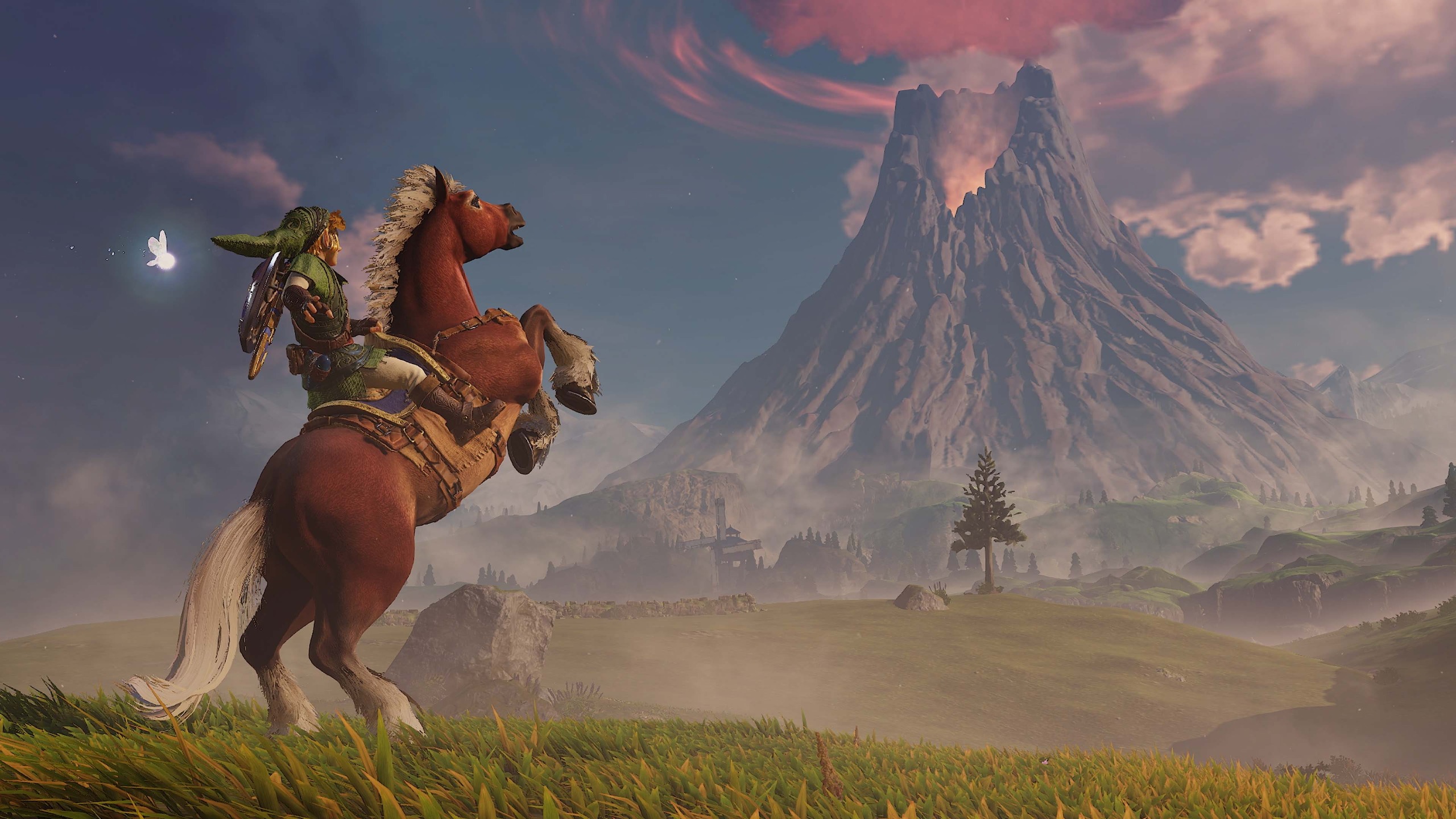
Reviewers across major gaming publications have lauded the Switch 2 adaptation for striking a delicate balance between reverence and innovation. GamesRadar+ awarded the title a five-star rating, designating it "a remake for the ages" and commending the team for preserving the narrative tone and spatial geography of the original Hyrule. Similarly, TechRadar praised the project as a meticulously planned retelling, highlighting updated puzzle designs, revised enemy behaviors, and a re-orchestrated score that breathes new life into Koji Kondo’s iconic compositions.
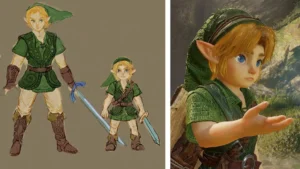
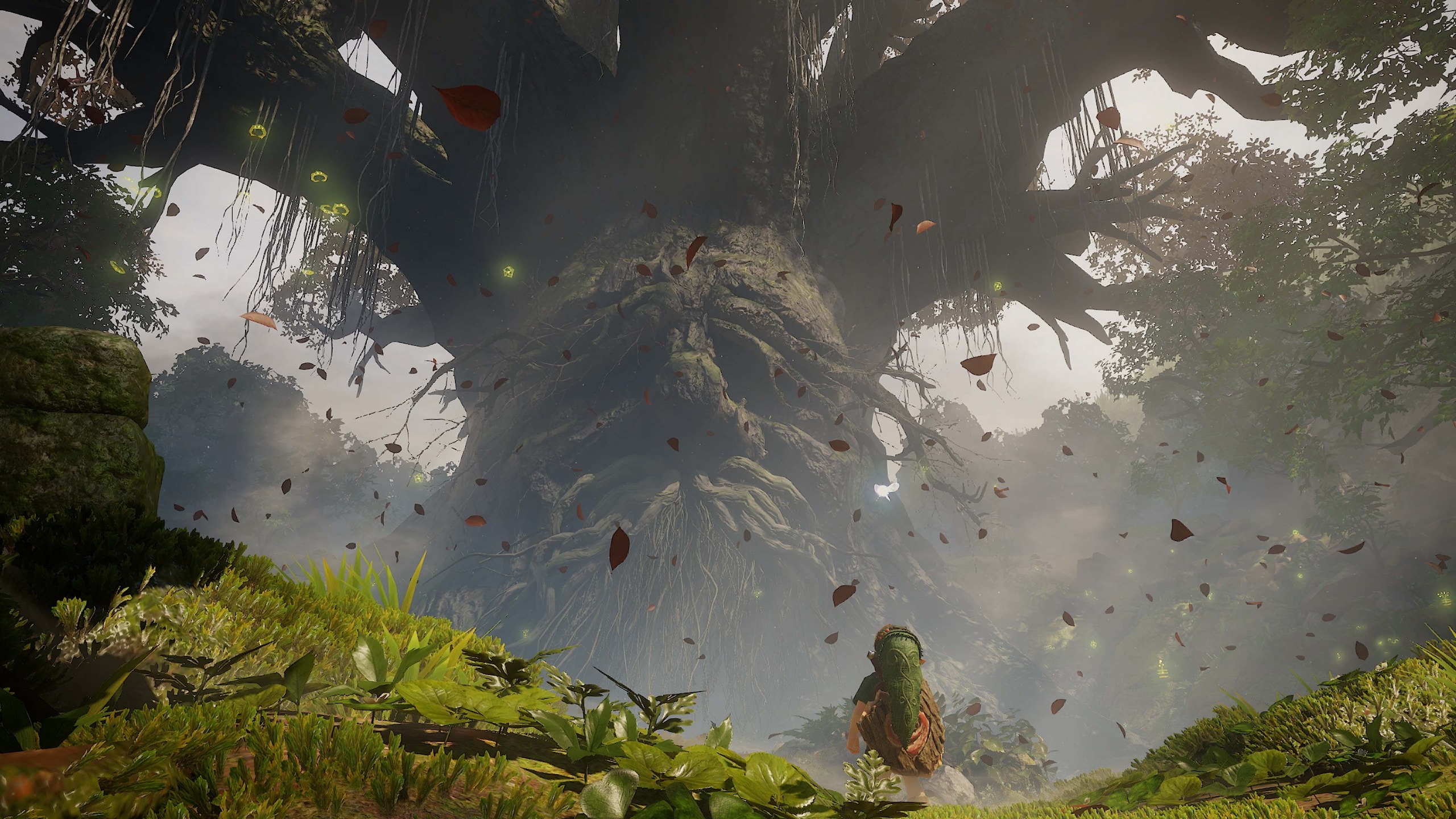
Destructoid and Shacknews both awarded the title perfect 10/10 scores, focusing their praise on the integration of 60 frames-per-second performance, fluid movement mechanics like free-jumping, and a fully overhauled camera system that eradicates the friction of late-90s control schemes. The Guardian’s Keza MacDonald offered a nuanced critique of the game’s striking new aesthetic, describing the updated visual direction as reminiscent of intricate theatre sets and handmade dioramas—a stylization that leans into the fairytale qualities of the source material rather than pursuing cold photorealism.
Despite the overwhelmingly positive reception, critics have noted minor areas of contention. Several outlets pointed out the notable omission of Master Quest, the specialized difficulty mode that traditionally tests returning players with mirrored worlds and restructured dungeons. Furthermore, the inclusion of more transparent puzzle hints and modernized navigation aids has drawn mild critiques from purists who argue that the original’s punishing difficulty has been slightly diluted. Game Informer, while awarding a strong 9.25/10, remarked that Nintendo played the structural changes relatively safe, resulting in an experience that looks fundamentally modern without fundamentally challenging the narrative arc established in 1998.
The release of Ocarina of Time on the Switch 2 forms part of a broader, deliberate strategy by Nintendo to curate its legacy catalog for modern hardware. Alongside the recent commercial success of the Star Fox remake and ongoing updates to core franchises like Metroid and Mario within the Nintendo Switch Online ecosystem, Nintendo has demonstrated an increasing aptitude for bridging generational divides. By updating interface designs, adding fully voiced cutscenes, and elevating companion characters like Navi from minor nuisances to integrated narrative participants, the publisher is actively lowering the barrier of entry for younger demographics while satisfying veteran players.
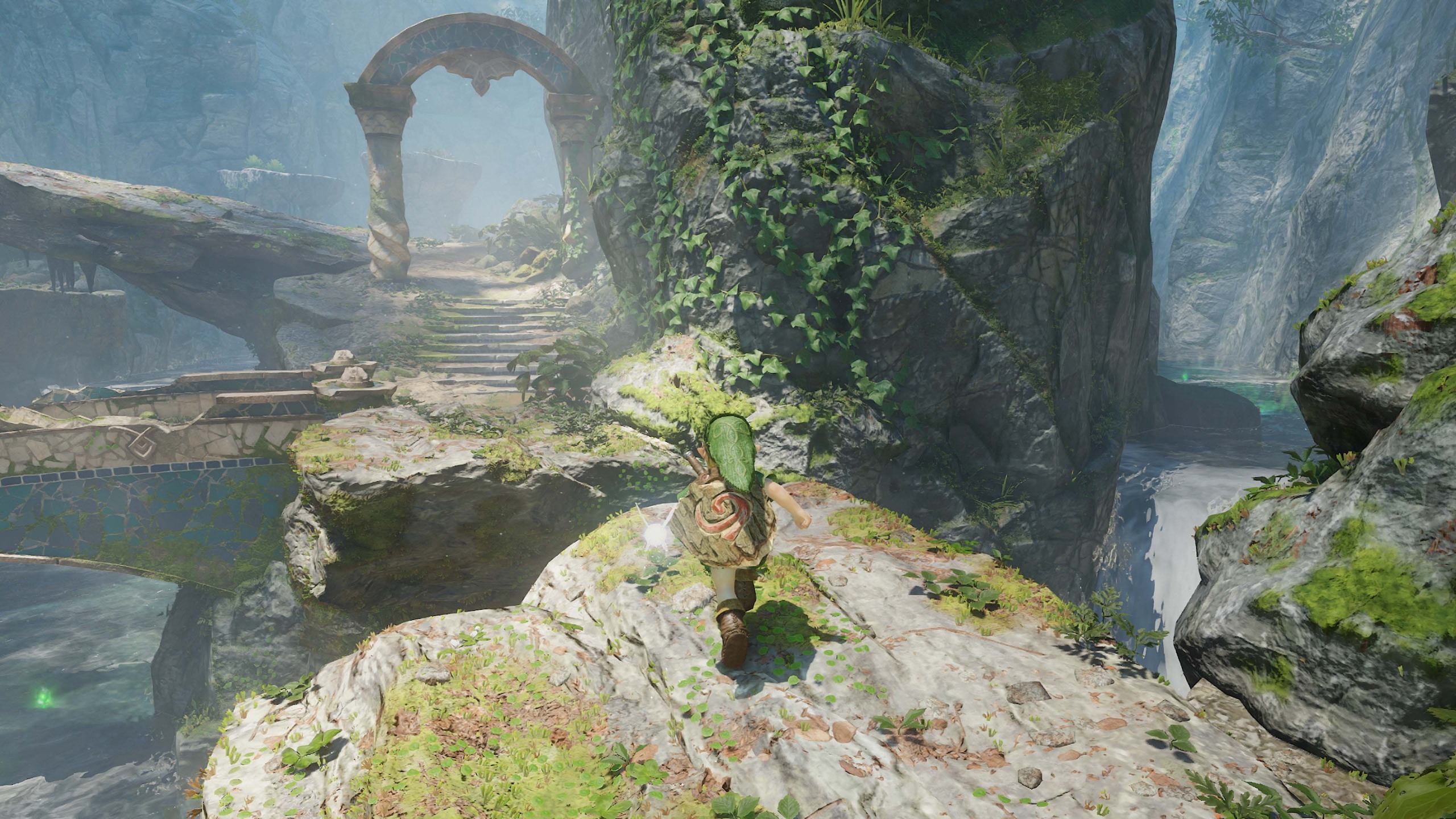
From an industry perspective, the commercial and critical success of this release underscores the viability of high-budget, single-platform remakes as system-seller software. As the video game industry grapples with ballooning development costs and increasingly protracted production cycles for entirely new intellectual properties, meticulously engineered remakes of foundational classics offer a reliable method for hardware manufacturers to demonstrate platform capabilities. The technical performance of Ocarina of Time on the Switch 2 serves as a practical showcase of the console’s hardware architecture, proving that processing power can be leveraged just as effectively for artistic preservation and stylistic refinement as it can for chasing hyper-realism.
As the official launch date of November 5 approaches, consumer anticipation remains exceptionally high, reflected in strong pre-order metrics and robust public engagement across digital storefronts. For millions of players who first picked up a plastic controller in the late 1990s, the journey back to the Kokiri Forest and the Temple of Time will offer a potent mixture of nostalgia and modern fluidity. Simultaneously, a new generation of players will experience the foundational pillars of 3D adventure gaming in a format designed to meet contemporary expectations. Whether evaluated as a technical showcase for Nintendo’s latest hardware or as a masterclass in video game preservation, The Legend of Zelda: Ocarina of Time on the Nintendo Switch 2 stands as a definitive realization of an enduring interactive masterpiece.