Co-Creating the Future of Fashion: How Google Flow Empowered Designers at New York Fashion Week

For independent fashion designers navigating the high-stakes, fast-paced ecosystem of the modern apparel industry, the romantic notion of spending endless hours sketching and draping fabrics is largely a relic of the past. In reality, the day-to-day operations of running an independent label are overwhelmingly consumed by administrative duties, intricate supply chain management, factory logistics, vendor communications, and financial oversight. These non-design obligations severely restrict the time creative directors can dedicate to their core artistry. Recognizing this operational bottleneck, Google’s Envisioning Studio, backed by the technological resources of Google Labs, initiated a strategic collaboration ahead of New York Fashion Week (NYFW). Their objective was clear: streamline the creative workflow and diminish friction, allowing visionary designers to bring ambitious runway concepts to life with unprecedented efficiency.
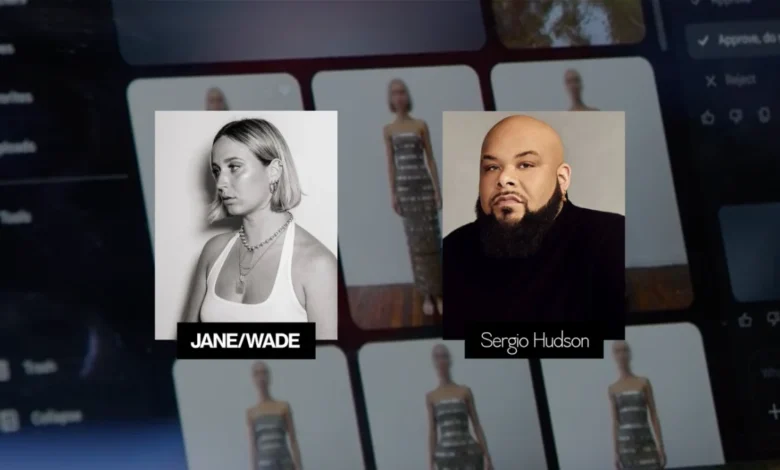
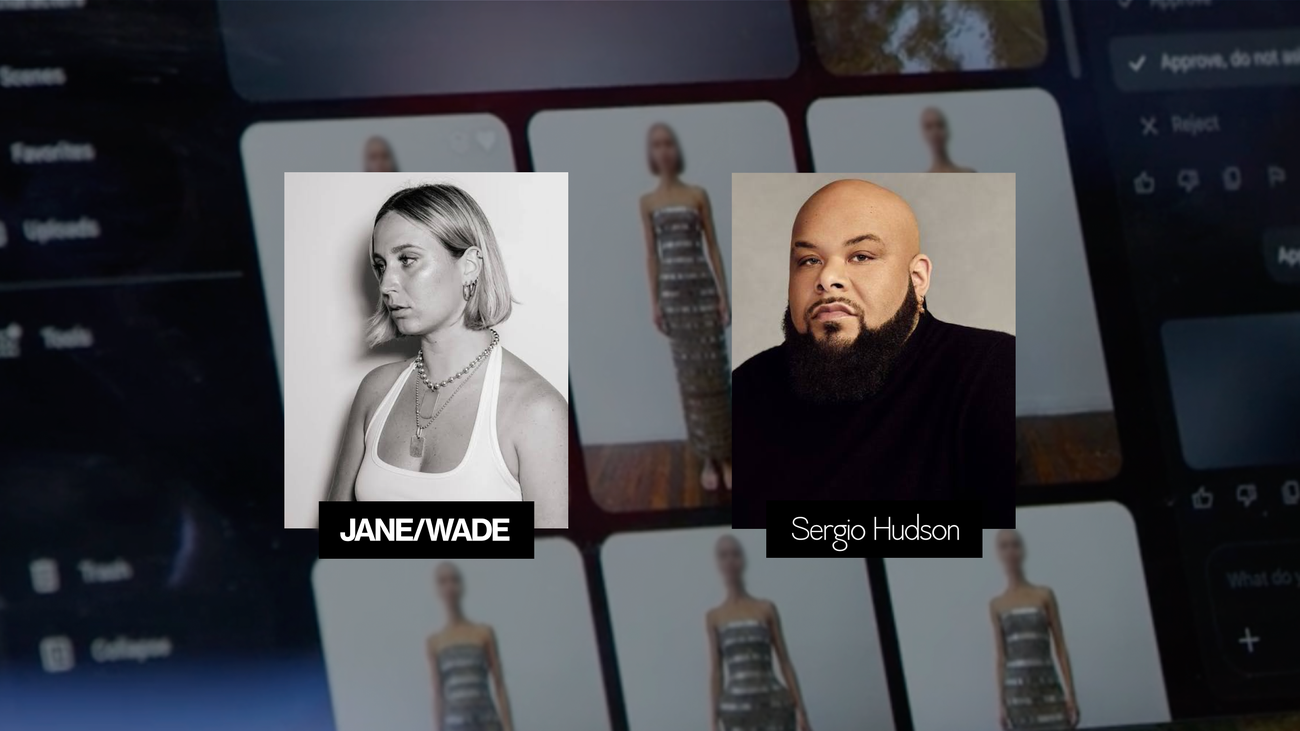
To tackle these systemic challenges, Google engineers partnered directly with prominent independent designers Jane Wade and Sergio Hudson. Utilizing Google Flow—Google’s experimental AI-powered creative studio—the teams co-created two specialized, bespoke tools tailored to the unique operational hurdles faced by each brand. While Jane Wade leveraged her custom tool to curate balanced, head-to-toe runway ensembles digitally before cutting a single piece of physical fabric, Sergio Hudson deployed his designated tool to map, stage, and financially optimize his runway production within a strict studio budget. This partnership represents a significant shift from theoretical artificial intelligence applications to practical, highly customized utility within high-end fashion production.
Virtual Styling and the Evolution of the Pre-Collection Fitting Phase
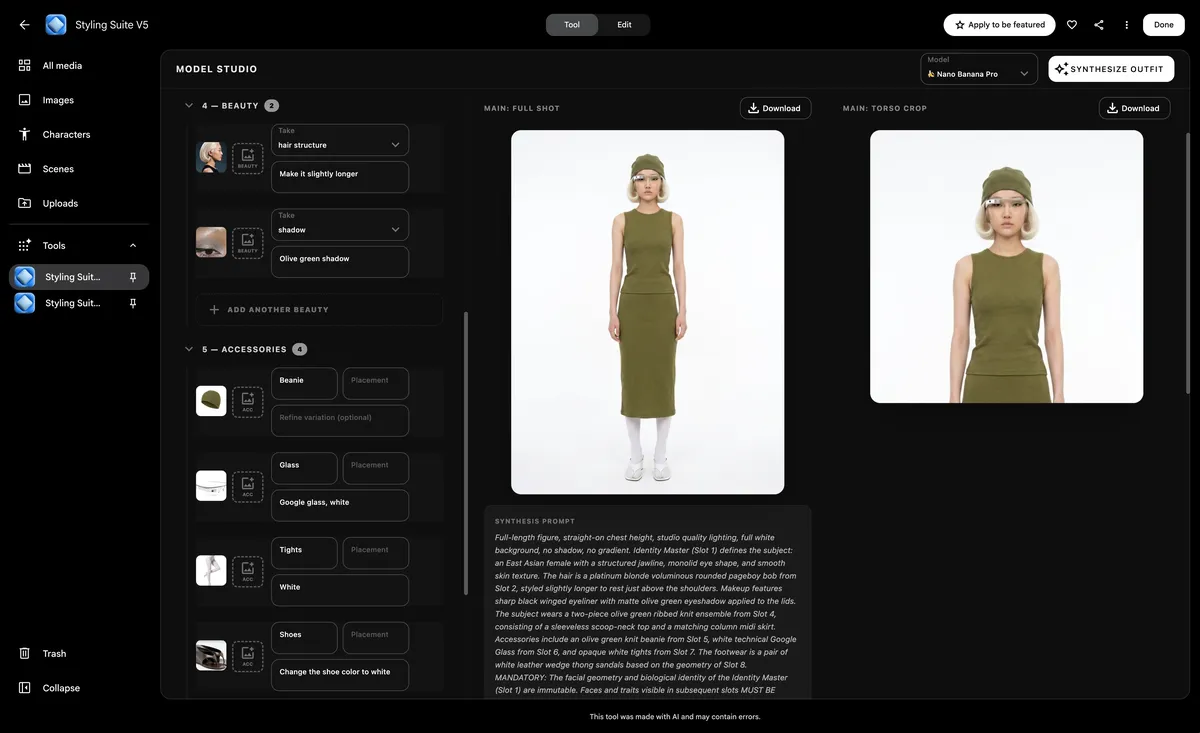
Traditionally, the process of casting models, conducting fittings, and finalizing runway looks is a grueling physical endeavor that can easily consume up to three full days for a designer’s core team. Every iteration requires physical garments, matching accessories, footwear, hair styling, and makeup coordination, leaving little room for error given tight pre-show deadlines. For Jane Wade, the collaboration with Google’s Envisioning Studio resulted in the creation of a specialized Google Flow tool known as the Styling Suite.
The Styling Suite functioned as a centralized digital ecosystem that mapped every critical facet of a model’s runway appearance. Instead of relying entirely on physical garments for early-stage visual assessments, Wade could digitally curate hairstyles, makeup applications, statement accessories, footwear, and core garments directly onto digital models. This virtual environment allowed her to experiment extensively with styling combinations, ensuring visual balance across the entire collection. By identifying missing structural elements, color discrepancies, or proportion imbalances digitally, Wade significantly reduced the need to produce premature physical samples. This not only conserved valuable material resources but also streamlined the workload for her team during the intense weeks leading up to her New York Fashion Week presentation.
Grounding Runway Design and Staging in Financial Realities
While independent designers face intense creative pressures, financial constraints frequently dictate the operational scope of a runway show. For Sergio Hudson, the primary challenge lay in conceptualizing, staging, and executing a high-impact runway show without exceeding a tightly managed production budget. In standard industry practice, modifying lighting rigs, adjusting stage layouts, or altering prop placements requires iterative 3D renderings and continuous back-and-forth communication with production crews. Every design revision in traditional setups incurs additional costs and valuable time.

To address this financial friction, Google and Sergio Hudson co-developed a specialized Google Flow tool dedicated to Runway Visualization. This simulation technology removed the historical bottlenecks associated with venue staging. The tool enabled Hudson to digitally construct and adjust his venue setup in real time, instantly swapping out lighting configurations and props to evaluate options that aligned directly with his financial parameters. Furthermore, the tool allowed him to meticulously map and refine the walking paths of the models. By visualizing spatial dynamics and audience sightlines beforehand, Hudson successfully harmonized the technical elements of the show with the overall spectator experience, achieving a polished, high-end presentation while maintaining strict budgetary discipline.
Moving Fashion AI Out of Pilot Mode and Into Production
The successful deployment of these custom tools during New York Fashion Week highlights a broader evolution in how artificial intelligence is integrated into creative industries. For years, discussions surrounding AI in fashion have largely remained confined to theoretical testing, conceptual pilot programs, and generalized trend-forecasting models. While these broad applications offer high-level insights, they frequently fail to address the granular, day-to-day operational pain points experienced by working designers.
By focusing on co-developed, highly specialized tools that integrate directly into existing workflows, Google and its designer partners demonstrated a more sustainable model for technological adoption in fashion. Crucially, this methodology ensures that the human designer remains firmly in the driver’s seat. Rather than replacing human creativity or imposing a standardized aesthetic, generative tools built on platforms like Google Flow act as responsive extensions of the designer’s intent, accelerating technical execution while preserving artistic autonomy.
Industry analysts note that as production costs rise and consumer demands for rapid collection turnarounds intensify, the adoption of workflow-specific AI tools could become a competitive necessity for independent labels. By bridging the gap between imaginative conceptualization and logistical execution, platforms that allow creators to build bespoke tools using natural language—without requiring any underlying coding experience—lower the technical barrier to advanced production methods.
As demonstrated by Jane Wade and Sergio Hudson on one of the world’s most demanding fashion stages, the future of design lies not in algorithmic substitution, but in collaborative intelligence. With tools like Google Flow becoming more accessible through platforms such as Google Labs, independent designers across the globe now possess the digital infrastructure to reclaim their time, protect their budgets, and scale their creative ambitions with unprecedented precision.