From Flash Parodies to Deep-Sea Mysteries: The Two-Decade Evolution of SFB Games and Detective Grimoire

The landscape of video game development is frequently viewed through the narrow lens of relentless technological escalation. Industry narratives often prioritize the linear migration from low-resolution two-dimensional pixels to hyper-realistic three-dimensional rendering engines. However, reducing 2D art to a mere stepping stone or a vessel for hollow nostalgia overlooks its capacity for organic growth. When placed in the hands of creators whose artistic sensibilities and technical proficiencies mature over time, 2D art remains a vibrant, evolving medium. This dynamic transformation is exemplified by Adam Vian and his journey alongside his brother Tom, founders of the indie development studio SFB Games.
Having spent more than two decades crafting digital experiences together—originating as teenagers building browser-based games and animations under the banner of Super Flash Bros—the Vian brothers have steadily evolved. From cutting their teeth on early internet platforms to collaborating with global tech and gaming giants like Nintendo and Apple, their trajectory offers a masterclass in indie game sustainability. Central to this journey is their proprietary intellectual property, Detective Grimoire, a quirky murder-mystery adventure franchise originally inspired by Capcom’s iconic Ace Attorney series. With the launch of The Mermaid Mask, the fourth installment in the detective’s episodic exploits, Adam Vian reflects on how the series’ distinct aesthetic has transformed since its humble origins in Adobe Flash.
The Genesis of an Indie Partnership on Newgrounds
The story of SFB Games begins in the early 2000s, an era defined by the democratization of web-based digital creation through Adobe Flash. Operating on the internet culture hub Newgrounds, the teenage Vian brothers found an ecosystem uniquely suited for rapid iteration and community engagement.
"With my brother Tom, we got started with Flash back in the early 2000s on a website called Newgrounds," Adam Vian recalls. "It seemed kind of accessible, like something a teenager could make. Video game parodies were a big thing, and the internet didn’t have copyright detection, so you could just post stuff with copyrighted characters or music."
During this formative period, copyright parameters were far more permissive, allowing young creators to experiment freely with recognizable intellectual properties. Adam and Tom established a streamlined workflow: Tom handled programming duties while Adam focused on art and animation. Their inaugural project, Kirby’s Star Scramble, leveraged the character’s simple geometric design, making it an accessible subject for a novice illustrator. The title achieved modest success on Newgrounds, emboldening the siblings to accelerate their production schedule to a game-a-week pace.
This rapid-fire development cycle served as a vital boot camp for the young developers. In the view of SFB Games’ creative director, the immediate feedback loop provided by online browser gaming acted as an indispensable accelerant for their professional growth.
"It was a blissful existence because you could make a game quickly, throw it online immediately, and you start getting feedback and reviews that second," Vian explains. "I always think that was this amazing kind of accelerant for us, where we got through all of our bad ideas really quickly. They say everyone has a thousand bad drawings in them and you have to get them out of the way before you can do a good drawing. For us, it’s like everyone has a hundred bad games in them, and we did them really quickly."
The Birth of Detective Grimoire and Art School Influences
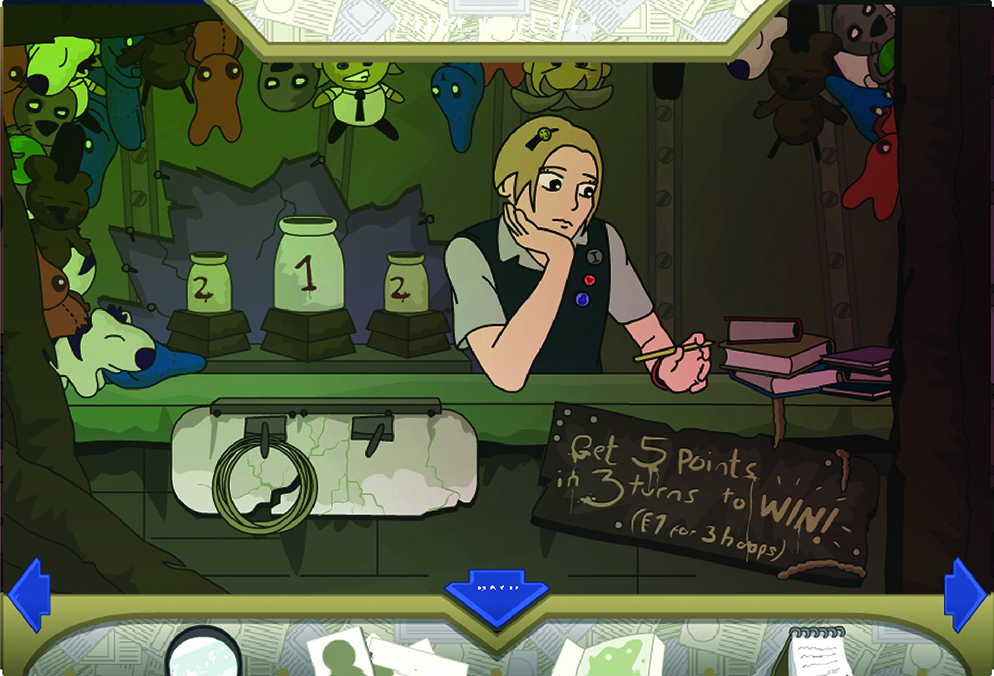
Amid this prolific era of browser-based experimentation, the seed for SFB Games’ signature franchise was planted. Having grown up immersed in classic point-and-click adventure titles like LucasArts’ Monkey Island and Indiana Jones and the Fate of Atlantis, the brothers encountered Capcom’s courtroom drama Ace Attorney: Phoenix Wright. Struck by the game’s comedic writing, eccentric character rosters, and minimalist interaction mechanics—where players simply clicked on evidence and interrogated witnesses—the Vians resolved to channel that inspiration into their own project.
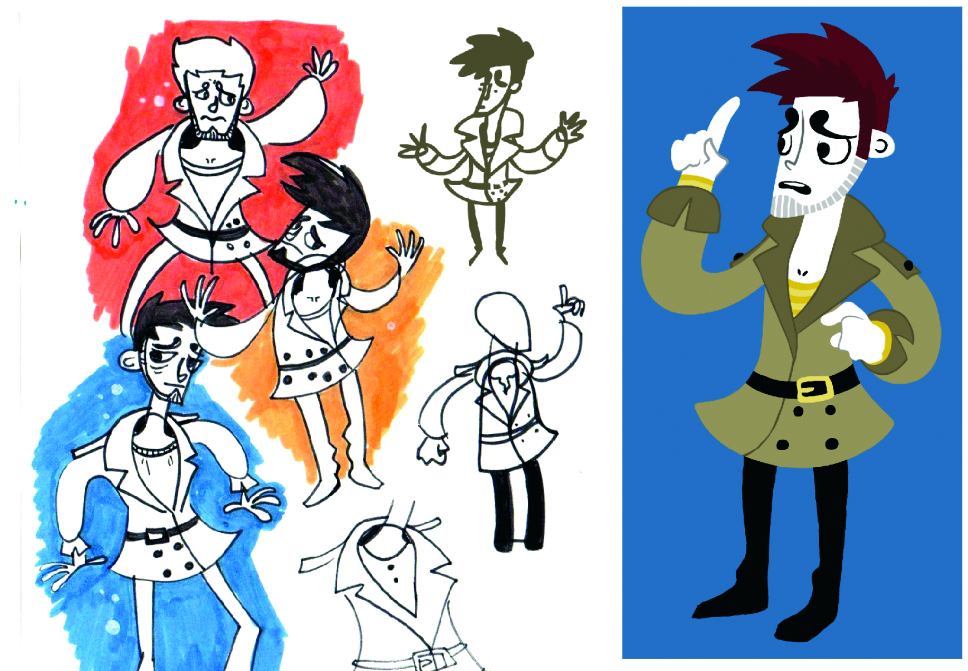
At approximately seventeen years of age, Adam Vian spearheaded the creation of the original Detective Grimoire. Heavily influenced by his early artistic environment, the protagonist materialized as a conventional cartoon archetype: a gumshoe detective clad in a brown trenchcoat, echoing LucasArts’ Guybrush Threepwood and Ace Attorney’s Detective Gumshoe.
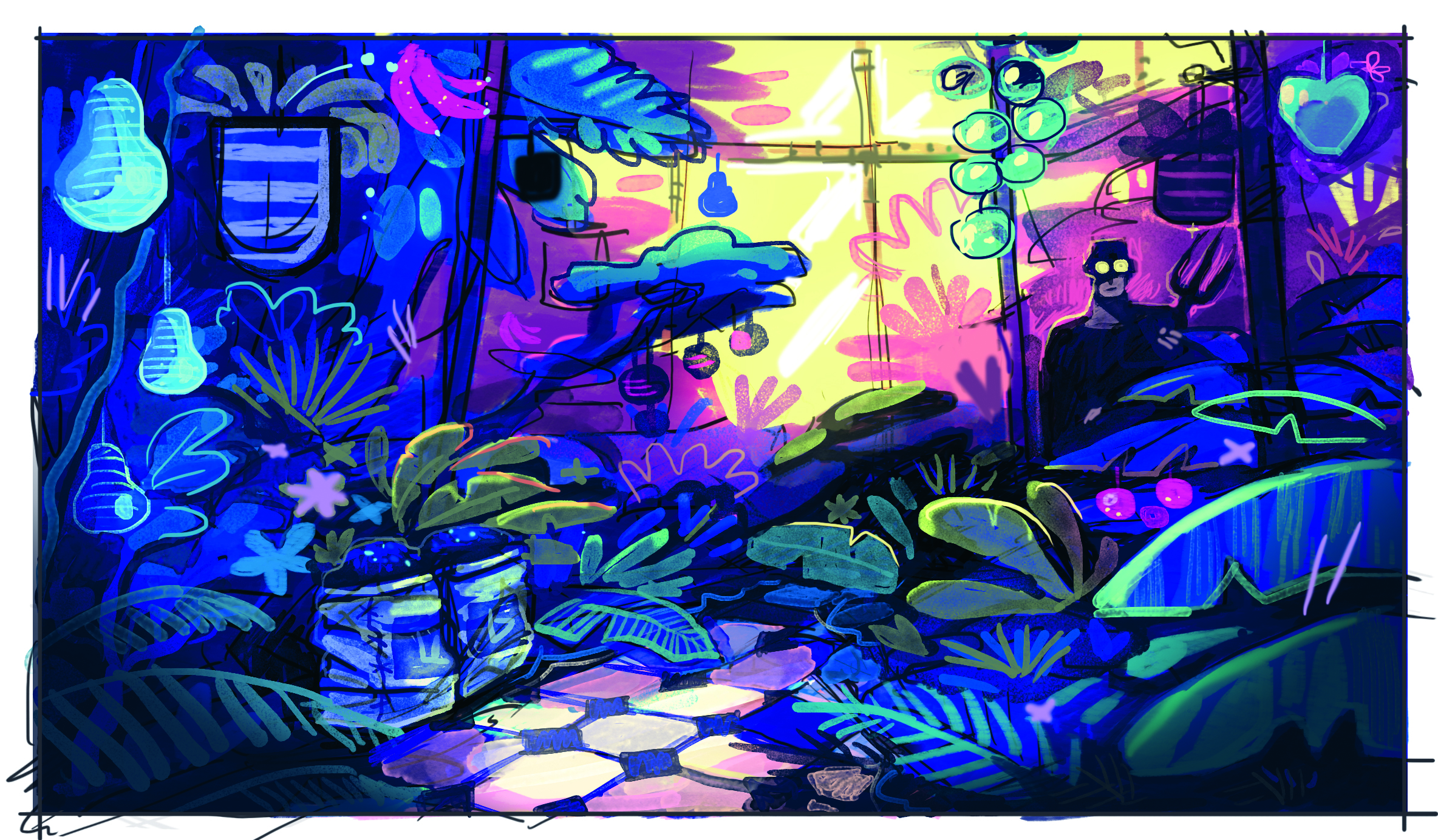
The visual style of the fledgling developer underwent a dramatic pivot when Vian enrolled at the University for the Creative Arts to study illustration and animation. Higher education exposed him to a broader spectrum of avant-garde artistic influences and introduced him to vital collaborators. Most notably, artist Catherine Unger joined the studio, contributing background art and character concepts across subsequent Grimoire titles. Unger’s integration into the pre-production pipeline fundamentally altered the studio’s workflow, establishing a collaborative sounding board that persists to this day.
"I basically use her as a sounding board all day, every day, on ideas, and then we’ll bash them out together," Vian notes. "That’s a really healthy thing. Not only is she bringing her own ideas, but she’s providing me with someone to bounce ideas off all the time."
Evolving Aesthetics: From Secret of the Swamp to Tangle Tower
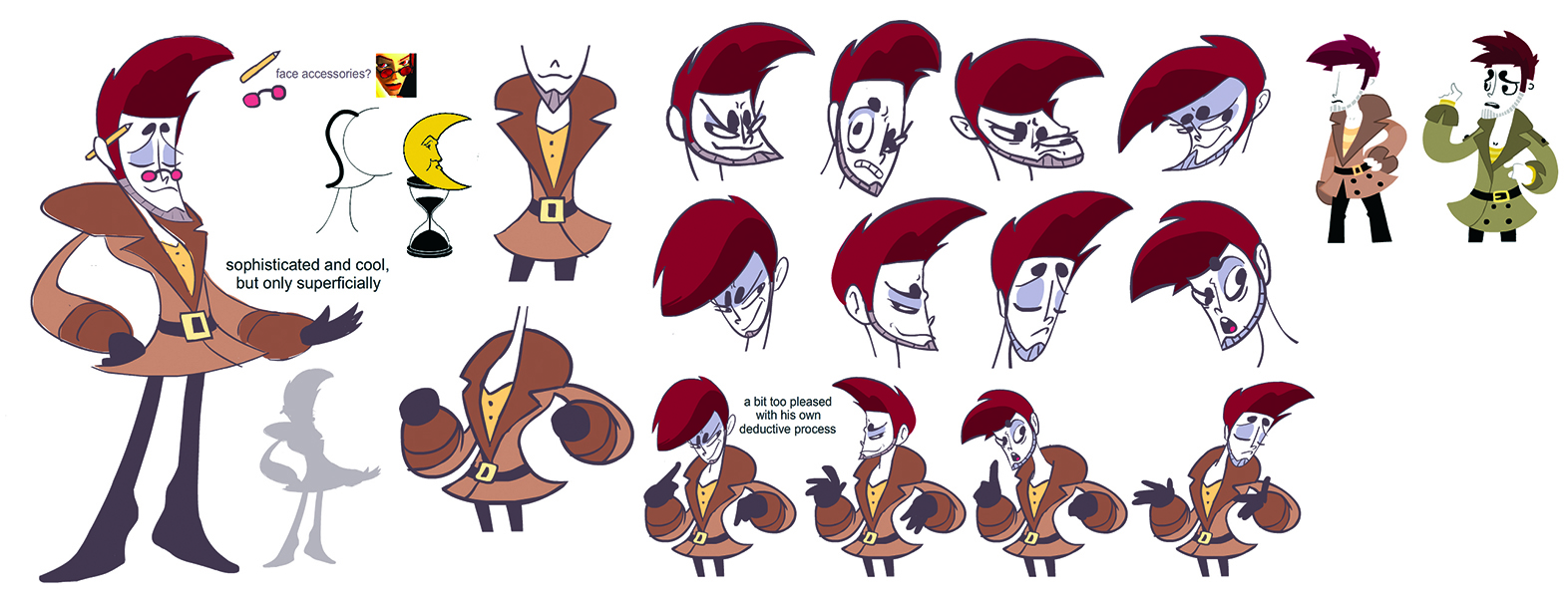
The visual evolution of the Detective Grimoire series mirrors the artistic maturation of its creators. For the second major outing, Detective Grimoire: Secret of the Swamp, Vian sought to enhance visual clarity by rendering characters with stark, pure white skin to ensure they popped against complex backdrops. This design philosophy drew heavily from disparate sources of animation history, including Richard Williams’ famously unfinished masterwork, The Thief and the Cobbler, and the distinct stylistic tenets of Genndy Tartakovsky, creator of Dexter’s Laboratory and Samurai Jack.
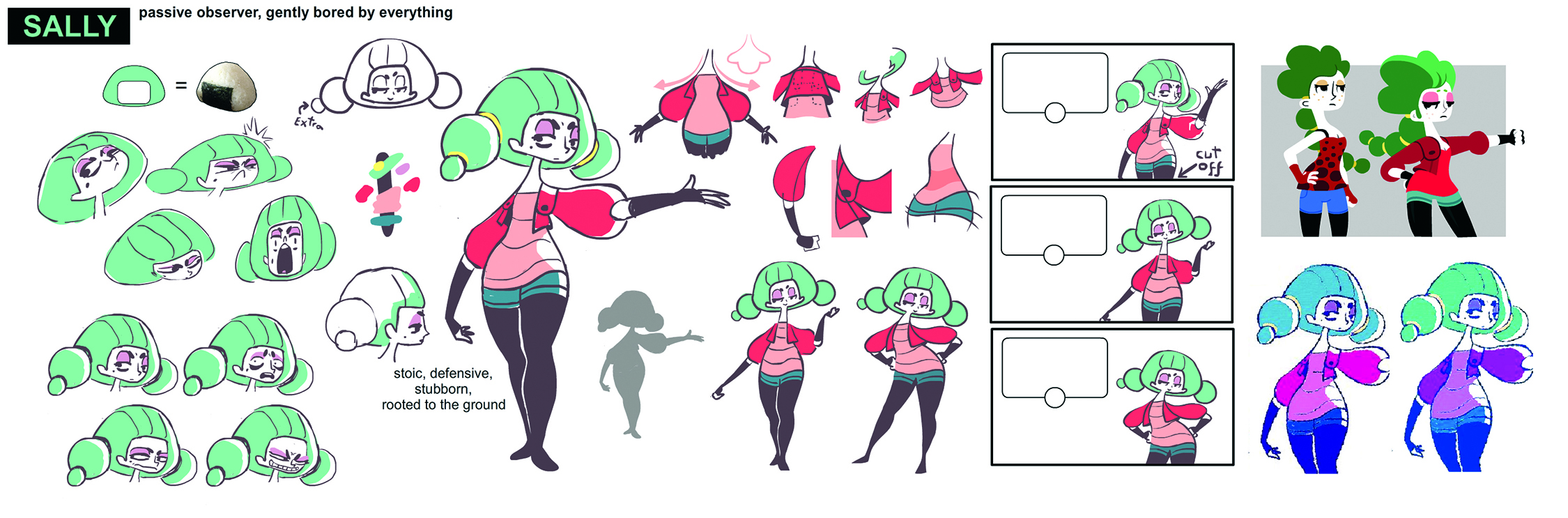
Tartakovsky’s core philosophy—that effective character design hinges entirely on strong, expressive silhouettes—inspired Vian to exaggerate bodily proportions. Characters featured elongated limbs, asymmetrical features, and unconventional shape language.
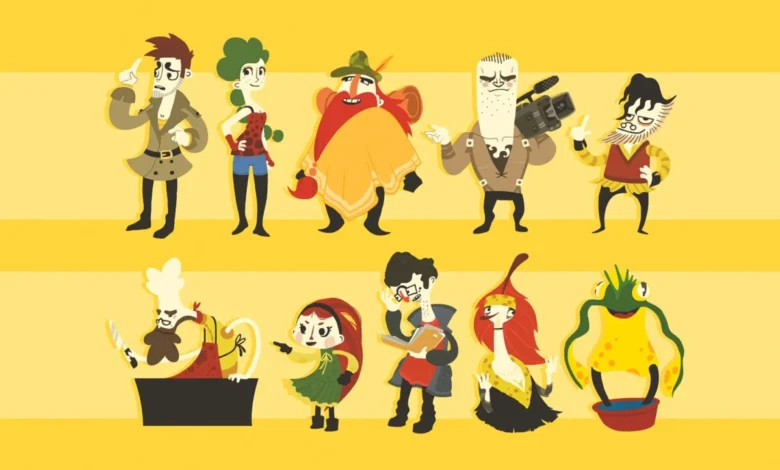
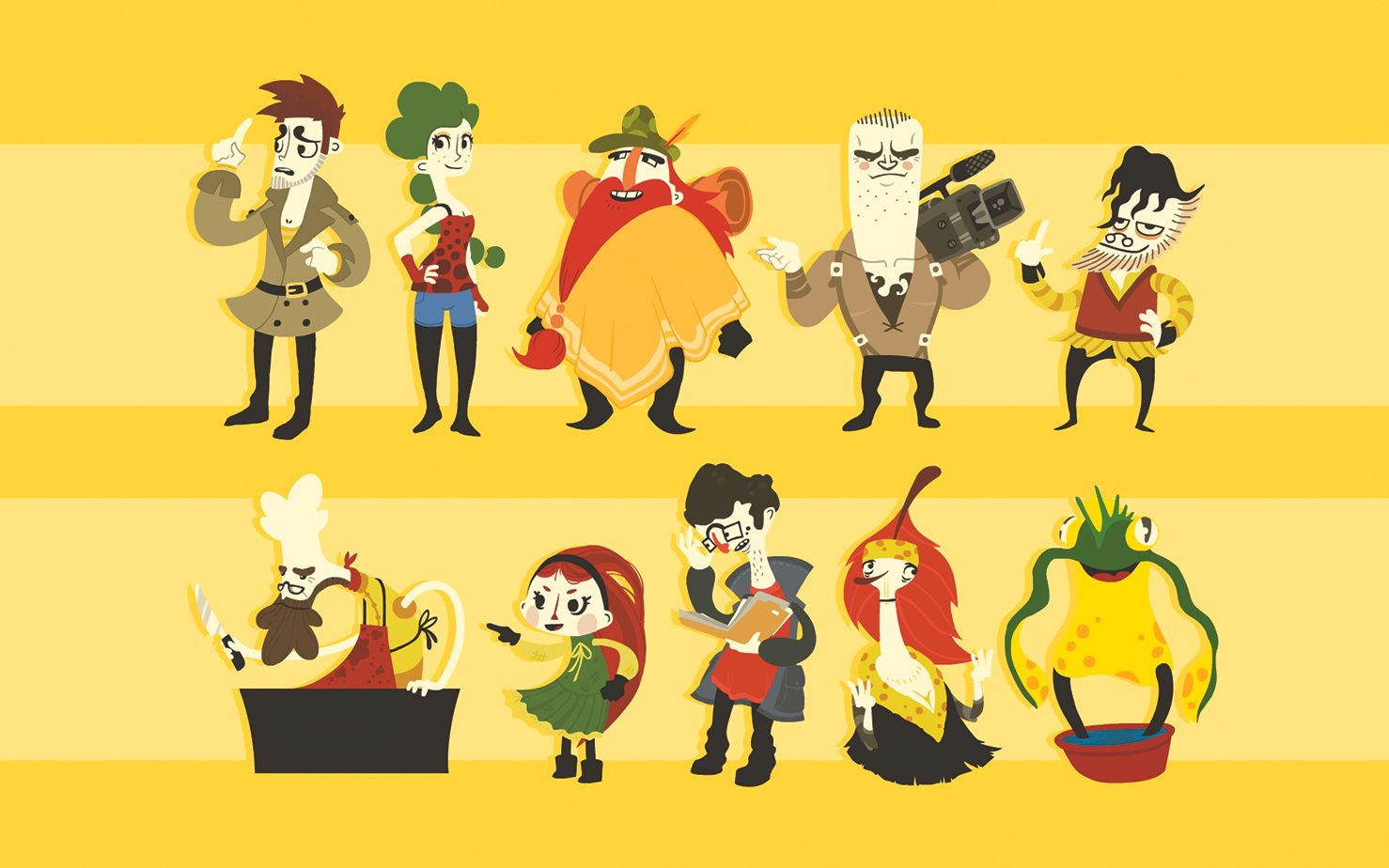
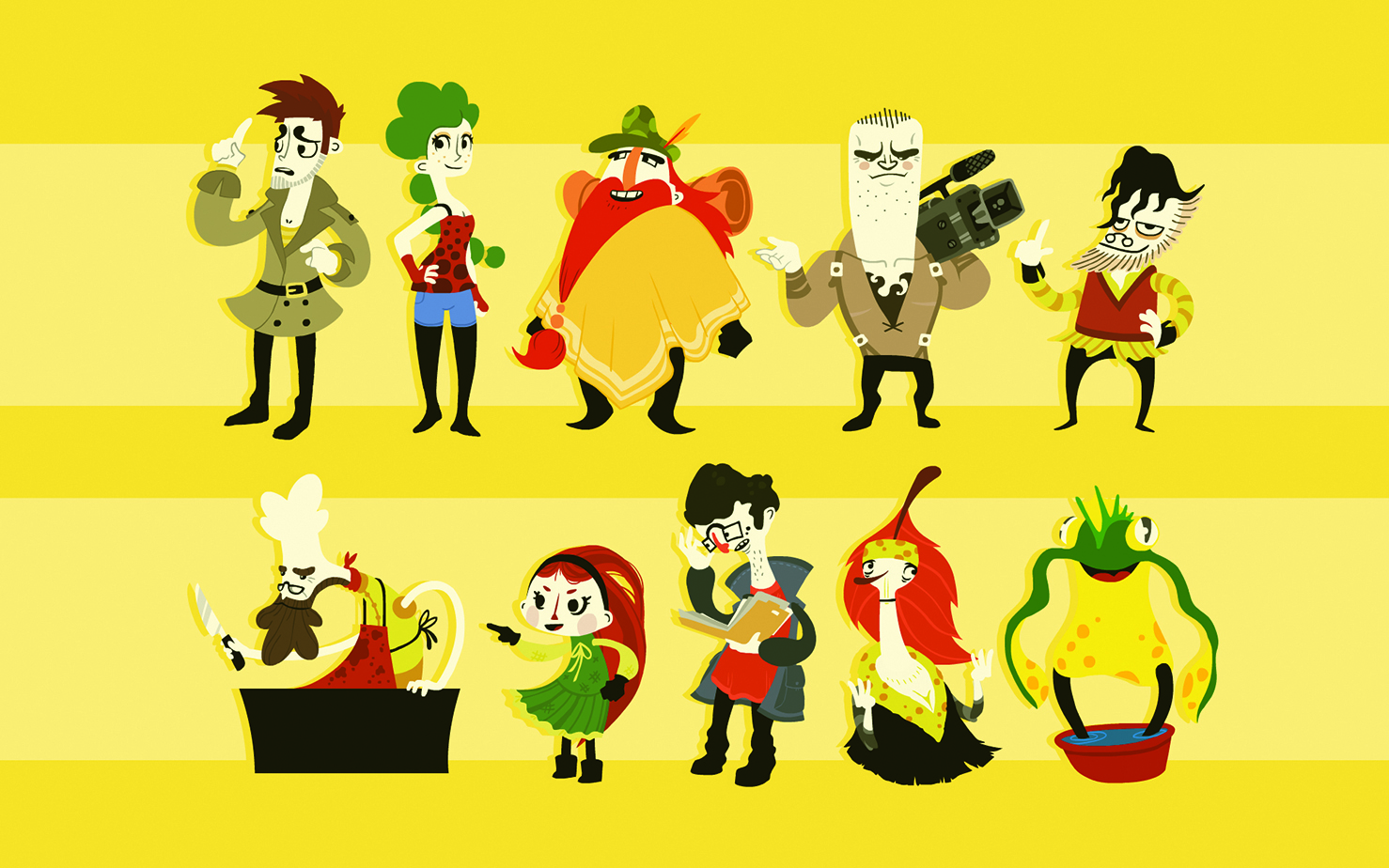
However, as the studio prepared for the critically acclaimed Tangle Tower, Vian and Unger recognized that Secret of the Swamp had begun to age. Consequently, the team rebooted the visual approach, softening the character models with richer color palettes, rounded edges, and a more accessible, blobby cartoon aesthetic.
Collaboration and the Rigorous Pre-Production Pipeline
As creative director, Vian oversees a meticulous pre-production phase that dictates the aesthetic and narrative architecture of each game. World-building, narrative plotting, character conceptualization, and puzzle design undergo exhaustive iteration before entering active production.
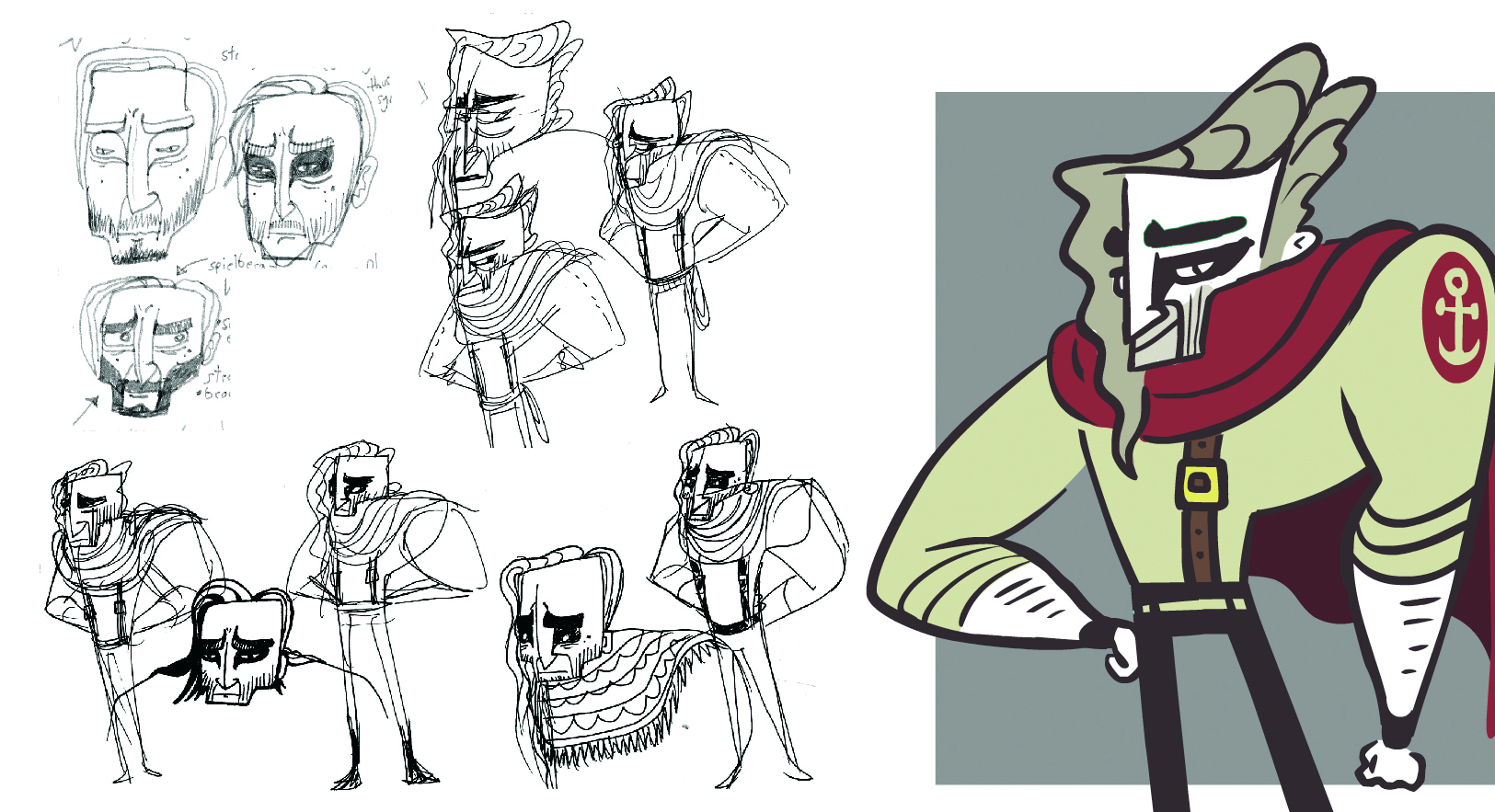
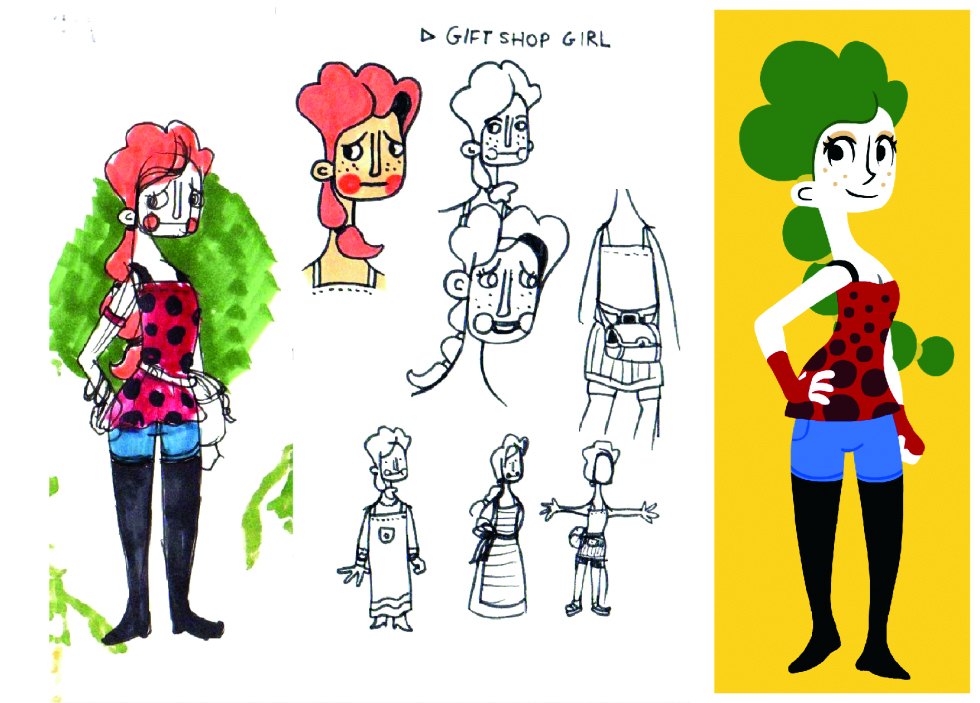
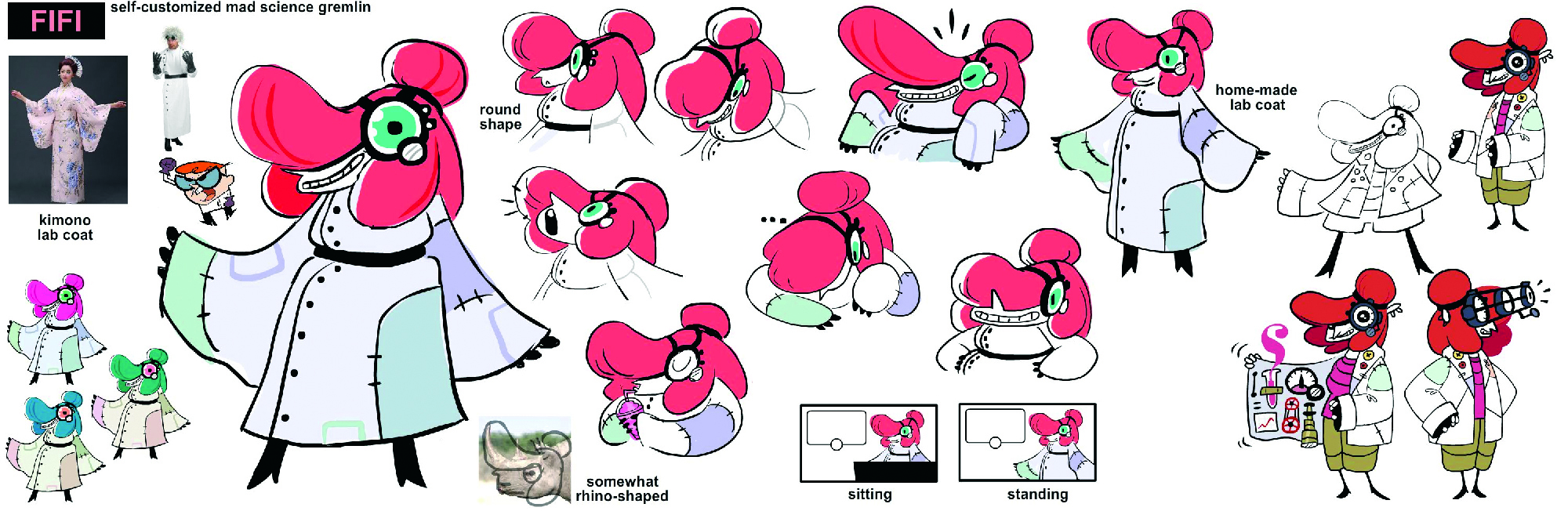
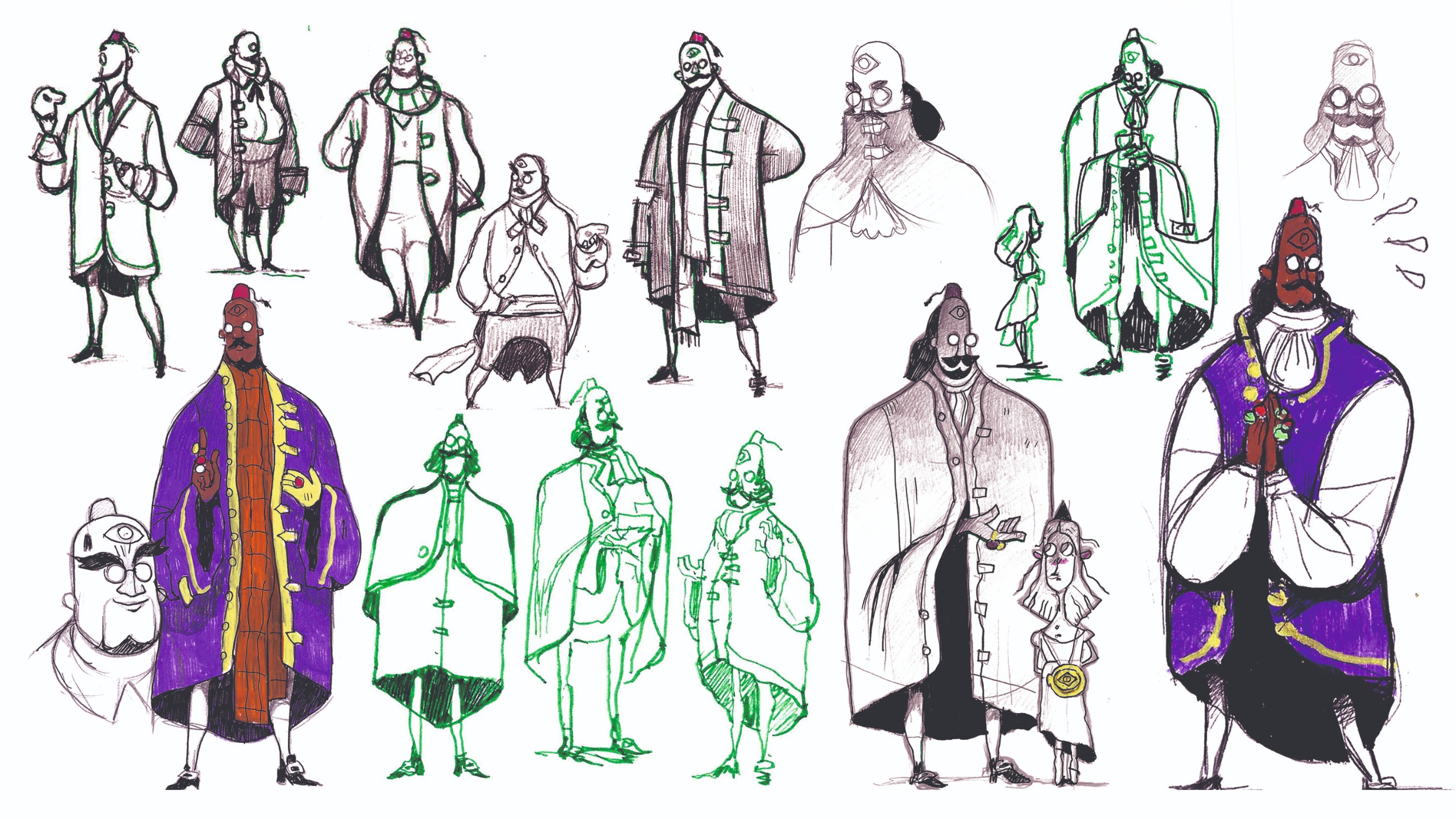
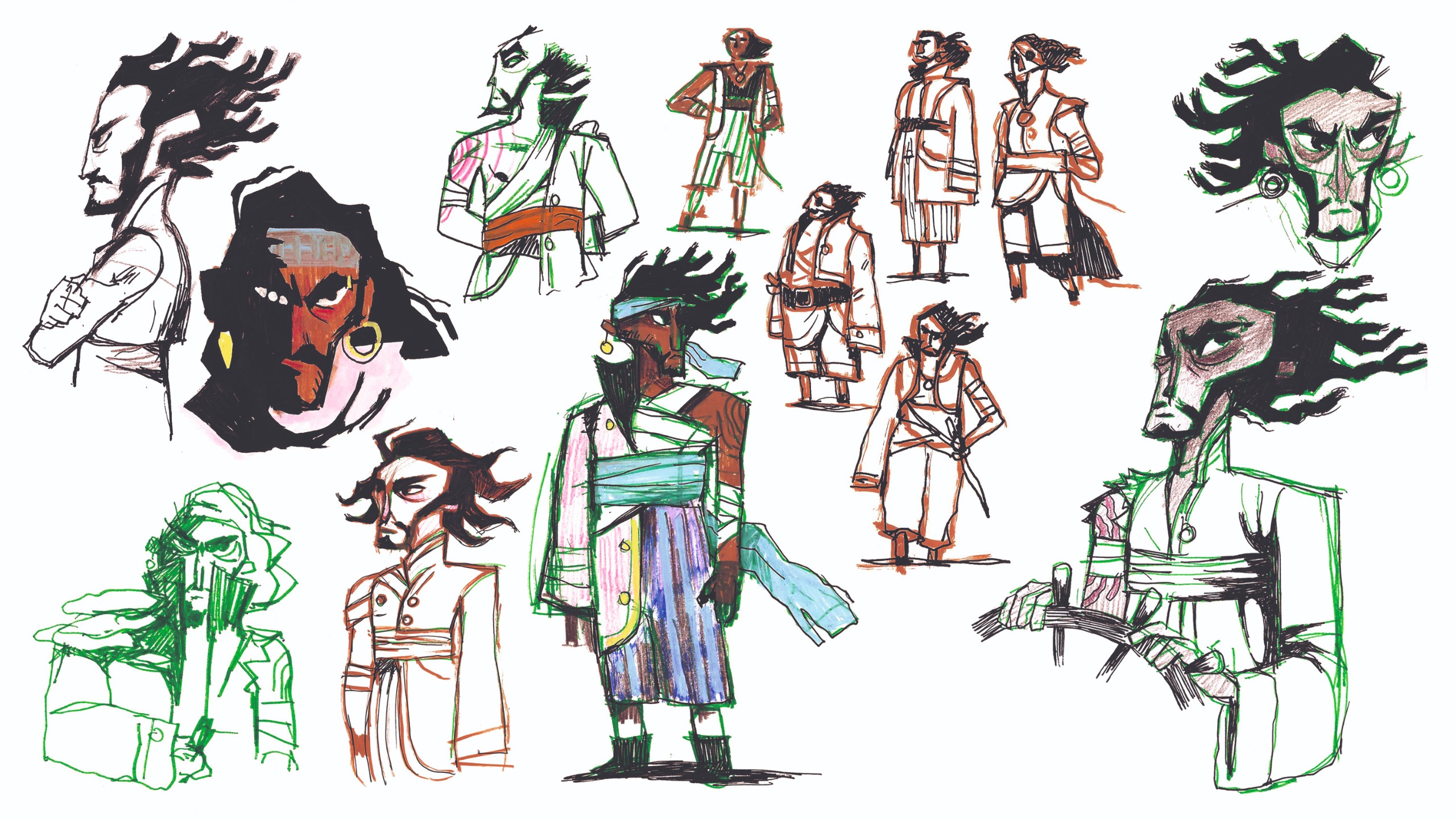
For recent projects, the character design process has evolved into a collaborative ritual. Vian and Unger initially sketch independently, withholding their initial drawings to preserve uninfluenced creative instincts. They subsequently reconvene to compare interpretations, blending their respective concepts through subsequent rounds of drawing.
Animator Charlotte Harris then joins the pipeline, stress-testing the character designs for movement, profile clarity, and emotional range. Every character requires a comprehensive library of expressive states—documenting blinking mechanics, dental structures, and unique postural body language—to ensure they withstand prolonged player scrutiny throughout the game’s duration.
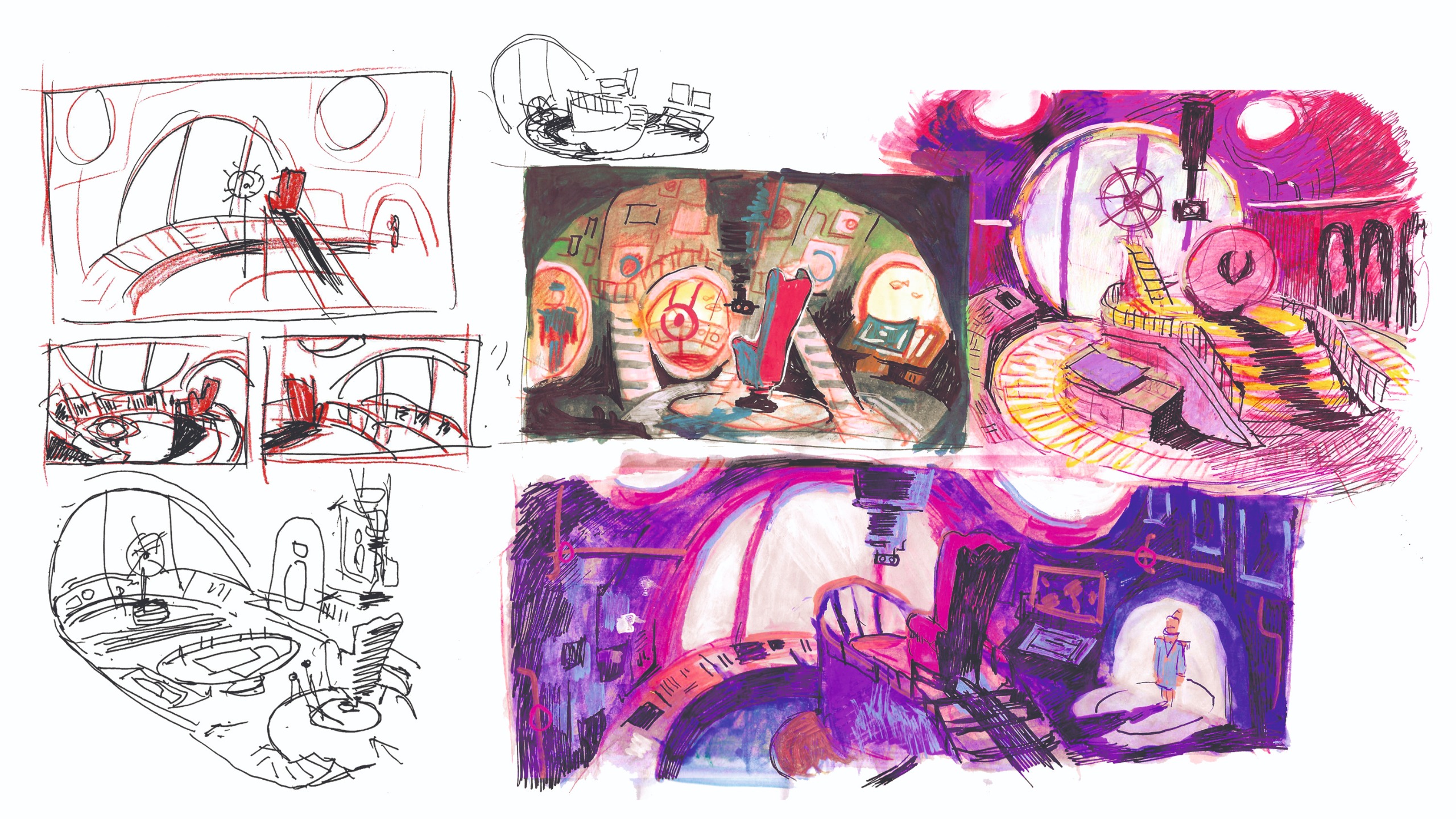
Integrating 3D Elements into The Mermaid Mask
With the development of The Mermaid Mask, SFB Games faced a pivotal technical and artistic challenge: introducing three-dimensional elements without compromising the franchise’s signature hand-drawn 2D aesthetic. The breakthrough emerged from observing online fan art that translated Unger’s flat illustrations into 3D models. Recognizing an opportunity to make interactive clues more engaging—allowing players to manipulate objects, open books, and inspect items from multiple angles rather than simply staring at static 2D sprites—the studio enlisted 3D artist Kindra Dantone.
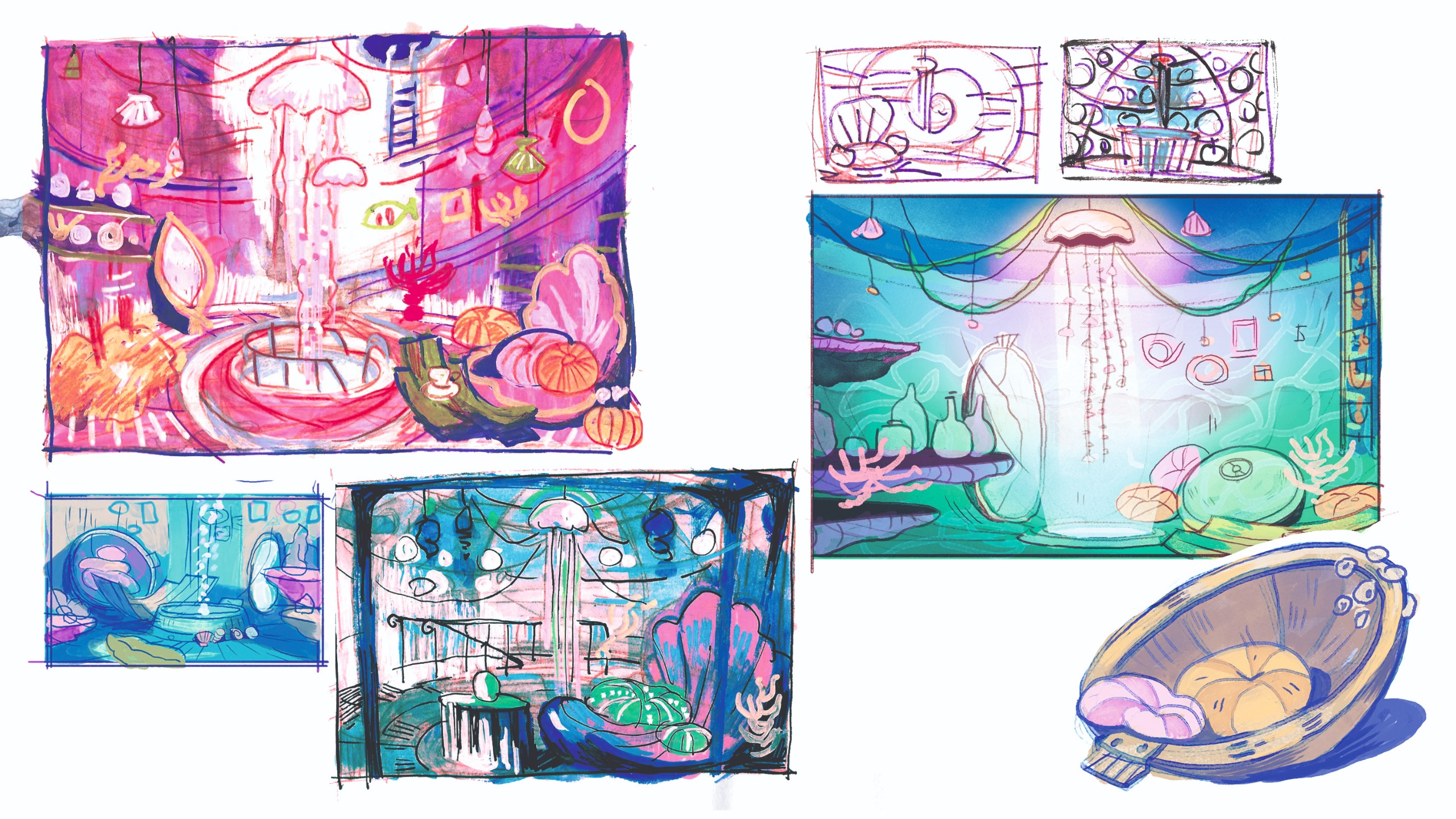
Dantone meticulously replicated Unger’s painting style in three-dimensional space. To preserve the hand-drawn illusion, programmer Tom Vian engineered proprietary technical art tools that dynamically generated colored outlines around the 3D models, complete with a procedural wobble mimicking physical brushstrokes.
"I really think the 3D clues are the big selling point in the game because there’s so much juice in them," Adam Vian observes. "It’s a lot more like an interactive video game where you get a lot more hands-on rather than like a visual novel."
Wisdom for Modern Aspiring Game Developers
Reflecting on their two-decade journey from teenage Flash hobbyists to established indie veterans, Vian offers pragmatic counsel for aspiring creators entering the industry today. He emphasizes that contemporary platforms—such as Unity paired with itch.io for browser distribution—offer a modern equivalent to the accessible ecosystem once provided by Newgrounds.
Crucially, Vian warns against the common pitfall of overscoping a debut project. "The best thing you can do to gain experience is to actually finish a project, because finishing something—getting it ready for release—is half the battle," he advises. "So if you pick a small project, you get to that phase quicker and you actually experience it. The worst mistake is making your magnum opus too early and never finishing it."
As Detective Grimoire’s latest investigation, The Mermaid Mask, launches across PC, PlayStation 5, and the Nintendo Switch ecosystem, SFB Games stands as a testament to the enduring power of deliberate artistic evolution, creative collaboration, and the wisdom gained from finishing small projects quickly.