How an Illustrator Brought RF Obsydios’s Epic Fantasy Debut to Life Through Digital Art and Classical Technique

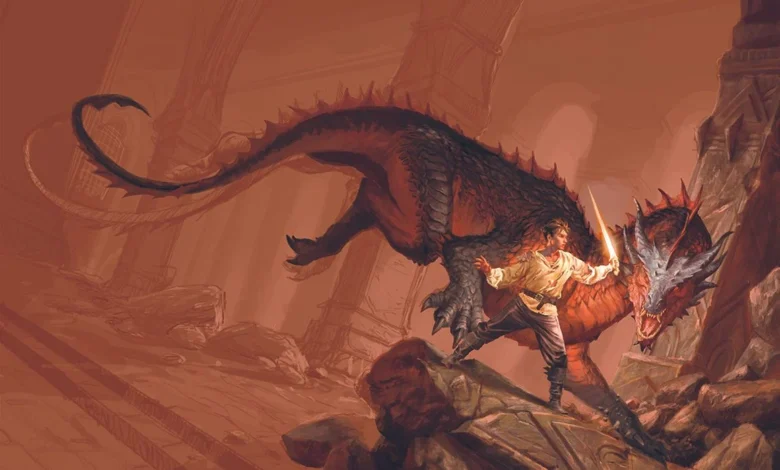
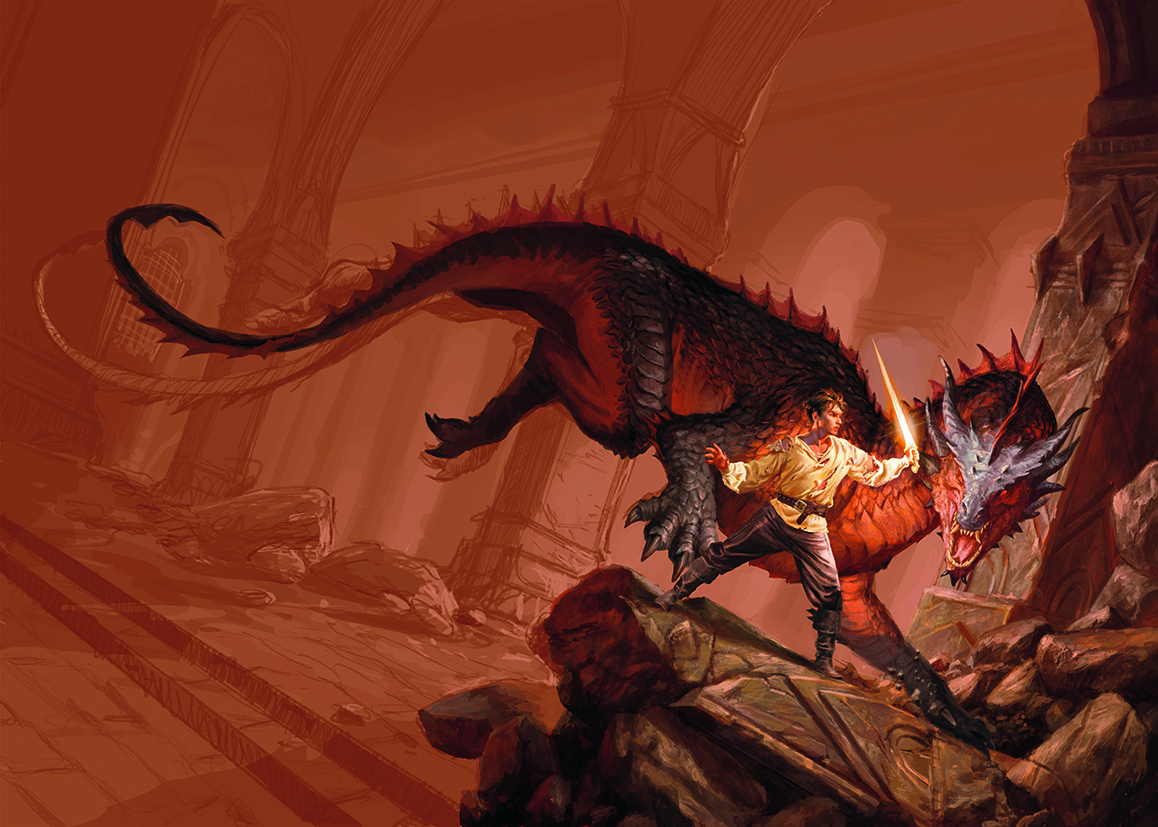
The intersection of traditional epic fantasy aesthetics and modern digital illustration techniques has yielded a striking new book cover for publishing house Armenia Edizioni. Commissioned to visually anchor the debut fantasy novel by author RF Obsydios, an accomplished digital artist has detailed the meticulous, multi-step creative process behind bringing a grim, high-stakes battle to life. The resulting artwork captures a battle-weary young warrior confronting a formidable, wingless dragon within the shadowy, ruined corridors of an ancient fortress—a scene carefully calibrated to evoke the nostalgic grandeur of classic fantasy literature.
Project Overview and Conceptual Origins
The commission required a specific tone: warm, dominated by deep reds and oranges, and heavily influenced by the gritty world-building found in contemporary and classic dark fantasy, with Joe Abercrombie’s novel The Devils cited as a primary stylistic benchmark. Armenia Edizioni sought an illustration that would immediately signal to readers that Obsydios’s debut falls firmly within the epic fantasy tradition.
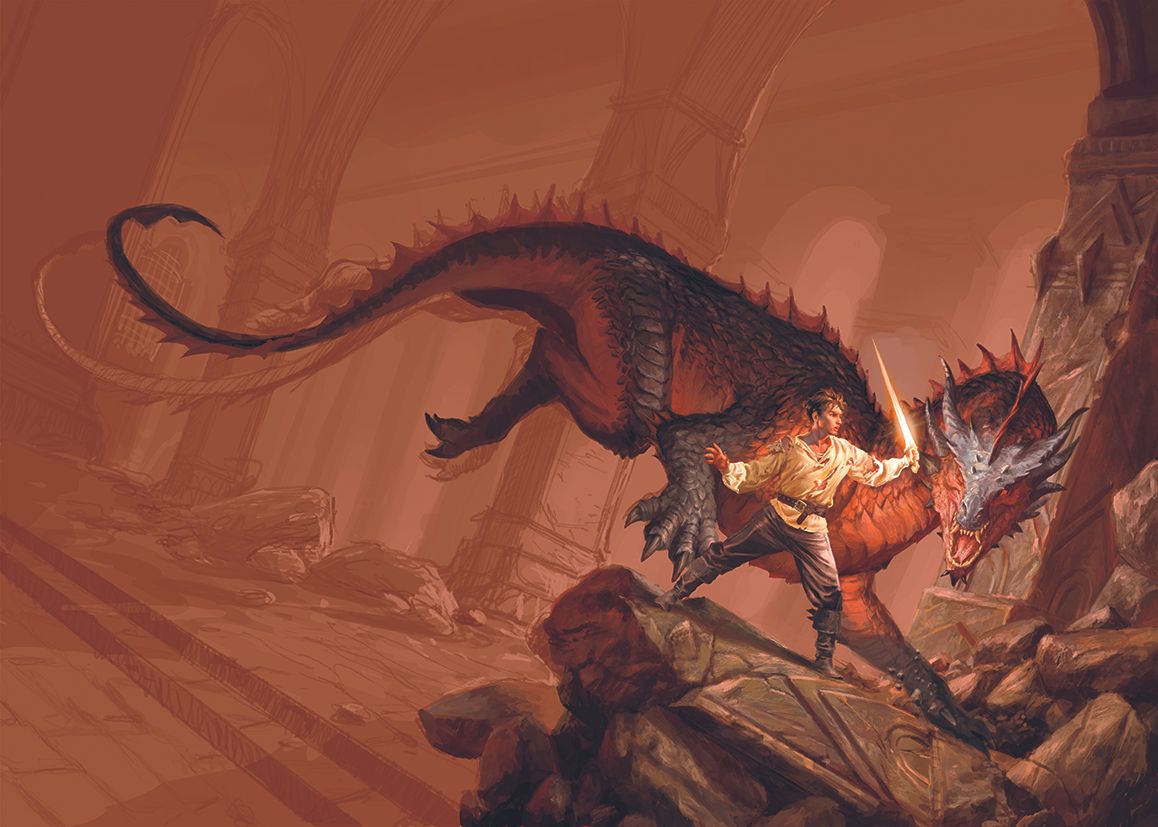
For the artist, whose formative years were shaped by the master illustrators of the genre, the assignment was both a homecoming and a technical challenge. Rather than relying on generic stock imagery or heavily automated processes, the creator approached the canvas with a traditional mindset adapted for digital art software and drawing tablets. The core narrative of the cover hinges on vulnerability versus overwhelming power: a young, scarred protagonist with a torn shirt brandishing a blade against a massive reptile covered in crimson and black scales.
Step-by-Step Chronology of the Artwork’s Creation
The creation of the cover followed a structured, highly methodical timeline designed to ensure client alignment and structural integrity before diving into fine details.
-
Initial Ideation and Sketching (The Blueprint Phase):
Unlike artists who produce dozens of preliminary concepts, the illustrator typically limits early phases to one or two black-and-white sketches. The primary objective at this stage is to communicate composition, lighting, and volumetric mass clearly to the publisher. By establishing the visual hierarchy early, the artist ensures that the fundamental storytelling elements—such as the focal point and directional flow—are approved before color is introduced.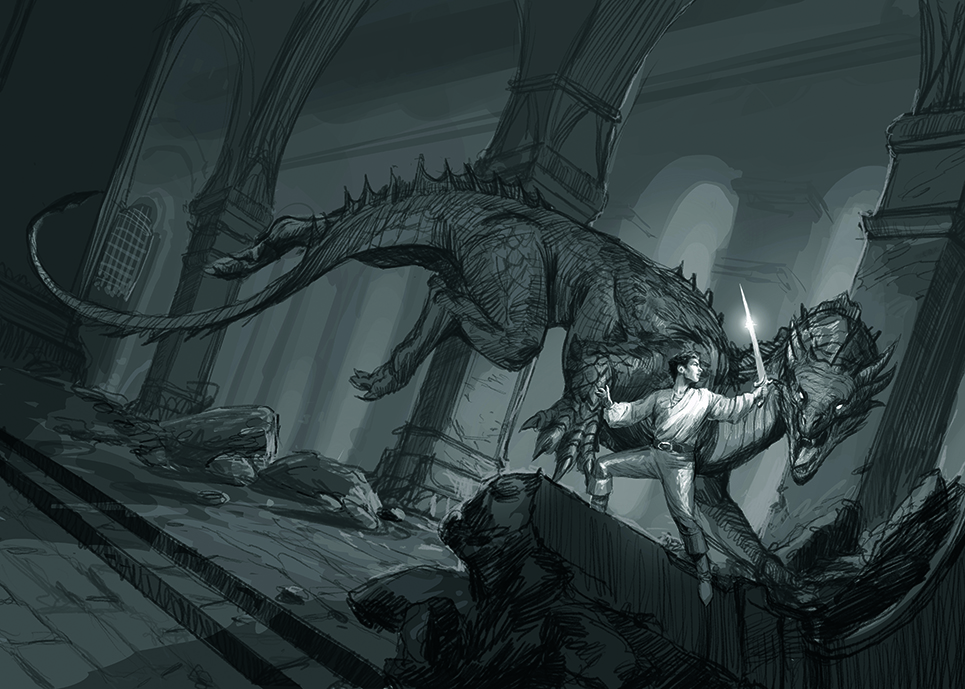
-
Figure Painting and Isolation:
Rather than painting every element onto a single flat layer from the start, the artist chose to paint the young warrior separately on a larger canvas format. Once detailed to satisfaction, the figure was resized and strategically placed into the master composition. This isolation technique allows for hyper-focused rendering of anatomy, lighting on skin and cloth, and facial expression without the visual distraction of background elements. -
Scene Assembly and Macro Composition:
With the hero established, the focus shifted to the primary spatial relationships: positioning the warrior, the imposing wingless dragon, and the surrounding structural ruins. The artist emphasizes that testing the interplay of these three core elements early is vital to identifying structural flaws or compositional imbalances before investing hours into rendering textures. -
Anatomical Challenges and Dynamic Framing:
Designing the dragon presented distinct structural hurdles, particularly in rendering the anatomy of its hind legs. The artist engineered the creature’s lower body to form a sweeping curve, an intentional design choice meant to guide the viewer’s eye organically toward the central confrontation between man and beast. To further heighten the narrative tension and sense of imminent peril, the final composition utilizes a deliberate tilted camera angle, injecting kinetic energy and dramatic weight into the still image.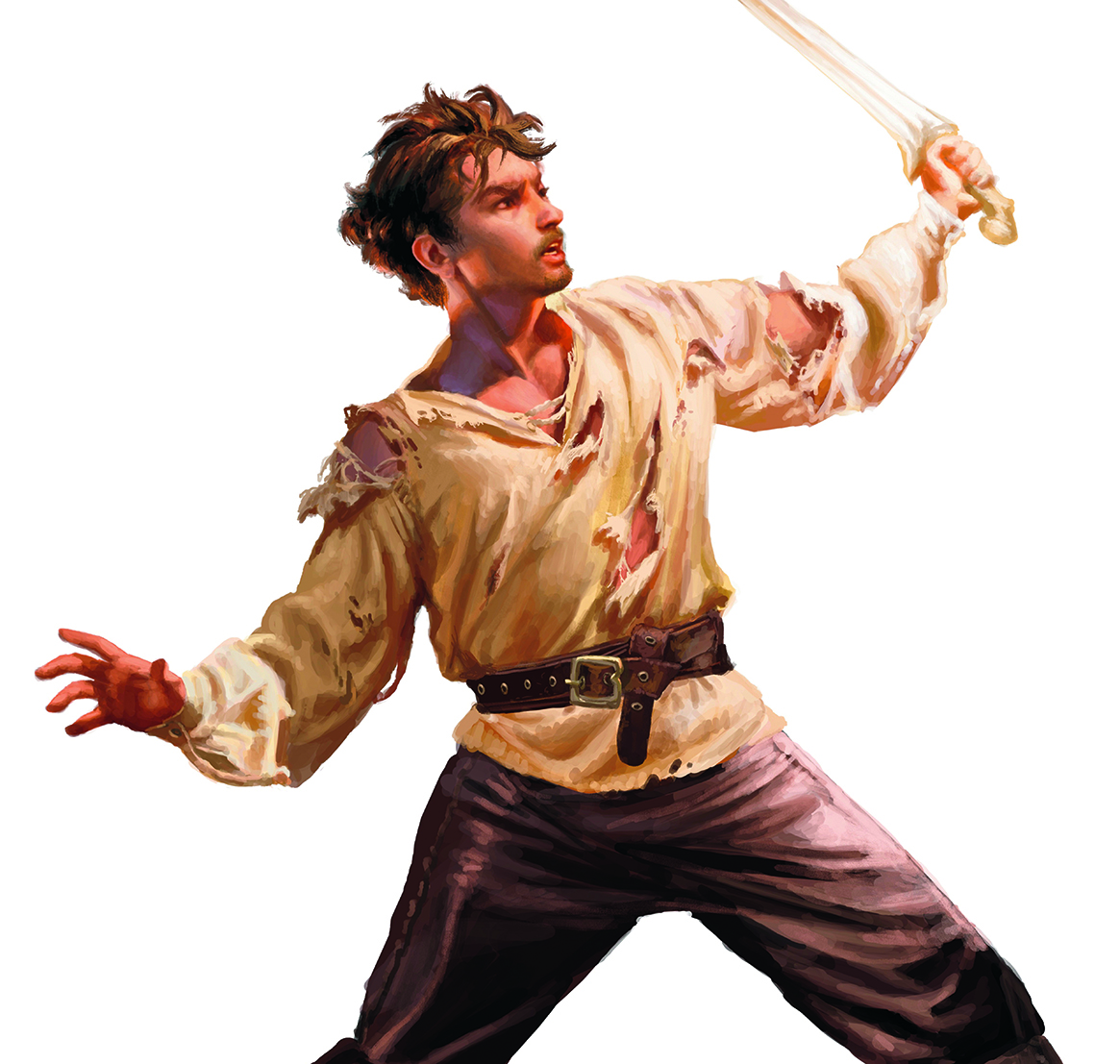
-
Texturing and Environmental World-Building:
Drawing inspiration from architectural landmarks such as the fictional ruins of Moria, the fortress environment was designed to look colossal, oppressive, and ancient. The foreground features a fallen, crumbling stone column rendered with meticulous detail. By utilizing subtle color variations and dry-brush digital techniques, the artist successfully simulated the rough, weather-beaten texture of stone, complemented by scratches and structural cracks. -
Reference Gathering and Historical Authenticity:
To maintain realism in lighting and drapery, the illustrator utilized a personal archive of historical-style clothing and fabric scraps. By constructing physical costume references and photographing them under controlled lighting conditions, the artist bridged the gap between imagination and physical plausibility, ensuring that fabric tears and armor reflections behaved realistically under the scene’s warm, fiery palette.
Industry Implications and the Evolution of Fantasy Publishing
The publication of RF Obsydios’s debut under the Armenia Edizioni banner highlights a broader trend within the contemporary publishing landscape: the deliberate fusion of traditional cover art sensibilities with advanced digital painting tools. While the market has increasingly experimented with minimalist typographic covers or graphic design-heavy layouts, high-fantasy publishers continue to rely on narrative-driven, painterly illustrations to establish genre expectations and attract dedicated readership bases.
Furthermore, the transparency with which modern digital artists share their workflows—from early grayscale blocking to specialized brush techniques and physical reference photography—reflects a maturing digital art industry. Platforms catering to digital creators, such as ImagineFX and Creative Bloq, regularly spotlight these behind-the-scenes processes, providing aspiring illustrators with practical frameworks for executing complex commercial commissions.
As Armenia Edizioni prepares to launch RF Obsydios’s novel into a competitive fantasy market, the newly unveiled cover stands as a testament to the collaborative relationship between modern publishers and traditional-minded illustrators. By anchoring a new literary universe in the time-tested visual language of epic fantasy, the artwork ensures that the book’s initial shelf-and-screen presence resonates strongly with fans of gritty, atmospheric world-building.