Gemini Intelligence Expands to Motorola Signature 27 and Pixel 10 Along with New Productivity Features


The landscape of mobile artificial intelligence continues to evolve at a rapid pace as Google broadens the availability of its Gemini Intelligence framework. Initially introduced earlier in the year, Gemini Intelligence is designed to integrate deeply into the Android ecosystem, transforming standard mobile operating systems into proactive assistants capable of handling complex logistics, real-time transcription, and customized widget creation. This latest expansion brings the advanced AI capabilities to a wider array of premium hardware, most notably the new motorola signature 27 and the Google Pixel 10 lineup, while introducing innovative productivity tools designed to reduce digital friction for users worldwide.
Strategic Hardware Integration and Device Rollout
The inclusion of Gemini Intelligence into Motorola’s ecosystem marks a significant milestone for the platform. Motorola has positioned the motorola signature 27 as its premier AI-driven handset, featuring deep integration with Google’s neural network architecture. Set for U.S. pre-orders starting November 19, the device represents Motorola’s commitment to mainstreaming advanced on-device intelligence.
Concurrently, Google’s latest Pixel Drop software update brings the full suite of Gemini Intelligence capabilities to the Pixel 10, Pixel 10 Pro XL, and Pixel 10 Pro Fold. These rollouts follow earlier deployments on flagship devices such as the Pixel 11, Samsung Galaxy Z Fold8 Ultra, Z Fold8, Z Flip8, and the Galaxy S26 series. By scaling the infrastructure across multiple manufacturers, Google is accelerating the transition from cloud-reliant chatbots to deeply embedded, context-aware mobile operating systems.
Streamlining Communication with Rambler
Among the standout features expanding to the motorola signature 27 and the Pixel 10 series is Rambler. This sophisticated tool is engineered to bridge the gap between spoken thought and written communication by converting unstructured verbal dictation into clean, organized text in real time. Designed to eliminate the tedious process of manual transcription and editing, Rambler processes audio streams locally and in the cloud to format notes, messages, and documents instantly.
Industry analysts note that real-time transcription tools integrated directly at the operating system level represent a major shift in how professionals and casual users manage daily documentation. By minimizing the friction associated with drafting emails or capturing meeting notes on mobile devices, tools like Rambler enhance overall productivity without requiring third-party application downloads.

Global Expansion of Task Automation
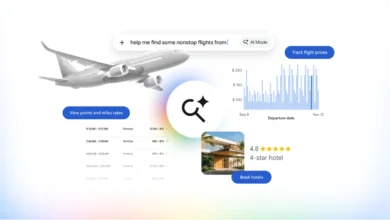
In addition to hardware integrations, Google is broadening the geographic footprint of its task automation features. Initially restricted to select markets, the capability to delegate multi-step logistical tasks—such as food delivery ordering, ride-hailing, and restaurant reservations—across various applications is now rolling out to users in the United Kingdom, India, and Japan.
This expansion reflects a broader industry trend toward agentic AI, where virtual assistants do not merely answer queries but actively execute workflows on behalf of the user. By integrating across disparate third-party applications, Gemini Intelligence aims to reduce the time spent switching between apps to coordinate daily schedules.
Democratizing Software Design: Create My Widget
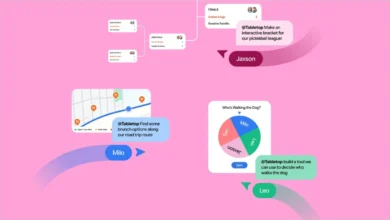
Addressing the traditional limitations of smartphone customization, Google is introducing "Create My Widget" over the coming weeks. This feature allows users to design bespoke home screen and lock screen widgets using natural language prompts, completely eliminating the need for coding knowledge or specialized third-party widget design applications.
Whether a user requires a dynamic dashboard for an upcoming travel itinerary, a real-time monthly spending tracker, or a specialized countdown timer, Create My Widget aggregates data seamlessly from Gmail, Google Calendar, and Google Search. The system interprets the user’s intent and constructs a visual, functional layout tailored to specific personal metrics. Furthermore, this capability is not confined to smartphones; Google has confirmed that Create My Widget will extend to Pixel Watch models in the near future, allowing users to keep vital, personalized data directly on their wrists.
Proactive Tech Support via Device Assistance
Navigating complex smartphone settings, storage management, and privacy controls has historically presented challenges for average consumers. To address this, Gemini Intelligence introduces Device Assistance, functioning as an embedded personal technical expert.

By utilizing natural language dialogue, users can instruct Gemini to perform intricate system operations, such as clearing up targeted storage space, auditing application location permissions, or configuring complex Do Not Disturb parameters that filter out digital distractions while ensuring critical calls bypass silence filters. Because the underlying AI possesses deep contextual awareness of the device’s architecture, it can execute these commands reliably, lowering the technical barrier to optimal device management and security configuration.
Cross-Screen Continuity: From Laptops to Automobiles
Google’s broader strategy emphasizes ubiquitous assistance across diverse form factors. Last month’s introduction of the Googlebook—the first laptop built explicitly around Gemini Intelligence—established a foundation for desktop-grade AI workflows.
The ecosystem is now extending into vehicular environments via Android Auto. Rolling out soon for Pixel device owners utilizing Gemini Intelligence, the system introduces proactive suggestions by connecting disparate data points across messaging and calendar applications. For instance, if an incoming text message inquires about a meeting location for a fitness class, Gemini Intelligence on Android Auto can scan confirmation emails, locate the precise address, and offer a single-tap response option to share the location safely while driving. This seamless transition from handheld devices to vehicular interfaces underscores Google’s objective to maintain continuous, context-aware support regardless of the screen in use.
Industry Implications and Future Outlook
The rapid commercialization of on-device artificial intelligence highlights a pivotal shift in consumer electronics. Hardware manufacturers are increasingly evaluated not merely on traditional silicon performance, display quality, or camera optics, but on the sophistication and utility of their integrated AI software layers.
For competitors in the mobile space, Google’s hardware-agnostic push—partnering with brands like Motorola alongside its proprietary Pixel hardware—demonstrates an ambition to establish Gemini as an omnipresent utility layer across the entire Android ecosystem. As regional deployments broaden and developer APIs mature, the success of these initiatives will depend heavily on balancing advanced predictive automation with stringent user privacy controls and battery optimization.
The introduction of the motorola signature 27 and the expanded Pixel 10 feature set signal that multimodal, proactive AI is rapidly transitioning from a novelty feature of flagship smartphones into an essential benchmark for modern mobile computing.