New software project allows seventh-generation iPod nano to run iOS and classic iPhone apps

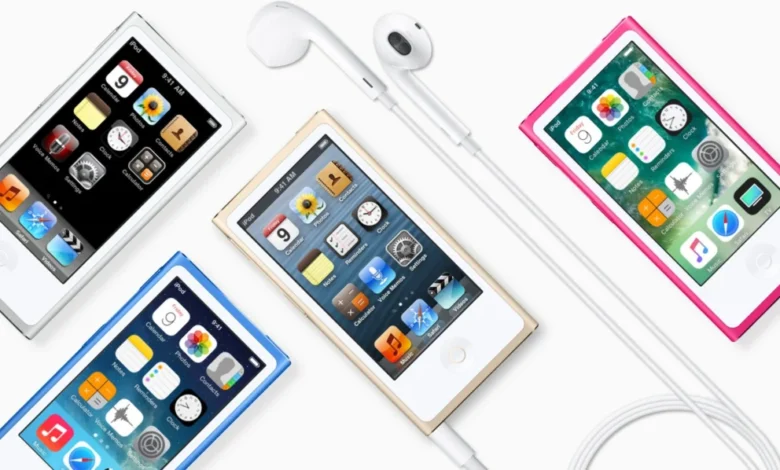
In a remarkable feat of reverse engineering, a developer known as "New Frontier 0x" has successfully ported various iterations of Apple’s iOS operating system to the seventh-generation iPod nano. The project, aptly titled "iOS on iPod nano," represents a significant milestone in the enthusiast community, effectively transforming a device that was originally locked to a proprietary, limited interface into a functional—if experimental—handheld computer capable of running legacy iPhone applications.
The seventh-generation iPod nano, released in 2012, was the final iteration of the iconic product line. Featuring a 2.5-inch Multi-Touch display, 16GB of flash storage, and the then-new Lightning connector, the device was praised for its sleek 5.4mm profile. However, it was intentionally restricted by Apple to run a customized OS that mirrored the aesthetic of iOS 6 but lacked the application ecosystem that defined the iPhone and iPod touch experience. By enabling full iOS support, the new project bridges a fourteen-year gap between the hardware’s capabilities and its actual software utility.
Technical Foundations and Implementation
The technical hurdles required to achieve this port were substantial. The iPod nano is equipped with only 64MB of RAM, a fraction of what was found in contemporary iPhones. To circumvent these hardware limitations, the development team utilized a heavily modified kernel designed to operate within the device’s constrained memory footprint.
The project leverages memory compression techniques to allow the OS to load, while tapping into the graphics acceleration capabilities of a chip shared with the second-generation iPod touch. Because the native display resolution of the nano is 240-by-432 pixels, the developers had to meticulously adapt the iOS interface elements to ensure that core system components—such as the status bar, app icons, and navigation menus—rendered correctly within the narrow, vertical orientation.
Software execution is facilitated through "NanoApps," an existing homebrew framework previously used to sideload simple utilities onto the stock nano OS. By hijacking this delivery mechanism, the team was able to boot into a functional iOS environment, demonstrating the ability to launch default system applications like Calendar, Photos, Notes, and Settings. Furthermore, the port includes connectivity support; despite the device lacking an internal Wi-Fi radio, the developers successfully enabled internet access by tethering the nano to an external device via a Bluetooth hotspot.
A Chronology of the Project
The development cycle of this project reflects the iterative nature of enthusiast software modifications.
- Late 2026 (Pre-Release): Internal testing begins within the developer community to determine if the 2012 hardware can handle the overhead of Apple’s mobile software.
- November 28, 2026: "New Frontier 0x" publicly announces the "iOS on iPod nano" project via social media, accompanied by video evidence showing the device successfully booting into an iOS-like environment.
- November 29, 2026: Initial reports emerge from early adopters regarding varying boot times, ranging from one minute for older iterations like iPhone OS 3 to over ten minutes for more modern versions like iOS 10.
- Late November 2026: The developer issues a temporary suspension of public downloads following reports of device "bricking" and flash-storage corruption, signaling a shift toward stability testing and recovery development.
Stability and Hardware Constraints
While the visual achievement is impressive, the project remains in a highly volatile, "alpha" state. Field reports from testers highlight significant performance discrepancies. While some users have successfully navigated the interface, others have experienced catastrophic system failures.

The most concerning issue reported is the tendency for devices to become trapped in a "boot loop," where the device hangs on the Apple logo during startup. Because the port interacts with the underlying flash storage in ways not intended by the original hardware architecture, standard restoration protocols through iTunes or Apple Configurator often fail. Consequently, the development team has pivoted from feature expansion to the creation of a dedicated, robust recovery tool, urging users to refrain from flashing the software until these safety measures are verified.
The Legacy of the iPod Nano
To understand the significance of this project, one must look at the device’s place in Apple’s history. When the seventh-generation iPod nano was introduced in October 2012, it represented the pinnacle of the "nano" design language. It was thin, portable, and featured a responsive touchscreen, yet it was famously "walled off." Users could not install third-party apps, effectively making it an island in Apple’s ecosystem.
Apple’s decision to discontinue the entire iPod lineup in July 2017 marked the end of an era. The transition to the iPhone as a primary music player rendered the dedicated media player redundant for the mass market. However, for a niche segment of hardware enthusiasts, the seventh-generation nano remains a highly desirable "relic" due to its build quality and compact form factor. By breathing new life into the device, the "iOS on iPod nano" project serves as a preservationist effort, keeping the hardware relevant in a modern digital landscape.
Broader Implications and Industry Context
The success of this port invites a broader discussion regarding the longevity of consumer electronics. As manufacturers move toward increasingly closed software ecosystems, the ability for the community to modify and "unlock" devices becomes a vital mechanism for reducing e-waste and extending the lifecycle of hardware.
While Apple has historically maintained a strict stance against the modification of its firmware—citing security and user experience concerns—the enthusiast community continues to find ways to push the boundaries of what is possible. From an engineering standpoint, the fact that an OS as complex as iOS can be compressed to run on 64MB of RAM is a testament to the original efficiency of Apple’s early mobile software architecture, as well as the ingenuity of modern developers.
Future Outlook and Official Stance
As of this writing, there has been no official statement from Apple regarding the project. The company has generally viewed third-party modifications, particularly those involving unauthorized software, as a breach of its Terms of Service. However, because the iPod nano is a long-discontinued device, it is unlikely that the company will take aggressive legal action against the developers.
The immediate future of the project lies in stability. The development team is currently focusing on three key areas:
- Memory Management: Refining the kernel to prevent the memory-related crashes that currently plague the experience when launching modern apps.
- Storage Integrity: Investigating why certain flash memory sectors are becoming corrupted, which is essential to ensuring that the project does not result in permanent hardware damage.
- Bootloader Security: Developing a secondary bootloader that would allow users to easily switch between the original iPod firmware and the ported iOS environment, effectively creating a "dual-boot" system that mitigates the risk of bricking.
For now, the "iOS on iPod nano" stands as a compelling proof-of-concept. It serves as a reminder that even after a product is officially "dead," the collective curiosity of the developer community can continue to evolve its capabilities. As the project stabilizes, it may provide a roadmap for how other legacy devices could be repurposed in the future, potentially turning forgotten gadgets into functional, if quirky, pieces of modern technology. Prospective users are advised to monitor the developer’s GitHub repository for the release of a stable recovery tool, which remains the primary prerequisite for any further public experimentation with this ambitious port.