The Ultimate Guide to Last-Minute Black Friday and Cyber Monday Tech Deals Under $10

Shoppers racing to finalize their holiday gift lists and secure last-minute bargains ahead of the concluding hours of the Black Friday and Cyber Monday promotional window are increasingly turning their attention toward micro-budget gadgets and accessories. While major holiday retail events are historically dominated by high-ticket electronics—such as flagship smartphones, premium noise-canceling headphones, and large-format OLED televisions—a parallel market for ultra-affordable stocking stuffers and functional tech accessories has expanded significantly. Industry analysts note that consumer spending habits during late November have shifted to accommodate smaller, high-utility purchases that enhance the daily user experience without imposing a heavy financial burden.
To meet this demand, consumer technology publications have curated specialized selections of products priced under the $10 threshold. These offerings range from novelty items, such as charging cables featuring animated LED status displays, to practical winter apparel designed specifically for modern smartphone users. Although strict price ceilings inherently limit the scope of available hardware—excluding categories like true wireless earbuds or high-capacity power banks—they open up a diverse ecosystem of clever, highly specialized gadgets that solve minor everyday inconveniences for Android enthusiasts and general consumers alike.
The Evolution and Chronology of Modern Holiday Retail Sales
The commercial phenomenon known as Black Friday originated in the United States as the traditional day-after-Thanksgiving kickoff to the Christmas shopping season, characterized by massive brick-and-mortar discounts. Over the past two decades, the event has undergone a structural transformation driven by the rapid growth of e-commerce platforms like Amazon, eBay, and specialized direct-to-consumer retail sites. The introduction of Cyber Monday in 2005 specifically targeted online shoppers, creating a continuous four-day promotional cycle that culminates in some of the highest online transaction volumes of the calendar year.
In recent years, the timeline of these retail events has expanded even further. Major promotional campaigns frequently begin as early as late October or early November, creating a prolonged shopping season often referred to as the "holiday preview" window. However, the final 48 hours encompassing the transition from Black Friday into Cyber Monday remain a critical period of urgency for both retailers and consumers. During this closing window, platforms deploy aggressive inventory-clearing tactics, resulting in steep discounts on minor accessories, cables, adapters, and protective gear. Market researchers observe that while big-ticket items capture the primary advertising headlines, smaller sub-$10 items experience massive spikes in sales volume due to impulse buying and last-minute gift curation.
Economic Factors and Consumer Spending Shifts
The sustained popularity of low-cost tech accessories during major retail holidays reflects broader macroeconomic trends influencing consumer behavior. With cost-of-living pressures affecting household budgets globally, shoppers are increasingly calculated in their discretionary spending. Rather than investing in expensive tech upgrades, consumers frequently opt for low-cost incremental improvements that enhance existing devices.
According to retail analytics firms, spending on consumer electronics accessories under $20 has grown steadily over the past five years. This category resilience is largely attributed to the universal nature of modern mobile technology. Because billions of individuals rely daily on smartphones, tablets, and wearable devices, universal accessories—such as specialized cables, durable screen protectors, cable management tools, and cold-weather touchscreen gloves—possess broad utility. Retailers leverage this universal appeal by bundling small items or offering flash discounts that reduce already inexpensive goods to marginal price points, successfully capturing price-sensitive shoppers who might otherwise forgo holiday purchases entirely.
Anatomy of Sub-$10 Tech Accessories: Utility Meets Novelty
Navigating the vast inventory of online marketplaces during major sales events requires careful discernment to separate genuinely useful products from disposable novelties. Consumer technology experts emphasize that items priced under $10 generally fall into two primary categories: functional problem-solvers and novelty enhancements.
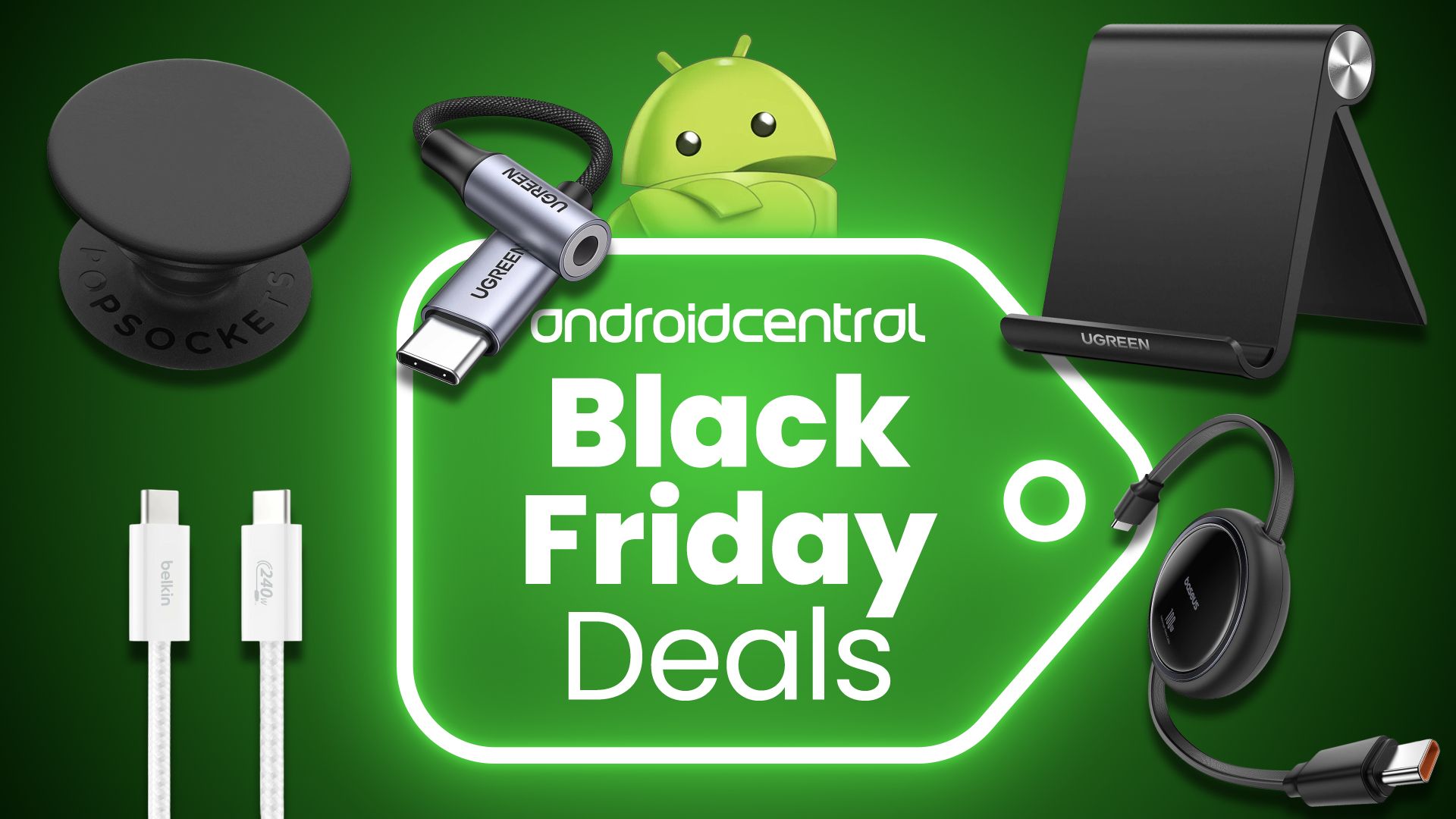
Functional accessories in this price tier typically address physical wear-and-tear or environmental limitations. For example, specialized winter gloves engineered with conductive yarn woven into the fingertips allow users to operate capacitive touchscreens on Android devices without exposing their hands to freezing temperatures. These practical solutions have become staple winter purchases in regions experiencing severe cold weather during the fourth quarter.
Conversely, novelty tech items combine utility with entertainment value. Among the popular trends featured in recent holiday sales are reinforced silicone and braided charging cables equipped with miniature, low-power LCD or LED status indicators. Some designs feature animated faces that display dynamic expressions—such as a smiling or blinking graphic—while energy flows from the power source to the mobile device. While these features do not fundamentally alter charging speeds or battery longevity, they appeal to tech enthusiasts seeking playful desk accessories or unique stocking stuffers.
Strategic Buying: Navigating Price Tiers for Maximum Value
Consumer advocates and retail analysts consistently advise shoppers to establish clear budgetary parameters before engaging with fast-paced promotional events like Black Friday and Cyber Monday. While sub-$10 items offer exceptional affordability, failing to evaluate product quality and shipping costs can diminish their overall value.
Industry comparisons indicate a distinct tier system for holiday tech bargains:
- Under $10: Dominated by cables, basic adapters, screen protectors, stylus pens, and novelty charging accessories. These items serve as immediate stocking stuffers or quick fixes for everyday tech annoyances.
- $10 to $20: Introduces more robust hardware options, including basic Bluetooth trackers for keys and wallets, entry-level wired or wireless earbuds, single-port wall chargers with fast-charging protocols (such as Power Delivery), and lightweight phone stands.
- $20 to $50: Represents the baseline for branded accessories, mid-tier power banks with multi-device charging capabilities, basic smart home sensors, and standard wireless charging pads.
By categorizing purchases according to these functional thresholds, consumers can better align their spending with actual utility, avoiding the trap of accumulating low-quality items solely due to perceived discount value.
Broader Market Implications and Future Outlook
The persistent focus on micro-discounts during mega-retail events highlights the changing dynamics of the consumer electronics supply chain. Manufacturers and third-party vendors increasingly rely on high-volume, low-margin accessories to maintain brand visibility and drive traffic to their primary storefronts during peak shopping periods.
Furthermore, the environmental and logistical impact of shipping millions of ultra-low-cost items has drawn scrutiny from sustainability advocates. As e-commerce giants refine their logistics networks to handle the surge in parcel volume between Black Friday and Cyber Monday, optimizing packaging for small accessories remains an ongoing challenge. Industry leaders are exploring bulk-shipping options and reduced plastic packaging to mitigate the carbon footprint associated with shipping individual low-cost goods.
Looking forward, analysts expect the intersection of holiday retail promotions and micro-budget tech accessories to remain a permanent fixture of the digital economy. As mobile ecosystems continue to evolve—with standardized connections like USB-C achieving near-universal adoption across smartphones, tablets, and accessories—the market for interchangeable, highly affordable add-on hardware is projected to sustain steady growth through subsequent holiday cycles.
Related posts: