The Homogenization of Android: Why Motorola’s Shift Toward iOS-Inspired Design Marks a Turning Point for the Mobile Industry

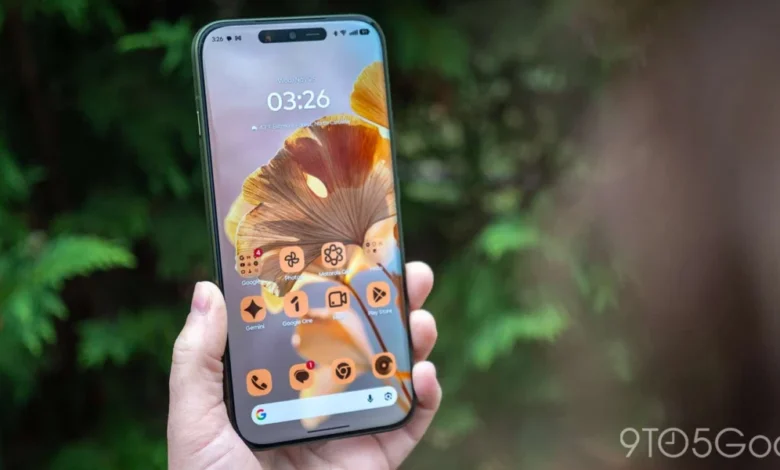
The mobile landscape in 2026 has reached a pivotal juncture where the visual and functional distinctions between Android and iOS are narrowing at an unprecedented rate. As major manufacturers continue to refine their software ecosystems, a prevailing trend toward aesthetic and structural convergence has emerged. The most recent example of this shift is found in Motorola’s latest device interface updates, which appear to prioritize a user experience that closely mirrors Apple’s design philosophy. This development has reignited a long-standing debate within the technology sector regarding the value of platform differentiation versus the efficiency of industry-standardized user interface patterns.
The Evolution of Mobile Design Convergence
For over a decade, Android and iOS functioned as distinct, competing philosophies of mobile interaction. Google’s Android, historically rooted in the Material Design language, emphasized modularity, customizability, and information density. Conversely, Apple’s iOS focused on a strictly curated, intuitive, and consistent environment.
However, by late 2026, the lines have blurred significantly. Manufacturers like Samsung, Xiaomi, and now Motorola have increasingly adopted design elements that parallel the Apple ecosystem. This includes the implementation of more rigid home screen layouts, standardized notification center designs, and a focus on "clean" aesthetics that mimic the minimalist approach pioneered by Cupertino.
Motorola, once known for its "near-stock" Android experience—often touted as the closest alternative to Google’s own Pixel software—has begun to pivot. The introduction of the Motorola Signature 27 interface indicates a strategic shift. By adopting features such as unified control centers, simplified icon geometry, and restrictive widget placement, the company is moving away from the flexible, utility-first Android roots that defined its mid-2010s output.

Chronology of the Shift Toward Uniformity
The trajectory toward a homogenized mobile experience did not occur overnight. It is the result of a multi-year transition driven by consumer familiarity and the pursuit of market retention.
- 2023–2024: The industry began witnessing the widespread adoption of "Dynamic Island" style notifications across multiple Android manufacturers, following Apple’s lead. This marked the first major hardware-integrated UI change that directly borrowed from an iOS-specific design paradigm.
- Early 2025: Major Android OEMs began rolling out significant overhauls to their respective skins, prioritizing aesthetic consistency over the traditional "open" nature of Android. During this period, settings menus, lock screen customization tools, and gesture-based navigation systems across top-tier devices became increasingly difficult to distinguish from one another.
- Late 2026: The release of the Motorola Signature 27 series represents the latest milestone in this timeline. By aligning its software architecture with the expectations of users transitioning from iOS, Motorola is explicitly prioritizing market accessibility over the unique identity of its legacy software.
Supporting Data and Market Analysis
Industry research firm data suggests that this shift is not merely a design choice but a calculated business decision. According to market analysis from Q3 2026, the churn rate—the number of users switching between mobile operating systems—is at an all-time low. Consumers who have invested heavily in the iOS ecosystem are less likely to migrate to Android if the interface feels alien or overly complex.
Simultaneously, the "familiarity premium" has become a driving force in consumer behavior. Data indicates that when users transition to a new device, they prefer interfaces that require minimal relearning. By adopting design patterns popularized by Apple, manufacturers like Motorola are lowering the barrier to entry for users who may be looking to switch from an iPhone to an Android device.
However, the cost of this transition is the erosion of what once made Android "Android." In the 2020–2022 era, 45% of Android users cited "customization" as their primary reason for staying with the operating system. By 2026, that metric has dropped to 28%, with "familiarity" and "brand ecosystem integration" now ranking as the top two factors for consumer loyalty.
Industry Perspectives and Official Stances
While Motorola has not released a formal statement acknowledging the "iOS-ification" of its software, representatives from the company’s product design team have frequently cited "user-centric refinement" and "streamlined productivity" as the primary drivers for the Signature 27 update.

Industry analysts suggest that this is a common defensive posture. From a business perspective, the objective is to capture the largest possible share of the smartphone market. For many manufacturers, the cost of maintaining a unique, highly specialized software skin is becoming prohibitive compared to the benefits of a polished, universally recognizable interface.
Critics within the tech community, however, argue that this homogenization stifles innovation. If every device behaves the same way, the incentive to develop novel interaction models diminishes. "When the goal is to make your phone feel like an iPhone, you lose the opportunity to make it feel like something entirely new," notes independent software analyst Marcus Thorne.
The Broader Impact on the Android Ecosystem
The implications of this trend extend beyond just the visual interface. The shift toward iOS-style design choices often necessitates a more "walled garden" approach to software management. As Motorola and others tighten control over their interfaces, they also tend to restrict the depth of third-party modifications that once characterized the Android experience.
Impact on Developers
For software developers, the homogenization of UI patterns is a double-edged sword. On one hand, it simplifies the process of optimizing applications across different devices, as the underlying design languages are becoming more uniform. On the other hand, it reduces the need for platform-specific optimizations, potentially leading to a "one size fits all" approach that ignores the unique hardware capabilities of specific Android devices.
The Future of Android Differentiation
Google’s own Pixel line remains the last bastion of the original "pure" Android vision. However, even the Pixel experience has evolved significantly, incorporating many of the polished, fluid animations and design cues that were once the hallmark of the Apple experience.

The industry is reaching a point where the distinction between Android and iOS may soon be defined not by the user interface, but by the underlying services and ecosystem integration. If the interface remains the same, the decision to choose one phone over another will be based solely on hardware specifications, cloud services, and price points.
Conclusion: A New Era of Mobile Computing
The move by Motorola toward a design language that resonates with iOS users is a testament to the maturation of the smartphone market. We are no longer in the "wild west" phase of mobile computing where experimentation was the primary driver of development. Instead, we are in a phase of consolidation.
While some users may mourn the loss of the distinctive, highly customizable Android interface that once set the platform apart, the reality is that the market is favoring consistency and ease of use. Whether this convergence will ultimately benefit the consumer remains to be seen. While it may provide a smoother transition for those moving between platforms, it risks turning the diverse world of Android hardware into a collection of identical experiences.
As we look toward 2027 and beyond, the challenge for manufacturers will be to find a balance—retaining the efficiency and accessibility that modern users demand, while preserving the spirit of innovation and customization that has allowed the Android platform to thrive for nearly two decades. The Motorola Signature 27 may be the latest example of this trend, but it is certainly not the last. The industry is moving toward a standard, and in doing so, it is reshaping the future of how we interact with the technology that defines our daily lives.