Google Expands Personal Intelligence in AI Mode to Deepen Search Integration Across Wallet, Drive, and Gemini

The landscape of digital information retrieval is undergoing a fundamental transformation as artificial intelligence redefines the boundaries between open web search and private personal data. Google has announced a significant expansion of its Personal Intelligence features within AI Mode, a move designed to make search results inherently tailored to individual users by securely bridging the gap between public web content and private application ecosystems.
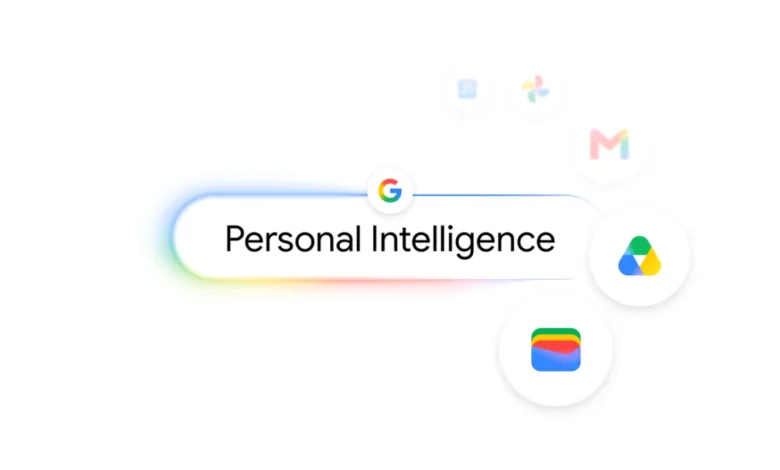
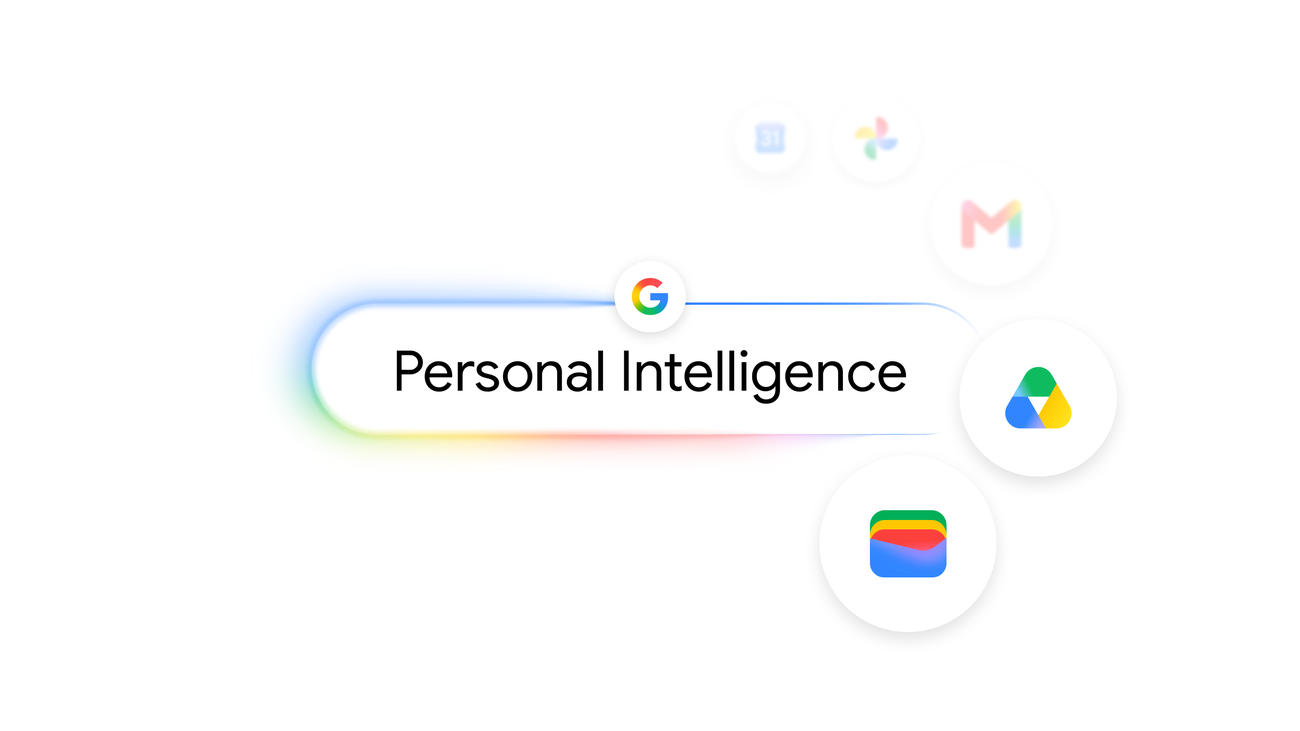
Announced by Robby Stein, Vice President of Product for Google Search, the update allows users to opt in to connect a wider array of Google applications directly to their search experience. While tools like Gmail, Google Calendar, and Google Photos have previously laid the groundwork for personalized search contexts, the newly introduced integrations incorporate Google Wallet, Google Drive, and the Gemini application. This multi-layered integration represents a concerted effort by the technology giant to transition search engines from generic query-response machines into proactive, context-aware digital assistants capable of synthesizing disparate personal data points with global information.
The Mechanics of Personal Intelligence and App Integration
The core functionality of Personal Intelligence within AI Mode relies on secure, user-controlled opt-in protocols. Rather than automatically indexing personal data, Google requires explicit user consent to pull contextual insights from connected services. Starting immediately, users can configure Google Wallet to interact with AI Mode, while support for Google Drive and the Gemini application is scheduled to roll out in the coming weeks.
By connecting Google Wallet, AI Mode gains the ability to interpret spending patterns, purchase histories, and transaction details. This integration facilitates queries that require an understanding of recent purchases, such as tracking warranties, managing event tickets, or reviewing past expenses directly through a search interface. Similarly, the upcoming integration of Google Drive will allow AI Mode to pull relevant context from documents, spreadsheets, and presentations, bridging the divide between personal file storage and web discovery. Meanwhile, linking the Gemini app ensures that conversational context generated during AI chats flows seamlessly into search queries, eliminating the friction of repeating context across different Google touchpoints.
Managing these connections remains entirely within the user’s purview. To activate or deactivate these integrations, individuals must navigate to Search Personalization settings, select Connected Apps, and toggle preferences according to their privacy thresholds. Furthermore, Google has introduced a transparent auditing mechanism: a dedicated Personalization icon will appear beneath any tailored response, allowing users to view the exact contextual data sources utilized by AI Mode to generate the answer. If a user wishes to modify their profile or correct outdated assumptions—such as updating dietary preferences or shifting project parameters—they can issue conversational corrections directly within the search thread, instructing the system to adapt in real time.
Chronology of Google’s Search Personalization Evolution
The journey toward a hyper-personalized search engine has developed incrementally over several years, reflecting shifting consumer expectations and rapid advancements in large language models.
Historically, Google Search operated primarily on stateless queries, treating each search independently with minimal regard for user history beyond basic location data and recent search queries. The introduction of Google Knowledge Graph and predictive search features in the 2010s marked the beginning of contextual awareness, though these systems focused on aggregated public data rather than private personal context.
The paradigm shifted dramatically with the integration of generative artificial intelligence into search, marked by the rollout of AI Overviews and conversational AI interfaces. Google began systematically connecting its ecosystem of productivity and communication tools to build a unified intelligence layer.
- Phase One: Communication and Schedule Sync. Initial personalization updates focused on integrating Gmail, Google Calendar, and Google Photos. This allowed search queries regarding flight confirmations, hotel bookings, and personal photo libraries to be answered directly within search result pages.
- Phase Two: Introduction of AI Mode. Google formalized its conversational and generative search experiences under advanced AI frameworks, creating dedicated environments where complex, multi-step queries could be sustained over multiple turns.
- Phase Three: Financial and Document Integration (Current Rollout). The inclusion of Google Wallet, Google Drive, and Gemini represents the latest milestone. By incorporating financial transactions and document management, Google is bridging the gap between personal finance, professional document workflows, and open-web information retrieval.
Industry Implications and Data Privacy Dynamics
The expansion of Personal Intelligence in AI Mode arrives at a critical juncture for the technology sector, where data privacy regulations and consumer demands for hyper-personalization exist in constant tension. Industry analysts note that as generative AI becomes ubiquitous, the competitive advantage shifts from raw processing power to proprietary contextual data access.
By securely anchoring AI search responses in personal applications, Google aims to increase user retention and cement its ecosystem as the indispensable hub for daily digital life. However, this level of deep integration also elevates the stakes surrounding data governance and cybersecurity. Regulatory bodies in jurisdictions such as the European Union maintain rigorous scrutiny over how cross-platform data sharing is conducted, particularly regarding automated profiling and artificial intelligence training practices.
In response to these challenges, Google’s architectural framework emphasizes user control as a foundational design principle. By maintaining granular opt-in and opt-out controls, the company attempts to mitigate privacy concerns while delivering the utility of ambient computing. Users retain the absolute right to disable personalization entirely through their Search Settings, ensuring that the feature remains an optional enhancement rather than a mandatory baseline.
Future Outlook for Context-Aware Information Retrieval
As the rollout of Google Wallet, Drive, and Gemini integrations progresses over the coming weeks, the broader implications for information retrieval will become clearer. The boundary between searching the public internet and querying private digital archives is increasingly dissolving.
Experts anticipate that future iterations of search will move further into proactive assistance—anticipating user needs based on a synthesis of calendar schedules, financial transactions, document repositories, and real-time web data. For consumers, this promises unprecedented convenience and efficiency. For the broader technology industry, it sets a new benchmark for how artificial intelligence must integrate into daily workflows to remain competitive. Google’s latest update signals that the future of search is not merely about finding documents on the web, but about understanding the unique context of the individual asking the question.