Google Pixel 10 Hits Record-Low Price of $599 in Major Black Friday Amazon Discount

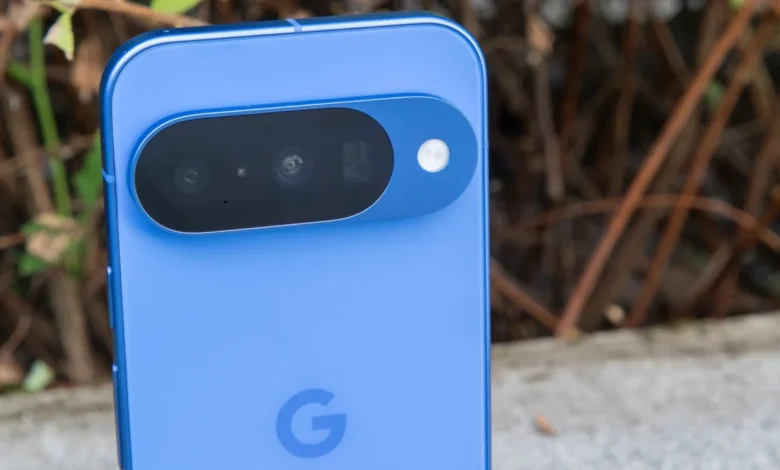
As the consumer electronics market contends with steadily rising flagship smartphone prices, seasonal retail holidays have increasingly become the premier opportunity for buyers to secure high-end mobile technology without incurring the full retail burden. Among the most competitive offerings this shopping season is a notable price reduction on the unlocked Google Pixel 10, which is currently available on Amazon for $599. This represents a 25% discount off its standard manufacturer’s suggested retail price of $799, translating to a direct savings of $200. This promotional pricing matches the lowest recorded price point for the device since its market introduction, though retailers have indicated that the discount will remain active only while current inventory lasts.
The strategic timing of this markdown aligns with the broader retail phenomenon of Black Friday and Cyber Monday sales cycles, periods historically characterized by aggressive discounting in the highly contested consumer handset sector. For consumers seeking a compact Android device equipped with competitive photography capabilities and streamlined software integration, the discounted Pixel 10 emerges as a primary contender in the current marketplace. However, industry analysts note that prospective buyers must weigh these financial savings against the handset’s distinct performance parameters and hardware trade-offs before committing to the purchase.
Detailed Hardware and Software Specifications
At its core, the Google Pixel 10 is designed to appeal to mainstream smartphone users, individuals transitioning from Apple’s iOS ecosystem, and budget-conscious consumers prioritizing clean software interfaces and practical artificial intelligence implementations. The device features a manageable 6.3-inch Actua OLED display, supporting a smooth 120Hz refresh rate and a notable peak brightness capacity of up to 3,000 nits, ensuring outdoor legibility under direct sunlight. Structural durability is reinforced through the inclusion of Corning Gorilla Glass Victus 2 and an IP68 certification for water and dust resistance.
Performance-wise, the handset is driven by Google’s proprietary Tensor G5 processor, paired with 12GB of RAM. While this configuration is optimized for everyday multitasking, efficient power consumption, and Google’s suite of on-device AI tools, technical reviewers point out that the Tensor G5 trails behind competitors in raw processing power. Consequently, heavy mobile gamers and users engaged in intensive computational workloads may find the processor limiting.
The imaging system represents a significant focal point for the Pixel 10. The device incorporates a versatile triple rear-camera arrangement, highlighted by the addition of a 5x telephoto lens capable of supporting up to 20x Super Res Zoom. Despite these advanced optical features, the hardware configuration includes scaled-back primary and ultrawide camera sensors compared to ultra-premium market alternatives. Furthermore, energy management is supported by a battery life that Google estimates at exceeding 24 hours under standard usage conditions, supplemented by Qi2 Pixelsnap magnetic wireless charging capabilities. Nevertheless, consumer feedback has underscored persistent criticisms regarding slower-than-average charging speeds and occasional software stability issues that can affect the overall user experience.
Market Context and Competitive Landscape
The smartphone industry has experienced a sustained upward trajectory in baseline pricing over recent product generations, driven by rising costs for raw materials, advanced semiconductor manufacturing, and integrated artificial intelligence architectures. Against this macroeconomic backdrop, mid-cycle promotional discounts serve a critical role for manufacturers aiming to capture market share from rival original equipment manufacturers (OEMs).
Google’s positioning of the Pixel series relies heavily on software differentiation rather than pure hardware supremacy. By offering a clean, near-stock Android user interface devoid of third-party bloatware, the company targets consumers fatigued by heavily customized operating systems. Additionally, the inclusion of long-term software support and functional AI utilities has become a cornerstone of Google’s marketing strategy to attract converts from competing platforms, most notably the iPhone.
Despite these advantages, the Pixel 10 enters a crowded marketplace where rival manufacturers offer faster charging speeds, superior gaming performance, and more robust video recording suites at comparable price points. Industry observers emphasize that the $599 promotional price tag effectively repositions the Pixel 10, mitigating some of the value criticisms associated with its $799 standard retail price by aligning the cost more closely with its mid-tier hardware performance.
Consumer Recommendations and Buying Guidance
Retail analysts and technology consumer advocates have established clear parameters to help prospective buyers determine whether the current Amazon promotion aligns with their specific usage patterns.
The discounted Google Pixel 10 is formally recommended for:
- Standard smartphone users requiring reliable daily performance, dependable battery longevity, and straightforward navigation.
- Consumers migrating from Apple’s iPhone ecosystem who prefer a streamlined transition to Android without complex, vendor-specific user interfaces.
- Budget-conscious shoppers who value advanced computational photography features, a bright and responsive display, and a compact physical footprint.
Conversely, market experts advise specific consumer segments to bypass the current promotion:
- Heavy mobile gamers and power users requiring high-tier graphical processing and sustained thermal management under load.
- Videographers and content creators who demand professional-grade video capture tools and faster battery replenishment cycles.
- Owners of recent-generation Pixel devices, for whom the incremental upgrades offered by the Pixel 10 may not justify the financial outlay, even at a discounted rate.
Broader Economic and Retail Implications
The deployment of deep discounts on flagship-adjacent hardware during major shopping events underscores shifting consumer purchasing habits. With inflation and economic uncertainty influencing discretionary spending, consumers are increasingly delaying upgrades or seeking out value-driven propositions that bridge the gap between mid-range pricing and flagship capabilities.
For retail platforms like Amazon, offering matching or record-low prices on prominent hardware serves to drive high-volume traffic and capture valuable customer acquisition metrics ahead of the year-end holiday season. For Google, these promotions maintain hardware shipment momentum and expand the active user base for its software and subscription services, which represent an increasingly vital component of the company’s long-term revenue model.
As inventory levels fluctuate and retailers prepare for the conclusion of the holiday promotional window, industry watchers anticipate that prices for the Pixel 10 and competing devices will eventually stabilize, making the current $599 offering a finite window of opportunity for consumers looking to capitalize on reduced hardware costs.