Google Fitbit Air Pokémon Sleep Edition Review Gamifying Health and Wellness Through Wearable Technology

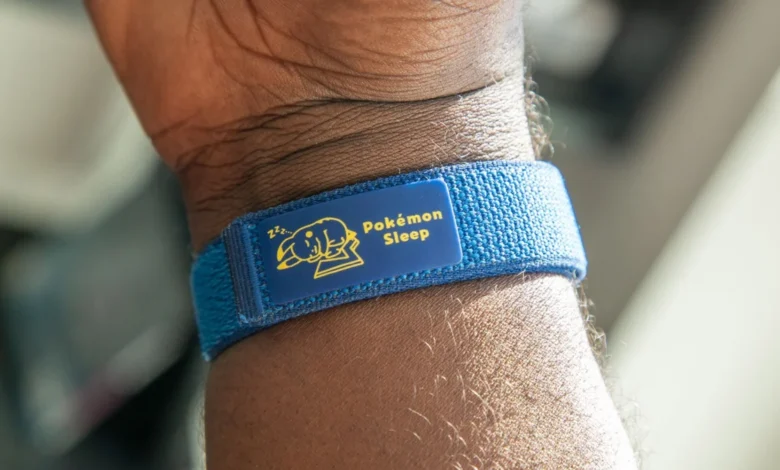
The intersection of consumer health technology and popular entertainment intellectual property has yielded a unique product release with the introduction of the Fitbit Air Pokémon Sleep Edition. Available now through the Google Store for $129, this specialized wearable device arrives concurrently with broader commemorative events marking the franchise’s milestone anniversary. Designed to interface directly with the mobile application Pokémon Sleep, the device highlights a growing industry trend toward gamified health tracking. By leveraging established gaming mechanics to encourage consistent sleep hygiene, Google and The Pokémon Company aim to address user engagement challenges traditionally associated with standalone wellness applications.
Background Context and Evolution of Sleep Gamification
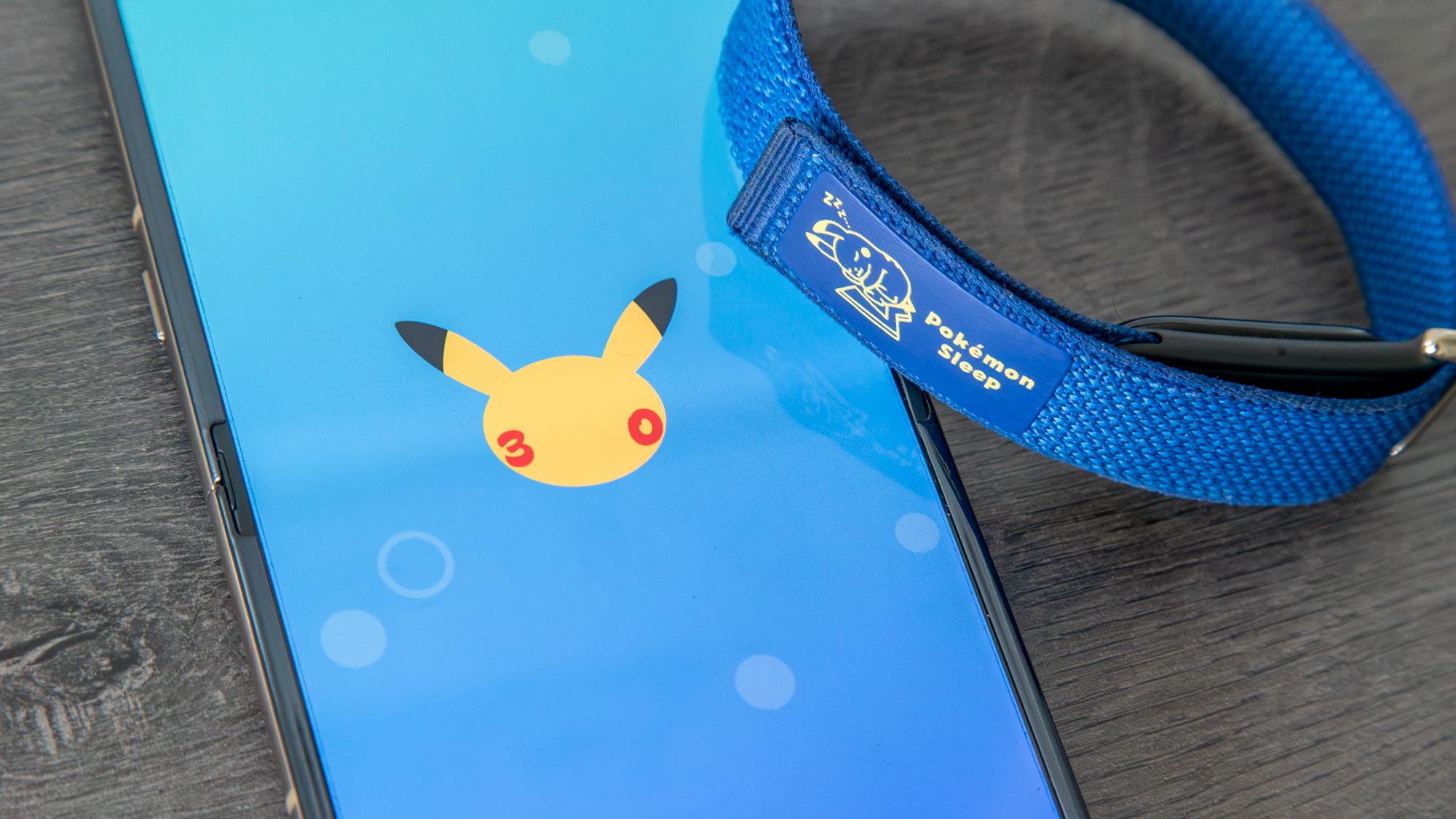
When Pokémon Sleep launched globally, initial market reception was met with skepticism from tech analysts and traditional fitness enthusiasts alike. Established consumers already utilized comprehensive metrics platforms, such as Google Health, Samsung Health, and Garmin Connect, to monitor sleep architecture, heart rate variability, and circadian rhythms. Introducing a leisure application centered around virtual creature collection appeared redundant to users accustomed to clinical or performance-oriented health dashboards.
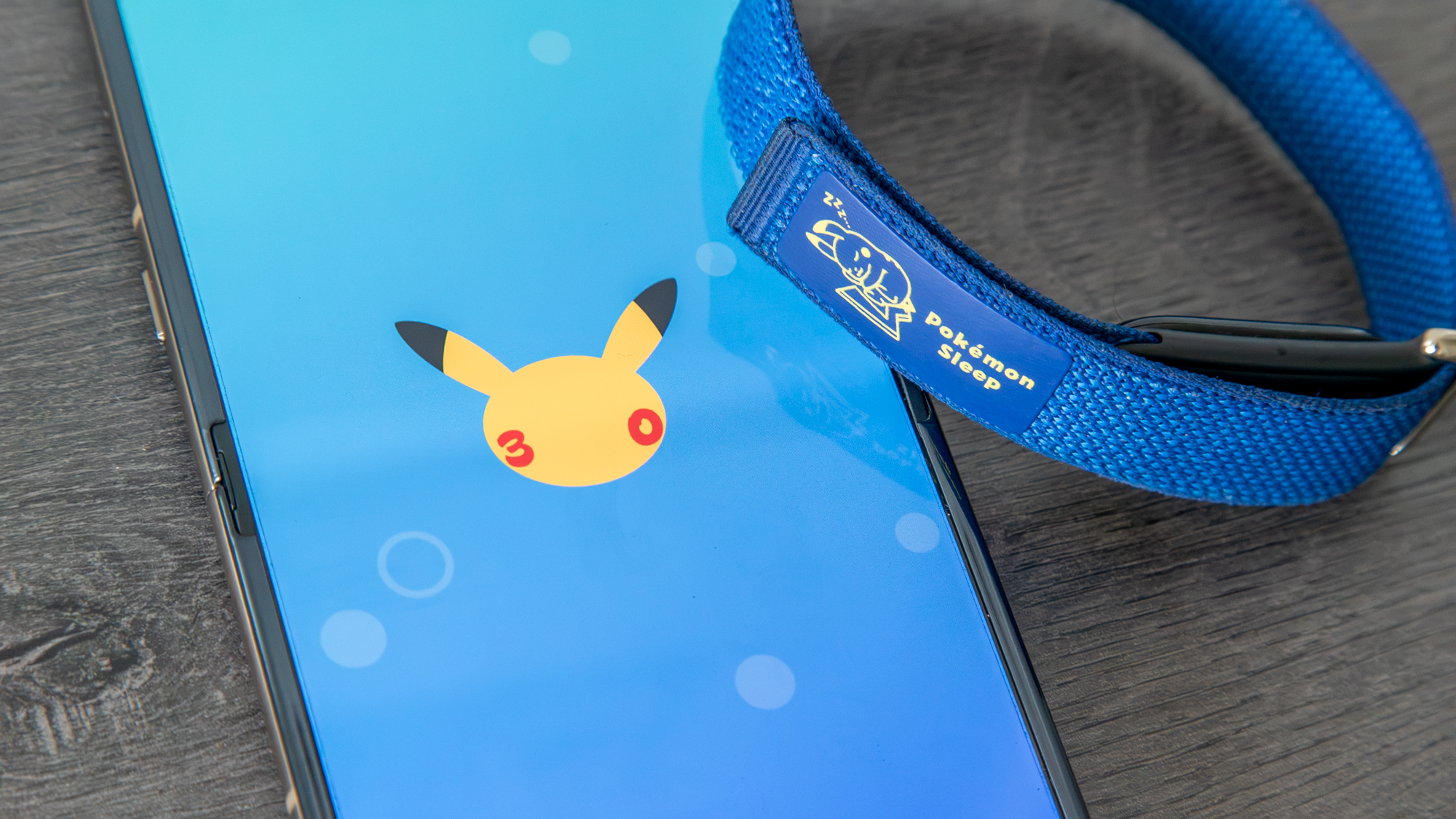
However, the application’s underlying design philosophy successfully reframed sleep tracking from a passive, administrative chore into an active, rewarding daily routine. The software operates by monitoring user rest duration and consistency, which translates into an in-game metric known as Drowsy Power. Higher Drowsy Power values attract various Pokémon species to a virtual Snorlax character, with specific sleep stages—such as slumbering, snoozing, or balanced rest—influencing the appearance of rare or shiny variants.
Users build digital attachments by feeding virtual companions, gathering resources, and curating teams to optimize in-game progression. This behavioral psychology model—often referred to as gamification—effectively lowers the psychological barrier to entry for health monitoring. Data from behavioral health studies frequently indicate that positive reinforcement loops significantly improve adherence to daily logging habits, particularly among younger demographics and casual technology users who might otherwise ignore raw biometric charts.
Hardware Specifications and Ergonomic Design of the Fitbit Air
At the core of this specialized bundle is the Fitbit Air, a lightweight fitness and wellness tracker engineered specifically to minimize physical discomfort during overnight wear. Traditional smartwatches and high-end fitness bands often present a bulky profile, featuring rigid housings and protruding sensor arrays that can disrupt sleep when compressed against a mattress or pillow. Weighing approximately 12 grams inclusive of the band, the Fitbit Air addresses these ergonomic concerns through a streamlined, minimalist chassis.
Industry reviewers and early adopters have noted that the device is virtually imperceptible during sleep. Beyond its physical lightness, the hardware delivers robust biometric tracking capabilities that rival more cumbersome multi-sport watches and smart rings. Comparative daily testing against established market benchmarks, such as the Oura Ring and specialized Garmin timepieces, indicates high parity in measuring total sleep duration, rapid eye movement (REM) phases, deep sleep stages, and overall sleep score calculations.

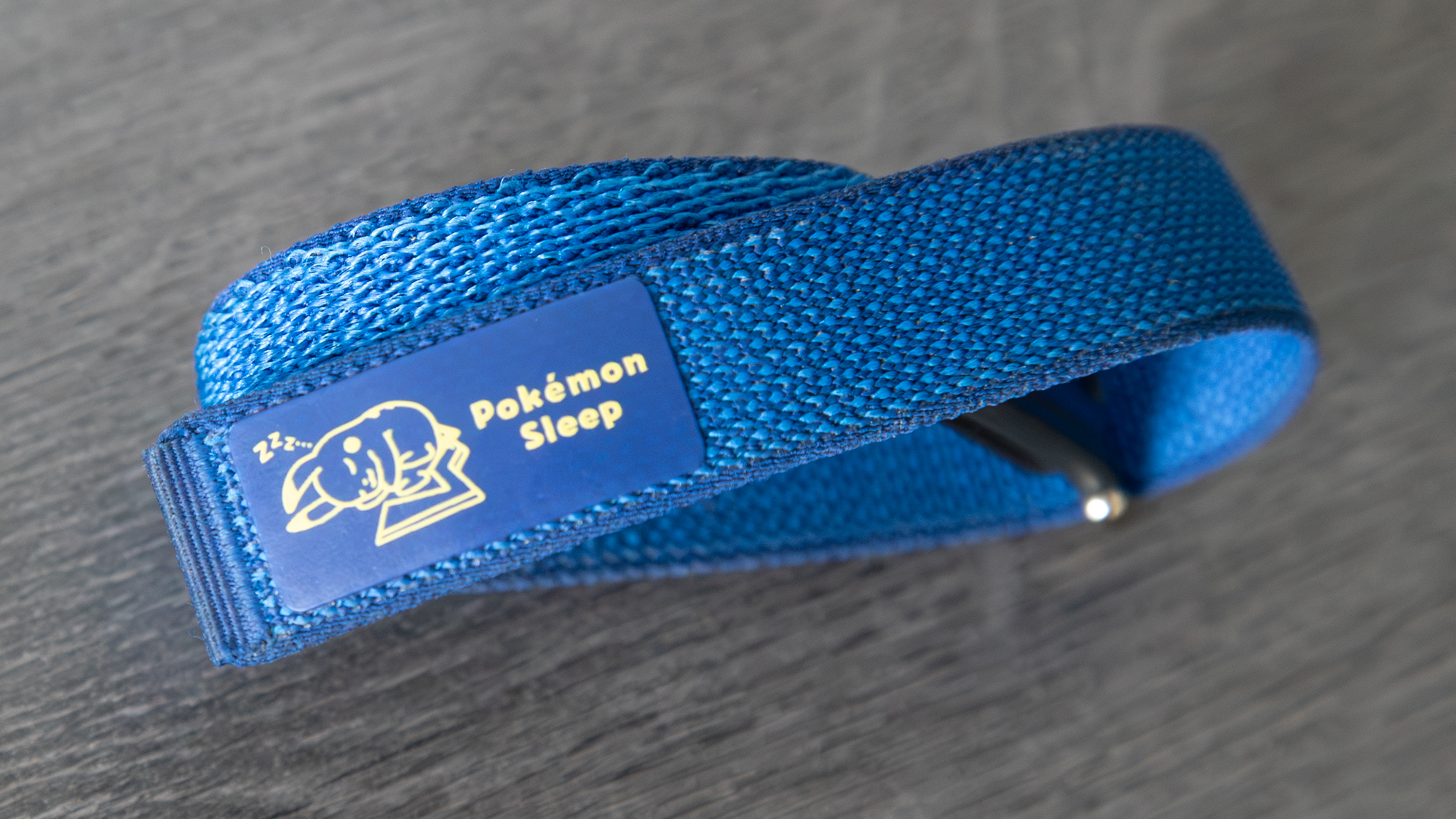
Furthermore, the hardware boasts an impressive battery lifespan, capable of sustaining approximately seven days of continuous operation on a single charge. This longevity eliminates the operational friction of daily recharging routines, ensuring that users do not experience monitoring gaps. The Special Edition variant features a deep blue silicone strap adorned with a discrete, debossed graphic of a sleeping Pikachu, marrying subtle aesthetic fandom with premium consumer electronics styling.
Integration Architecture and Technical Setup
The technical bridge connecting physical biometric data to the digital gamification loop relies on Health Connect frameworks and seamless cross-platform synchronization. For users wishing to utilize the Fitbit Air with Pokémon Sleep, the configuration process requires deliberate alignment within the application’s ecosystem settings.

The application architecture supports integration with primary health data aggregators, allowing users to select Google Health as their designated sleep data source. The configuration sequence involves accessing the application’s primary menu, navigating to settings, defining the smartwatch data source via Health Connect, and confirming the selection. Technical safeguards within the software require users to synchronize historical sleep records prior to altering data sources to prevent data loss or synchronization errors.
Once paired, the Fitbit Air automatically logs overnight rest metrics, which are subsequently translated by the Google Health ecosystem and ingested by Pokémon Sleep upon morning startup. This automated pipeline removes the necessity for manual data entry or active device interaction immediately upon waking, streamlining the user experience.
Broader Impact and Market Implications
The release of the Fitbit Air Pokémon Sleep Edition underscores a significant strategic pivot in how major technology conglomerates approach wearable marketing. Rather than competing solely on raw sensor precision or professional athletic utility, manufacturers are increasingly focusing on lifestyle integration, emotional resonance, and entertainment partnerships.
Industry analysts suggest that the gamification of vital health metrics could serve as a vital catalyst for improving public health metrics on a macro scale. Sleep deprivation remains a widespread public health crisis, linked by medical professionals to cognitive decline, cardiovascular disease, and metabolic disorders. By associating positive rest behaviors with dopamine-driven rewards and collectible progression, products like the Fitbit Air bridge the gap between clinical necessity and consumer entertainment.
As consumer electronics continue to evolve, the success of this collaboration may establish a precedent for future cross-industry ventures. By transforming nightly rest into an interactive quest, Google and its partners demonstrate that technological utility and whimsical design are not mutually exclusive, offering a compelling blueprint for the future of personal wellness hardware.