Google introduces a persistent system status bar for future Wear OS platform releases

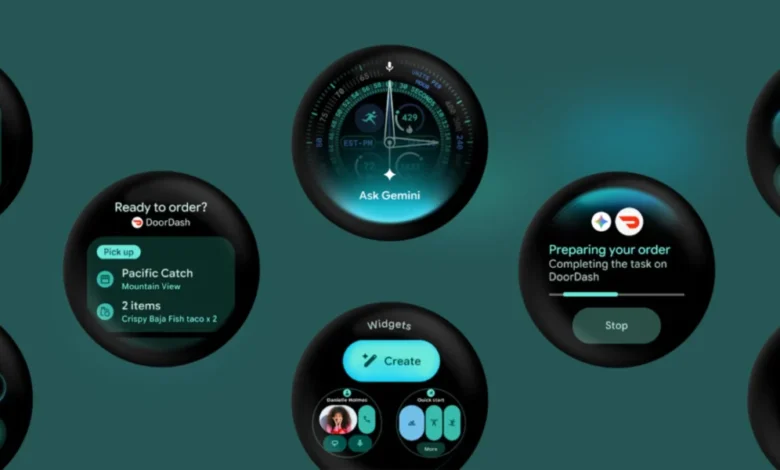
Google has officially signaled a significant shift in the design language and user experience of its wearable platform, announcing the development of a persistent system status bar for Wear OS. This long-awaited interface element, which has been a staple of mobile Android for over a decade, is set to arrive in a future platform iteration, bringing a greater sense of visual consistency and functional accessibility to smartwatches. The announcement came via a technical update released on October 26, which provided developers with a canary emulator for Android Studio, offering the first tangible glimpse into how this design change will integrate with the circular form factor of most modern smartwatches.
The Mechanics of the New Status Bar
According to the documentation provided by Google, the upcoming status bar is designed to hover over application windows, anchored at the top of the circular display. Much like the status bar found on Android smartphones and tablets, this new feature will consolidate essential information, including the current time and various system status indicators such as connectivity, battery level, and active notifications.
For developers, the integration of this feature represents a shift in how they must consider screen real estate. Google has specified that these indicators will utilize standardized clock typography, consistent placement, and a uniform backplate across the entire platform. This design philosophy aims to eliminate the fragmentation currently seen across different applications, where individual developers often create their own custom methods for displaying time or connectivity status.
However, recognizing the importance of immersive app experiences, Google has confirmed that the status bar will not be mandatory for every scenario. Applications that require a full-screen, uninterrupted view—such as fitness tracking maps, complex navigation tools, or multimedia playback interfaces—will be granted the ability to hide the status bar. This provides a necessary balance between the utility of persistent information and the creative freedom required for specialized wearable software.
Technical Foundations and Development Timeline
The reveal was facilitated through the release of a Wear OS 7.1 canary emulator (API level 37.2-beta1), which is built upon the foundation of Android 17, internally codenamed "CinnamonBun." The inclusion of this feature in a canary emulator underscores Google’s commitment to developer feedback; by providing an early preview, the company is allowing the ecosystem to adjust to the UI changes before they reach the consumer market.
It is important to note, however, that this feature is currently in an experimental phase. Google has explicitly stated that while the status bar is included in the current canary emulator for testing purposes, it will not be part of the upcoming Wear OS 7.1 stable release. This indicates a phased rollout strategy where Google intends to refine the UI elements, such as the current placeholder star icon—which currently sits where the final status indicators will eventually reside—before committing to a widespread deployment. This measured approach reflects a broader trend in Google’s software development lifecycle: prioritizing stability and developer readiness over immediate feature availability.

Evolution of the Wear OS User Interface
To understand the magnitude of this change, one must look at the historical evolution of Google’s wearable operating system. Since the inception of Android Wear—later rebranded to Wear OS—the platform has largely relied on app-specific design choices for system information. In earlier versions, users often had to swipe down from the top or exit an application entirely to check the battery percentage or confirm connectivity status.
This "app-first" design philosophy was originally intended to keep the user interface uncluttered, as small watch screens left little room for redundant information. However, as hardware has evolved and users have come to expect more from their smartwatches, the demand for a more unified system-level UI has grown. By moving toward a persistent status bar, Google is acknowledging that the smartwatch has moved from being a simple notification relay to a complex, multi-tasking device that requires the same level of at-a-glance information as a smartphone.
Implications for Developers and the Wearable Ecosystem
The transition to a standardized status bar is likely to have significant implications for third-party app developers. Currently, developers must account for the varied ways in which users might want to see information, often leading to custom status bar implementations that can clash with the system’s overall aesthetic.
By standardizing these elements, Google is essentially tightening its design guidelines. Developers will no longer need to build custom clock widgets or status icons into their app headers. Instead, they can focus on the core functionality of their applications, trusting that the system will handle the auxiliary information in a consistent, predictable manner. This shift aligns with Google’s ongoing efforts to improve the quality and consistency of the Play Store’s wearable app library, ensuring that users encounter a cohesive experience regardless of which app they have open.
Furthermore, this development suggests that Google is preparing for a future where smartwatches are more integrated into the broader Android ecosystem. As the company continues to refine its "CinnamonBun" release cycle, the focus on uniformity suggests that the integration between smartphones and watches will become more seamless, with the status bar acting as a visual bridge between the two devices.
Industry Context and Competitive Landscape
The wearable market has become increasingly competitive, with rivals such as Apple’s watchOS having long utilized a system-wide, persistent control center and status indicator approach. By adopting this design, Google is bringing Wear OS into closer alignment with industry-standard expectations for modern smartwatches.
Data from recent market research indicates that Wear OS has seen a resurgence in popularity, bolstered by the success of the Google Pixel Watch series and the adoption of the platform by manufacturers like Samsung. As the user base grows, the complexity of user interactions with these devices also increases. A standardized status bar is not merely an aesthetic choice; it is a usability requirement for users who rely on their watches for critical, time-sensitive information.

In the context of the broader Android 17 development cycle, this feature represents a deeper integration of "System UI" components into the wearable form factor. While the current canary release is limited to technical previewers, the feedback generated from this process will be instrumental in defining how these indicators interact with watch faces, system notifications, and third-party overlays.
Looking Ahead
As Google continues to iterate on the Wear OS 7.1 platform, the focus will likely shift from the structural implementation of the status bar to its aesthetic refinement. The current use of a "placeholder star icon" is a clear indication that the visual design language—the specific icons, typography, and transparency levels—is still a work in progress.
Industry observers suggest that the final implementation will likely mirror the "Material You" design language, which emphasizes personalization and color adaptability. This would allow the status bar to blend harmoniously with different watch faces and app themes, maintaining the clean, minimalist look that has defined recent Wear OS iterations.
For the developer community, the call to action is clear: test, provide feedback, and prepare for a future where the interface is no longer entirely dictated by the app, but by the platform itself. Google’s commitment to providing a transparent, developer-led transition period suggests that when the status bar finally arrives in a stable release, it will be a polished, well-integrated component of the user experience.
Ultimately, the introduction of a persistent system status bar is a hallmark of a maturing platform. It signifies that Wear OS has reached a level of stability and standardization that allows Google to move away from experimental UI patterns and toward a consistent, reliable, and user-centric operating system. As the wearable technology landscape continues to evolve, these foundational changes will prove essential in maintaining user engagement and ensuring that the platform remains competitive in an increasingly demanding market. Whether for fitness, productivity, or connectivity, the addition of a persistent status bar is a small but vital step toward a more cohesive and efficient future for Wear OS users worldwide.
Related posts: