How The Collapse Of Silicon Valley Bank In The Us Could Affect Millions Of Australians 143989
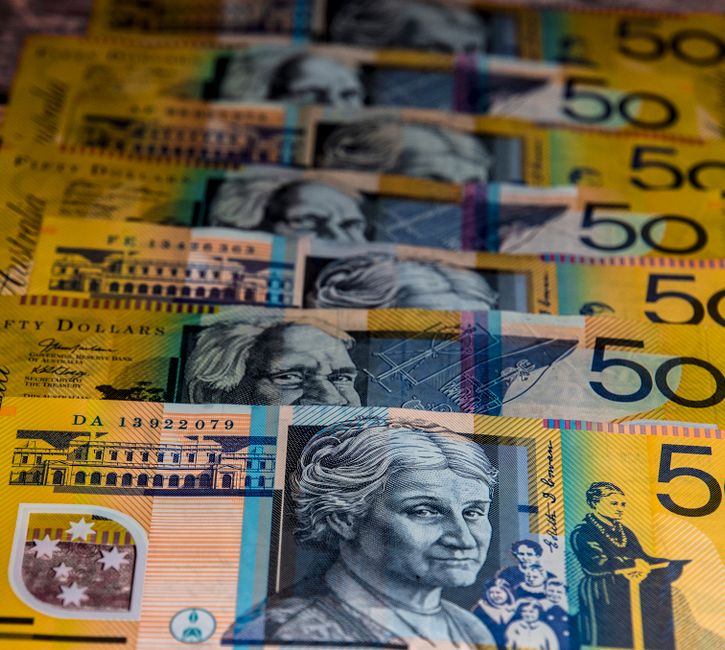
The Silicon Valley Bank Collapse: Unpacking the Potential Impacts on Millions of Australians
The dramatic collapse of Silicon Valley Bank (SVB) in the United States, a prominent lender to technology and venture capital firms, has sent ripples of concern across the global financial landscape. While seemingly distant, this event carries tangible implications for millions of Australians, influencing their investments, superannuation, economic outlook, and even the availability of credit. Understanding these connections is crucial for navigating the potential fallout.
At its core, the SVB collapse highlights the interconnectedness of global finance. SVB was not just a US bank; it had significant dealings with international companies, including those with Australian operations or Australian founders. Many Australian tech startups and venture capital funds had banking relationships with SVB. When SVB failed, these entities faced immediate liquidity issues, disruptions to their payroll, and uncertainty regarding the safety of their deposits. This directly impacts Australian entrepreneurs and the companies they lead, potentially slowing down innovation and job creation within Australia’s burgeoning tech sector. For Australian employees of these companies, this can translate to concerns about job security and timely payment of wages.
Furthermore, the impact extends to Australian investors who have exposure to the global technology market. Many Australian superannuation funds and individual investors allocate a portion of their portfolios to US-based technology companies or venture capital funds. SVB’s failure, and the subsequent market volatility it triggered, can lead to a decline in the value of these investments. While the direct exposure might be diversified, a broader sell-off in the tech sector, or a general loss of confidence in the banking system, can drag down the performance of even seemingly unrelated Australian investments. This erosion of asset values can impact retirement savings, personal investment portfolios, and the overall wealth of Australian households.
The broader macroeconomic implications are also significant. The US Federal Reserve’s aggressive interest rate hikes, a key factor contributing to SVB’s demise due to its holdings of long-duration bonds, signal a global trend towards tighter monetary policy. This trend affects Australia directly. As central banks globally tighten, borrowing costs tend to rise. For Australians, this means higher mortgage repayments, increased costs for business loans, and a potential slowdown in consumer spending. The SVB crisis, by increasing uncertainty and potentially leading to a more cautious approach from global lenders, could exacerbate these conditions, making it harder and more expensive for Australians to access credit for homes, businesses, or personal needs.
The contagion effect, though often overstated, cannot be entirely dismissed. While Australian banks are generally well-capitalized and regulated differently from SVB, the psychological impact of a major bank failure can sow seeds of doubt in the minds of investors and consumers. This can lead to a "flight to safety," where investors pull money out of riskier assets and deposit it into perceived safer havens. This can put pressure on Australian financial institutions, even if their underlying fundamentals remain strong. Regulators in Australia, like APRA (Australian Prudential Regulation Authority), are closely monitoring the situation and have reiterated the stability of the domestic banking system. However, prolonged global financial instability originating from events like the SVB collapse can still influence market sentiment and investment flows into Australia.
The venture capital ecosystem in Australia is particularly sensitive to international developments. Australian startups often rely on a mix of local and international funding. If international venture capital firms become more risk-averse due to global economic uncertainty amplified by the SVB failure, it can dry up funding sources for Australian innovation. This has a cascading effect, hindering the growth of new businesses, reducing the potential for job creation, and potentially leading to a brain drain as ambitious Australian entrepreneurs seek opportunities elsewhere. The ecosystem’s health is vital for Australia’s future economic diversification and competitiveness.
Moreover, the global nature of technology supply chains means that disruptions to SVB’s clients, many of whom are integral to these chains, could indirectly affect Australian businesses that rely on them for goods or services. While not a direct banking impact, it highlights how financial instability in one corner of the world can create unforeseen operational challenges elsewhere, impacting production, delivery times, and ultimately, consumer prices in Australia.
The role of deposit insurance in the SVB collapse is also a point of consideration for Australians. In the US, the Federal Deposit Insurance Corporation (FDIC) provides deposit insurance up to a certain limit. However, SVB had a significant proportion of uninsured deposits, meaning many large depositors faced potential losses. In Australia, the deposit insurance scheme, administered by APRA, covers deposits up to $250,000 per depositor per authorized deposit-taking institution. This robust protection offers a significant buffer for most everyday Australians holding savings in their local banks, differentiating the direct impact on retail depositors from that experienced by SVB’s larger corporate clients. Nonetheless, the perceived stability of the banking sector globally is a shared concern.
The Australian dollar (AUD) is also subject to global financial winds. Significant international financial turmoil, particularly originating from major economies like the US, can lead to fluctuations in exchange rates. A stronger US dollar, often a safe-haven currency during times of global stress, could weaken the AUD. For Australians, a weaker dollar makes imported goods more expensive, contributing to inflation. Conversely, it can make Australian exports more competitive. The SVB event, by contributing to global uncertainty, can add volatility to the AUD, impacting the cost of living and the competitiveness of Australian businesses.
Furthermore, the ripple effects of the SVB collapse could influence future regulatory approaches to banking globally. While Australia’s regulatory framework is robust, international trends in banking supervision and capital requirements are often influenced by major events. A global recalibration of risk management practices, potentially triggered by SVB’s failure, could eventually influence the way Australian banks operate, even if not directly due to the immediate crisis. This underscores the long-term, albeit indirect, influence of such events.
In conclusion, the collapse of Silicon Valley Bank, while a US-centric event, has multifaceted and tangible implications for millions of Australians. From the immediate concerns of Australian tech startups and their employees to the broader impacts on investment portfolios, superannuation funds, borrowing costs, and the Australian dollar, the interconnectedness of the global financial system means that events in one major market reverberate across borders. Understanding these links is essential for individuals and institutions alike to assess their exposure, adapt their strategies, and navigate the evolving economic landscape in the wake of this significant banking disruption. The resilience of Australia’s domestic financial system, supported by strong regulation and deposit insurance, offers a degree of insulation, but the global economic currents set in motion by events like the SVB collapse will undoubtedly continue to shape the financial well-being of Australians.


