Inside Nintendo’s Creative Vision: How the Ocarina of Time Remake Balances Modern Fidelity with 1998 Nostalgia

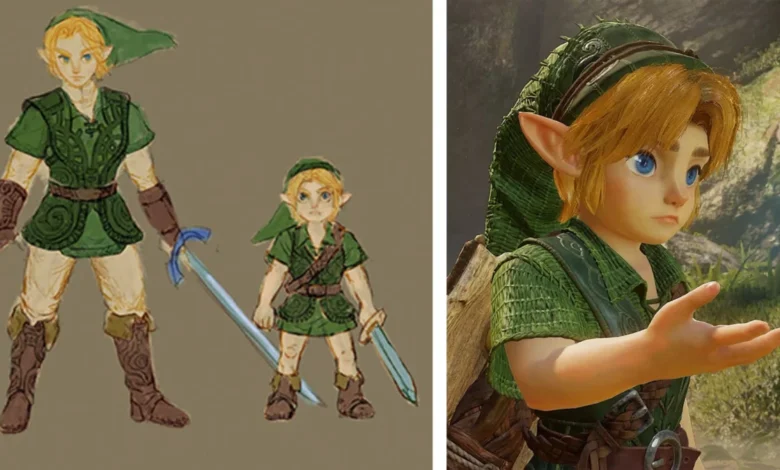
The upcoming release of The Legend of Zelda: Ocarina of Time for the Nintendo Switch 2 has generated immense discussion across the global gaming community since its initial teaser trailers debuted. Initially, early promotional material sparked debate among longtime fans and industry analysts alike over whether Nintendo would abandon the iconic, stylized charm of the 1998 Nintendo 64 classic in favor of a hyper-realistic art direction. However, recent hands-on previews and a comprehensive developer interview series released by Nintendo have clarified the design philosophy behind the project, assuring players that the core identity of the legendary adventure remains intact.
Set to launch on November 5, 2026, the remake is far more than a simple high-definition remaster. It represents a ground-up reconstruction of Hyrule, incorporating contemporary control mechanics, richer and more dense environments, expanded dialogue, fully voiced cutscenes, and quality-of-life adjustments designed to smooth out the rough edges of the original hardware limitations. Yet, despite the immense technological leap afforded by the Nintendo Switch 2, Nintendo’s development team deliberately chose restraint over absolute photorealism.
The Art Direction: Achieving a Puppet-Show Aesthetic
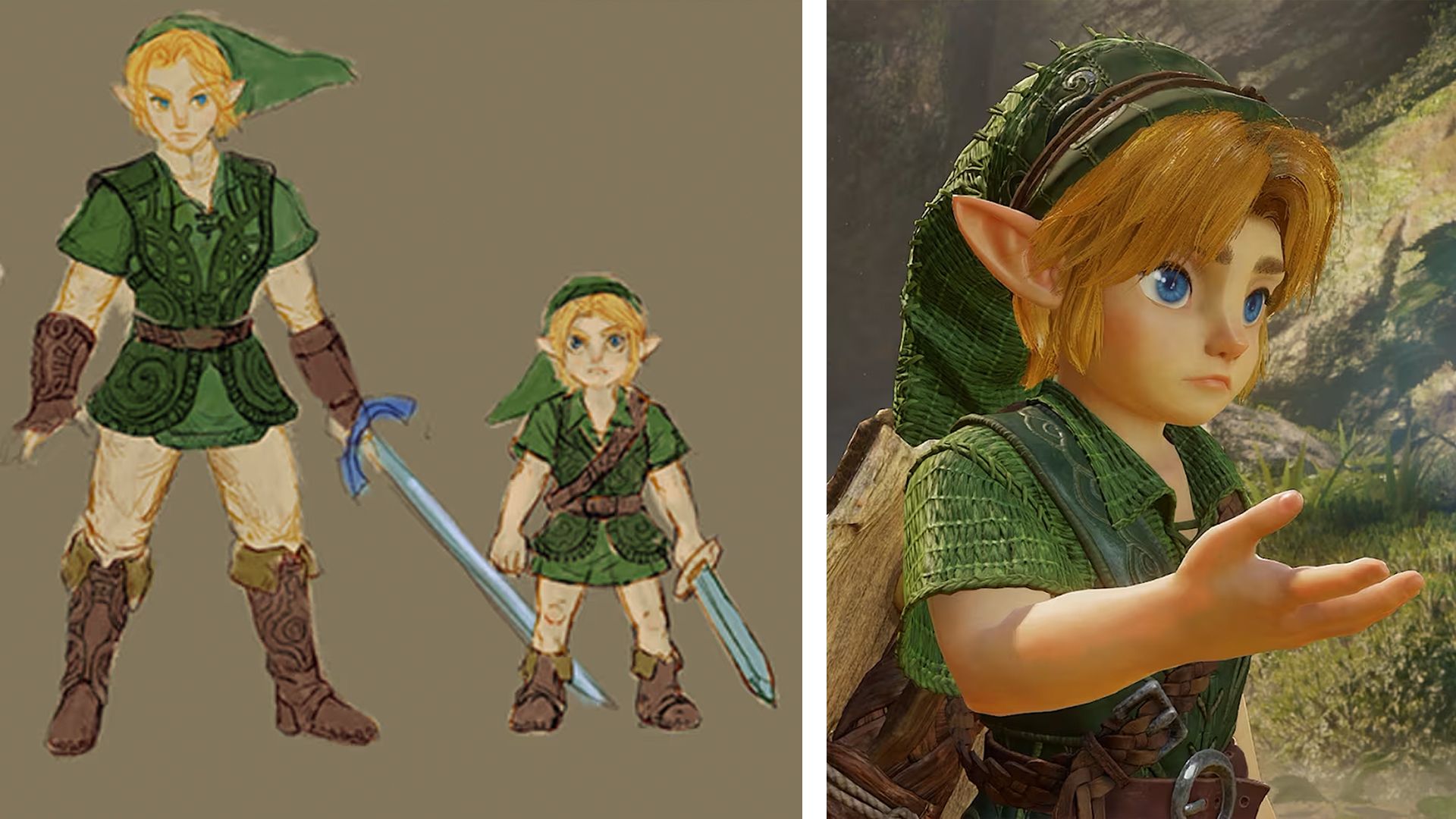
To understand how Nintendo approached the visual overhaul of Ocarina of Time, one must look to the insights provided by art director Aya Shida in the company’s "Ask the Developer" interview series. Shida revealed that rather than chasing raw graphical fidelity, the art team utilized conceptual touchstones such as a "puppet-show feel" and "the analog feel of practical effects films" during the early stages of production.
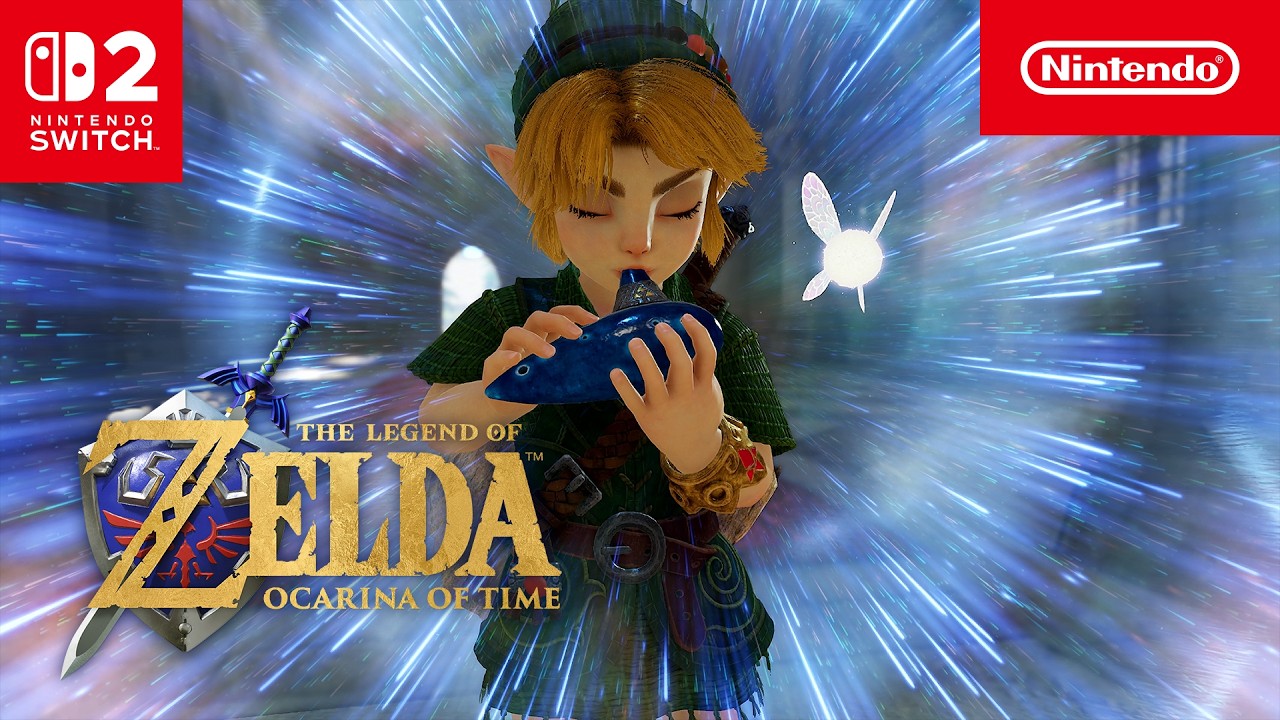
The goal was to rebuild Hyrule into a living, breathing world that felt genuinely habitable while preserving the distinctive silhouettes, proportions, and color palettes that fans have cherished for nearly three decades. Shida noted that neither traditional puppet shows nor practical-effects-driven cinema aim for exact real-world replication; instead, they successfully create a convincing illusion that characters belong within their fantastical environments.
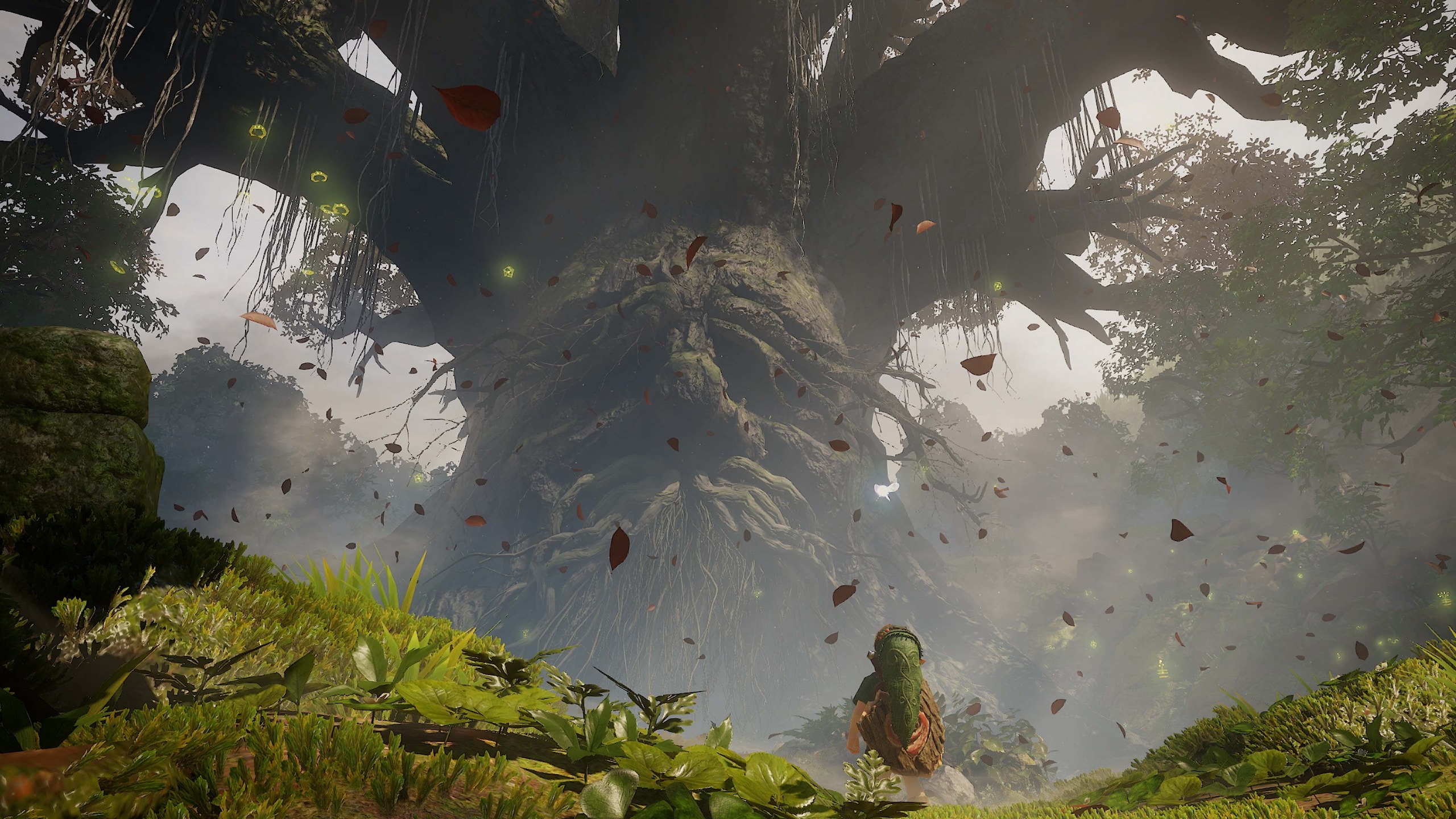
This philosophy directly influenced how characters and assets were modeled. The development team began by sketching core figures like Link and Zelda and constructing a detailed 3D model of the Great Deku Tree. Particular attention was paid to how characters appeared from a distance, ensuring instantaneous recognition for players returning to the game after 28 years.
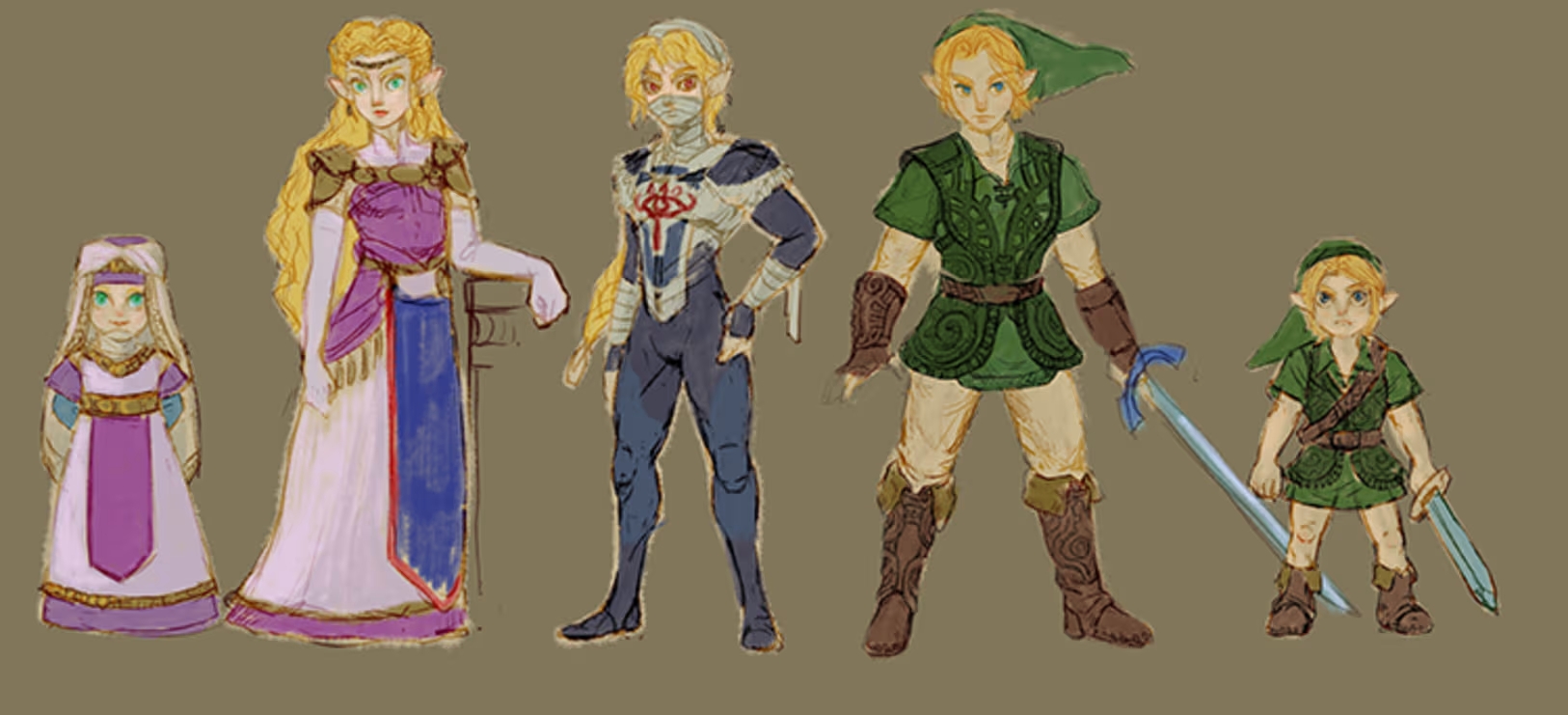
Furthermore, the design team conducted rigorous material research to texture clothing authentically. Rather than rendering pristine, flawless garments, the artists investigated historical textiles found in museums and even experimented with spinning thread by hand. This meticulous approach ensured that young Link’s tunic and the attire of other inhabitants conveyed a believable, handmade quality that matched the rustic charm of the setting.
Exploration, Pacing, and Canceled Warp Points
Beyond aesthetics, the remake introduces significant structural considerations. Series producer Eiji Aonuma revealed that the development team toyed with altering fundamental exploration mechanics by introducing fast-travel warp points akin to those seen in The Legend of Zelda: Breath of the Wild.
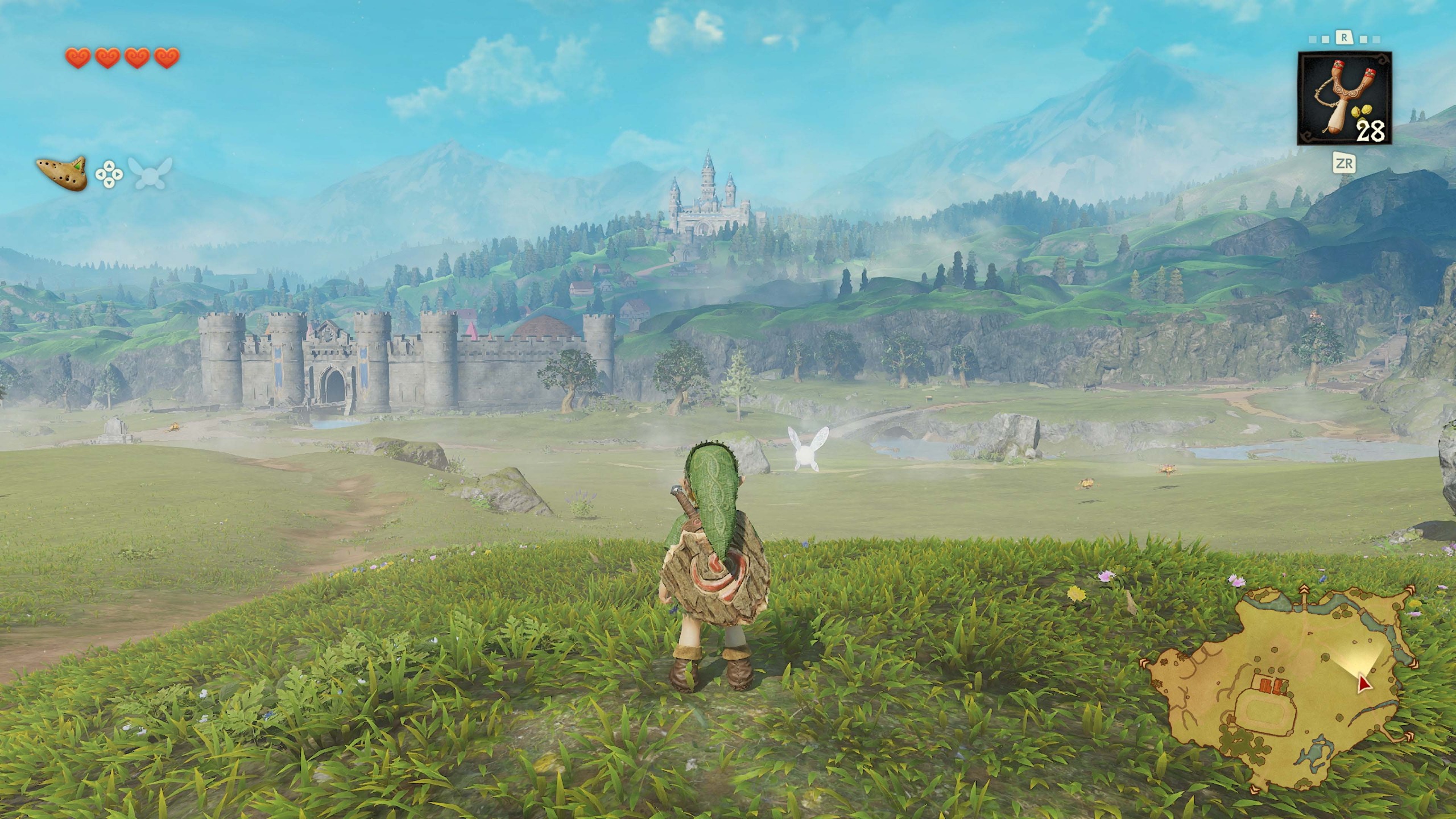
Aonuma acknowledged that the original 1998 release heavily relied on repetitive player inputs—specifically, the infamous tactic of spamming forward-rolls across Hyrule Field to travel efficiently between destinations. Initially, the development team believed modernizing this traversal method with a comprehensive warp system was necessary for contemporary audiences.
However, internal playtesting revealed an unexpected consequence: instant fast-travel fundamentally disrupted the pacing and atmosphere of discovery that defines Ocarina of Time. The physical journey across the landscape, interrupted by minor environmental puzzles, hidden secrets, and sudden shifts in enemy encounters, proved vital to the game’s pacing. Aonuma ultimately decided to rescind the implementation of warp points, ensuring that players must still engage with the physical geography of Hyrule.
While world exploration remains anchored to its traditional roots, certain traversal mechanics have been modernized. Most notably, the remake introduces a dedicated jump button for Link, replacing the automated leaping mechanics from ledges seen in the original Nintendo 64 release. While this adjustment requires tactical adaptation during combat encounters, it aims to eliminate frustrating navigation snags.
Background Context and Strategic Motivation
The decision to completely rebuild Ocarina of Time arrives at a pivotal historical moment for Nintendo, coinciding closely with the franchise’s approaching 40th anniversary. Eiji Aonuma explained that a primary motivation behind the project was generational education within Nintendo’s internal studios.

As veteran developers eventually step back, ensuring that younger generations of designers truly understand the structural DNA and design philosophy of the original Ocarina of Time becomes paramount. By deconstructing and rebuilding one of the most influential titles in video game history, Nintendo hopes to instill deep foundational insights into its current development workforce, lessons that will inevitably shape future installments of The Legend of Zelda franchise.
Industry Implications and Market Anticipation
The release of The Legend of Zelda: Ocarina of Time on the Nintendo Switch 2 serves multiple strategic functions for Nintendo. Technologically, it acts as a showcase for the Switch 2’s hardware capabilities, demonstrating advanced lighting engines, complex material shaders, and dense environmental geometry without sacrificing artistic integrity. Commercially, it bridges the gap between retro nostalgia and modern gaming standards, appealing both to veterans of the N64 era and younger demographics introduced to the franchise through open-world titles like Breath of the Wild and Tears of the Kingdom.
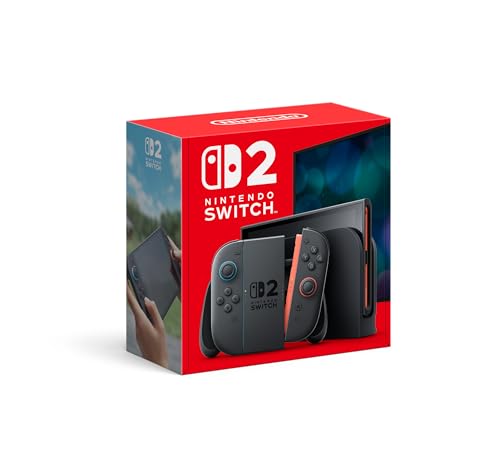
As the November 5, 2026 release date approaches, anticipation continues to build. By balancing reverence for the past with measured, thoughtful technological upgrades, Nintendo appears to have positioned the Ocarina of Time remake as a definitive bridge between eras—honoring a masterpiece while laying the groundwork for the future of the series.