Is Dogecoin A Good Investment 435
Is Dogecoin a Good Investment? A Deep Dive into DOGE’s Potential and Pitfalls
Dogecoin, born from a meme, has evolved into a significant player in the cryptocurrency landscape, prompting widespread discussion about its investment viability. Understanding whether Dogecoin is a good investment requires a comprehensive analysis of its history, technological underpinnings, market dynamics, community influence, and future prospects. This article aims to provide an in-depth examination, enabling investors to make informed decisions about DOGE’s potential within their portfolio.
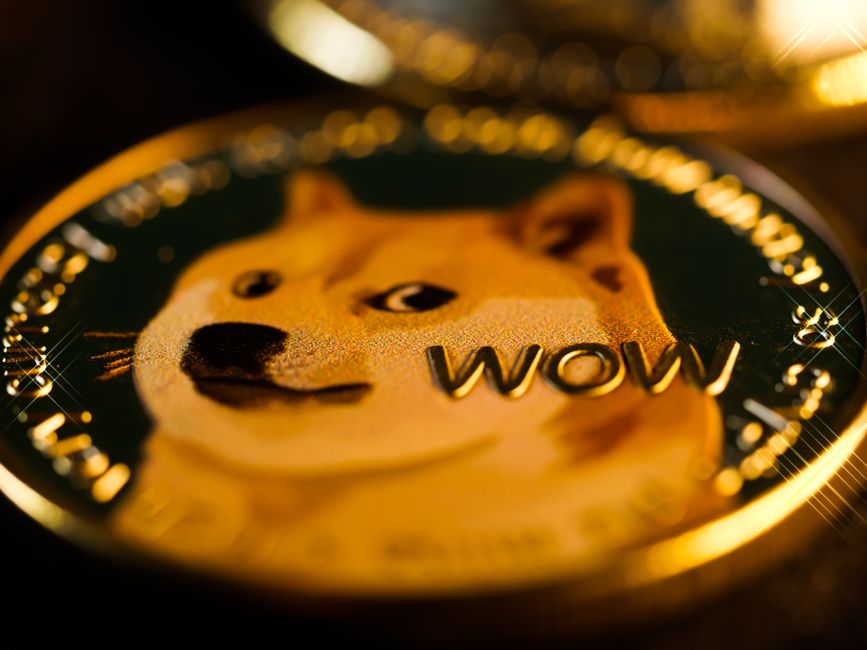
Dogecoin’s origin story is crucial to its identity and, consequently, its investment narrative. Launched in December 2013 by Billy Markus and Jackson Palmer, it was intended as a lighthearted alternative to Bitcoin, satirizing the speculative frenzy surrounding cryptocurrencies at the time. The coin’s mascot, a Shiba Inu dog, and its initial focus on community-driven tipping and charitable initiatives defined its early appeal. This meme-based origin, while charming, has been a double-edged sword for its investment potential. It fostered immense community engagement and brand recognition, but also led to perceptions of it being a “joke coin” rather than a serious technological endeavor. For investors, this dichotomy means that Dogecoin’s value is often heavily influenced by sentiment and social media trends, rather than purely fundamental analysis. The inherent volatility stemming from this is a primary concern.
The technology behind Dogecoin, while not groundbreaking, is functional and has proven robust enough for its intended use cases. It is a fork of Litecoin, which itself is a fork of Bitcoin. This means it utilizes a Proof-of-Work (PoW) consensus mechanism, similar to Bitcoin, employing the Scrypt algorithm. This choice of algorithm was initially designed to be more accessible for mining with consumer-grade hardware, a departure from Bitcoin’s increasingly specialized ASIC miners. However, this has also contributed to its lower processing power compared to some other cryptocurrencies. The inflationary nature of Dogecoin’s supply is a significant factor for investors to consider. Unlike Bitcoin, which has a hard cap of 21 million coins, Dogecoin has an uncapped supply, with approximately 5 billion new coins mined each year. This perpetual issuance, while intended to keep transaction fees low and encourage wider circulation, creates a constant upward pressure on the supply, which can dilute the value of existing holdings if demand does not keep pace. This inflationary model is a stark contrast to deflationary or fixed-supply cryptocurrencies and directly impacts long-term value appreciation potential.
The market dynamics of Dogecoin are characterized by extreme volatility, largely driven by its social media presence and influential endorsements. Early significant price surges were often linked to Reddit communities and viral internet trends. More recently, endorsements from high-profile figures, most notably Elon Musk, have had a profound impact on DOGE’s price. Musk’s tweets and public statements, often referencing Dogecoin, have triggered significant rallies, demonstrating the coin’s susceptibility to external influence. This reliance on celebrity endorsement and social media hype presents a high-risk, high-reward investment profile. Investors need to be aware that price movements can be rapid and unpredictable, driven by sentiment rather than intrinsic value. The sheer volume of meme coins that have followed in Dogecoin’s wake, often mimicking its success, also adds a layer of complexity to its market analysis. Competition from newer, potentially more technologically advanced meme coins, or even established cryptocurrencies, can dilute its market share and investor attention.
Community is arguably Dogecoin’s strongest asset and a critical component of its investment thesis. The Dogecoin community is known for its enthusiasm, loyalty, and philanthropic spirit. This robust community actively promotes the coin, organizes charitable drives, and participates in tipping culture. This organic grassroots support has been instrumental in maintaining Dogecoin’s relevance and driving demand. For investors, a strong and engaged community can be a powerful force for adoption and sustained interest. However, it’s important to differentiate between genuine community engagement and coordinated pump-and-dump schemes. The decentralized nature of social media makes it challenging to discern genuine enthusiasm from manipulation. The long-term sustainability of Dogecoin’s value will depend on whether this community engagement translates into real-world utility and sustained adoption beyond speculative trading.
The utility and use cases of Dogecoin, while growing, are still relatively limited compared to more established cryptocurrencies like Bitcoin or Ethereum. Initially designed for easy, everyday transactions and online tipping, Dogecoin has seen some adoption by merchants and payment processors willing to accept it. However, its inflationary supply and transaction speed, while improved, may not be ideal for widespread, high-volume commercial use. Projects aiming to integrate Dogecoin into decentralized applications (dApps) or DeFi (Decentralized Finance) protocols are emerging, but these are still in their nascent stages. The broader cryptocurrency market is constantly innovating, and Dogecoin faces the challenge of keeping pace with advancements in scalability, security, and functionality. If Dogecoin cannot demonstrate compelling new use cases beyond its speculative appeal, its long-term investment prospects could be hampered by technological obsolescence or a lack of compelling demand drivers. The development of the Dogecoin ecosystem, including layer-2 solutions or innovative smart contract integrations, will be critical in determining its future utility.
The regulatory landscape for cryptocurrencies, including Dogecoin, is still evolving and poses a significant risk factor for investors. Governments worldwide are grappling with how to regulate digital assets, and any new regulations could impact the trading, holding, and development of cryptocurrencies. Dogecoin, with its meme status and past volatility, could be subject to increased scrutiny. While its decentralized nature offers some protection, governments could implement measures that affect exchanges, taxation, or even the legality of certain cryptocurrencies within their jurisdictions. Investors need to stay informed about regulatory developments in their respective regions. Uncertainty surrounding regulation can lead to market fear and price declines, irrespective of the underlying technology or community sentiment. The potential for government intervention, whether through outright bans, stringent taxation, or enforced KYC/AML (Know Your Customer/Anti-Money Laundering) procedures, adds another layer of risk to Dogecoin as an investment.
When considering Dogecoin as an investment, a critical aspect is its valuation. Traditional valuation metrics, such as those used for stocks (e.g., P/E ratios, book value), are not directly applicable to cryptocurrencies. Instead, valuation is often based on market capitalization (price per coin multiplied by the circulating supply), network effects, adoption rates, and speculative demand. Dogecoin’s market capitalization can fluctuate wildly, reflecting its high volatility. Investors often look at metrics like the number of active addresses, transaction volume, and developer activity to gauge network health, though these can be misleading in the context of meme coins. The perceived intrinsic value is heavily tied to its brand recognition and community strength, making it more of a sentiment-driven asset. Comparing its market cap to its actual utility and adoption rate is a crucial exercise for a more grounded assessment.
The future prospects of Dogecoin as an investment are contingent on several key factors. Continued community engagement and growth will be paramount. The development and adoption of new utility cases, beyond its current tipping and speculative functions, are essential for long-term sustainability. The ability of the Dogecoin development team to implement meaningful upgrades and adapt to the evolving crypto landscape will also play a crucial role. Furthermore, the broader cryptocurrency market sentiment and the influence of major players like Elon Musk will continue to exert significant impact. If Dogecoin can successfully transition from being primarily a meme coin to a more utility-driven cryptocurrency with a dedicated user base, its investment potential could increase. However, the inherent challenges of its inflationary supply and reliance on external validation remain significant headwinds.
For investors contemplating Dogecoin, a crucial question is how it fits into a diversified portfolio. Given its high volatility and speculative nature, it is generally not advisable to allocate a significant portion of one’s investment capital to Dogecoin. It is best viewed as a speculative asset, akin to a high-risk venture or a small allocation within a broader crypto portfolio. Investors should only invest what they can afford to lose. The decision to invest should be based on an individual’s risk tolerance, investment goals, and understanding of the cryptocurrency market. Diversification across different asset classes and cryptocurrencies can help mitigate some of the risks associated with individual volatile assets like Dogecoin.
In conclusion, assessing whether Dogecoin is a good investment is a complex endeavor. Its journey from a meme to a recognized cryptocurrency is a testament to the power of community and viral marketing. However, its inflationary supply, reliance on social media sentiment and endorsements, and still-developing utility present significant risks. While there is potential for significant gains, particularly driven by speculative interest and influential backing, these gains are often accompanied by extreme volatility. A thorough understanding of Dogecoin’s unique characteristics, its market dynamics, and the broader cryptocurrency ecosystem is essential for any investor considering its inclusion in their portfolio. It is not a traditional investment and should be approached with caution and a clear understanding of the risks involved.


