The political landscape of the United States shifted dramatically on November 3, 2026, as Democratic candidates secured decisive victories in key midterm races, including significant upsets in traditionally Republican strongholds such as Texas and Kansas. As the "blue tsunami" became the defining narrative of the election cycle, a peculiar cultural phenomenon emerged alongside the raw vote tallies. Across social media platforms, a collective wave of nostalgia began to crest, characterized by the resurfacing of early 2010s aesthetics, Obama-era pop culture references, and a renewed, albeit tempered, sense of political hope. This trend, which analysts have dubbed "millennial optimism," suggests that for a significant portion of the electorate, the 2026 midterms represented more than just a legislative shift; they functioned as a psychological bridge to a perceived, simpler past.
The Anatomy of the Trend
Long before the ballots were counted on election night, the seeds of this nostalgia were sown on platforms like TikTok and X (formerly Twitter). Throughout 2026, content creators began curating "nostalgia dumps," featuring the hallmarks of late 2000s and early 2010s digital culture: Apple Photo Booth self-portraits, the ubiquity of indie-folk bands like The Lumineers, and the earnest, unfiltered nature of early social media interaction.
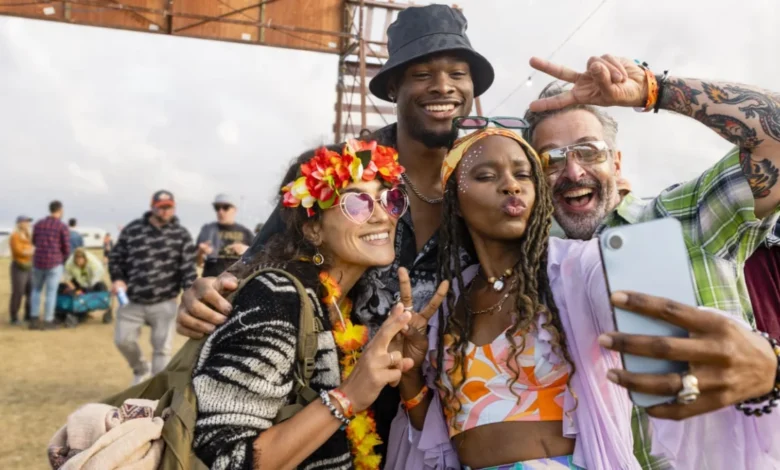
The aesthetic is anchored by specific cultural touchstones—mustache-patterned accessories, flower crowns, and the auditory backdrop of songs like The Middle East’s "Blood" (2009) or Fun.’s "We Are Young" (2011). While these elements may seem trivial, they serve as shorthand for a specific era of American life that many users associate with the promise of "change" and the relative optimism of the Barack Obama presidency.
For many older Gen Z individuals and younger millennials, this era was experienced as a "promised future." As one prominent social media analysis noted, the trend evokes an "upsetting sense of loss," as this demographic witnessed the aspirational energy of that time without being old enough to fully participate in the civic promise it offered. When the results of the 2026 midterms were announced, this latent nostalgia was suddenly catalyzed, transforming from a passive aesthetic trend into an active expression of political relief.

Chronology of a Cultural Shift
The momentum leading to this moment was not instantaneous. To understand the current cultural mood, one must look at the timeline of the 2026 election cycle:
- Early 2026: Online subcultures begin reviving "Tumblr-era" aesthetics, signaling a growing fatigue with the algorithmic, highly polished nature of modern social media.
- August–September 2026: As the midterm campaigns intensified, political discourse became increasingly polarized. Search terms related to "hope" and "civic engagement" began to see a steady, upward trajectory.
- October 2026: The term "millennial optimism" begins to appear as a recurring motif in digital discourse, often accompanied by irony, yet increasingly tinged with genuine longing for a more unified political dialogue.
- November 3, 2026: Election Day results reveal a significant shift in legislative power. The immediate reaction across digital spaces is not merely partisan celebration but a collective "rebooting" of the cultural memory associated with the 2008–2012 period.
- November 4, 2026: Google Trends data confirms that "millennial optimism" has become a breakout search term, showing an unprecedented 5,000 percent increase in volume compared to the previous week.
Data and Digital Impact
The fervor was quantifiable. Beyond the anecdotal evidence of memes and soundtrack revivals, the digital footprint of this phenomenon is significant. Social media tracking firms noted that by the morning of November 4, mentions of the 2008-era "Yes We Can" rhetoric had tripled in engagement.
BuzzFeed, a quintessential media entity of the early 2010s, leaned into the nostalgia by humorously acknowledging its own history, temporarily adjusting its digital branding to mirror the vibrant, blue-heavy aesthetic of the early Obama era. This interaction between legacy digital media and the current electorate highlights the cyclical nature of political cycles. When users began posting videos of post-election celebrations in cities like Austin, Texas—complete with the ubiquitous sounds of 2011-era pop anthems—it signaled a shift from cynical detachment to active, albeit nostalgic, civic engagement.
The Paradox of Nostalgia
It is essential to contextualize this "optimism" with the reality of the era being romanticized. The 2008–2012 period was far from a utopia; it was defined by the deep scars of the 2008 financial crisis, high student debt burdens, and a stagnant job market. Many millennials who lived through those years remember them as a time of extreme economic anxiety and disillusionment.
However, the current trend is not a factual historical reenactment. It is an idealized projection. As experts in digital culture observe, humans often use nostalgia as a defense mechanism during periods of prolonged political or social stress. By reaching back to a time that promised "hope and change," voters are signaling a desire for a return to a more constructive political discourse, regardless of whether that historical period lived up to its own rhetoric.

Political Implications and Future Outlook
The political implications of this sentiment are profound. The 2026 midterms, by shifting the balance of power in the House and Senate, have created a tangible sense of agency among voters who had previously felt disenfranchised by the gridlock of the early 2020s.
Political scientists suggest that this "millennial optimism" acts as a form of social cohesion. When voters share the same cultural references, it creates a sense of shared destiny. However, there is a risk: nostalgia can often be fleeting. If the incoming legislative body fails to deliver on the expectations of the electorate, the current wave of optimism may rapidly revert to the cynicism that has characterized much of the last decade.
"The challenge for leaders now," says Dr. Aris Thorne, a political sociologist, "is to transition from the emotional high of the election results into concrete policy. Nostalgia is a powerful catalyst for engagement, but it cannot sustain a movement on its own. The voters are currently vibrating at a frequency of 2009, but they are living in 2026. The transition from memory to reality will be the true test."
Conclusion: A New Chapter?
As the dust settles on the 2026 midterms, the internet remains awash in a mix of irony and earnest celebration. Whether this "millennial optimism" will fade as quickly as a social media trend or evolve into a lasting shift in American political behavior remains to be seen. For now, the electorate appears to be hitting a "reset" button, attempting to reclaim a sense of possibility that was lost in the tumult of recent years. Whether or not this nostalgia can withstand the rigors of governing is the next great question, but for this moment, the internet has decided that, at the very least, it is worth the effort to hope again.