The emergence of the wellness darty is not merely a localized trend but a symptom of broader cultural shifts among Gen Z. While the "darty"—or daytime party—has been a cornerstone of campus social life for decades, its latest iteration has been stripped of the alcohol-centric model that defined previous generations. Today’s college students are increasingly prioritizing physical and mental well-being, transforming the fraternity lawn into a space for community-driven exercise rather than rowdy consumption.
The Evolution of Campus Socialization
Historically, the college experience has been synonymous with binge drinking and excessive socialization. However, recent data suggests a clear departure from this norm. According to a 2023 study by Gallup, the percentage of adults under 35 who report drinking has dropped significantly from 72 percent in the early 2000s to 62 percent in recent years. This decline is not isolated to the United States; international researchers have documented similar trends in countries such as England, Australia, and Sweden, pointing toward a global reevaluation of the role alcohol plays in youth culture.

The wellness darty functions as an alternative environment that facilitates socialization through structured activity. By replacing alcohol with Pilates, running clubs, and wellness-focused recovery tools like saunas and ice baths, organizers are creating spaces that allow students to interact without the social pressure to consume intoxicants. Organizations such as Peak Pulse and The Wellness Society have been instrumental in this movement, hosting events at major institutions including the University of Florida, the University of Alabama, and Syracuse University.
A Data-Driven Shift in Lifestyle Preferences
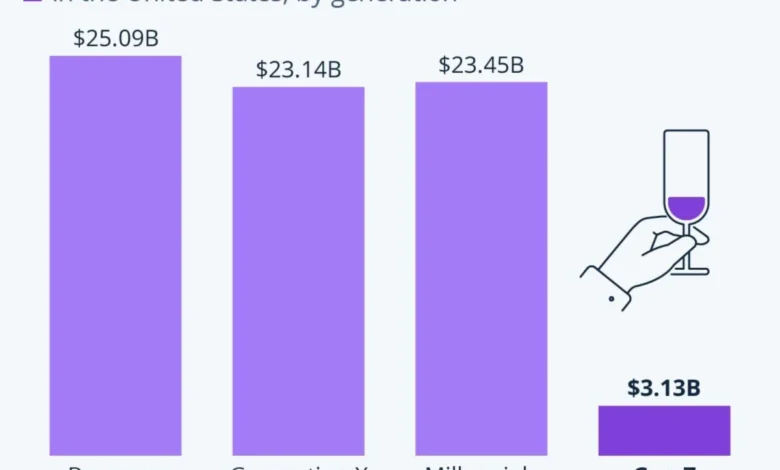
The rise of the wellness darty is underpinned by substantial shifts in consumer spending and personal priority. McKinsey’s 2024 Wellness Report highlights that 56 percent of Gen Z consumers categorize fitness as a high priority, a figure that significantly outpaces the general population. Furthermore, this demographic is disproportionately investing in their health, accounting for more than 41 percent of annual U.S. wellness spending, despite representing a smaller portion of the total adult population.
This behavior is further amplified by the "soft clubbing" movement, where nightlife is increasingly replaced by daytime or alcohol-free social engagements. Eventbrite data indicates that attendance for morning raves has increased by 20 percent, while interest in wellness-centric social gatherings—such as sauna sessions and organized fitness classes—has surged by several hundred percent. This growth suggests that students are not necessarily becoming more isolated; rather, they are redefining what constitutes a "party" to better align with their personal health goals.

The Role of Digital Culture and Aesthetics
The aestheticization of wellness—often found in the "clean girl" or "Pilates princess" trends popularized on platforms like TikTok—has played a crucial role in legitimizing these events. For many, the visual language of matching workout sets, post-run matcha, and aesthetic recovery rituals is as much a part of their identity as the social connection itself.
However, this transition has not been without its critics. The rapid adoption of these trends has sparked a polarized debate online. Critics, often representing older generations or those nostalgic for traditional college experiences, have expressed confusion or cynicism. Comments on social media platforms have labeled the trend "bone-chilling" or questioned why students are "cosplaying as corporate warriors." These reactions underscore a generational divide regarding the definition of youth, freedom, and the purpose of the university experience.
Addressing the Socialization Gap
Despite the skepticism, those who participate in wellness darties argue that these events are vital for modern socialization. The decline in alcohol consumption has left a void in social infrastructure, as many students struggle to initiate conversations without the "liquid courage" provided by parties. By providing a structured activity—such as a group stretch or a cold plunge—organizers create a "low-stakes" environment where interaction is facilitated by the shared task at hand.

Riley Meyer, a student leader involved with the Sweat & Soak movement, notes that these events do not necessarily prohibit traditional partying; they simply provide a balanced alternative. Many students are now adopting a "hybrid" social life, where they may engage in a wellness darty on a Saturday morning and choose to go out for a traditional evening later in the weekend. The flexibility of this schedule is key to its success, as it allows for health-conscious behavior without requiring complete abstinence from the wider social scene.
Implications for the Future of Nightlife
The success of these events has profound implications for businesses, university administrations, and event organizers. As the demographic appetite shifts, venues and event planners are beginning to realize that the "one-size-fits-all" approach to college entertainment is becoming obsolete.
From an economic perspective, the rise of the wellness darty represents a new market segment. Bars, clubs, and campus event spaces that incorporate non-alcoholic options, or that partner with wellness brands to host daytime events, are effectively future-proofing their operations. The trend is not merely about the absence of alcohol; it is about the presence of intentional, health-conscious community building.

Moreover, the psychological impact on the student body cannot be overlooked. For a generation facing high rates of anxiety and social pressure, the shift toward wellness-centered socialization provides a healthier framework for navigating the pressures of college life. Whether these events remain a niche trend or evolve into a permanent fixture of the collegiate experience, they signal that Gen Z is successfully asserting its agency in defining what a "good time" looks like.
Looking Ahead
The longevity of the wellness darty will depend on its ability to sustain interest beyond the viral novelty of the initial trend. As of September 2026, the movement shows no signs of slowing down, with chapters appearing in both high schools and universities globally. The "global wellness community" model is expanding, suggesting that the integration of fitness and socialization is becoming a standardized, rather than experimental, aspect of youth culture.
Ultimately, the wellness darty is a reflection of a generation that is hyper-aware of its health and deeply connected through digital platforms. By blending the aspirational lifestyle content of the internet with the physical reality of campus life, students are creating a new social blueprint. While older generations may look upon these fraternity-lawn yoga classes with confusion, they represent a significant step toward a culture that prioritizes personal well-being alongside communal engagement. For the event industry and university stakeholders, the message is clear: the future of the college party is not necessarily found in the bottle, but in the collective pursuit of a better, more balanced, and increasingly "well" experience.
Related posts: