Mothemi Claims Potential Inspiration for Viral Doomer Girl Meme, Sparking Online Discussion

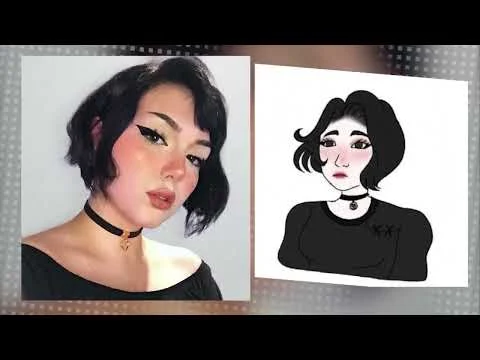
A creator identified as Mothemi has recently gained significant traction across social media platforms, asserting that she may be the muse behind the widely recognized "Doomer Girl" meme, also known as "Doomette." This claim, if substantiated, could offer a fascinating glimpse into the origins of a cultural phenomenon that has permeated internet discourse since its emergence in early 2020. The Doomer Girl character, deeply embedded within the broader Wojak meme universe, typically depicts a young woman grappling with feelings of depression, loneliness, and disillusionment, often presented in tandem with the male counterpart, the "Doomer."
The Doomer Girl meme, characterized by its melancholic aesthetic and themes of existential angst, resonated with a generation experiencing heightened social and economic anxieties, particularly in the lead-up to and during the COVID-19 pandemic. Its visual language, often featuring muted colors, somber expressions, and introspective captions, provided a relatable shorthand for a complex emotional landscape shared by many young adults. The meme’s proliferation across platforms like Reddit, Twitter, and TikTok has cemented its status as a significant cultural touchstone of the early 2020s.
Emergence and Evolution of the Doomer Meme
The roots of the Doomer meme can be traced back to the "Wojak" character, a simple, crudely drawn stick figure that became a versatile canvas for expressing a wide spectrum of emotions and archetypes online. Wojak, first appearing around 2009, evolved into a vast ecosystem of variations, each representing a distinct personality or viewpoint. The "Doomer" character, a male counterpart to Doomer Girl, emerged as a representation of nihilistic despair and apathy, often characterized by a bleak outlook on the future and a sense of profound disillusionment.
The introduction of Doomer Girl in early 2020 provided a female perspective to this burgeoning meme subculture. Her depiction often focused on themes of isolation, societal pressure, and the struggle to find meaning in a seemingly indifferent world. The visual pairing of Doomer Girl with the Doomer became a recurring motif, symbolizing a shared sense of melancholic existence and a mutual understanding of existential dread. This duality allowed for nuanced explorations of loneliness and despair, capturing the attention of a generation grappling with similar sentiments.
Mothemi’s Assertion and Potential Evidence
Mothemi’s claim centers on alleged visual and thematic similarities between her own online presence and the established Doomer Girl meme. While specific details regarding the evidence presented by Mothemi have not been widely disseminated in the initial reports, such claims typically involve the sharing of older digital content, such as artwork, photographs, or personal writings, that predate or coincide with the meme’s initial rise. The verification of such claims often hinges on the ability to establish a clear timeline and demonstrate a direct influence on the visual or conceptual development of the meme.
The nature of meme creation is often collaborative and organic, making definitive attribution challenging. Memes evolve through shared adaptation and remixing, with original concepts frequently becoming diluted or transformed as they spread. This makes it difficult to pinpoint a single "creator" in many cases. However, when an individual can present compelling evidence of their direct involvement in the genesis of a widely recognized character or concept, it often garners significant attention within online communities.
Community Reaction and Verification Challenges
The internet community’s reaction to Mothemi’s assertion has been a mixture of intrigue, skepticism, and cautious optimism. Many users are eager to learn more about the potential origins of a meme that has significantly impacted online culture. The possibility of uncovering the "real" Doomer Girl has sparked discussions about authorship, authenticity, and the often-unseen human stories behind viral internet phenomena.
However, the challenges in verifying such a claim are substantial. The decentralized and often anonymous nature of meme creation makes it difficult to establish a definitive chain of origin. Furthermore, the line between inspiration and appropriation can be blurry in the fast-paced world of internet culture. Without concrete, verifiable proof that withstands scrutiny, Mothemi’s claim may remain in the realm of speculation. The community will likely look for corroborating evidence, such as early online posts, dated artwork, or testimonials from individuals who were part of the meme’s early development.
The Significance of Meme Origins
The quest to identify the origins of viral memes like Doomer Girl holds a particular fascination for those immersed in internet culture. It speaks to a desire to understand the narratives and individuals behind the digital artifacts that shape our collective online experience. Such revelations can offer valuable insights into the creative processes, cultural influences, and social dynamics that give rise to internet phenomena.
Moreover, understanding meme origins can contribute to a more nuanced appreciation of digital art and cultural expression. Memes, often dismissed as trivial or ephemeral, can carry significant cultural weight, reflecting societal anxieties, aspirations, and shared experiences. When the creators behind these phenomena are identified, it can elevate their work from anonymous digital content to recognized forms of artistic and communicative expression.
Broader Implications for Meme Culture
Mothemi’s claim, regardless of its ultimate verification, highlights several key aspects of modern meme culture:
- The Blurring of Lines Between Creator and Consumer: In the digital age, the distinction between those who create content and those who consume and adapt it is increasingly fluid. Many memes originate from user-generated content, personal experiences, and shared cultural touchstones, making it difficult to assign singular authorship.
- The Power of Relatability: The enduring success of memes like Doomer Girl lies in their ability to tap into universal human emotions and experiences. Depression, loneliness, and disillusionment are feelings that resonate across demographics, making the meme a powerful tool for connection and expression.
- The Evolving Landscape of Digital Identity: As online personas become more integrated with real-world identities, individuals are increasingly seeking recognition for their contributions to internet culture. Claims like Mothemi’s underscore the desire for authorship and validation in the digital realm.
- The Challenge of Provenance: In a digital environment where content can be easily copied, altered, and disseminated, establishing the original source and intent behind a piece of media is a constant challenge. This is particularly true for ephemeral and rapidly evolving forms like memes.
The ongoing discussion surrounding Mothemi’s potential connection to the Doomer Girl meme serves as a compelling case study in the complex and fascinating world of internet culture. As more information potentially emerges, the narrative surrounding one of the 2020s most recognizable memes may be rewritten, offering a deeper understanding of its origins and the individuals who may have inadvertently shaped its widespread impact. The story of Doomer Girl, like many internet phenomena, is likely to remain a subject of fascination and debate for years to come.
A Deeper Dive into the Doomer Aesthetic
The Doomer Girl meme, and its male counterpart, the Doomer, tap into a specific aesthetic and emotional palette that resonated deeply with a generation. This aesthetic is characterized by a sense of pervasive melancholia, often expressed through muted color schemes, low-fidelity visuals, and a general air of disaffection. The imagery frequently evokes a feeling of urban decay, isolation, and the quiet desperation of navigating a world perceived as increasingly bleak and meaningless.
The "Doomer" archetype, as it emerged, often depicted individuals struggling with feelings of hopelessness, existential dread, and a profound sense of disillusionment with societal norms and aspirations. They are frequently portrayed as introspective, withdrawn, and resigned to a grim future. The Doomer Girl, while sharing these core sentiments, often introduces a feminine perspective on these themes, exploring the unique pressures and anxieties that young women may face in contemporary society. Her narrative might involve themes of societal expectations, romantic disillusionment, or the struggle to find agency in a world that often feels overwhelming.
The visual language of these memes often draws inspiration from various sources, including lo-fi photography, gritty urban landscapes, and even the melancholic aesthetics found in certain indie films and literature. The simplicity of the Wojak base character allows for a wide range of emotional expression, making it adaptable to numerous nuanced interpretations of the "doomer" experience.
The Role of Social Media in Meme Dissemination
Platforms like Reddit, Twitter, TikTok, and Instagram have played a crucial role in the proliferation and evolution of memes. The Doomer Girl meme, in particular, likely benefited from the algorithmic amplification and user-driven sharing mechanisms inherent to these platforms. Early adopters, often found in niche online communities, would have shared and adapted the meme, gradually introducing it to wider audiences.
The iterative nature of meme creation means that original concepts are constantly being reinterpreted, remixed, and built upon. A single image or idea can evolve into a multitude of variations, each carrying a slightly different nuance or commentary. This dynamic process makes it incredibly challenging to trace the precise lineage of a meme and identify its original spark.
Potential Impact of Verification
Should Mothemi’s claim be definitively verified, it could have several significant implications:
- Recognition for Early Contributors: It would provide much-deserved recognition for an individual who may have played a foundational role in shaping a significant cultural phenomenon. This could lead to a greater appreciation for the often-unseen creative efforts behind internet culture.
- Academic and Sociological Interest: Verified origins of influential memes can become valuable case studies for academics studying internet culture, sociology, and communication. They offer tangible examples of how online communities form, how ideas spread, and how cultural narratives are constructed.
- Legal and Ethical Considerations: While meme culture often operates in a legal gray area, verified authorship could, in some contexts, raise questions about intellectual property and attribution. However, the decentralized and adaptive nature of memes often makes such considerations complex.
- A Humanizing Element to Digital Culture: In an era where digital interactions can sometimes feel impersonal, understanding the human stories behind viral content can add a layer of depth and relatability to our online experiences.
The ongoing conversation surrounding Mothemi’s assertion underscores the dynamic and often mysterious nature of internet culture. As the digital landscape continues to evolve, the stories behind its most enduring creations will undoubtedly continue to capture our attention and spark our curiosity. The potential unearthing of the "real" Doomer Girl is not just about a meme; it’s about understanding the human impulse to create, connect, and express complex emotions in the digital age.