The Rise of Wawario and Wawaluigi: How Fan-Made Super Mario Rivals Captured Internet Culture

The internet has long been a fertile breeding ground for fan-made subcultures, imaginary expansions of intellectual properties, and absurdist humor that eventually bursts into mainstream visibility. The latest phenomenon capturing the attention of social media platforms like TikTok, X (formerly Twitter), and YouTube involves a pair of absurdly exaggerated, unofficial characters: Wawario and Wawaluigi. Conceived originally as satirical rivals to Wario and Waluigi—who are, in turn, the antagonistic counterparts to Nintendo’s iconic Mario and Luigi—these fan-created figures have evolved from obscure forum jokes into a viral sensation.
The cultural footprint of Wawario and Wawaluigi highlights a broader trend in modern digital spaces: the collective, decentralized world-building of internet subcultures. What began nearly a decade ago as isolated digital art projects and fringe YouTube animations has blossomed into a full-scale meme ecosystem, generating hundreds of thousands of views, countless iterations of fan art, and a dedicated following across multiple generations of internet users.
Anatomy of the Characters: Design and Lore
To understand the appeal of Wawario and Wawaluigi, one must first examine their bizarre visual designs and the unspoken lore that governs them. Within the established Super Mario universe, Wario serves as a greedy, boisterous foil to Mario, sporting a yellow shirt, purple overalls, and a jagged ‘W’ cap. Waluigi, introduced later as Wario’s partner in sports and spin-off titles, is exceptionally lanky, cynical, and wears a purple-and-blue motif.
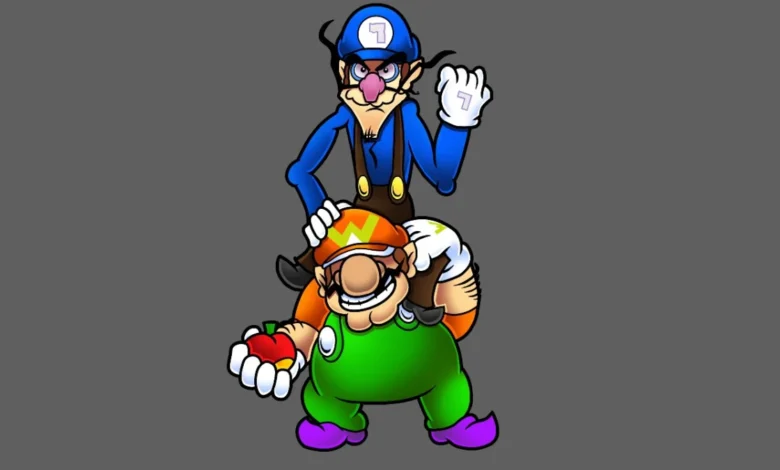
Wawario and Wawaluigi take these established archetypes and push them to surreal, grotesque extremes. Wawario is typically depicted as a massively rotund, cyclops-like or featureless-eyed figure missing a tooth, dressed distinctively in an orange hat and shirt paired with green overalls. His design is chaotic, unrefined, and intentionally jarring.
Wawaluigi, on the other hand, is rendered as an excessively elongated, ratty, and deeply unsettling caricature of Waluigi. Clad in a stark blue shirt and black overalls, Wawaluigi projects an aura of pathetic desperation and cosmic misery that has endeared him to digital artists looking to subvert traditional character design. Together, the pair represents a satirical escalation of the "evil counterpart" trope, pushing the boundaries of what a Mario character could theoretically look like if aesthetic restraint were completely abandoned.
A Decade-Long Chronology: From Obscurity to Virality
The genesis of these characters dates back further than most casual observers realize, tracing a slow path across various corners of the internet before achieving mainstream saturation in late 2026.
The earliest known antecedent emerged on June 23, 2015, when a YouTube creator operating under the moniker "Theguywhoplaysgames" uploaded a rudimentary animation. The video featured Wario encountering a shadowy, unnamed or loosely conceptualized rival bearing the moniker Wawario. Though modest in initial reach, this animation planted the seed for the character’s conceptual existence.
The following year, on September 19, 2016, user JoeTheDerp established a dedicated page on a Fandom wiki titled "The Amazing Waluigi," formally introducing "Wawaluigi" to a niche community of fiction writers and digital artists. This entry featured early conceptual art cementing Wawaluigi’s lanky, grotesque aesthetic.
As the years progressed, the characters migrated across digital platforms through increasingly complex community-driven projects. On November 6, 2017, X user @kiophen shared a conceptual "Mario Brother Cube" graphic—a satirical multidimensional alignment chart mapping out various fan-made and absurd iterations of Mario characters, prominently featuring both Wawario and Wawaluigi. This chart served as an early blueprint for cementing the duo into a unified subculture.
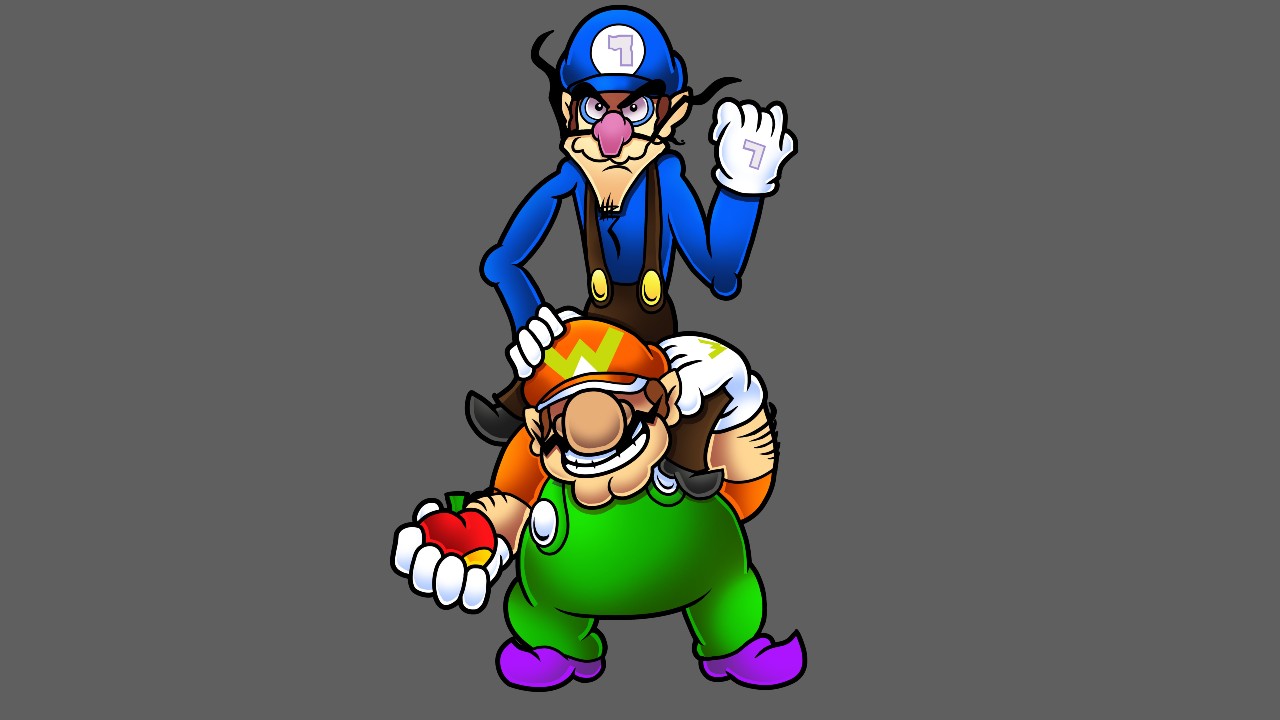
The definitive visual standards for the characters solidified in September 2021. On September 18, 2021, a Fantendo wiki user named Cutman1987 published a comprehensive character page for Wawario, featuring the orange-and-green color scheme that would become universally recognized by fans.
A significant inflection point occurred on June 23, 2024, when YouTuber RedMario released a video showcasing an exhaustive lineup of obscure Mario Bros. fan characters, punctuated by someone reading each of their ridiculous names aloud. The video struck a chord with internet humor aesthetics, steadily accumulating over 800,000 views and bridging the gap between niche wiki editors and a broader audience of meme consumers.
The 2026 Explosion on TikTok and X
While the characters spent years incubating within specific wiki and animation communities, their transition into mainstream viral status occurred rapidly between August and September 2026.
The catalyst for this surge was the cross-pollination of YouTube compilation videos onto short-form video platforms. On July 9, 2026, YouTuber A.J.N. uploaded a video featuring a character lineup set to an infectious song detailing the extended roster of Mario fan characters. On September 2, 2026, TikTok user @muddyk1pp reuploaded a segment of this video, declaring it an "absolute gem," which quickly propelled the content past 133,000 views.
What followed was a cascade of user-generated content. TikTok users began adopting the character names—chanting "Mario, Luigi, Wario, Waluigi, Wawario, Wawaluigi"—as a rhythmic, absurdist audio meme. Creators integrated the characters into lip-sync videos, video edits, and satirical tier lists.
Simultaneously, visual artists on X embraced the challenge of rendering Wawario and Wawaluigi in various styles. On September 9, 2026, user @Redbassdumb posted traditional Super Mario Bros.-style sprite art of the duo, garnering immediate praise. Days later, on September 13, user @V0IDEYEDPANDA shared a greasy, highly detailed digital painting of the characters that amassed thousands of likes, demonstrating that the community’s engagement extended beyond fleeting irony into genuine artistic appreciation.
Quantitative Impact and Search Metrics
The quantitative footprint of the Wawario and Wawaluigi phenomenon underscores the power of algorithmic amplification in modern pop culture. Videos tagged with #wawario and #wawaluigi on TikTok generated millions of cumulative impressions throughout September 2026.
Key driver videos, such as those posted by TikTokers @tabbyarrow13585 and @seanandrewtristnz_1505, consistently outperformed platform benchmarks for gaming-adjacent memes, pulling in tens of thousands of views within hours of publication. This surge demonstrated a clear appetite among younger internet demographics for surreal, hyper-specific, and decentralized media creations that stand entirely outside official corporate marketing pipelines.
Broader Implications: The Era of Participatory Internet Lore
The sudden cultural ubiquity of Wawario and Wawaluigi offers a fascinating case study in modern digital folklore. In previous decades, fictional universes were strictly guarded by copyright holders, and character additions were the exclusive domain of professional studios. Today, the boundaries between official intellectual property and fan-driven imagination have become porous.
By taking corporate-owned characters and pushing them through layers of community irony, exaggeration, and collaborative design, internet users effectively reclaim pop culture as a shared, malleable canvas. Wawario and Wawaluigi require no multi-million-dollar marketing campaign, video game release, or official endorsement from Nintendo to thrive. Their existence is sustained entirely by the collective participation of digital communities who find joy in absurdity, shared inside jokes, and the endless expansion of the internet’s absurd imaginary canon. As social media algorithms continue to favor hyper-niche, rapidly evolving trends, the legacy of Wawario and Wawaluigi stands as a testament to the creative—and frequently chaotic—nature of contemporary digital culture.