Navigating the Invisible Market: Why Prompt Tracking is the New Frontier of Brand Visibility in AI Search

Your brand could be ranking #1 on Google, yet remain entirely invisible to artificial intelligence. As consumer research habits undergo a seismic shift toward conversational platforms, millions of potential buyers are exploring product categories through large language models (LLMs) rather than traditional search engine results pages (SERPs). Absent from these AI-driven dialogues, brands risk losing market share without ever knowing why—or worse, appearing in AI outputs with inaccurate, outdated, or misleading information that directly harms sales.
The Evolution of Digital Discovery and Traditional SEO Limits
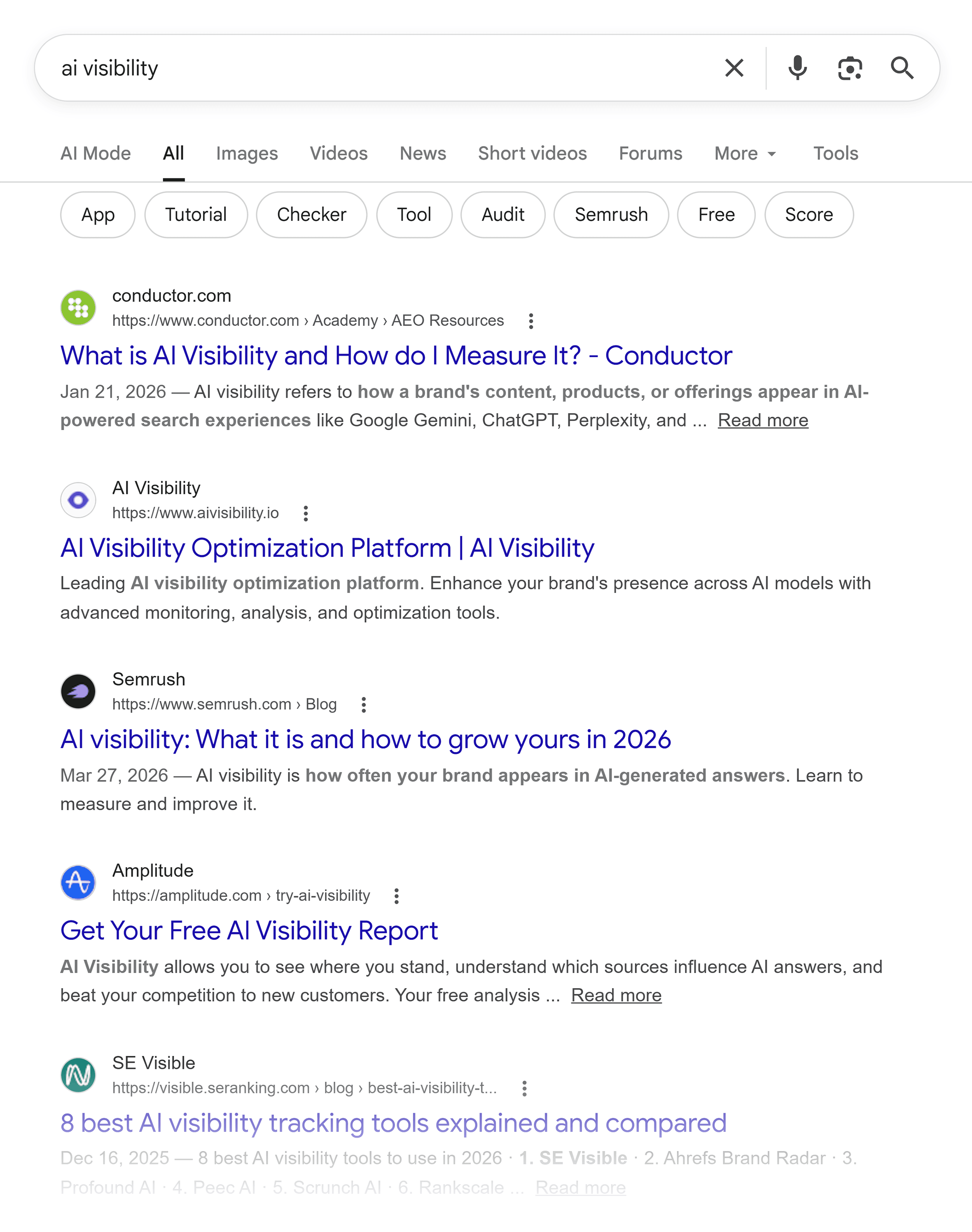
For decades, search engine optimization (SEO) has relied on a predictable formula: targeting specific keywords to secure a prominent spot among a static list of blue links on a SERP. In this traditional environment, marketers could easily ask, "How close are we to position one?"
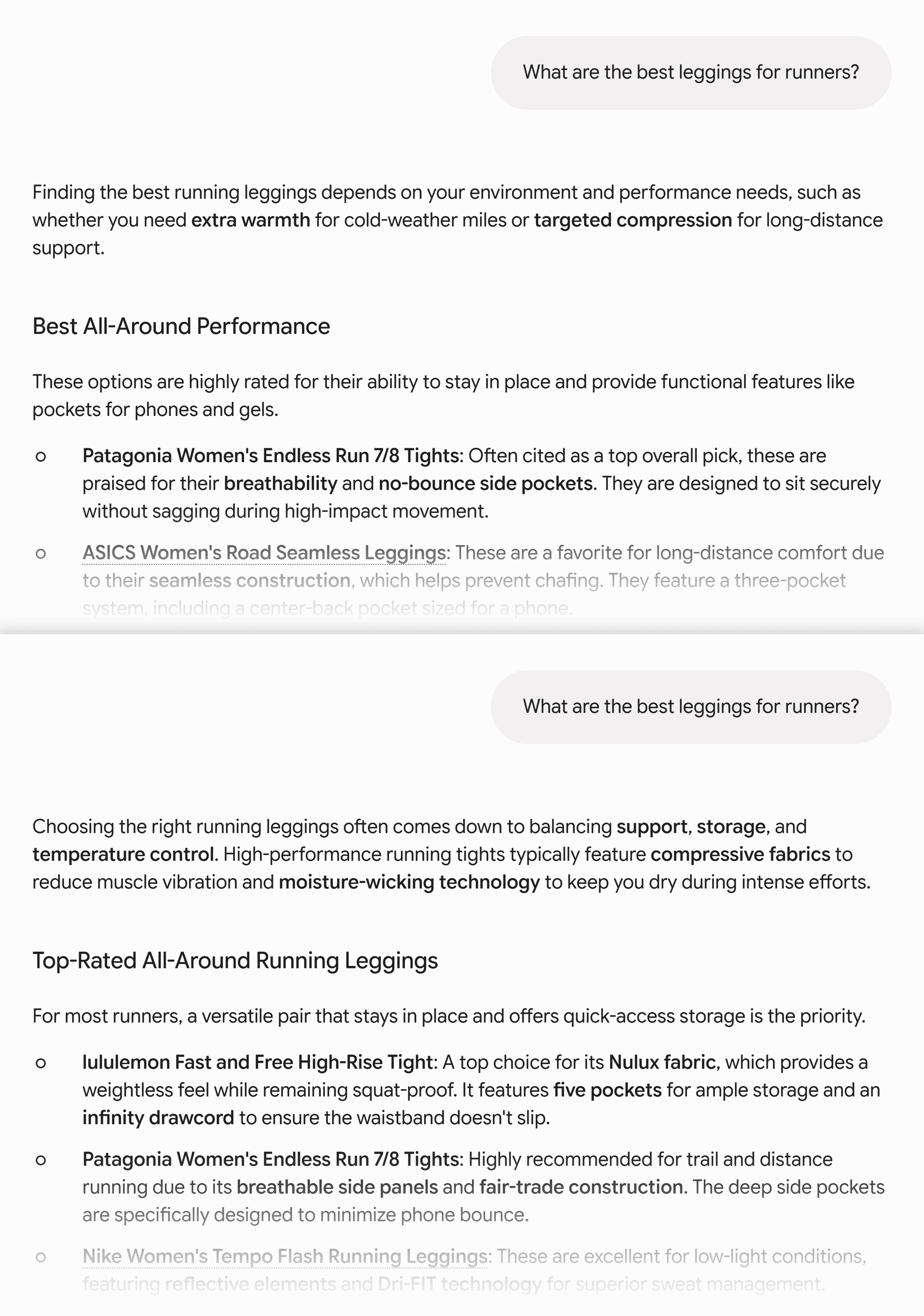
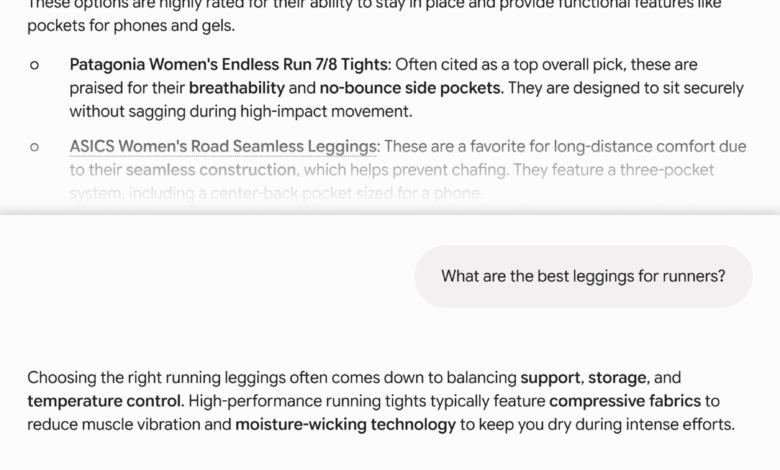
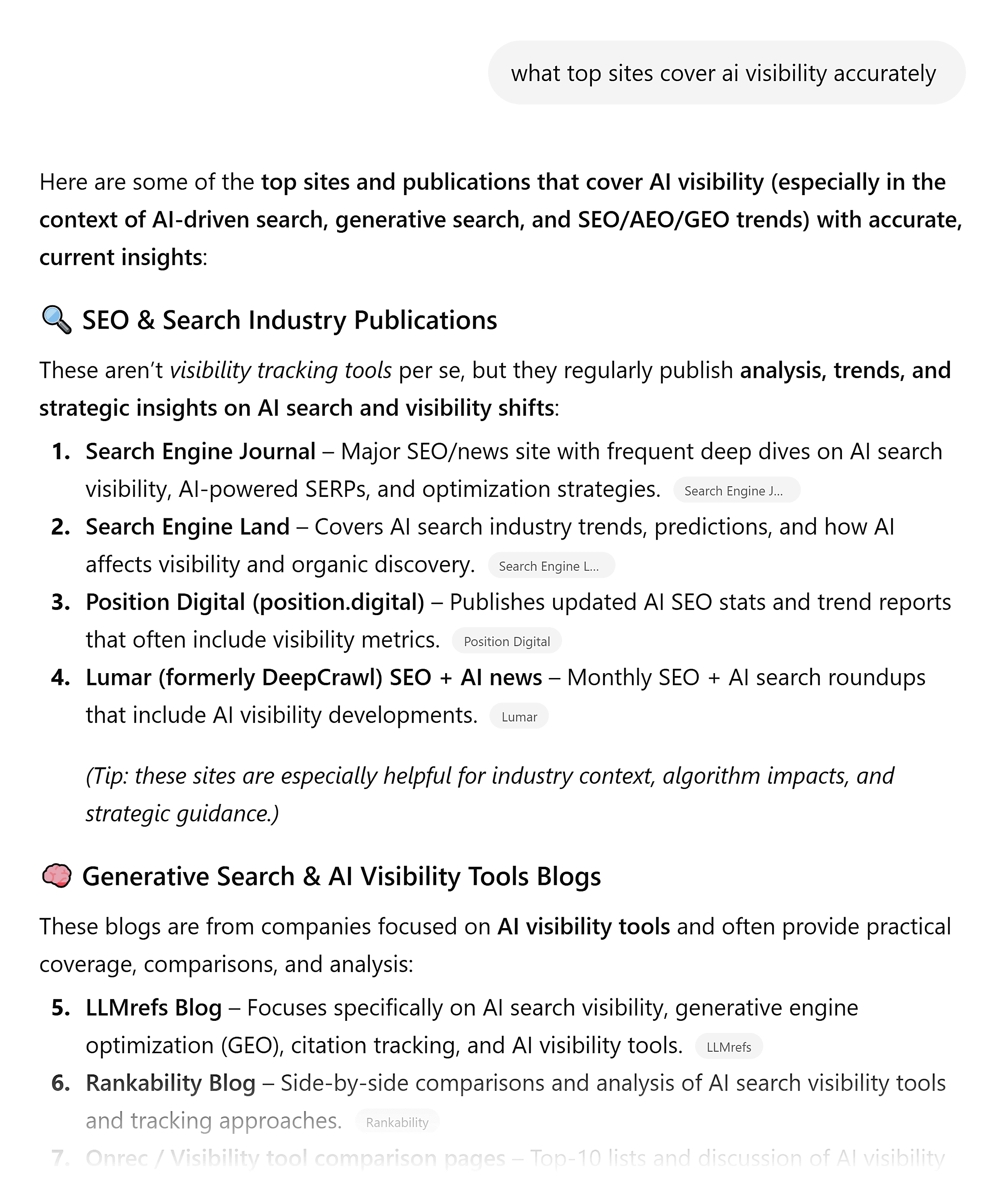
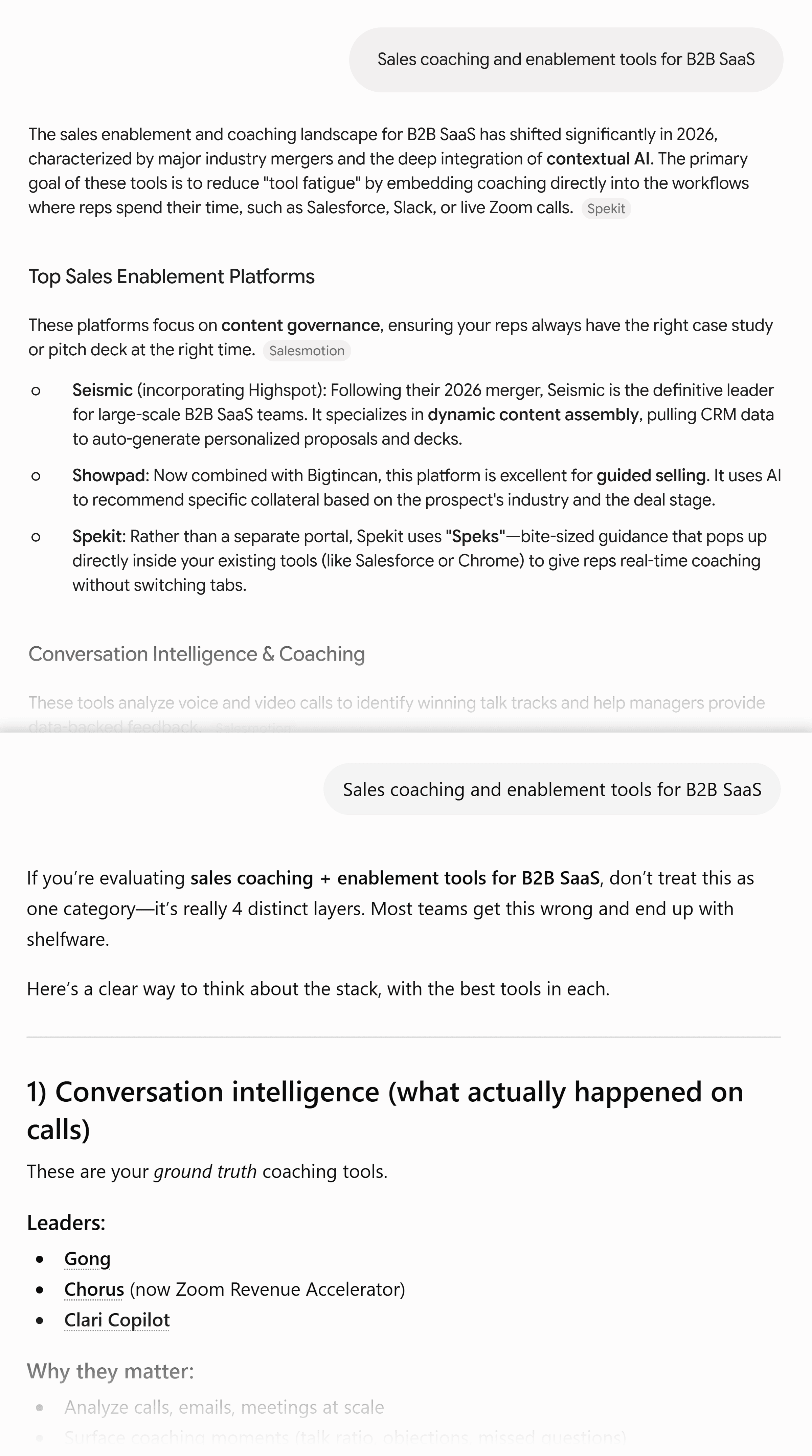
Large language models, however, operate entirely differently. Instead of serving a fixed list of URLs, LLMs process massive quantities of unstructured data to generate a unique response for every user, tailored specifically to the context and nuance of an ongoing conversation. A user can pose the exact same prompt twice to systems like OpenAI’s ChatGPT, Google’s Gemini, or Perplexity and receive two distinctly different answers.
Consequently, traditional rank tracking falls short. In the emerging "Answer Economy," securing the absolute first mention matters less than ensuring an LLM consistently conveys accurate, positive information to the right target audience across multiple conversational runs. Without a structured system to monitor these outputs, companies are effectively operating blind.
The Urgent Shift in B2B and Consumer Research Habits
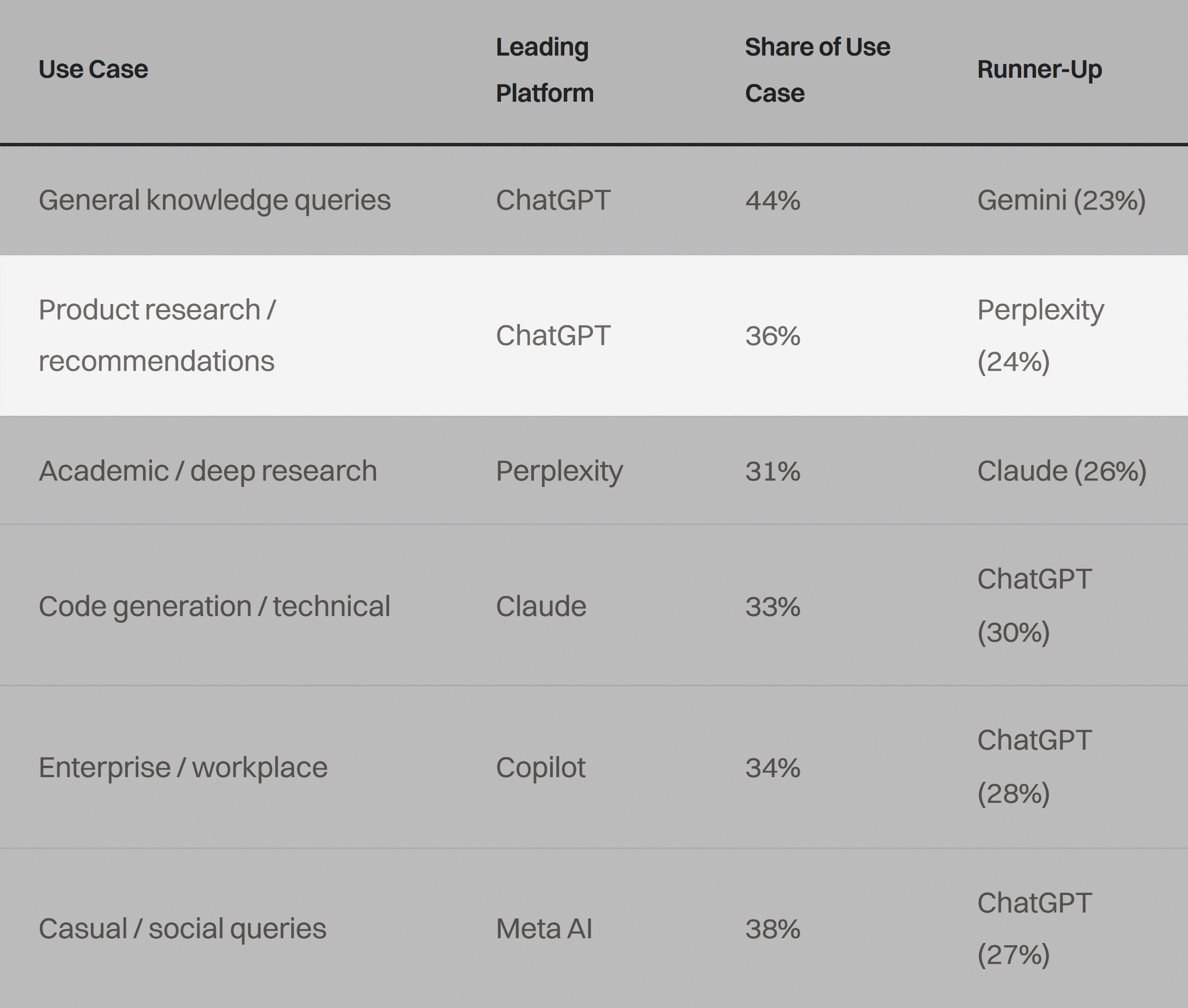
Recent industry studies underscore the urgency of adopting prompt tracking—often referred to as LLM visibility tracking. According to data from Orbit Media, 55% of United States internet users now rely on AI as their primary or frequent research tool, with 32% utilizing these platforms specifically for product recommendations. Furthermore, research from G2’s 2026 AI Search Insight Report indicates that 71% of B2B software buyers rely on AI chatbots for initial product research, up significantly from 60% the previous year.
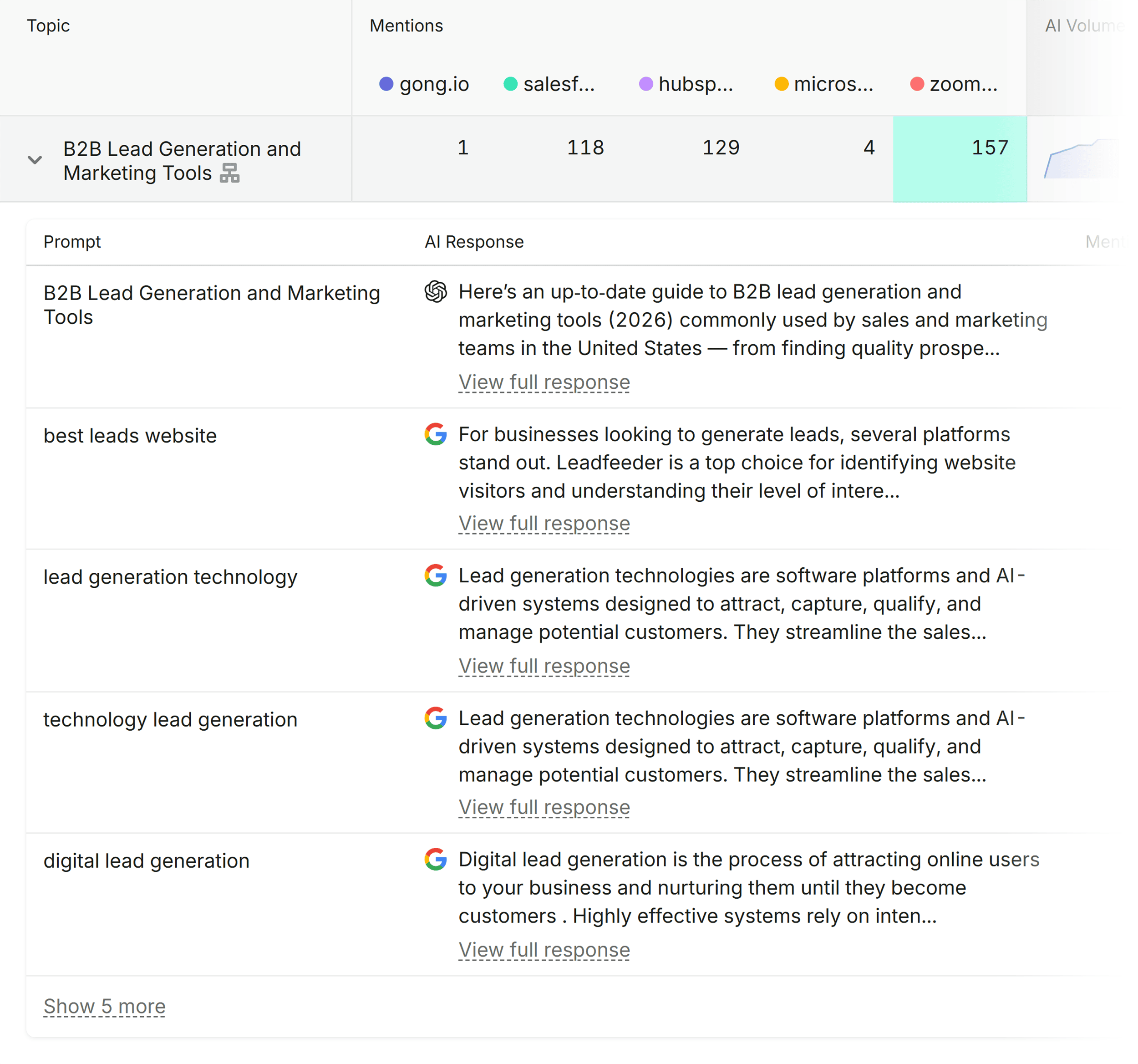
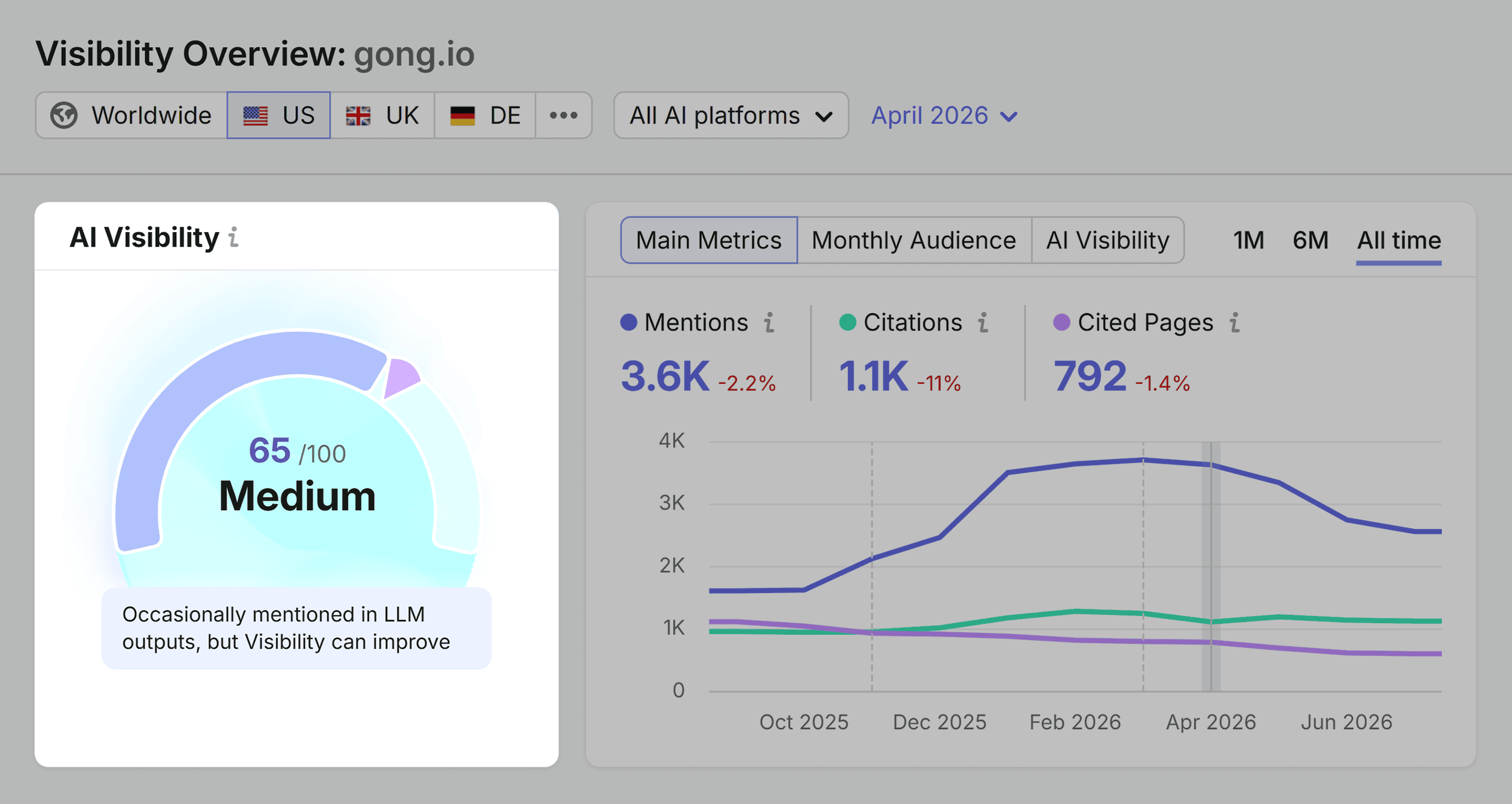
This widespread adoption means a rapidly growing segment of buyers learns about brands entirely within AI interfaces, bypassing the company’s website altogether. While overall AI visibility scores provide a high-level metric indicating whether a brand is present in model outputs, prompt tracking delivers granular directional intelligence. It reveals precisely where, how, and under what conditions a brand appears, allowing marketing teams to identify visibility gaps—specific high-value queries where they are consistently absent—and formulate targeted strategies to close them.
Building a Strategic Prompt Framework
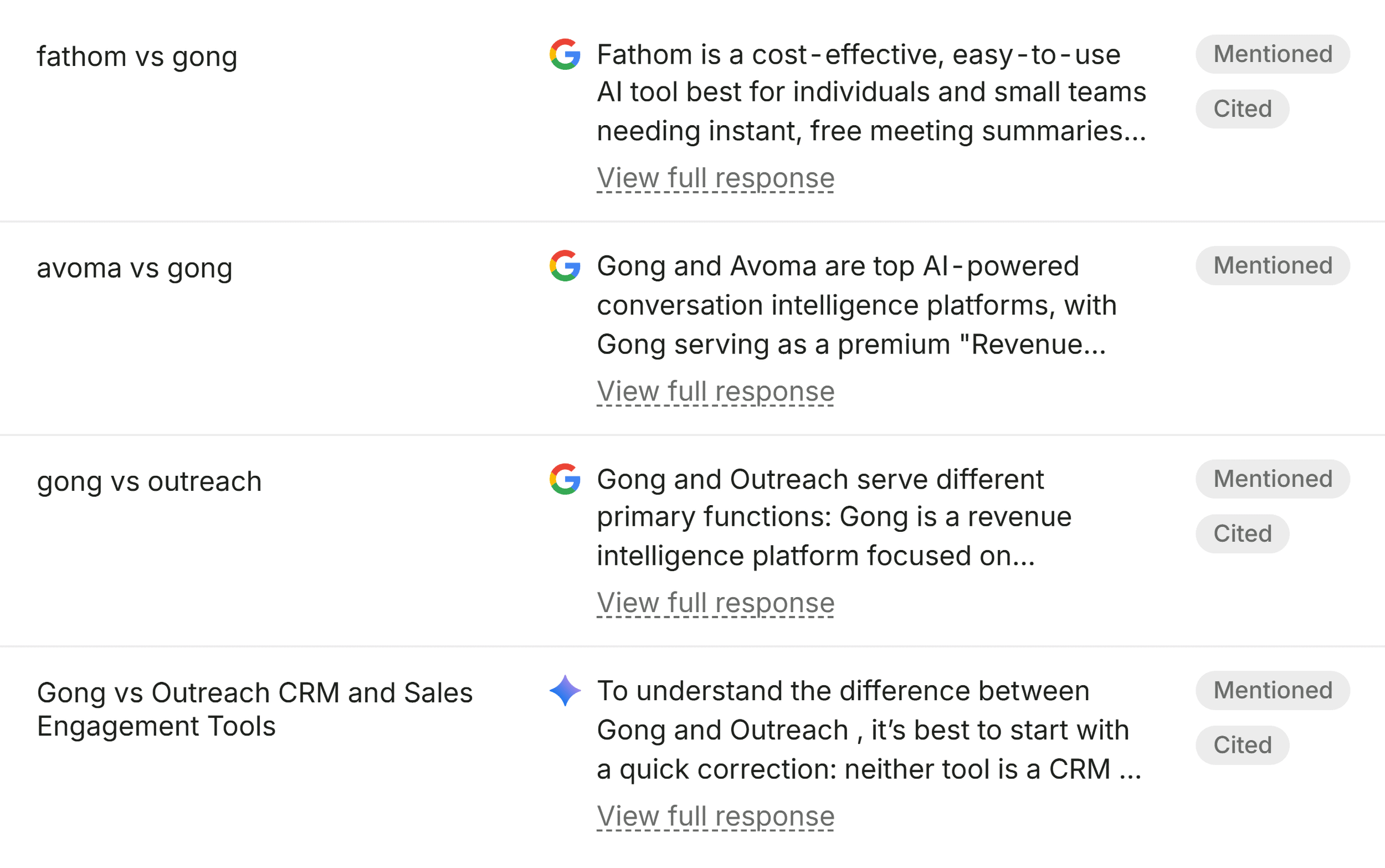
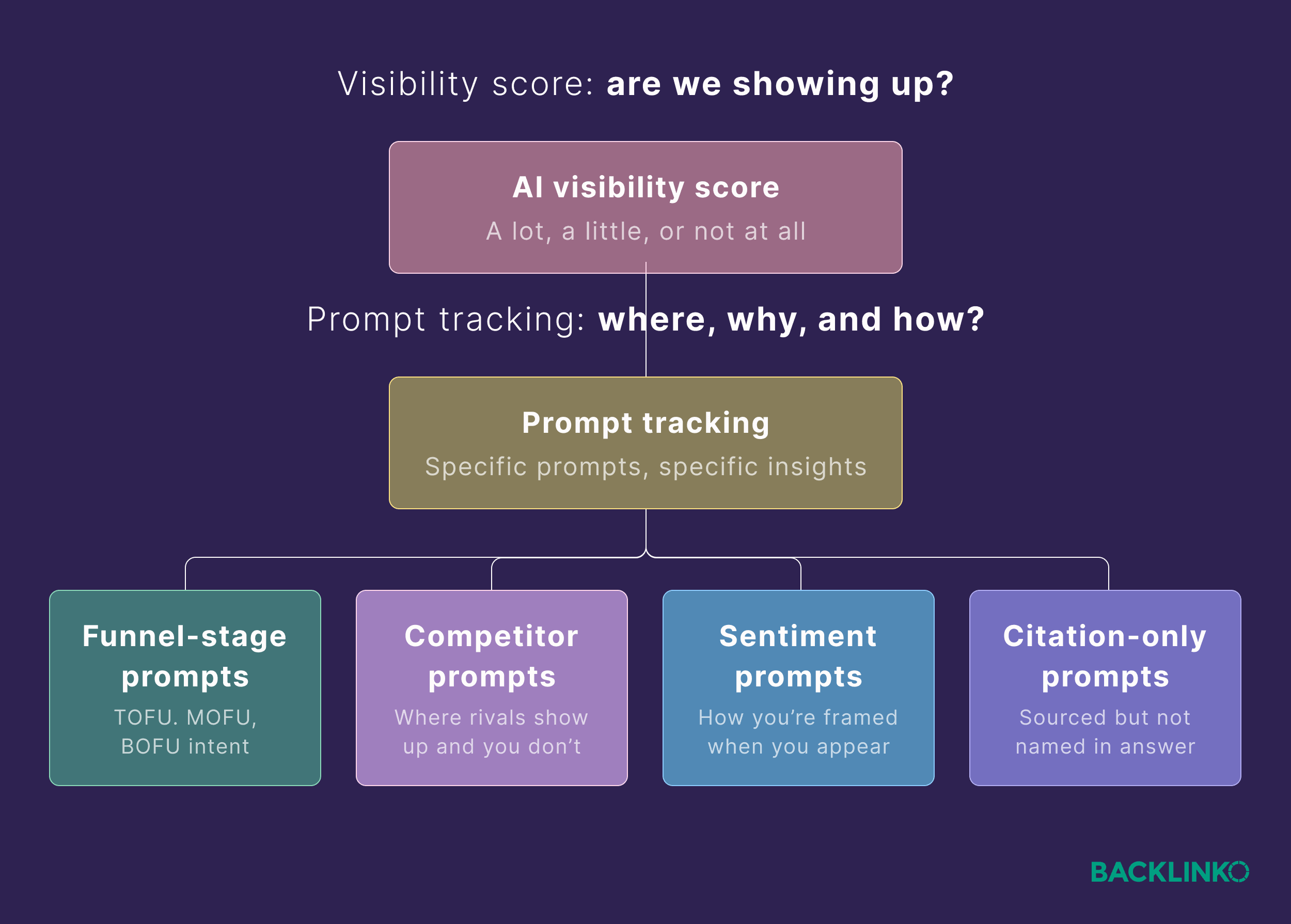
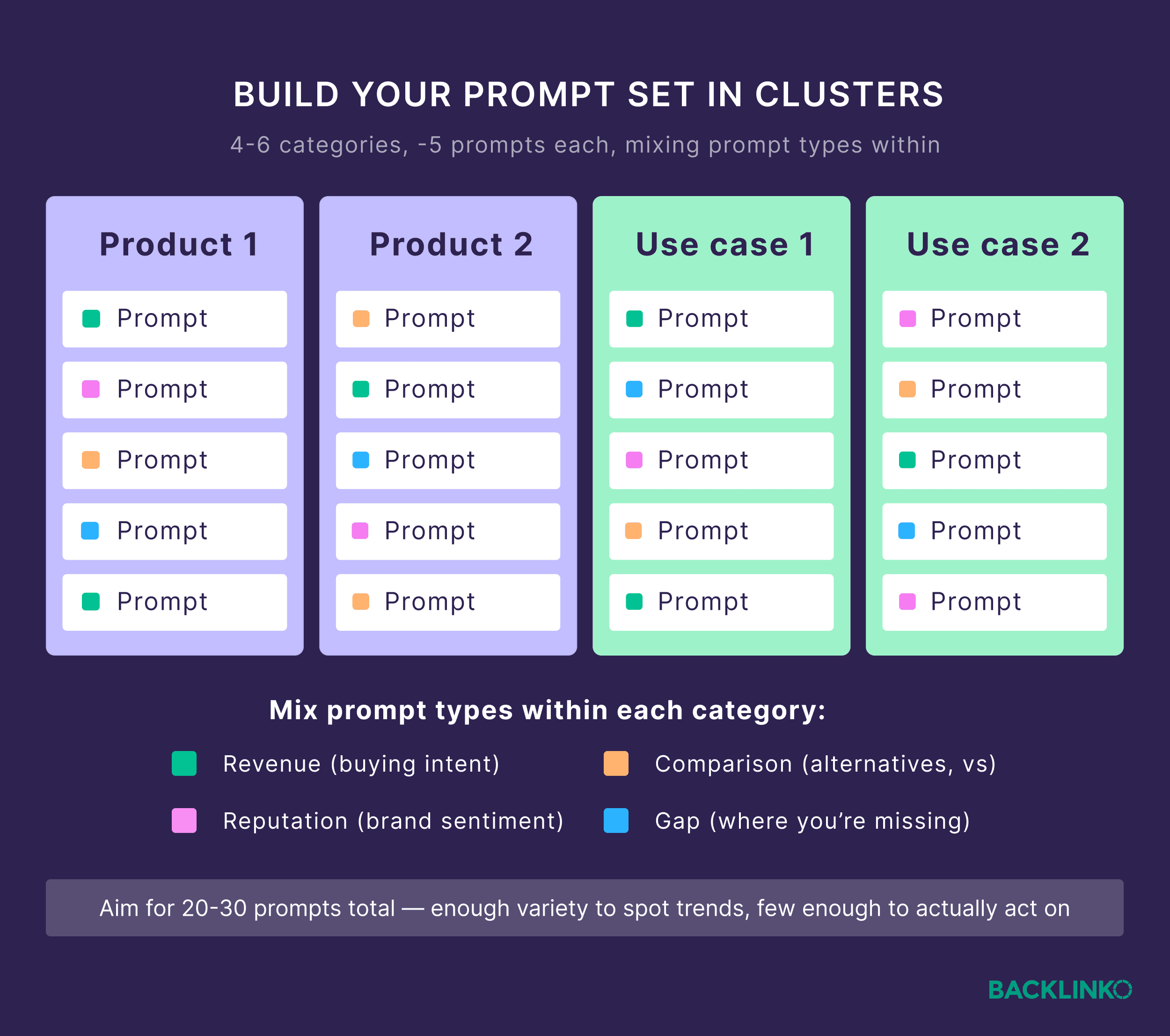
To extract actionable intelligence from LLM tracking without becoming overwhelmed by infinite conversational variations, digital strategists advise organizing prompts into specific clusters mapped to buyer intent, product offerings, and audience pain points. Effective prompt sets generally focus on four core categories:
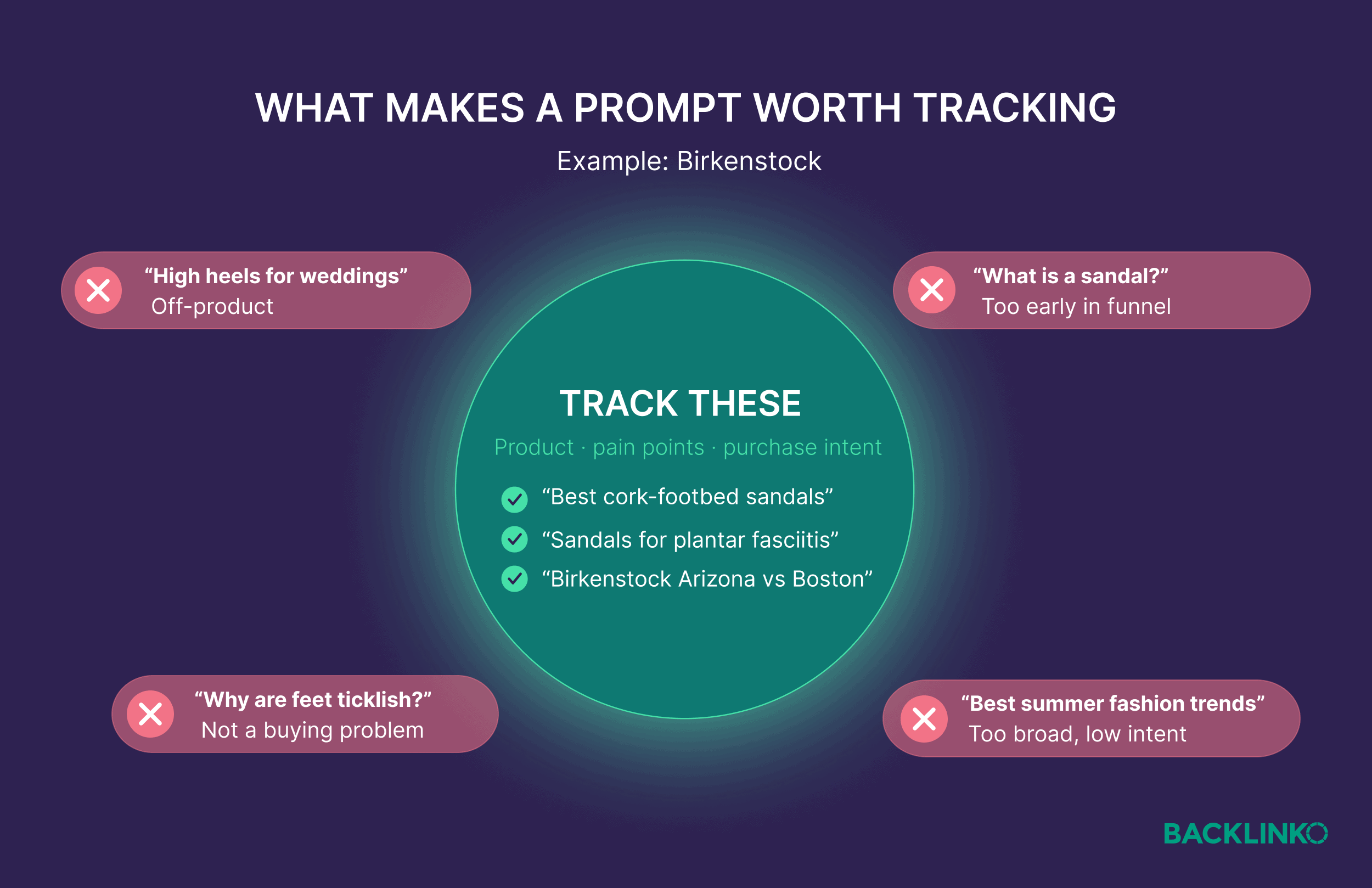
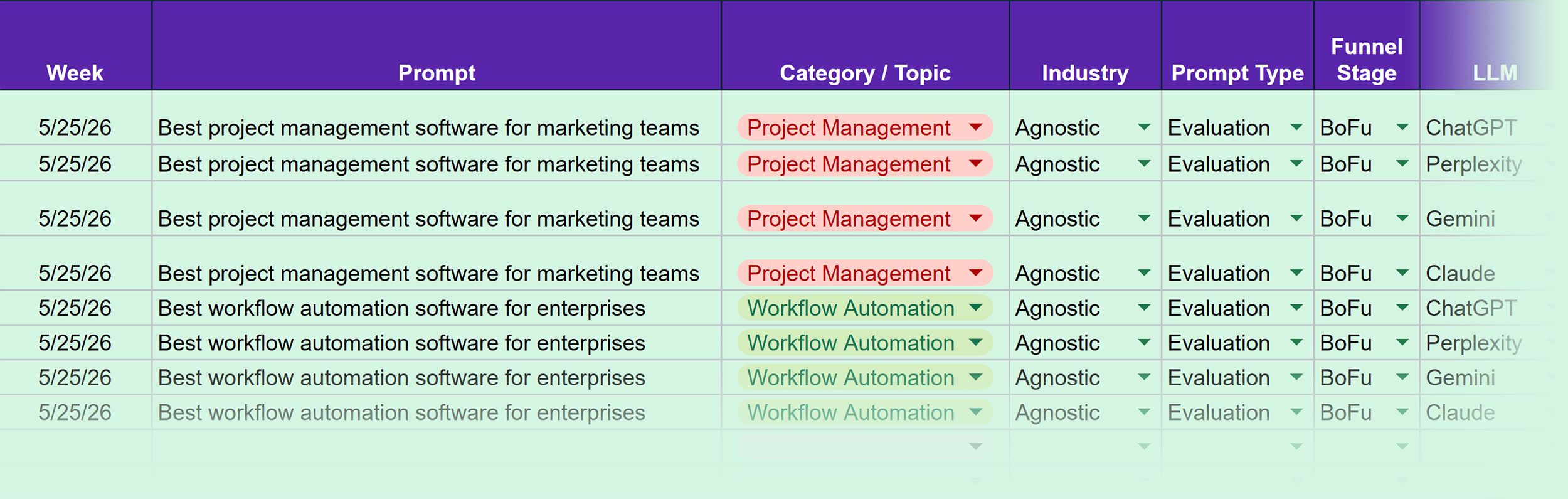
- Evaluation Prompts: Inquiries where buyers seek recommendations for the best tools or services within a specific category (e.g., "Best project management software for marketing teams").
- Comparison Prompts: Direct matchups between competing solutions (e.g., "How does Gong compare to Salesforce for sales intelligence?").
- Reputation Prompts: Sentiment-driven questions examining user satisfaction, pricing fairness, or performance reliability (e.g., "Is Asana actually effective for large cross-functional teams?").
- Gap Prompts: Evaluative queries targeting specific secondary features, integrations, or niche use cases.
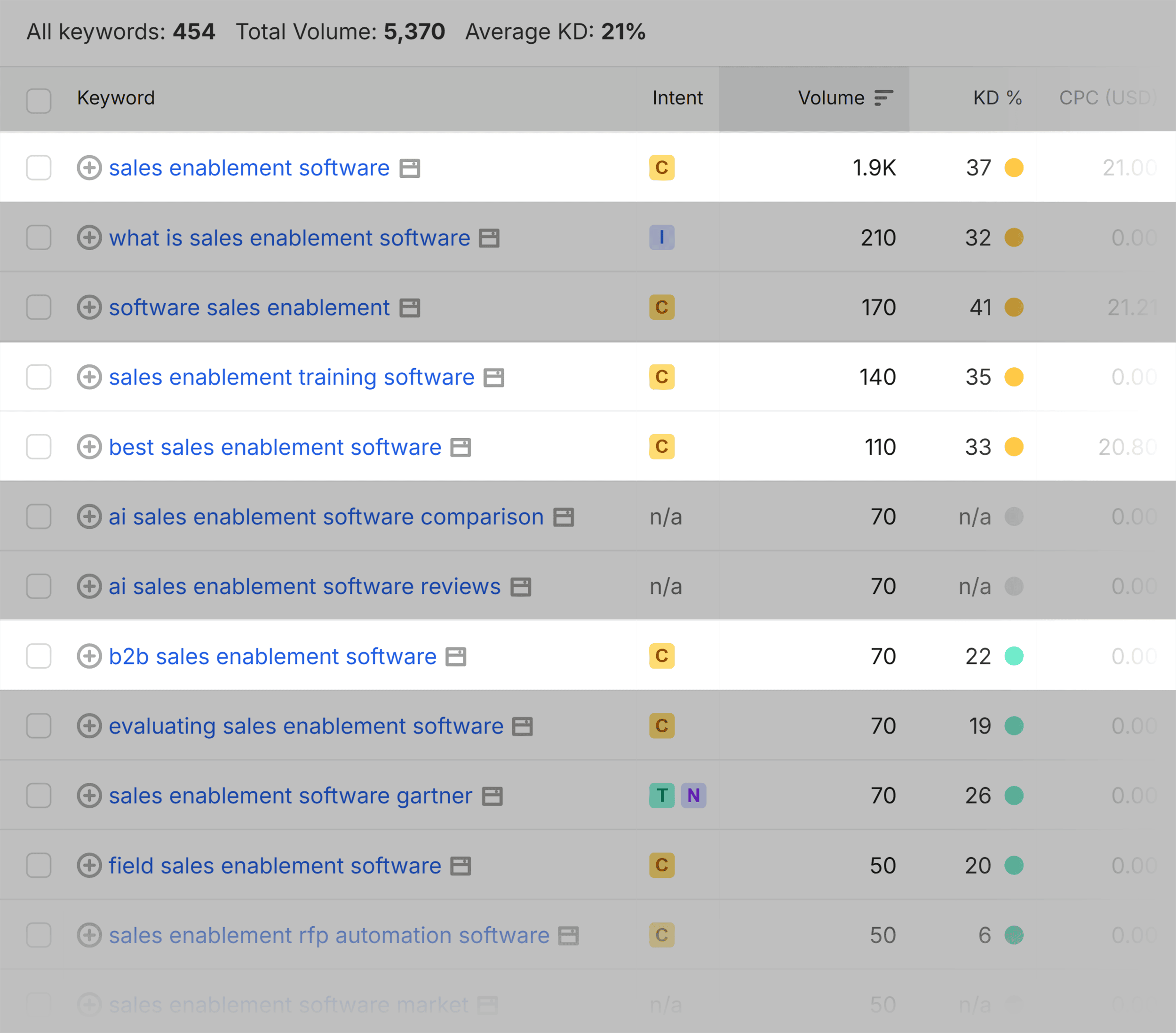
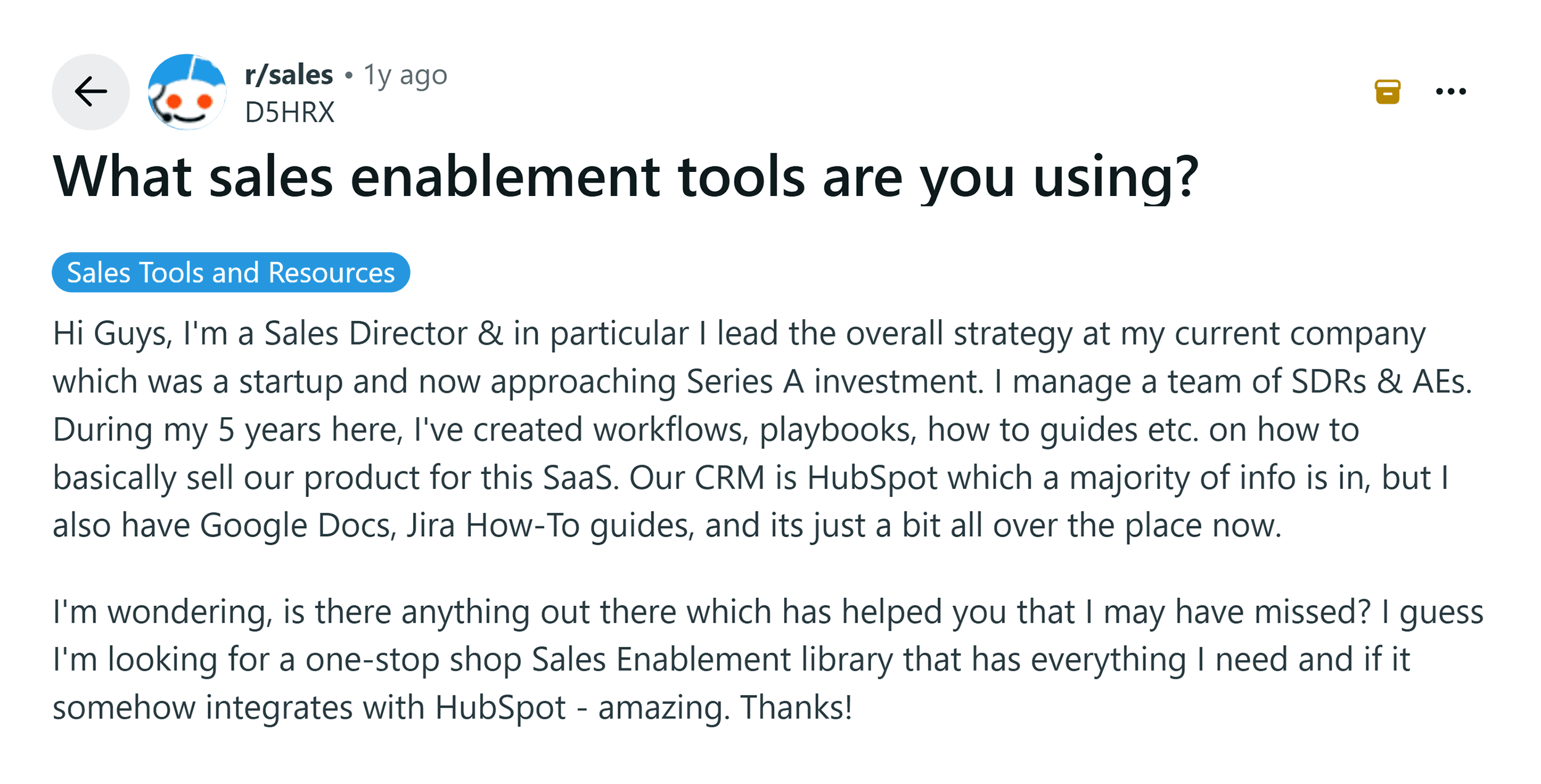
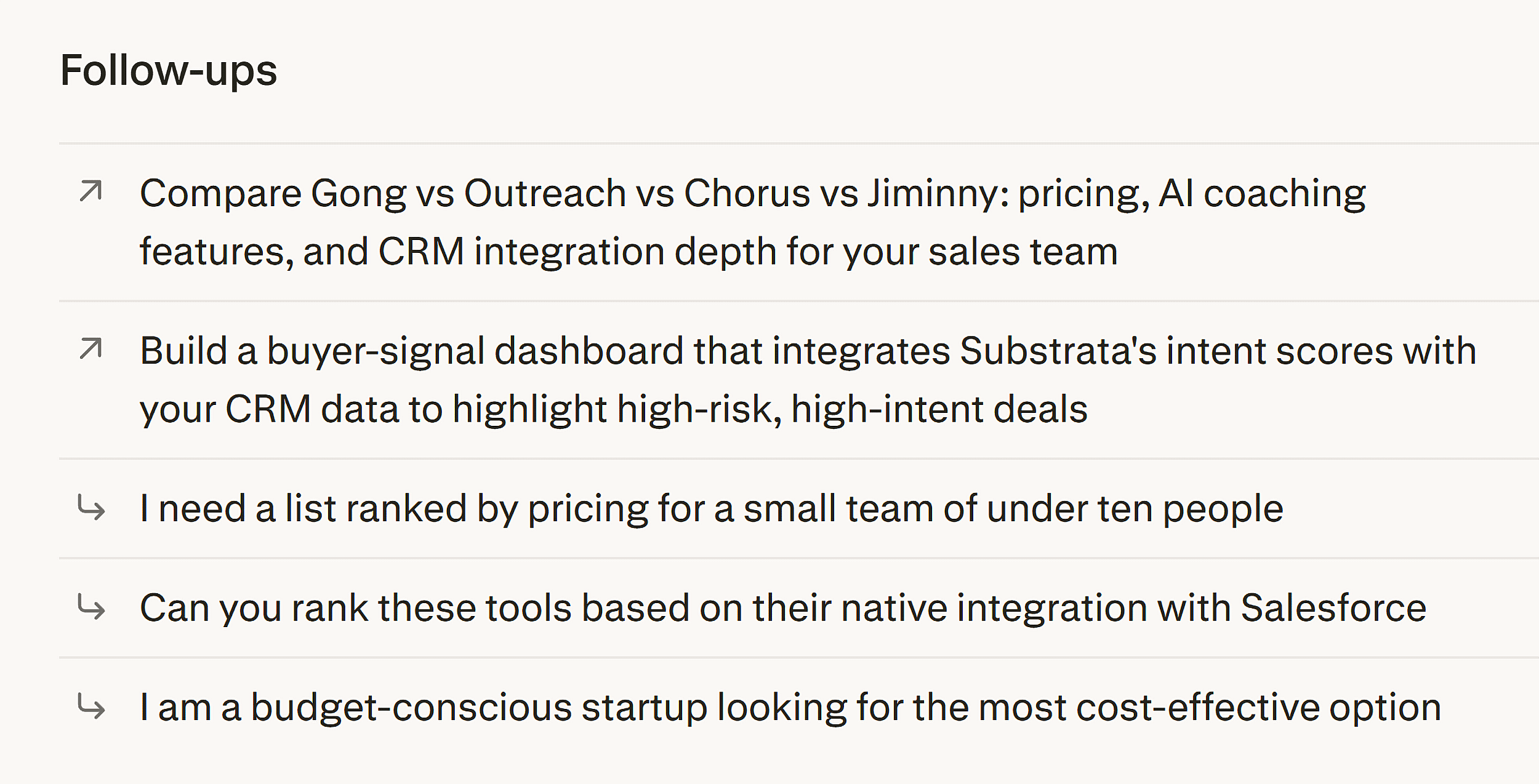
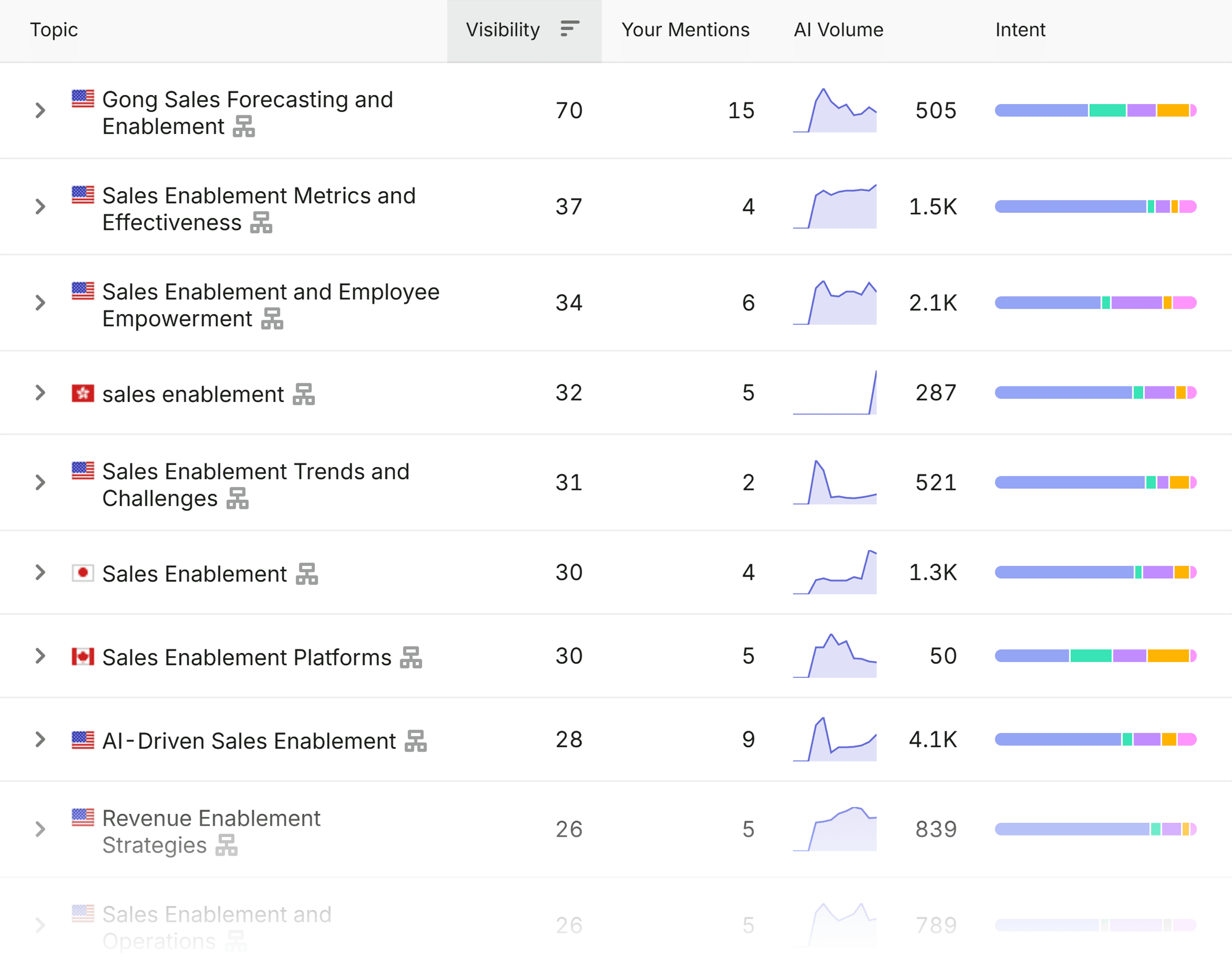
Marketers can source these prompts by analyzing commercial and transactional keyword intent data through platforms like Semrush, mining community discussions on Reddit to capture authentic buyer phrasing, and evaluating follow-up suggestions generated dynamically by conversational search engines.
Step-by-Step Implementation for Brands and Agencies
Implementing a prompt tracking workflow does not immediately require enterprise-level software; many organizations begin with a simple spreadsheet and a disciplined weekly routine.
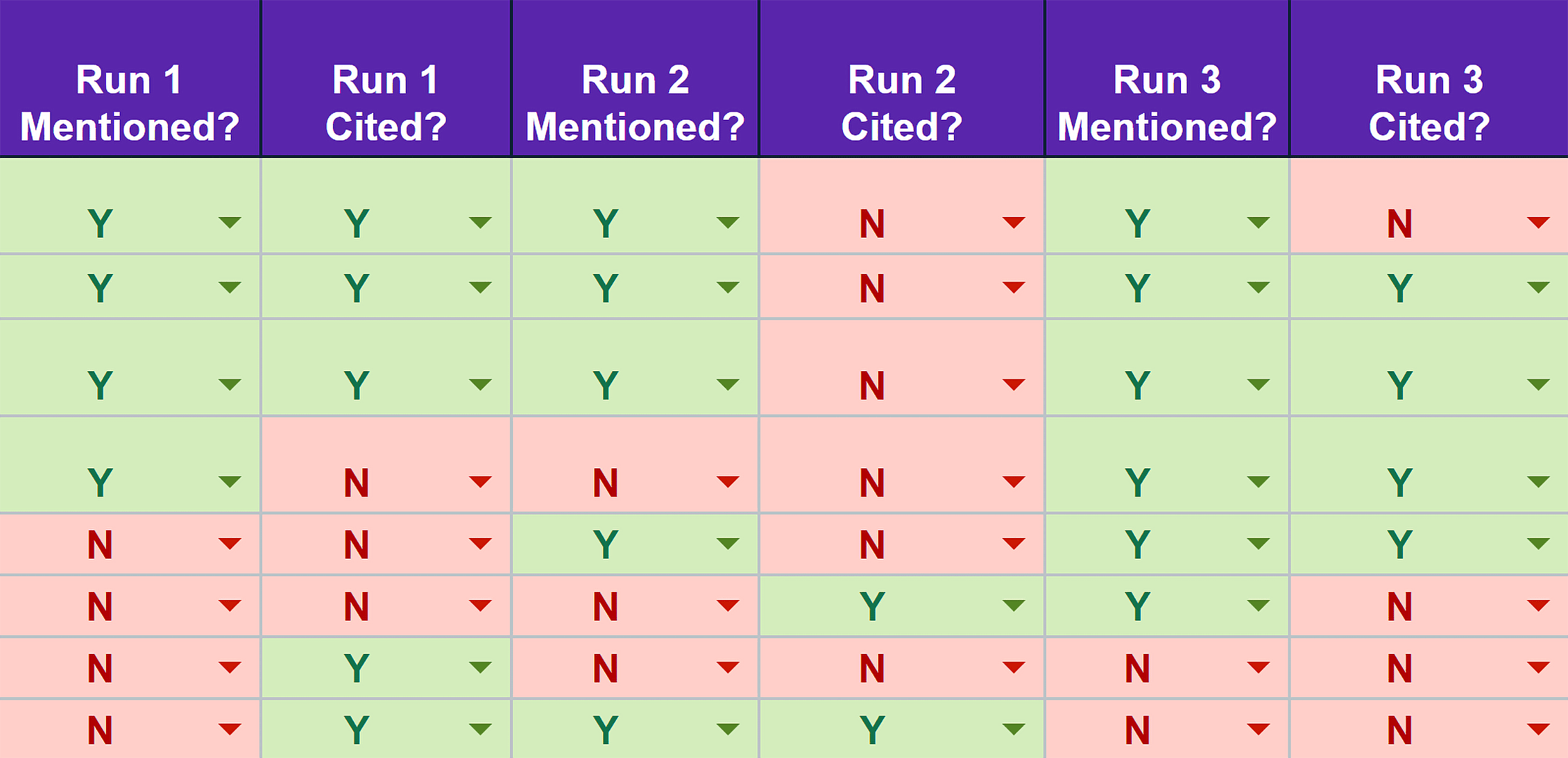
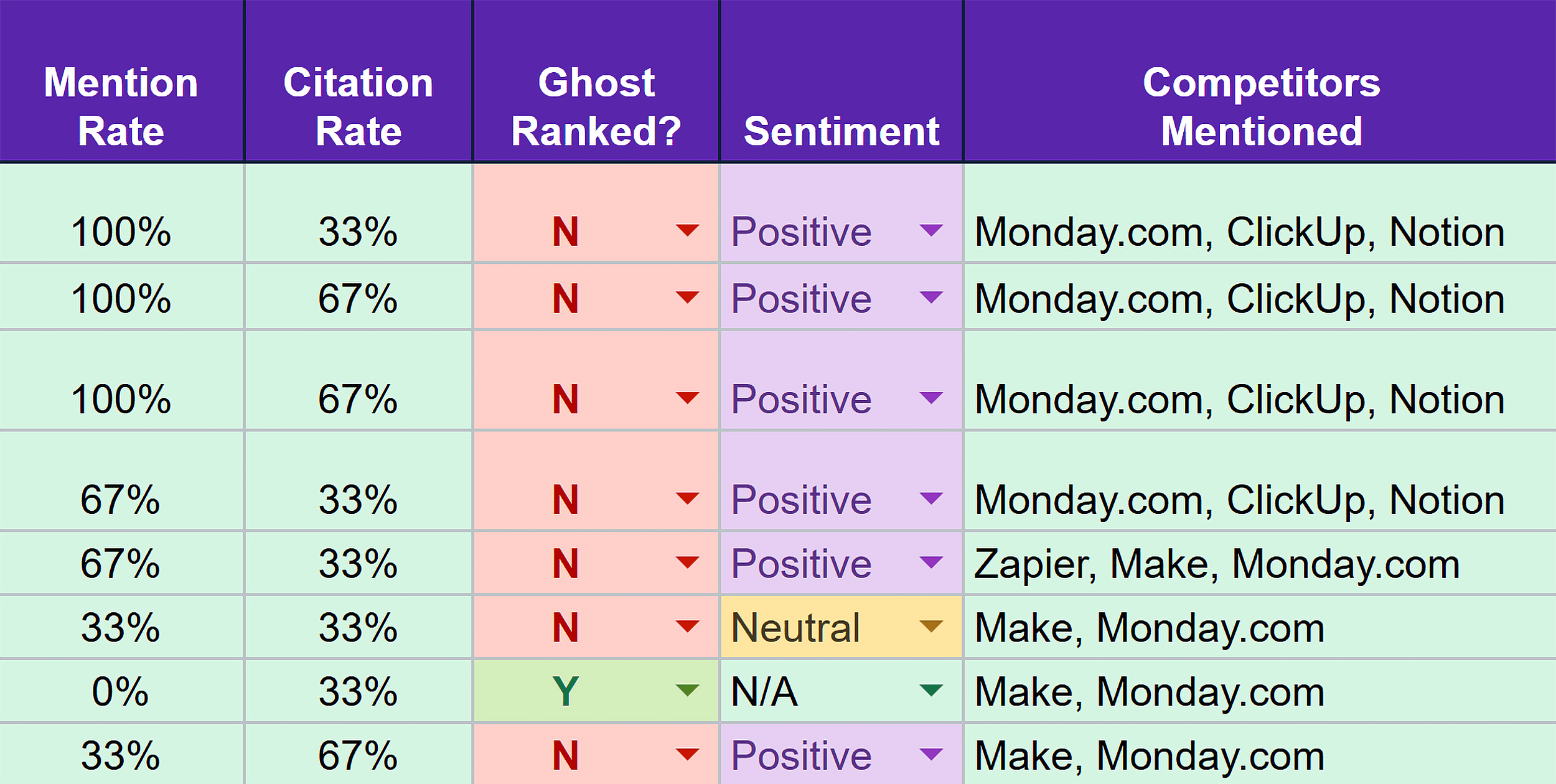
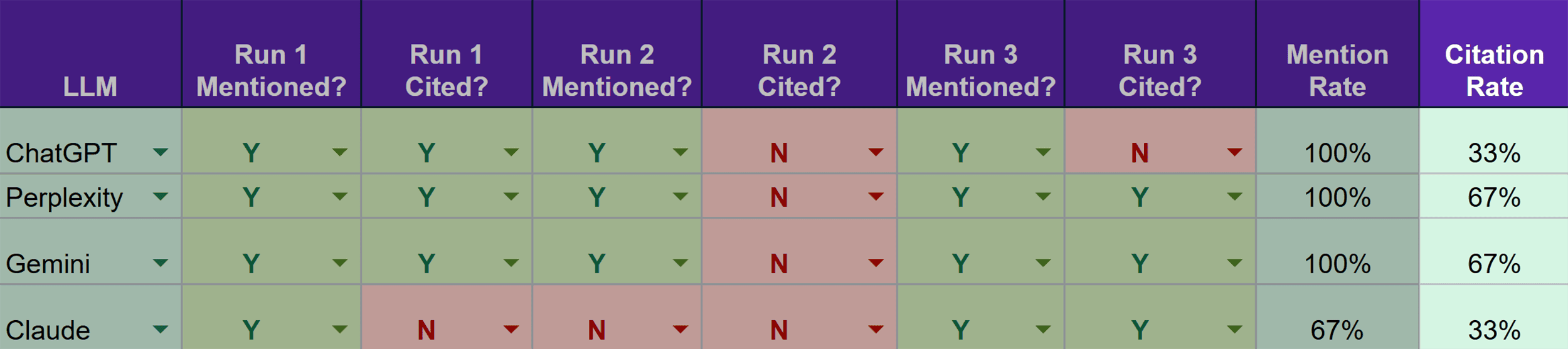
First, establish a tracking document to log specific prompts, target LLMs (such as ChatGPT, Claude, Gemini, and Microsoft Copilot), date stamps, brand mention status, sentiment, and competitor inclusions. Because AI outputs vary naturally from run to run, conducting multiple runs per session provides a more statistically reliable baseline, helping teams calculate precise citation and mention rates over time.
Second, monitor competitor performance alongside your own. Noting which rivals consistently dominate specific product categories offers critical insight into competitor content strategies, public relations successes, or third-party review acquisition efforts.
Finally, experts recommend a cadence of weekly tracking coupled with monthly analysis. Because single-week dips in visibility often stem from temporary algorithmic adjustments or natural answer variability, decision-makers should wait for persistent trends lasting four consecutive weeks before modifying content strategies or launching corrective campaigns.
Reading the Data and Avoiding Common Misreads
Interpreting LLM prompt tracking requires patience and an understanding of inherent algorithmic biases. Studies on LLM behavior reveal that models frequently favor established global brands over local alternatives due to training data weighting, meaning temporary invisibility can stem from platform defaults rather than content deficiencies.
When analyzing data trends, marketing teams should watch for three primary signals:
- Frequency Shifts: Consistent upward trends indicate successful content and off-site visibility campaigns, while prolonged drops signal stale resources or aggressive competitor gains.
- Consistent Source Inclusion: Because roughly 85% of brand mentions in LLMs originate from third-party websites (such as industry publications, review platforms, and forum threads), identifying which external domains models repeatedly cite highlights the most effective channels for public relations and pitching efforts.
- Ghost Ranking: A scenario where a brand’s content appears in the AI platform’s citation panel, yet the model recommends a competitor in the primary response text. Addressing ghost rankings typically requires updating proprietary site content and improving profiles on trusted third-party review sites.
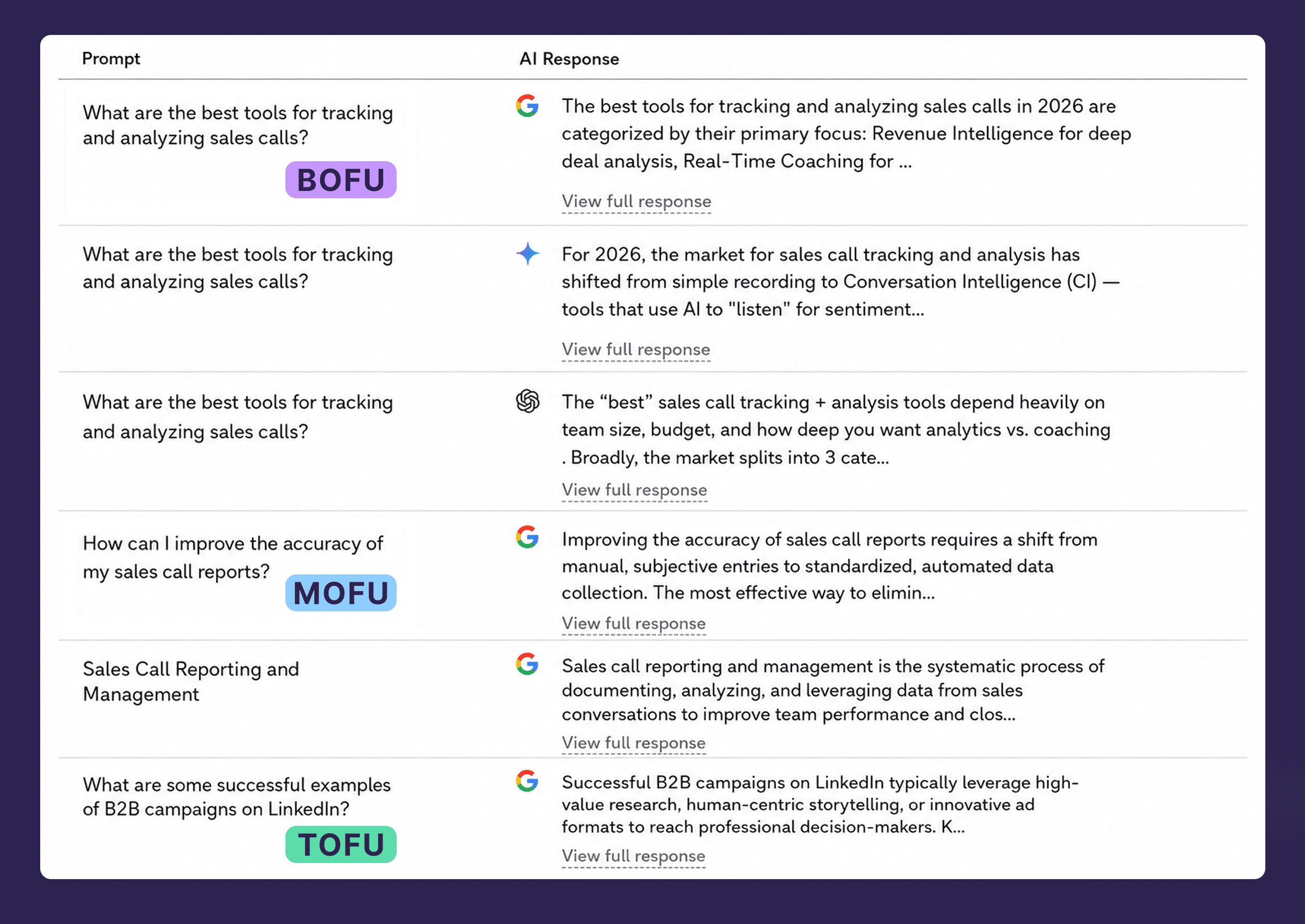
Conversely, analysts warn against common misreads, such as reacting to single-week volatility, evaluating success using overly broad top-of-funnel prompts that only yield definitions rather than brand recommendations, or tracking an excess of branded queries that artificially inflate visibility scores without providing actionable insight.
Implications for the Future of Digital Marketing
As artificial intelligence continues to reshape the digital discovery landscape, prompt tracking has evolved from an experimental tactic into a vital component of modern marketing operations. By shifting focus from static search rankings to dynamic, multi-platform conversational visibility, brands can future-proof their digital presence, ensure accurate representation in automated buying discussions, and secure a competitive advantage in the burgeoning Answer Economy.