Navigating the Modern Digital Landscape: The Strategic Imperative of Combining Organic and Paid Social Media


The modern digital marketing ecosystem has evolved into a high-stakes arena where brands are constantly forced to balance the scales between unpaid community building and aggressive financial investment. As social media platforms continue to mature into dominant economic pillars, industry analysts project that United States social media advertising spending will surge by 15.6 percent to reach $124.88 billion, with global figures anticipated to scale up to $338.75 billion. This staggering influx of capital underscores a fundamental shift in how corporations approach consumer engagement, yet it simultaneously highlights the enduring resilience and necessity of organic social media strategies. To maintain a competitive edge, modern enterprises can no longer afford to treat organic and paid social media as isolated silos. Instead, a symbiotic integration of both methodologies has become the gold standard for sustainable brand growth, customer acquisition, and long-term loyalty.

Understanding the Mechanics of Organic Social Media
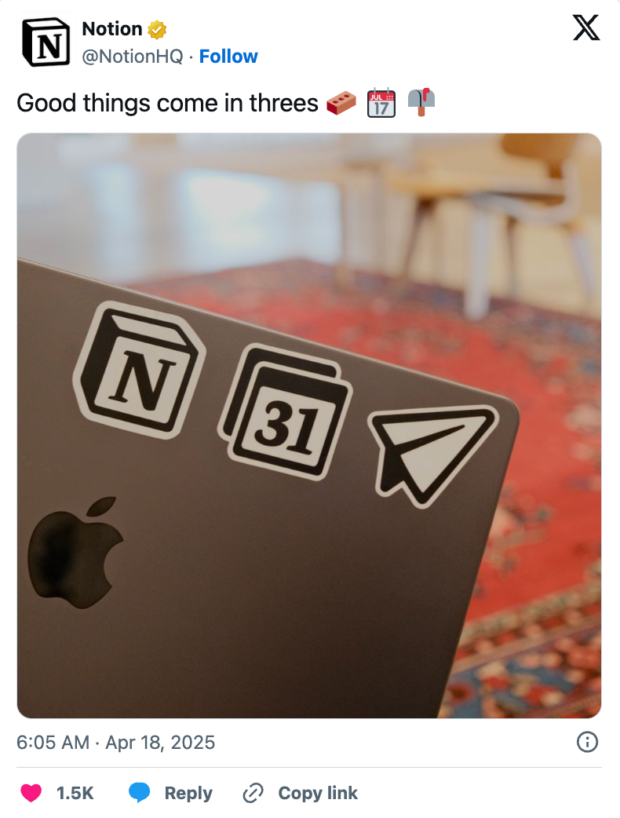
At its core, organic social media encompasses all unpaid content shared by individuals or brands to foster genuine connections with their target audience. This category includes everything from standard feed updates and community replies to ephemeral stories, short-form video content like Reels and TikToks, and long-form video publications on platforms such as YouTube. Unlike paid media, organic content operates entirely at the mercy of platform algorithms and consumer inclination. Its primary purpose is not to execute a hard sell, but rather to establish a distinct brand voice, showcase company values, and cultivate authentic relationships over time.

Industry experts frequently emphasize the irreplaceable value of this approach. Peter Murphy Lewis, Fractional CMO at Strategic Pete, describes organic channels as the sandbox where a brand’s unique identity truly takes shape. "Organic is where your voice, values, and vibe come through," Lewis notes. "It’s where your audience says, ‘I like how this brand thinks.’ It creates that layer of trust." Similarly, Brian Futral, Founder and Head of Content at The Marketing Heaven, points out the compounding psychological effect of consistent, non-promotional visibility. "When audiences see a brand consistently showing up on their terms, with a real voice, and without an aggressive CTA, it builds something money can’t buy: emotional residue," Futral explains.
Despite these profound relationship-building benefits, organic social media is inherently limited by significant structural hurdles. Chief among these is the painstaking timeline required to scale. Because platform algorithms inherently prioritize monetization and paid placements, organic posts typically reach only a fraction of an existing follower base. Achieving meaningful momentum through organic efforts alone demands relentless consistency, regular trial and error, and a high tolerance for slow, incremental growth.

The Rise and Reach of Paid Social Advertising
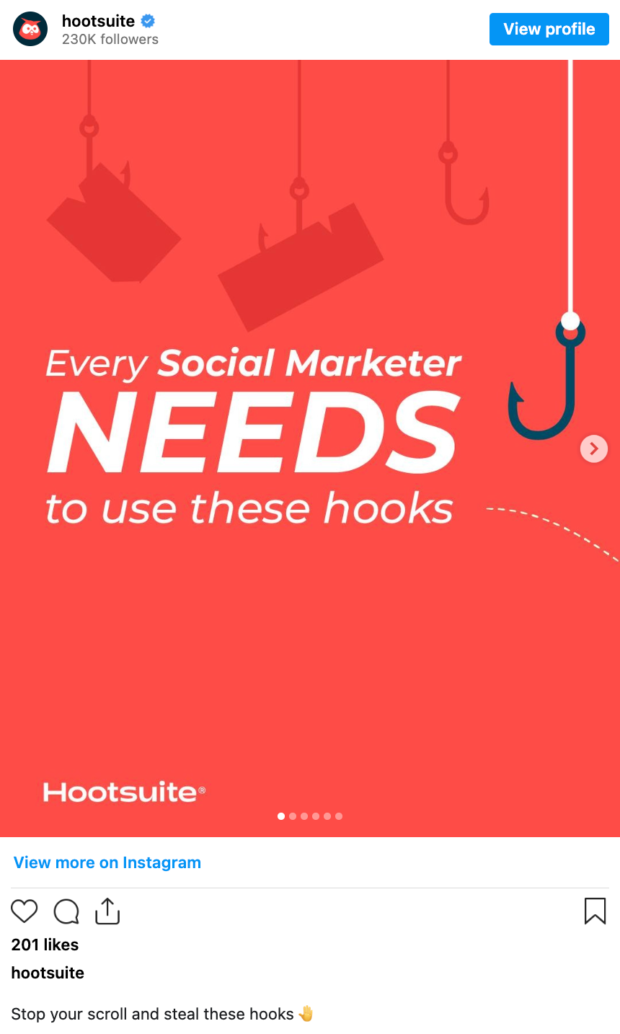
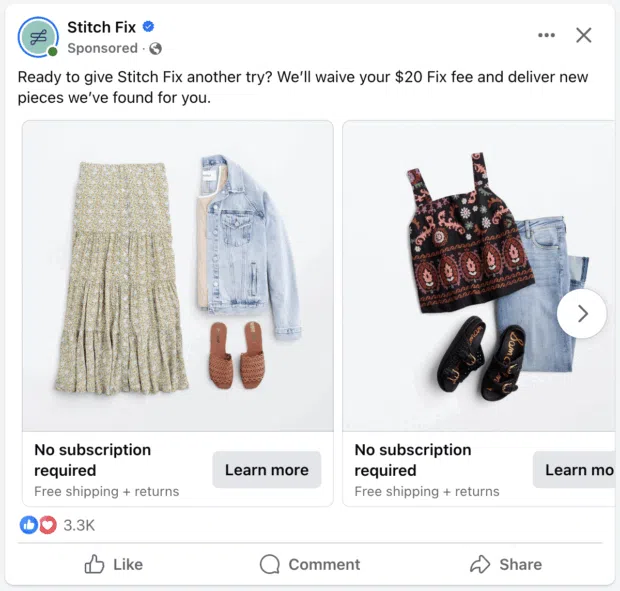
In stark contrast to the organic grind, paid social media offers a direct, accelerated pathway to visibility and conversion. Paid social involves any content that an entity financially sponsors to ensure distribution, ranging from boosted posts and targeted feed advertisements to sponsored stories and formal influencer partnerships. By bypassing the traditional algorithmic lottery, brands can dictate their exact spending limits, define specific audience parameters, and dictate the frequency with which their messaging appears.
The primary advantage of paid social media lies in its surgical precision and immediate scalability. Advanced targeting capabilities allow marketing teams to segment audiences by granular demographic data, geographic location, behavioral patterns, and purchase history. Shanté Gorman, Founder of Sugarpunch Marketing, highlights the sheer utility of these targeting features. "For example, we could reach 35-year-old dog owners in Seattle who like camping and have recently bought outdoor gear," Gorman explains. "This level of precision helps ensure you’re not wasting resources on people who aren’t interested in what you offer."
Furthermore, paid campaigns provide clear, quantifiable return on investment (ROI). Because performance metrics are tracked in real-time through dedicated dashboards such as Meta Business Suite, X Ads Manager, and TikTok Ads Manager, organizations can precisely calculate their cost per click, cost per acquisition, and overall revenue generated. However, this approach is not without its vulnerabilities. Paid social media can become prohibitively expensive if not continuously monitored and optimized. Moreover, audiences are increasingly suffering from ad fatigue. The oversaturation of sponsored content has conditioned users to instinctively tune out posts bearing the dreaded "sponsored" label, making creative agility and constant refreshes mandatory to sustain campaign effectiveness.
Comparative Analysis: Organic Versus Paid
Evaluating the efficacy of organic versus paid social media requires analyzing distinct operational categories, each serving a unique function within the broader marketing funnel.

When examining core objectives, organic social media is explicitly designed for building long-term trust, sparking community engagement, and showcasing brand personality. Paid social media, meanwhile, is engineered to drive immediate brand awareness, capture website traffic, generate high-intent leads, and secure direct conversions. While organic reach is restricted and heavily dependent on algorithmic favor, paid reach scales linearly with financial investment.
Regarding timelines and content lifespan, organic content acts as a long-term asset that can continue earning engagement and discovery weeks or months after its initial publication. Conversely, paid content is strictly tethered to the duration of the active campaign and the exhaustion of its allocated budget. Ultimately, successful modern enterprises recognize that these two forces are not mutually exclusive competitors, but rather complementary gears within a comprehensive marketing machine.
The Six-Step Blueprint for a Hybrid Social Strategy
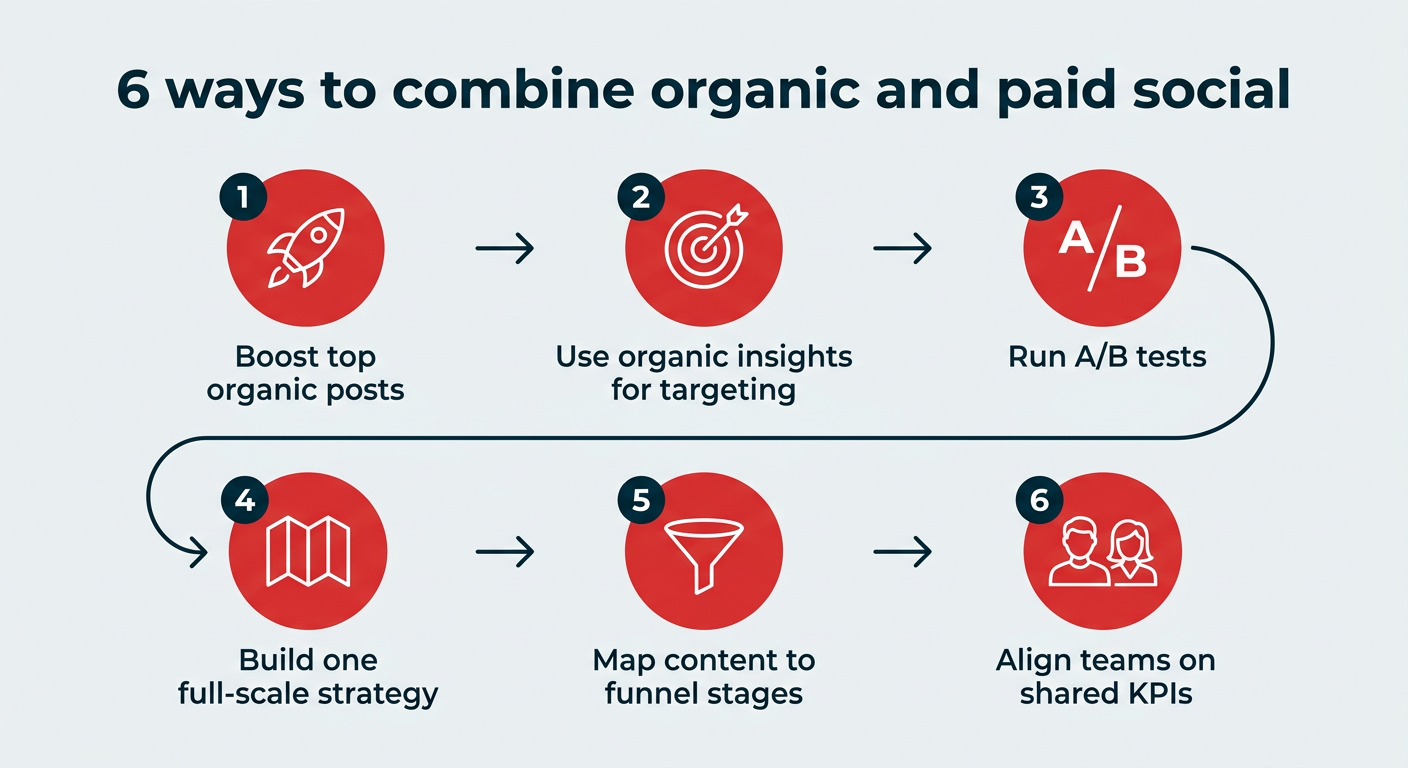
To maximize the strengths of both methodologies while mitigating their individual weaknesses, leading marketing professionals advocate for a unified, hybrid approach. Implementing this integrated strategy relies on six core operational best practices:
-
Boost Top-Performing Organic Posts: One of the lowest-risk entry points for paid advertising is identifying content that has already proven its resonance organically and applying a financial boost. This guarantees that the messaging has already passed a natural market test, minimizing the guesswork inherent in developing standalone ad campaigns.
-
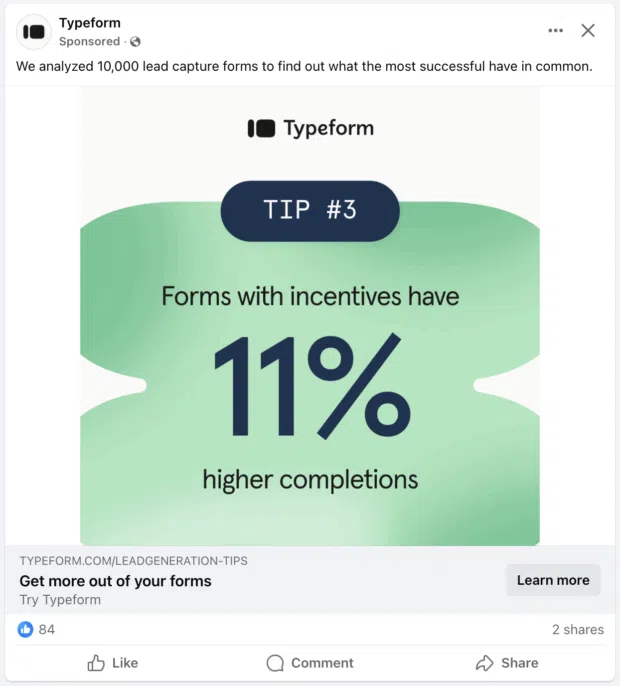
Utilize Organic Insights to Inform Paid Targeting: Organic channels serve as a cost-effective testing ground for new creative concepts, messaging angles, and content formats. If a specific video style or thematic approach gains traction organically, it provides a validated blueprint for subsequent paid ad deployments.
-
Execute Rigorous A/B Testing: Before allocating substantial financial resources to a campaign, brands should test variations of ad creative, copywriting, and visual assets against smaller audience subsets. UTM parameters can similarly be leveraged on organic posts to track micro-conversions and refine messaging strategies.
-
Formulate a Unified Enterprise Strategy: Organic and paid teams must operate under a singular strategic vision. While paid tactics drive immediate transactional outcomes, organic efforts cultivate the underlying brand loyalty that makes those transactions possible.
-
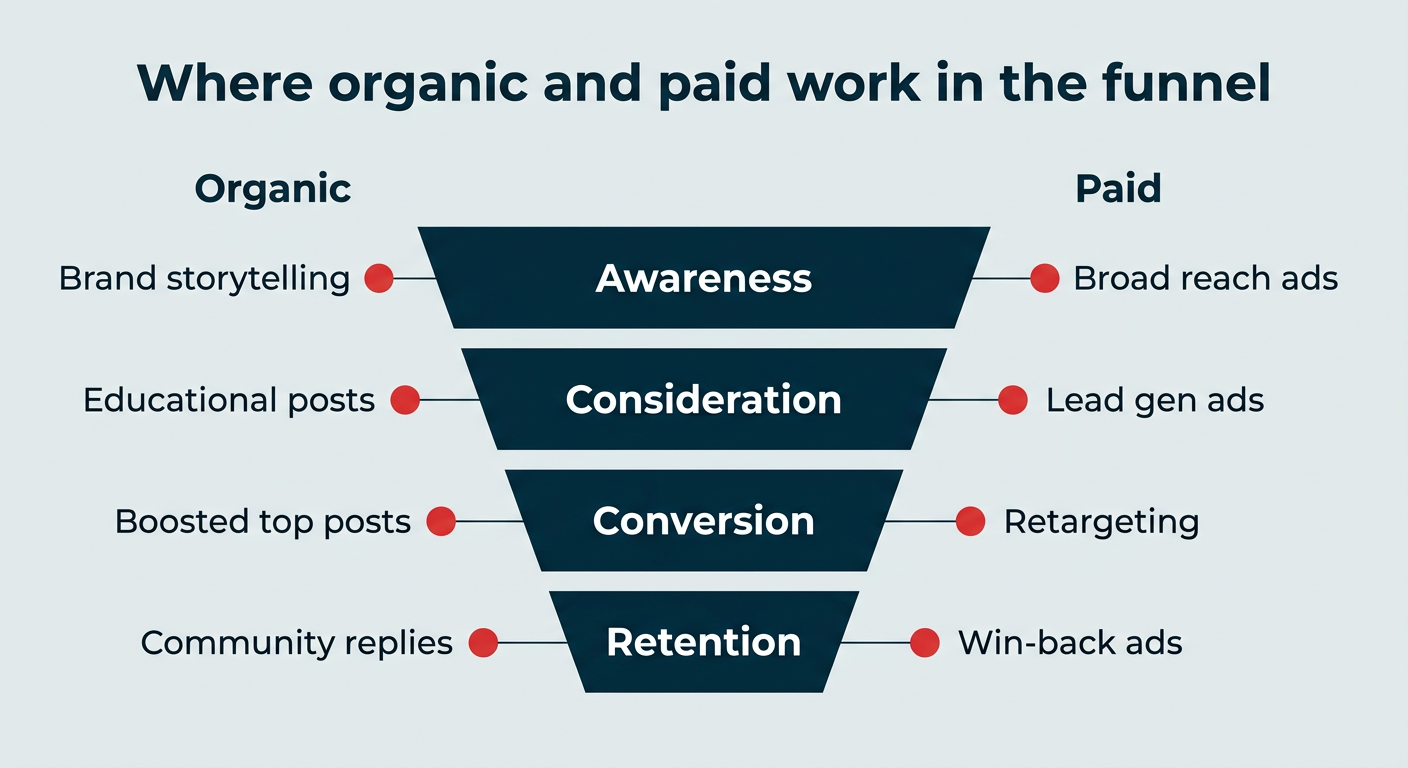
Map Content to the Marketing Funnel: Content distribution should strictly align with consumer intent. Organic social media excels at the top and middle of the funnel by building broad awareness and fostering consideration, whereas paid social media delivers its highest yield at the bottom of the funnel through aggressive retargeting and conversion optimization.
-
Align Teams on Shared Key Performance Indicators (KPIs): Siloed departments often report conflicting metrics, leading to misaligned optimizations. Establishing shared KPIs—such as blended cost per acquisition, total social-attributed revenue, and cross-channel engagement rates—ensures that both organic and paid efforts work harmoniously toward identical business objectives.
Advanced Management and Measurement
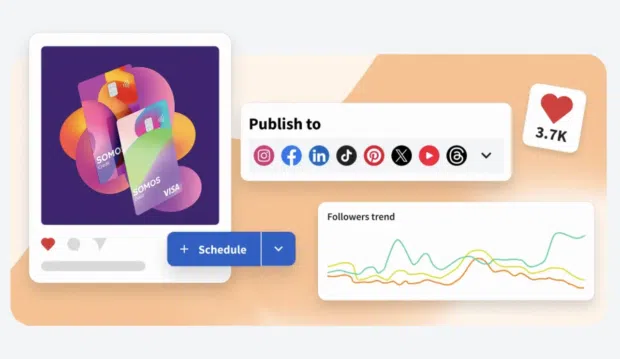
As digital platforms continue to proliferate, managing integrated social media strategies across multiple networks can quickly overwhelm marketing departments. Modern enterprises increasingly rely on centralized operating systems and advanced software solutions, such as Perch by Hootsuite, to streamline these workflows. By consolidating organic publishing calendars, paid advertising dashboards, and cross-channel analytics into a single interface, marketing teams can eliminate administrative friction and act decisively on real-time data.
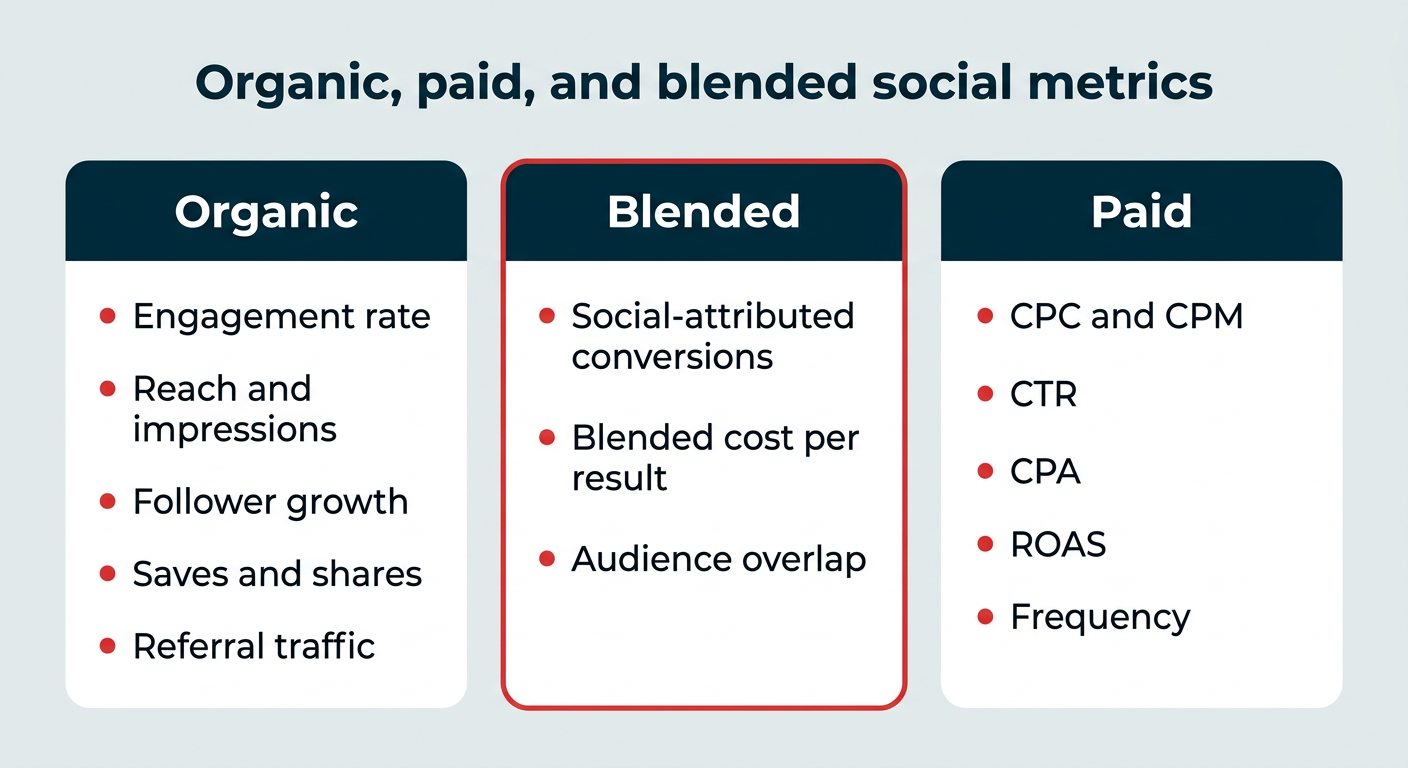
Blended analytics represent the pinnacle of modern social media measurement. By evaluating organic and paid performance side-by-side over identical date ranges and tying them directly to revenue outcomes, organizations can uncover invaluable patterns. This holistic visibility allows businesses to identify the exact organic posts quietly driving the cheapest conversions, or pinpoint the precise paid campaigns that successfully expanded market reach without eroding brand authenticity.
Ultimately, the debate between organic and paid social media is a false dichotomy. Sustainable market leadership requires a nuanced appreciation of both disciplines. By utilizing organic social media to lay a foundation of trust and discover what genuinely resonates with consumers, and subsequently deploying paid social media to scale proven concepts with precision and speed, organizations can build a resilient, future-proof digital presence capable of withstanding the complexities of the modern media landscape.