RØDE Capture for Android brings professional audio and video production to the mobile platform

Following its successful debut on the iOS platform in 2023, RØDE has officially expanded the reach of its proprietary mobile application, RØDE Capture, to the Android ecosystem. Announced on November 10, the application is designed to serve as a comprehensive, all-in-one hub for mobile content creators, effectively bridging the gap between professional-grade audio hardware and smartphone cinematography. By integrating granular microphone configuration with advanced camera controls, the software eliminates the need for creators to switch between disparate recording interfaces, a common friction point in mobile production workflows.
The Evolution of RØDE Capture: A Chronology
The release of the Android version marks a significant milestone in RØDE’s strategic shift toward software-defined hardware. When the application first launched for iPhone users in 2023, it was positioned as a solution to the "receiver bottleneck"—a situation where mobile shooters were forced to physically attach cumbersome wireless receivers to their phones to achieve high-fidelity audio.
Throughout 2024, industry analysts observed an increasing trend in "mobile-first" journalism and content creation, where high-quality production values are expected despite the lack of traditional broadcast equipment. RØDE’s internal data indicated that a significant portion of its professional user base had migrated to Android devices, leading to intense demand for a parity release. The November 10 announcement reflects a commitment to this cross-platform consistency, ensuring that the feature set available to Apple users—specifically those regarding wireless signal processing—is now accessible to the broader Android community.
Technical Integration and Direct Connect Technology
The cornerstone of the RØDE Capture app is the "Direct Connect" feature, a proprietary technology that allows specific RØDE wireless transmitters to pair directly with a smartphone without the requirement of an external receiver. This capability is compatible with the Wireless Micro, Wireless GO (3rd Gen), and Wireless PRO systems.
From an engineering perspective, this represents a major departure from the standard Bluetooth or wired audio protocols utilized by third-party camera applications. By bypassing the physical receiver, creators can maintain a "low-profile" rig, which is essential for street interviews, vox pops, and fast-paced documentary work where the setup time can lead to missed opportunities. While other Android camera applications can ingest audio from these devices, they generally require the full receiver-to-transmitter chain, adding weight, cable clutter, and power consumption issues. RØDE Capture is currently the only application on the Android platform that facilitates this direct handshake, positioning it as a disruptive force in the mobile accessories market.
Comprehensive Audio and Video Control
The architecture of RØDE Capture is built around a "single-pane" philosophy. At the top of the interface, users are presented with a real-time audio meter. A single tap expands this into a full control panel where gain levels, noise reduction, and high-pass filtering can be managed. The app intelligently detects the connected microphone, adjusting the available toolset accordingly. For instance, if a user connects a RØDE Wireless PRO, the app unlocks specific options for merged or split-channel recording, allowing for easier post-production editing.
The video side of the application is equally robust. It provides manual control over essential parameters such as resolution, frame rate, and aspect ratio, subject to the hardware capabilities of the specific Android device in use. The inclusion of a "pause and resume" function, which compiles multiple takes into a single file, mimics the workflow of professional broadcast tape machines, significantly reducing the overhead of file management after a shoot.
The Dual-Camera Paradigm
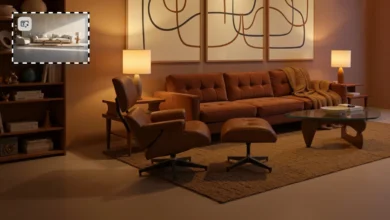
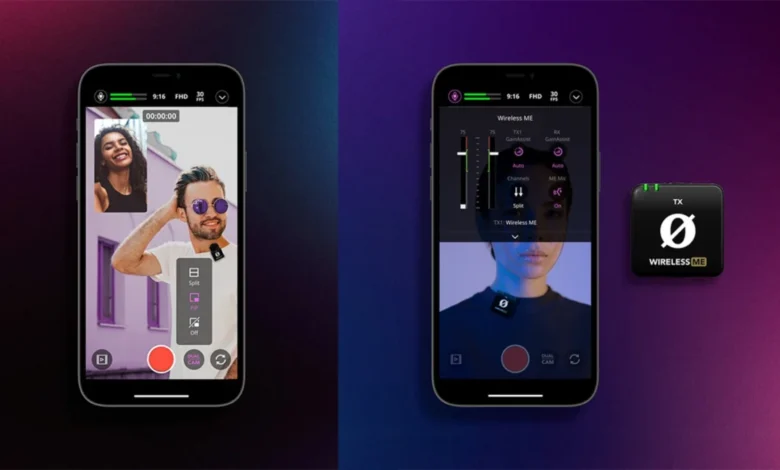
A notable feature of the RØDE Capture app is its advanced dual-camera mode. In an era dominated by platforms like TikTok and Instagram, where dual-angle footage is increasingly popular for reaction videos, tutorials, and interviews, RØDE has implemented a system that allows simultaneous recording from the front and rear cameras.
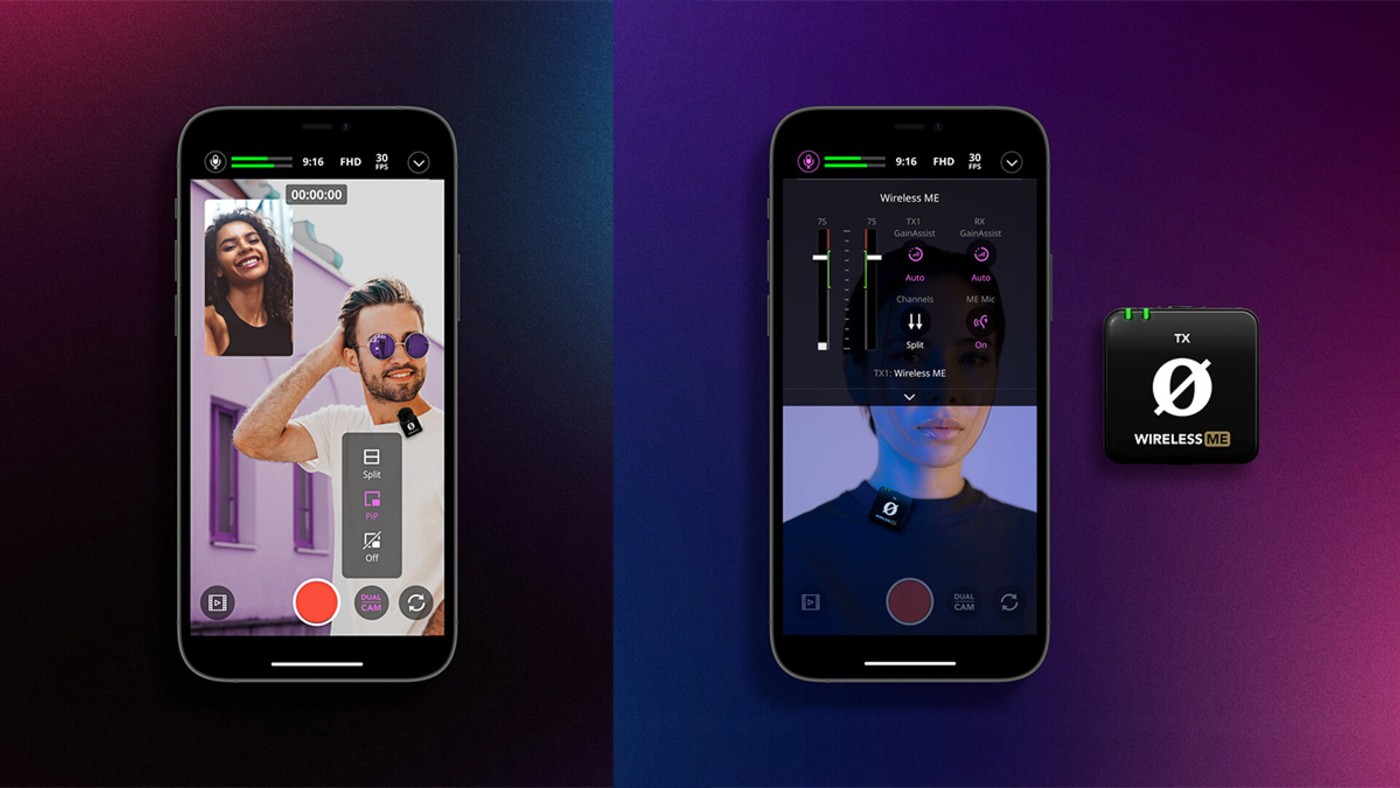
This functionality supports both split-screen and picture-in-picture configurations, adjustable in either portrait or landscape orientation. When paired with the RØDE Wireless ME, this setup allows for a sophisticated audio-visual experience where the subject in front of the camera and the person behind it can both be recorded with discrete audio channels. This capability is particularly relevant for educational content, where a presenter needs to demonstrate a physical task with the rear camera while maintaining engagement via the selfie camera.
NDI Connectivity and Professional Streaming
Expanding its utility beyond simple video recording, RØDE Capture includes support for NDI (Network Device Interface) connectivity. This allows the Android phone to function as a professional-grade video source for the RØDECaster Video, RØDECaster Video S, or RØDECaster Video Core.
This implementation is significant for small-scale production houses and independent streamers who operate on tight budgets. By transforming a smartphone into a secondary camera source over a local network, the app effectively provides a "free" B-cam. This professional-grade integration into the wider RØDE ecosystem suggests that the company is aiming to dominate the "hybrid-production" space, where traditional studio hardware and mobile devices intersect to create a cohesive, broadcast-ready signal.
Market Implications and Analysis
The release of RØDE Capture for Android arrives at a time when the smartphone camera sensor market is reaching a point of diminishing returns in terms of pure resolution. As such, the industry focus has shifted toward software optimization and workflow efficiency. By providing a professional-grade application for free, RØDE is not merely selling hardware; it is cultivating a brand ecosystem.
From a competitive standpoint, the app places pressure on developers of manual camera software. Most third-party camera apps charge a premium for "pro" features like frame rate locking or bitrate control. RØDE’s decision to offer these features for free—even to users who do not own RØDE hardware—serves as a powerful marketing funnel. It lowers the barrier to entry for novice creators while simultaneously providing a refined tool for professionals who already rely on RØDE microphones.
Industry experts note that this move also addresses a long-standing complaint regarding Android’s fragmentation. Historically, Android’s audio-video synchronization has been inconsistent across different manufacturers (e.g., Samsung, Google, Xiaomi). By building a proprietary interface that handles signal processing directly, RØDE is essentially "normalizing" the user experience across the Android platform, providing a consistent baseline for quality that is often lacking in native camera apps.
Future Outlook and User Accessibility
The application is currently available as a free download via the Google Play Store, with the iOS version remaining available on the Apple App Store. As of November 2024, initial feedback from the creator community has focused on the app’s stability and the ease of the Direct Connect feature.
Looking forward, the integration of NDI and the focus on dual-camera workflows suggest that RØDE will likely continue to update the software with additional features, such as advanced LUT (Look-Up Table) support or deeper integration with cloud-based storage solutions. For now, the introduction of RØDE Capture to Android represents a significant democratization of production tools, enabling creators to achieve professional outcomes without the need for a dedicated production crew or heavy, specialized hardware.
The strategy is clear: by removing technical obstacles—such as the need for external receivers and the difficulty of syncing multiple audio sources—RØDE is positioning itself as the central nervous system of the mobile creator’s toolkit. Whether for a journalist in the field, a student filmmaker, or a social media creator, the software offers a sophisticated, streamlined path from conception to capture, further cementing the smartphone’s role as a primary tool in modern video production.