Musso E80 Muse Review: A Paradigm Shift in Ergonomic Seating Designed Specifically for Smaller Frames and Female Professionals

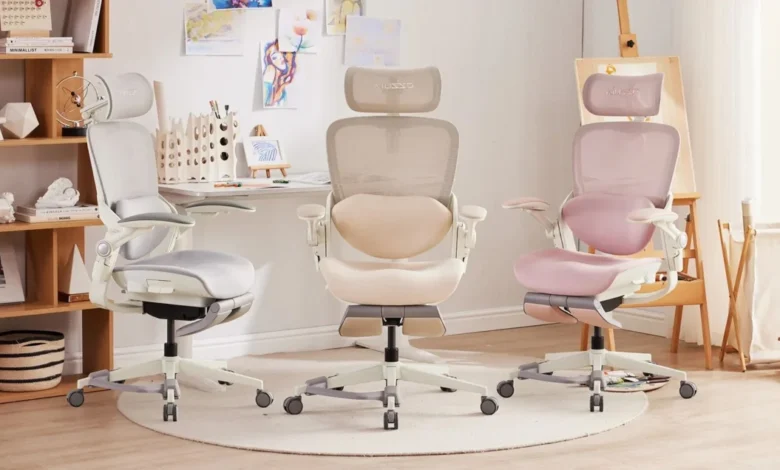
The modern workspace has long been defined by a standardized approach to product design that historically overlooks the physiological diversity of the workforce. For decades, office furniture—much like pharmaceuticals, automotive safety testing, and industrial equipment—has been prototyped and evaluated primarily against male anthropometric data. This systemic oversight has left millions of office workers, particularly those of smaller stature and women, navigating daily routines in environments fundamentally misaligned with their physical dimensions. The introduction of the Musso E80 Muse represents a significant departure from this industrial norm, offering an ergonomic seating solution engineered specifically to accommodate individuals ranging from 4 feet 9 inches to 5 feet 11 inches in height. Priced at $369, the mid-range task chair directly challenges the traditional "brutalist" aesthetic and rigid architecture of mainstream ergonomic seating, introducing targeted adjustments and softer material profiles designed to alleviate chronic physical discomfort in smaller frames.
The Anthropometric Deficit in Office Furniture Design
To understand the significance of the Musso E80 Muse, one must examine the broader historical context of industrial design. Ergonomics, as a formal science, emerged during the mid-20th century, utilizing datasets largely compiled from military personnel—a demographic overwhelmingly skewed toward adult males. Although manufacturing standards have evolved, mainstream office chair manufacturers continue to anchor their dimensional baselines around the 50th percentile male. Consequently, standard ergonomic task chairs frequently feature seat pans that are too deep, backrests that position lumbar support too high, and hydraulic cylinders that cannot lower sufficiently to prevent smaller users’ legs from dangling unsupported.
Industry analysts note that while various accessories—such as footrests, seat cushions, and lumbar pillows—have traditionally served as retrofitted bandages for this structural mismatch, they fail to address the core geometry of the chair. The Musso E80 Muse approaches this systemic flaw through a bottom-up redesign of proportion. By lowering the baseline seat height, shortening the backrest, and re-engineering the lumbar architecture, the chair attempts to resolve biomechanical inefficiencies that many workers have normalized as standard occupational discomfort.
Design Evolution and Material Innovation
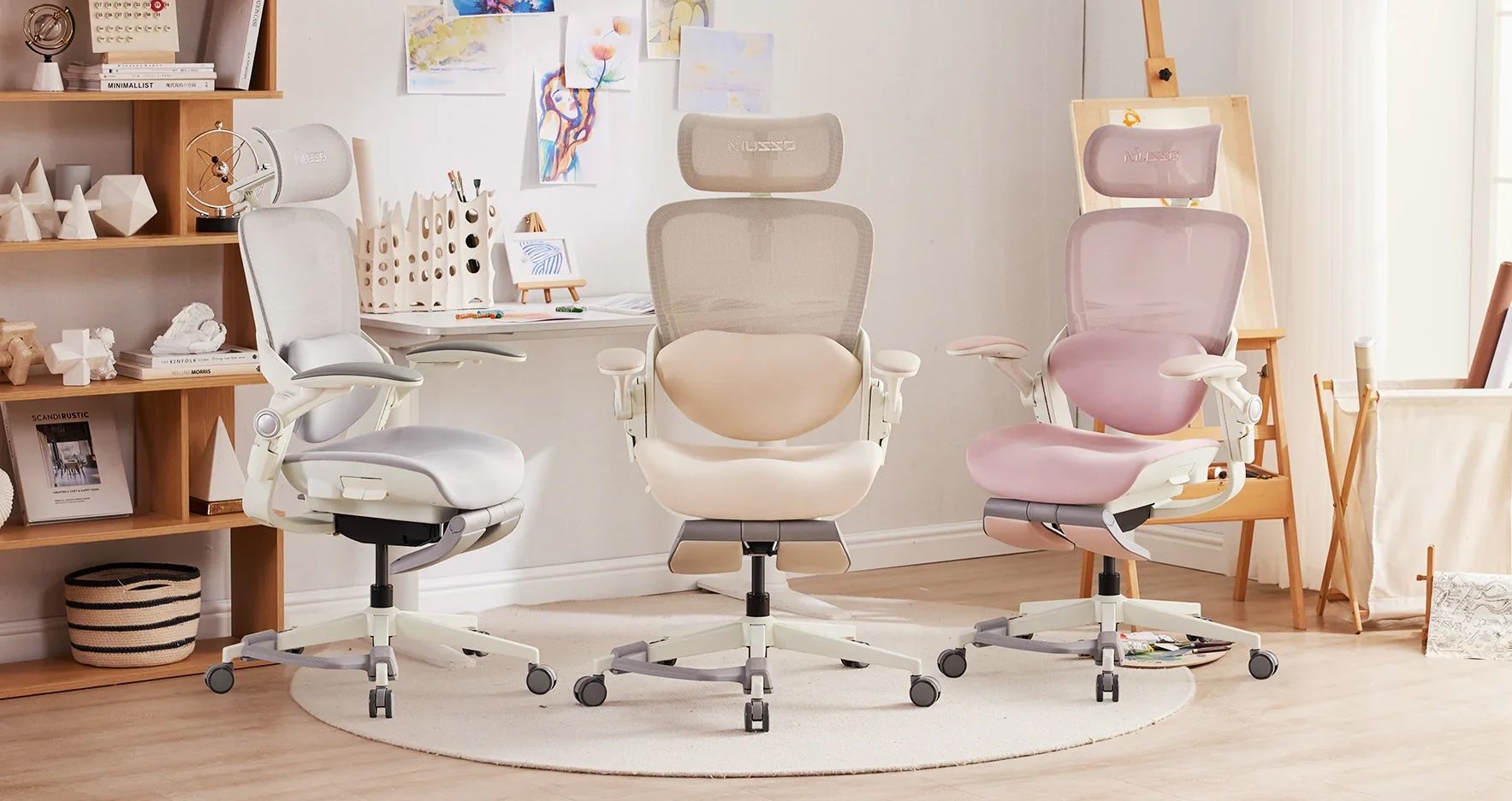
At first glance, the Musso E80 Muse departs radically from the stark black mesh and exposed nylon frame typical of corporate office furniture. Available in a curated palette of soft finishes including blush, pink, grey, and white, the chair’s visual language is tailored to blend into contemporary home offices and design-centric workspaces without sacrificing professional utility.
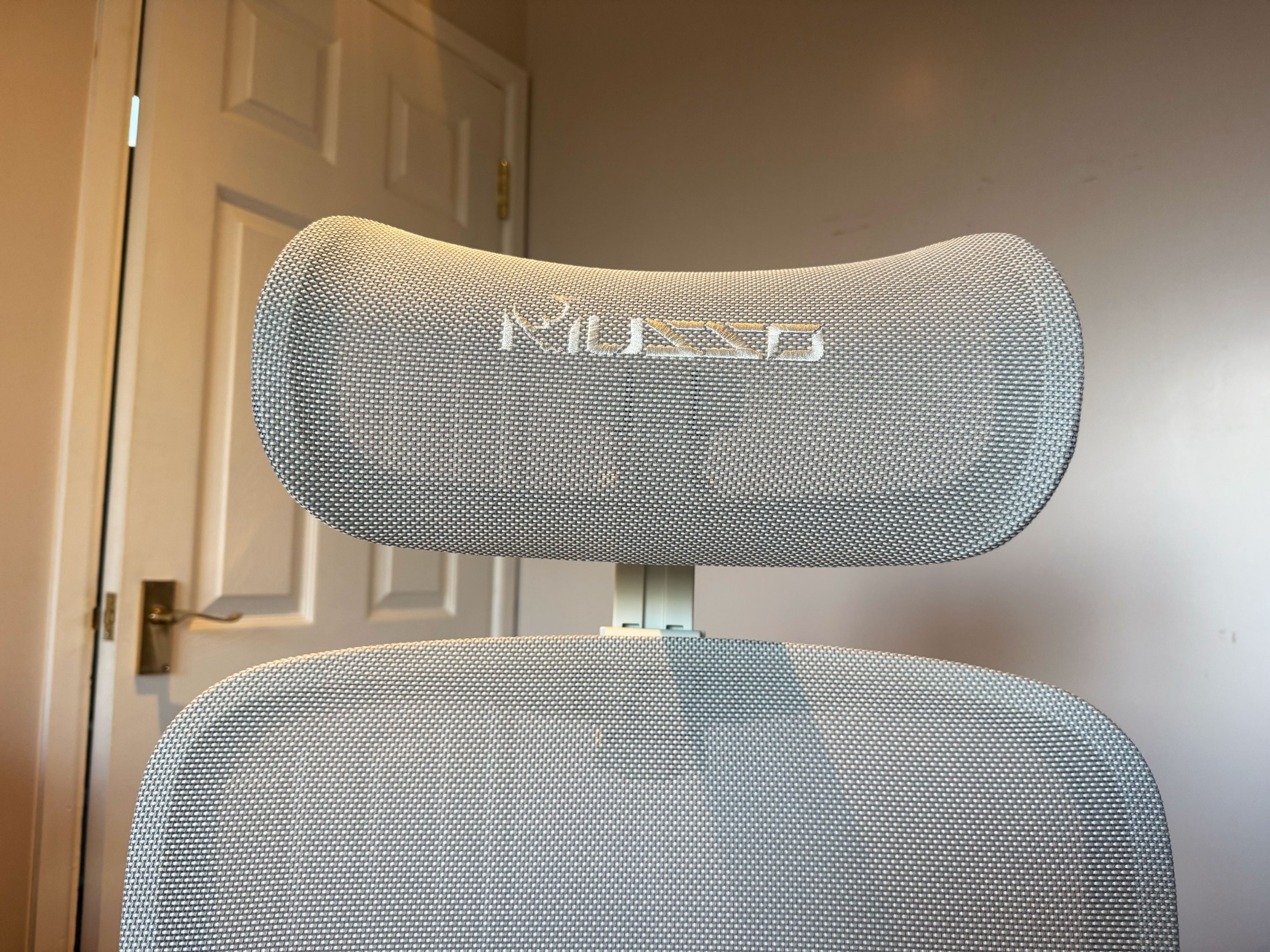
The most striking departure from conventional design lies in its tactile qualities. Eschewing the abrasive or overly taut synthetic meshes found on many ergonomic task chairs, the E80 Muse utilizes silky, soft-touch materials over high-density cushioning. According to ergonomic assessments, this construction allows the chair to contour dynamically to the user’s body rather than forcing the user into a rigid, prescribed posture. Additional design enhancements include an integrated adjustable footstool, a highly responsive recline mechanism that provides fluid resistance, and a multi-directional headrest capable of forward articulation to properly support the cervical spine of shorter users.
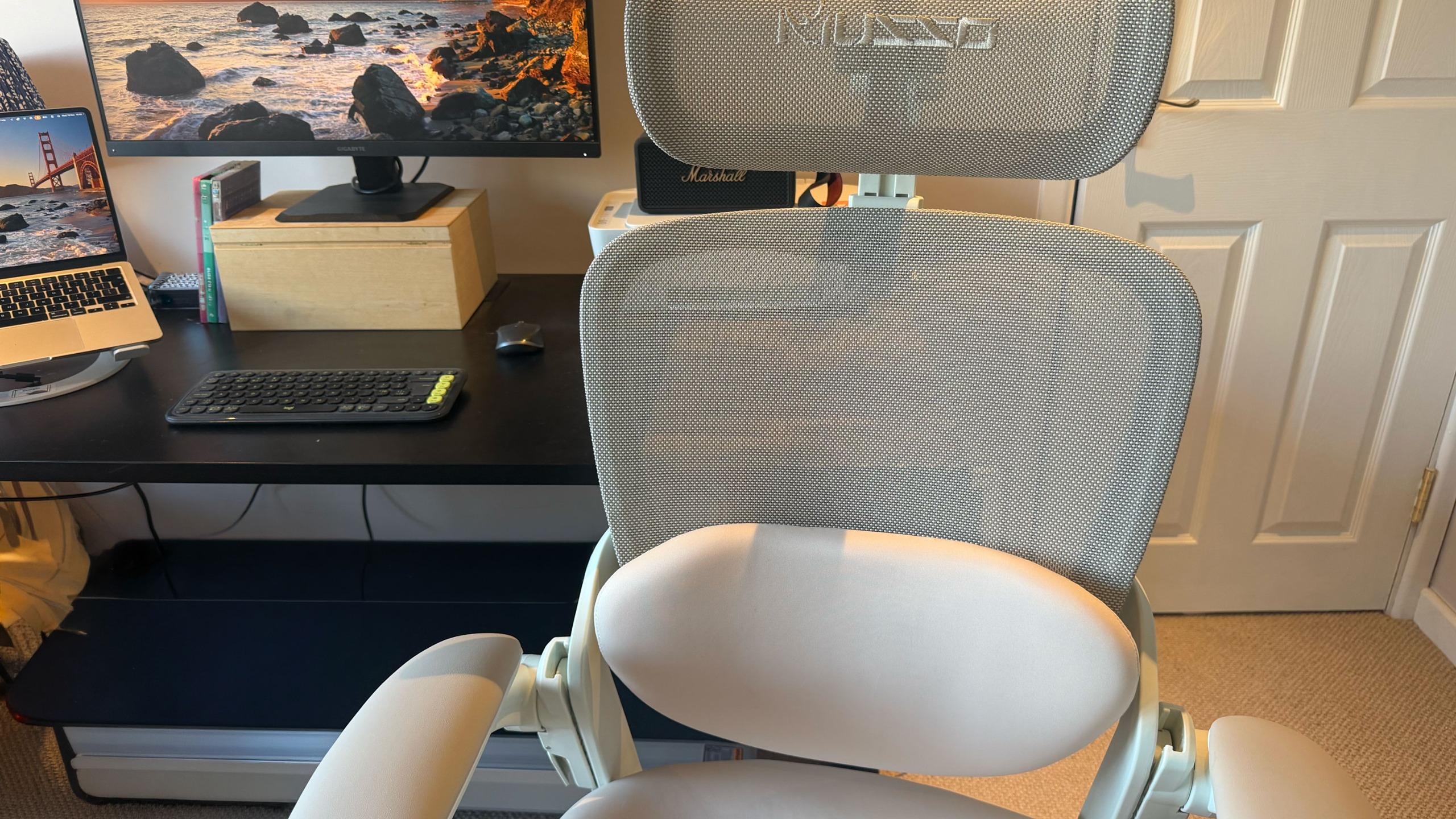
However, hitting a competitive $369 price point required strategic compromises. Industry reviewers have noted that while the primary contact surfaces—such as the seat cushion, armrests, and lumbar pad—demonstrate meticulous attention to detail, secondary components reveal cost-saving measures. Specifically, the adjustment levers, knobs, and certain peripheral plastic housings feel comparatively lightweight and brittle. While these operational hardware elements do not impair the structural integrity or daily performance of the chair, they represent a tactile contrast to the plush, premium feel of the upholstery.
Performance Evaluation and Biomechanical Impact
Evaluating an ergonomic chair requires extended real-world testing to measure cumulative physical impact rather than merely recording initial impressions. Initial trials with the Musso E80 Muse often require a transitional adjustment period. Testers note that finding the optimal configuration among the chair’s multitude of settings demands patience. However, once properly calibrated, the performance metrics shift markedly.
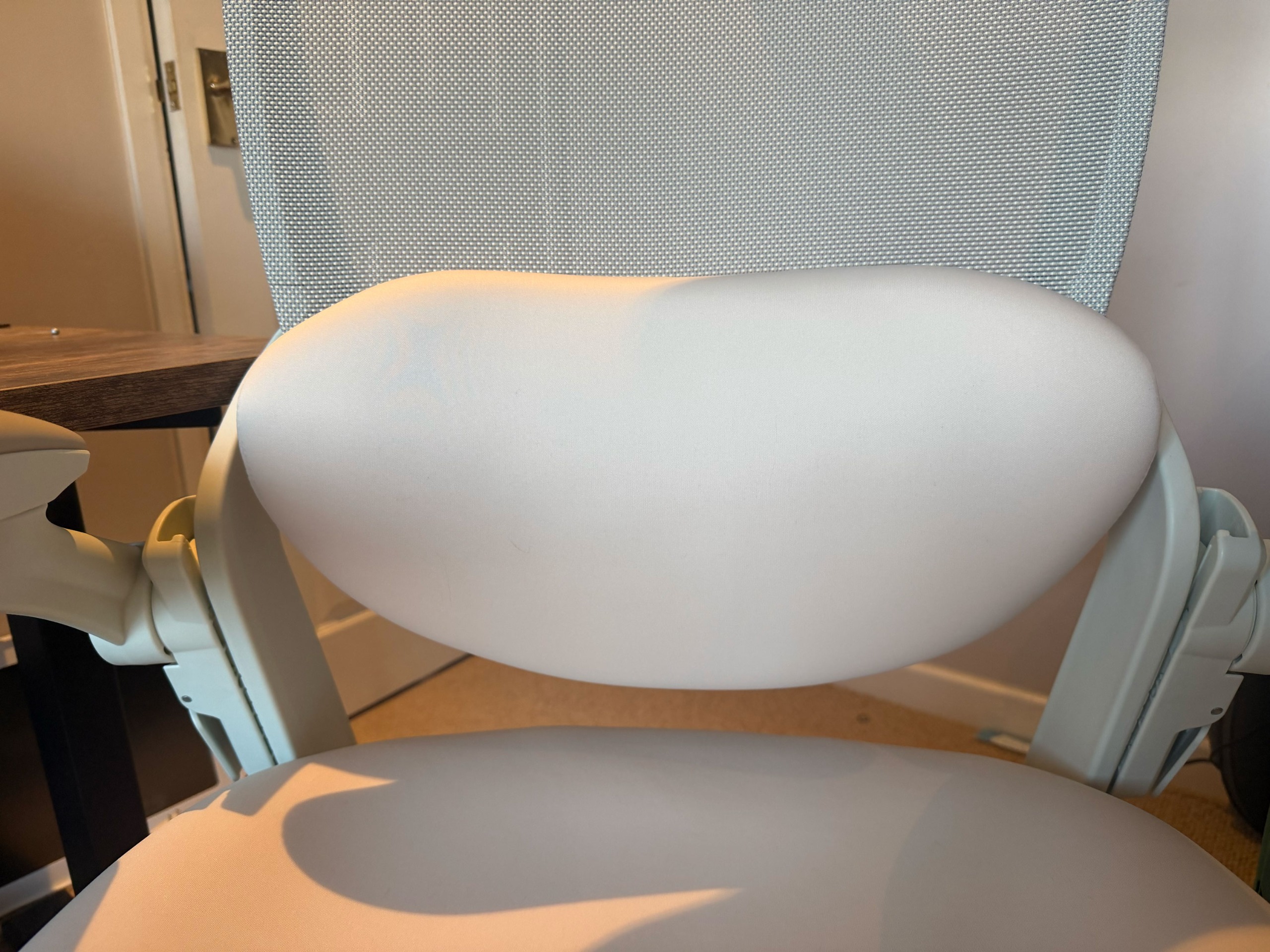
The primary functional triumph of the E80 Muse is its lumbar support system. Unlike static or poorly aligned lumbar bars that push against the spine indiscriminately, the E80 Muse incorporates a soft, highly adjustable support apparatus that actively accommodates the natural curve of the lower back. Long-term testers have reported significant reductions in chronic lower back fatigue and tension within days of consistent use—a notable outcome for a product in the accessible price tier.
Furthermore, the revised seat height parameters solve a fundamental postural issue for individuals of shorter stature. By allowing the seat pan to drop substantially lower than standard commercial models, users can maintain flat, grounded foot placement without the auxiliary aid of foot blocks. This foundational stability prevents pelvic tilt and subsequent strain on the lumbar region. Coupled with a headrest that can be adjusted forward to meet the cranium—rather than forcing the user to lean backward to find contact—the chair delivers a holistic ergonomic profile tailored to its target demographic.
Market Positioning and Consumer Implications
Priced competitively at $369, the Musso E80 Muse occupies the lower tier of the mid-range office furniture market. In this segment, consumers are typically forced to choose between feature-sparse budget chairs or heavily industrialized ergonomic systems that ignore human-centric design in favor of corporate durability standards.
By strategically allocating manufacturing costs toward critical touchpoints—such as high-grade padding, targeted lumbar mechanisms, and responsive upholstery—while accepting minor compromises in secondary plastic hardware, Musso has carved out a distinct market niche. The chair demonstrates that there is viable commercial demand for specialized ergonomic solutions that prioritize demographic-specific anthropometry over universal, one-size-fits-all manufacturing models.
Broader Industry Impact and Future Outlook
The launch and positive reception of products like the Musso E80 Muse signal a potential turning point in how office furniture manufacturers approach product development. As remote and hybrid work models persist, home offices are increasingly populated by users seeking personalized comfort rather than standardized corporate utility.
Industry experts suggest that consumer demand will likely pressure larger, legacy manufacturers to re-evaluate their dimensional offerings. The historical assumption that a single chair model can comfortably and effectively serve populations ranging from the 5th to the 95th percentile is under scrutiny. As ergonomic science increasingly emphasizes personalized fit over generalized compliance, manufacturers will need to incorporate broader dimensional ranges and gender-inclusive ergonomic research into their foundational design pipelines.
For consumers navigating chronic discomfort caused by oversized office furniture, the Musso E80 Muse offers a compelling validation that workspace design is evolving. While minor hardware compromises remind buyers of its accessible price point, the core ergonomic benefits—particularly for users under 5 feet 11 inches—establish a new benchmark for inclusive workplace engineering.
Related posts: