Southwest Airlines Layoffs Company Turmoil Financial Struggles
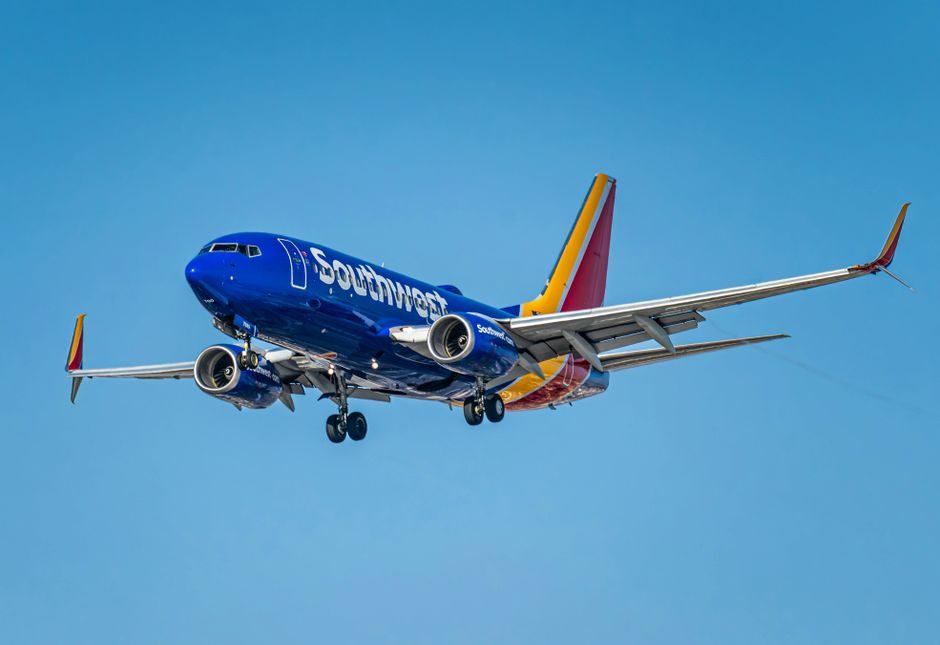
Southwest Airlines: Navigating Turbulence, Layoffs, and a Stormy Financial Horizon
The once-vaunted customer service darling of the skies, Southwest Airlines, finds itself grappling with a significant period of introspection and operational upheaval. Recent news of potential layoffs, coupled with persistent financial headwinds and a series of operational stumbles, paints a picture of a company facing considerable internal and external pressures. This intricate web of challenges, from a strained pilot workforce to shifting consumer demands and a competitive landscape, is forcing the airline to confront difficult decisions and re-evaluate its long-term strategy.
The specter of layoffs, a concept previously antithetical to Southwest’s famously employee-centric culture, looms large. While specific numbers and timelines remain fluid and subject to ongoing negotiations with unions, the mere contemplation of reducing its workforce signals a profound shift in the airline’s operational and financial calculus. These potential reductions are not isolated incidents but rather symptomatic of deeper issues. The airline’s management has cited various factors contributing to this decision, including a projected slowdown in demand for leisure travel, increased operating costs, and the lingering impact of previous operational failures. The message is clear: belt-tightening is on the agenda, and the workforce may bear the brunt of these necessary, albeit painful, adjustments. The airline industry, inherently cyclical and sensitive to macroeconomic trends, is currently experiencing a complex phase. While the immediate post-pandemic surge in travel demand provided a much-needed balm, that boom is demonstrably cooling. Consumer discretionary spending is being squeezed by inflation, interest rate hikes, and a general sense of economic uncertainty. This translates directly into fewer bookings and a diminished appetite for travel, particularly for non-essential trips, which have historically been a significant driver of Southwest’s revenue.
Furthermore, Southwest, like its competitors, is facing the relentless pressure of rising operating costs. Fuel prices, though volatile, remain a substantial expenditure. Labor costs, particularly with unionized workforces, are also a constant factor, and contract negotiations can lead to increased compensation and benefits, further squeezing profit margins. Maintenance, aircraft acquisition, and airport fees all contribute to the overall cost of doing business, and in a market where price is often a primary differentiator for consumers, these cost pressures become particularly acute. The airline’s historical model, built on efficiency and low fares, is being tested as these fundamental cost structures are evolving.
The airline’s financial performance has become a focal point of concern. While not on the brink of collapse, Southwest has seen its profitability challenged. Earnings reports have been met with scrutiny, and investors are keenly observing the airline’s ability to navigate this period of transition. The company’s stock price has reflected these anxieties, experiencing volatility as the market attempts to price in the various risks and uncertainties. A key element impacting financial stability has been the airline’s ongoing struggles with operational reliability. Recurring and highly publicized network disruptions, most notably the massive meltdown in December 2022, have had a tangible impact on revenue and reputation. These disruptions, often attributed to outdated technology and scheduling systems, led to thousands of flight cancellations, stranding passengers and costing the company millions in reimbursements, compensation, and lost future bookings. While Southwest has invested heavily in technological upgrades since then, the lingering perception of unreliability can deter customers and lead to lost revenue. This isn’t just about a few bad days; it’s about rebuilding trust and demonstrating consistent operational excellence.
The pilot workforce, a critical and highly skilled component of any airline, has been a particularly sensitive area for Southwest. The airline has faced challenges in attracting and retaining pilots, exacerbated by a national pilot shortage and the rigorous training and certification requirements for this profession. This has led to a tight labor market for pilots, giving them significant leverage in contract negotiations. The protracted nature of these negotiations, and the potential for work stoppages or slowdowns, adds another layer of uncertainty to Southwest’s operational planning and financial projections. A satisfied and adequately staffed pilot crew is fundamental to smooth operations, and any disruptions in this area have cascading effects across the entire network. The airline’s previous reliance on a more junior pilot workforce, while cost-effective in the past, is now presenting challenges as experienced pilots move to other carriers or retire.
Beyond internal operational and labor issues, Southwest is operating within an increasingly competitive and dynamic airline industry. Legacy carriers are sharpening their focus on operational efficiency and customer experience, while ultra-low-cost carriers continue to offer aggressively priced tickets, often targeting the same price-sensitive consumer base that Southwest has historically courted. The market is no longer solely about direct flights and friendly service; it’s about a multifaceted value proposition that includes ancillary services, loyalty programs, and increasingly, a seamless digital experience. Southwest’s traditional competitive advantages are being challenged as other airlines adapt and evolve. The proliferation of fare comparison websites and the ease with which consumers can compare options mean that price, while not the sole factor, remains a dominant consideration.
The impact of these internal and external pressures is multifaceted. For employees, the prospect of layoffs creates significant anxiety and uncertainty about their future. For customers, operational disruptions and potential capacity reductions could lead to fewer flight options, higher fares, and a diminished travel experience. For investors, the financial outlook is clouded by these challenges, leading to a cautious approach and demands for decisive action from management. The company’s leadership is under immense pressure to demonstrate a clear path forward, one that addresses the immediate financial pressures while also laying the groundwork for sustainable long-term growth. This will likely involve difficult strategic choices, potentially including adjustments to route networks, fleet composition, and pricing strategies.
The airline’s leadership has acknowledged these challenges, emphasizing a commitment to operational improvements and financial discipline. Significant investments have been made in upgrading technology systems, including efforts to modernize the flight scheduling and crew management platforms that contributed to the December 2022 meltdown. However, the effectiveness and speed of these improvements are being closely monitored. Rebuilding the airline’s reputation for reliability is a marathon, not a sprint, and requires consistent execution and demonstrable progress. The communication strategy surrounding these efforts is also crucial, as transparent and honest engagement with stakeholders, including employees, customers, and investors, is vital for restoring confidence.
The pursuit of cost efficiencies is likely to be a major theme in Southwest’s future strategy. This could involve a more nuanced approach to route planning, potentially scaling back on less profitable routes or optimizing flight frequencies. Fleet modernization, while always an ongoing process, might also be accelerated or re-prioritized to maximize fuel efficiency and reduce maintenance costs. The airline’s distinctive "no change fees" policy, while a popular customer perk, is also being scrutinized in the context of revenue optimization. While unlikely to be completely abandoned, there could be adjustments to how this policy is applied or communicated.
The passenger experience, Southwest’s traditional stronghold, also requires attention. While the core values of friendly service remain, the competitive landscape demands continuous innovation and adaptation. This could involve enhancing the digital experience, offering more personalized services, or refining ancillary offerings to better meet evolving consumer preferences. The airline must ensure that its operational improvements do not come at the expense of the unique culture and customer service that have defined it for decades.
Ultimately, Southwest Airlines stands at a critical juncture. The current period of turmoil, characterized by layoff considerations, financial pressures, and operational challenges, is a testament to the dynamic and demanding nature of the airline industry. The company’s ability to successfully navigate these headwinds will depend on its strategic clarity, its execution of operational improvements, its adeptness in managing its workforce, and its capacity to adapt to the ever-changing demands of the modern traveler. The coming months and years will be a true test of Southwest’s resilience and its ability to reinvent itself for a new era of air travel. The decisions made now will shape the future of this iconic airline, and the industry as a whole will be watching closely. The narrative is no longer solely about low fares and a fun-loving spirit; it’s about demonstrating operational fortitude, financial prudence, and a renewed commitment to reliability and customer satisfaction in a fiercely competitive global market.


