The Evolution of Cross-Border E-Commerce Logistics: A Comprehensive Examination of Spring GDS and Modern Global Supply Chain Strategies

The meteoric rise of global e-commerce over the past two decades has fundamentally transformed the way consumers purchase goods and how merchants conceptualize supply chain management. Without a robust, highly sophisticated logistics infrastructure, the modern digital marketplace—characterized by borderless shopping, rapid delivery expectations, and hyper-personalized customer service—would simply collapse under its own weight. As international trade continues to expand, merchants increasingly find themselves searching for specialized e-logistics partners capable of navigating the complex regulatory, geographical, and operational hurdles of cross-border shipping. Among the firms meeting this critical demand is Spring GDS, a premier international logistics provider specializing in cross-border and e-commerce solutions that bridge the gap between local market nuances and global operational reach.
Understanding the modern e-commerce logistics landscape requires examining the foundational pillars that allow cross-border trade to flourish. Historically, domestic postal networks handled the vast majority of mail and parcel deliveries within sovereign borders. However, the globalization of retail created an unprecedented demand for integrated logistics networks capable of seamlessly transitioning parcels from a merchant’s warehouse in one country to a consumer’s doorstep in another, often thousands of miles away. This structural shift elevated cross-border logistics from a mere operational necessity to a core competitive differentiator for online retailers of all sizes, ranging from small direct-to-consumer startups to multinational retail conglomerates.
Backed by Market Leadership and Institutional Strength
To fully appreciate the operational capacity of Spring GDS, one must look at its corporate lineage. Spring GDS operates as the international subsidiary of PostNL, the esteemed Dutch postal service and parcel corporation publicly listed on the Amsterdam stock exchange under Euronext Amsterdam. PostNL’s legacy spans centuries, evolving from a traditional national postal administration into a modern, highly digitized logistics powerhouse well-equipped to handle the demands of the twenty-first-century digital economy.
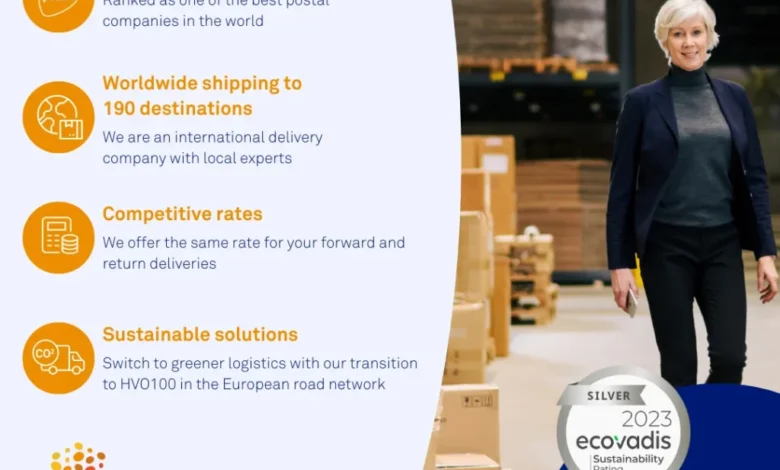
The Universal Postal Union (UPU), the specialized agency of the United Nations that coordinates postal policies among member nations, consistently ranks PostNL among the top ten postal companies globally. This recognition underscores the corporation’s reliability, scale, and adherence to international postal standards. Furthermore, PostNL has garnered significant acclaim for its environmental stewardship. According to the Dow Jones Sustainability Index (DJSI), which evaluates the sustainability performance of thousands of companies traded publicly, PostNL routinely ranks among the most sustainable companies within the global logistics and transportation sector. This institutional backing provides Spring GDS with a unique blend of financial stability, operational resilience, and industry-leading expertise, reassuring e-commerce merchants that their supply chain operations are anchored by a market leader.
Bridging Local Expertise with a Global Vision
Operating in the modern e-commerce ecosystem requires a delicate balance between global scale and hyper-local execution. Consumers in different regions expect localized delivery experiences, including familiar tracking interfaces, flexible delivery options, and frictionless returns processes. At the same time, merchants require a unified global network that simplifies international expansion without necessitating complex relationships with dozens of fragmented regional couriers.
Spring GDS addresses this operational paradox through an expansive collaborative network. By partnering with over 230 international logistics providers, the company grants e-commerce merchants access to more than 190 destinations worldwide. This vast network is supported by 18 strategically positioned operational centers spread across three continents. These facilities serve as critical nodes in the global supply chain, allowing Spring GDS to remain physically close to both merchants and end consumers. By embedding local operational expertise into every step of the delivery journey, Spring GDS ensures that international shipments navigate customs clearance, regional postal regulations, and final-mile delivery constraints with maximum efficiency.
The Strategic Importance of Greener Logistics in Modern Supply Chains
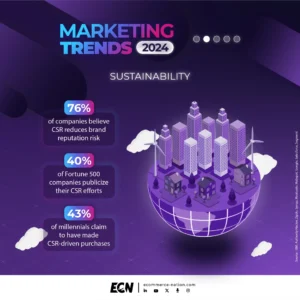
As the e-commerce sector continues to grow, so does its environmental footprint. The proliferation of individual parcel deliveries, long-haul air and freight transport, and extensive packaging materials has drawn intense scrutiny from regulators, environmental advocates, and conscious consumers alike. In response, the logistics industry has undergone a profound transformation, with green logistics emerging not merely as an ethical choice, but as an essential business strategy.
Spring GDS has embedded sustainability deeply within its organizational DNA, treating environmental responsibility as a core operational metric rather than an afterthought. The company’s green logistics strategy encompasses several proactive initiatives aimed at minimizing its carbon footprint across the entire supply chain. Among these initiatives is the implementation of circular material sharing programs among its extensive network of partners. By replacing single-use items—such as traditional carton pallet boxes and wooden pallets—with durable, reusable circular alternatives, Spring GDS significantly reduces waste generation and resource depletion.
Furthermore, the company proactively invests in advanced emission-reduction strategies, aligning its long-term operational roadmap with international climate goals. Spring GDS has established the ambitious corporate objective of achieving net-zero carbon emissions by the year 2040. This timeline is intentionally designed to support the broader global objective of keeping global temperature increases under 1.5 degrees Celsius, in strict accordance with the historic Paris Climate Agreement established in 2015.
External validation of these sustainability efforts came in 2023, when Spring GDS was awarded a silver medal by EcoVadis, a globally recognized sustainability assessment platform. EcoVadis evaluates companies across four key categories: environment, labor and human rights, ethics, and sustainable procurement. Achieving a silver rating places Spring GDS among the top-performing companies evaluated by the platform globally, providing all stakeholders—including merchants, end consumers, and corporate partners—with transparent, verified assurance of the company’s ongoing commitment to responsible business practices.
Innovative IT Integration: The Role of the XBS Platform
In the contemporary logistics environment, physical movement of goods is inextricably linked to the digital flow of data. Merchants can no longer afford to operate with opaque supply chains where the status of a cross-border shipment remains unknown for days at a time. The demand for real-time visibility, automated customs documentation, and seamless system integration has driven logistics providers to invest heavily in proprietary technology platforms.
To meet this technological imperative, Spring GDS developed an innovative IT platform known as XBS, which stands for Cross Border Shipping. The XBS platform is specifically engineered to simplify and streamline the complete management of international shipments, removing the administrative friction traditionally associated with cross-border trade. Through a centralized digital dashboard, online sellers can access a suite of features designed to optimize their sales and shipping activities.
The XBS platform offers automated data interchange, allowing merchants to synchronize their e-commerce storefronts—whether hosted on Shopify, WooCommerce, Magento, or custom enterprise platforms—directly with the Spring GDS logistics network. This integration facilitates instant label generation, automated customs pre-clearance data transmission, and real-time tracking updates for both merchants and consumers. By minimizing manual data entry and reducing the likelihood of human error, the XBS platform accelerates transit times and enhances the overall transparency of the supply chain.
Key Advantages for Online Retailers and E-Commerce Merchants
The convergence of global reach, institutional backing, sustainable operational practices, and advanced digital integration yields a powerful value proposition for modern e-commerce enterprises. The primary strengths of Spring GDS lie in its ability to offer tailored, scalable solutions that adapt to the dynamic needs of online retailers operating in highly competitive markets.
First and foremost, Spring GDS provides risk mitigation for merchants venturing into new international territories. Venturing into cross-border trade typically exposes businesses to complex regulatory environments, varying tariff structures, and unpredictable customs delays. By leveraging Spring GDS’s deep regulatory knowledge and established relationships with over 230 international partners, merchants can bypass the steep learning curve traditionally required to establish reliable foreign distribution channels.
Second, the scalability offered by the Spring GDS infrastructure ensures that merchants can seamlessly handle seasonal demand spikes—such as Black Friday, Cyber Monday, and the winter holiday shopping season—without experiencing catastrophic supply chain bottlenecks. The distribution network, anchored by 18 operational hubs across three continents, provides the necessary elasticity to absorb sudden surges in parcel volume while maintaining consistent delivery standards.
Finally, the alignment between consumer expectations and corporate values creates a distinct marketing advantage for brands partnering with Spring GDS. Modern consumers increasingly prefer purchasing from environmentally responsible brands. Knowing that their international shipments are handled by a logistics provider committed to achieving net-zero emissions by 2040 and backed by an EcoVadis silver rating allows merchants to market their supply chains as eco-friendly, thereby enhancing brand loyalty and consumer trust.
Implications and Future Outlook for Cross-Border E-Commerce
As the global economy continues to recover from past supply chain disruptions and adapts to shifting geopolitical realities, the role of specialized cross-border logistics providers will only grow in significance. The challenges of international trade—ranging from evolving customs regulations and data privacy laws to the imperative of carbon neutrality—demand a high degree of specialization that traditional general-purpose carriers may struggle to provide.
The trajectory of Spring GDS illustrates a broader industry trend where logistics providers must evolve into comprehensive technology and sustainability partners for e-commerce businesses. Moving forward, the success of online retailers will increasingly depend on their ability to integrate deep logistics intelligence directly into their customer-facing operations. Providers that can successfully combine a vast physical network with intuitive digital platforms and verifiable green credentials, such as Spring GDS, are uniquely positioned to shape the future of global retail trade.
In conclusion, the partnership between e-commerce merchants and logistics providers forms the bedrock of the modern digital economy. As demonstrated by the operational model, technological infrastructure, and sustainability commitments of Spring GDS, the future of international shipping lies in seamless digital integration, unwavering reliability, and an uncompromising dedication to environmental stewardship. For online retailers seeking to expand their global footprint while maintaining operational efficiency and ecological responsibility, aligning with a forward-thinking logistics partner is no longer merely an option—it is an absolute strategic imperative.