The Indispensable Synergy: How PR and SEO Converge to Build Always-On Authority in the AI Era

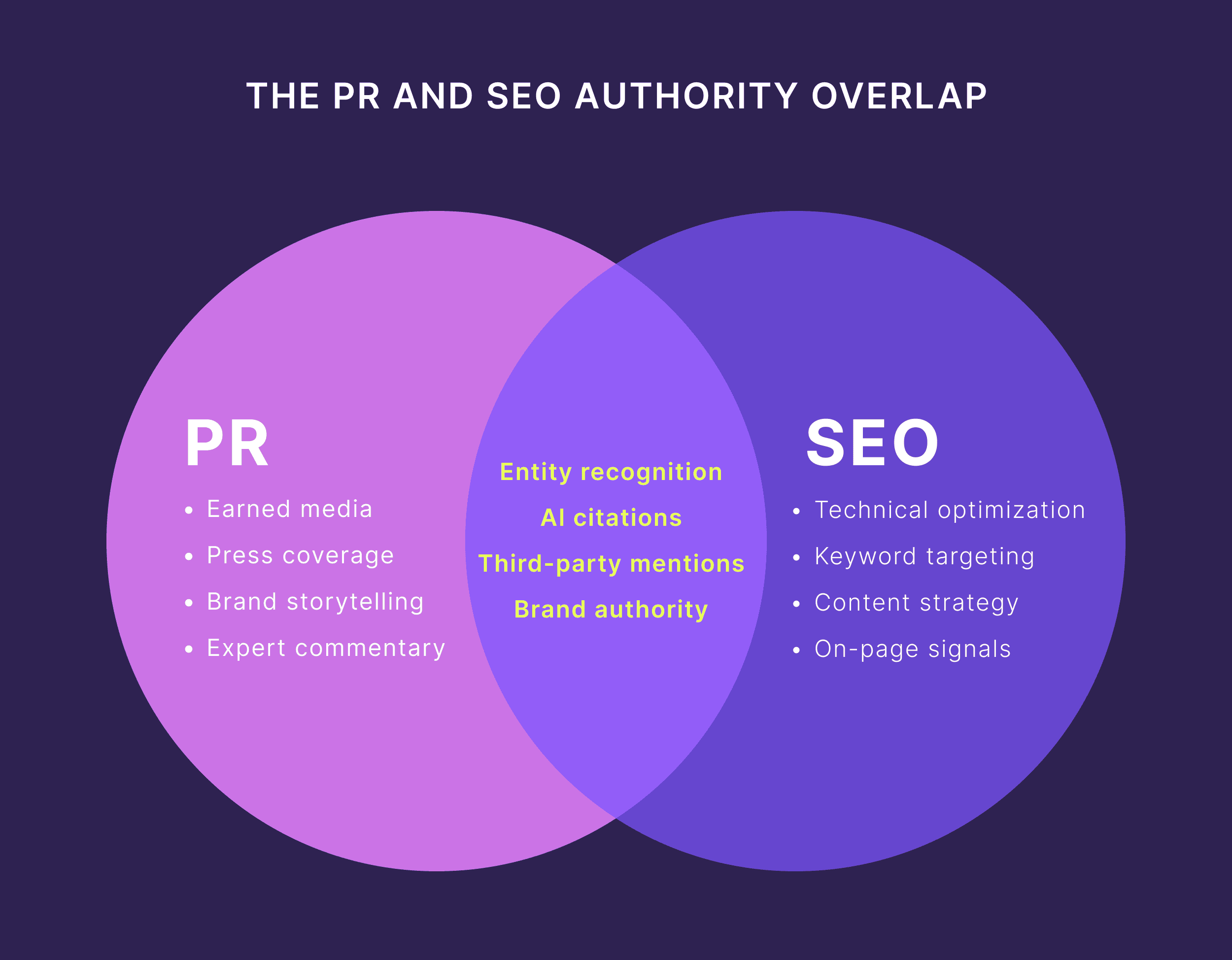
For years, Public Relations (PR) and Search Engine Optimization (SEO) operated as distinct, often siloed disciplines within organizations. PR teams focused on media relations, brand reputation, and earned media placements, while SEO teams meticulously optimized websites for search engine rankings and organic traffic. This traditional separation, however, is rapidly becoming a relic of the past. In today’s complex digital landscape, dominated by sophisticated search algorithms and the burgeoning influence of Large Language Models (LLMs), the convergence of PR and SEO is no longer a strategic option but a critical imperative for brands seeking sustained visibility and authority.

Both Google and advanced LLMs increasingly rely on a holistic suite of third-party signals to ascertain a brand’s credibility and determine its deservingness of prime visibility. These crucial signals include high-quality backlinks, authentic brand mentions, authoritative expert commentary, and consistent coverage in trusted, reputable publications. Intriguingly, both PR and SEO are inherently designed to generate these very signals. Yet, a significant number of marketing and communications teams continue to function independently, missing out on immense opportunities for synergistic growth. When collaboration does occur, it often defaults to a superficial exchange, where PR is merely viewed as a conduit for link-building rather than a strategic partner in comprehensive authority development. This fragmented approach inevitably leaves substantial brand authority untapped. The true, transformative gains emerge when these two powerful disciplines operate as a unified force, an "always-on authority engine."
This article outlines a comprehensive five-step playbook for seamlessly integrating PR and SEO efforts, transforming them into a cohesive strategy that amplifies brand authority across traditional search engines, earned media, and the rapidly evolving landscape of generative AI. We will also incorporate insights from leading digital PR experts, Britt Klontz, founder of Vada Communications, and Rola Tfaili, Communications Manager for North America at Xero, on their practical approaches to fostering this vital partnership.
Step 1: Align PR and SEO Research for Shared Intelligence
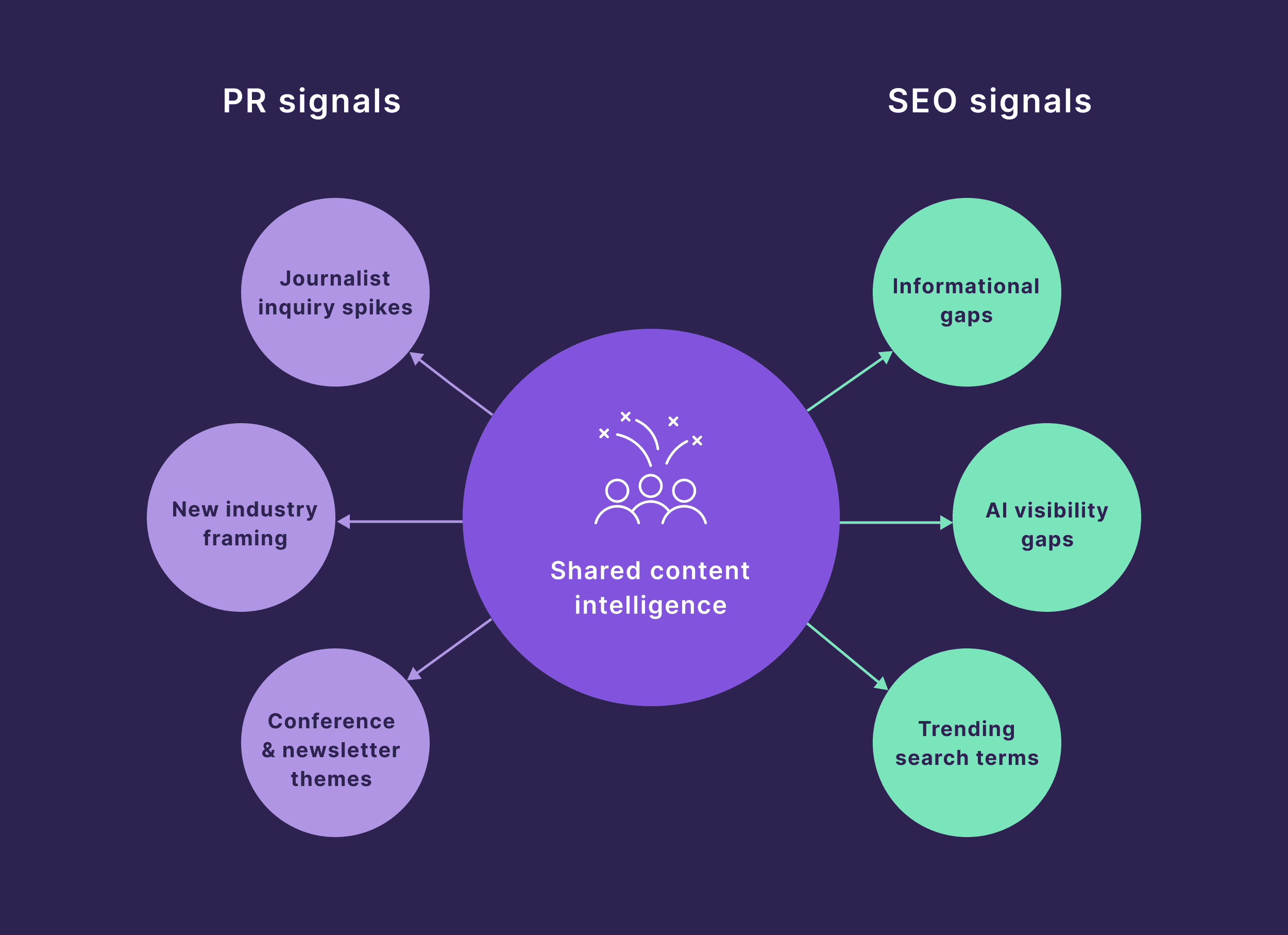
An effective, continuous PR and SEO partnership must begin with a foundation of shared intelligence. Without a unified research framework, organizations are prone to predictable and costly gaps in their strategy. Traditionally, PR insights might focus on journalist interests, trending narratives, and editorial calendars, while SEO research delves into keyword volumes, ranking difficulty, and technical website performance. The modern imperative demands a fusion of these perspectives.
Leveraging PR Insights for Emerging Content Opportunities
The most impactful authority gains stem from each team actively sharing insights that collectively shape content angles, asset development, and strategic placements. For PR professionals, this means identifying:
- Spikes in Journalist Inquiries and Media Coverage: A sudden surge in media interest around a particular topic, indicating nascent public discourse that SEO might not yet detect through traditional keyword tools.
- Emerging Terminology and Framing: New phrases, industry jargon, or unique narrative frames gaining traction among influential industry voices, which can signal future search trends.
- Recurring Themes in Industry Publications: Consistent topics appearing across newsletters, conferences, and trade journals, pointing to an evolving conversation that warrants immediate brand engagement.
Britt Klontz emphasizes the profound impact of this early collaboration, stating, "The strongest results come when PR and SEO combine their strengths at the ideation stage." To institutionalize this partnership, establishing a regular channel for PR to relay these insights to SEO is crucial. This could manifest as a dedicated Slack channel, a shared project management board, or a standing agenda item in weekly meetings.
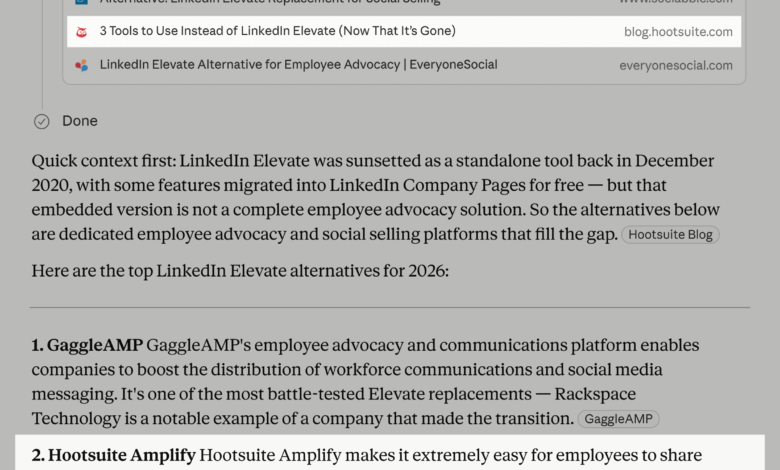
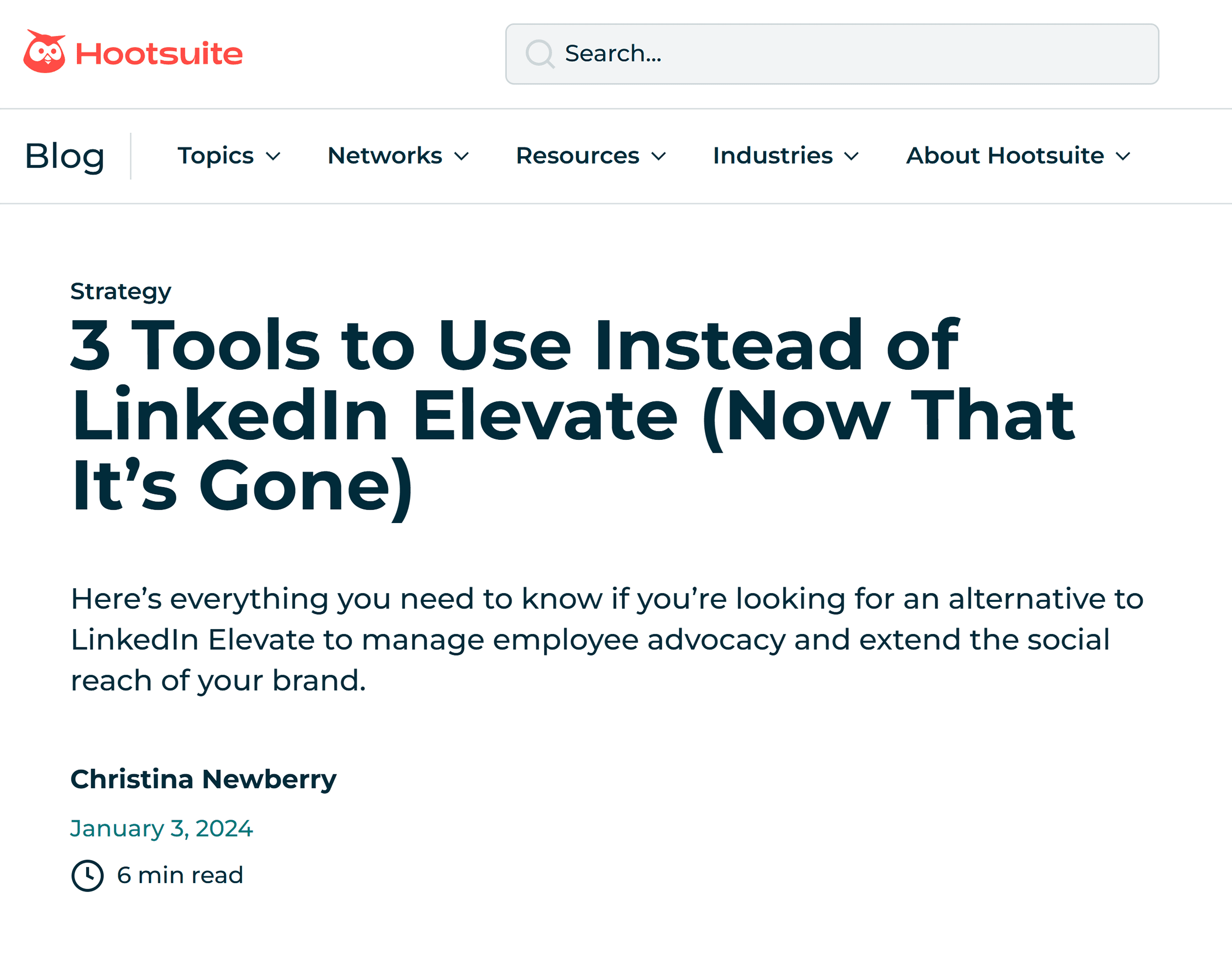
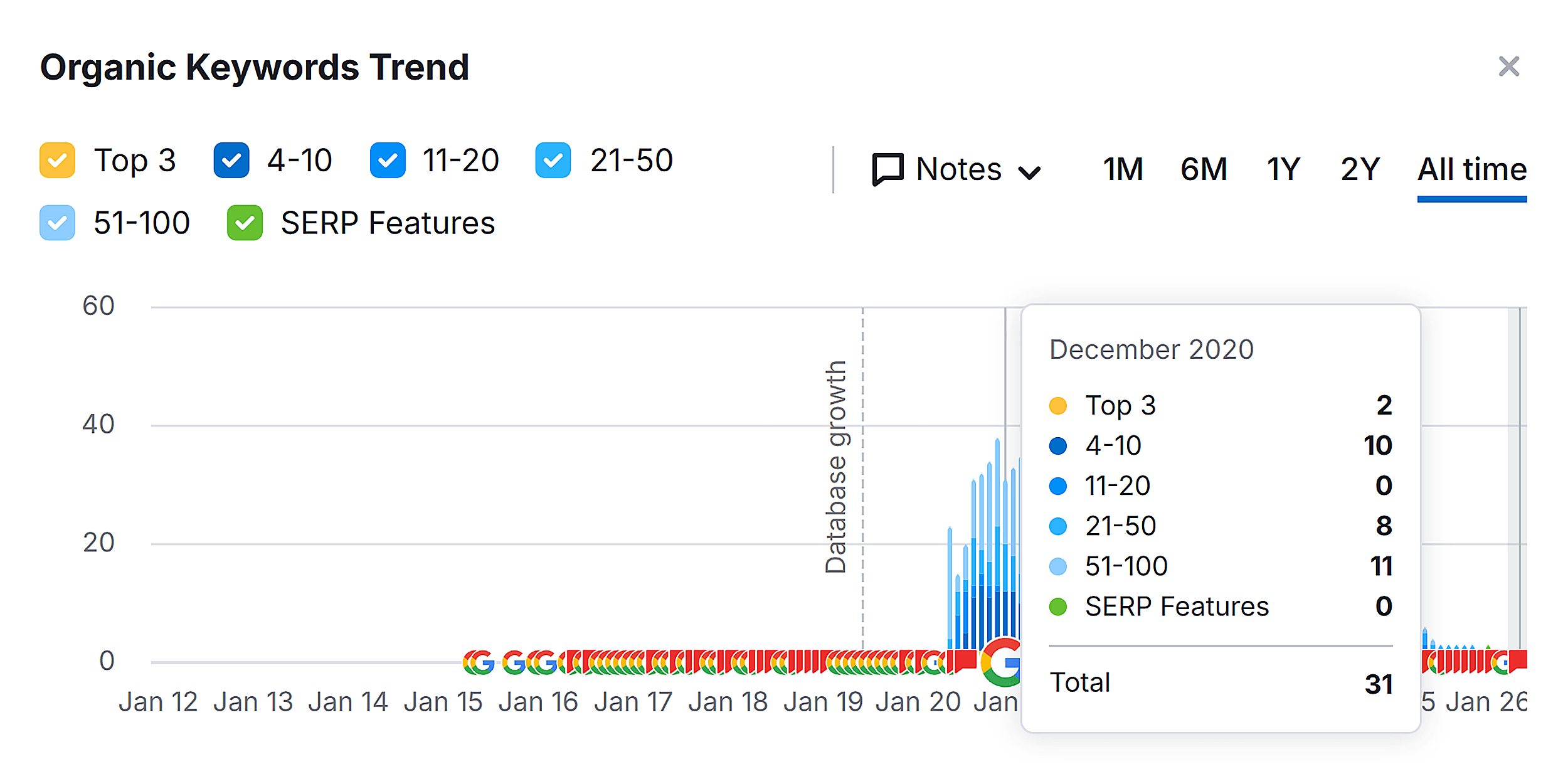
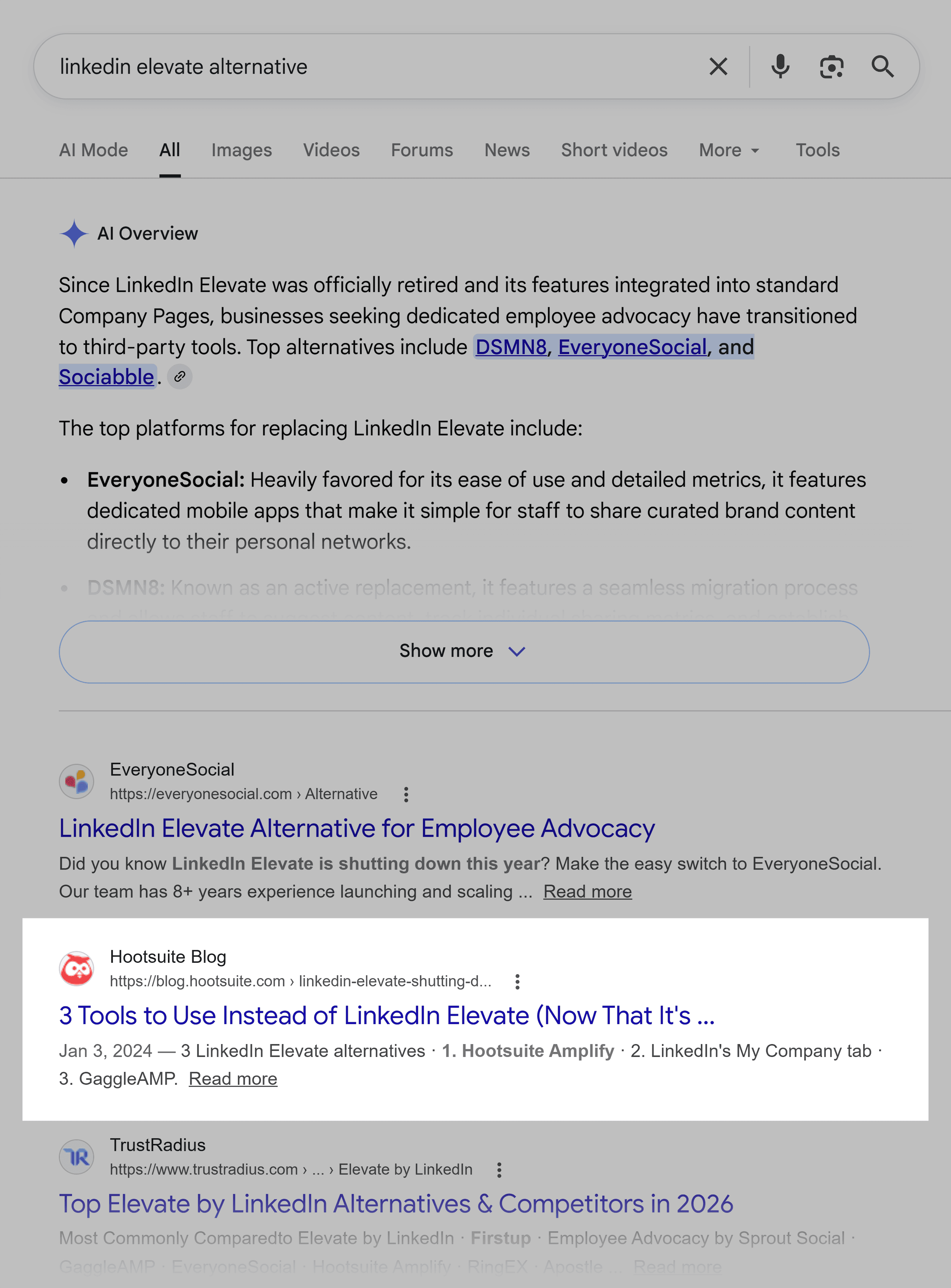
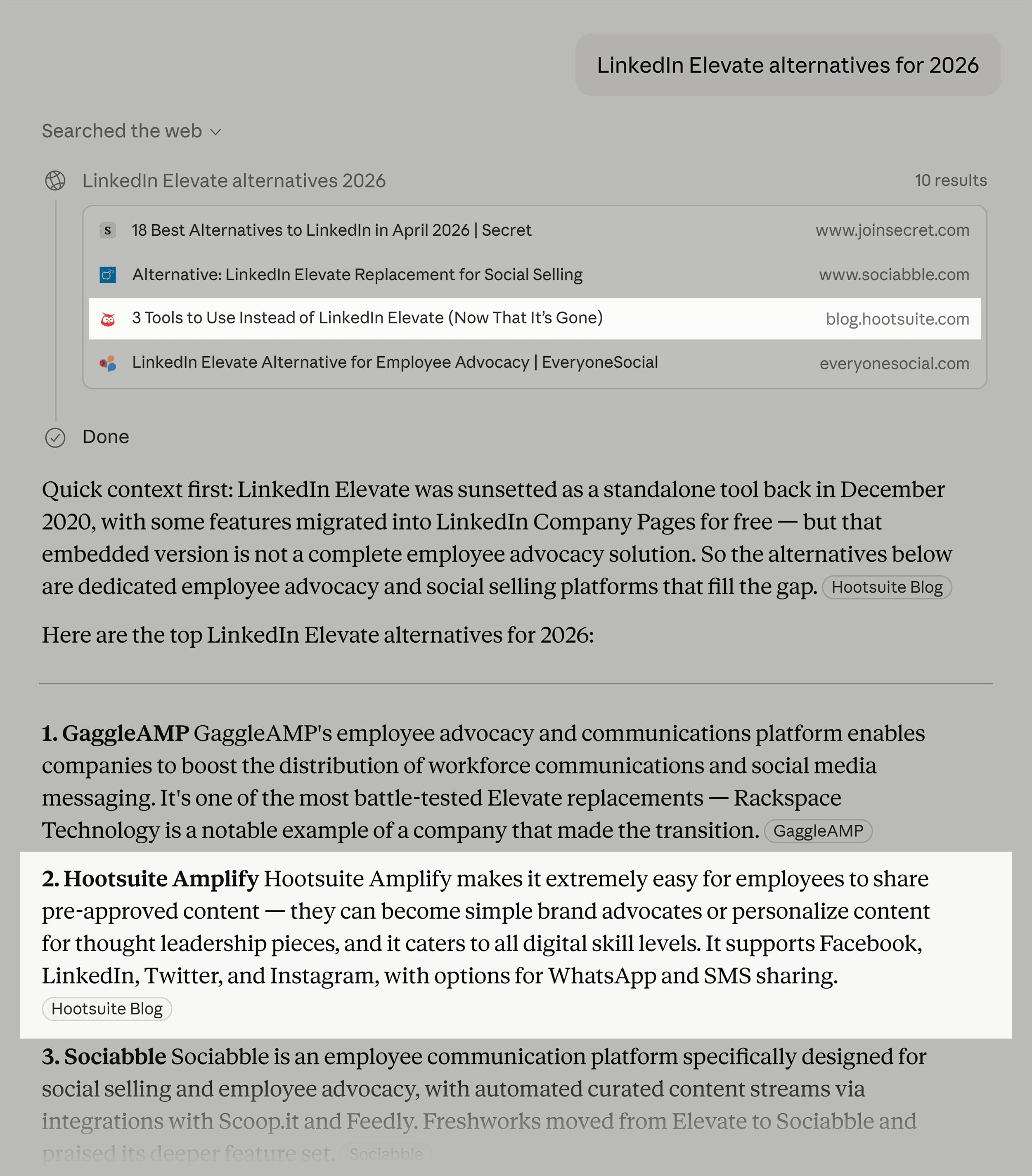
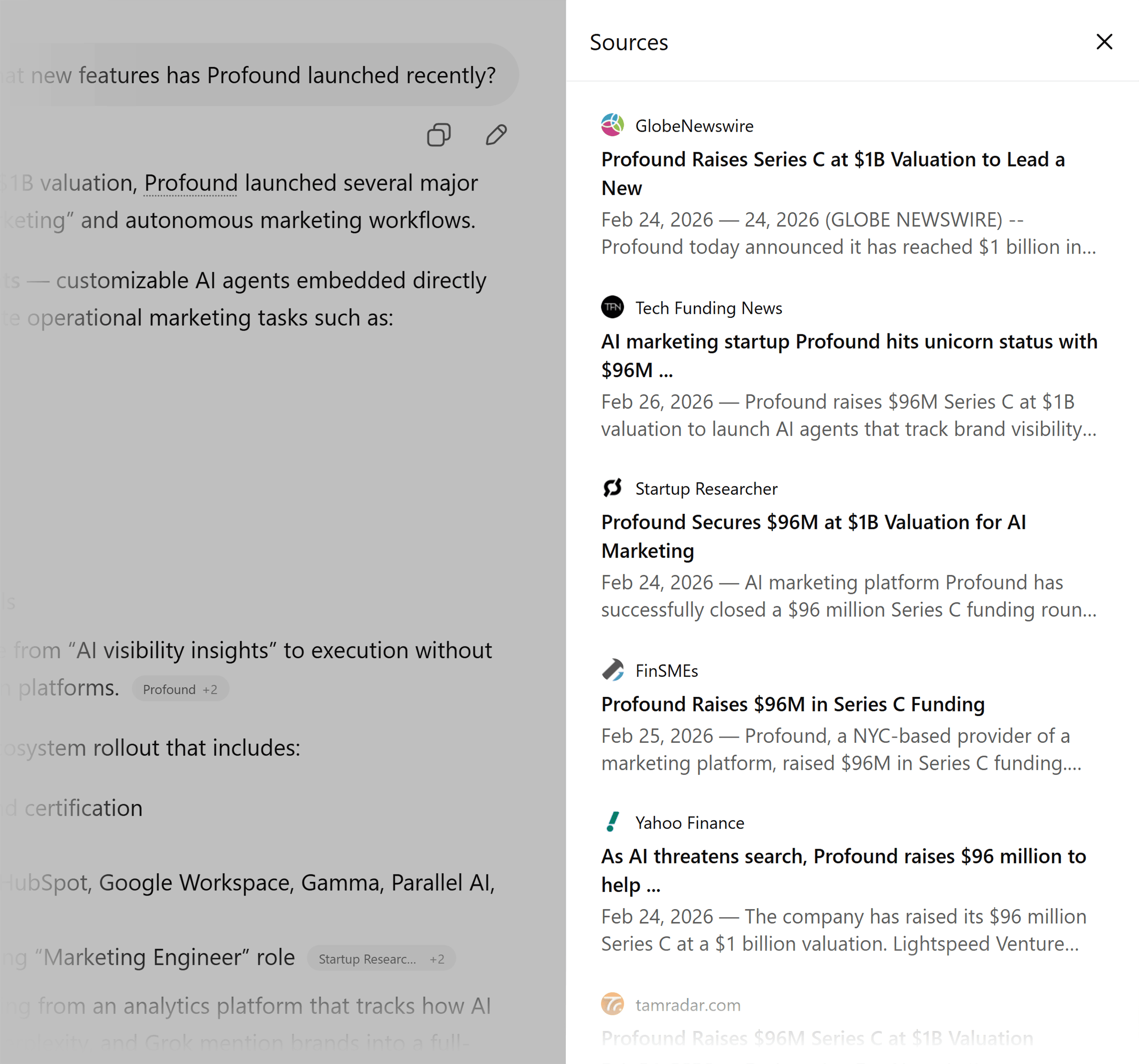
A notable example of this proactive approach comes from Hootsuite. When their PR team detected the impending shutdown of LinkedIn’s "Elevate" feature, they immediately alerted the content team. Despite the absence of discernible search volume at that time, a blog post was swiftly created to address the impending change. This foresight allowed Hootsuite to capture early backlinks and generate significant demo requests, even before the topic registered as a high-volume search query. Months later, as search interest materialized, the Hootsuite article was already ranking #1 for relevant terms and continues to rank highly for queries like "LinkedIn Elevate alternatives." Furthermore, AI tools like Claude now frequently cite this blog post as a primary source for related prompts. This success underscores the power of PR and SEO sharing information and acting decisively, securing rankings, backlinks, and AI citations that might otherwise have benefited competitors.
Utilizing SEO Insights to Inform Content Topics
Conversely, SEO provides invaluable signals that PR teams can leverage to enhance their outreach and content strategy. When conducting keyword research for PR, SEO specialists should highlight:
- High-Volume, Low-Competition Keywords: Topics with significant search demand but relatively few authoritative articles, presenting an opportunity for a brand to establish leadership.
- Trending Topics with Rapidly Growing Search Volume: Keywords or themes showing consistent upward trends over a 12-month period, indicating escalating public interest and potential media appetite.
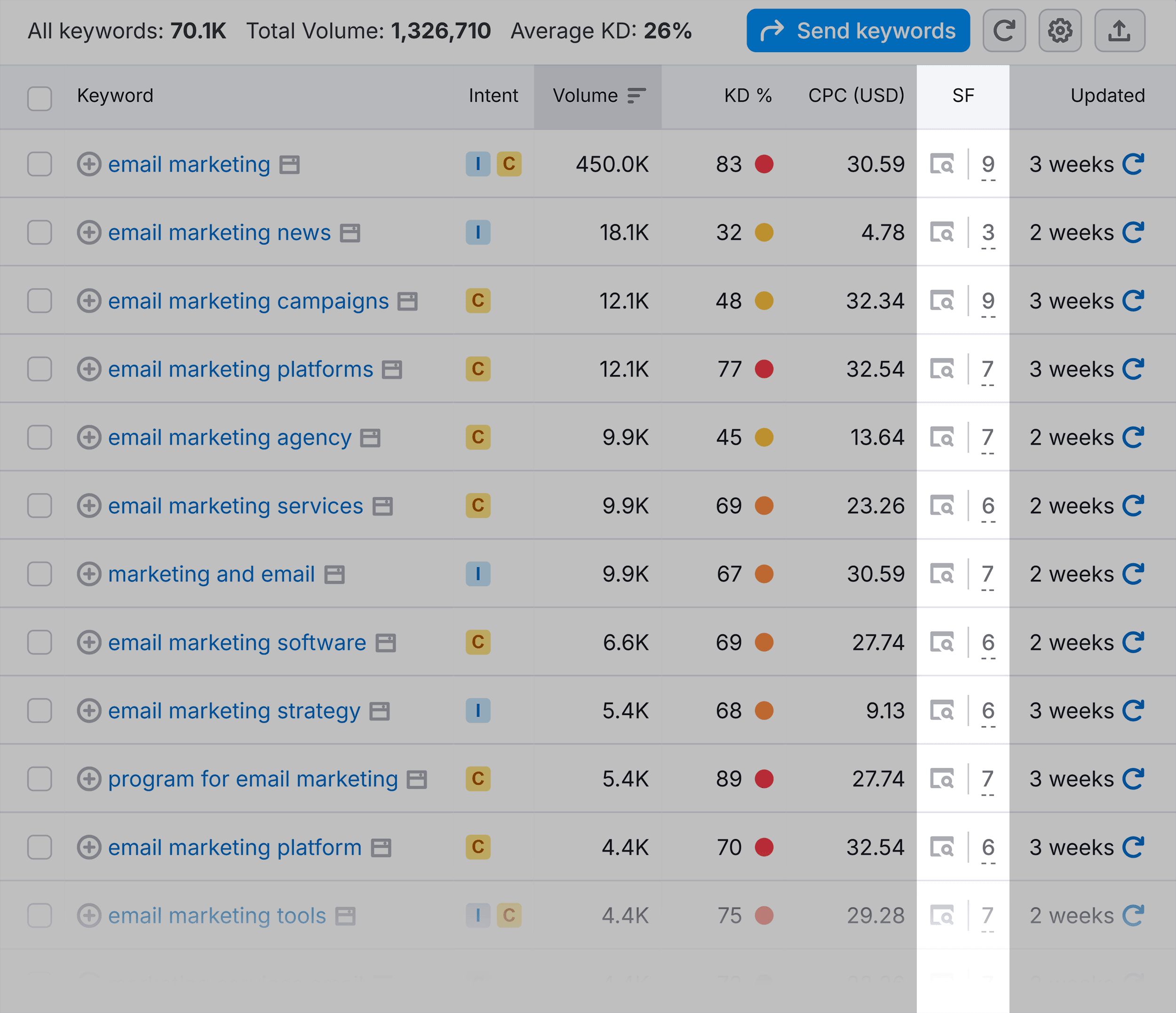
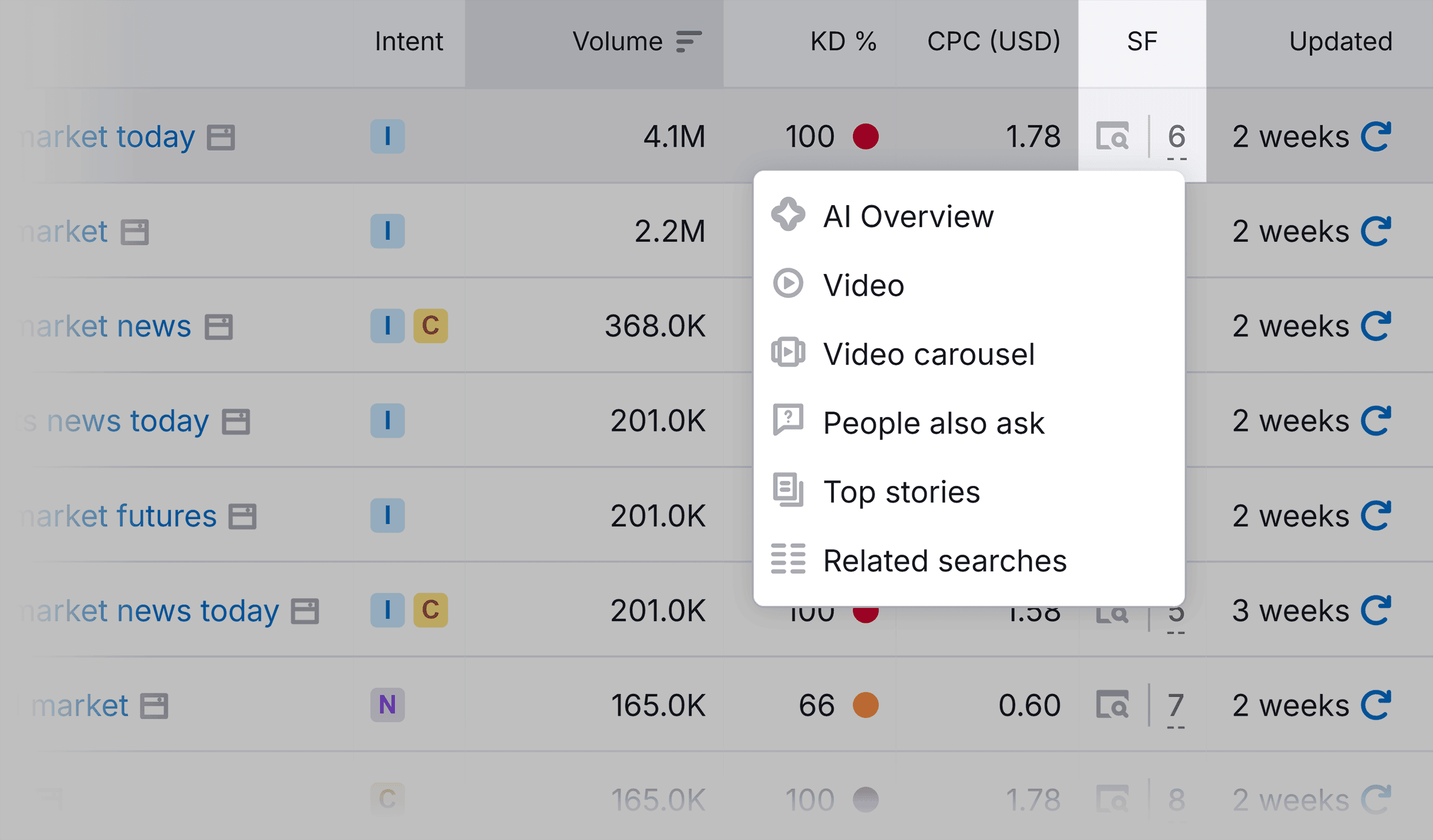
- SERP Features Indicating PR Potential: The presence of "Top Stories" or "People Also Ask" boxes for a query often signifies that Google values fresh, expert, or newsworthy content, making it a prime target for PR outreach.
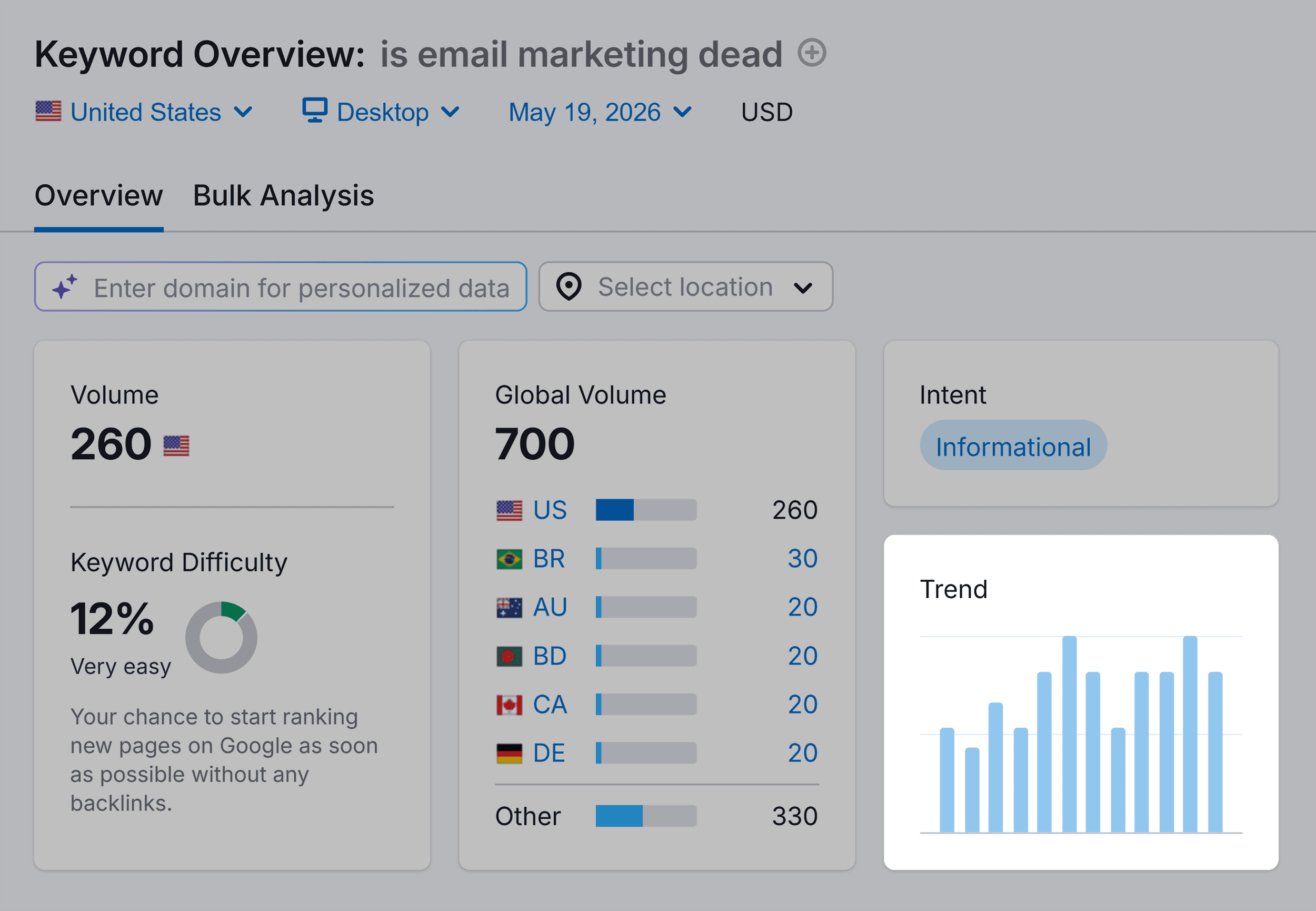
Rola Tfaili of Xero highlights the importance of this integrated approach, noting that she "brings SEO into her process from the start." Modern SEO tools like Semrush’s Keyword Magic Tool and Keyword Overview can help identify these opportunities. For instance, filtering for SERP features like "Top Stories" or analyzing a keyword’s 12-month trend graph reveals topics ripe for media attention. A consistently rising trend is a powerful indicator that media interest is likely to be building in parallel with search demand.
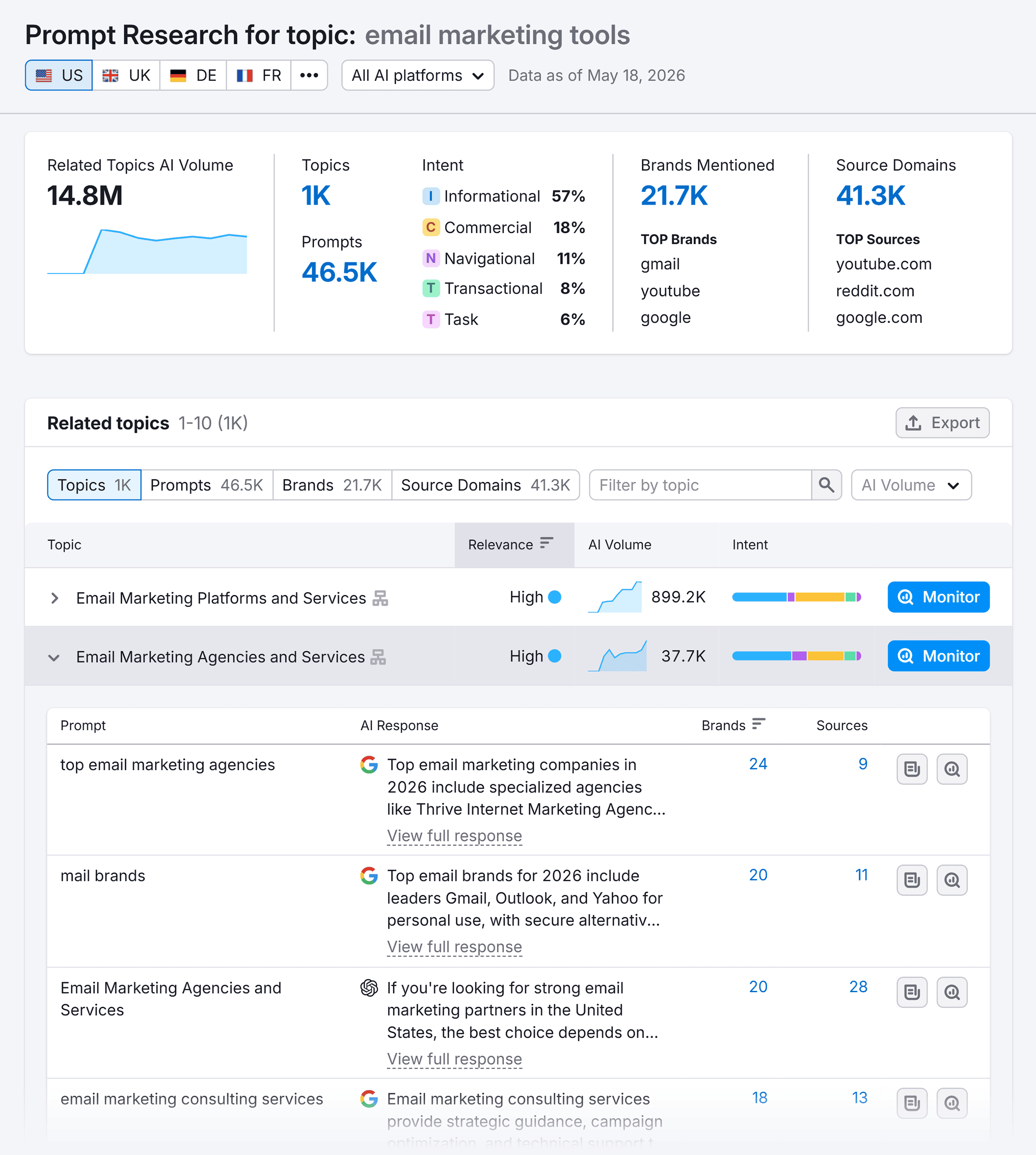
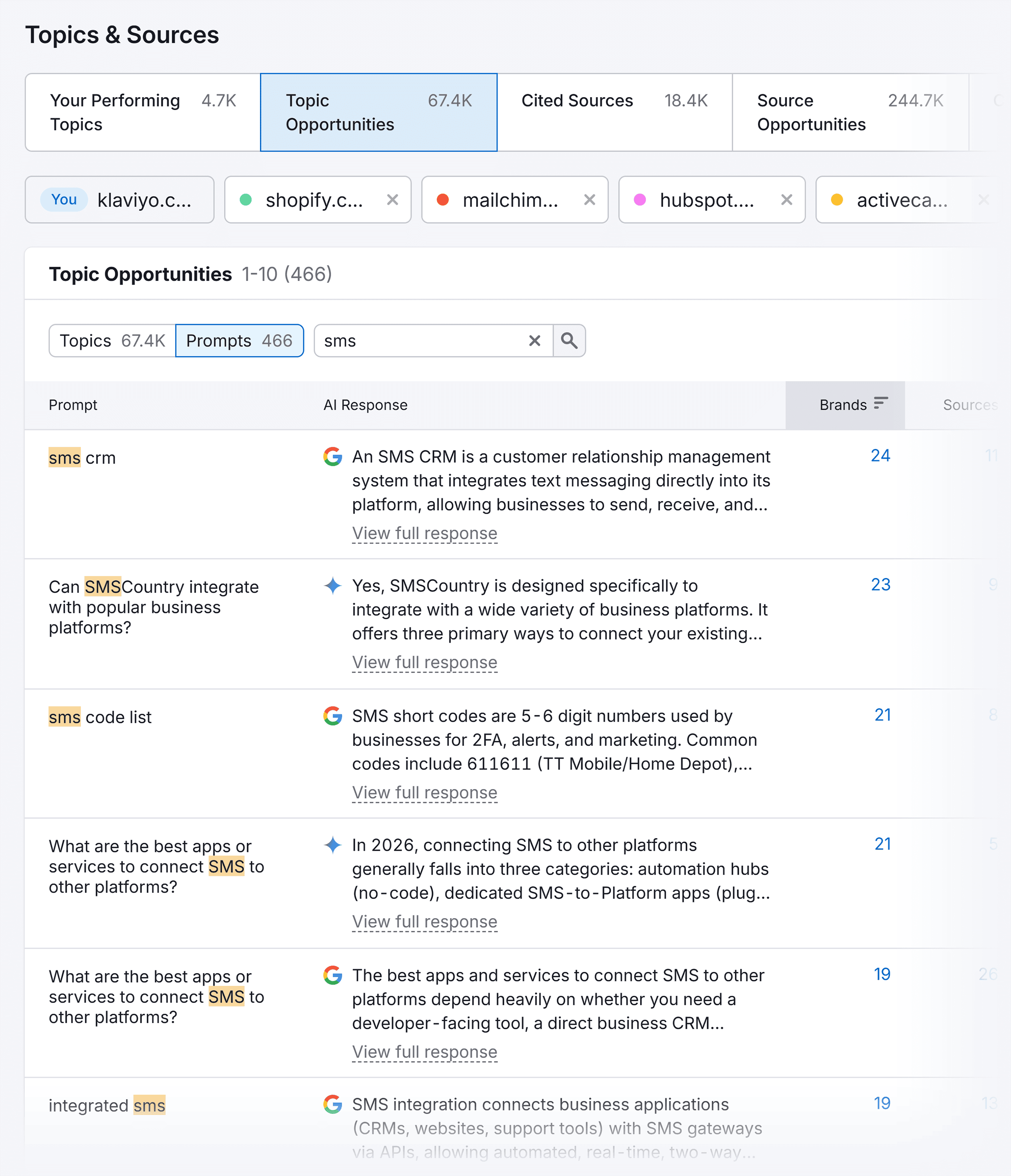
Beyond traditional search, the emergence of LLMs necessitates a new layer of research. Tools like Semrush’s AI Visibility Toolkit provide actual prompt data, offering insights into the specific questions users are asking AI models. This allows brands to identify "AI visibility gaps" – prompts for which competitors are cited as authorities, but your brand is not. Flagging these gaps to PR is crucial, especially if they pertain to core brand topics. Maintaining a shared document or Slack channel for real-time insights ensures both teams operate with the most current data, allowing for swift action on high-priority opportunities that surface from both PR’s emerging trends and SEO’s keyword data.
Step 2: Collaborate on AI-Ready Asset Creation
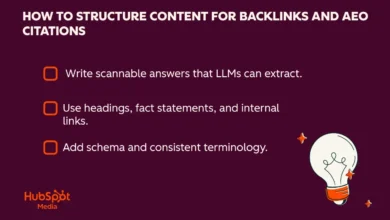
An "AI-ready asset" is content strategically designed to be discoverable, cited, and trusted by both traditional search engines and generative AI models, while simultaneously providing exceptional value to human audiences. This concept is central to Answer Engine Optimization (AEO), the strategic process of crafting and structuring content for optimal consumption by AI systems. Key optimizations include:
- Clear, Concise Answers: Directly addressing user questions with precise, factual information.
- Structured Data and Schema Markup: Utilizing technical elements to help AI understand content context and relationships.
- Citable Statistics and Sources: Ensuring all data points are attributed and easily verifiable.
- Logical Content Organization: Employing clear headings, bullet points, and summaries that facilitate AI parsing and extraction.
When PR’s potent distribution capabilities are combined with SEO’s technical expertise, the result is the creation of assets that achieve broad visibility across search, media, and LLMs.
Original Research and Reports
Proprietary data has historically been a goldmine for earning high-quality backlinks; now, it is equally crucial for building AI visibility. A collaborative workflow for such assets might involve:
- Joint Ideation: SEO identifies topics based on search demand and content gaps, while PR validates the pitchability of angles and helps frame findings into compelling, quotable hooks for journalists.
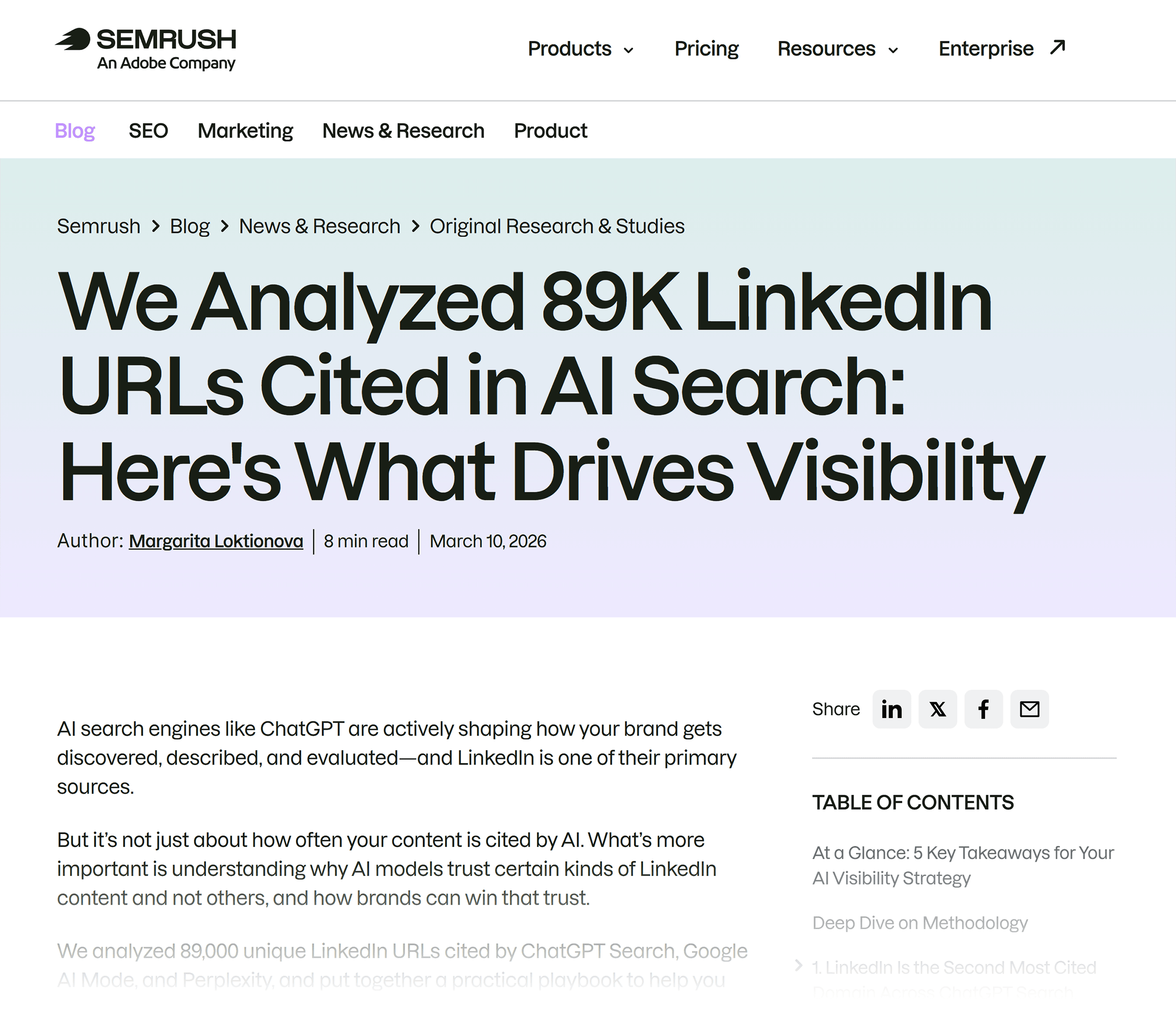
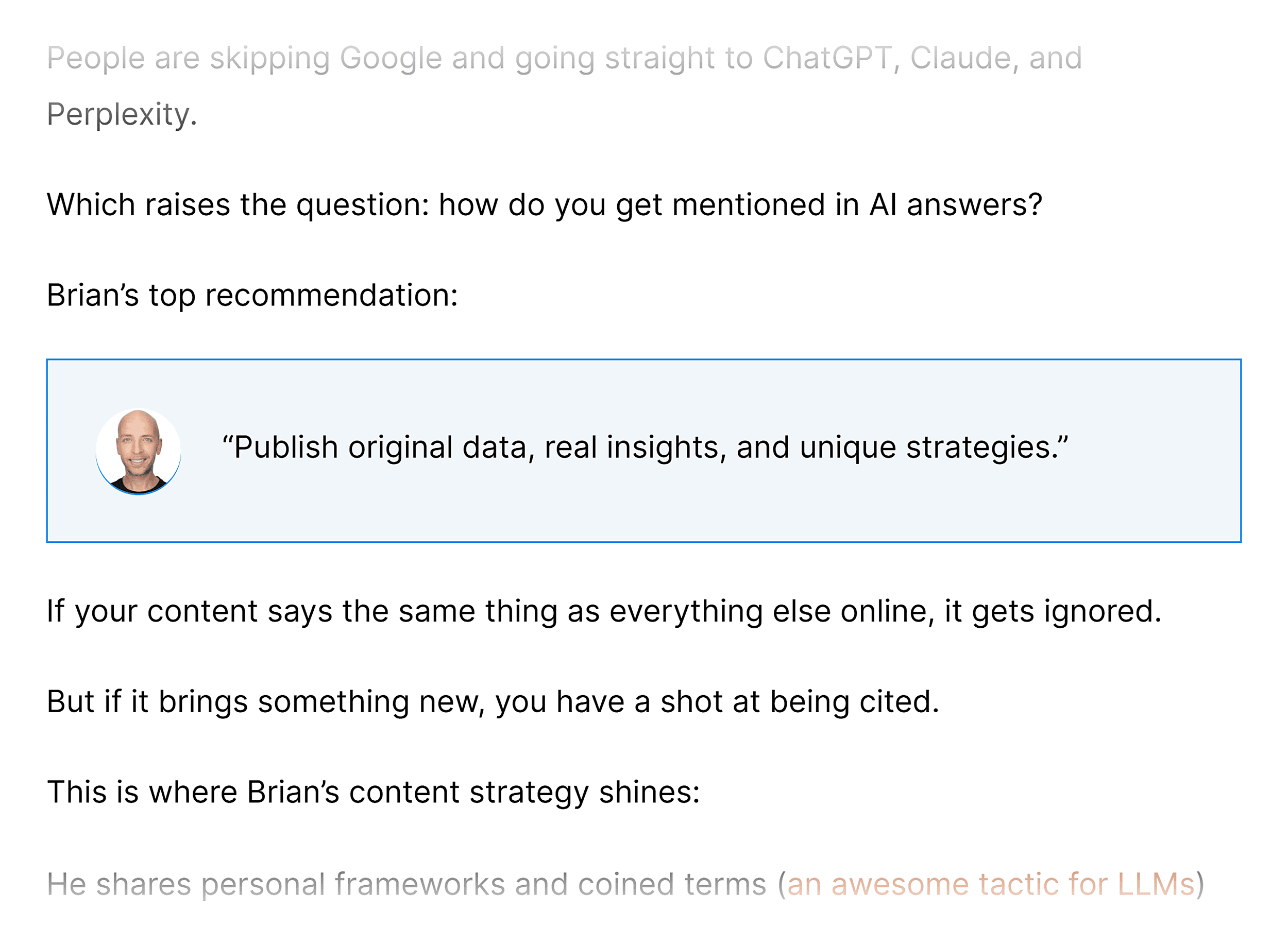
- Structured Design: Both teams collaborate to design the study, ensuring it is structured for easy citation, featuring clear methodologies, front-loaded key statistics, and branded visuals optimized for sharing. The Semrush AI visibility study is an excellent example of this.
SEO content teams might be inclined to produce such research in isolation before handing it off to PR. However, early PR involvement is invaluable. Britt Klontz notes that PR can help answer critical questions like: "What’s the actual news hook here? Which journalists would care? What kind of visuals will resonate? What specific data points are most compelling for a media narrative?" This information significantly enhances the utility and impact of the asset.
Furthermore, high-value original data should reside on its own crawlable landing page, not be gated behind forms or limited to PDF downloads. Using the same URL annually for recurring reports builds compounding authority over time. These pages should be strategically linked to related content across the site, establishing a connected topical coverage that reinforces authority for both search engines and AI.
Free Tools
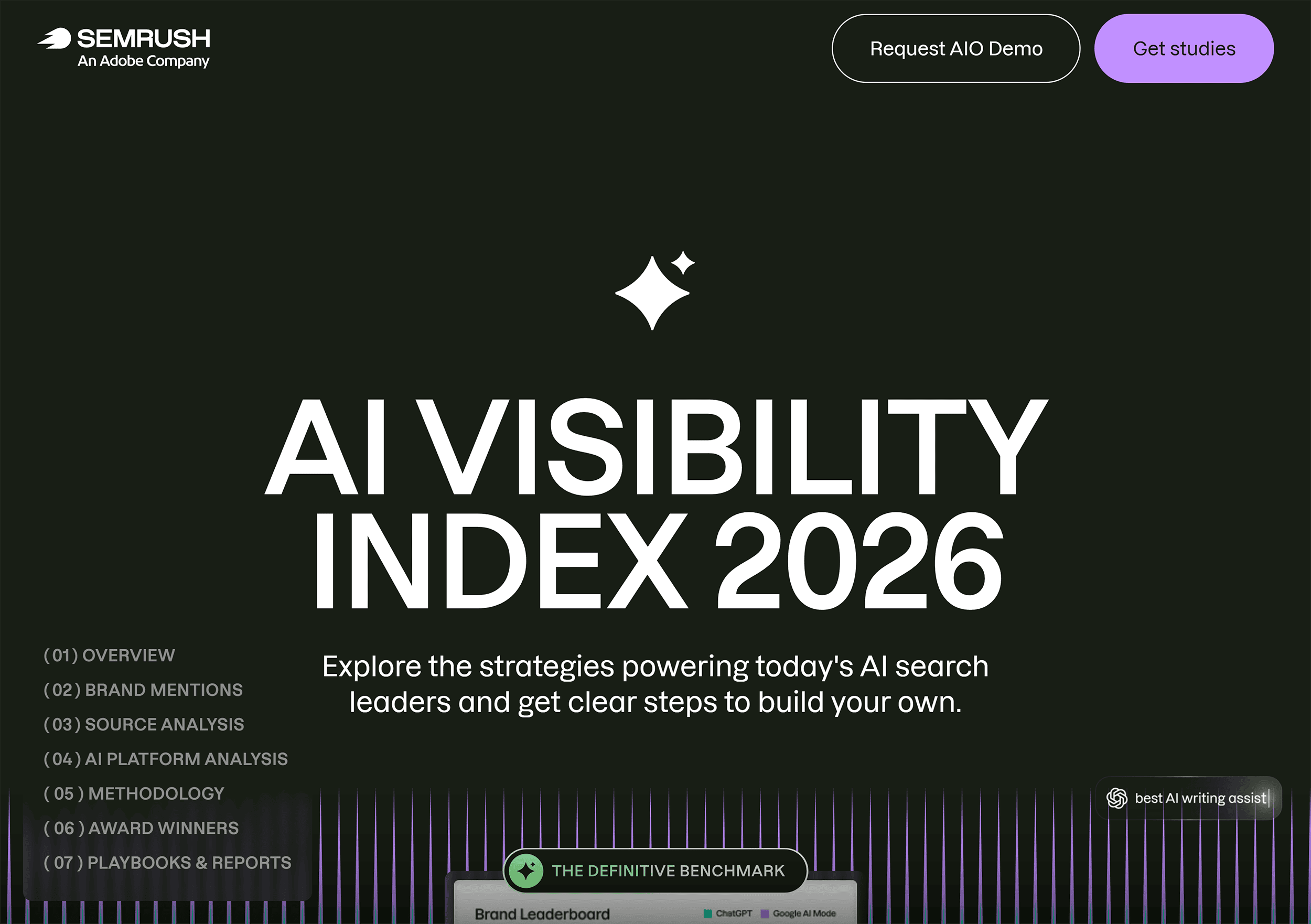
Free tools—such as calculators, templates, checklists, or interactive assets—that address specific user pain points are powerful magnets for AI visibility, backlinks, and sustained return visits. The primary challenge often lies in distribution. SEO can build and optimize these tools, but without PR’s network of contacts and sense of timing, their reach can be limited to organic discovery.
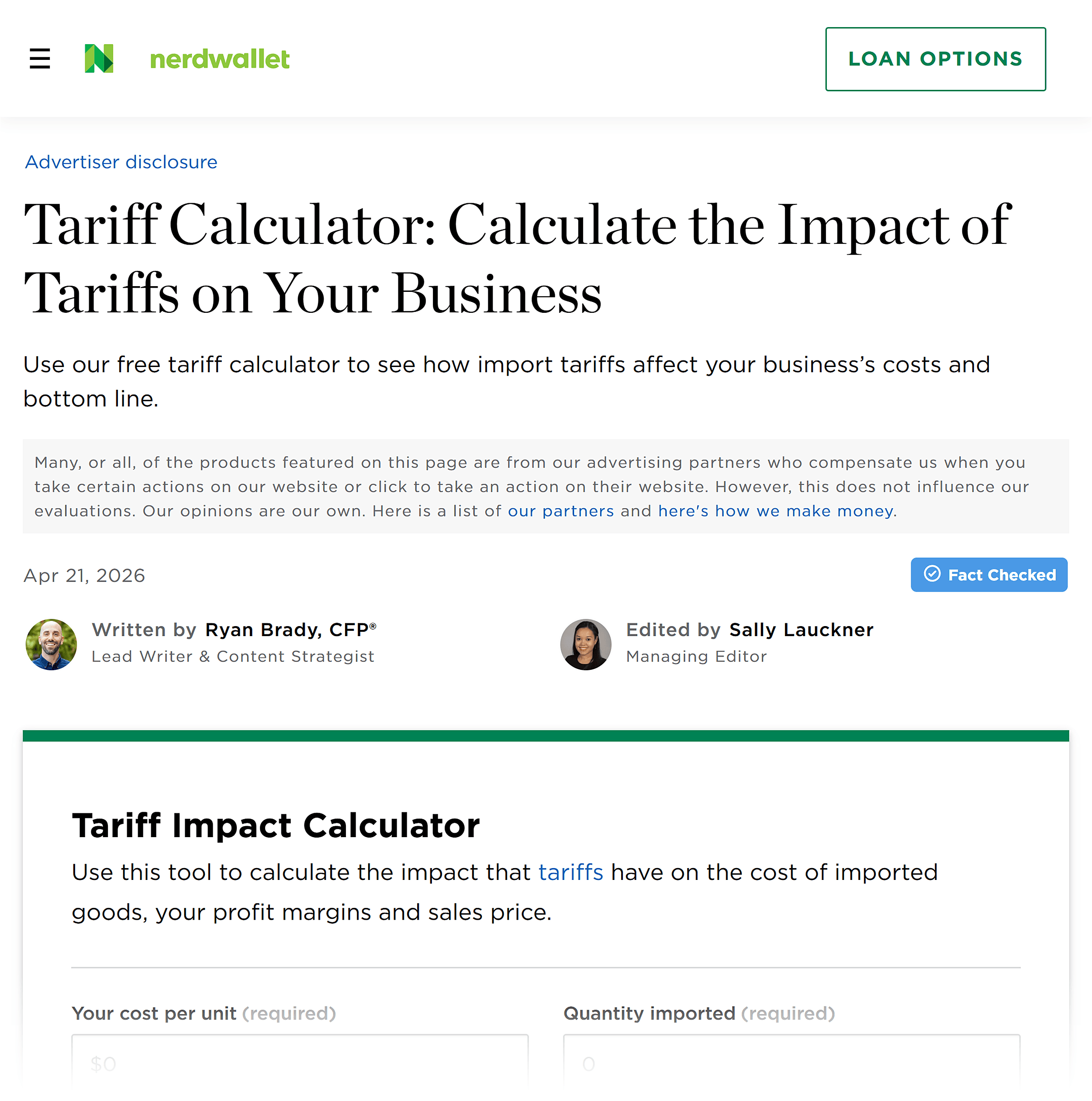
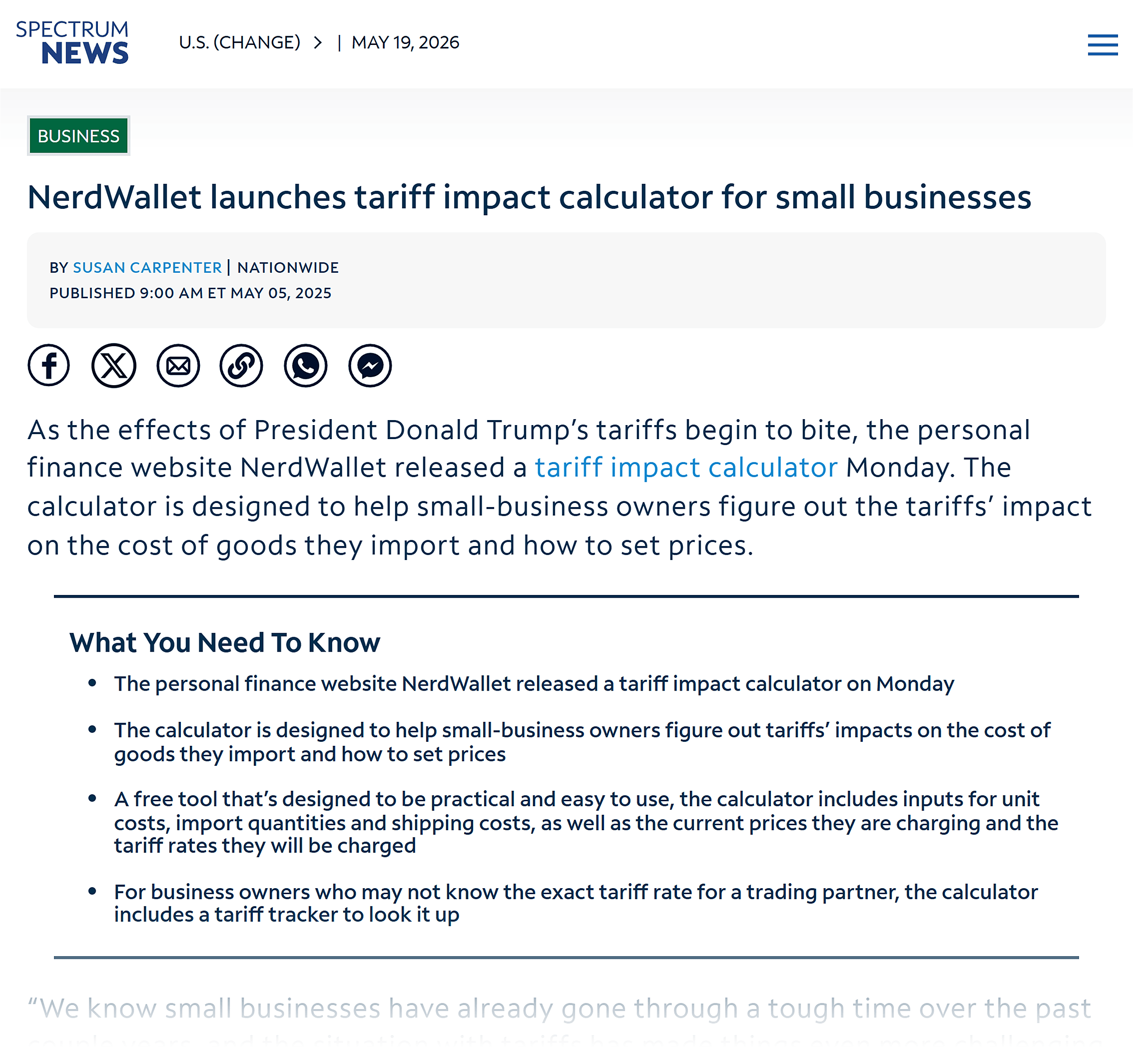
A strong, timely hook is essential. Klontz suggests that an asset is more promotable when it "blends search insights with something more personal, like proprietary data, a strong point of view, or a story angle that is relevant right now." The NerdWallet tariff calculator, launched amidst widespread public interest in tariffs, serves as a prime example. Its timely relevance led to extensive media coverage, demonstrating how a collaboratively developed tool can achieve broad dissemination. The payoff is an asset that is widely reported and shared across multiple channels.
Podcasts
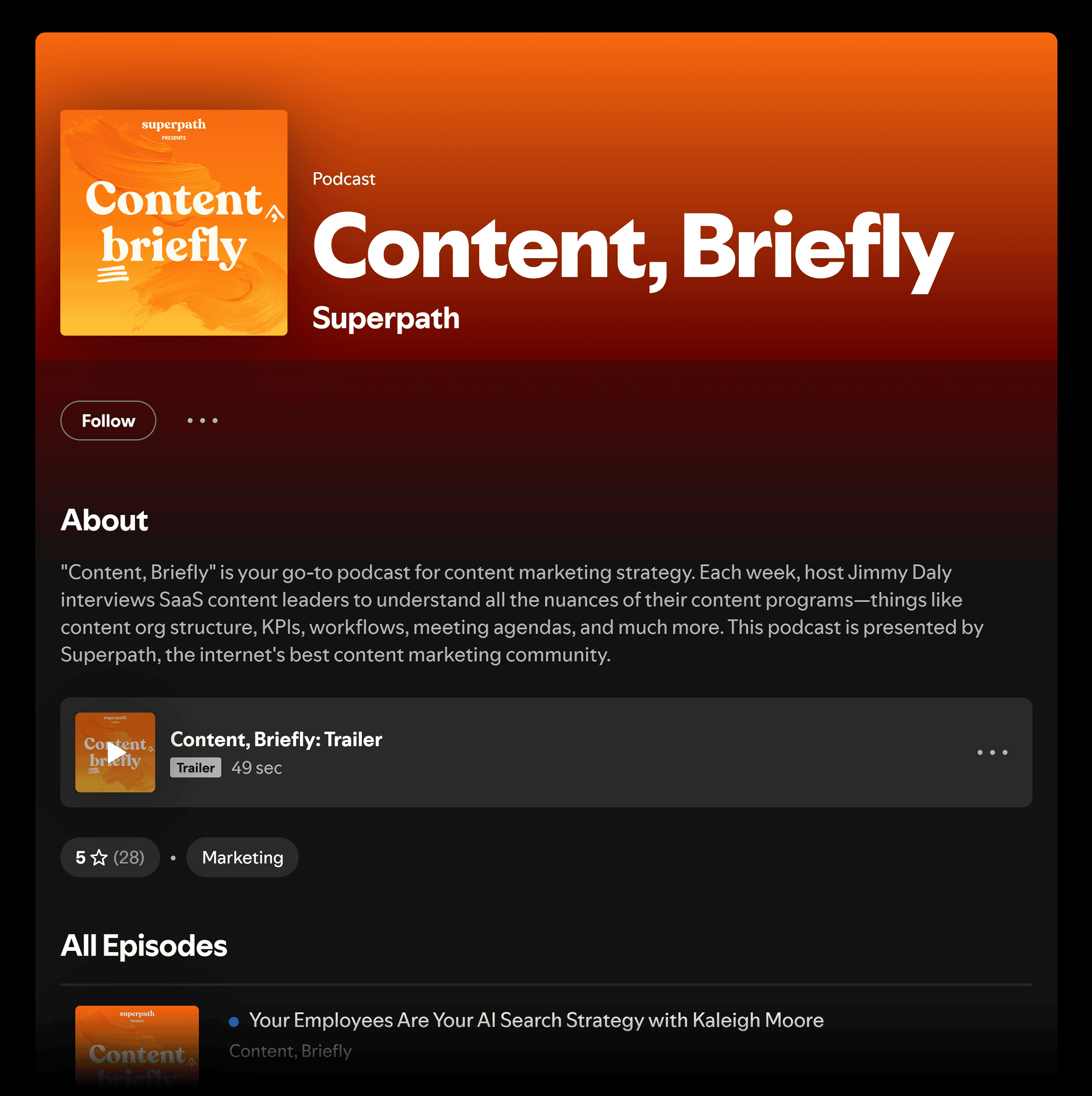
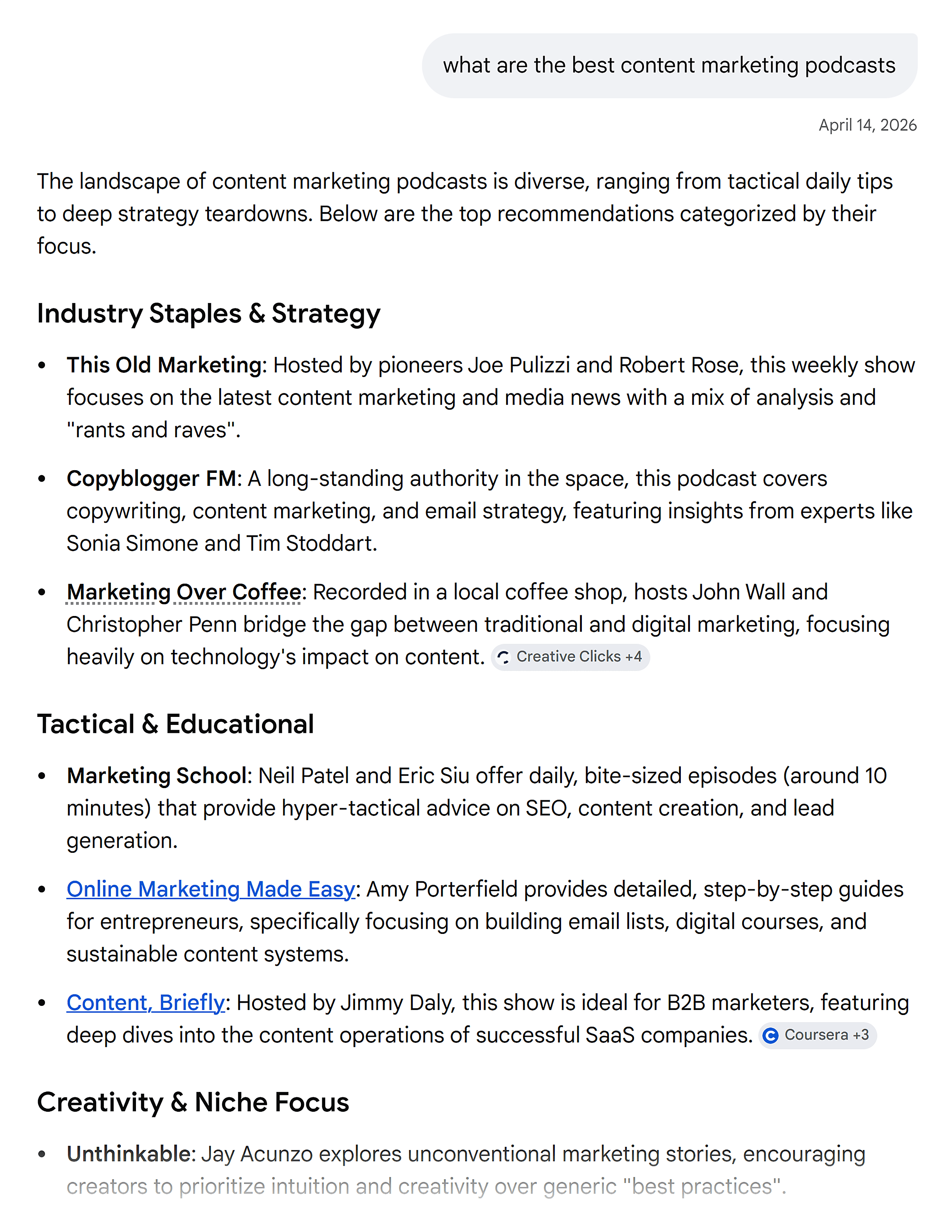
Branded podcasts are effective for generating broad coverage, review articles, and inclusion in "best podcasts on X topic" listicles. Equally important is securing guest appearances for brand experts on other established podcasts. Third-party mentions of your brand and subject matter experts (SMEs) contribute significantly to the ongoing conversation in both search engines and LLMs, bolstering E-E-A-T (Experience, Expertise, Authoritativeness, Trustworthiness).
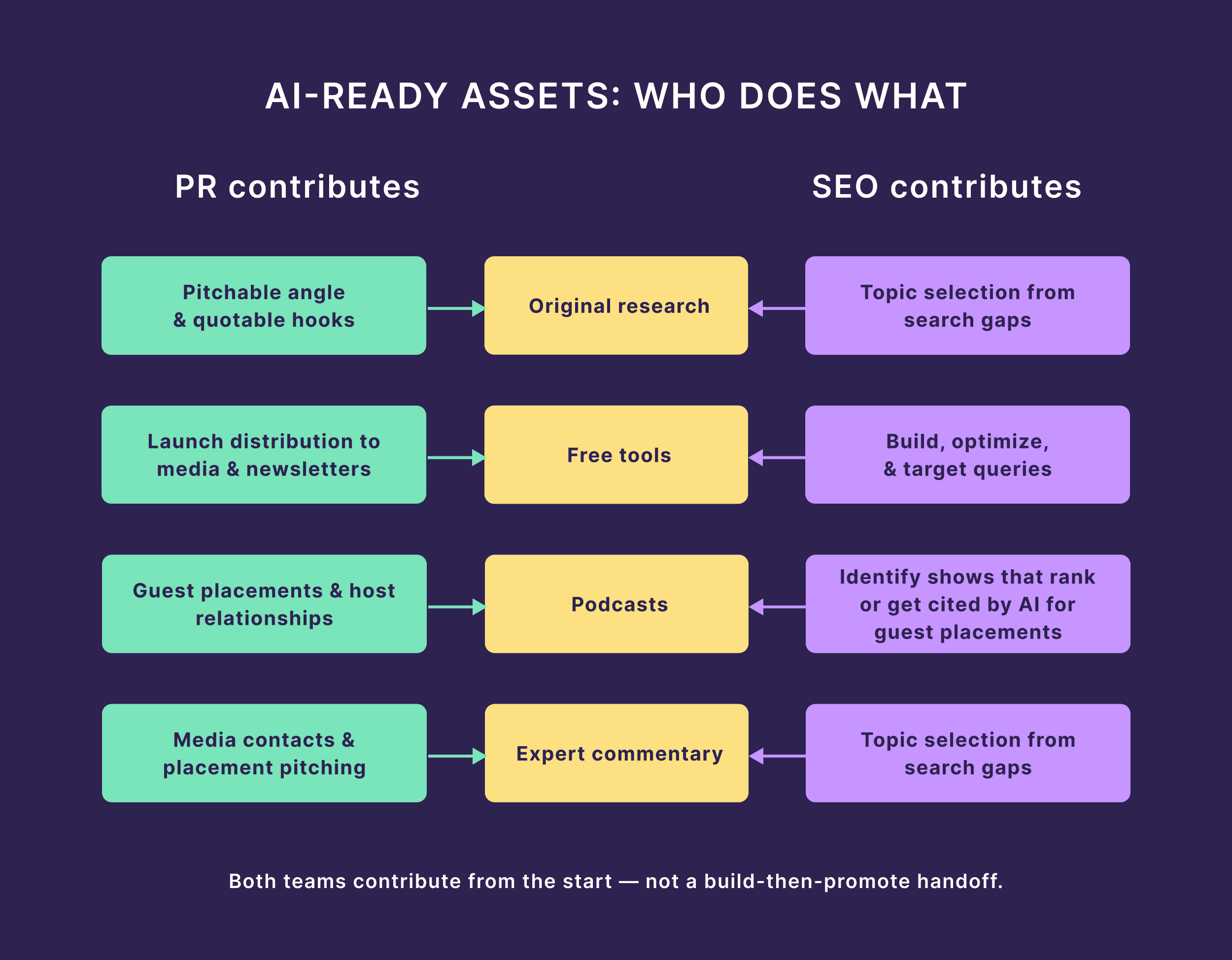
While PR typically manages guest placements, SEO can provide strategic direction by identifying which podcasts already rank prominently or are cited by AI for target topics. This ensures that outreach efforts are focused on opportunities that yield the greatest authority-building impact.
Press Releases
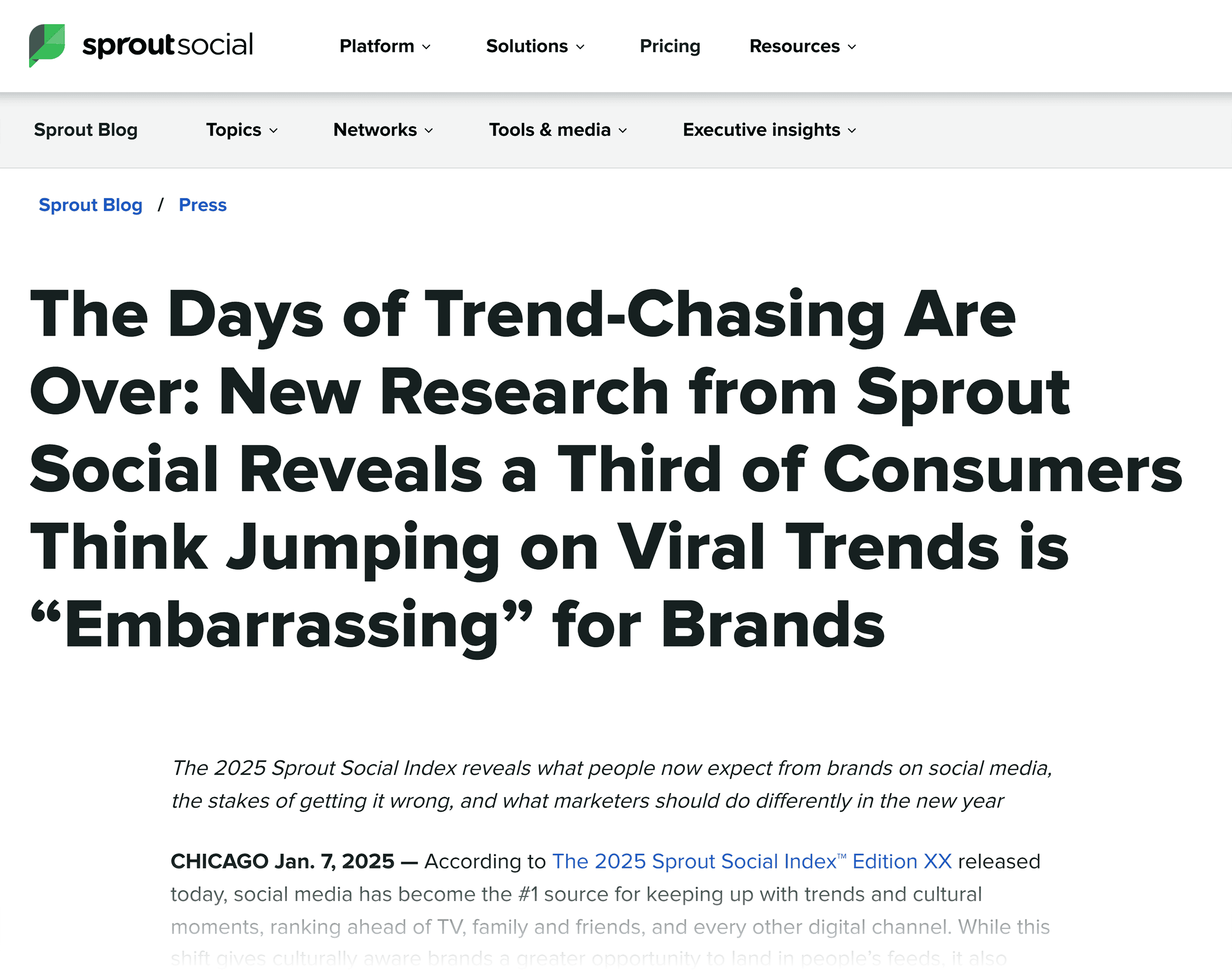
When published directly on a brand’s website and properly optimized, press releases evolve from mere announcements into standalone, crawlable assets that demonstrably increase AI mentions. Muck Rack data indicates a remarkable fivefold increase in press release citations within LLMs between July and December 2025.
Maximizing the impact of press releases requires joint contribution. Rola Tfaili highlights this benefit: "PR shapes the story and the hook. SEO makes sure the on-site version is crawlable, optimized, backed by citable data, and linked to related assets." This ensures the press release not only generates immediate buzz but also contributes to the brand’s broader authority profile.
Explainer Content
Explainer content—typically articles or videos—simplifies complex topics or clarifies key information about a brand. These resources are invaluable for journalists and LLMs, enabling them to accurately and consistently describe your brand, particularly if your industry or product is niche or intricate.
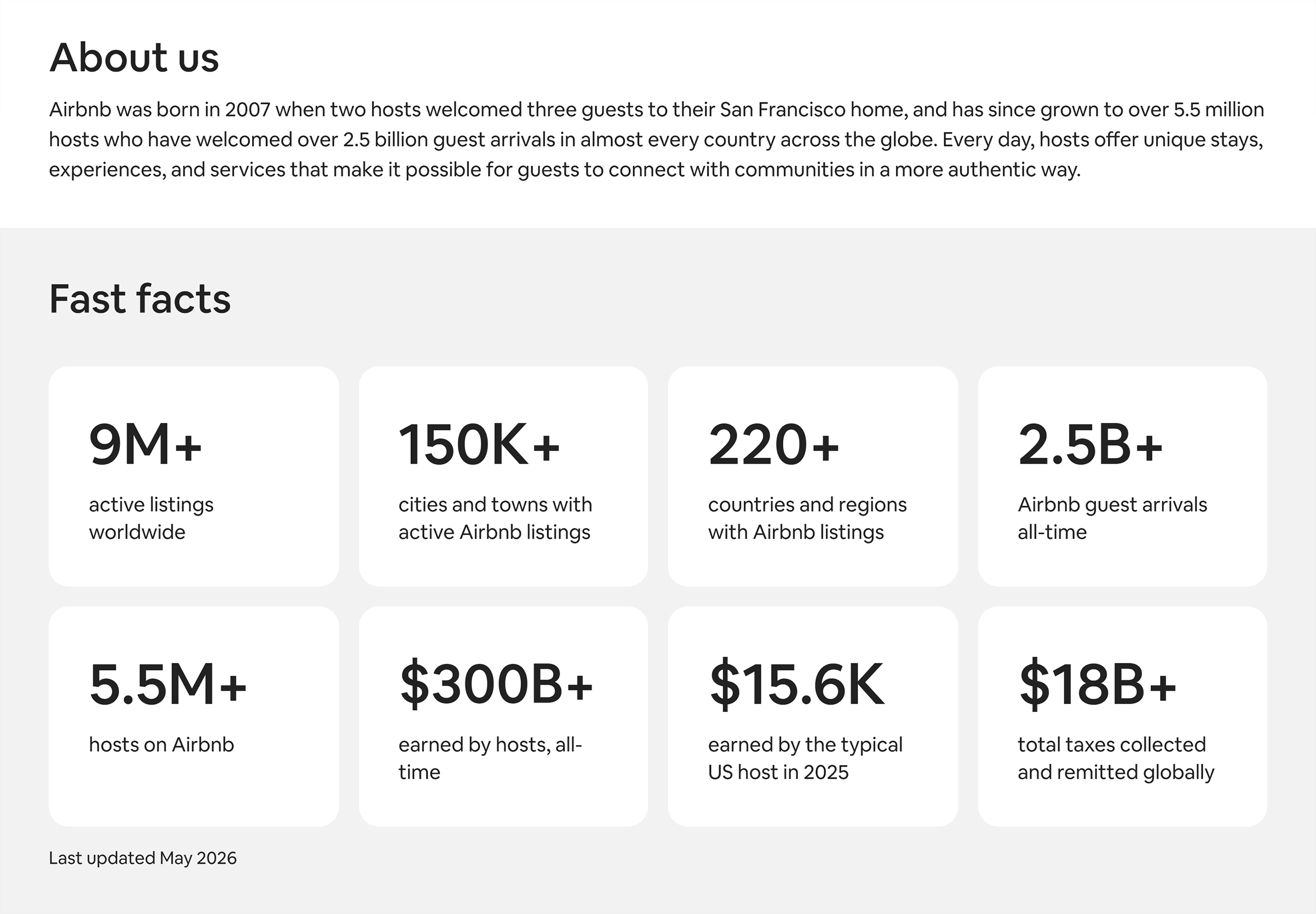
SEO can utilize keyword and prompt data to identify critical questions that explainers should address, structuring the content to allow AI to easily parse and cite individual sections. PR, informed by frequent journalist and analyst inquiries, can pinpoint common misunderstandings or gaps in existing brand narratives. Explainers can take various forms: dedicated "About Us" pages, comprehensive FAQs, or in-depth resource hubs. Airbnb’s "About Us" page is a prime example of an effective explainer, designed to provide comprehensive, easily digestible information.
Step 3: Co-Build Your Third-Party Presence
A crucial finding from AirOps reveals that brands are 6.5 times more likely to appear in AI answers through third-party signals than through their own content. This statistic underscores the immense opportunity for PR and SEO to collaborate in building expansive visibility across both traditional search and LLMs. Rola Tfaili observes this as a significant strategic shift for PR teams: "The shift is towards earning citations and being referenced as a trusted source beyond just links."
Expert Commentary
Consistent expert commentary from your brand’s thought leaders—published on your site, shared on social media, and secured in trusted publications—gradually leads Google and LLMs to associate those experts and your brand with specific topics. The primary coordination gap here is knowing where to focus efforts.
SEO possesses data on topics with high search and AI demand, as well as publications already earning citations for those topics. PR brings invaluable knowledge of which journalists and outlets are most receptive to pitches and what angles resonate. Together, they can pinpoint the most impactful publications and topics for expert placements and tailor commentary accordingly. Concrete, data-backed quotes, featuring specific statistics or firsthand insights, are far more citable than generic thought leadership, especially for AI, which prioritizes specificity for direct extraction and answer generation.
Review Sites and Forums
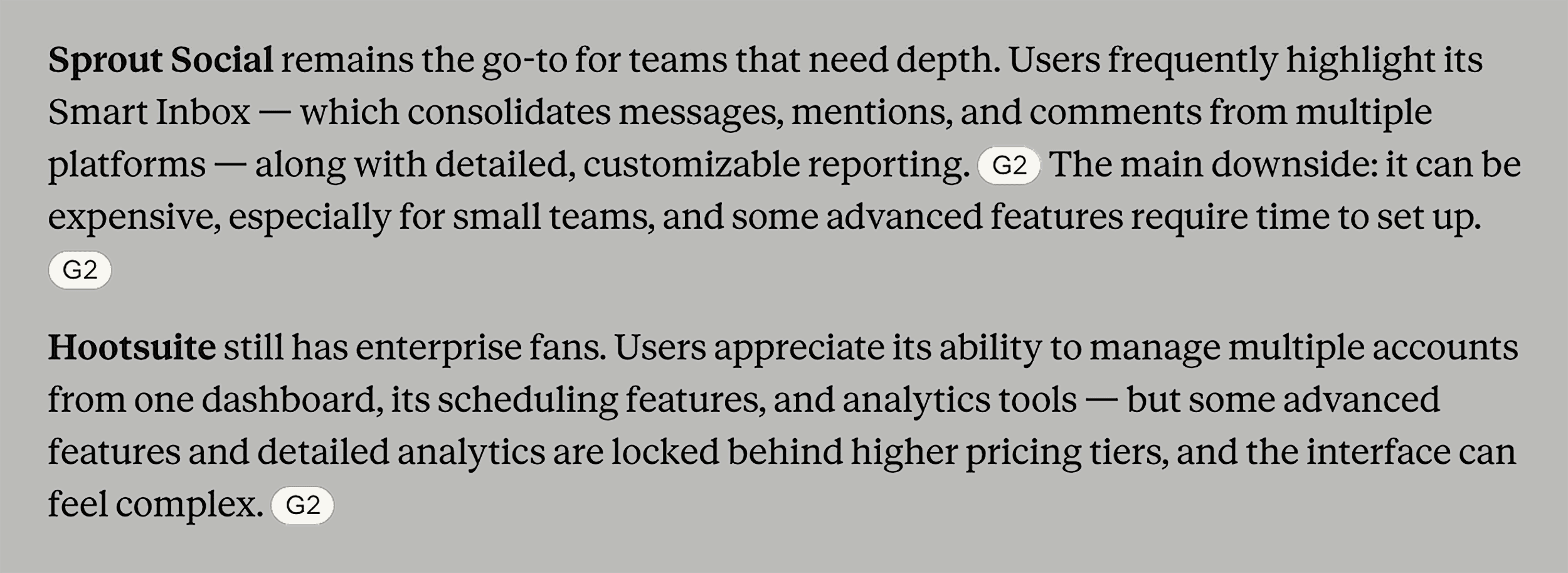
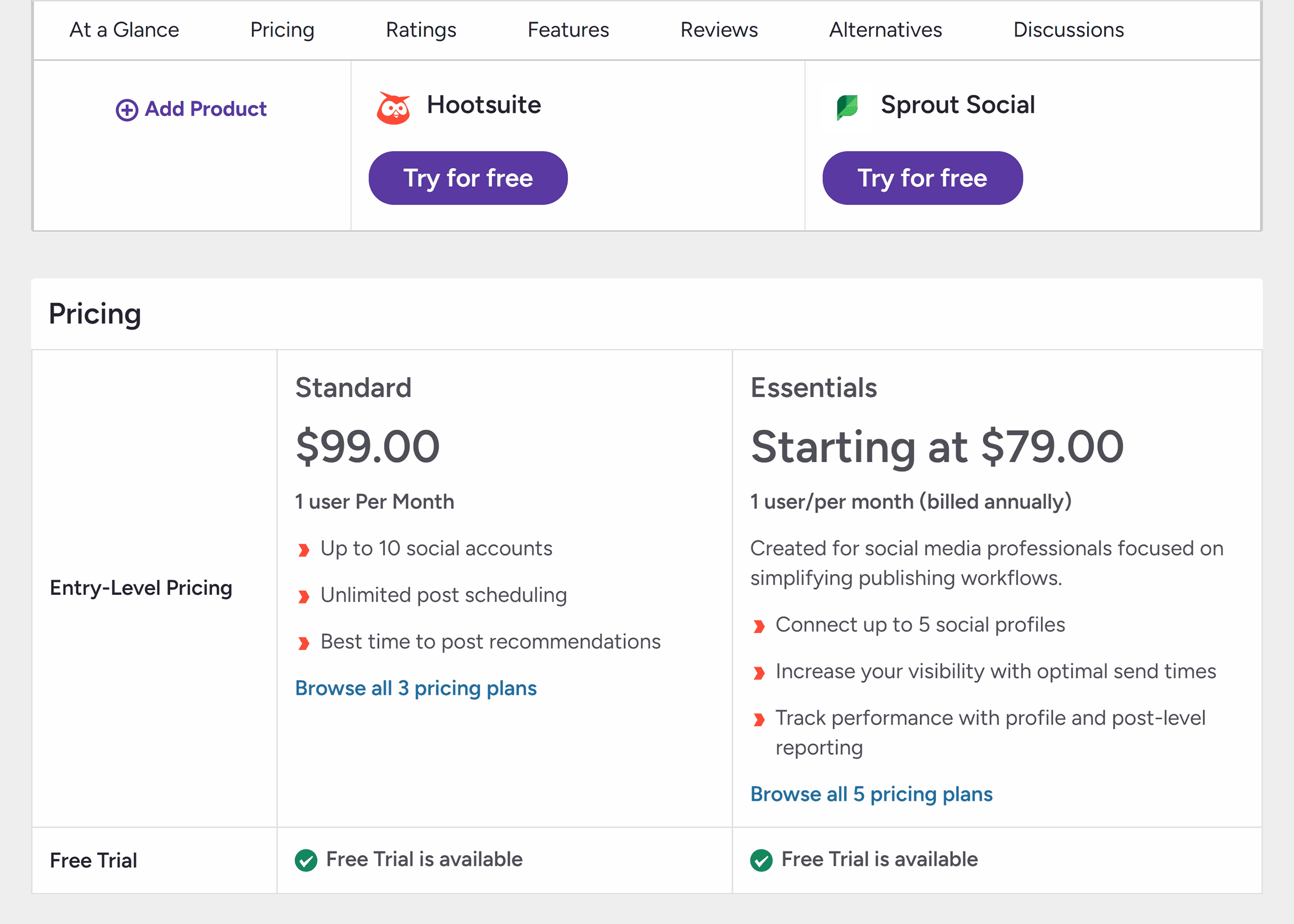
Review platforms like G2, Yelp, Google Reviews, and Trustpilot are highly trusted by AI, mirroring their human credibility. They aggregate unbiased, specific product information from verified users, leading AI to frequently cite them for product recommendations. A robust presence across multiple review sites strengthens a brand’s authority signals, providing AI with detailed evidence of its category, features, pricing, and trustworthiness.
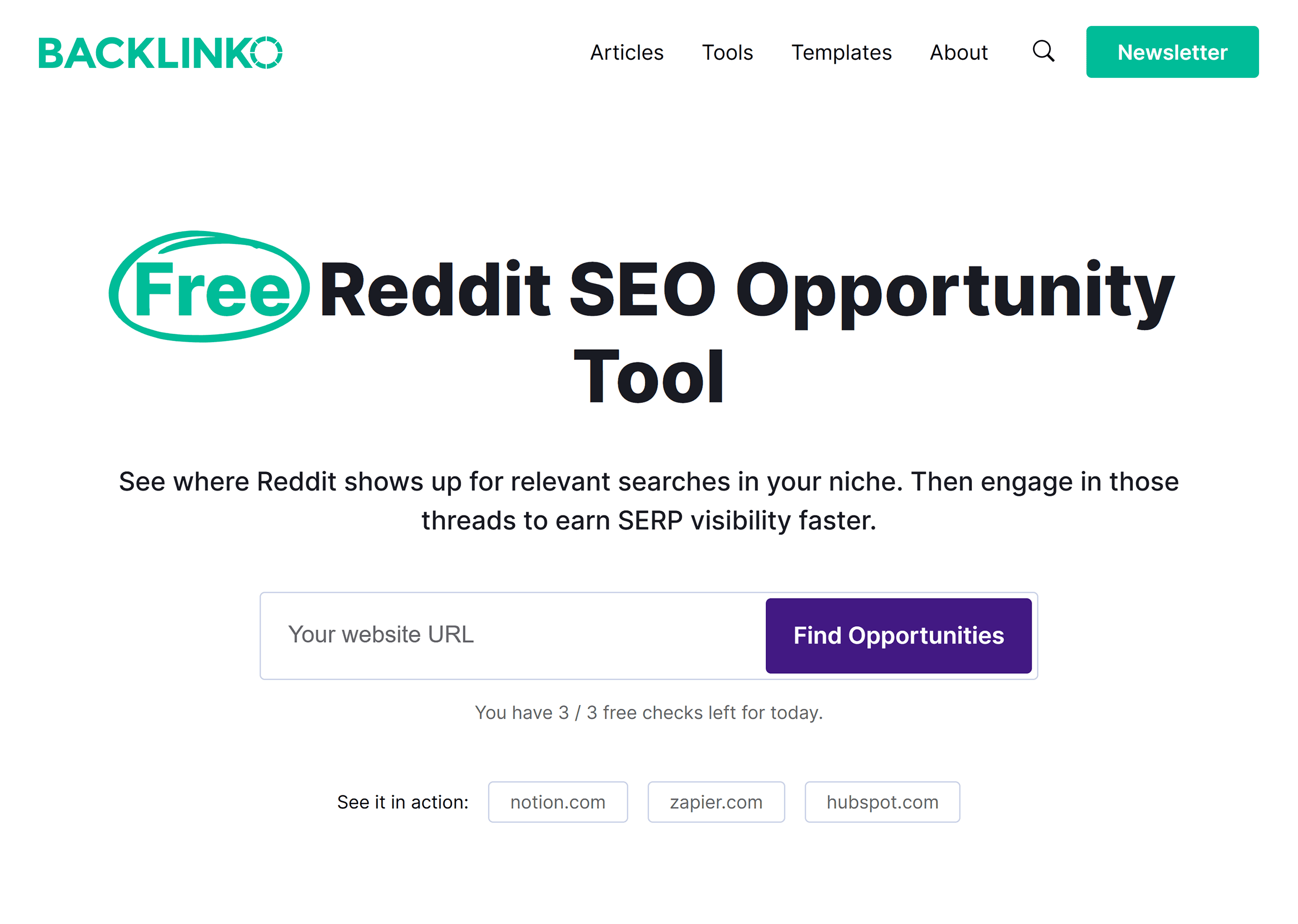
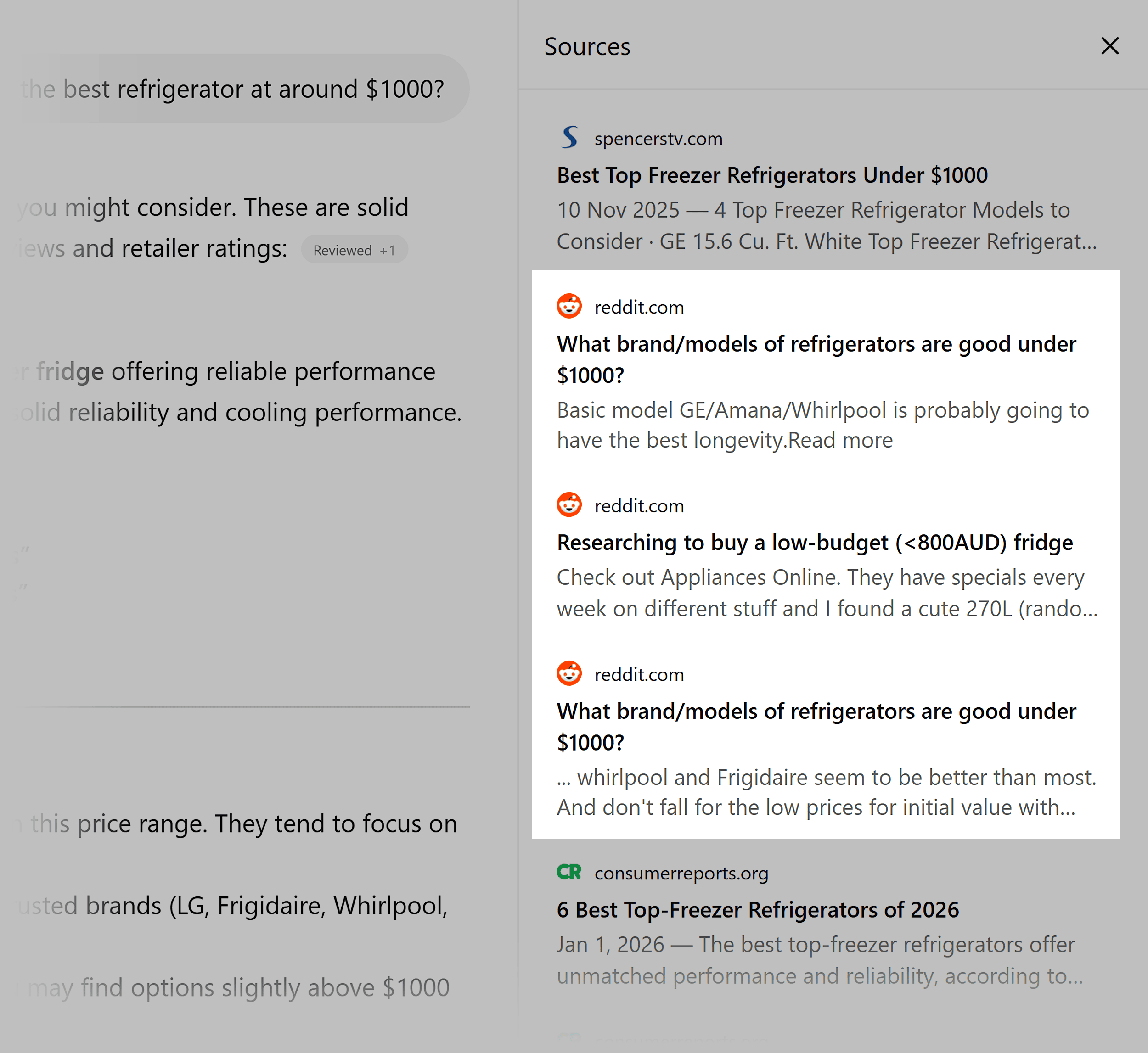
Similarly, forums like Reddit and Quora are valuable AI sources, especially when users seek authentic recommendations or firsthand experiences. Brands that actively participate as helpful, knowledgeable voices in these communities organically build trust signals that AI models favor. PR and SEO teams should jointly identify the most relevant review sites and forums in their industry, maintain current profiles, and monitor conversations for genuine contribution opportunities.
Wikipedia
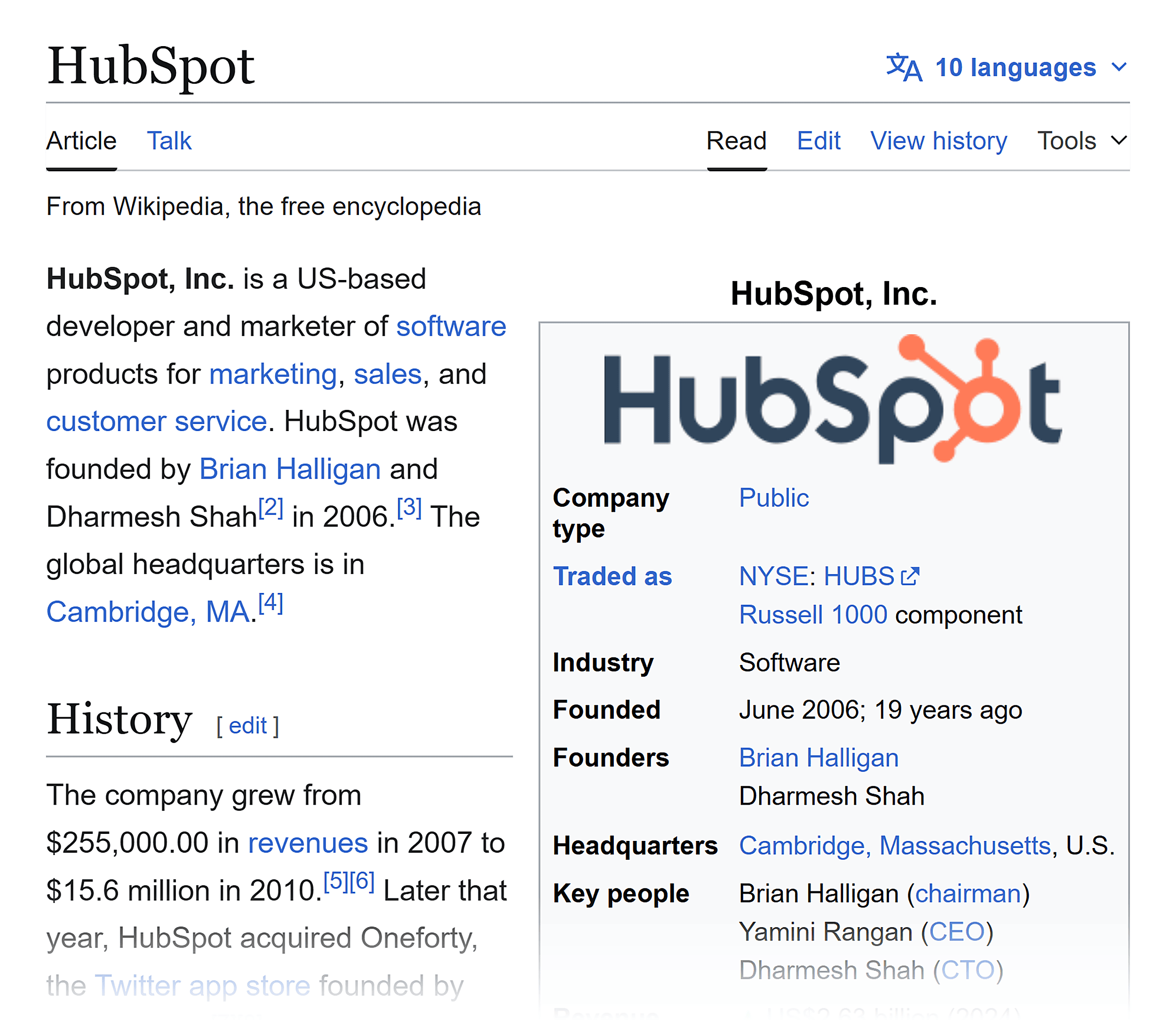
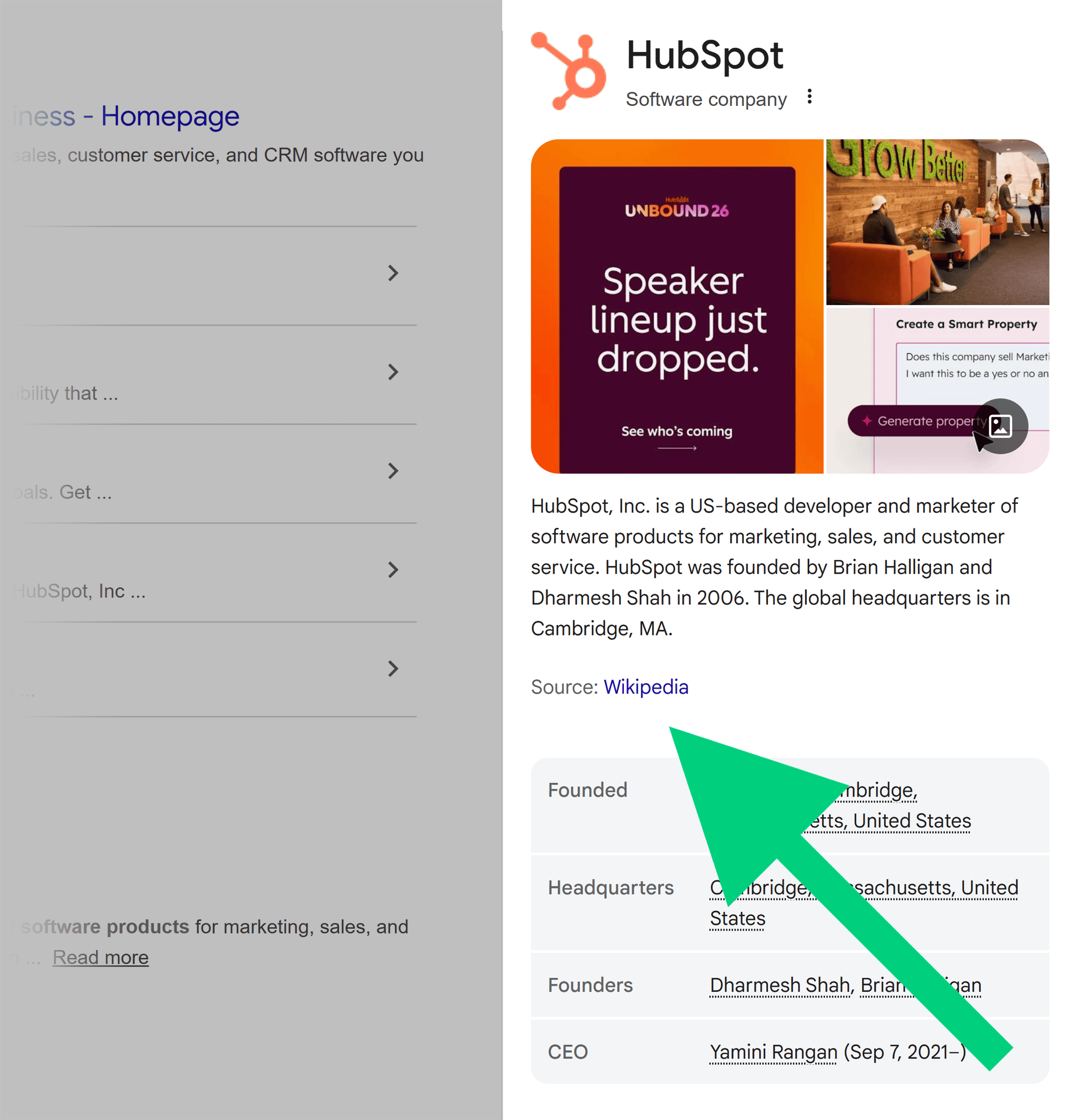
A well-maintained Wikipedia page provides Google and AI with a neutral, third-party source of factual information about a brand. It also significantly contributes to establishing the brand as a recognized "entity" within Google’s Knowledge Graph. Wikipedia is a common source for the Knowledge Graph and is integral to LLM training data.
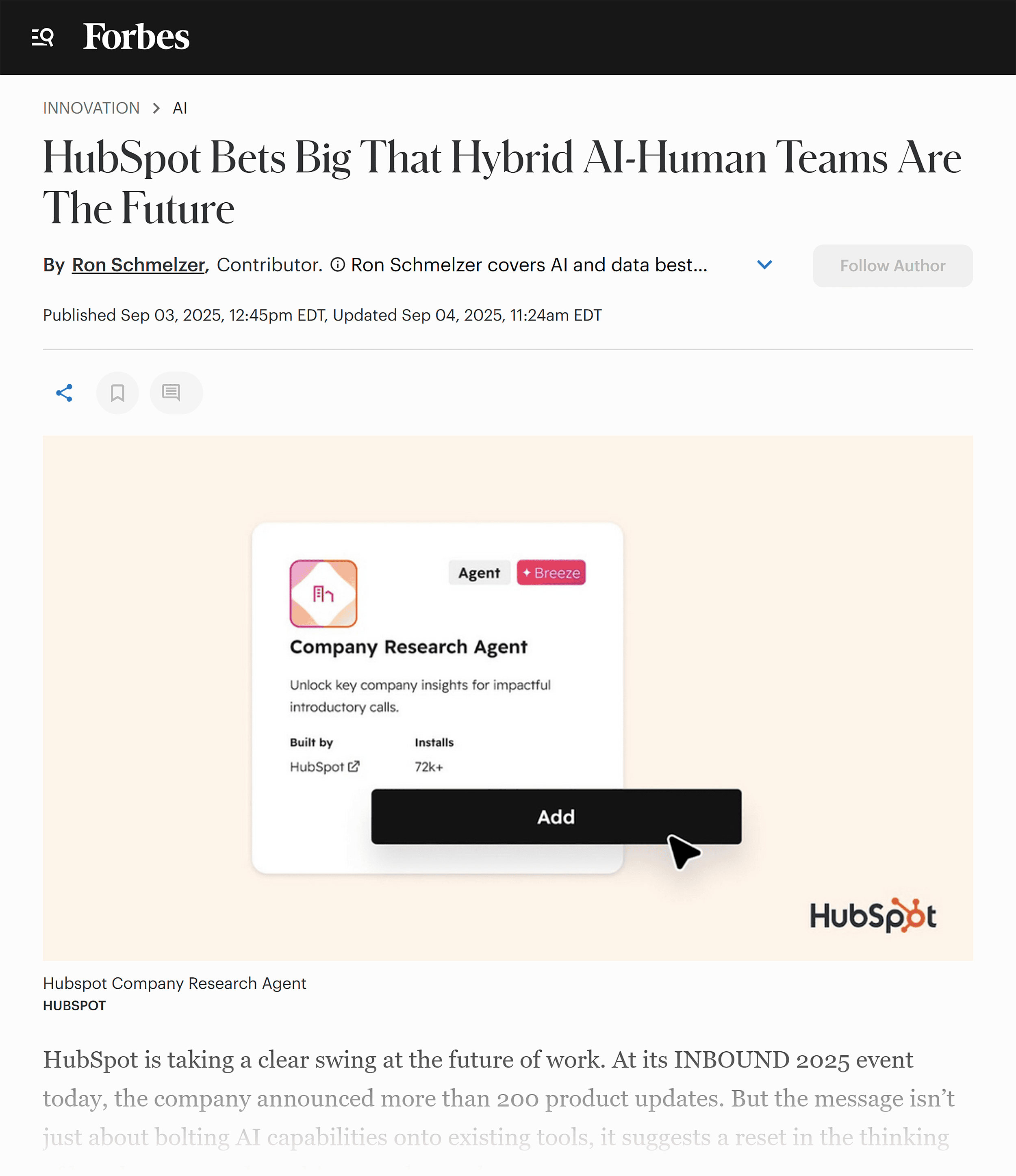
However, qualifying for a Wikipedia page requires meeting strict Notability Criteria, which demand significant, independent coverage in reliable, third-party sources that discuss the brand directly and in detail. PR plays a critical role in earning this kind of foundational coverage by pitching compelling stories about the company to journalists in reputable publications like Forbes, as exemplified by HubSpot’s extensive coverage. Once a page exists, direct editing by the brand is prohibited due to Wikipedia’s anti-self-promotion rules. However, SEO can monitor the page for inaccuracies and flag corrections, while PR manages reputation monitoring to ensure the narrative remains positive and factual.
Step 4: Unify Your Outreach Strategy
A unified outreach strategy prevents mixed messages and misaligned timing, significantly increasing the probability of successful placements. It requires a shared source list, a clear division of pitching responsibilities, and regular alignment check-ins.
Build a Shared Target Source List
SEO maintains lists of high-authority domains that perform well in organic rankings and earn AI citations. PR cultivates lists of influential journalists, analysts, creators, and publications relevant to their category. Merging these lists creates a single, comprehensive view of every high-value third-party source. This shared spreadsheet should include:
- Source Name: The publication, journalist, or platform.
- PR Potential: Why PR would target this source (e.g., industry influence, audience alignment, specific journalist interest).
- SEO Potential: Why SEO would target this source (e.g., high domain authority, relevant topical coverage, existing citations).
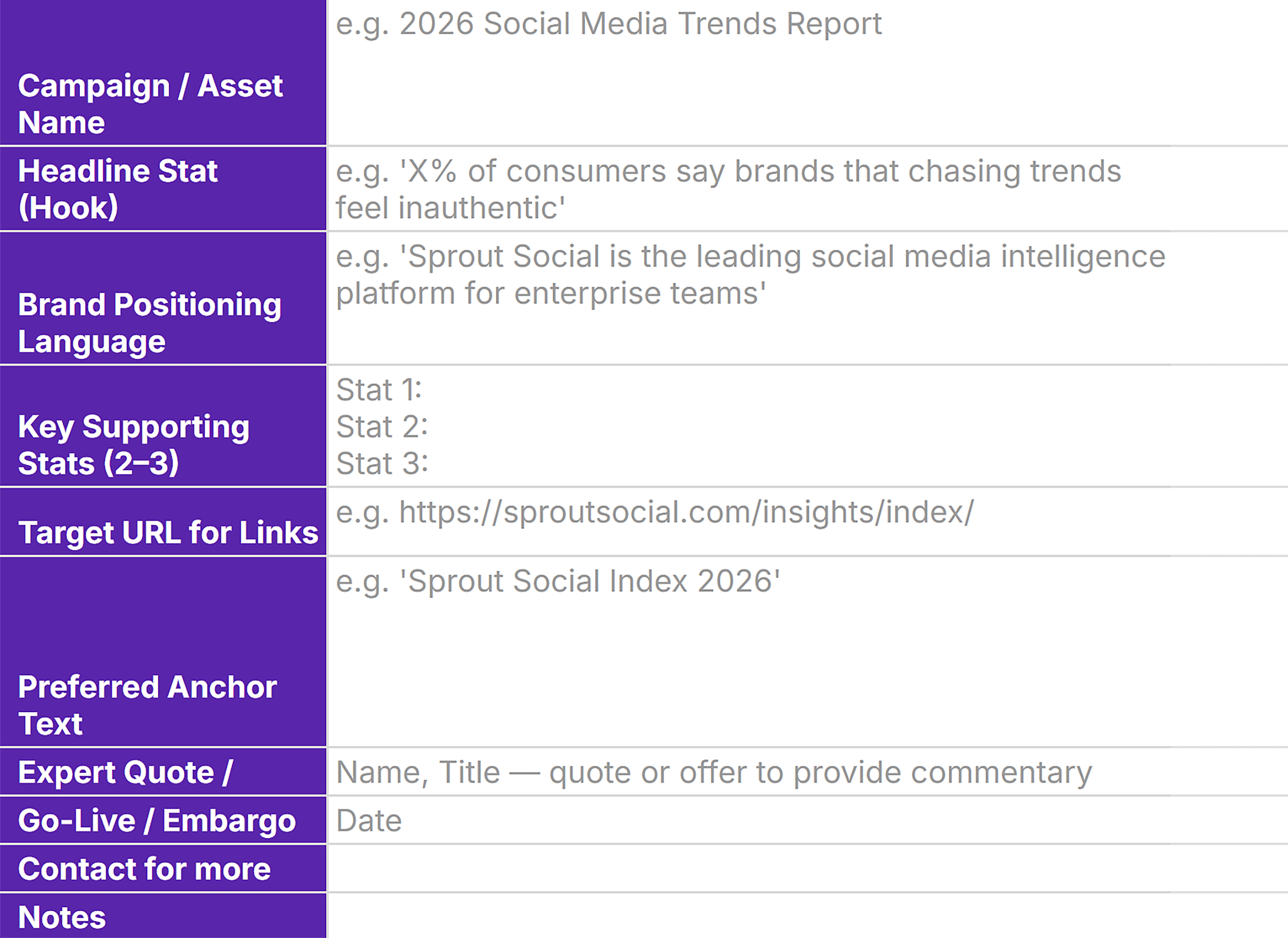
Prioritization is key: any source appearing on multiple lists should be elevated to the highest priority, as it offers compounded potential for authority and visibility. Complementing this, a shared pitch document should be established. This document, potentially based on PR’s standard pitch brief or a newly created one, should include agreed-upon headline statistics, consistent positioning language, and target URLs. While individual pitches will be customized, this ensures foundational messaging remains consistent.
Split Pitching by Strengths
While many high-priority pitches benefit from joint input, not all require it. Dividing pitching responsibilities based on each team’s core strengths maximizes efficiency. Generally, this means SEO handles more structured, technical placements, while PR focuses on editorial, relationship-based opportunities. Suggested division:
| SEO | PR |
|---|---|
| Pitch for inclusion in industry listicles | Pitch journalists and editors on newsworthy content |
| Fix unlinked brand mentions | Offer expert commentary to reporters |
| Reach out to sites with broken or outdated links | Submit to industry awards |
| Identify warm contacts from referring domains | Brief analysts at firms like Gartner and Forrester |
| Monitor AI citations for new outreach targets | Explore sponsored placements in newsletters, podcasts, and trade publications |
This division ensures that each team leverages its unique expertise for optimal results.
Plan Pitching in Advance
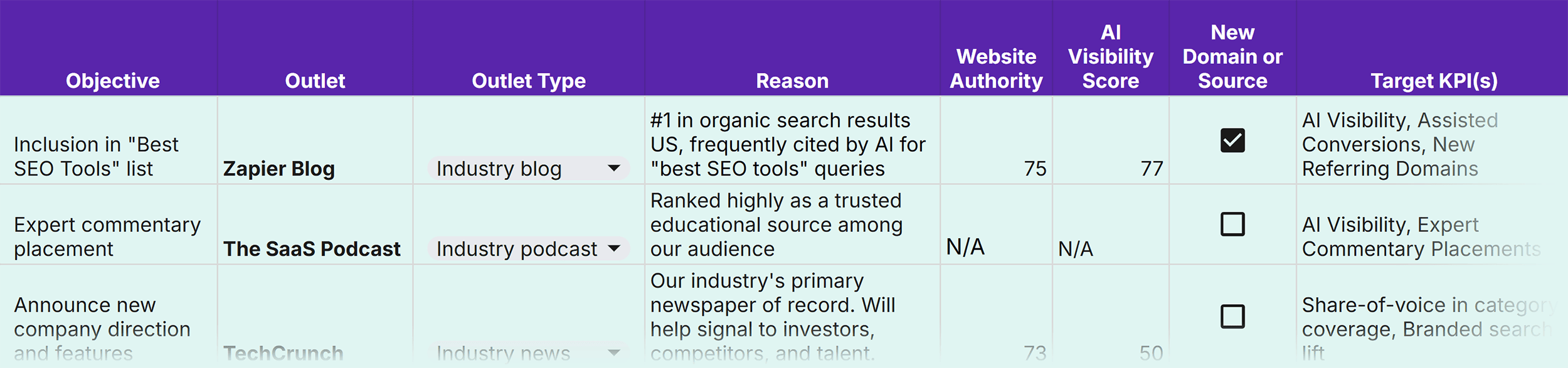
Regular meetings, whether quarterly or monthly, are essential to plan pitching activities. These sessions should determine who will pitch what, to which outlets, and when. This proactive planning minimizes accidental duplication of effort and ensures high-impact initiatives are prioritized. Mapping outlets to specific objectives and target Key Performance Indicators (KPIs) clarifies ownership and accountability. Crucially, each meeting should include a review of results from the previous period, allowing teams to double down on successful strategies and discontinue less effective ones.
Step 5: Report on PR and SEO Performance Together
Traditionally, PR and SEO track disparate metrics—PR might focus on media mentions and outlet quality, while SEO prioritizes rankings and organic traffic. The goal isn’t to merge these into a single, unwieldy dashboard, but rather to establish a shared lens for evaluating the comprehensive impact of each asset, regardless of which team originated it. Britt Klontz advocates for a shared set of evaluative questions for every asset:
- Did it resonate with our target audience?
- Did it generate meaningful conversations?
- Did it enhance our brand’s reputation and credibility?
- Did it drive measurable business outcomes?
As Klontz states, "It’s not about whose metric is more important. It’s about how each piece of work contributes to a shared understanding of success."
Visibility: Did We Show Up in the Right Places?
Increasing audience exposure in relevant and impactful channels is a primary benefit of PR and SEO collaboration. Key metrics to track include:
- Media Mentions: The raw number of times the brand is mentioned in news articles, blogs, and other publications.
- Brand Mentions: Tracking mentions of the brand across social media, forums, and other online platforms (even if not explicitly linked).
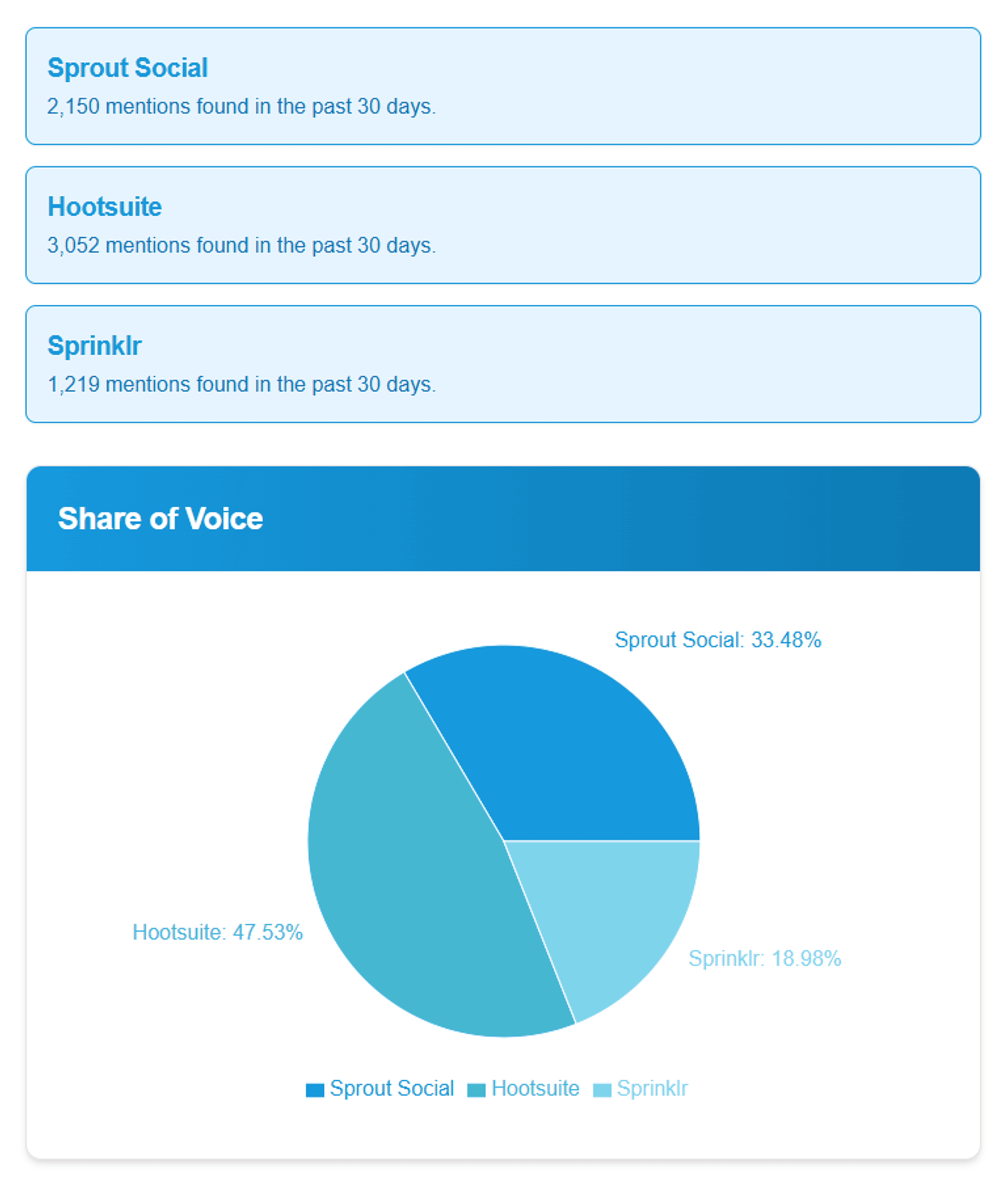
- Share of Voice: Measuring the brand’s visibility relative to competitors within the media and search landscape. Tools like Semrush’s Brand Monitoring can provide a "Mention Share of Voice" calculation.
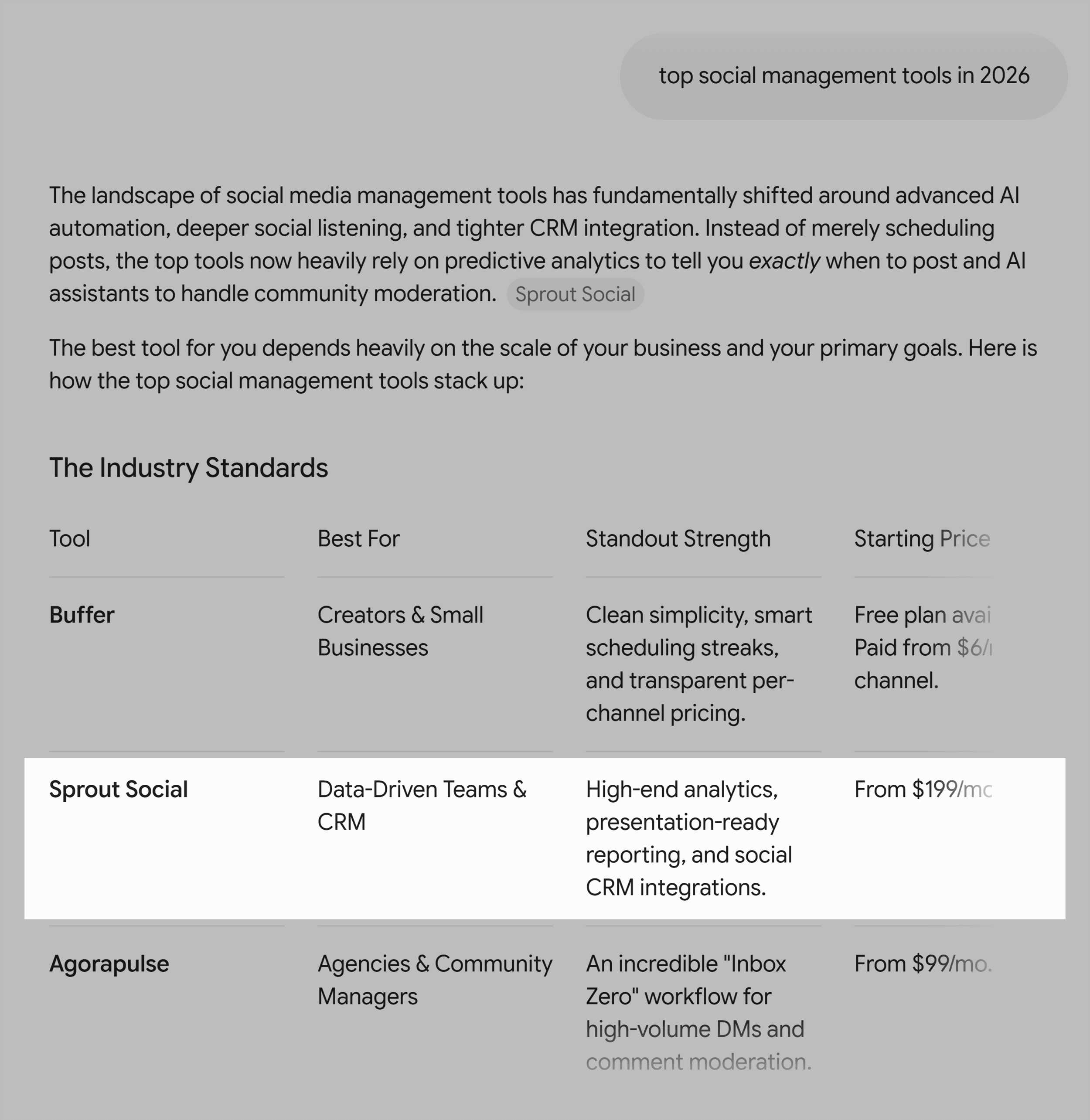
For AI visibility, manually checking LLMs for mentions of your brand in response to key queries is a starting point, but quickly becomes unscalable. The Semrush AI Visibility Toolkit automates this tracking, providing an overall AI Visibility score that measures how often your brand is cited by AI systems compared to competitors. This tool also tracks your Share of Voice across AI platforms, offering a single metric reflecting the combined impact of PR and SEO efforts.
Authority: Did We Become More Credible?
This category demonstrates whether your brand is becoming a trusted online source.
- New Referring Domains: While new backlinks are valuable, new referring domains are more significant as they represent unique sources vouching for your brand.
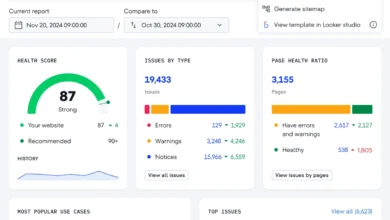
- Website Authority Score: Third-party estimates (e.g., Domain Authority, Authority Score) reflect the trust search engines likely assign to your domain based on its backlink profile and other signals. The focus should be on the trend of this score over time, rather than the absolute number.
The AI Visibility Toolkit tracks mentions, citations, and cited pages over time, indicating percentage increases or decreases. When both authority scores and AI mentions are climbing, it’s a clear indication that the integrated PR and SEO strategy is yielding positive results. Additionally, tracking expert commentary placements, direct requests from journalists, and new journalist relationships provides strong qualitative signals of growing trust. Semrush’s Brand Monitoring tool offers comprehensive tracking for SME names and other keywords, providing volume, sentiment, and top-tier source analysis.
Demand: Did It Help People Take the Next Step?
Ultimately, integrated efforts must translate into measurable business impact. While PR and SEO often operate higher in the funnel, these metrics help demonstrate their contribution:
- Referral Traffic: Visitors who navigate to your site directly from media coverage. Even if numbers are low, they indicate which topics resonate enough to drive direct interest.
- Assisted Conversions: Conversions where organic search or referral traffic played a role in the buyer’s journey, even if not as the final click. This metric, found in GA4 under Advertising > Key event attribution paths, captures the influence of top-of-funnel PR and SEO content on conversions.
- Branded Search Queries: As AI search can decrease direct click-through rates, an increase in branded search queries becomes a crucial signal of real brand awareness. Britt Klontz emphasizes this, stating, "Branded search is the truest signal that people are aware of your brand and actively seeking you out." Rola Tfaili concurs, highlighting its importance. Google Search Console reveals how often people search for your brand by name and the resulting clicks to your site. Spikes around major coverage dates can directly correlate increases to specific PR and SEO campaigns.
Turn PR and SEO Into an Always-On Authority Engine
The brands currently commanding the most trust and visibility are not operating PR and SEO in isolation. They are strategically appearing across media, blogs, review sites, search engines, and AI platforms because all these channels contribute to the same underlying authority signals. Achieving this requires more than occasional synchronization; it demands a continuous, "always-on" partnership.
Organizations don’t need to overhaul their entire structure overnight. A phased approach can yield significant results. Start small by:
- Establishing a Shared Research Hub: Create a common repository for insights from both PR and SEO.
- Collaborating on One AI-Ready Asset: Select a single project, such as an original research report or a free tool, and execute it with full PR and SEO integration.
- Implementing Joint Reporting on a Key Metric: Agree on one shared metric, like "AI Visibility Score" or "Branded Search Volume," to track and report on together.
For those ready to delve deeper into optimizing their brand’s presence in the AI era, a comprehensive guide to AI optimization can provide further tactical strategies. This integration isn’t merely about operational efficiency; it’s about building a future-proof foundation for brand prominence in an increasingly AI-driven world.