The Evolution of Audience Personas: Adapting to a Multi-Channel, AI-Driven Search Landscape

The paradigm of audience understanding in digital marketing has undergone a profound transformation, moving beyond static demographic profiles to a dynamic, search-focused methodology. In an era where online information seeking is fragmented across an unprecedented array of platforms, traditional audience personas are proving increasingly inadequate. Marketing and content strategists are now compelled to develop "search-focused audience personas" that delve into not just who their audience is, but crucially, how they navigate the complex digital landscape to find answers and solutions. This shift represents a critical evolution, driven by the proliferation of specialized search engines, the rise of conversational AI, and the ever-changing habits of the modern digital consumer.
The Shifting Sands of Digital Search

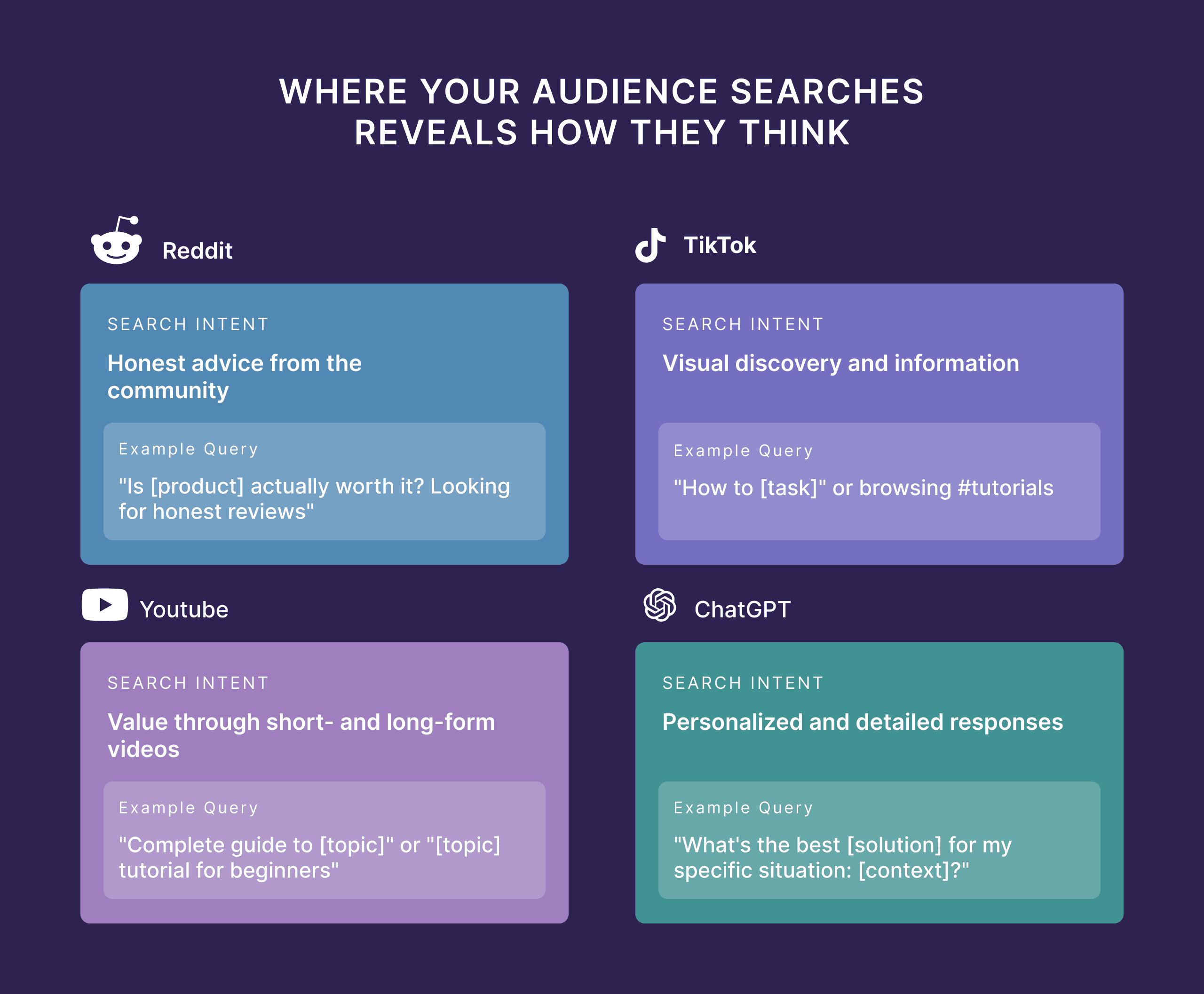
For decades, Google dominated as the primary gateway to online information, shaping user search behavior and, by extension, marketing strategies. However, the digital ecosystem has diversified dramatically. Today, users consult a rich tapestry of channels: Google remains central for general queries, but platforms like ChatGPT offer conversational AI insights, Reddit provides authentic community-driven advice, YouTube serves as a visual learning hub, and TikTok caters to short-form video content. This fragmentation means a single search query might begin on one platform and evolve across several others, each influencing the user’s decision-making process in unique ways.
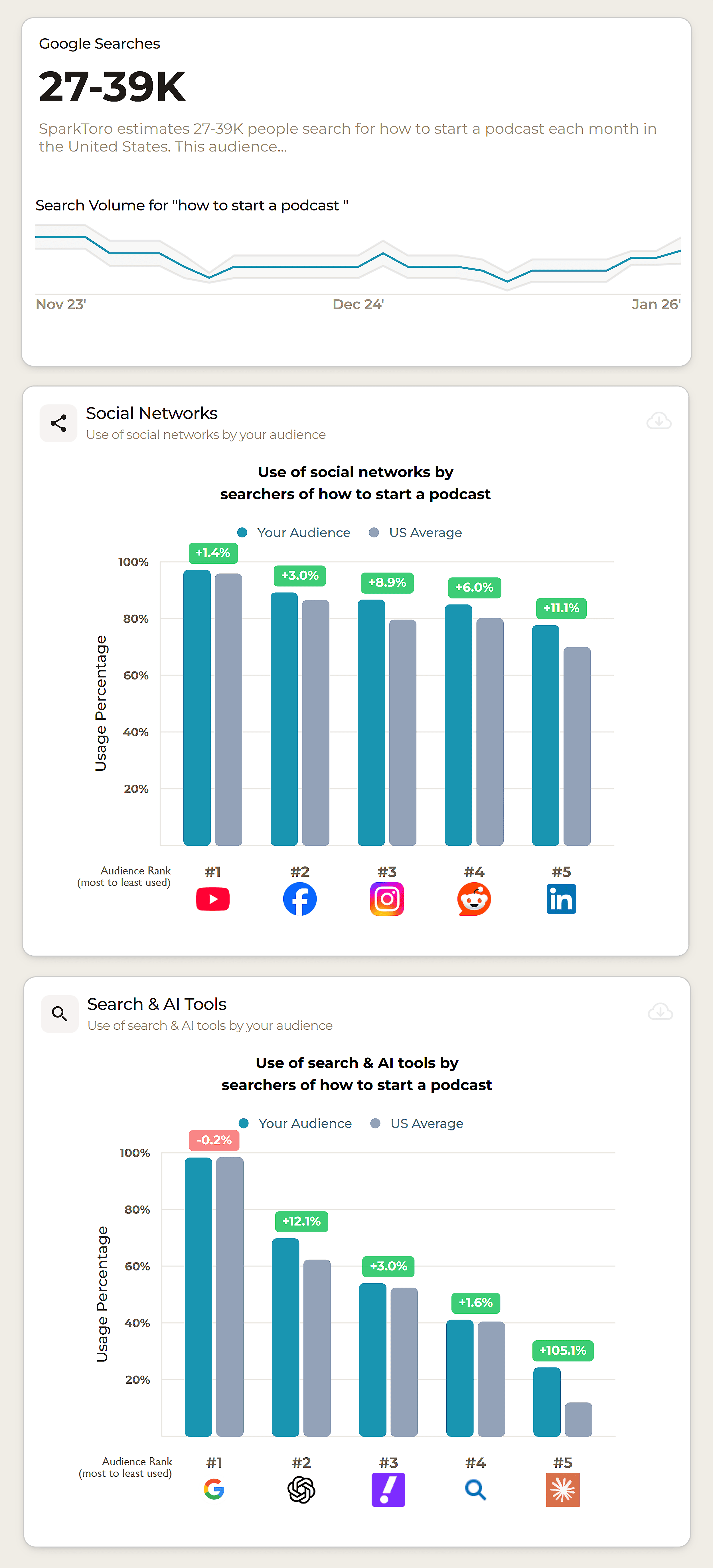
Industry reports highlight this diversification. Data from leading analytics firms indicate that while Google still holds the lion’s share of general search traffic, specialized platforms are seeing exponential growth in specific content verticals. For instance, YouTube’s dominance in video content and TikTok’s explosion in short-form tutorials signify distinct user intents that traditional keyword research alone cannot fully capture. The emergence of large language models (LLMs) like ChatGPT, capable of synthesizing information and providing direct answers, further complicates the landscape. Users are increasingly turning to these AI companions for quick summaries and recommendations, often influenced by the sources the AI models themselves deem authoritative.
The Imperative for Deeper Insight: Beyond Demographics
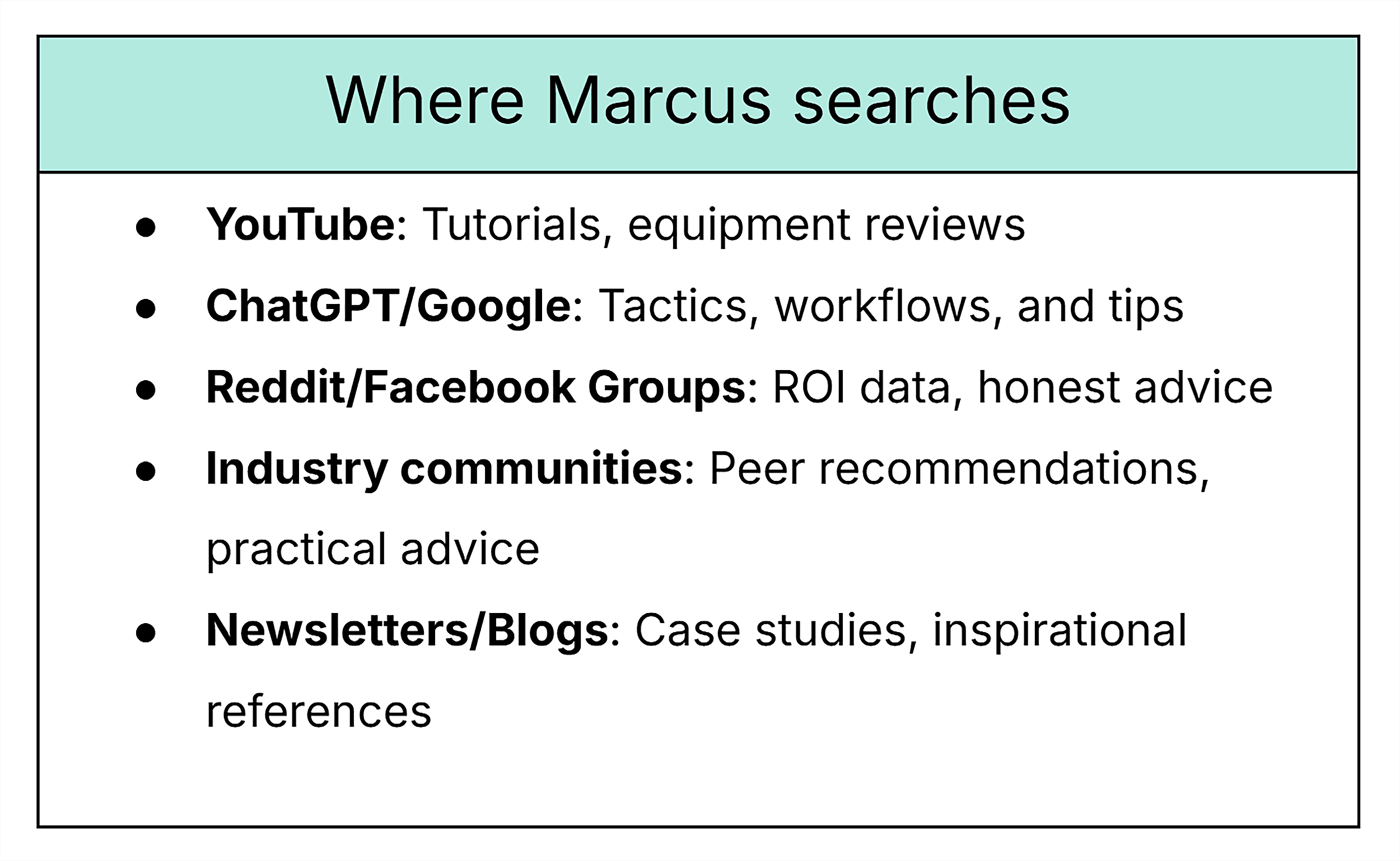
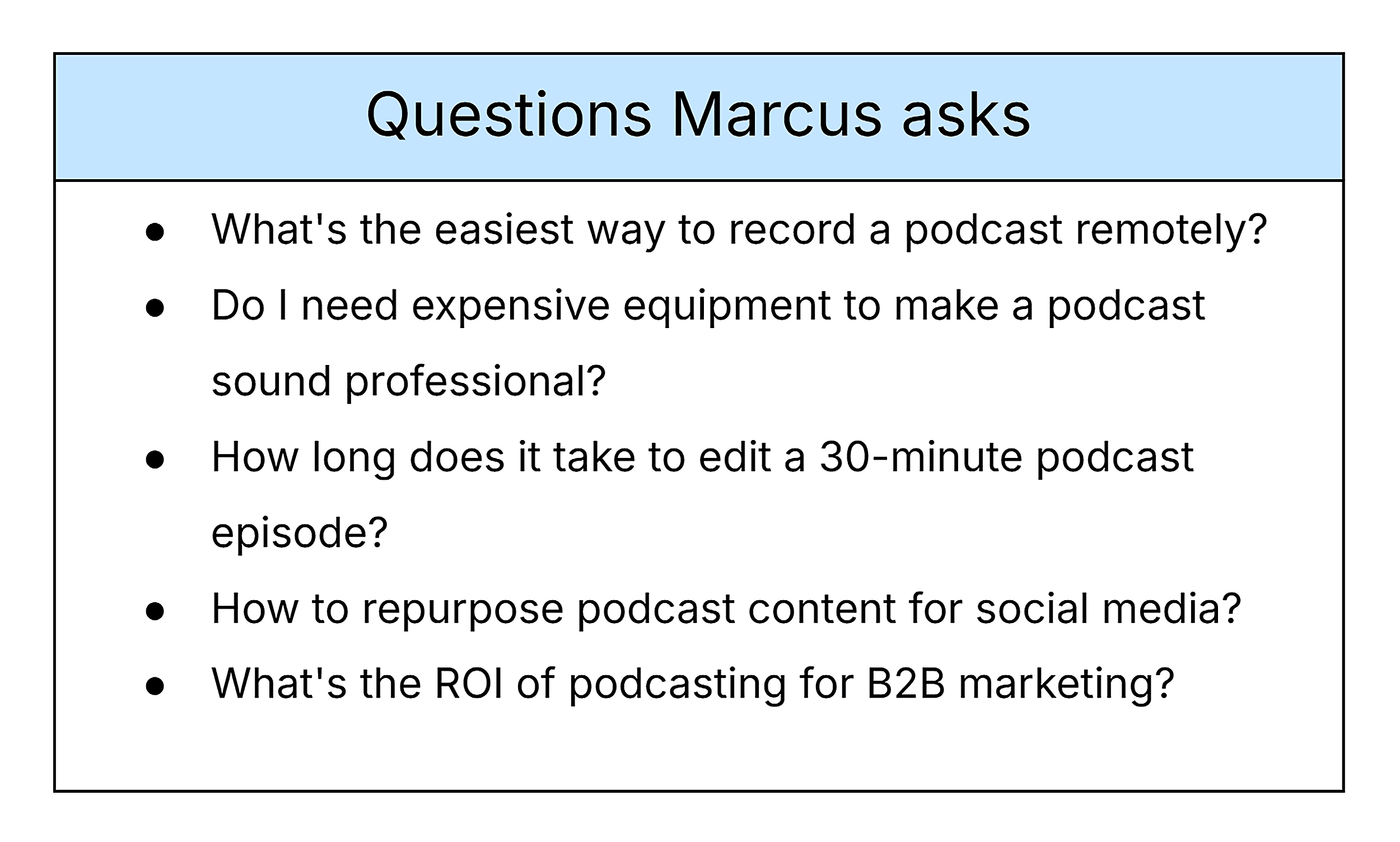
Traditional audience personas, typically outlining demographics, job titles, pain points, and goals, provided a foundational understanding of the target customer. While valuable, these constructs often fail to capture the nuanced behaviors of modern search. Knowing a marketing professional like "Marcus" is on a small team with a limited budget tells you what his challenges are, but it doesn’t reveal how he seeks solutions. Does he prefer in-depth articles, quick video tutorials, peer recommendations on Reddit, or direct AI answers? The method of search is as critical as the intent behind it.
Leading digital marketing analytics firms now contend that understanding search behavior fills crucial gaps. It allows marketers to anticipate where their audience will turn for information at different stages of their journey and tailor content format, tone, and distribution accordingly. This granular understanding is no longer a luxury but a strategic necessity for brands aiming to maintain visibility and trust in a highly competitive and algorithmically driven environment.

Key Pillars of Search-Focused Personas
To construct these advanced personas, marketers must investigate nine strategic areas, each revealing a layer of search behavior:
-
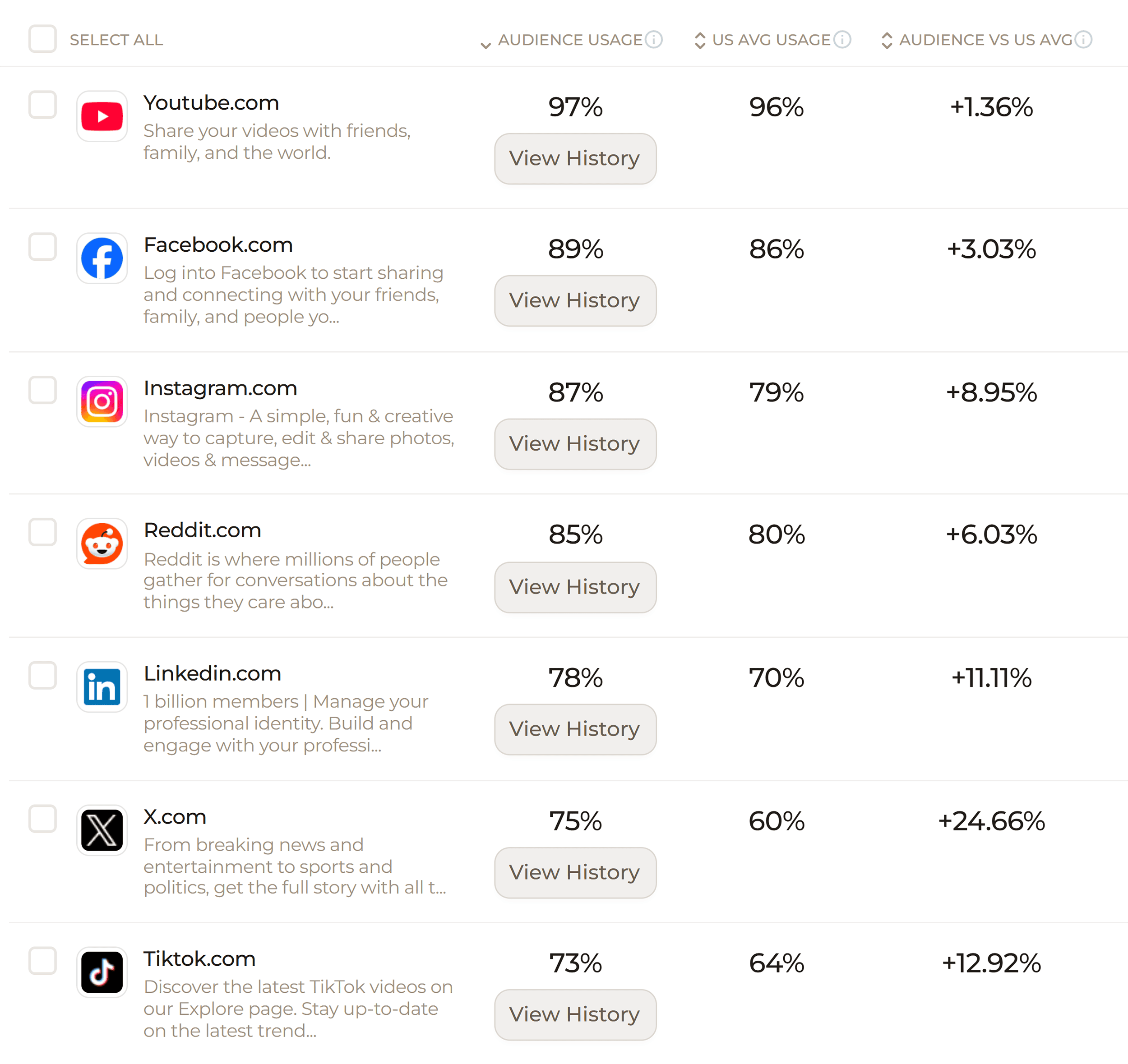
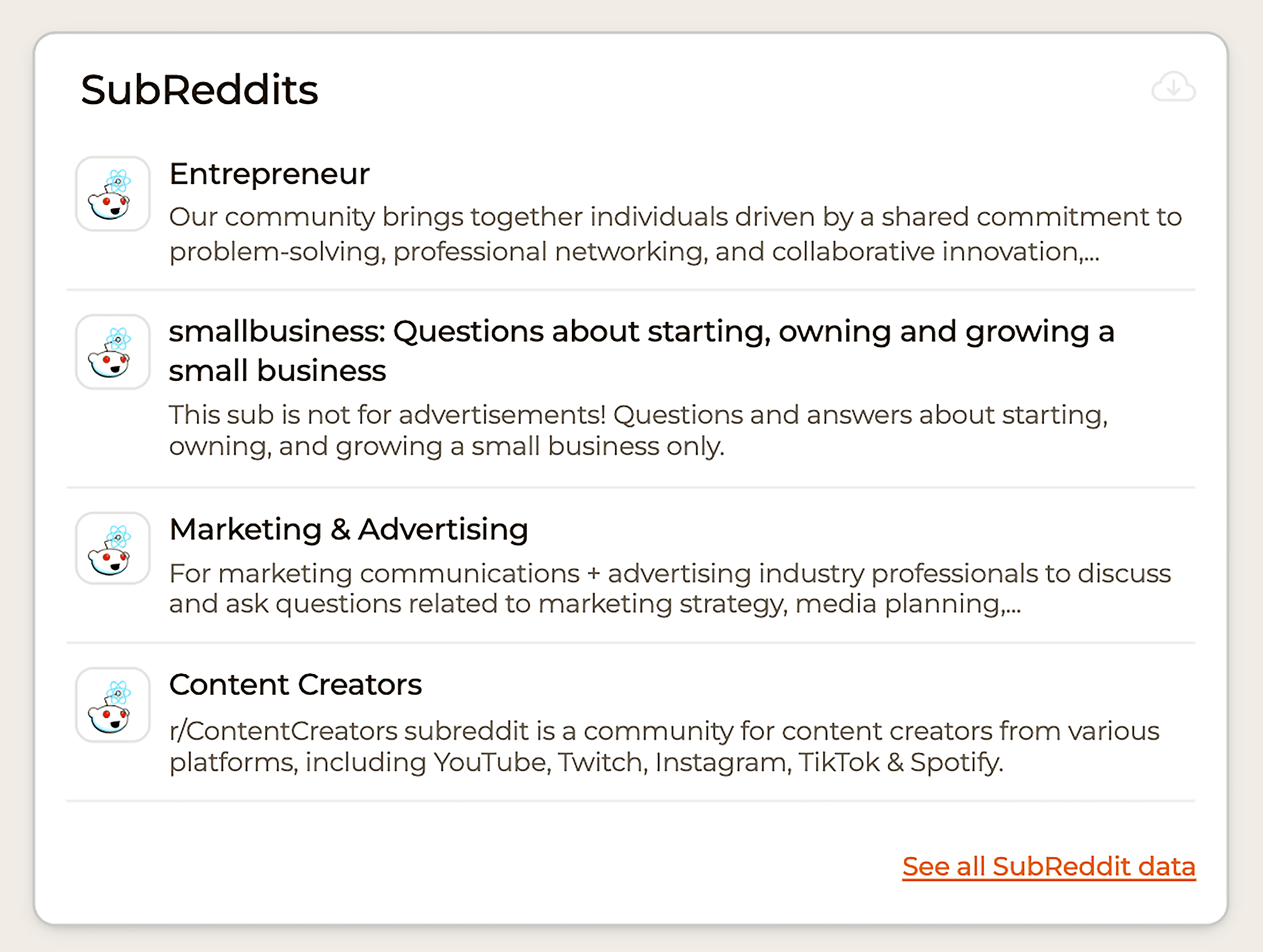
Understanding Search Channels and User Intent: The first step involves pinpointing the specific platforms where the audience asks questions. This goes beyond simply listing social media sites; it requires understanding the inherent culture and content preferences of each. A user on Reddit, for example, seeks raw, honest, experience-based advice, often skeptical of overt marketing. In contrast, a TikTok user might be looking for visual, concise tutorials or product demonstrations. This distinction in platform-specific intent is paramount. Data suggests that platforms like X (formerly Twitter) and TikTok are increasingly important for real-time information and quick insights, with user engagement rates showing a steady increase among professional demographics seeking diverse perspectives. Identifying these channels allows brands to establish a presence in trusted spaces, aligning their messaging with the prevailing tone and content style of the platform.
-
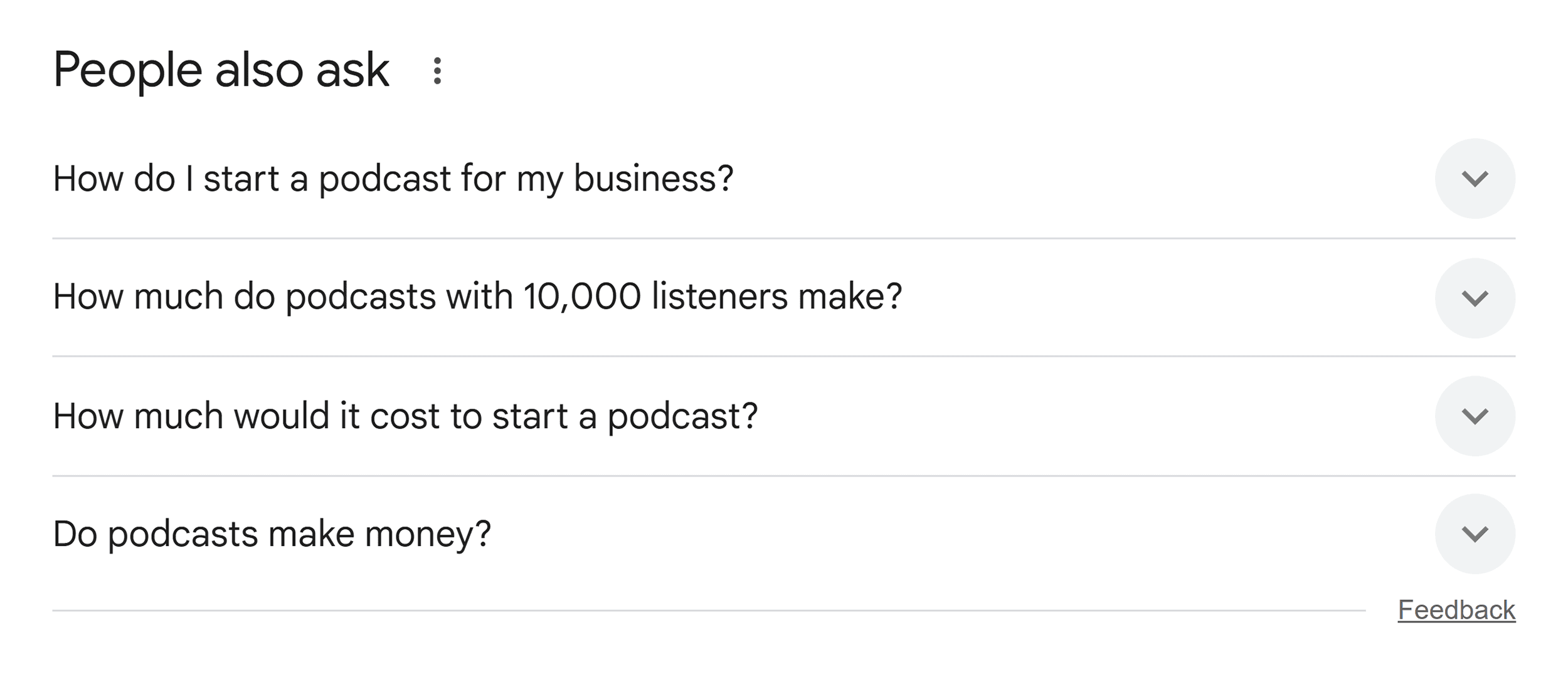
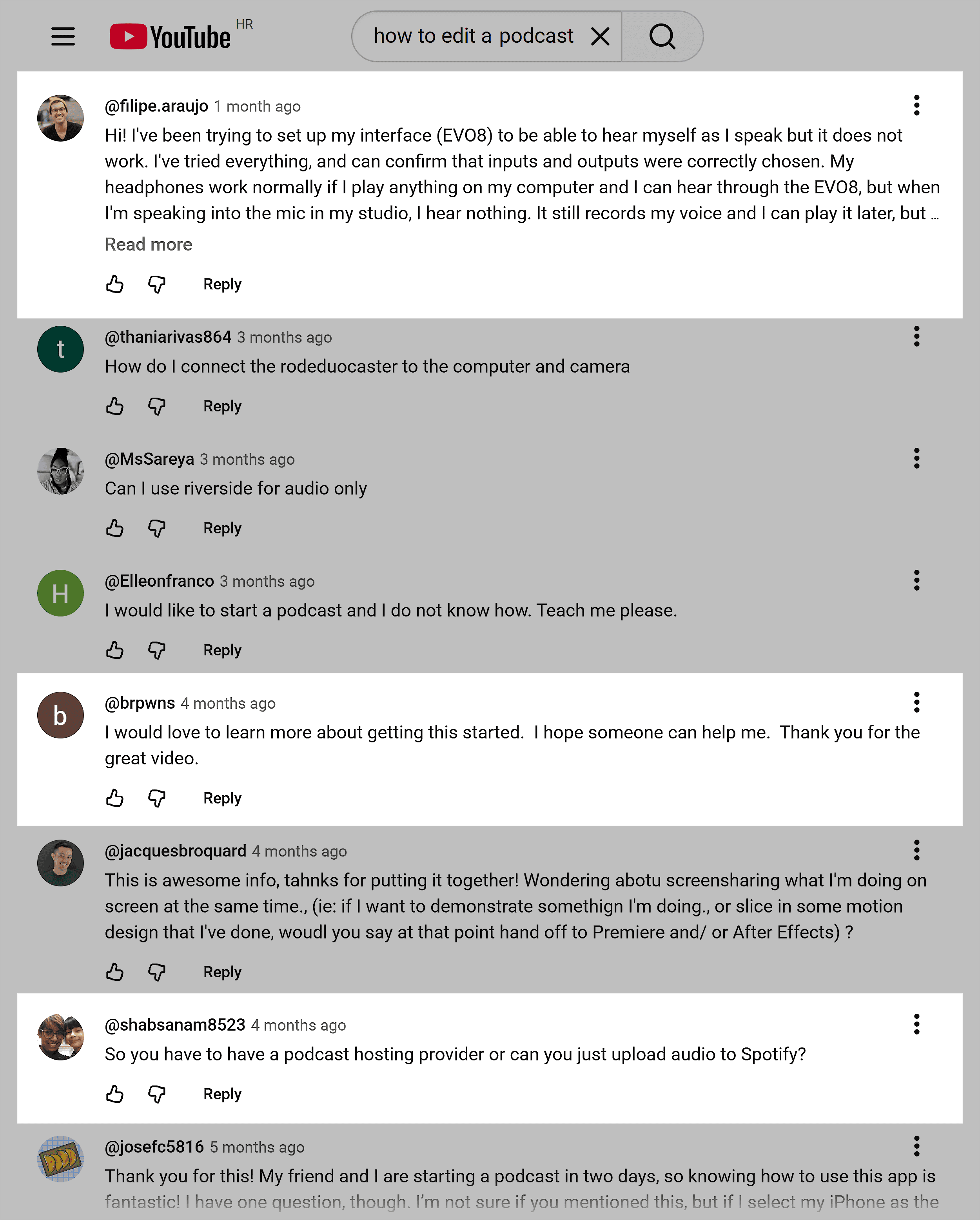
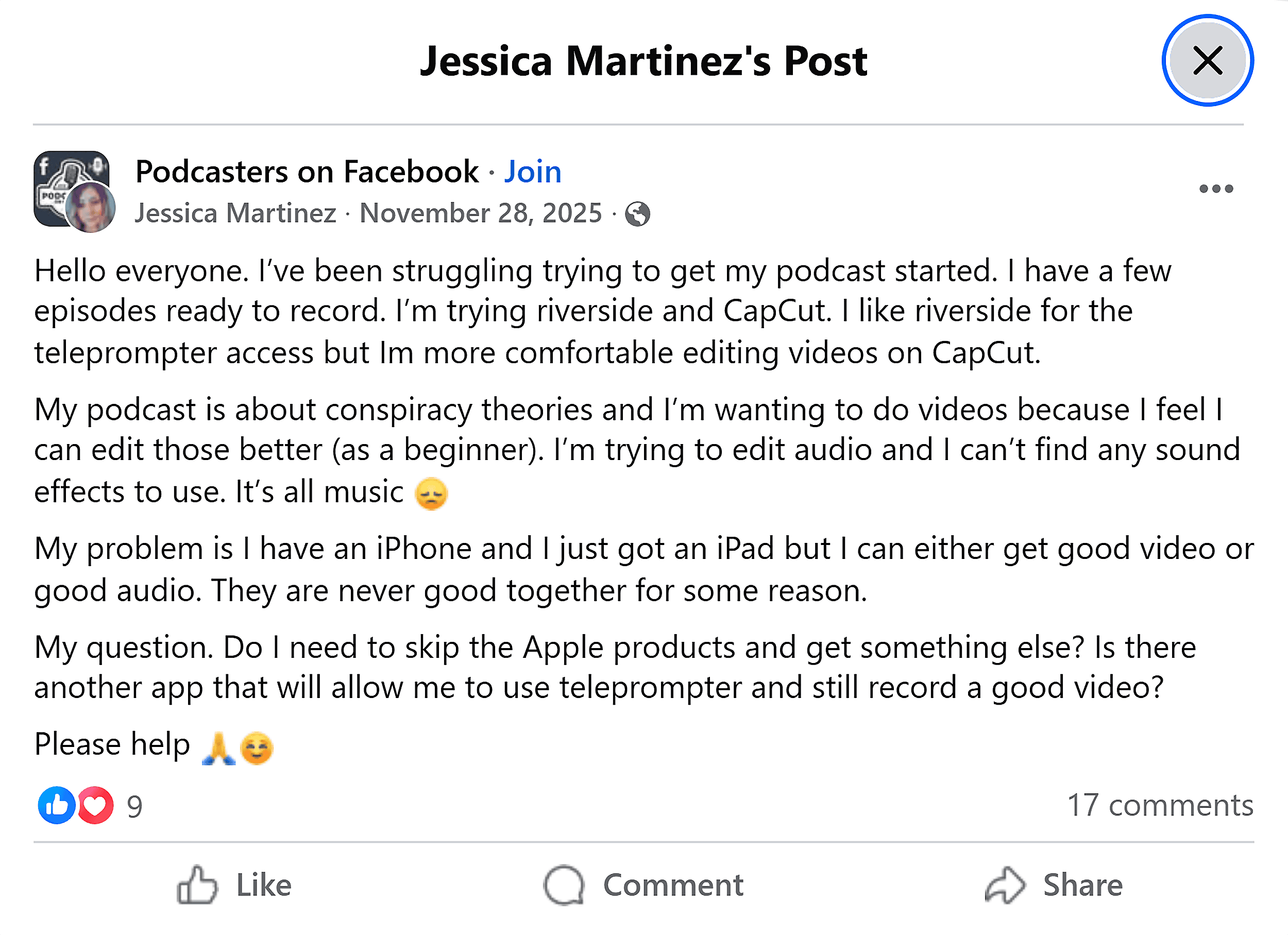
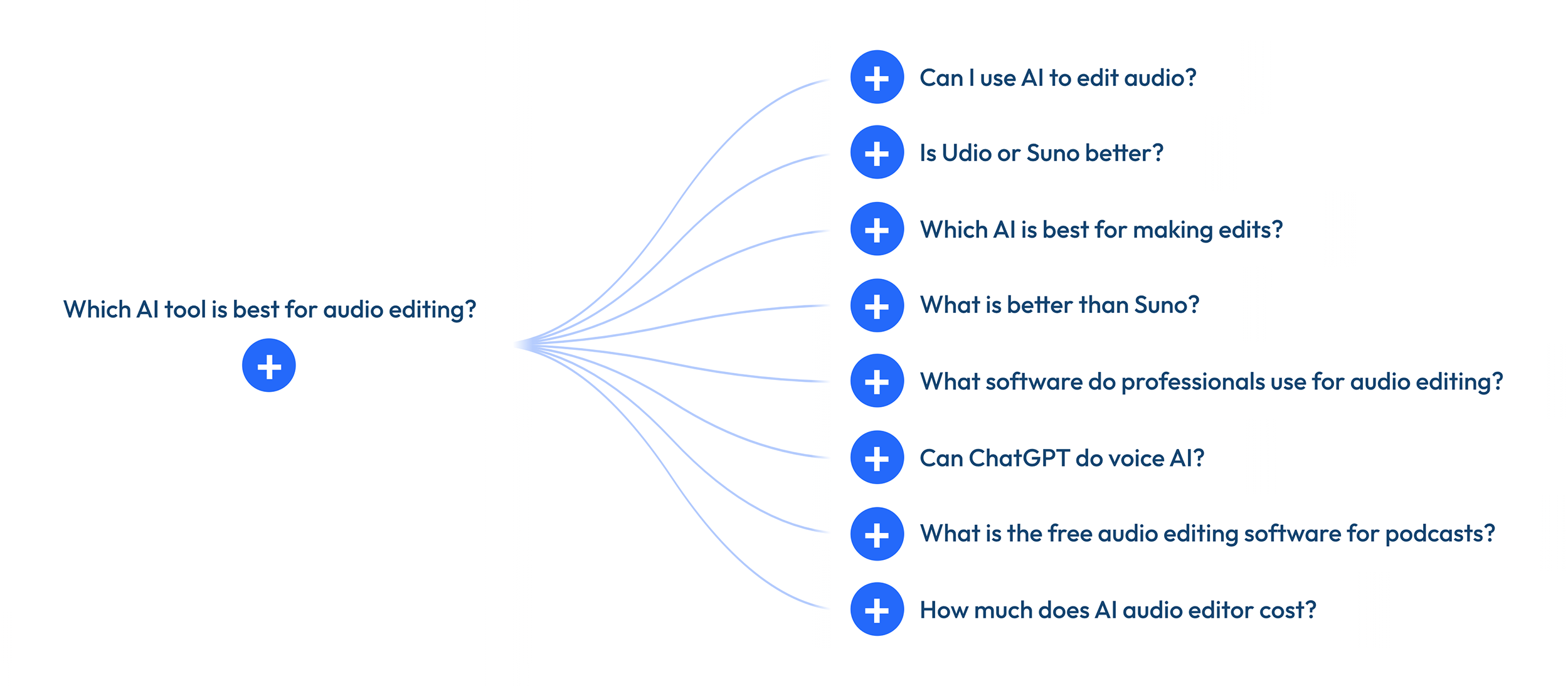
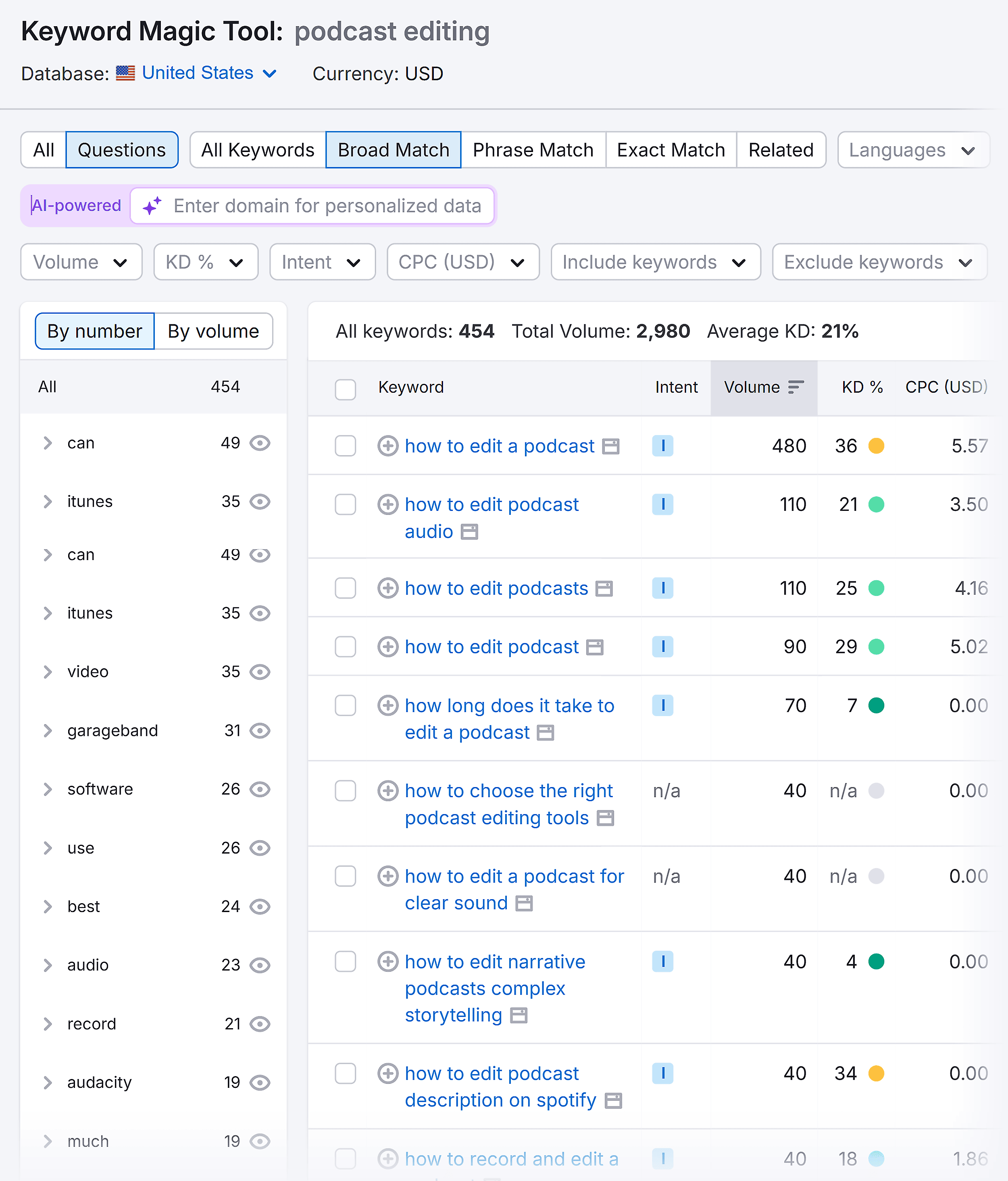
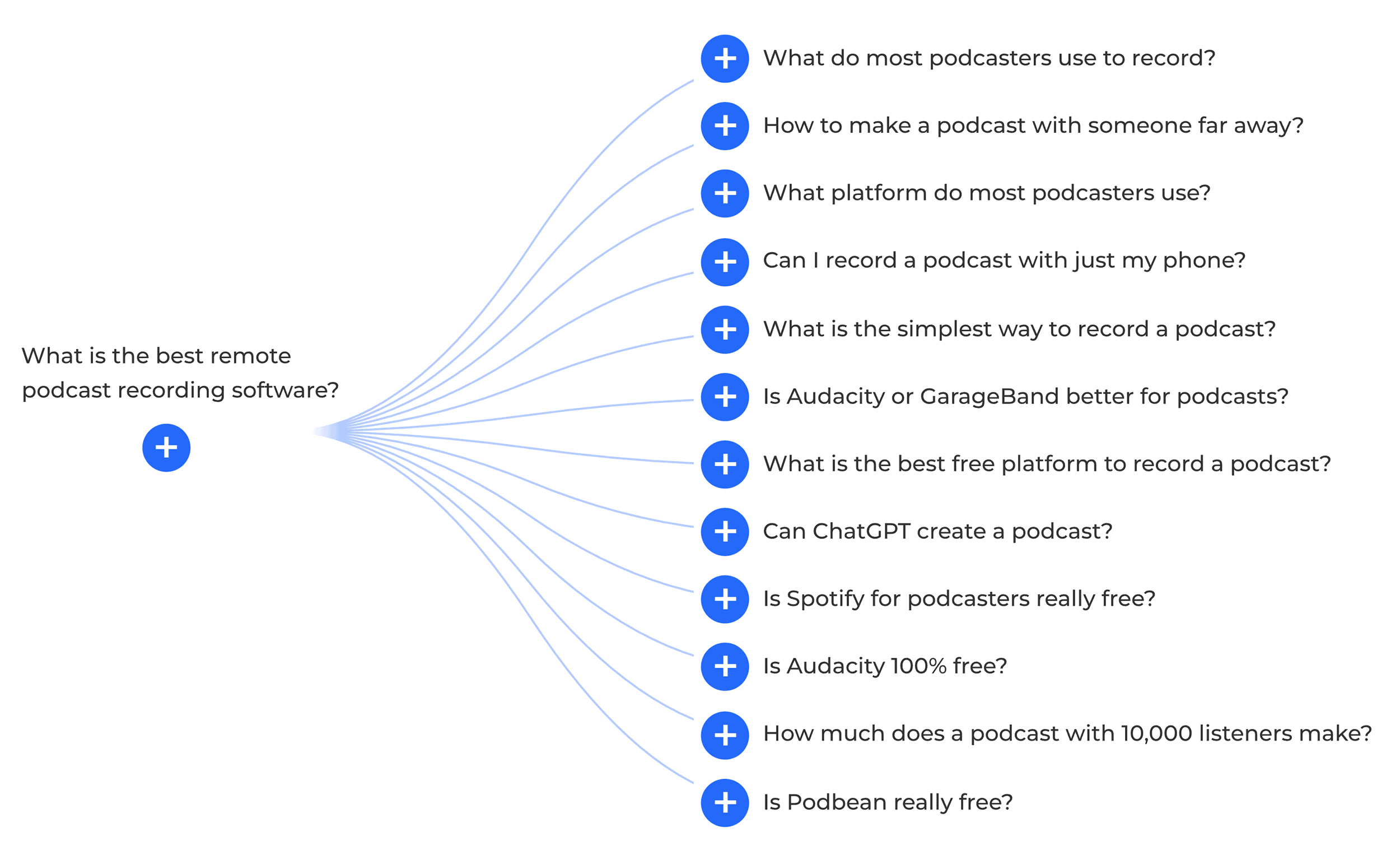
Decoding Specific Queries and Language: Marketing jargon often differs significantly from the language used by the target audience. A company might promote "integrated workflow solutions," but its persona, "Marcus," might search for "easiest way to edit podcast quickly" or "how to combine audio files for podcast." Analyzing "People Also Ask" sections on Google, comments on YouTube videos, and discussions in specialized Facebook Groups or subreddits provides unfiltered insights into the precise language, follow-up questions, and underlying anxieties that drive search. Leveraging keyword research tools like AlsoAsked or Semrush’s Topic Research helps visualize the progression of these questions throughout the user’s journey, mapping initial exploratory queries to more specific, solution-oriented searches. This linguistic alignment ensures content directly addresses user needs and resonates authentically.
-
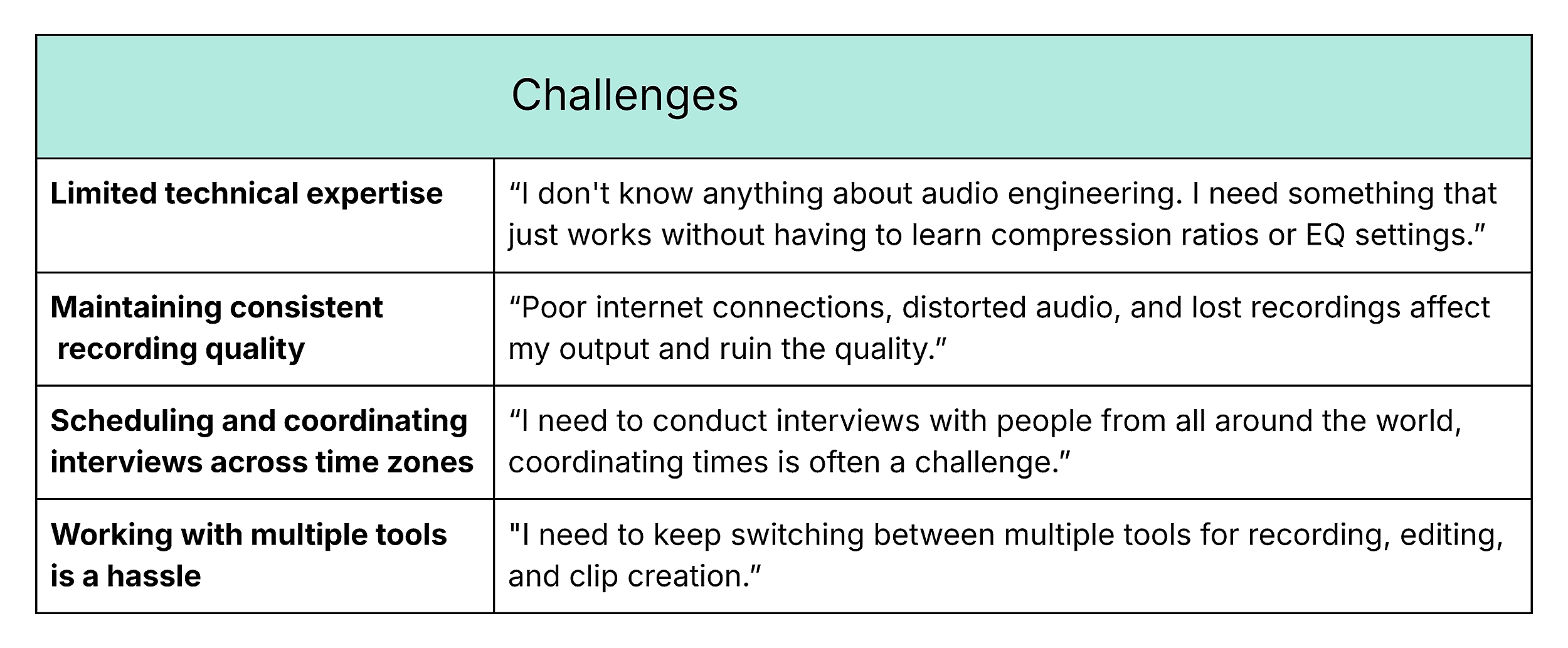
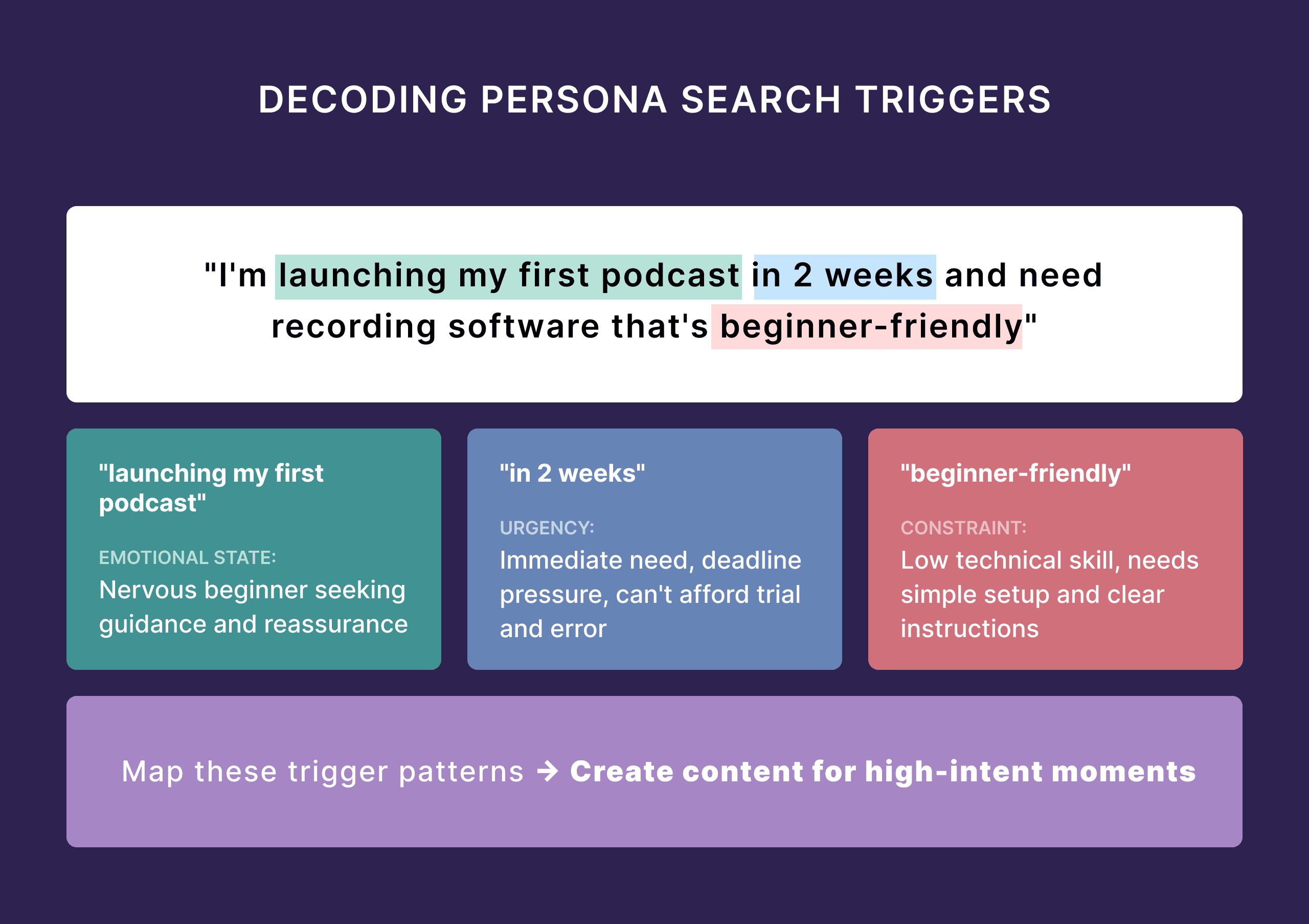
Identifying Core Challenges and Urgent Triggers: While challenges are persistent problems (e.g., limited budget, small team, skill gaps), triggers are the immediate events or goals that compel a search right now. A competitor launching a successful podcast might be a trigger for Marcus to urgently research "best podcast marketing strategies." Similarly, a looming deadline for a project might drive a search for "fastest podcast editing software." By analyzing customer support logs, sales call transcripts, and review platforms (like G2, Capterra, or Trustpilot), marketers can identify recurring frustrations and the specific moments that push individuals from passive browsing to active problem-solving. Phrases like "I need to…" or "My manager asked me to…" are critical indicators of these urgent triggers, allowing for timely content deployment.
-
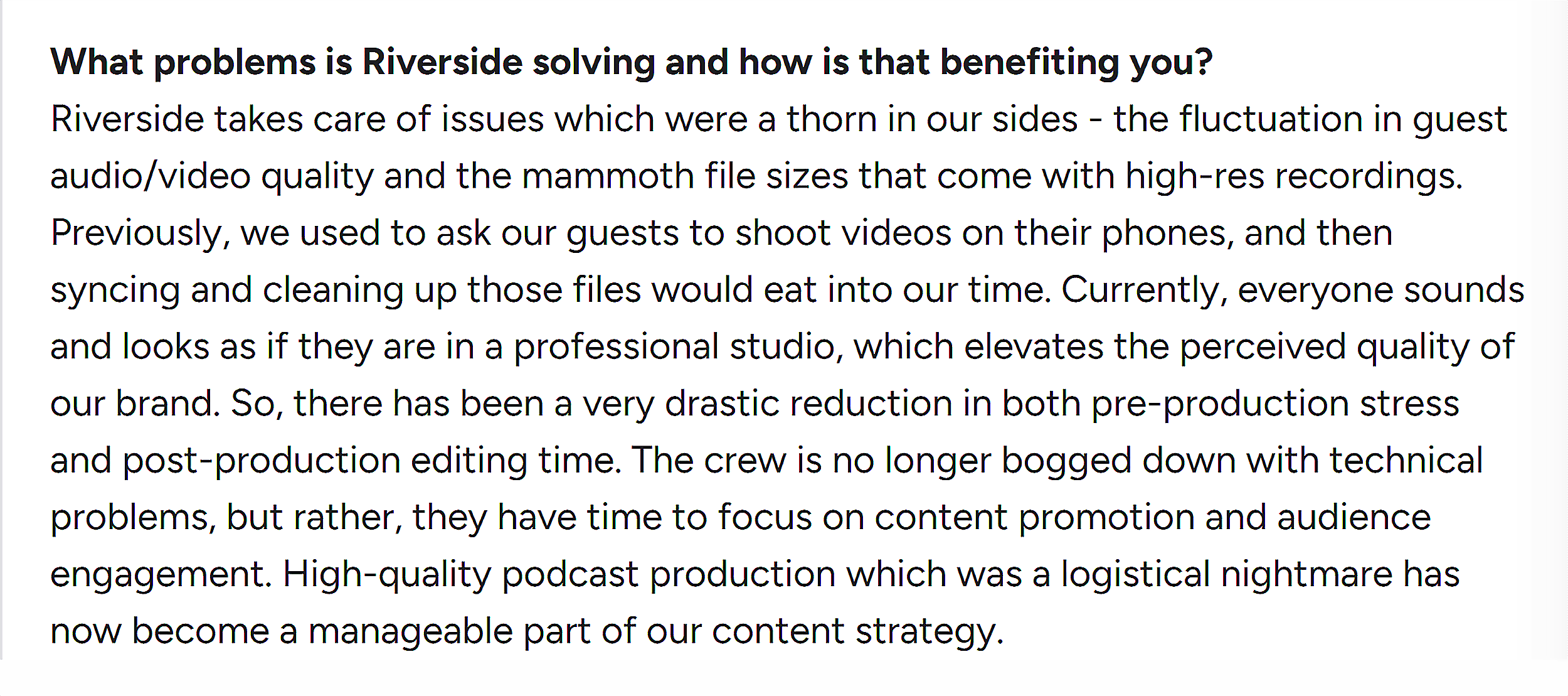
Optimizing Content Formats and Proof Points: The effectiveness of content is deeply tied to its format and the signals of credibility it presents. A comprehensive written guide on podcast equipment might be ideal for Google search, but a 5-15 minute video tutorial could be far more engaging for a YouTube-native persona like Marcus. Analyzing top-performing content on identified platforms—including video length, style, and engagement metrics—is crucial. Furthermore, understanding what "proof points" resonate is vital. Beyond general E-E-A-T (Experience, Expertise, Authoritativeness, Trustworthiness), specific personas may prioritize different signals. For Marcus, practical case studies from small businesses, clear step-by-step instructions, and demonstrations of cost-effectiveness might be more impactful than endorsements from large enterprises or complex technical specifications. Tools like Semrush’s Keyword Overview, by revealing ranking domains and their content characteristics, can help uncover these preferred trust markers.
-
Strategic Distribution and Sustained Engagement: Knowing where your audience searches informs where you should distribute your content. This involves cross-referencing preferred platforms (Question 1) with preferred content formats (Question 6). A detailed guide might be hosted on a blog and promoted on LinkedIn, while a concise tutorial is published on YouTube and repurposed as a short on TikTok. Crucially, effective distribution also involves understanding the user’s journey. Surveying recent customers about their discovery and research paths provides invaluable first-party data. Analyzing Google Analytics to identify high-engagement channels (e.g., long session durations, multiple pages per session) validates these distribution targets. The ultimate goal is not just a single interaction, but sustained engagement. This leads to identifying "evergreen" content assets—tools, templates, checklists, or comprehensive resource hubs—that users return to repeatedly for ongoing challenges, such as a podcast launch checklist or a template for episode show notes. These resources foster loyalty and position the brand as a consistent, reliable solution provider.
Methodological Advancements and AI Integration
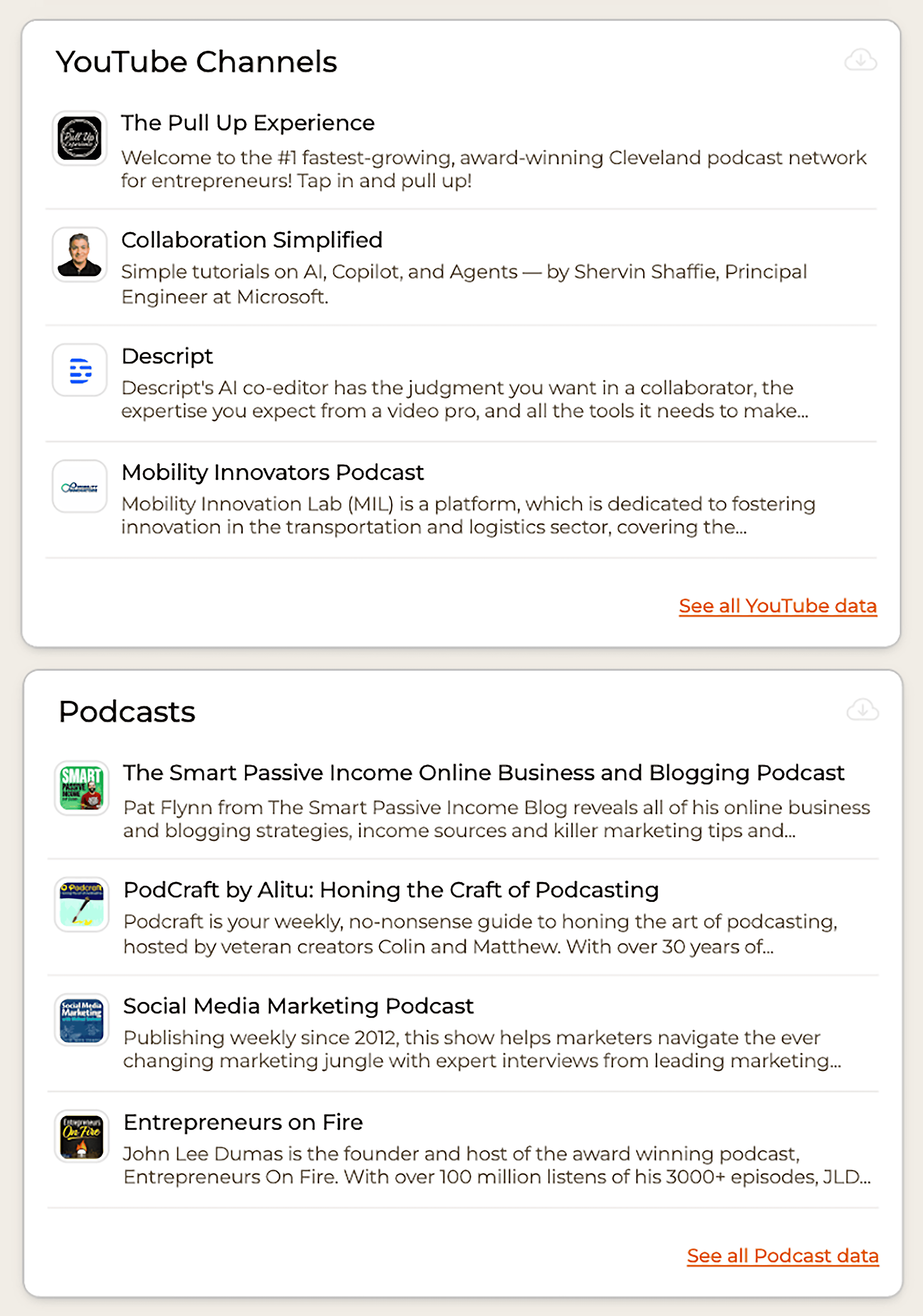
The creation of these intricate search-focused personas, while data-intensive, is significantly streamlined by modern analytical tools and artificial intelligence. Platforms like SparkToro excel at audience intelligence, quickly identifying preferred social networks, websites, and communities based on persona-defining keywords. This allows marketers to map out a persona’s digital footprint efficiently.
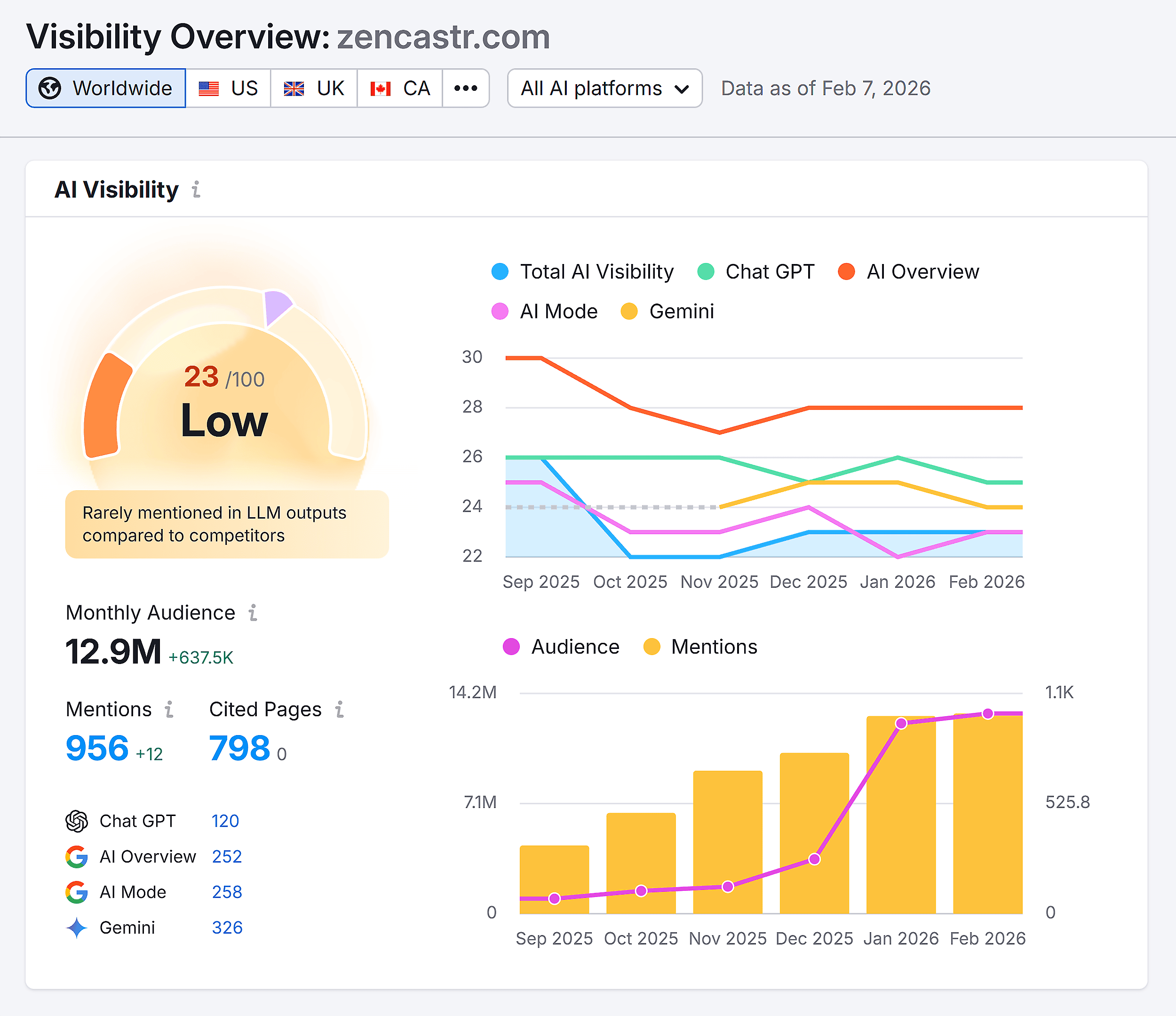
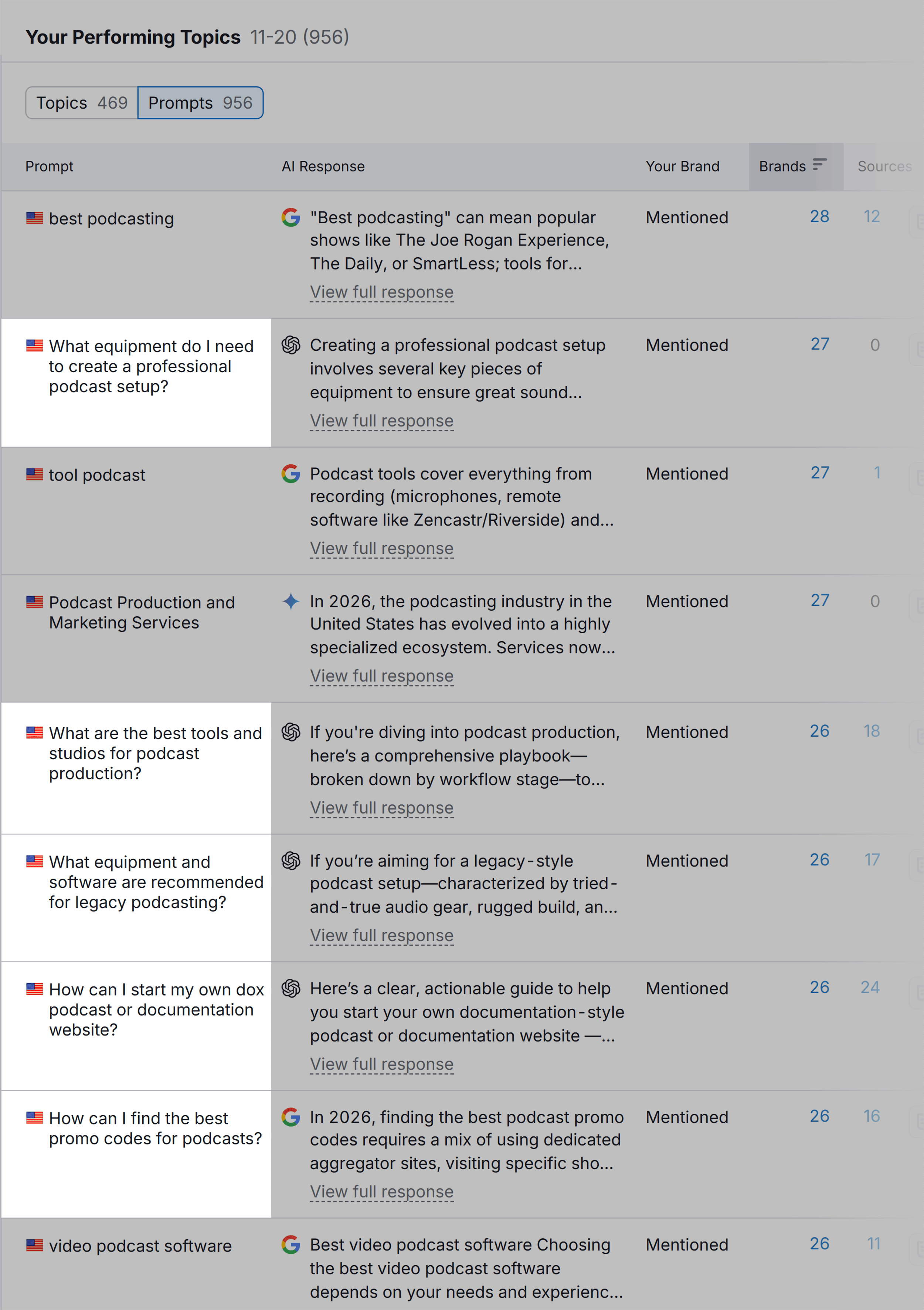
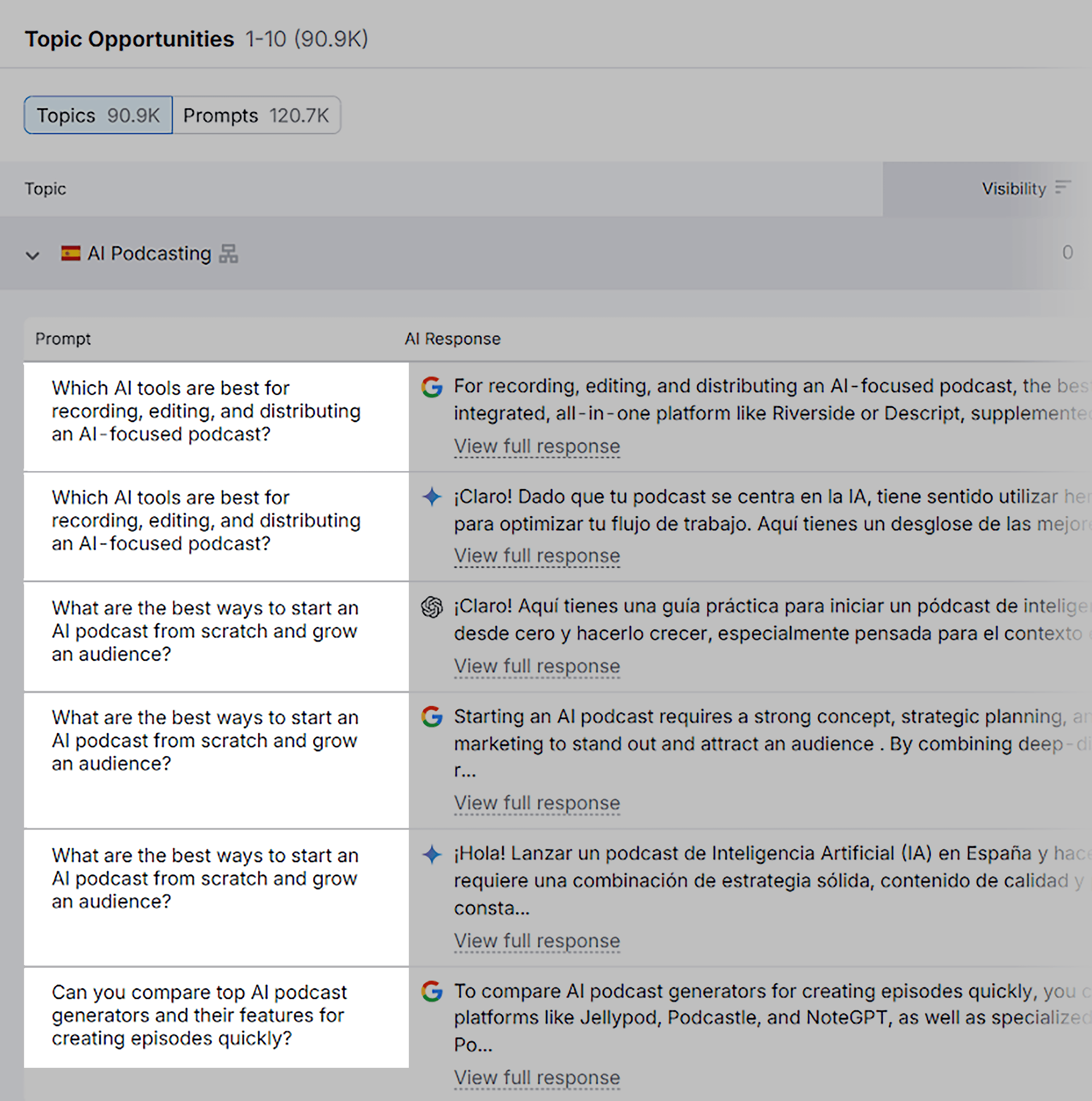
For deeper insights into AI-driven search, specialized tools such as Semrush’s AI Visibility Toolkit become indispensable. This technology reveals the exact prompts users employ when interacting with LLMs and, critically, whether a brand is cited in AI-generated answers. This capability provides a competitive edge, identifying both current visibility and "citation gaps"—opportunities where a brand is absent from AI responses, signaling content creation priorities.
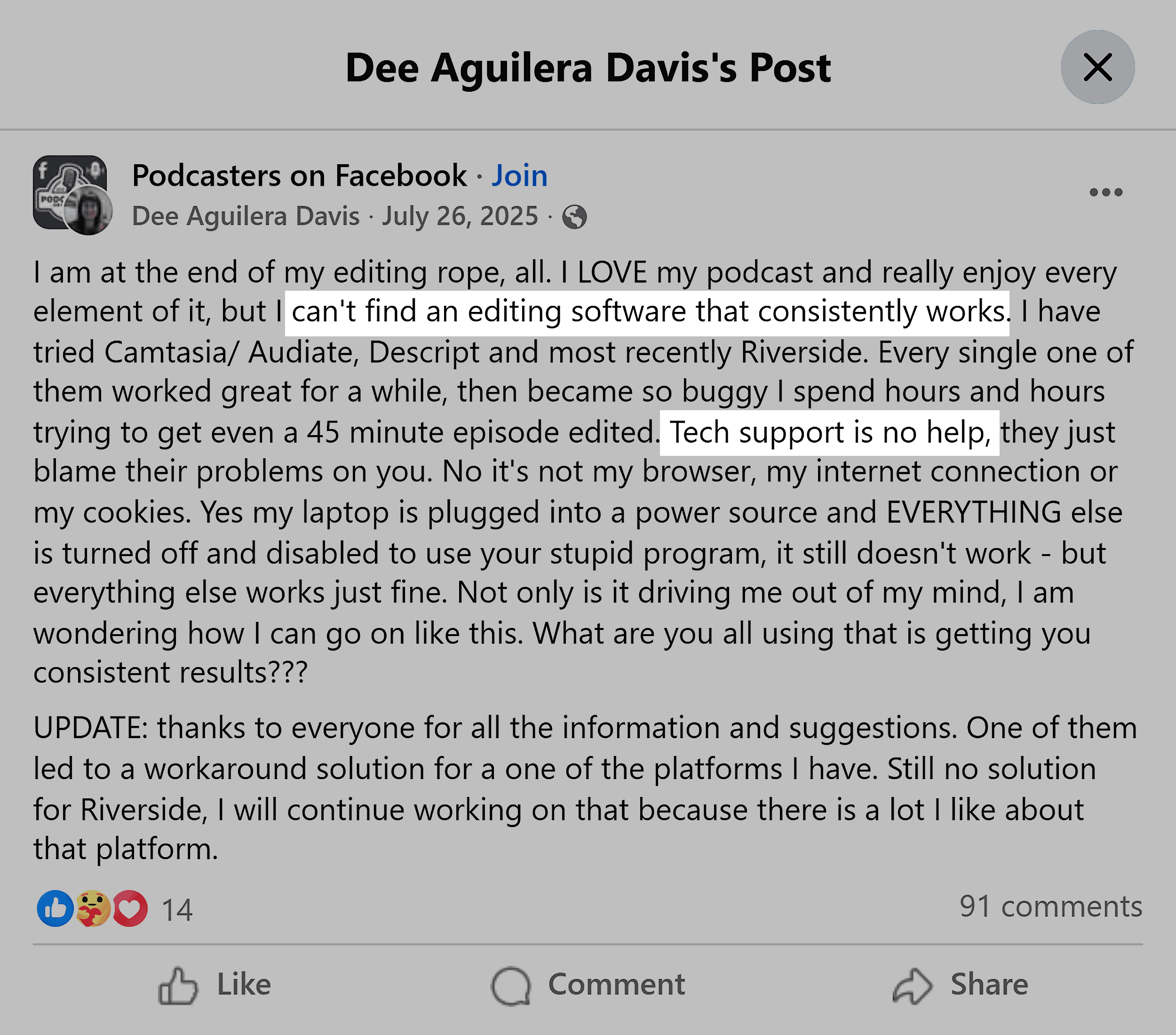
Furthermore, general LLMs, when appropriately prompted, can act as powerful data synthesizers. By inputting large volumes of qualitative data—customer reviews, forum discussions, video comments—AI can quickly identify recurring themes, language patterns, challenges, and triggers, significantly reducing the manual labor traditionally associated with persona development. This integration of AI accelerates the analysis phase, enabling marketing teams to develop richer, more actionable personas in a fraction of the time.
Implications for Modern Marketing and Business Strategy

The shift towards search-focused audience personas carries significant implications across the entire marketing spectrum. For SEO, it means moving beyond generic keyword targeting to optimizing for multi-platform search intent and AI answer engine optimization (AEO). Content marketing evolves to prioritize format, tone, and proof points tailored to specific channels. Competitive strategy gains an advantage by understanding not just what competitors are saying, but where and how their audience is reacting.
Businesses that embrace this granular approach are better positioned to build genuine trust and authority. By consistently showing up in the right places, with the right messages, and in the preferred formats, brands can cultivate deeper relationships with their audience. This translates into improved engagement rates, higher conversion rates, and ultimately, sustainable growth in a dynamic digital ecosystem.
Expert Commentary and Industry Outlook
Leading marketing strategists emphasize that ignoring the evolution of search behavior is a perilous gamble. "The days of one-size-fits-all content are long gone," states Dr. Eleanor Vance, a prominent digital anthropologist and consultant. "Consumers expect hyper-relevant information delivered on their terms, through their preferred channels. Brands that fail to adapt their persona development to reflect these fragmented search patterns risk becoming invisible."
The ongoing advancement of AI, particularly in conversational search, underscores the urgency of this adaptation. As AI models become more sophisticated in understanding user intent and synthesizing information from diverse sources, the ability of brands to influence these AI-driven answers will become a critical differentiator. This necessitates a proactive strategy to ensure brand content is not only discoverable by human users but also authoritative and trustworthy enough to be cited by LLMs.
In conclusion, the development of search-focused audience personas is more than a methodological update; it is a fundamental recalibration of how businesses understand and engage with their customers in the digital age. By meticulously dissecting where, how, and why audiences search across a multifaceted landscape, marketers can craft strategies that resonate deeply, build lasting trust, and secure vital visibility in an increasingly intelligent and fragmented online world. The journey begins with asking the right questions, armed with the right tools, to unlock unparalleled insights into the minds of today’s digital consumer.