Why Great Content Needs a Robust Distribution Strategy to Overcome Declining Organic Reach

In the modern digital landscape, the old adage "if you build it, they will come" has been thoroughly dismantled by shifting platform algorithms and hyper-saturated consumer feeds. As organic reach continues its multi-year downward trajectory across major social networks, content creators and enterprise marketing teams are learning that exceptional writing, captivating video production, and exhaustive research are only half the battle. Without a meticulously planned content distribution strategy, even the highest-quality digital assets risk vanishing into the digital ether without generating meaningful return on investment.

To combat this visibility crisis, organizations are increasingly pivoting away from isolated, one-off publishing models toward integrated distribution frameworks. These strategies leverage a calculated blend of owned, earned, and paid media channels to ensure that a single piece of content—such as an in-depth whitepaper, a comprehensive research report, or a 45-minute webinar—can be systematically deconstructed, repackaged, and redeployed across dozens of distinct digital touchpoints over an extended period.
The Anatomy of Modern Content Distribution

At its core, a content distribution strategy functions as an operational blueprint designed to bridge the gap between creative production and target audience consumption. Historically, many marketing teams treated distribution as an afterthought: a single link posted to corporate social media channels immediately following publication. However, contemporary digital strategy demands a social-first approach, where core assets are atomized into platform-native formats. A single comprehensive industry study, for instance, might now simultaneously feed a weekly executive newsletter, a series of short-form vertical videos for TikTok and Instagram Reels, a data-driven carousel for LinkedIn, and a targeted search-engine-optimized landing page.
Industry frameworks generally categorize distribution channels into three distinct buckets: owned, earned, and paid media. Owned media encompasses platforms entirely under brand control, including company blogs, email newsletters, and organic social media profiles. These channels form the bedrock of digital identity, offering stable environments for long-term audience nurturing and brand visibility. Earned media involves external amplification—such as organic social shares, press coverage, guest contributions, and user-generated content—which imbues a brand with critical third-party credibility. Finally, paid media utilizes financial investment to secure targeted placements through social advertisements, search engine marketing, display banners, and strategic creator partnerships. While most successful enterprises deploy a hybrid model combining all three pillars, the allocation of resources depends heavily on immediate business objectives, budgetary constraints, and audience maturity.
The Reality of Declining Organic Reach
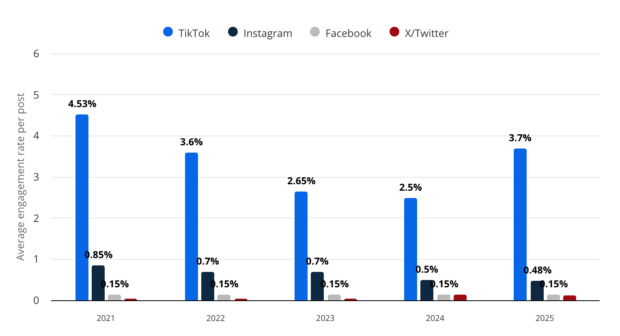
The necessity for sophisticated distribution workflows has been accelerated by the steep decline of organic discoverability on traditional social media platforms. According to platform benchmark data compiled by analytics firms like Statista, average organic engagement rates per post hover at fractional percentages—approximately 0.15% on Facebook and 0.48% on Instagram. In an environment where algorithms prioritize personal connections, paid promotions, and hyper-engaging video formats over corporate text updates, relying purely on organic algorithmic luck is no longer a viable business plan.
Marketing analysts point out that this reality requires a fundamental shift in mindset. When a newly published post underperforms, it is rarely indicative of poor content quality; rather, it highlights the structural limitations of single-shot publishing. By implementing a multi-wave distribution plan, brands give their highest-value assets multiple opportunities to find traction. Instead of forcing creative teams to invent entirely new concepts for every single day of the content calendar, a structured distribution system extends the lifespan of evergreen material. A single webinar recorded in January can systematically fuel a brand’s social media presence well into the spring, alleviating burnout among creative personnel while maximizing the original production budget.
Aligning Channels with Consumer Intent
A successful distribution strategy also hinges on recognizing that modern audiences are fragmented across numerous platforms, consuming information in vastly different ways depending on context and device. A corporate decision-maker might completely ignore a 45-minute video presentation while commuting, yet readily digest the core takeaways during a five-minute review of an executive email newsletter or a slide deck on LinkedIn.
According to Beth Owens, Head of Content at Superfiliate, aligning distribution channels with actual consumer behavior is non-negotiable. "Ultimately, your content distribution channels need to make sense for your audience," Owens notes. "If you’ve tried distributing content on X and it isn’t getting traction, it could be because it’s not a channel your audience actually spends much time on."
To eliminate randomness, marketing leaders advocate assigning distinct functional roles to each distribution channel. Owned websites and blogs capture high-intent search traffic; email newsletters maintain direct, permission-based lines of communication with loyal brand advocates; and social platforms act as top-of-funnel discovery engines. Meanwhile, influencer and creator partnerships leverage established trust networks, bridging the gap between brand messaging and authentic peer recommendation. Deloitte’s recent state of social research indicates that approximately 83% of consumers view creators they follow as genuinely trustworthy sources of information—far outstripping traditional corporate advertising in perceived credibility.
Building a Repeatable Repurposing Workflow
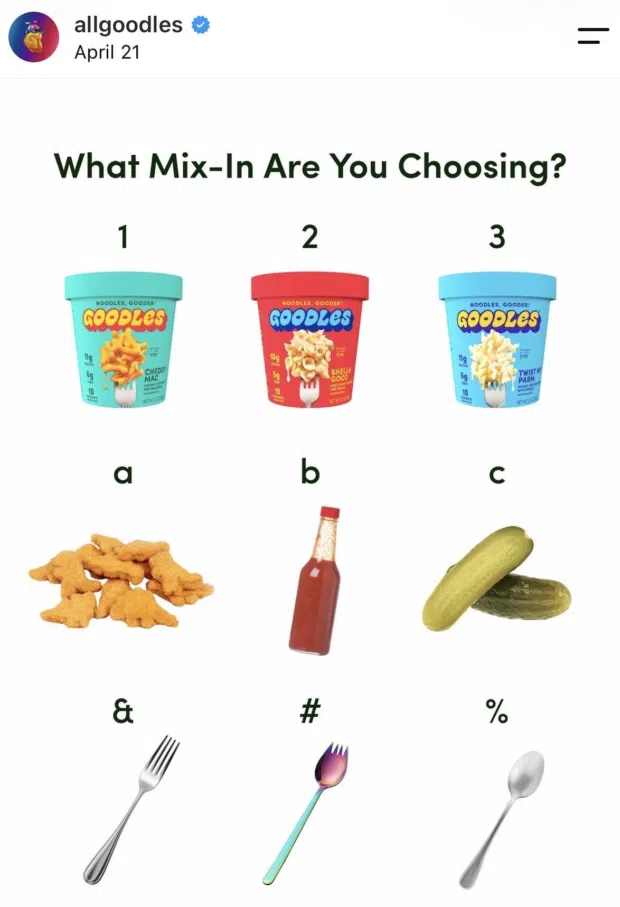
Transitioning from ad-hoc posting to an enterprise-grade distribution strategy requires a disciplined, step-by-step operational process. Industry experts recommend initiating the process with a clearly defined business goal—whether that goal is driving direct website traffic, generating qualified leads, or building overarching brand authority—followed by the selection of precise Key Performance Indicators (KPIs) tailored to each specific objective.
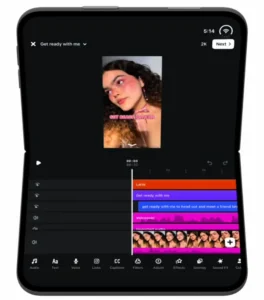
Once goals are established, teams must conduct a thorough audit of existing content assets. Unearthing high-performing historical pieces or overlooked reports provides immediate material for redistribution. The next critical phase involves building a repeatable repurposing workflow. Increasingly, organizations are integrating artificial intelligence tools into this workflow to streamline content atomization. For example, a team might upload a long-form video transcript into an AI-assisted marketing suite to automatically extract key quotes, summarize core takeaways, and generate platform-optimized drafts for various social networks.
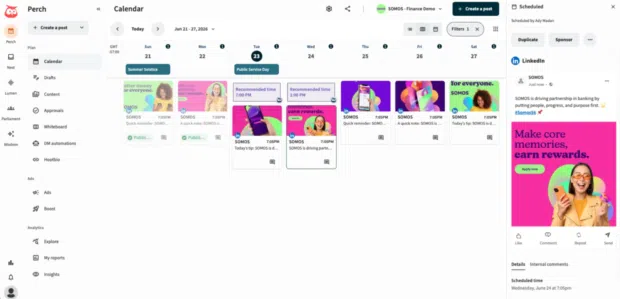
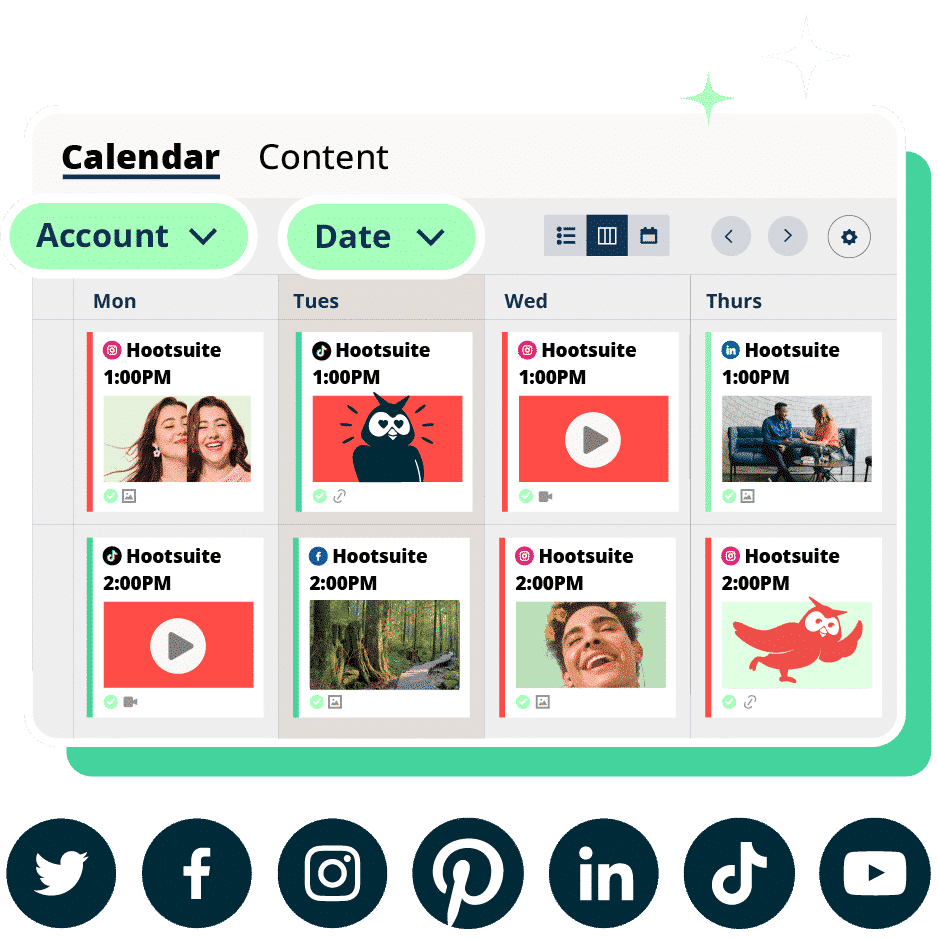
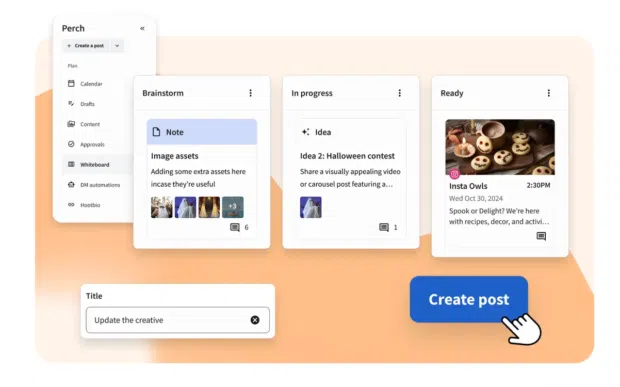
Furthermore, strategic distribution must be mapped out in deliberate waves rather than single bursts of activity. By visualizing the rollout schedule across a centralized collaborative calendar, marketing teams can ensure that content promotion builds momentum over time, coordinating email pushes, paid amplification, and organic social touches into a cohesive campaign arc.
The Evolving Role of Technology in Content Operations

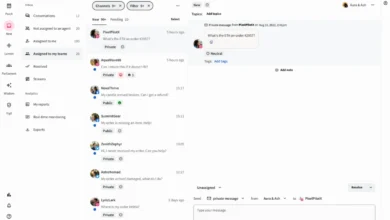
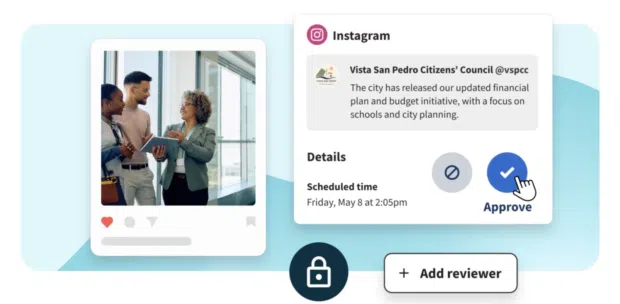
As content ecosystems grow increasingly complex, software solutions have emerged to help organizations manage the logistical burden of multi-channel publishing. Integrated platforms like Hootsuite have evolved to address these exact operational bottlenecks, combining centralized calendar management with advanced AI-driven repurposing capabilities. Tools such as Perch allow marketing departments to map out complex distribution schedules via drag-and-drop interfaces, coordinate multi-user collaboration through shared whiteboards, and enforce editorial approval workflows before assets go live. Simultaneously, specialized AI assistants like Wisdom enable teams to rapidly transform single ideas into diverse formats, adjusting tone and structure for specific networks while automatically scheduling deployment during peak audience activity windows.
Broader Industry Implications and Future Outlook
The maturation of content distribution strategies reflects a broader evolution in digital marketing toward efficiency, accountability, and multi-channel integration. As digital advertising costs fluctuate and search engine algorithms continue to prioritize user intent and content depth, the competitive advantage will increasingly belong to organizations that master the art of asset recycling and targeted dissemination.
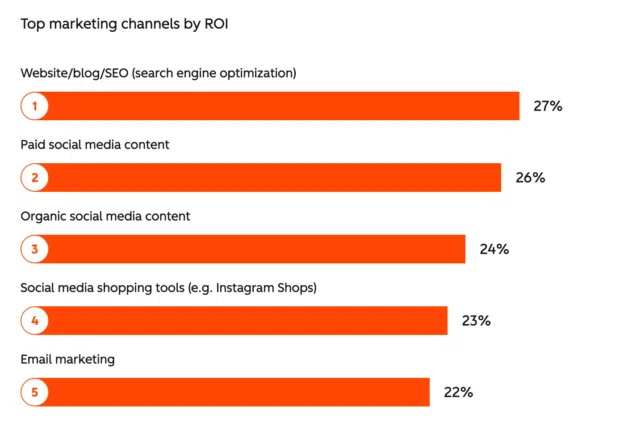
Data from industry authorities such as HubSpot consistently rank search engine optimization, website content, and integrated digital channels among the highest-ROI marketing investments available. However, maximizing that return requires moving past the antiquated notion that creation and distribution are separate entities. By treating distribution as an integral component of the creative process from inception onward, modern brands can ensure their best ideas pierce through the noise, reach the right audiences at the exact moment of intent, and sustain long-term engagement in an increasingly crowded global marketplace.