Your content can rank on the first page of Google and still never be cited or mentioned by LLMs.

This revelation highlights a fundamental shift in the digital visibility landscape, challenging long-held assumptions about search engine optimization (SEO) in the age of artificial intelligence. While traditional search engine rankings remain valuable, a new underlying mechanism, known as "query fan-out," dictates how Large Language Models (LLMs) like ChatGPT and Perplexity construct their answers, often bypassing top-ranked content in favor of sources deemed most relevant and reliable, irrespective of their page position. This paradigm shift demands a re-evaluation of content strategies for brands and publishers aiming to secure visibility in AI-driven search environments.

Understanding the AI’s "Thought Process": The Mechanics of Query Fan-Out
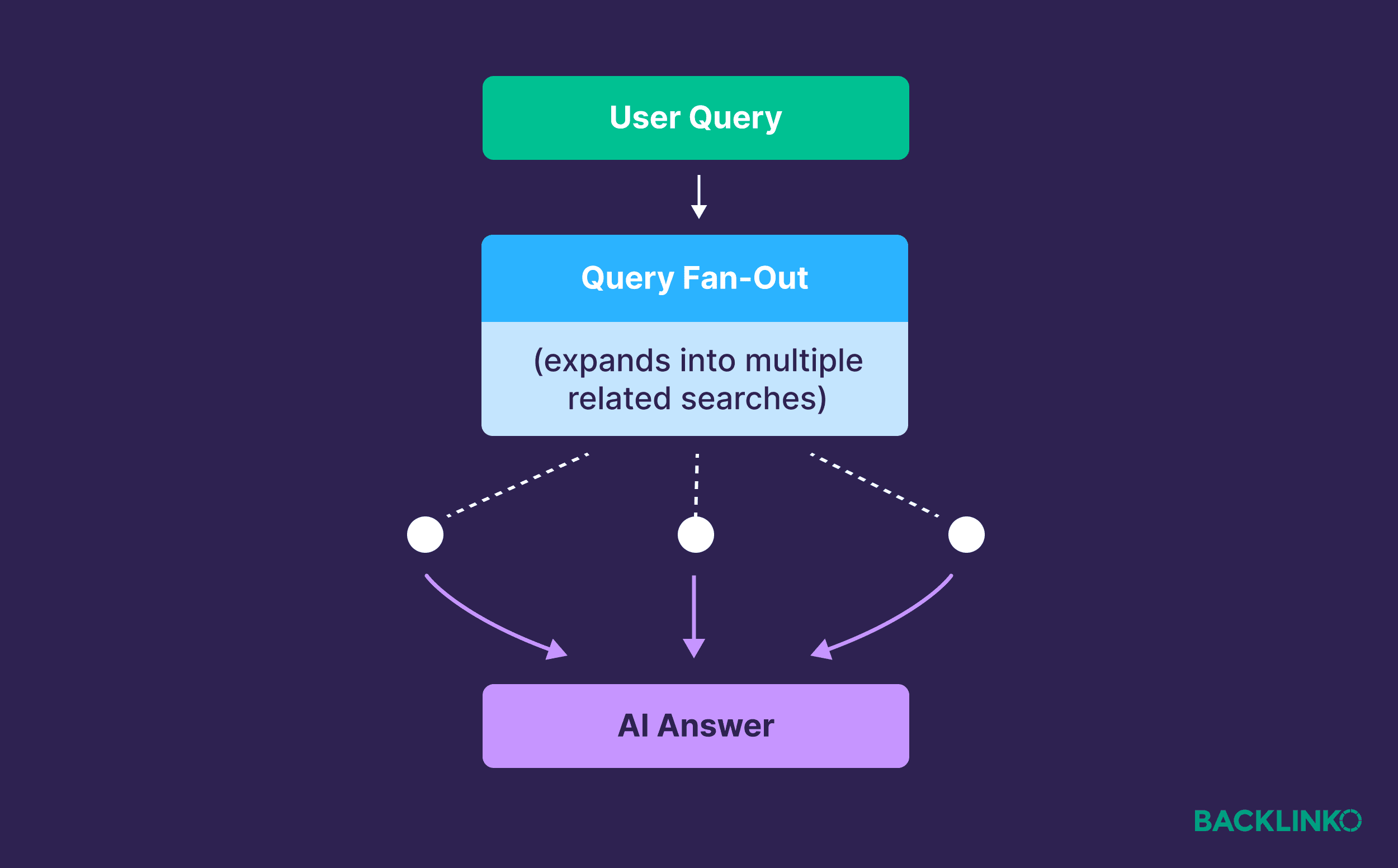
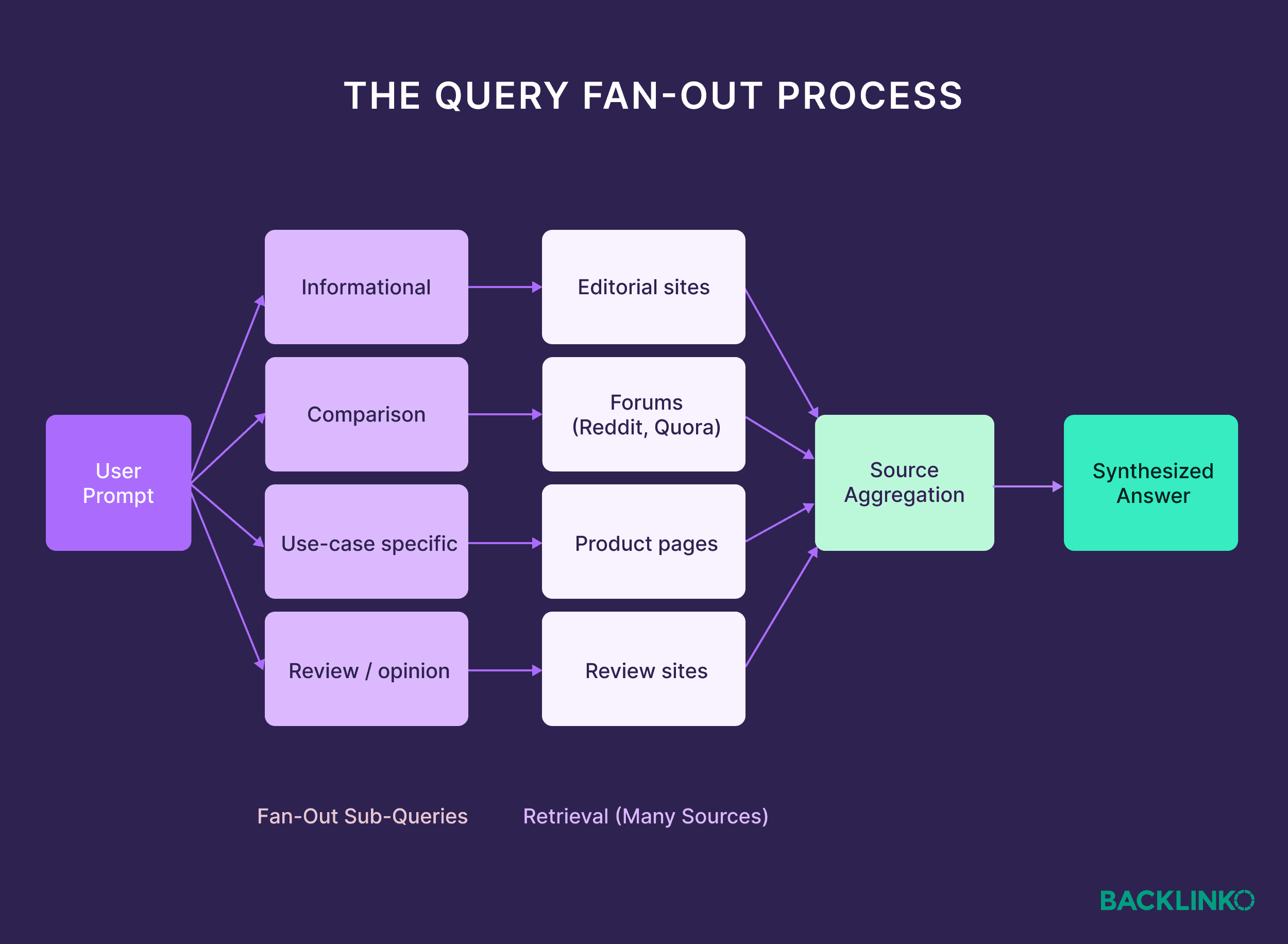
At its core, query fan-out is a sophisticated background process employed by AI search systems to dissect a user’s initial prompt into a multitude of interconnected sub-queries. Instead of performing a single, direct search based on the user’s input, the AI "fans out" this query into a series of related, often more specific, sub-questions. This comprehensive decomposition allows the AI to build a richer, more nuanced understanding of the user’s intent and gather information from a broader spectrum of sources.
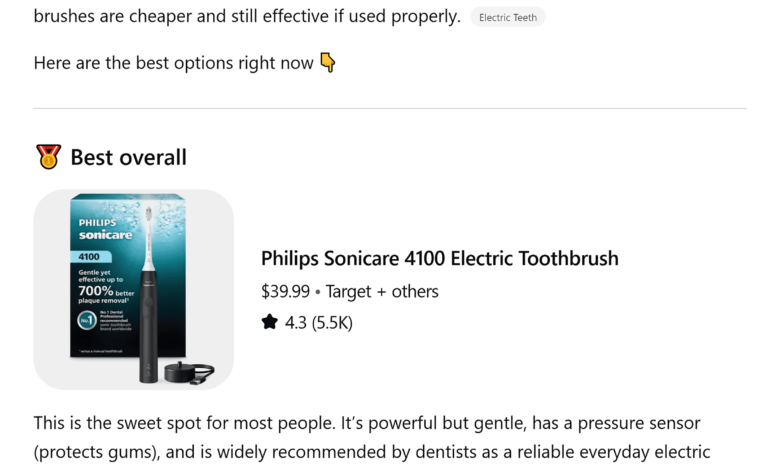
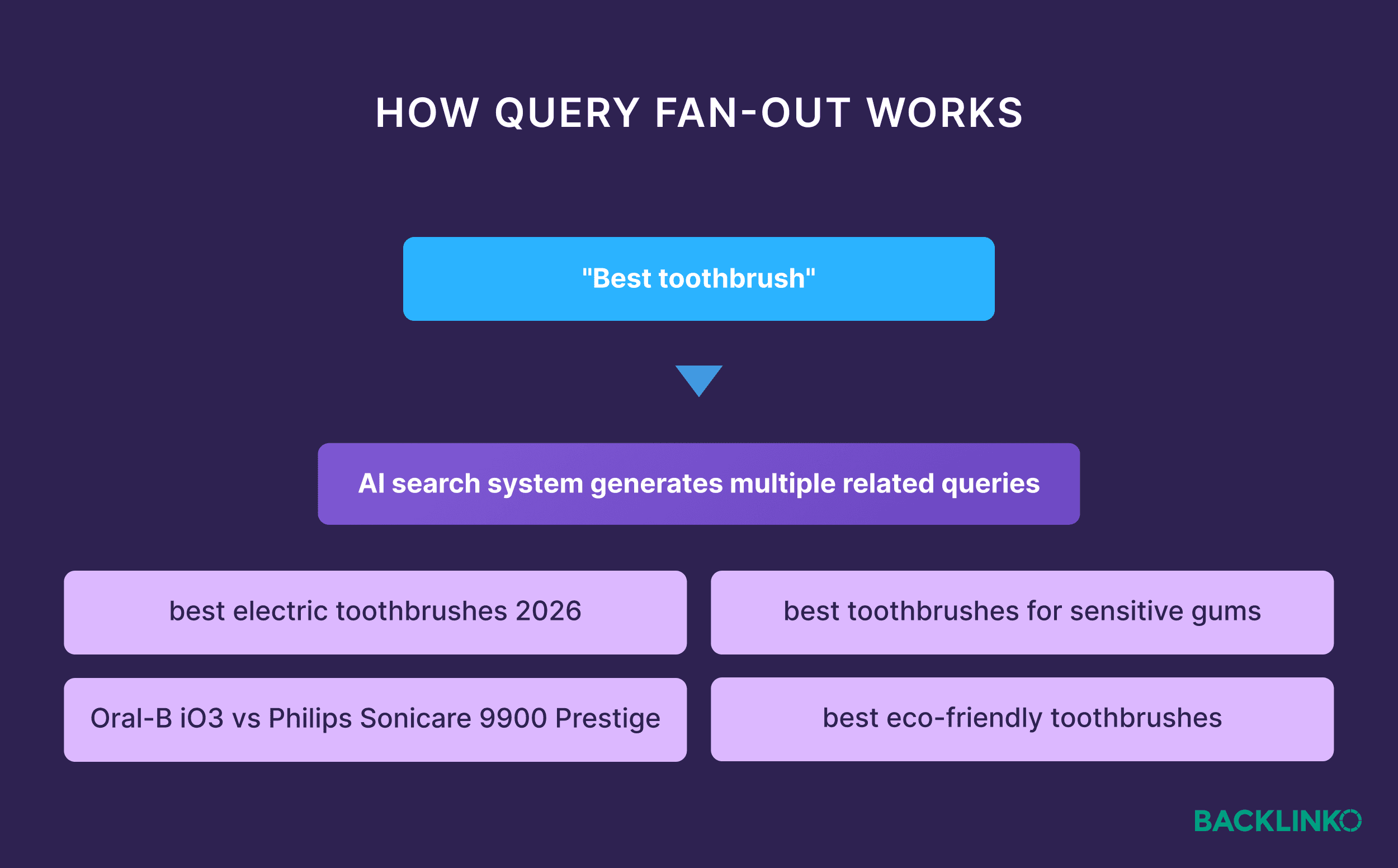
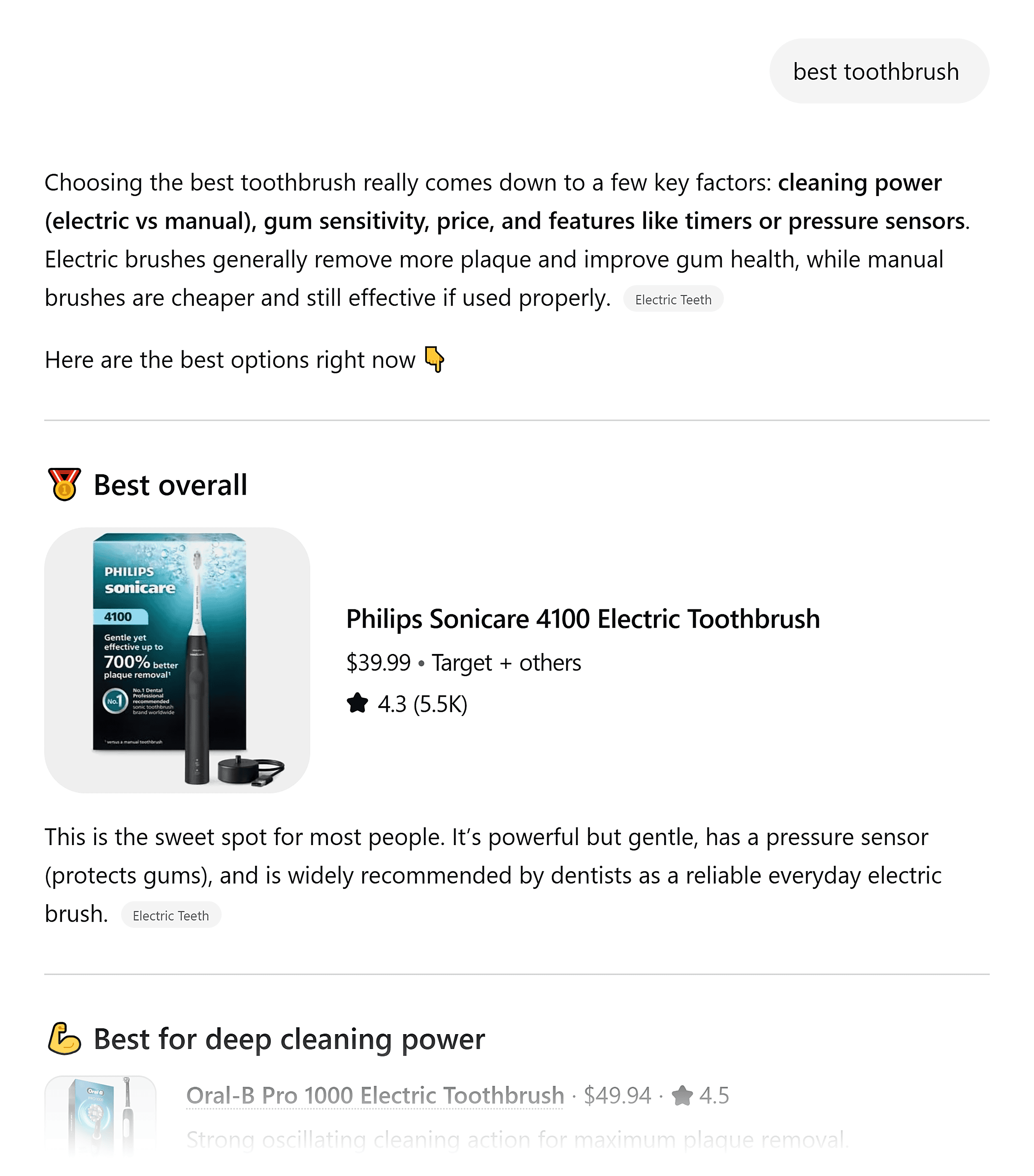
For instance, a seemingly simple query such as "best toothbrush" doesn’t trigger a singular search for that phrase. Instead, an AI system might internally generate sub-queries like "best electric toothbrushes [year]," "best toothbrushes for sensitive gums," "Oral-B vs. Philips Sonicare comparison," or "best eco-friendly toothbrushes." Each of these sub-queries then independently seeks out the most pertinent information. The AI subsequently synthesizes these disparate findings from various sources – ranging from authoritative editorial sites and detailed product pages to consumer reviews on platforms like Reddit – into a single, cohesive, and comprehensive answer.
The primary motivations behind this elaborate process are manifold. Firstly, it enables the AI to achieve a deeper, more complete understanding of the user’s underlying need, moving beyond the literal words of the prompt. Secondly, by anticipating potential follow-up questions and related concerns, AI systems can proactively build answers that are more helpful and anticipate the user’s entire information-seeking journey. Thirdly, by drawing from a diverse pool of sources, AI aims to enhance the accuracy and reliability of its responses, cross-referencing information to minimize bias and provide a balanced perspective. This mechanism ensures that the AI doesn’t merely retrieve information but actively constructs knowledge.
The Shifting Sands of Digital Visibility: Why Traditional SEO Metrics Fall Short
The advent of query fan-out signals a profound evolution in how digital content gains visibility, rendering traditional SEO metrics, particularly top organic rankings, less unilaterally definitive for AI citations. Several critical shifts emerge from this new operational model:
The Myth of Top Rankings for AI Citations
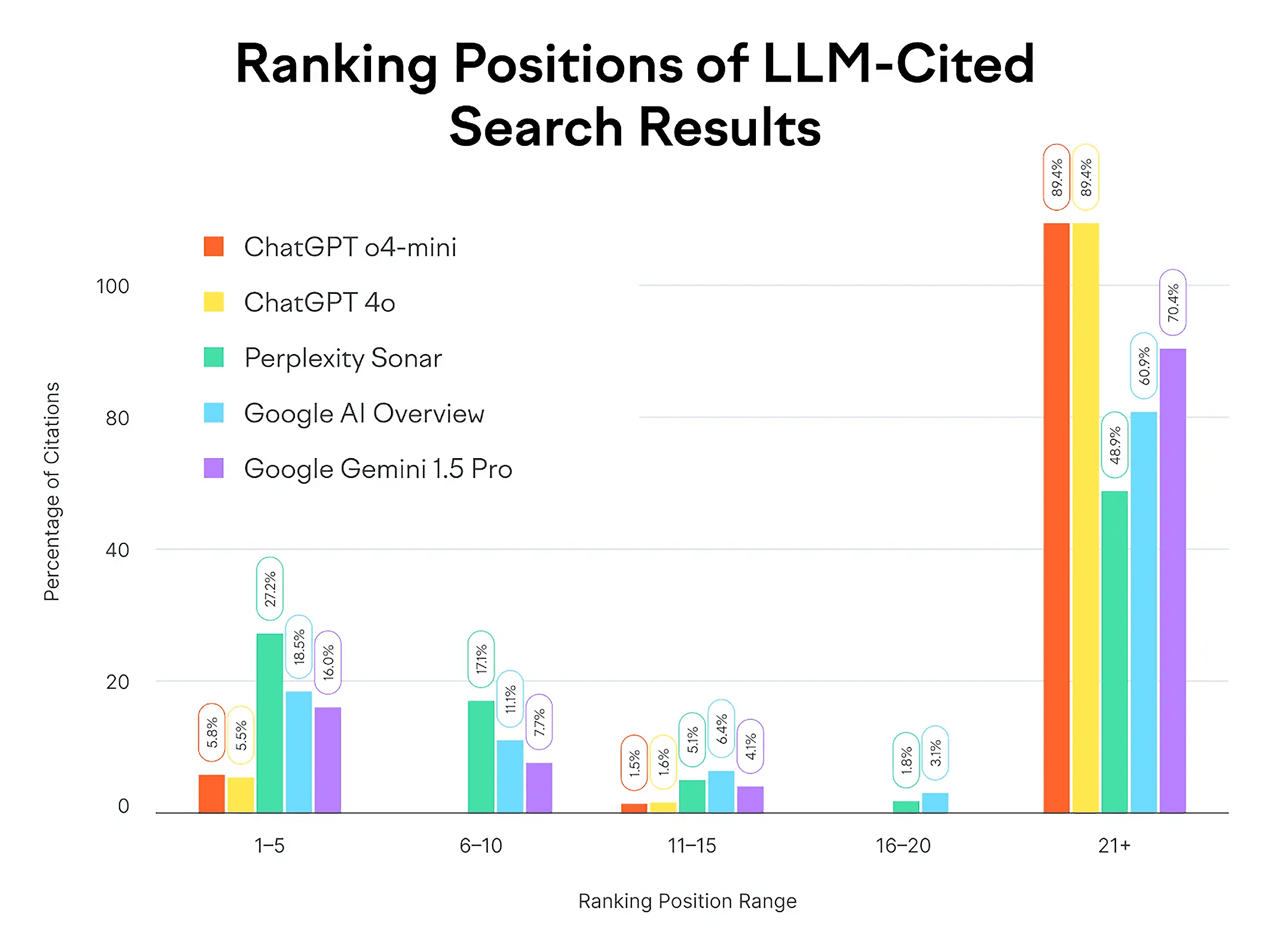
One of the most striking findings in the AI search era is the decoupling of top Google rankings from AI citations. A comprehensive study by Semrush revealed that ChatGPT, for example, cites pages ranking 21st or lower almost 90% of the time. Similar patterns have been observed with Perplexity AI and Google’s own AI features. This data directly challenges the long-held SEO dogma that a coveted spot on the first page of Google results is paramount. In the AI context, what matters more is whether a piece of content comprehensively and reliably answers a specific sub-query, regardless of its overall domain authority or conventional ranking position for the broader term. The implication is clear: content creators must prioritize being the best answer for a niche sub-query rather than merely a high-ranking general resource.
Passage-Based Retrieval: The Granular Focus of AI
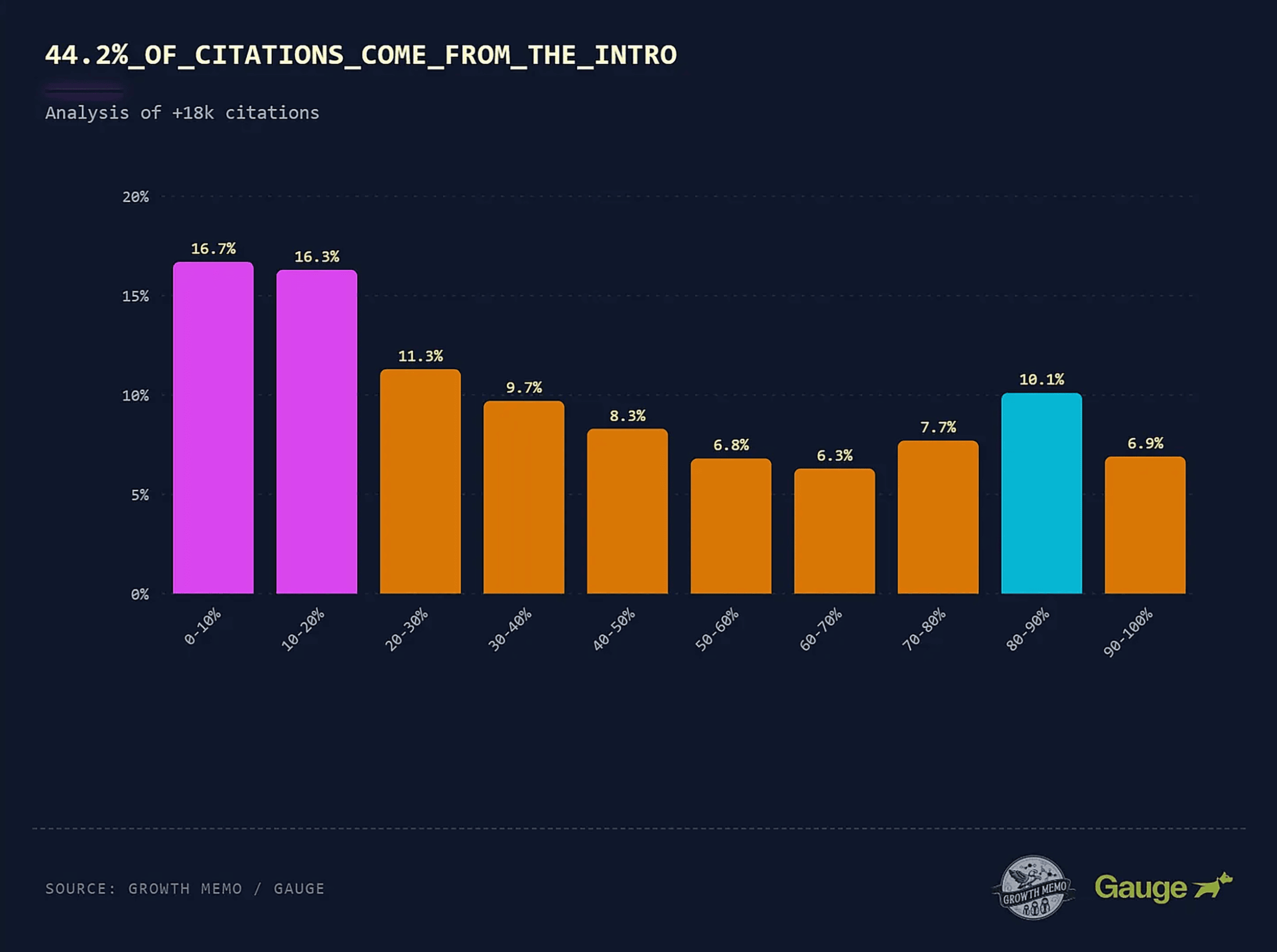
Unlike traditional search engines that often direct users to an entire webpage, AI systems are designed to extract and synthesize specific "passages" or snippets of information that directly resolve a sub-query. This granular retrieval mechanism means that the location of the answer within a page becomes crucial. According to an analysis of 1.2 million ChatGPT responses by growth advisor Kevin Indig, 44.2% of citations originated from the first 30% of a page, with 31.1% from the middle and only 24.7% from the final third. This data underscores the importance of "front-loading" answers, ensuring that key information relevant to anticipated sub-queries is presented early and clearly. Content should be structured so that individual sections or paragraphs can stand alone as complete and accurate answers.
Beyond Keywords: The Rise of Topical Authority
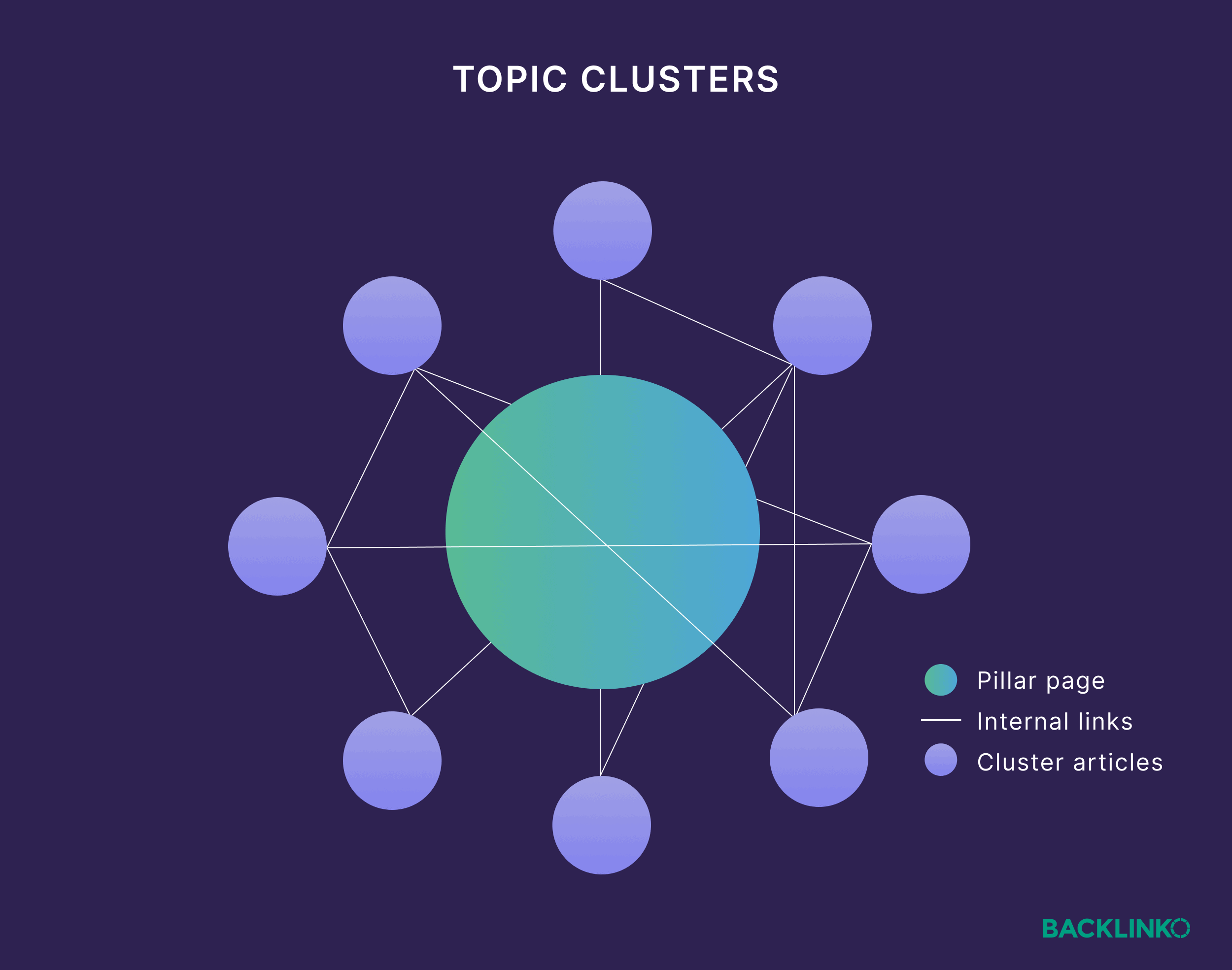
Traditional SEO often centered on optimizing individual keywords. Query fan-out, however, operates on the principle of comprehensive topical coverage. An AI’s ability to fan out a broad query into many related sub-questions means that a website with deep, interconnected content across an entire topic is more likely to be cited. This reinforces the value of content strategies built around "pillar pages" and "topic clusters," where a central, authoritative page links to numerous supporting articles that delve into specific aspects of the broader subject. Such a structure allows an AI to easily navigate and pull information from a well-established knowledge base, solidifying a brand’s "topical authority" in the eyes of the algorithm.
Collapsing the Buying Funnel: A Holistic Content Approach
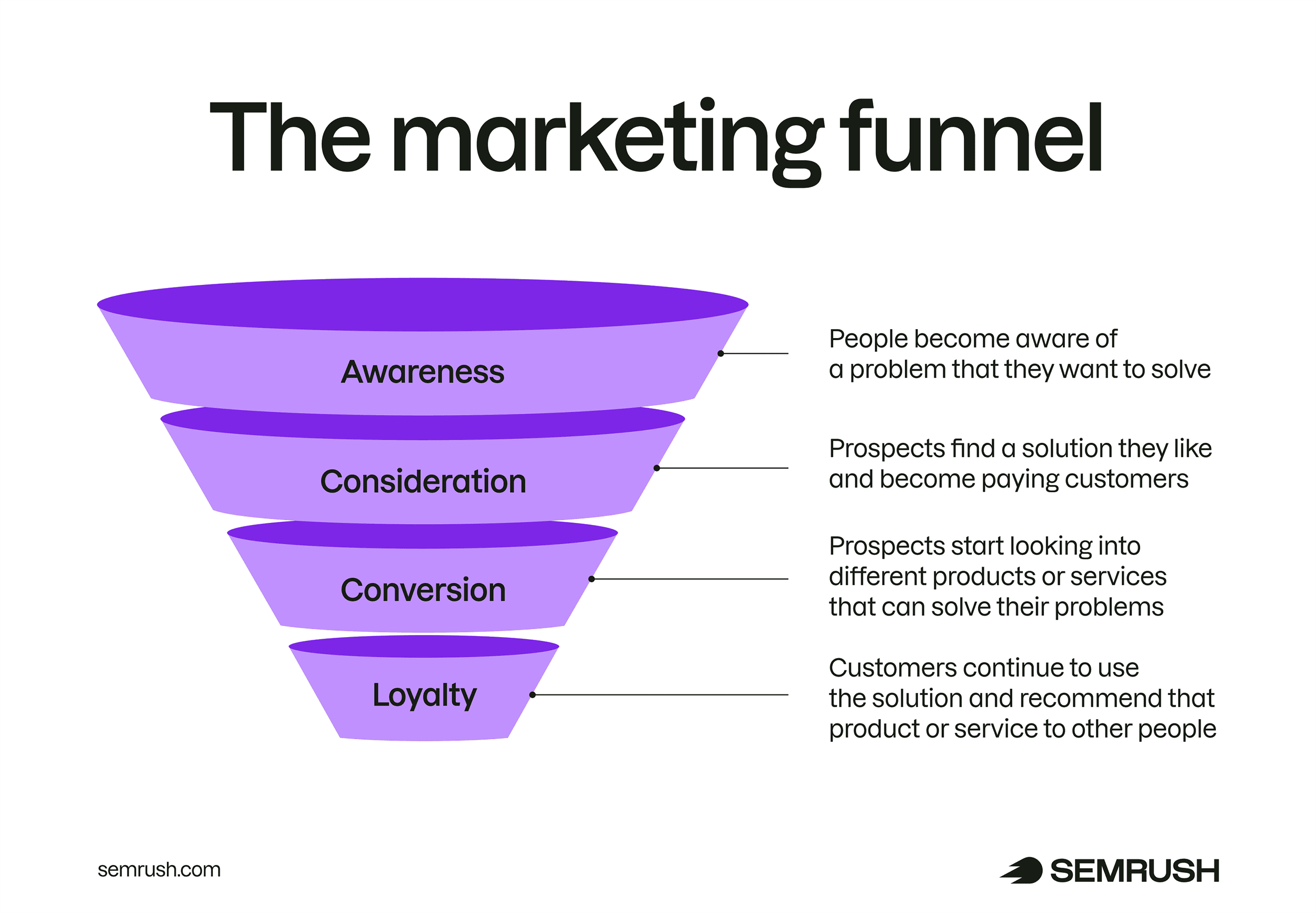
The conventional marketing funnel, with its distinct stages of awareness, consideration, and decision, has long guided content strategy. Marketers would create content tailored to each stage. With AI, these stages can effectively collapse into a single interaction. A user’s initial, often high-intent, question can trigger an AI to fan out across the entire funnel – pulling awareness-level context, consideration-level comparisons, and decision-level specifics into one synthesized answer. This necessitates a shift towards creating content that is capable of addressing multiple stages of the buying journey simultaneously, ensuring that every piece of content can contribute to a comprehensive AI response, regardless of the user’s initial intent depth.
Navigating the New Landscape: A Strategic Framework for AI Content Optimization
To thrive in this evolving AI-driven search environment, content creators and marketers must adopt a structured approach that aligns with the mechanics of query fan-out. This involves a six-step workflow designed to enhance AI visibility and earn more citations.
Identifying "Money Prompts": The New Commercial Intent
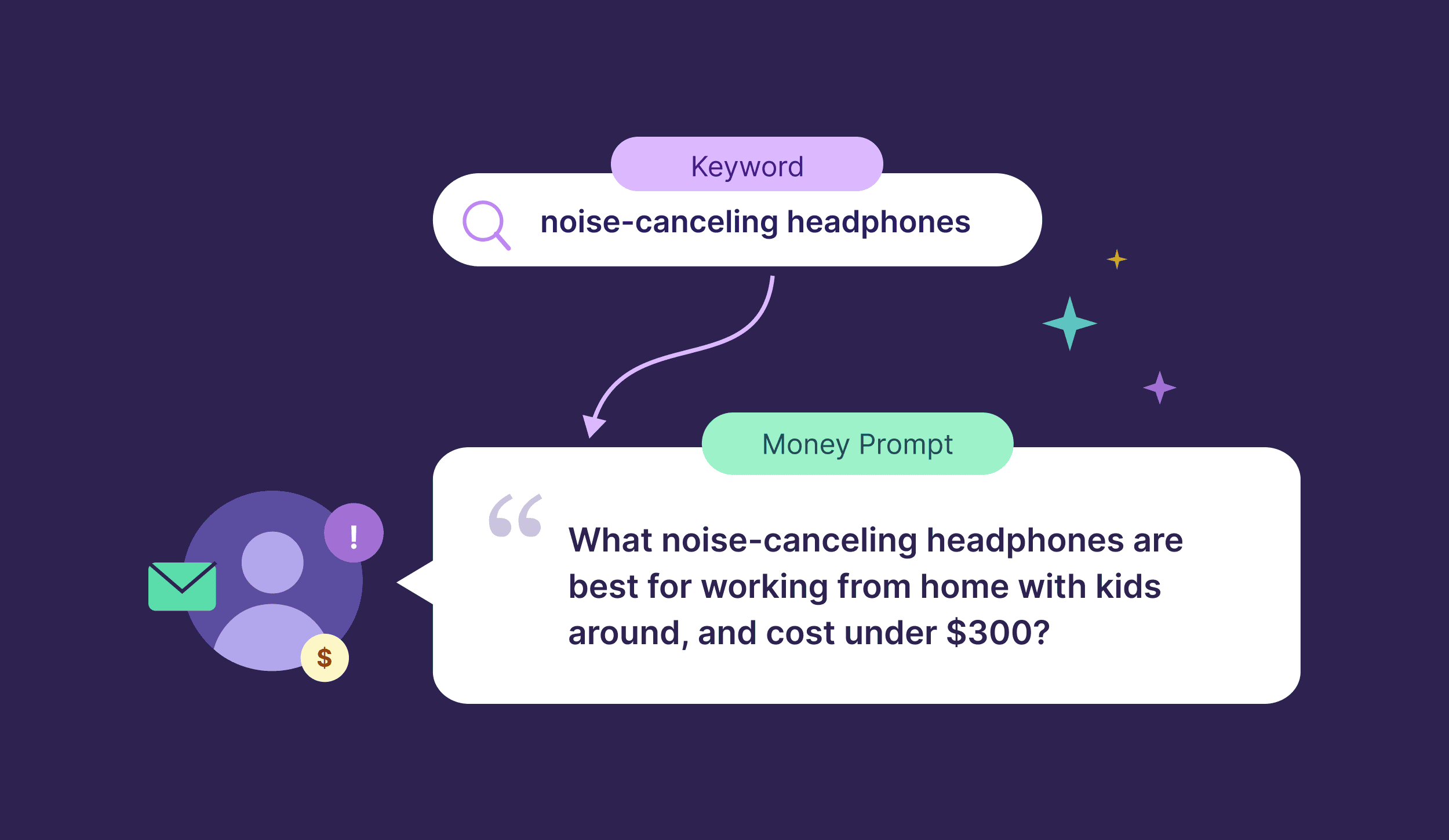
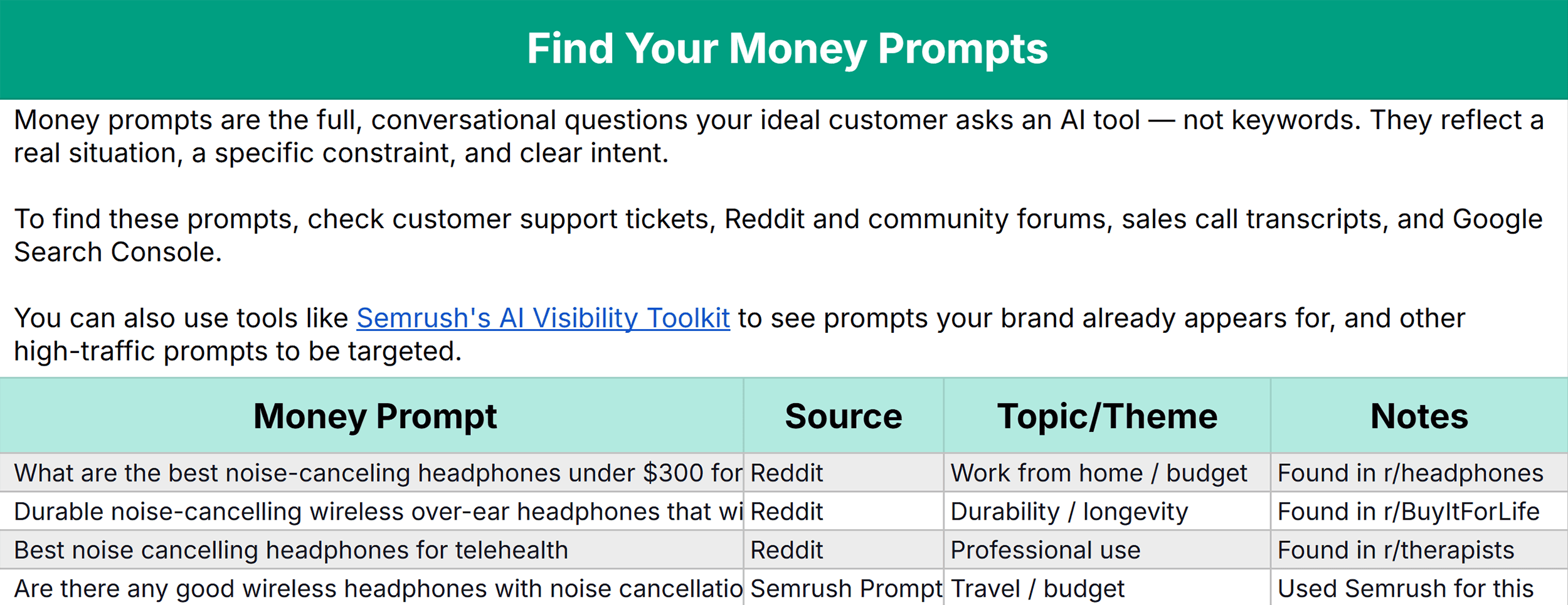
The first step is to pinpoint "money prompts" – the conversational phrases or questions that ideal customers would use when interacting with an AI to solve a problem your product or service addresses. These are the AI SEO equivalent of high-commercial-intent keywords. For example, instead of merely "noise-canceling headphones," a money prompt might be "What noise-canceling headphones are best for working from home with kids around, and cost under $300?" These prompts often involve specific use cases, comparisons, or budget constraints.

Identifying these prompts can be done through various means:

- Forums and Social Media: Platforms like Reddit are invaluable for uncovering real-world user questions and pain points. Users often articulate their needs and constraints in detail here.
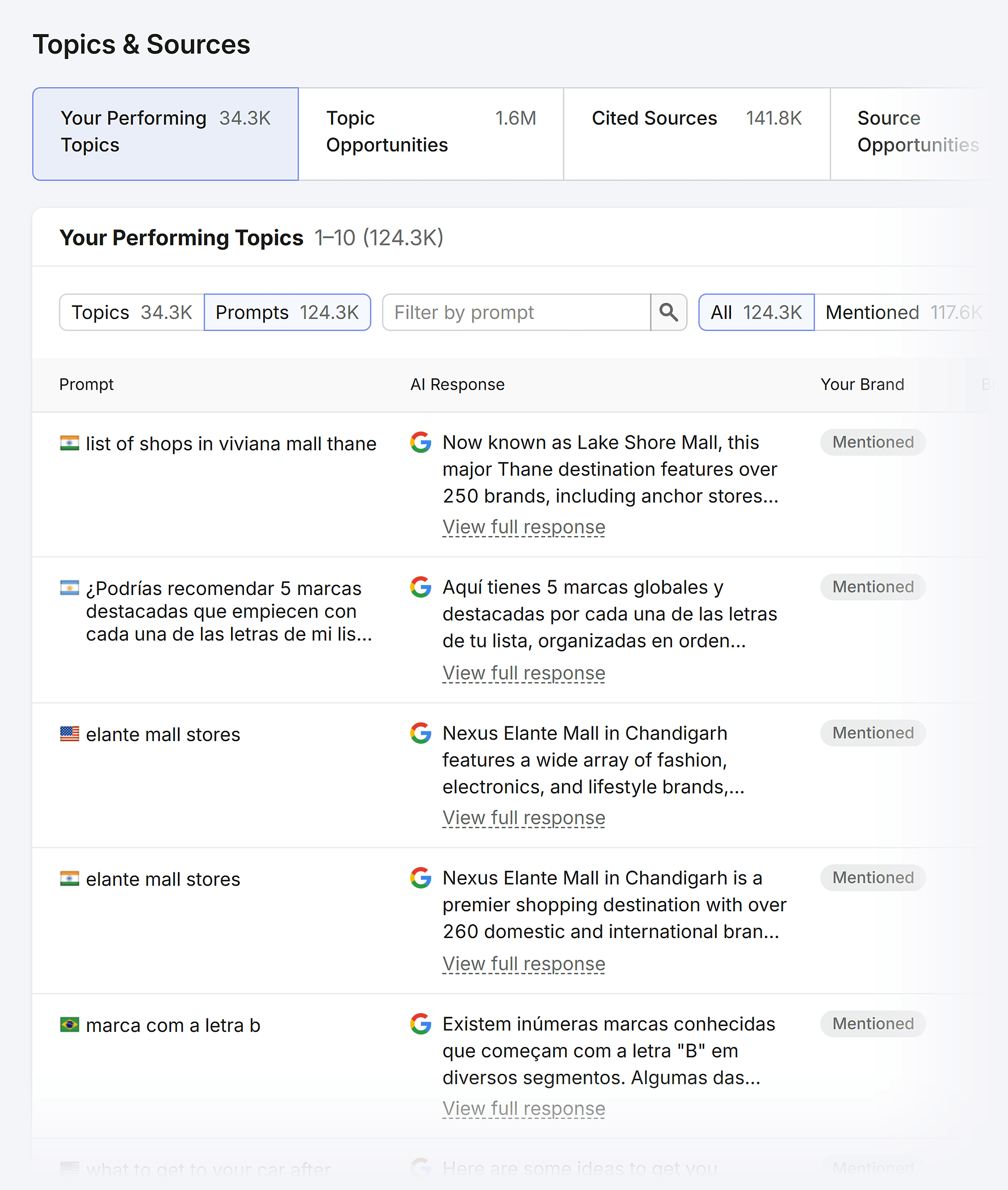
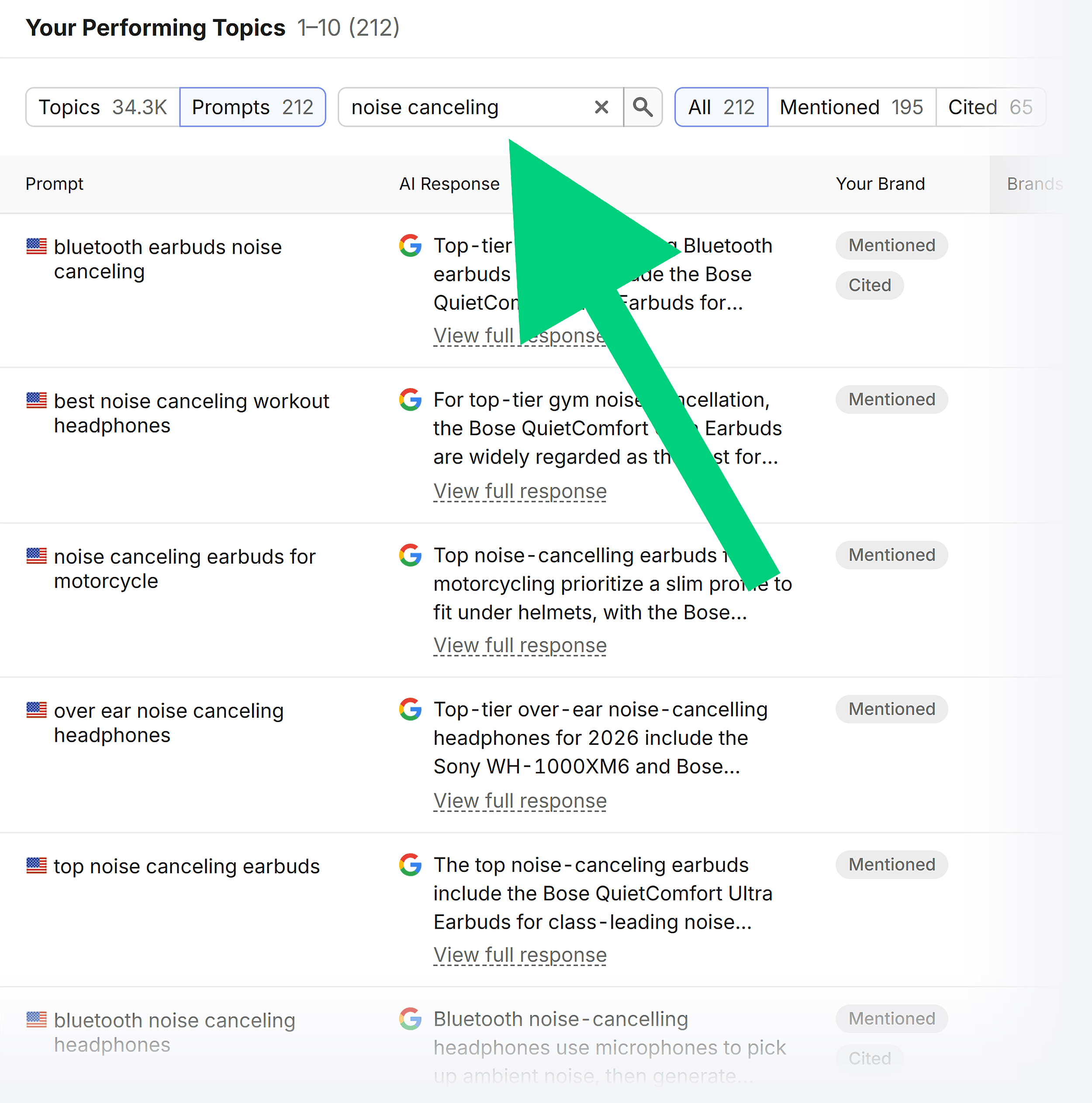
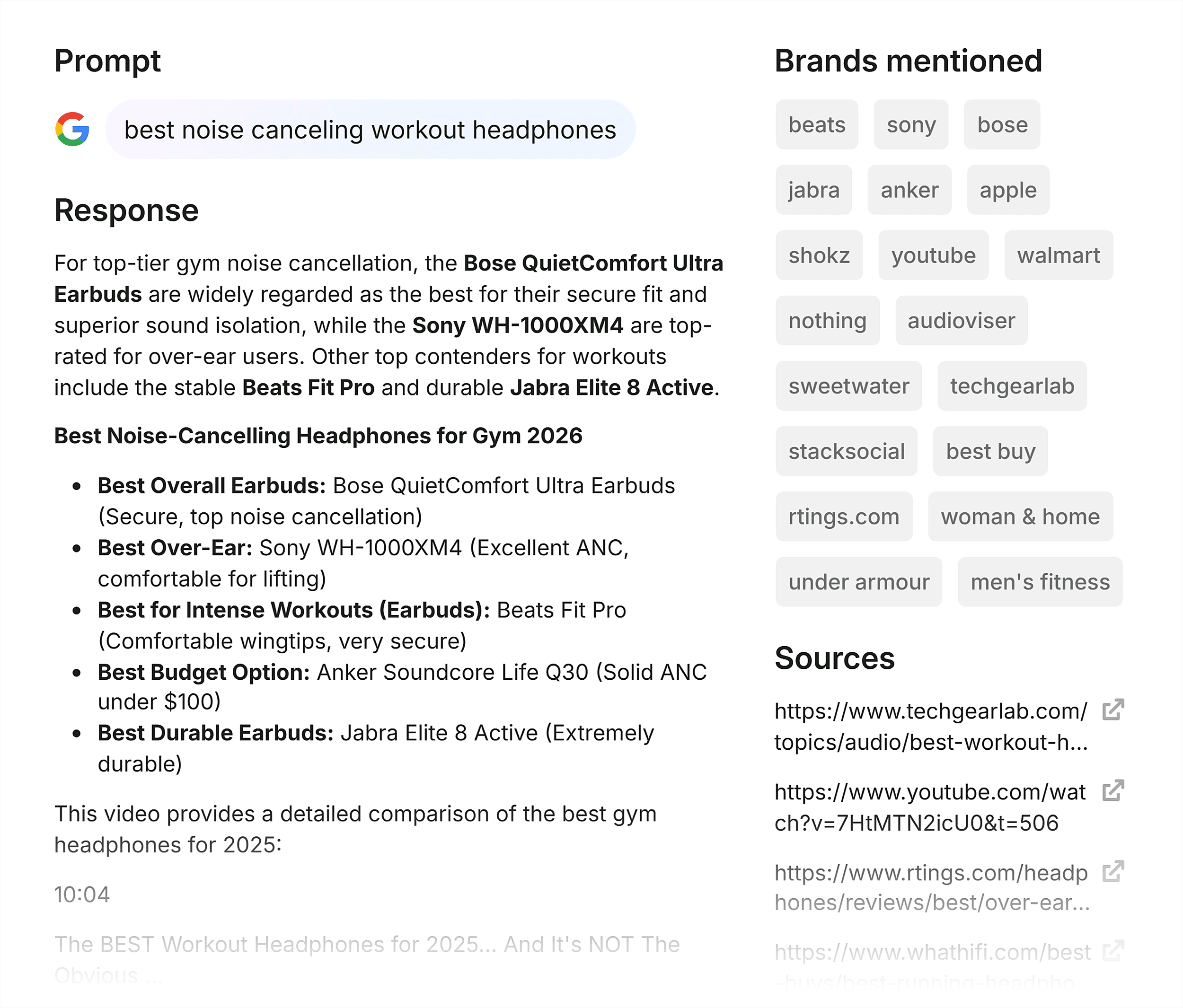
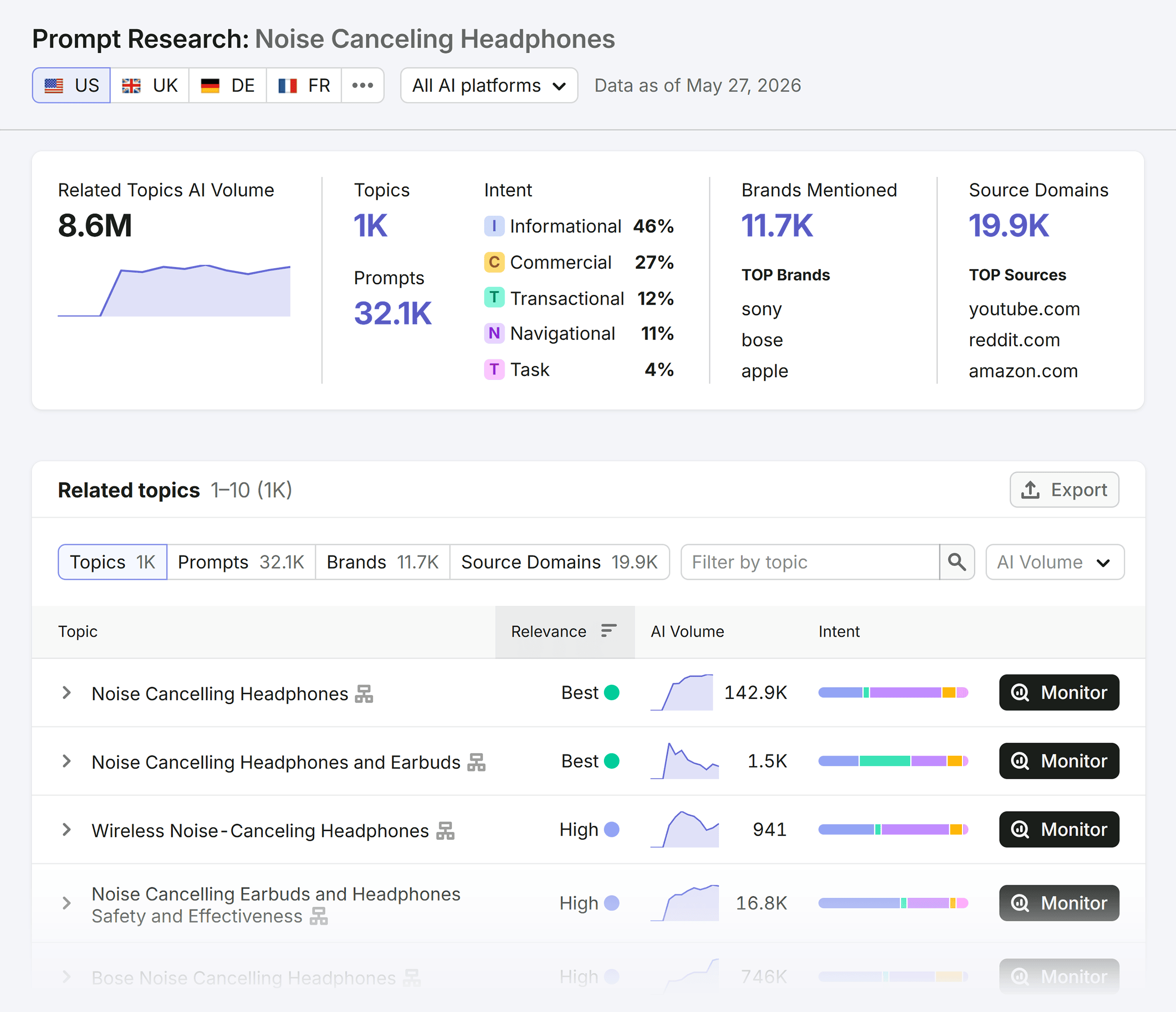
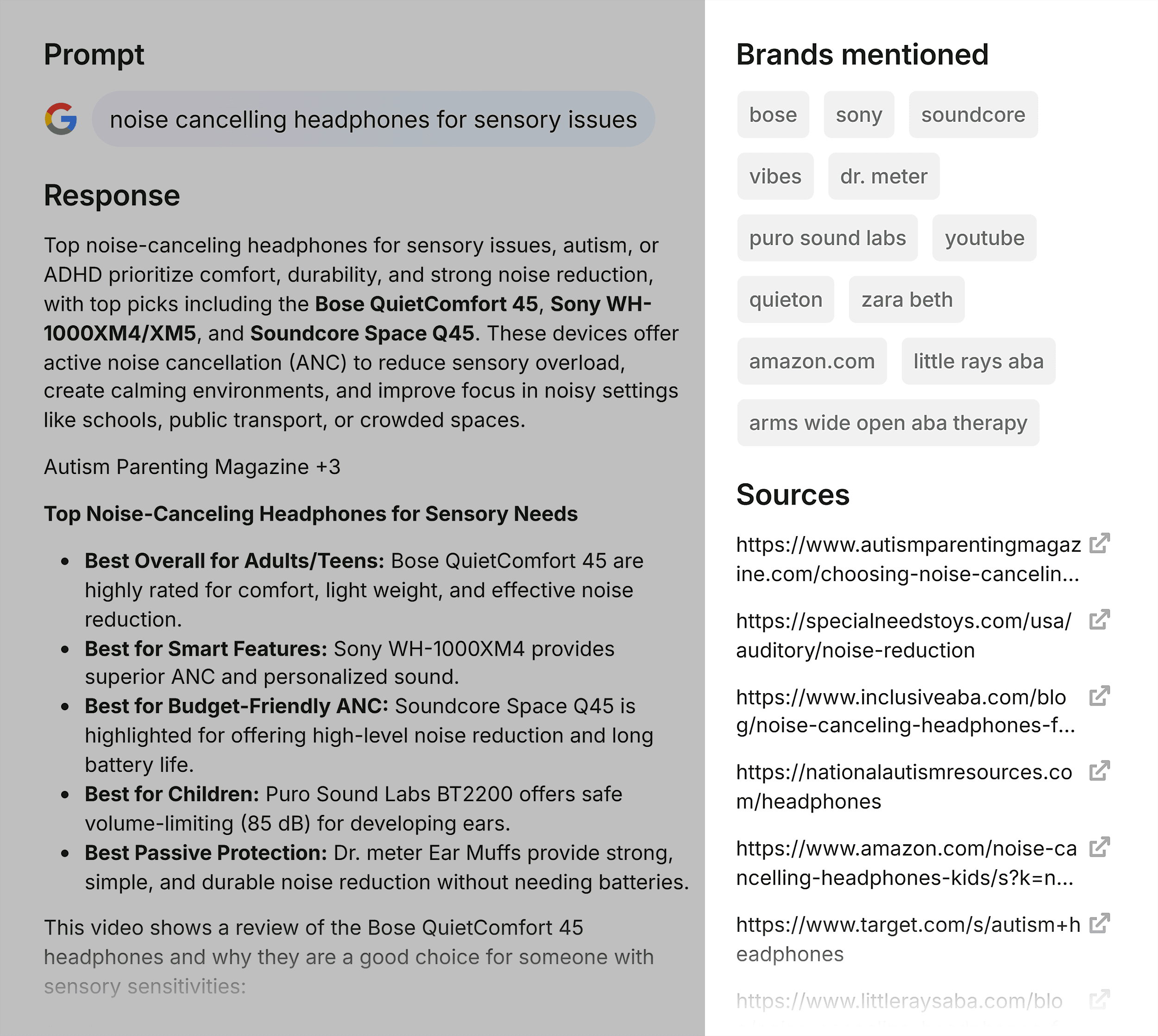
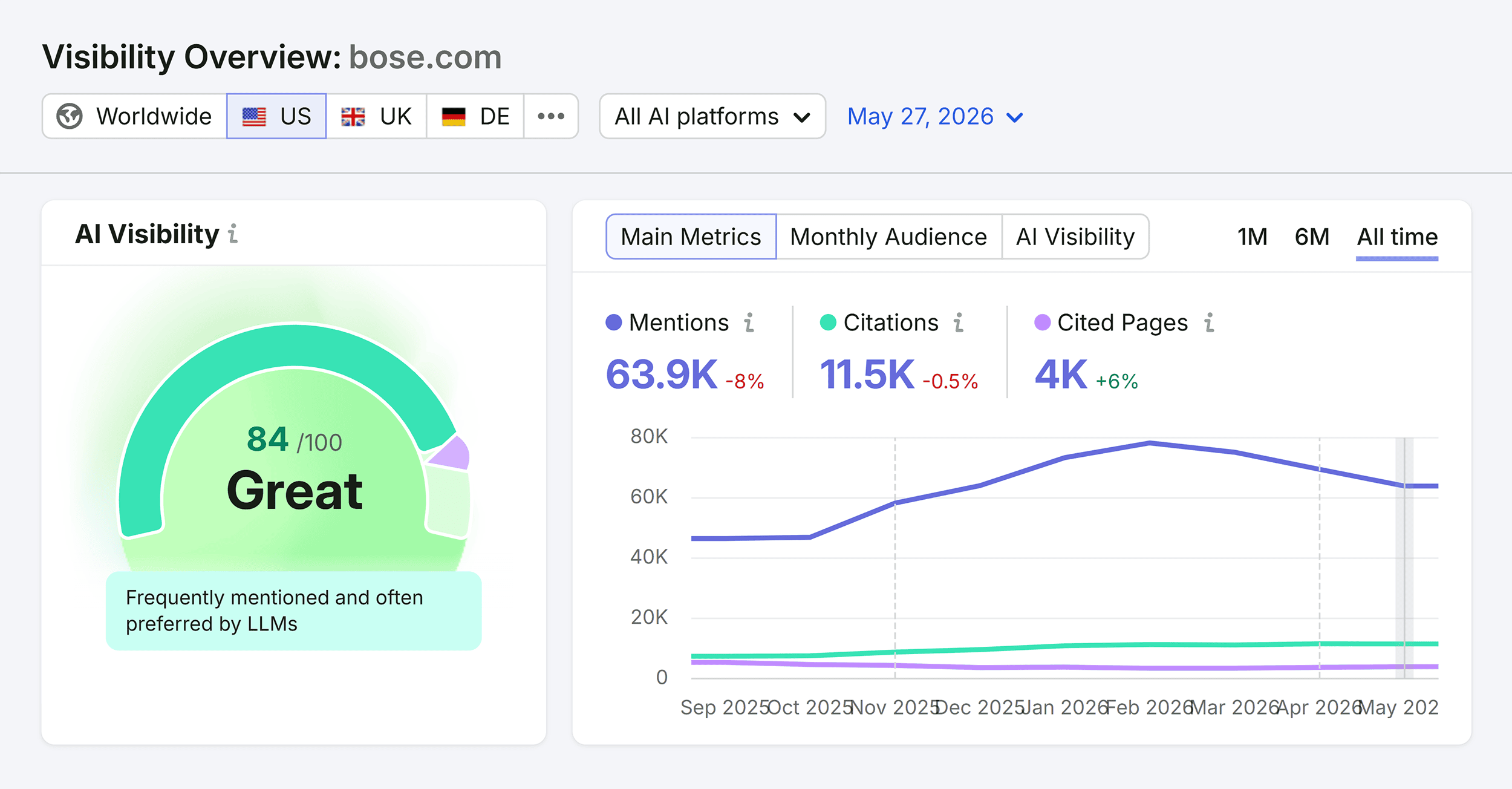
- AI Visibility Tools: Specialized tools like Semrush’s AI Visibility Toolkit allow brands to discover prompts where they already appear in AI answers, or to research industry-specific prompts generating the most AI results. For instance, searching a brand like Bose in such a tool can reveal over 123,000 prompts where it’s cited, further filterable by specific topics like "noise canceling headphones for sensory issues." These tools provide insights into the AI’s actual responses, mentioned brands, and cited sources.
Deconstructing User Intent: Generating the Fan-Out Set
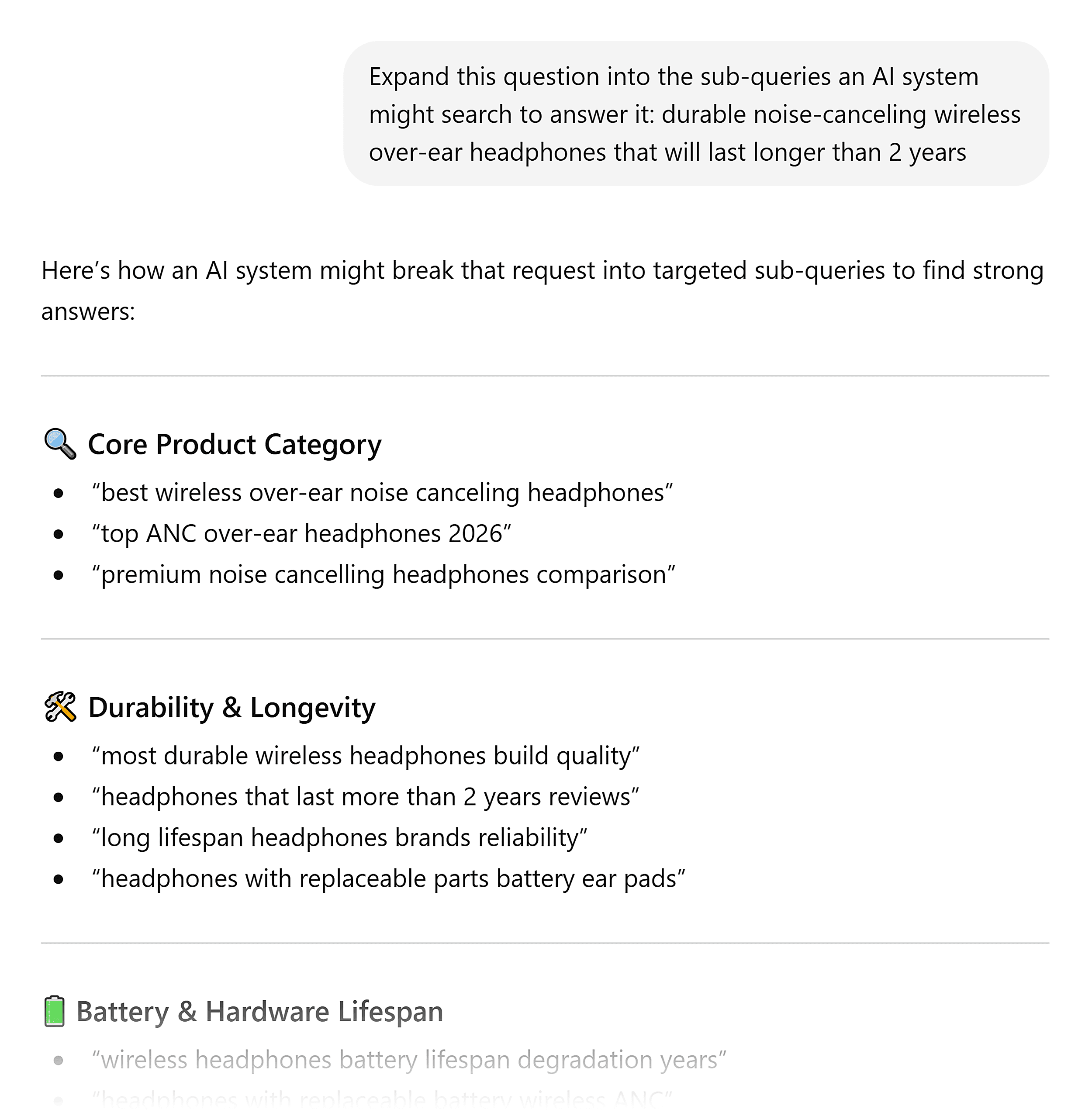
Once money prompts are identified, the next step is to generate their "fan-out set" – the sub-queries an AI would generate from that prompt. This can be achieved manually or with specialized tools.
- Manual Method: Using a template like "Act as an AI search system. When a user asks [money prompt], what 10-15 sub-queries would you run to create the most helpful response? Group them into categories." across various AI platforms (ChatGPT, Perplexity, Claude) can provide diverse sub-query sets.
- Automated Tools: Browser extensions like Backlinko’s ChatGPT Query Fan-Out Tool can capture real-time sub-queries generated by ChatGPT, categorizing them by type:
- Reformulation: A rephrased version of the original query.
- Comparative: Queries weighing options against each other.
- Implicit: Addressing unstated user needs.
- Personalized: Tailored to specific situations.
- Entity Expansion: Drilling into specific brands or products.
- Related: Connected topics the AI anticipates.
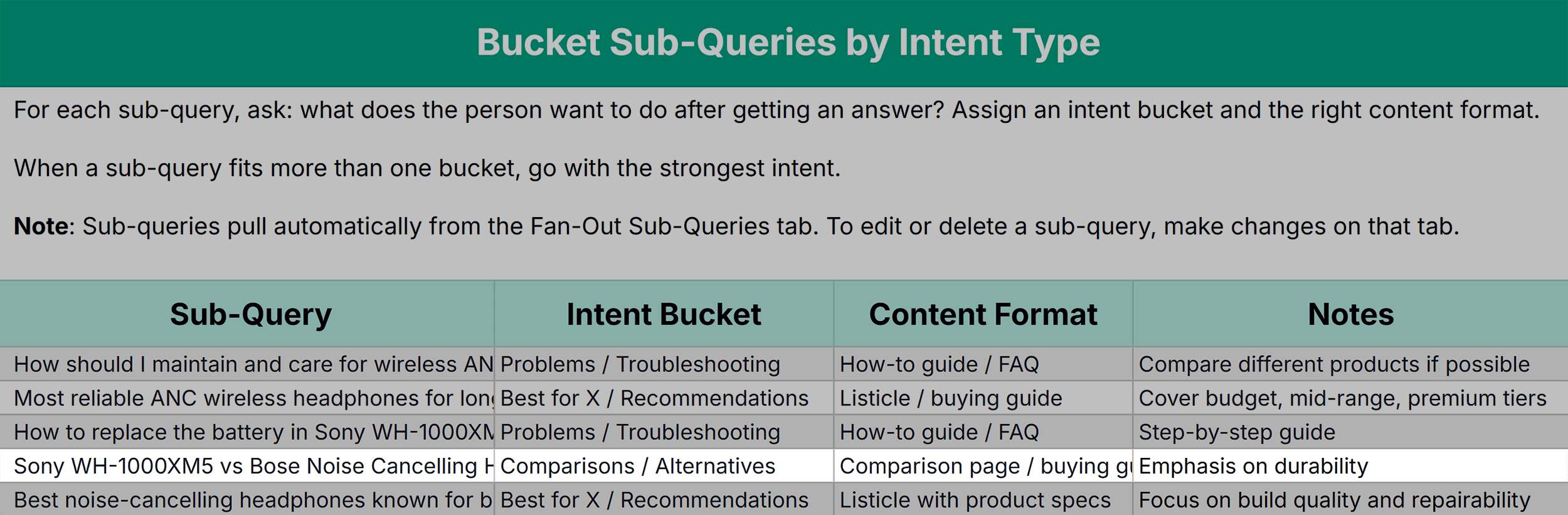
Bucketing these sub-queries by user intent (e.g., Definitions/Basics, Comparisons/Alternatives, Best for X/Recommendations, Problems/Troubleshooting, Pricing/Value, Social Proof/Discussions) helps determine the most appropriate content format for each. A "Sony vs. Bose" sub-query, for instance, clearly calls for a head-to-head comparison, not a general buying guide.
Content Gap Analysis: Bridging the Information Divide
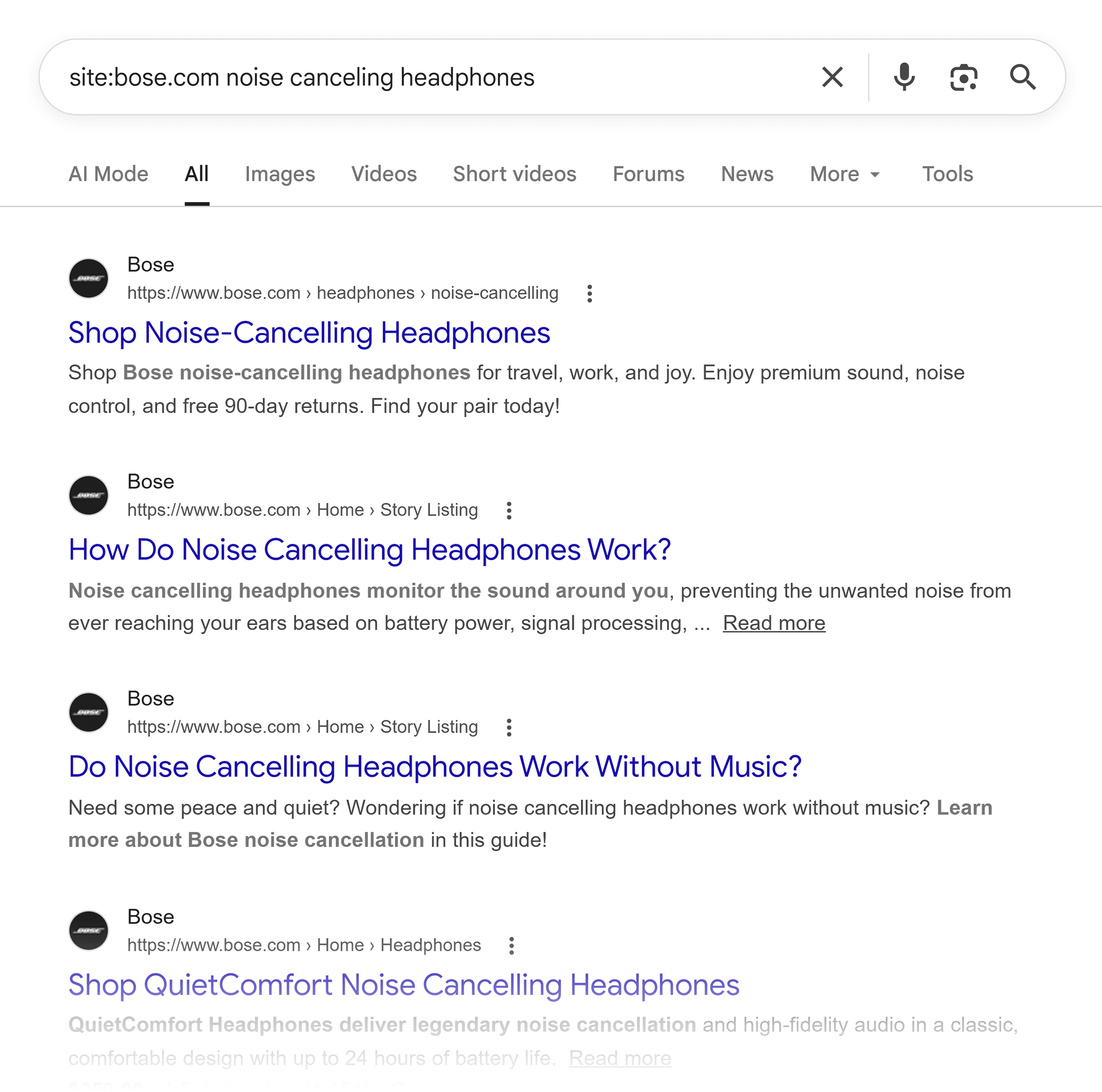
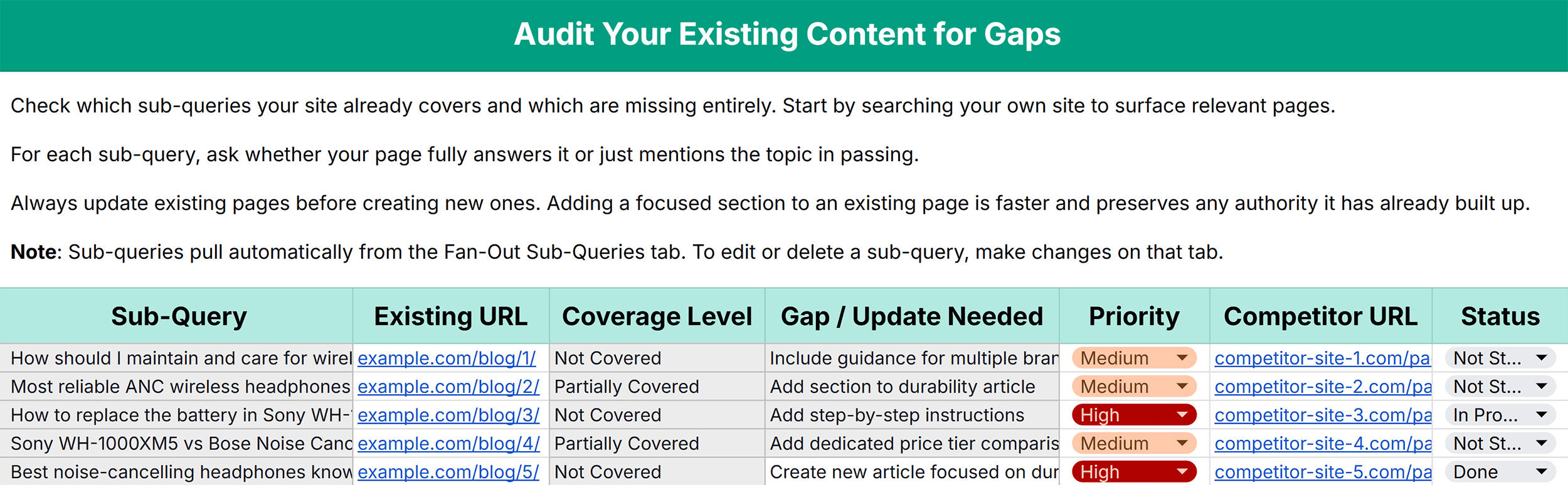
With the fan-out set categorized by intent, an audit of existing content is crucial. This involves searching your own domain (e.g., site:yourdomain.com [sub-query topic]) to assess coverage:
- Not Covered: No existing content addresses the sub-query. This is a clear opportunity for new content creation.
- Partially Covered: The topic is mentioned but not fully resolved in a self-contained manner. Existing content needs expansion.
- Fully Covered: A dedicated section or page completely answers the sub-query, extractable by AI without additional context. These pages should be monitored and regularly updated.
Simultaneously, it’s vital to identify competitors appearing for these money prompts, especially those being cited by AI. If a competitor is consistently cited where your brand is not, it highlights a critical gap that needs to be addressed strategically.
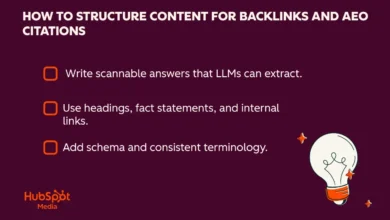
Crafting AI-Ready Content: Structure for Extractability
The way content is structured is paramount for AI extractability. Filling identified gaps requires not just creating relevant content but also presenting it in an AI-friendly format:
- Dedicated Sections/Pages: Create new content for "not covered" sub-queries or add self-contained answers to existing pages for "partially covered" topics.
- Clear Headings: Use descriptive H1, H2, H3 tags that directly address sub-queries.
- Structured Data: Employ tables, bullet points, and numbered lists to present information concisely and in an easily digestible format.
- Front-Loaded Answers: Ensure that the most important information or direct answer to a question appears early in a section.
- Specific Claims: Highlight key product features, benefits, or specifications as scannable elements.
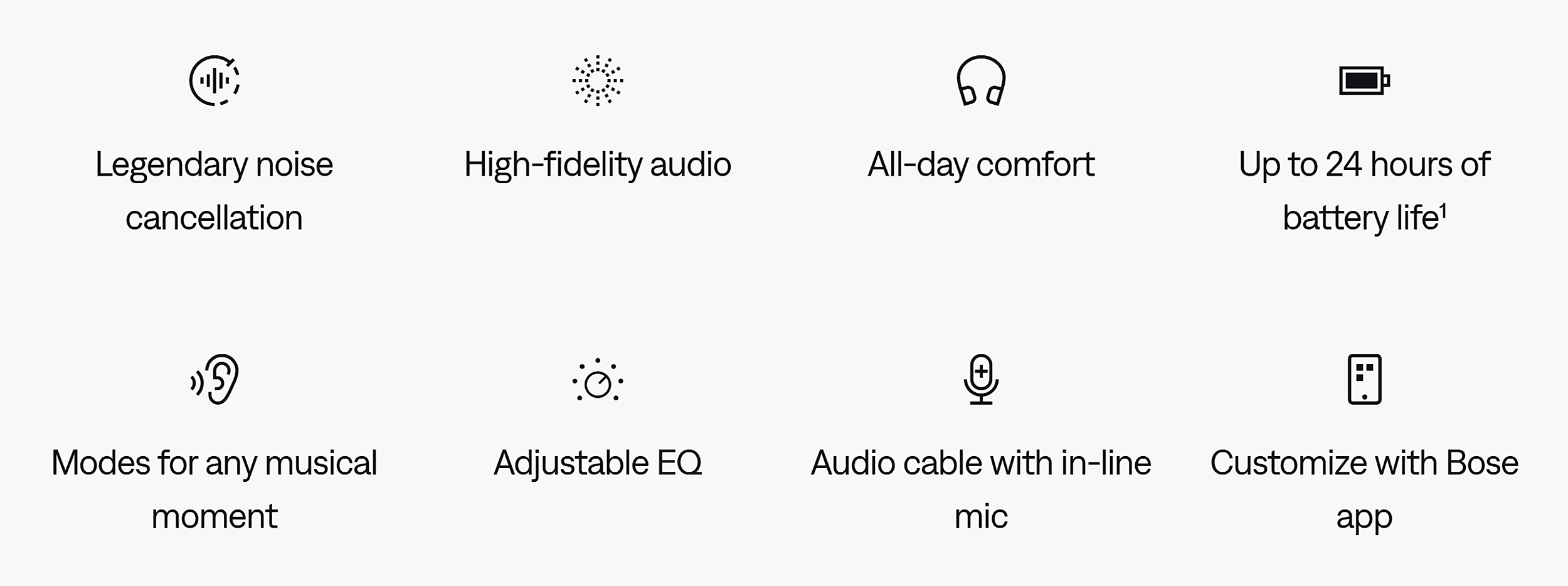
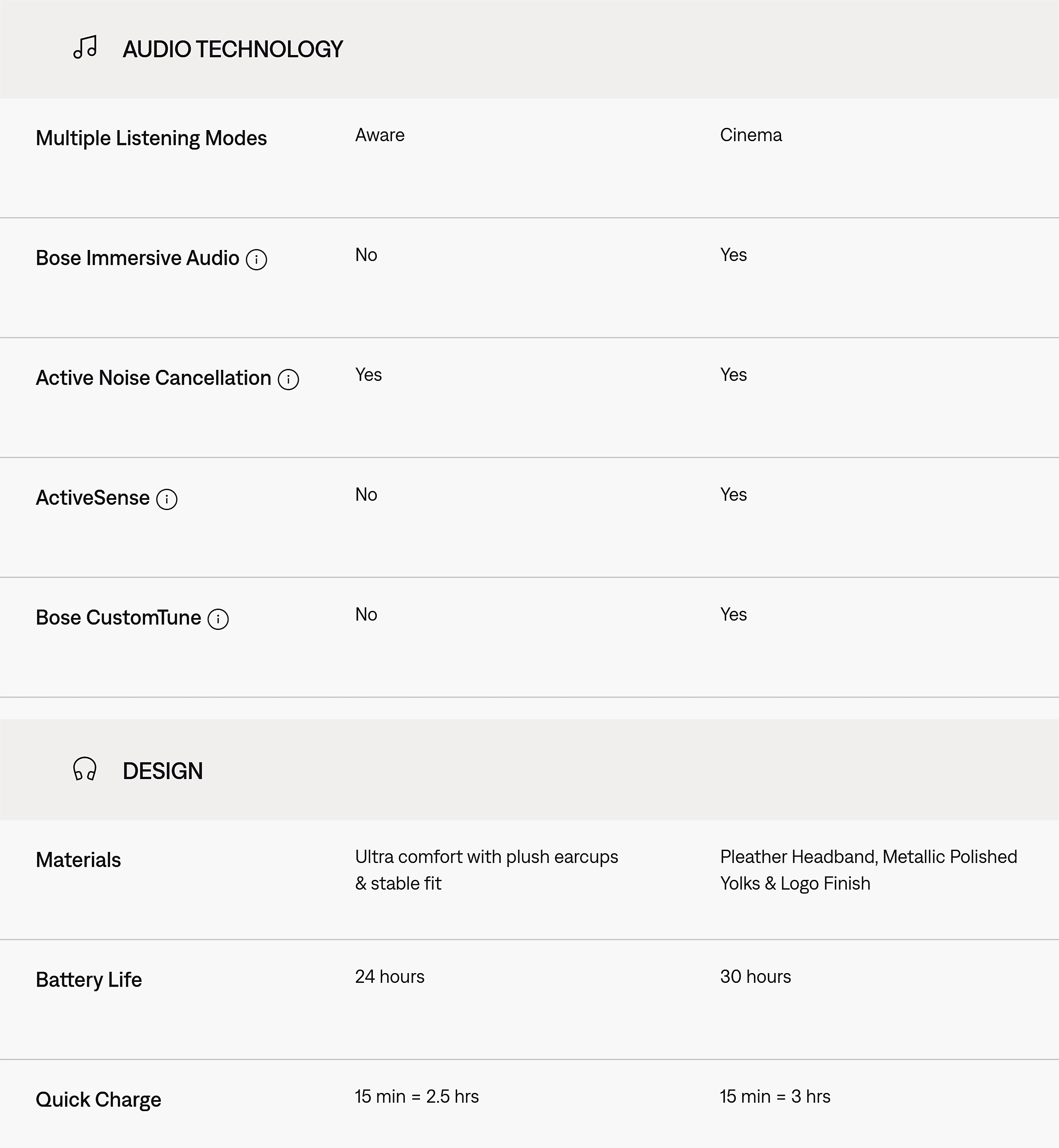
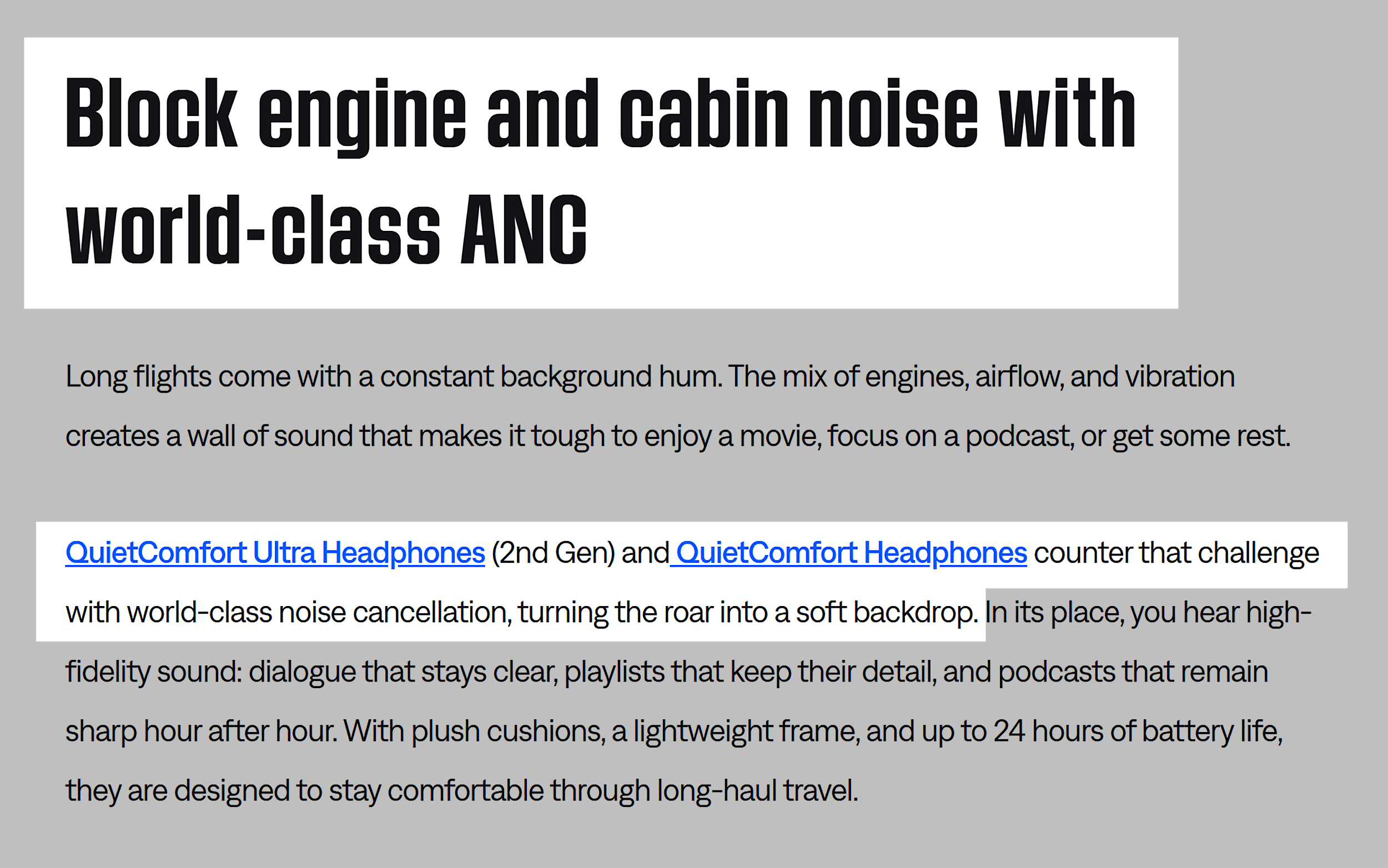
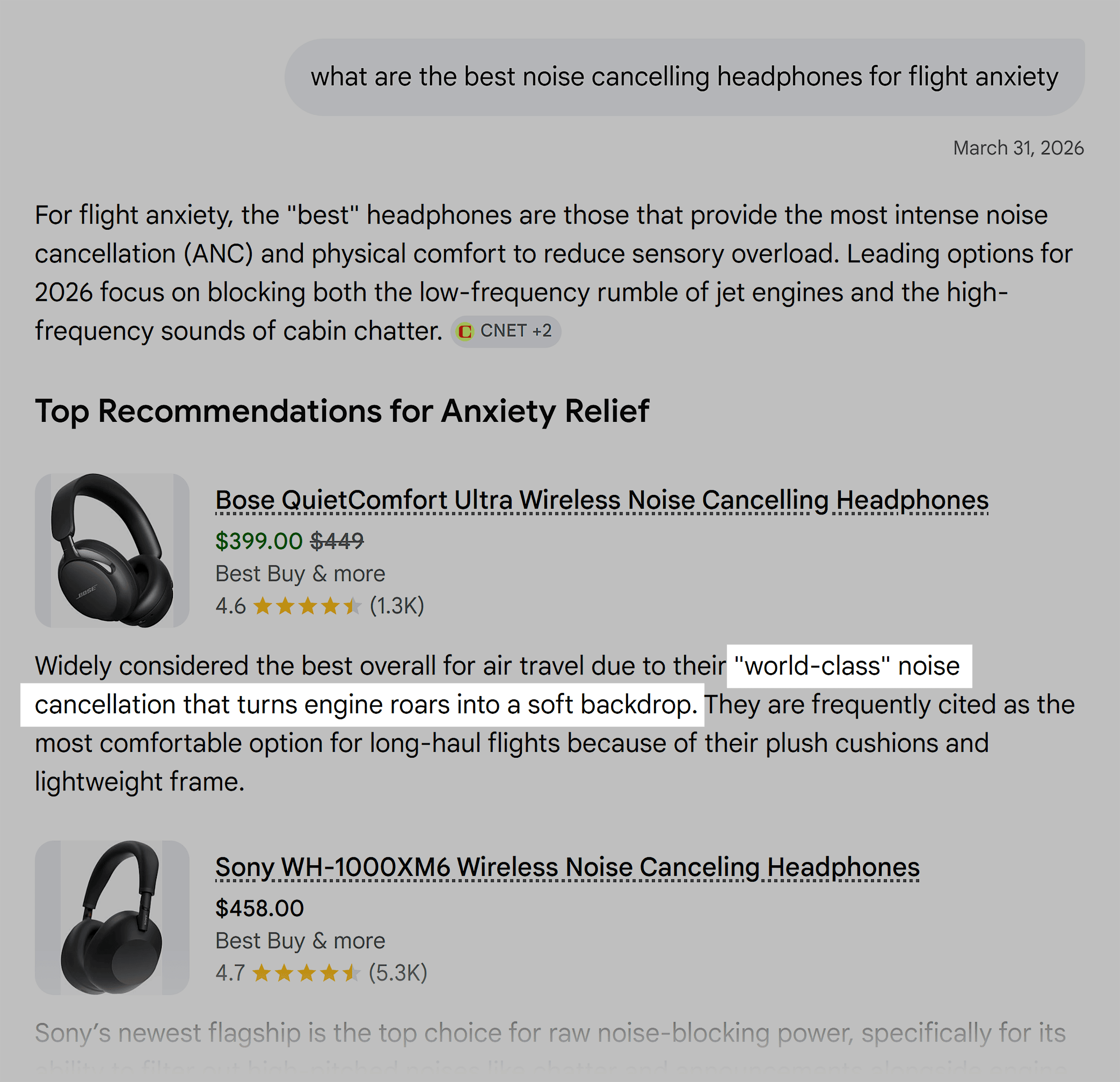
Bose provides an excellent example. Their product pages feature prominent, scannable claims like "24 hours of battery life" and "legendary noise cancelation." They utilize structured comparison tables for key specifications. Crucially, they create dedicated landing pages for specific use cases, such as "noise-canceling headphones for flights," using scenario-specific language. This targeted content directly aligns with how AI fans out into use-case-specific sub-queries, increasing the likelihood of citation when a user’s prompt matches that scenario.
Measuring Success: Tracking AI Visibility and Sentiment
Implementing a new content strategy for AI requires continuous measurement and adaptation. Key performance indicators in AI search include:
- Mentions: How often your brand is cited by LLMs for specific money prompts.
- Sentiment: How AI describes your brand (positive, neutral, negative) and whether competitors are portrayed more favorably.
- Sources Cited: Which of your pages are being referenced.
Manual tracking can be initiated by running money prompts through various LLMs in incognito mode. However, for scale, tools like Semrush’s Prompt Tracker can automate the monitoring of brand mentions for money prompts and alert to changes. The AI Visibility Overview tool provides a comparative score against competitors, while the Perception tool analyzes sentiment drivers, highlighting strengths (e.g., "industry-leading noise cancellation" for Bose) and potential content opportunities (e.g., addressing "over-the-ear models not sweatproof" with targeted content). Regular review of these metrics allows for iterative optimization of the content strategy.
Platform-Specific Nuances: Tailoring Content for Diverse AI Systems
While the general principles of query fan-out apply across LLMs, each platform exhibits unique behaviors that warrant consideration.
ChatGPT’s Reasoning and Real-time Search
ChatGPT often leverages its vast training data for simple, informational queries. However, for questions requiring up-to-date information, comparisons, or real-world data (e.g., "Toyota vs. Honda"), it engages in real-time web searches and sophisticated internal reasoning, drawing from dozens of sources. While ChatGPT doesn’t natively expose its sub-queries, advanced users can uncover them through browser developer tools, revealing the specific internal searches it performs. This highlights the importance of not just having the right information, but also having it presented in a way that aligns with common comparative language and addresses implicit aspects like "long-term ownership costs" versus a generic "value." Topical authority, extending beyond your own site to include mentions on reputable third-party review sites and forums, becomes vital here.
Perplexity’s Contextual Layering
Perplexity AI stands out by running two layers of fan-out simultaneously: one based on the immediate user query and another that considers the ongoing conversational context. This means Perplexity might first scan for past user preferences, budget constraints, or driving habits before launching external searches on reliability or safety ratings. For content creators, this emphasizes the need for highly specific and self-contained content passages that remain accurate and useful regardless of the unpredictable surrounding conversational context.
Claude’s Intent Clarification
Claude takes a more interactive approach, often asking clarifying questions before generating a response. For example, when asked "Toyota vs. Honda," it might present a preference widget to understand user priorities (e.g., fuel efficiency, safety, budget). This behavior suggests that Claude generates fewer, but more highly targeted, sub-queries. The implication for content is to focus on directly answering specific, well-defined use cases rather than attempting to cover every conceivable angle on a single page. Direct, scenario-specific answers are more likely to be utilized.
Google’s Dual Approach: AI Overviews and AI Mode
Google has integrated AI into its search results through "AI Overviews" and a dedicated "AI Mode." AI Overviews offer concise, AI-generated summaries directly within the search results, citing sources in a clickable sidebar. These are syntheses of Google’s existing web index. AI Mode, conversely, is a conversational search tab designed for complex, multi-part questions, providing more interactive depth. While neither platform explicitly reveals its sub-queries, the optimization focus for both remains consistent: front-load answers, use descriptive subheadings, and structure content so that individual passages are self-contained and easily extractable. Advanced SEO practitioners have even developed methods using tools like Screaming Frog with Gemini API integration to extract Google’s fan-out queries, providing a deeper insight into its operational mechanics.
The Path Forward: Adapting Content Strategy for the AI Era
The era of AI search is fundamentally reshaping how digital content achieves visibility. The simple pursuit of top Google rankings is no longer sufficient to guarantee mentions by powerful LLMs. The new imperative is to understand and strategically adapt to query fan-out, focusing on comprehensive topical coverage and the extractability of information.
Brands and publishers must embrace this new framework, starting with identifying high-value "money prompts" that drive commercial intent. They must then meticulously deconstruct these into their underlying sub-queries, audit their existing content for gaps, and restructure their information to be AI-ready – clear, concise, well-organized, and easily extractable. Continuous monitoring of AI visibility and sentiment will be crucial for ongoing optimization.
In essence, the "king" in AI search is no longer merely ranking position, but rather the dual crowns of comprehensive coverage and precise retrievability. Those who master the art of tailoring their content for the AI’s "thought process" will be the ones whose brands are consistently seen, trusted, and cited in the conversational future of search. The strategic shift is not just about adapting to new technology, but about re-engaging with the core purpose of content: to provide the most helpful, accurate, and readily accessible answers to user needs, however they are expressed.