Google’s Tensor Chipsets: A Tumultuous Journey Towards Flagship Performance and User Satisfaction

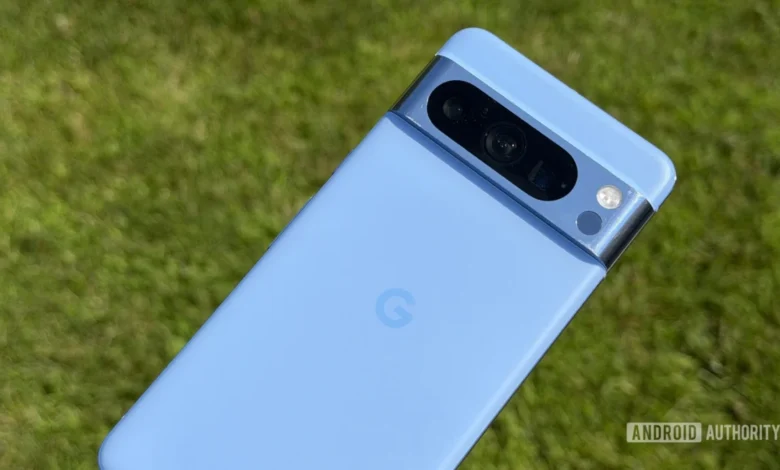
The introduction of Google’s sixth-generation custom system-on-a-chip (SoC), the Tensor G6, is mere weeks away, yet a cloud of uncertainty looms over its anticipated performance and reception. Public sentiment, as evidenced by a recent survey, reveals a significant level of user frustration and a cautious reluctance to invest in the upcoming Pixel 11 until definitive proof of the Tensor G6’s capabilities emerges. This skepticism stems from a chequered history with Google’s proprietary silicon, which, despite recent advancements, has struggled to shed its early reputation for thermal management issues and inconsistent performance.
The Genesis of Tensor: Ambition Meets Reality
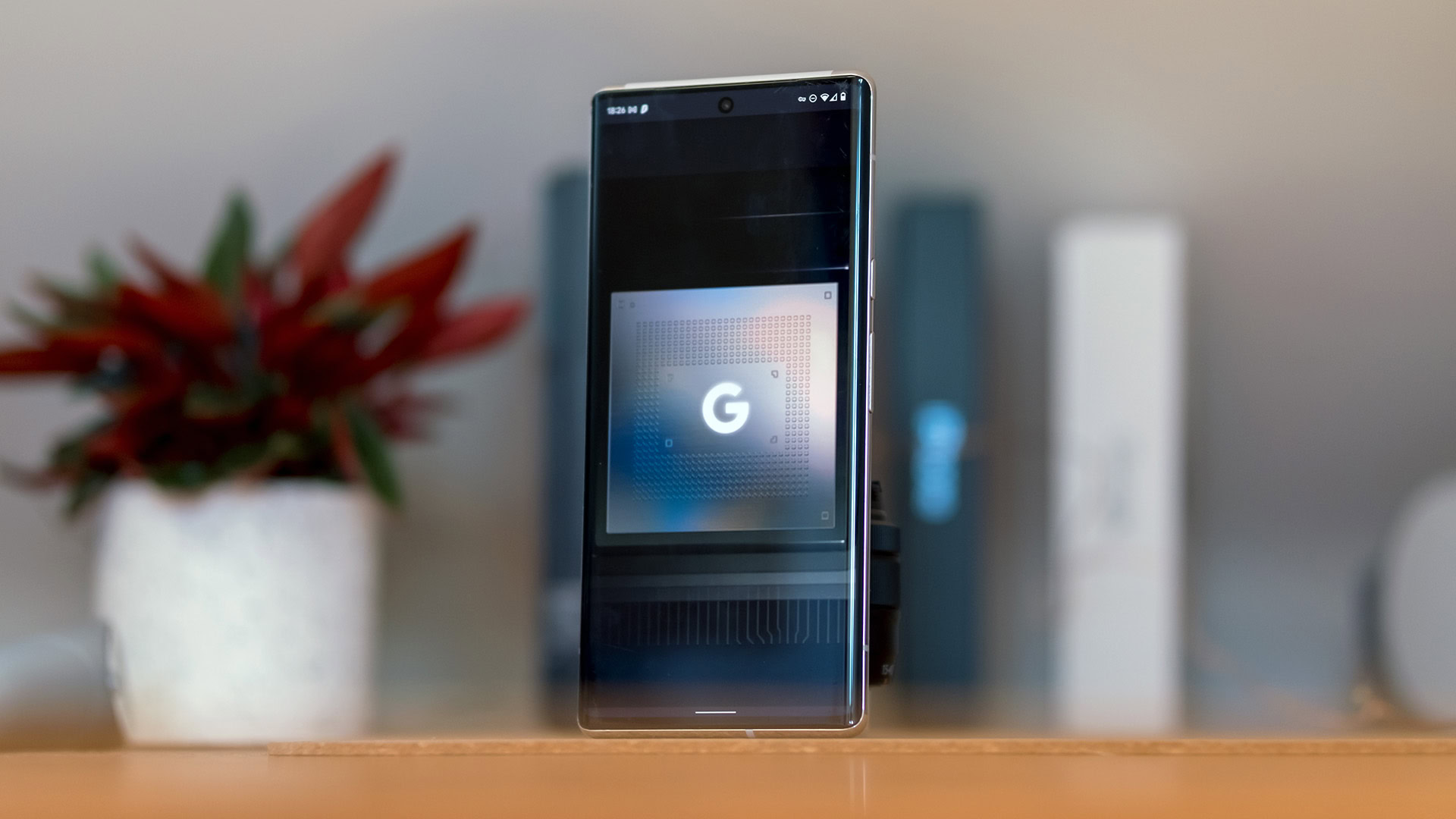
Google’s decision to develop its own Tensor chipset, first unveiled with the Pixel 6 series in late 2021, marked a pivotal shift in the company’s smartphone strategy. Prior to this, Pixel devices relied on Qualcomm’s Snapdragon processors, a standard practice for many Android manufacturers. However, Google, much like Apple with its A-series chips, sought greater control over the hardware-software integration, aiming to optimize performance, enhance security, and, critically, accelerate its ambitious on-device artificial intelligence (AI) initiatives. The vision was to create a deeply integrated ecosystem where the hardware was custom-tailored to deliver Google’s unique software experiences, particularly in areas like computational photography, voice recognition, and real-time language processing.
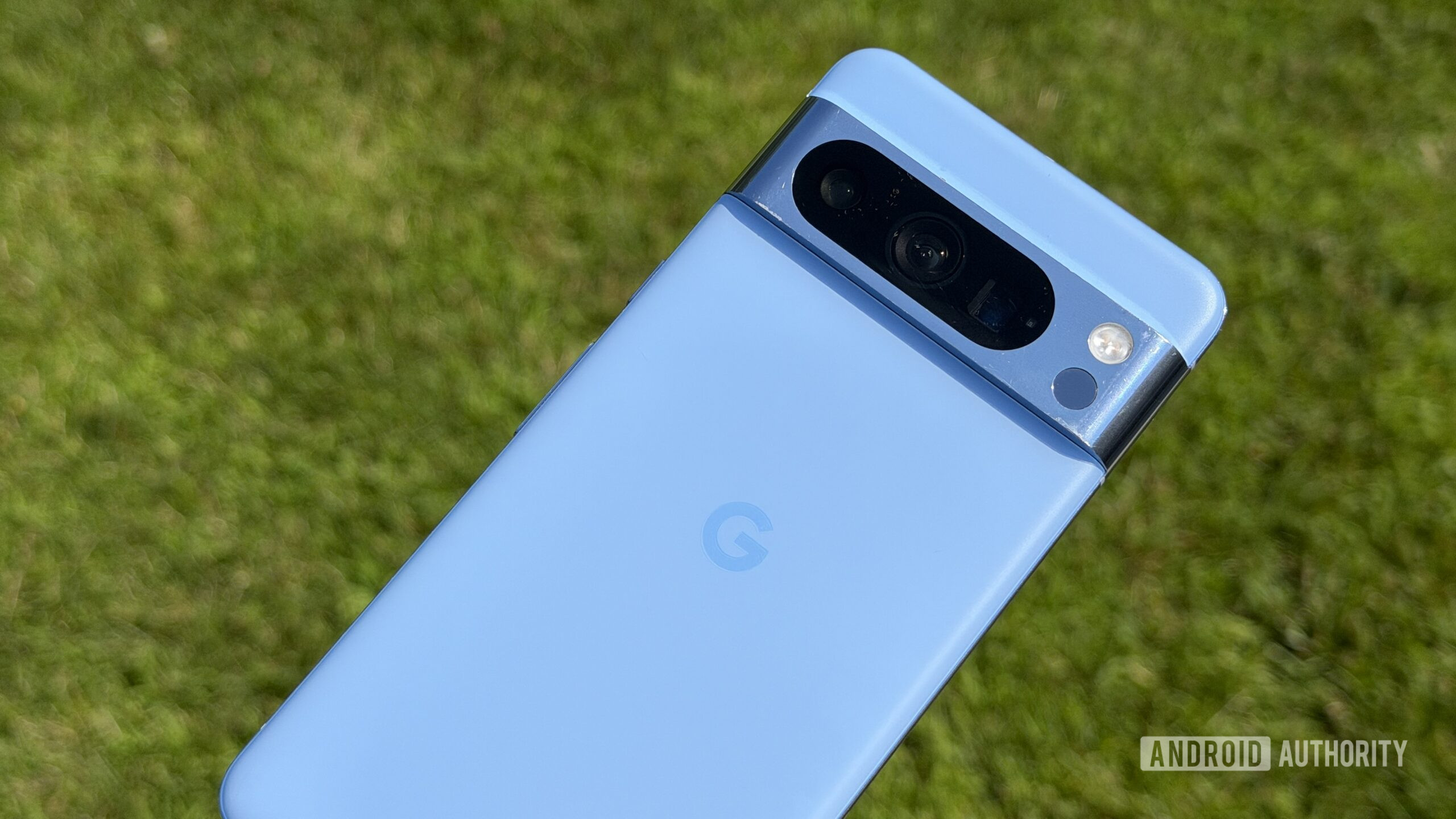
The Pixel 6, launched with considerable fanfare, was positioned as Google’s definitive statement in the premium smartphone market. Its custom Tensor G1 chip promised a new era of AI-driven capabilities. However, the initial rollout was marred by significant challenges. Early Pixel 6 and 6 Pro owners reported widespread issues with the Tensor G1, primarily concerning excessive heat generation, aggressive thermal throttling that degraded performance under sustained load, and subpar battery life. Connectivity issues, often attributed to the modem integrated into the Tensor G1, also plagued many users. While subsequent software updates incrementally improved the situation, these initial months of pain left a lasting impression, fostering a deep-seated wariness among a segment of the user base. This period was critical in shaping public perception, with many early adopters feeling "burned" by a flagship experience that fell short of expectations. Tech reviewers, while acknowledging Google’s bold step, often highlighted the disparity between the promised AI prowess and the foundational performance instabilities.
The Second Iteration: Tensor G2 and Persistent Hurdles
The release of the Pixel 7 series, powered by the Tensor G2, brought hopes of significant improvement. Google emphasized refinements in the manufacturing process and architectural enhancements designed to address the G1’s shortcomings. Indeed, the Tensor G2 demonstrated marginal improvements in efficiency and raw performance. The device still tended to warm up under strenuous tasks, though perhaps less aggressively than its predecessor. The polished aluminum frame of the Pixel 7 and 7 Pro frequently became noticeably hot to the touch during extended use, impacting user comfort and, once again, leading to concerns about battery longevity under load.
While the G2 showcased Google’s continued commitment to AI, enabling new features like Photo Unblur and improved speech recognition, its general computing performance still lagged behind contemporary flagship chipsets from Qualcomm and Apple. Benchmarking data consistently placed the Tensor G2 below the Snapdragon 8 Gen 1 and Apple A16 Bionic in CPU and GPU metrics. This performance gap, coupled with lingering thermal concerns, solidified the narrative for some critics that Tensor chipsets were not on par with the industry’s best in terms of raw power and efficiency. For those who had already experienced the frustrations of the Pixel 6, the G2’s incremental progress was insufficient to fully restore confidence. The company’s focus remained heavily on the "smart" capabilities, sometimes at the expense of core performance fundamentals that users expect from a premium device.
Turning the Tide: The Tensor G3 and Pixel 8’s Redemption
The narrative began to shift more positively with the introduction of the Tensor G3 in the Pixel 8 series. This generation represented a more substantial leap, particularly in addressing the critical issues of thermal management and battery efficiency. Reviewers and users alike noted a marked improvement in the Pixel 8 Pro’s battery performance, with the device finally delivering the all-day endurance expected of a flagship. While the overheating was not entirely eradicated, instances were significantly reduced, and the phone maintained a more comfortable operating temperature during typical usage.
The Pixel 8 series, particularly the Pixel 8 Pro, was lauded for its refined user experience. The Tensor G3, while still not topping synthetic benchmarks against rivals like the Snapdragon 8 Gen 2, provided a "silky smooth" day-to-day operation. Google’s software optimizations, combined with the improved hardware, allowed the company’s signature AI features to shine more brightly and consistently. Features like Magic Editor, Best Take, and enhanced call screening capabilities became genuinely useful differentiators, resonating strongly with casual users who prioritized a seamless and intelligent smartphone experience over raw benchmark scores. This generation marked a turning point, demonstrating that Google was indeed learning from its past missteps and making tangible progress. The Pixel 8 Pro, in particular, was widely considered one of the best Android phones of its year, largely due to this improved integration and user-centric approach.
Refinement and AI Focus: Tensor G4 and G5 Era (Pixel 9 & 10)
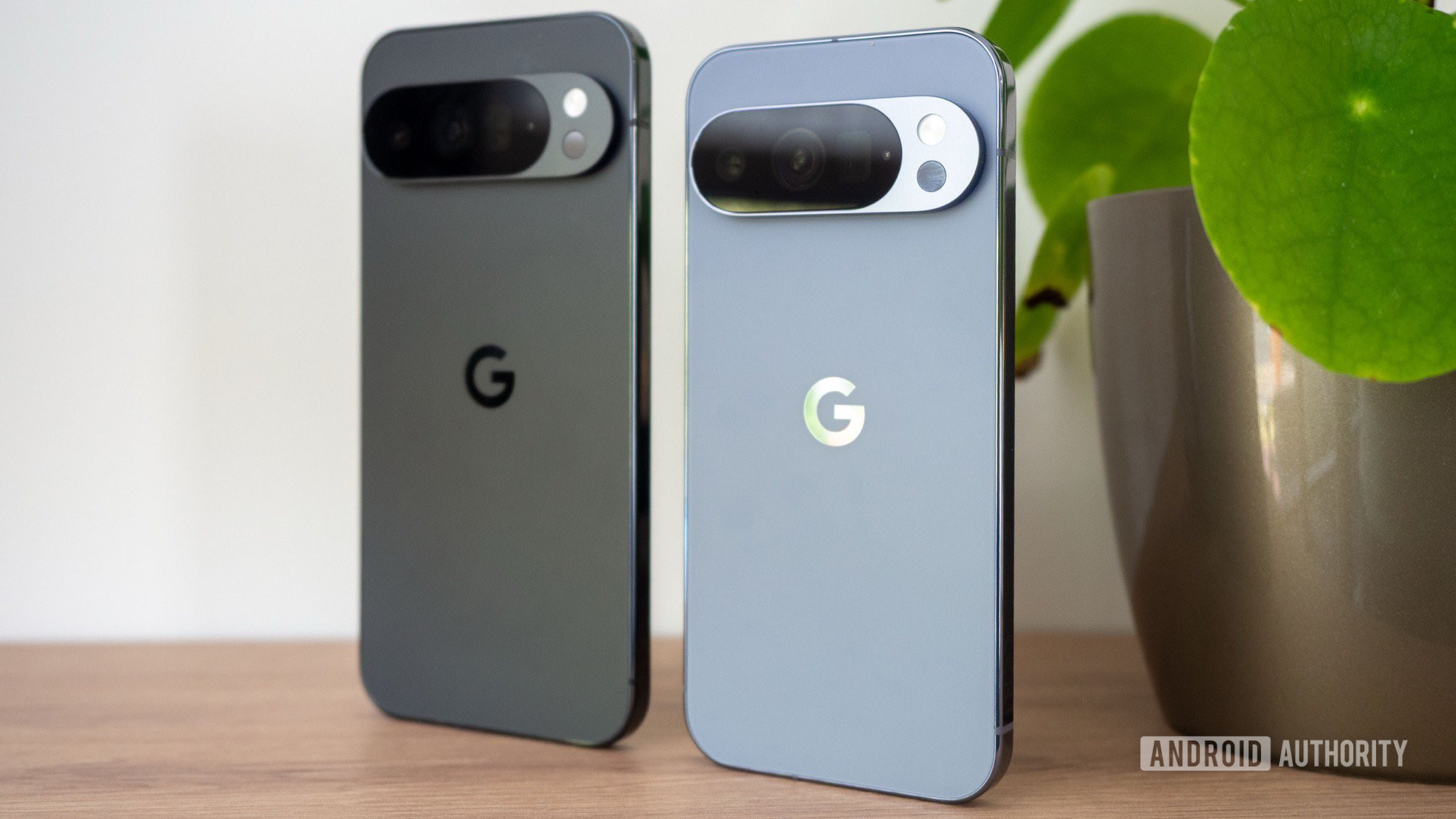
The momentum continued with subsequent Tensor generations. The Tensor G4, powering the Pixel 9 series, further refined the architecture, leading to even better power efficiency and sustained performance. Modem connectivity, another area of initial weakness, saw notable improvements, resulting in more reliable cellular and Wi-Fi performance. This was a critical development, as consistent connectivity is a fundamental expectation for any modern smartphone.
The current generation, the Tensor G5 in the Pixel 10 Pro XL, has, for many users, reached a point of genuine excellence. Devices powered by the G5 deliver a consistently fluid and responsive user experience. While the chip might not cater to the most demanding mobile gamers running titles at maximum settings without a hint of lag, it comfortably handles the vast majority of AAA mobile games, providing a smooth experience for the average user. The focus remained squarely on enhancing the "smart" aspects of the phone, leveraging Google’s expertise in AI and machine learning. This era saw the deepening integration of Google’s Gemini Nano AI model for on-device tasks, further solidifying the Pixel’s reputation as an AI-first smartphone.
Anecdotal evidence from numerous casual Pixel users consistently highlights satisfaction with the overall user experience, often praising features like the seamless integration of Quick Share with Apple’s AirDrop, demonstrating Google’s commitment to interoperability and user convenience over raw processing power for its core audience. The perceived value proposition shifted from benchmark dominance to a superior, intelligent user experience, fulfilling Google’s initial vision for its custom silicon.
Market Dynamics and the Looming Challenge of Tensor G6
Despite the steady progress, the market landscape is rapidly evolving, presenting new challenges for the upcoming Tensor G6 and Pixel 11. Historically, Google’s Pixel phones, while premium, often sat at a slightly more accessible price point than their direct flagship competitors. However, rising manufacturing costs, inflationary pressures, and the increasing complexity of smartphone components have pushed Pixel pricing into the upper echelons of the market. With leaks suggesting the Pixel 11 could approach or even exceed the $1,400 mark, it places Google in direct competition with established titans like Samsung’s Galaxy S26 Ultra and Apple’s latest iPhones.
These rival flagships not only offer robust ecosystems and polished user experiences but also typically lead in raw performance benchmarks, particularly in graphics-intensive tasks and sustained heavy workloads. While Google’s AI features are compelling, competitors are rapidly catching up, integrating their own advanced AI capabilities. Samsung, for instance, has heavily marketed "Galaxy AI" features, many of which parallel or directly compete with Pixel’s offerings. When consumers are asked to shell out a premium price, they increasingly expect a device that excels across all metrics – raw power, camera performance, battery life, and AI capabilities – without compromise. The "good enough" performance for most users, which has been Tensor’s strength, might no longer be sufficient to justify a price tag that rivals the absolute best in class.
Industry reports suggest that Google is aware of this market shift and is reportedly aiming for a more significant performance uplift with the Tensor G6. There are rumors of a potential shift in manufacturing partners, possibly moving from Samsung’s foundries to TSMC, which is renowned for its leading-edge process technology and superior power efficiency. Such a move, if it materializes, could represent a major step towards closing the performance and efficiency gap with rivals. However, successfully executing such a significant shift and delivering a truly competitive chip that satisfies performance enthusiasts and casual users alike in just one generation is an incredibly ambitious undertaking. The stakes are higher than ever for the Tensor G6 to not just be "better," but to be unequivocally excellent from day one.
Strategic Implications and the Path Forward
Google’s journey with Tensor chipsets underscores a broader industry trend where technology giants seek vertical integration to differentiate their products and control their development roadmap. For Google, Tensor is not merely about raw horsepower; it’s about enabling a distinct "Pixel experience" that leverages its unparalleled expertise in AI and software. The long-term success of this strategy hinges on consistently delivering a user experience that justifies its premium pricing, especially as AI features become commoditized across the smartphone landscape.
The Pixel 11, powered by the Tensor G6, stands at a critical juncture. It must not only continue the trajectory of improved thermal management and battery life seen in the Pixel 8, 9, and 10, but also demonstrate a substantial leap in raw performance to silence critics and appeal to a broader segment of the market. The user survey results, highlighting frustration and wariness, serve as a clear mandate: the Tensor G6 needs to be a knockout success, proving its mettle right out of the box.
While it is unfair to hold Google accountable indefinitely for the early stumbles of the Tensor G1 and G2, the company must acknowledge that first impressions, particularly in a fiercely competitive and premium market segment, are incredibly difficult to overcome. The progress made with the Tensor G3, G4, and G5 has been commendable, transforming the Pixel line into genuinely enjoyable and highly capable devices for a significant user base. The Pixel 11, however, will be more than just another iteration; it will be a crucial test of Google’s ability to compete at the very highest level, demonstrating that its custom silicon can deliver a truly uncompromising flagship experience that marries cutting-edge AI with top-tier performance and efficiency. The coming weeks will reveal whether Google has finally perfected its formula for success in the competitive world of custom smartphone silicon.