Virtual Apple Store Visits In Vision Pro Could Make Brick And Mortar Stores Obsolete If This Patent Bears Fruit
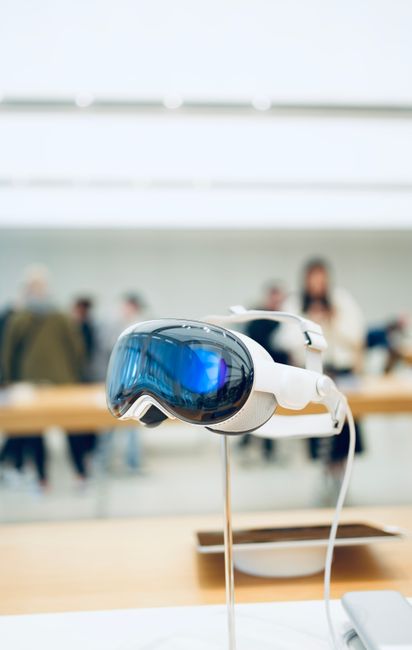
Virtual Apple Store Visits in Vision Pro: A Patent-Driven Path to Brick-and-Mortar Obsolescence
The advent of Apple Vision Pro, with its immersive spatial computing capabilities, is poised to fundamentally alter how consumers interact with brands. This transformation is amplified by a recently disclosed patent that outlines the potential for incredibly realistic virtual Apple Store experiences. If this patent "bears fruit" and is fully realized, the implications for traditional brick-and-mortar retail, particularly Apple’s own physical storefronts, are profound, suggesting a future where the necessity of physical presence could dwindle to obsolescence. The patent, a cornerstone of Apple’s ongoing innovation strategy, details functionalities that go far beyond simple 3D product renderings. It envisions a fully interactive, spatially aware digital environment where users, through the Vision Pro headset, can virtually "walk" through a meticulously recreated Apple Store, interact with products in a hyper-realistic manner, and even receive personalized assistance from virtual Apple Geniuses. This level of immersion and interactivity presents a compelling alternative to the physical store visit, potentially eroding the unique selling propositions that have long underpinned brick-and-mortar retail. The ability to browse the entire Apple ecosystem, from iPhones and MacBooks to accessories and even the latest Apple Watch models, within a seamless virtual space, complete with realistic lighting, textures, and spatial audio, is a significant technological leap. Users could pick up virtual devices, rotate them, examine their intricate details, and even simulate basic functionalities, all without leaving their homes. This hyper-realistic simulation of the in-store experience, enhanced by the unique capabilities of spatial computing, directly challenges the primary reasons people currently visit physical retail locations: hands-on product interaction and expert advice.
The patent’s detailed specifications suggest a sophisticated simulation of product handling. Instead of merely viewing a static 3D model, users could experience the weight and texture of a MacBook as if they were holding it, manipulate the dials on a virtual Apple Watch, or even simulate the responsiveness of an iPhone’s touchscreen. This level of tactile and visual fidelity, while not a true replacement for physical touch, can offer a remarkably close approximation, effectively removing the primary barrier to online purchasing for many consumers. The ability to virtually try on AirPods or assess the size and feel of an iPad in a simulated environment diminishes the perceived risk associated with online purchases. This directly addresses a core advantage of brick-and-mortar stores: allowing customers to physically interact with products before committing to a purchase. If Apple can replicate this crucial element with sufficient fidelity in its virtual stores, a significant portion of the appeal of physical shopping will be neutralized. Furthermore, the patent hints at the integration of personalized assistance within these virtual environments. Imagine a virtual Genius Bar where users can connect with an Apple employee, represented by an avatar, who can guide them through product features, troubleshoot issues, or even offer personalized recommendations based on their virtual interactions. This is not just customer support; it’s an elevated retail experience that blends convenience with expert human interaction, a hybrid model that could prove more efficient and engaging than traditional in-person appointments. The implications for wait times and accessibility are also considerable. Virtual appointments could be scheduled with immediate availability, eliminating queues and geographical constraints, further devaluing the necessity of physically visiting a store for consultation.
The economic implications of a successful virtual Apple Store initiative are substantial, particularly concerning the future of Apple’s extensive retail footprint. Maintaining and operating hundreds of physical stores globally incurs significant costs, including real estate, staffing, inventory management, and utilities. A shift towards a predominantly virtual retail model could lead to a dramatic reduction in these overheads, freeing up capital for further research and development, or for reinvestment in other strategic areas. The patent’s potential to create a scalable, globally accessible retail platform without the physical constraints of brick-and-mortar locations is an attractive prospect for any large corporation. The cost savings associated with a diminished physical presence could translate into more competitive pricing or enhanced customer loyalty programs, further incentivizing a move towards virtual interactions. Moreover, the environmental impact of reduced physical retail operations, from decreased energy consumption to less material waste, aligns with growing consumer and corporate sustainability concerns, potentially enhancing Apple’s brand image. The patent’s focus on creating a persistent, evolving virtual store environment suggests a long-term strategy. These virtual spaces could be dynamically updated with new product releases, seasonal promotions, and even immersive brand storytelling elements, offering a more engaging and responsive retail experience than static physical layouts. The ability to instantly update virtual store layouts and product displays in real-time, without the logistical challenges of physical merchandising, offers unparalleled agility and responsiveness to market trends.
The patent’s description also touches upon the integration of social and collaborative features within the virtual store. This could allow friends to virtually shop together, share opinions on products, and even make purchasing decisions collaboratively, replicating a social aspect of physical shopping that has traditionally been difficult to translate online. This social dimension, facilitated by the immersive nature of Vision Pro, could create a new form of communal online retail engagement. Imagine browsing for a new MacBook with a friend who lives across the country, both of you virtually examining the device side-by-side, discussing its features, and offering real-time feedback. This capability could not only enhance the purchasing experience but also foster a stronger sense of community around the Apple brand. The patent also implicitly suggests the potential for data collection and personalization on an unprecedented scale. By tracking user interactions within the virtual store – what products they examine, how long they spend with each item, what features they explore – Apple can gather incredibly granular insights into consumer preferences and behavior. This data can then be used to tailor future virtual store experiences, personalize product recommendations, and optimize marketing strategies with a precision far exceeding current online analytics. This deep understanding of individual customer journeys will be a significant competitive advantage, allowing Apple to proactively meet consumer needs and desires.
SEO considerations are paramount for any content discussing this transformative technology and its potential impact. Keywords such as "Apple Vision Pro," "virtual store," "spatial computing," "Apple patent," "brick and mortar obsolescence," "future of retail," "immersive shopping," "Apple Genius Bar virtual," and "e-commerce innovation" are crucial for discoverability. The article’s structure, with its direct dive into the topic and clear sub-sections (implicitly, through paragraph breaks focusing on distinct aspects), aids in readability and search engine indexing. The depth of analysis, exploring the technological, economic, and social implications, provides comprehensive information that users seeking to understand this evolving landscape will find valuable. The potential for Apple to leverage its existing loyal customer base is a significant factor in this predicted shift. Those already invested in the Apple ecosystem are more likely to embrace new Apple technologies, including Vision Pro and its associated virtual retail experiences. This built-in audience provides a strong foundation for the successful adoption of a virtual store model, potentially accelerating the decline of physical store reliance. The accessibility of Vision Pro, while initially positioned as a premium product, is expected to become more mainstream over time, further expanding the reach of virtual retail offerings.
The patent’s focus on creating a seamless transition between virtual exploration and purchase is also noteworthy. It likely envisions a streamlined checkout process within the virtual environment, potentially utilizing existing Apple Pay infrastructure or developing new secure payment methods integrated into the Vision Pro experience. This friction-free transaction flow is critical for converting virtual engagement into tangible sales, further solidifying the appeal of the virtual store over the often-cumbersome process of visiting a physical location, navigating checkout lines, and dealing with potential stock limitations. The integration of customer service beyond the Genius Bar could also be a key differentiator. Imagine virtual product setup guides, unboxing experiences, and even personalized tutorials that can be accessed directly within the virtual store or upon purchasing a product. This holistic approach to customer engagement, extending beyond the initial point of sale, reinforces the value proposition of a fully integrated virtual retail ecosystem. The long-term vision implied by this patent suggests a fundamental reimagining of the retail paradigm. It is not simply about digitizing the existing store experience; it’s about creating an entirely new, more engaging, and more efficient way for consumers to interact with products and brands. If Apple successfully executes on this patent, it will not only reshape its own retail strategy but also set a precedent for the entire retail industry, potentially accelerating the obsolescence of traditional brick-and-mortar stores in favor of immersive, virtual shopping environments. The competitive landscape will undoubtedly be forced to adapt, as other brands will need to develop their own spatial computing retail strategies to remain relevant in this evolving market. The implications extend beyond just purchasing; they touch upon brand building, customer loyalty, and the very definition of a retail experience in the 21st century.


