Glaucoma Signs And The Celebrities Who Live With The Vision Robbing Condition 168532
Glaucoma: Unmasking the Silent Thief of Sight and the Stars Who Navigate Its Challenges
Glaucoma, a relentless and often asymptomatic group of eye diseases, poses a significant threat to vision worldwide. Characterized by progressive damage to the optic nerve, the crucial link between the eye and the brain, glaucoma can lead to irreversible vision loss and blindness if left undetected and untreated. The insidious nature of glaucoma lies in its often-gradual onset, with early stages frequently presenting no discernible symptoms. This silent progression allows the disease to advance, eroding peripheral vision first, before eventually encroaching upon central sight. Understanding the subtle signs, risk factors, and the experiences of those who manage this condition, including prominent public figures, is paramount for early detection and proactive eye health.
The hallmark of glaucoma is elevated intraocular pressure (IOP), the fluid pressure within the eye. This excess pressure can compress and damage the delicate optic nerve fibers. However, it’s crucial to note that not everyone with elevated IOP develops glaucoma, and conversely, some individuals can develop the condition with normal IOP, a form known as normal-tension glaucoma. The optic nerve is responsible for transmitting visual information from the retina to the brain, and its gradual deterioration results in a loss of visual field, meaning the area one can see without moving their eyes.
Identifying glaucoma in its early stages is a formidable challenge due to the absence of pain and the slow, insidious nature of vision loss. However, certain signs, when recognized, can prompt individuals to seek professional medical attention. These early indicators are often subtle and easily overlooked in daily life. One of the most common early signs, though often not consciously perceived until it’s advanced, is the gradual loss of peripheral vision, also known as tunnel vision. Initially, this manifests as a slight dimming or narrowing of the side vision. Objects at the edges of one’s visual field may become harder to notice, and a person might find themselves bumping into things more often or experiencing difficulty navigating in crowded spaces. This is because the optic nerve damage typically begins at the periphery of the optic nerve, affecting the corresponding areas of the visual field.
Another subtle sign can be difficulty seeing in low light conditions. Individuals with glaucoma may find that their night vision deteriorates, making it harder to adjust to dimly lit environments or to see clearly when driving at dusk or night. Glare sensitivity can also increase, meaning that bright lights, especially headlights from oncoming cars, might become more bothersome and disorienting. Some individuals report experiencing halos around lights, a shimmering or rainbow-like effect, particularly noticeable at night or in dimly lit areas. This is due to changes in the cornea, which can occur as a secondary effect of increased IOP.
For individuals with angle-closure glaucoma, a less common but more acute form, symptoms can be more dramatic and sudden. These include severe eye pain, nausea, vomiting, blurred vision, and redness of the eye. This type of glaucoma occurs when the drainage angle of the eye becomes blocked, leading to a rapid and significant increase in IOP. While these acute symptoms are unmistakable, the chronic open-angle glaucoma, which accounts for the vast majority of cases, progresses without such dramatic warning signals.
Several risk factors predispose individuals to developing glaucoma. Age is a significant factor, with the risk increasing substantially after the age of 40. Family history plays a crucial role; if a close relative, such as a parent or sibling, has glaucoma, the risk of developing the condition is significantly higher. Certain ethnicities also have a higher prevalence of specific types of glaucoma. For instance, individuals of African descent have a higher risk of developing primary open-angle glaucoma, while those of East Asian descent have a higher risk of angle-closure glaucoma. Other medical conditions, such as diabetes, high blood pressure, and heart disease, are also associated with an increased risk of glaucoma. Prolonged use of corticosteroid medications, either in eye drops or oral form, can also elevate IOP and contribute to glaucoma development. Trauma to the eye can also lead to secondary glaucoma.
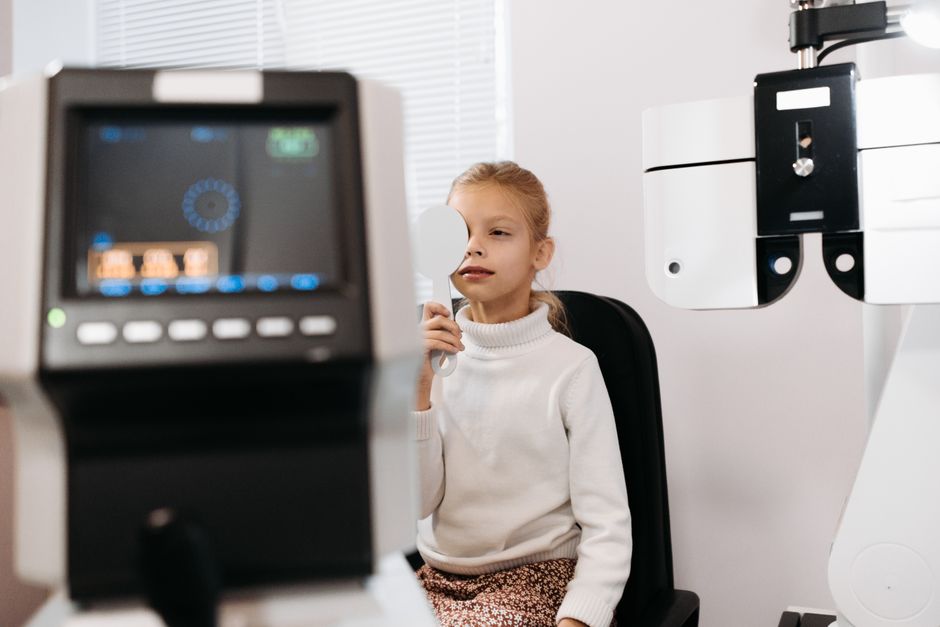
The most effective method for detecting glaucoma is through a comprehensive eye examination conducted by an ophthalmologist or optometrist. These examinations typically include several key tests. Tonometry is used to measure intraocular pressure. Gonioscopy is a procedure that examines the drainage angle of the eye to determine if it is open or closed. Ophthalmoscopy allows the doctor to directly examine the optic nerve for any signs of damage, such as cupping, which is an enlargement of the central depression in the optic nerve head. Visual field testing, also known as perimetry, maps out the patient’s entire field of vision to detect any areas of loss. Optical coherence tomography (OCT) is a non-invasive imaging technique that provides detailed cross-sectional images of the optic nerve and retina, allowing for precise measurement of nerve fiber layer thickness and early detection of structural changes.
The celebrities who live with glaucoma offer a powerful testament to the fact that this vision-robbing condition can affect anyone, regardless of their profession or public profile. Their willingness to share their experiences helps to raise awareness and reduce the stigma associated with eye diseases. One such prominent figure is Brad Pitt, the Oscar-winning actor. While he has not extensively detailed his glaucoma journey publicly, it has been reported that he lives with the condition. His openness, even in a limited capacity, brings attention to the prevalence of glaucoma among the general population.
Another well-known individual who has spoken about her glaucoma is Oprah Winfrey. The media mogul has been an advocate for eye health and has shared that she has been diagnosed with glaucoma. Her public platform has allowed her to emphasize the importance of regular eye check-ups, particularly for individuals over 40. Oprah’s voice carries significant weight, and her advocacy helps to normalize discussions around eye conditions and encourage proactive health management.
The legendary comedian and actor Steve Martin has also been open about his struggles with glaucoma. He has publicly discussed his diagnosis and the importance of early detection and treatment. Martin’s candor, often laced with his characteristic humor, helps to demystify glaucoma and make it more relatable to the public, encouraging others to take their eye health seriously.
The acclaimed actress Mary Tyler Moore was a lifelong advocate for glaucoma awareness after being diagnosed with the condition. She often spoke about her experiences, highlighting the gradual vision loss and the impact it had on her life. Her advocacy was instrumental in raising public consciousness about glaucoma and encouraging people to seek regular eye examinations. Moore’s powerful voice and personal story resonated deeply with many, making her a significant figure in glaucoma awareness efforts.
Furthermore, the iconic singer Ray Charles lived with blindness for much of his life, and while the exact cause of his blindness is often attributed to a childhood illness (retinoblastoma), glaucoma can be a contributing factor or a condition that develops later in life, even in individuals who have experienced vision loss from other causes. While not directly a case of someone diagnosed with glaucoma after being a public figure, his experience underscores the profound impact of vision loss and the importance of understanding conditions that can lead to it.
The shared experiences of these celebrities, and many others who live with glaucoma, serve as a crucial reminder that this condition does not discriminate. Their willingness to speak out, even when dealing with a deeply personal health challenge, empowers others to prioritize their eye health. It underscores the fact that regular comprehensive eye examinations are not a luxury but a necessity for maintaining good vision throughout life. The silent progression of glaucoma makes it a particularly insidious disease, and the collective voices of those affected, including our favorite stars, are vital in illuminating its presence and urging proactive action.


