Embedded Systems Engineer Bootcamp Bundle
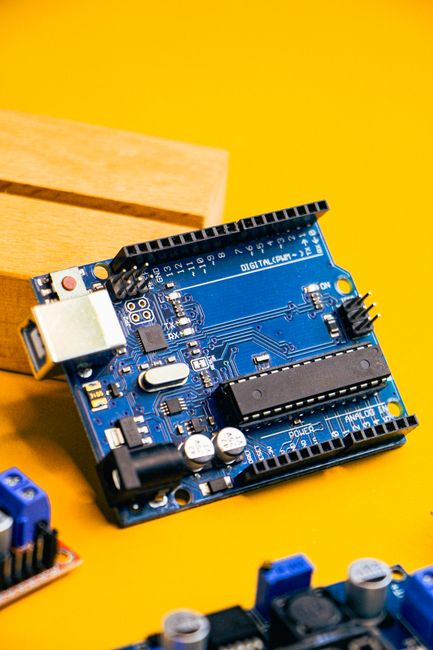
Embedded Systems Engineer Bootcamp Bundle: Accelerate Your Career in IoT and Beyond
The embedded systems engineer bootcamp bundle represents a concentrated and accelerated pathway for individuals seeking to enter or advance within the highly in-demand field of embedded systems development. This comprehensive training package typically encompasses a curated selection of courses, workshops, and hands-on projects designed to equip participants with the foundational knowledge and practical skills necessary to design, develop, and deploy embedded hardware and software solutions. The modern technological landscape is increasingly reliant on embedded systems, powering everything from the smartphones in our pockets and the smart home devices in our living rooms to the complex control systems in automotive, aerospace, and industrial automation. Consequently, the demand for skilled embedded systems engineers continues to surge, making a specialized bootcamp an attractive proposition for career changers and upskillers alike.
Understanding Embedded Systems: A Fundamental Overview
At its core, an embedded system is a specialized computer system that is part of a larger mechanical or electrical system, with the dedicated function of monitoring and controlling the operations of that system. Unlike general-purpose computers, embedded systems are designed for specific tasks and often operate with real-time constraints, meaning they must respond to events within a precise timeframe. These systems are ubiquitous and form the invisible backbone of much of our modern technology. They are characterized by their integration with hardware, their often resource-constrained environments (limited processing power, memory, and battery life), and their requirement for robust, reliable, and efficient operation. Examples span a vast spectrum: microcontrollers in washing machines, engine control units (ECUs) in vehicles, flight control systems in aircraft, medical devices like pacemakers, and the sophisticated processors within routers and modems.
The Core Components of an Embedded System
A typical embedded system comprises several key components: a microcontroller or microprocessor, memory (RAM and ROM/Flash), input/output (I/O) peripherals, and often a real-time operating system (RTOS). The microcontroller acts as the "brain" of the system, executing instructions and controlling the overall operation. Memory is crucial for storing the program code and data. I/O peripherals facilitate interaction with the external environment, allowing the system to receive data from sensors and send commands to actuators. An RTOS, while not present in all embedded systems, is essential for managing multiple tasks, ensuring timely responses, and handling complex operations in time-critical applications. The ability to understand, interface with, and program these components is central to the role of an embedded systems engineer.
Why a Bootcamp Bundle for Embedded Systems?
Traditional educational paths in electrical engineering or computer science provide a broad foundation, but the specialized and rapidly evolving nature of embedded systems development often necessitates targeted training. A bootcamp bundle offers several distinct advantages:
- Curated Curriculum: Bootcamps are meticulously designed to cover the most relevant and in-demand skills, cutting through the breadth of traditional degrees to focus on practical application. This ensures learners acquire the knowledge directly applicable to industry needs.
- Accelerated Learning: The intensive, focused nature of bootcamps allows individuals to gain a significant skillset in a compressed timeframe, often ranging from a few months to a year, compared to the multi-year commitment of a traditional degree.
- Hands-on Experience: A defining feature of effective embedded systems bootcamps is their emphasis on practical, project-based learning. Participants work with real hardware, write code for microcontrollers, and debug complex systems, simulating the actual work environment. This experiential learning is crucial for solidifying theoretical concepts.
- Industry Relevance: Bootcamp curricula are typically developed in consultation with industry professionals, ensuring that the skills taught align with current job market demands and emerging technologies like the Internet of Things (IoT), artificial intelligence (AI) at the edge, and advanced robotics.
- Career Services and Networking: Many bootcamps offer career services, including resume building, interview preparation, and connections with hiring partners. This significantly aids graduates in their job search and facilitates entry into the professional world.
- Cost-Effectiveness: While not always inexpensive, a bootcamp bundle can be a more cost-effective route to acquiring specialized skills compared to a full four-year degree, especially when considering the accelerated career trajectory it enables.
Key Modules and Topics within an Embedded Systems Bootcamp Bundle
A comprehensive embedded systems engineer bootcamp bundle will typically cover a range of essential topics, often broken down into modular units. These modules are designed to build progressively, from fundamental concepts to advanced applications.
-
Introduction to Embedded Systems: This foundational module establishes the core principles of embedded systems, their architectures, and their applications across various industries. It covers the distinction between microprocessors and microcontrollers, memory types, and common embedded system design considerations like power consumption and real-time performance.
-
C/C++ Programming for Embedded Systems: C and C++ are the de facto standard programming languages for embedded systems due to their efficiency, low-level memory manipulation capabilities, and direct hardware access. This module delves deep into these languages, focusing on their application in resource-constrained environments, pointer manipulation, bitwise operations, and efficient memory management. Emphasis is placed on writing clean, optimized, and bug-free code.
-
Microcontroller Architecture and Peripherals: This section provides an in-depth exploration of common microcontroller architectures (e.g., ARM Cortex-M, AVR, PIC) and their internal components. Participants learn about various peripherals, including General Purpose Input/Output (GPIO) pins, Analog-to-Digital Converters (ADCs), Digital-to-Analog Converters (DACs), timers, counters, and communication interfaces like UART, SPI, and I2C. Understanding how to configure and utilize these peripherals is paramount.
-
Real-Time Operating Systems (RTOS): For more complex embedded applications, an RTOS is crucial for managing concurrent tasks, scheduling, inter-task communication, and synchronization. This module introduces the concepts of threading, multitasking, task synchronization mechanisms (semaphores, mutexes), and memory management within an RTOS context. Popular RTOS examples like FreeRTOS, Zephyr, or VxWorks might be covered.
-
Embedded Hardware Fundamentals and Interfacing: This module bridges the gap between software and hardware. It covers basic electronics concepts, including voltage, current, resistance, and fundamental components like resistors, capacitors, and transistors. Crucially, it focuses on how to interface sensors (e.g., temperature, pressure, accelerometers) and actuators (e.g., motors, LEDs, relays) with microcontrollers, understanding signal conditioning, and handling different voltage levels.
-
Development Tools and Debugging: Proficiency in using development tools is essential for efficient embedded development. This module introduces Integrated Development Environments (IDEs), cross-compilers, linkers, and debuggers (both software debuggers and hardware debuggers like JTAG/SWD). Participants learn debugging techniques to identify and resolve hardware and software issues effectively.
-
Communication Protocols: Modern embedded systems rarely operate in isolation. This module covers common embedded communication protocols, including serial communication (UART), synchronous serial communication (SPI), inter-integrated circuit (I2C), and often more advanced protocols like CAN bus (common in automotive) and Ethernet. Understanding these protocols is vital for enabling devices to communicate with each other and with external systems.
-
Internet of Things (IoT) and Connectivity: With the explosion of IoT, this is a critical area. The bootcamp will likely cover how embedded systems connect to the internet, including protocols like MQTT, HTTP, and CoAP. It will also touch upon wireless technologies such as Wi-Fi, Bluetooth, LoRaWAN, and cellular technologies, and how to integrate these into embedded designs for data acquisition and remote control.
-
Firmware Development and Optimization: This module focuses on the practical aspects of writing firmware for embedded devices, including bootloaders, device drivers, and application logic. Optimization techniques for performance, power consumption, and memory usage are emphasized, given the constraints of embedded environments.
-
Project-Based Learning and Capstone Projects: The culmination of the bootcamp experience often involves significant project work. These projects simulate real-world embedded system development challenges, allowing participants to apply their learned skills in a practical context. A capstone project, often a more substantial undertaking, allows learners to demonstrate their mastery and build a portfolio piece.
Target Audience and Career Prospects
The embedded systems engineer bootcamp bundle is ideal for a diverse audience:
- Career Changers: Individuals with backgrounds in unrelated fields who are looking to pivot into a high-growth, technically challenging career.
- Recent Graduates: Computer science, electrical engineering, or computer engineering graduates seeking to specialize and gain practical, job-ready skills.
- Existing Professionals: Software developers, hardware engineers, or technicians looking to upskill and transition into embedded systems development, or to deepen their expertise in areas like IoT or firmware.
- Hobbyists and Makers: Passionate individuals who want to move beyond basic microcontroller projects and develop more sophisticated embedded solutions.
Upon successful completion of an embedded systems engineer bootcamp bundle, graduates are well-positioned for a variety of roles, including:
- Embedded Software Engineer
- Firmware Engineer
- IoT Developer
- Microcontroller Engineer
- Hardware-Software Integration Engineer
- Robotics Engineer
- Control Systems Engineer
The career prospects for skilled embedded systems engineers are exceptionally bright. The increasing ubiquity of connected devices, the growth of the automotive industry (especially electric and autonomous vehicles), the expansion of smart manufacturing, and the continuous innovation in consumer electronics all contribute to a robust and expanding job market. Companies across virtually every sector are actively seeking individuals who can design, develop, and maintain the intelligent systems that power their products and operations.
Choosing the Right Embedded Systems Bootcamp Bundle
Selecting the appropriate bootcamp bundle requires careful consideration. Key factors to evaluate include:
- Curriculum Depth and Breadth: Does it cover all the essential modules outlined above? Are the topics presented in a logical, progressive manner?
- Hands-on Components: What specific hardware platforms and development tools are used? Are there ample opportunities for practical lab work and projects?
- Instructor Expertise: Are the instructors experienced industry professionals with a proven track record in embedded systems development?
- Project Portfolio Development: Does the bootcamp help students build a strong portfolio of projects that demonstrate their skills to potential employers?
- Career Services: What kind of support is offered for job searching, resume building, and interview preparation?
- Alumni Network and Placement Rates: What do graduates say about their experience? Are there documented success stories and reasonable placement rates?
- Format and Schedule: Does the bootcamp’s format (online, in-person, hybrid) and schedule fit your learning style and availability?
- Cost and Return on Investment (ROI): While important, consider the long-term career benefits and earning potential relative to the bootcamp’s cost.
The embedded systems engineer bootcamp bundle offers a focused, intensive, and highly effective route to acquiring the specialized skills demanded by today’s technology-driven industries. By providing a blend of theoretical knowledge and practical, hands-on experience, these programs empower individuals to launch or accelerate fulfilling careers in the dynamic and ever-expanding world of embedded systems. The future is increasingly embedded, and a well-chosen bootcamp bundle can be the key to unlocking your potential within it.


