Jets Head Coach Addresses Not Appearing Angry Or Upset After Browns Loss
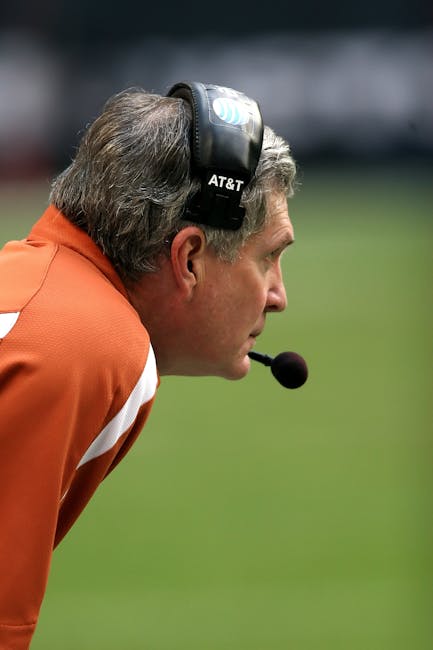
Robert Saleh’s Calm Demeanor Post-Browns Rout: A Calculated Approach or Concerning Complacency?
The New York Jets’ Week 17 drubbing at the hands of the Cleveland Browns, a decisive 37-20 loss that effectively ended their already slim playoff aspirations, presented a critical juncture for the team and its head coach, Robert Saleh. Following a performance marked by offensive struggles, defensive lapses, and a general lack of cohesion, many expected a fiery post-game press conference from Saleh, a coach known for his passionate sideline demeanor and unwavering belief in his team. However, what unfolded was a striking display of measured calm and analytical detachment, a stark contrast to the palpable disappointment and frustration many fans and observers felt. This deliberate lack of outward anger or visible upset has ignited a significant discussion within the Jets’ fanbase and the broader NFL community: is Saleh’s composed reaction a sign of strategic stoicism and an understanding of the long game, or does it betray a concerning level of complacency in the face of repeated failure?
The immediate aftermath of a significant loss is often a barometer for a coach’s leadership. Typically, this is where a coach will rally the troops, identify critical errors with unvarnished honesty, and project a sense of urgency to correct course. Saleh, however, opted for a more introspective and less emotionally charged approach. He acknowledged the severity of the loss but immediately pivoted to a more analytical breakdown of what went wrong. His press conference focused on specific execution issues, scheme breakdowns, and individual performance metrics rather than broad pronouncements of disappointment or promises of drastic change fueled by anger. This measured response, while professional, has been interpreted in various ways. For some, it demonstrates a mature and level-headed coaching philosophy, recognizing that emotional outbursts are rarely productive and that a calm environment fosters better learning and problem-solving. For others, it raises questions about the intensity and accountability necessary to motivate a team that has underperformed expectations for consecutive seasons.
The Jets’ offensive woes have been a persistent narrative throughout the 2023 season, and the Browns game provided no exception. The unit struggled to move the ball consistently, often stalling in critical situations and failing to generate explosive plays. Quarterback play has been a revolving door due to injuries, and the offensive line has battled inconsistency. In the face of such a stark offensive performance against a strong Browns defense, a coach might be expected to express profound frustration, perhaps even hinting at significant personnel or schematic overhauls. Saleh’s response, however, remained within the realm of "we need to execute better" and "we need to coach better." This language, while technically accurate, lacks the visceral impact that some believe is necessary to shake a team out of a pattern of underperformance. The emphasis on process and incremental improvement, while a valid coaching tenet, can begin to feel like a placeholder when the results consistently fall short of the desired outcome.
Defensively, the Jets, despite being a generally strong unit, also showed cracks against the Browns. Allowing 37 points, including several significant plays that swung momentum, is not indicative of the standard the team strives for. While Saleh might have acknowledged the defensive struggles, his overall tone did not convey the same level of urgency one might expect from a defensive-minded head coach whose unit faltered. The absence of overt anger or disappointment could be interpreted as a subtle acceptance of the current performance level, which, for a team with Super Bowl aspirations, is a dangerous precedent. The ability to express genuine frustration and demand a higher level of accountability is crucial for fostering a winning culture. When that frustration isn’t outwardly visible, it can create an environment where mediocrity, or at least continued underperformance, becomes more palatable.
A key element of Saleh’s coaching philosophy, often lauded by those who support him, is his emphasis on building a resilient and mentally tough team. His approach to dealing with adversity, including significant losses, has consistently centered on learning, growing, and maintaining composure. This perspective suggests that Saleh believes a highly emotional reaction in the immediate aftermath of a loss can be detrimental, hindering the team’s ability to objectively assess their shortcomings and learn from their mistakes. From this viewpoint, Saleh’s calm demeanor is a deliberate strategy to foster a more analytical and less reactive team environment. He aims to teach his players to process setbacks with maturity and focus on the controllable aspects of performance rather than dwelling on the emotional fallout of a defeat. This long-term vision, if executed effectively, could lead to greater sustained success.
However, the counterargument is equally compelling. For a team that has not reached the playoffs under Saleh’s tenure and has seen its quarterback situation become a perpetual story of struggle, the absence of visible urgency can be perceived as a lack of genuine fire in the belly. The NFL is a league where margins are razor-thin, and where small improvements can have significant impacts. Sometimes, a strong, emotionally charged message from the head coach can be the catalyst for that much-needed improvement. When players see their leader remain outwardly calm after a particularly dispiriting loss, it can, inadvertently, normalize that level of performance. This is particularly true for a team that has experienced a disproportionate amount of close losses and frustrating defeats. The repeated pattern of "almost there" can breed a subtle sense of complacency if not constantly challenged by the leader’s unwavering demand for excellence, a demand that sometimes requires an outward display of passion and dissatisfaction.
The question of "clutch" performance is also relevant. Teams that consistently perform well in critical moments often have leaders who exude a sense of urgency and demand perfection. Saleh’s measured approach, while promoting composure, might be perceived by some as not adequately preparing the team for the high-pressure situations that define successful NFL franchises. The ability to channel frustration and disappointment into focused determination is a skill that often needs to be cultivated, and sometimes that cultivation involves a clear and visible reaction from the head coach. The Browns loss was a moment that demanded a strong statement of intent, a clear signal that the current level of performance was unacceptable and that significant adjustments were imminent. Saleh’s response, while professional, may not have resonated with that level of urgency for all stakeholders.
Furthermore, the optics of Saleh’s calm demeanor after a significant loss can create a disconnect with the fanbase. Fans invest their emotions, time, and money into their team, and a lopsided loss that extinguishes playoff hopes is met with significant disappointment. When the head coach appears unfazed, it can create a perception that the team’s struggles are not being felt at the highest level of leadership with the same intensity, potentially leading to a further erosion of fan engagement and support. While a coach’s primary focus is on the team, the connection with the fanbase is an undeniable aspect of the NFL landscape, and the perception of leadership’s emotional response plays a role in that connection.
In conclusion, Robert Saleh’s measured response to the Jets’ significant loss against the Cleveland Browns is a multifaceted issue. It can be viewed as a deliberate and strategic approach to fostering a resilient and analytical team environment, prioritizing long-term development over short-term emotional reactions. This perspective emphasizes the importance of composure and objective learning from mistakes. Conversely, this same demeanor can be interpreted as a concerning lack of urgency and accountability, particularly for a team that has consistently fallen short of expectations. The absence of visible frustration and a strong, emotionally resonant demand for immediate improvement could inadvertently foster complacency and fail to ignite the necessary spark for sustained success. Ultimately, the effectiveness of Saleh’s approach will be judged by the team’s future performance. If the Jets can translate his analytical calm into tangible on-field improvements and a consistent winning trajectory, his methods will be validated. However, if the struggles persist, the question of whether his composure was a sign of strength or a symptom of a deeper issue will continue to be a prominent and pressing concern for the New York Jets organization and its dedicated fanbase. The NFL is a results-driven business, and while process is important, consistent positive outcomes are the ultimate metric of a successful head coach.