OnePlus Exits Key Western Markets, Leaving a Void for Flagship Innovation and Eye-Health Conscious Consumers

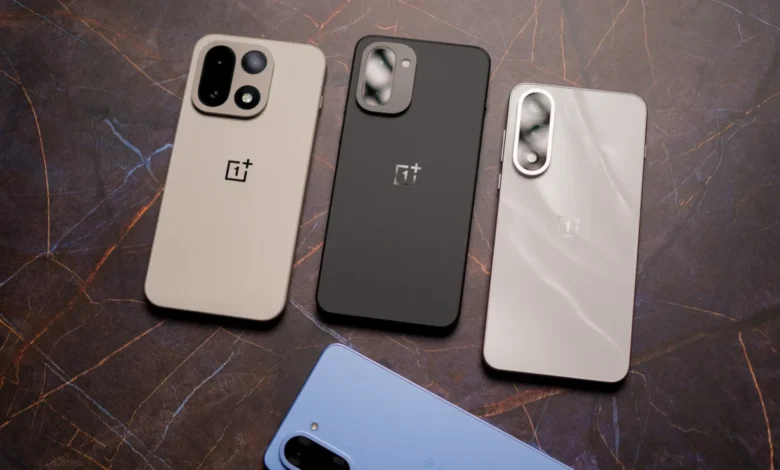
OnePlus, the prominent Chinese smartphone manufacturer, has officially announced its withdrawal from launching new smartphone models in the United States and Europe. While existing devices will continue to receive support, this strategic pivot effectively marks the company’s departure from these highly competitive Western markets. The decision carries significant implications for the smartphone landscape, particularly for consumers seeking high-specification Android flagships and those sensitive to display flicker.
A Decade of Disruption: OnePlus’s Journey and Evolution
Founded in December 2013 by Pete Lau and Carl Pei, OnePlus burst onto the global tech scene with a singular vision: to create "flagship killer" smartphones that offered top-tier specifications at significantly lower prices than established rivals. Its initial devices, like the OnePlus One, garnered a cult following among tech enthusiasts, appealing to users who valued raw performance and a clean, customizable Android experience via CyanogenMod and later, OxygenOS. The company’s "Never Settle" mantra resonated with a segment of the market tired of compromises.
For several years, OnePlus maintained a direct-to-consumer sales model, building a strong online community and relying on word-of-mouth marketing. This approach allowed it to bypass the traditional — and often costly — carrier distribution channels prevalent in markets like the U.S. However, as the company matured and aimed for broader market penetration, it gradually shifted its strategy. Prices began to creep up, and the phones started incorporating more premium features, aligning them closer to traditional flagships. This evolution, while necessary for scale, diluted some of its original "flagship killer" appeal and brought it into direct competition with giants like Samsung and Apple.
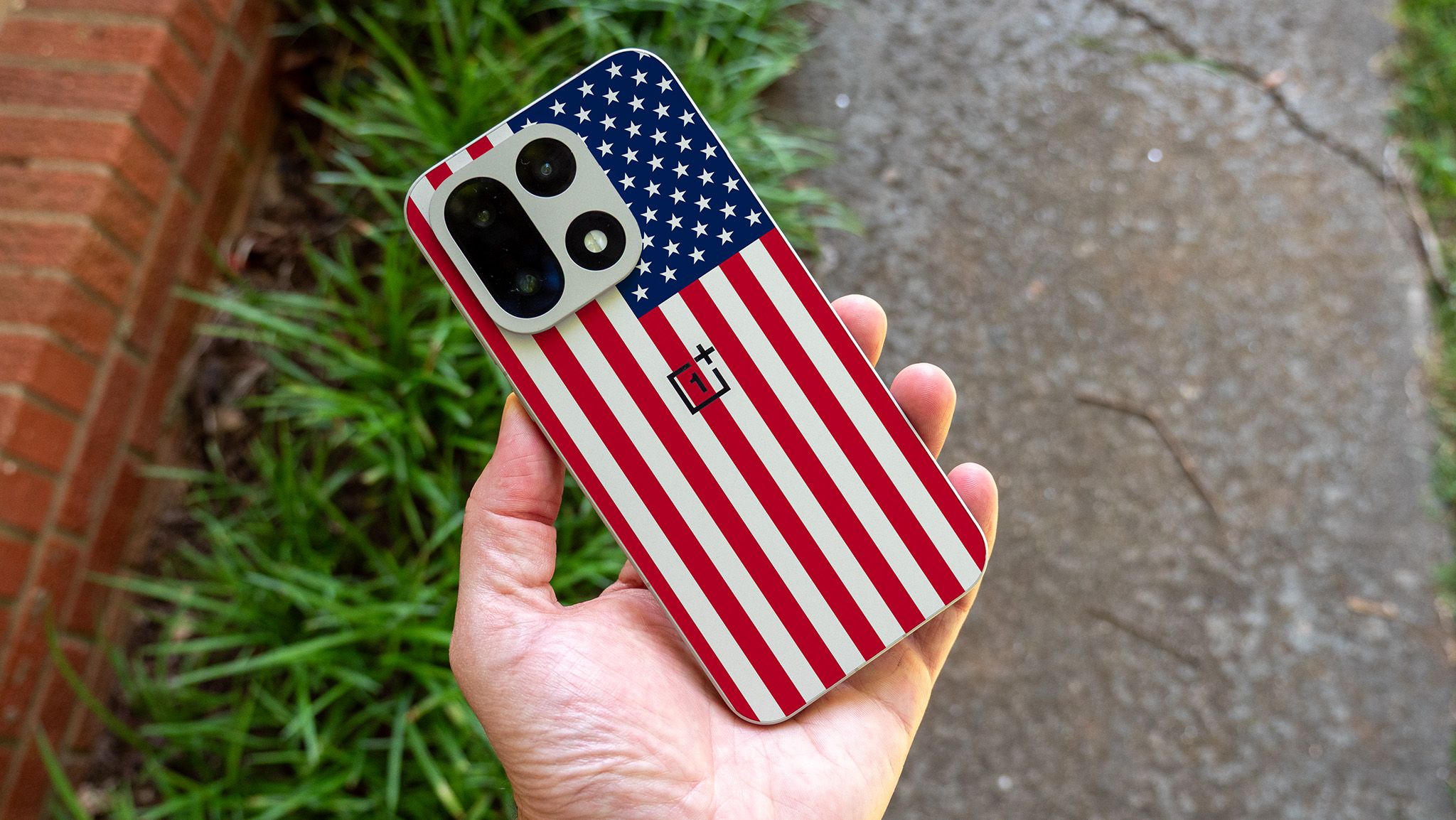
By the mid-2020s, OnePlus had made strides in expanding its retail presence, including limited partnerships with U.S. carriers such as T-Mobile. These collaborations were crucial for gaining visibility and offering financing options, which are vital in a market where a significant majority of premium smartphone sales occur through carrier channels. Despite these efforts, widespread carrier availability remained elusive, hindering the company’s ability to compete effectively against entrenched players.
The Official Withdrawal and Immediate Impact
The announcement earlier this week confirms that OnePlus will cease introducing new smartphone models to the U.S. and European markets. This means that while devices like the recently highly-rated OnePlus 13, which received a rare 5-out-of-5 score from some reviewers for its early 2025 launch, will continue to receive their promised seven years of software and security updates, consumers in these regions will not see successors such as a theoretical OnePlus 14 or 15. The OnePlus 15R, lauded for its display technology, will also likely remain outside these markets.
For a segment of the tech community, particularly those who have come to rely on OnePlus for specific features, this departure is a significant blow. The company’s final flagship efforts, exemplified by the OnePlus 13, demonstrated a strong commitment to pushing hardware boundaries. However, its inability to secure robust carrier partnerships in the U.S. is widely cited as a primary factor in its struggles. In a retail system heavily influenced by carrier promotions, financing plans, and in-store visibility, a direct-to-consumer model or limited partnerships proved insufficient to capture significant market share for premium devices.
The Critical Role of Carrier Availability in the U.S. Market
The U.S. smartphone market operates distinctively from many other global regions. Unlike countries where unlocked phones are common and consumers often purchase devices outright from retailers, the vast majority of premium smartphone sales in the United States are facilitated through mobile carriers like Verizon, AT&T, and T-Mobile. These carriers offer device financing plans, trade-in incentives, and bundled service packages that make high-end smartphones more accessible to a broad consumer base.
For a manufacturer to succeed with flagship devices in the U.S., extensive carrier support is almost non-negotiable. This involves not only selling devices through carrier stores but also ensuring full network compatibility, participating in carrier marketing campaigns, and often, offering customized software versions. These partnerships are incredibly complex and expensive to establish and maintain, requiring significant financial investment and long-term commitments.
OnePlus’s limited presence in U.S. carrier stores meant that even highly acclaimed devices struggled to reach a mainstream audience. Consumers accustomed to walking into a carrier store, comparing devices side-by-side, and signing up for a payment plan were unlikely to seek out a OnePlus device online, even if it offered superior specifications or unique features. This fundamental disconnect between product quality and market access ultimately proved to be an insurmountable hurdle for the company in its pursuit of wider adoption.
The Unique Advantage: Flicker-Free Displays for PWM-Sensitive Users
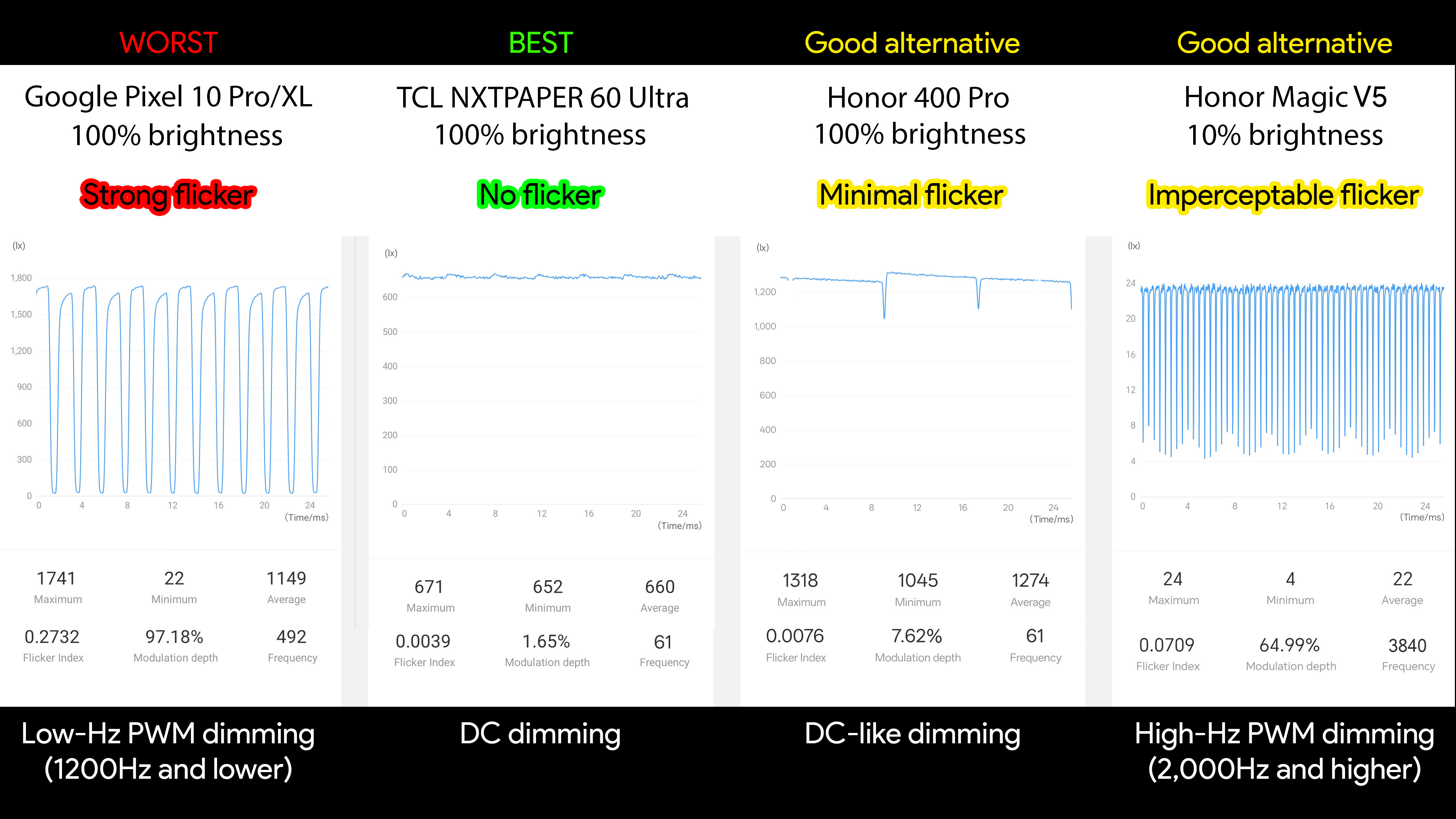
Beyond raw specifications, OnePlus carved out a unique niche by consistently offering displays that catered to users sensitive to Pulse Width Modulation (PWM) dimming. PWM is a common technique used in OLED screens to control brightness, especially at lower levels. It works by rapidly turning the screen on and off, creating a flicker that is often imperceptible to the naked eye. However, for a significant portion of the population, this flicker can cause eye strain, headaches, migraines, and general discomfort.

Major players like Apple, Samsung, and Google often utilize low-frequency PWM on their flagship devices. In contrast, OnePlus, along with a few other manufacturers like Motorola and Honor, adopted higher-frequency PWM or DC dimming solutions, which significantly reduce or eliminate visible flicker. This commitment to eye comfort made OnePlus phones a lifeline for many PWM-sensitive individuals, who often found themselves excluded from the latest technological advancements offered by the "Big Three" smartphone makers.
The OnePlus 12 and its successor, the OnePlus 13 (or theoretical 15), were among the few premium options available in the U.S. that provided this crucial health-conscious display technology. The OnePlus 15R, specifically, has been highlighted as featuring one of the best OLED displays for flicker-sensitive individuals to date. With OnePlus’s exit, the options for these consumers in the U.S. and Europe narrow considerably, leaving a significant void that few other manufacturers currently address in the flagship segment.
Remaining Alternatives and Their Limitations
With OnePlus stepping back, the landscape for flagship phones with healthier display options becomes stark. In the U.S., only a handful of brands continue to offer devices with reduced display flicker, primarily Motorola and Nothing.
Motorola, a long-standing brand, has made strides in offering flicker-free displays, but its recent focus in the U.S. has largely shifted towards foldable phones, such as the Razr Ultra and Razr Fold. Its last traditional flagship in the U.S., the Edge Plus 2023, while competent, did not compete directly with the likes of the iPhone Pro Max or Galaxy S Ultra in terms of cutting-edge specifications or market presence.
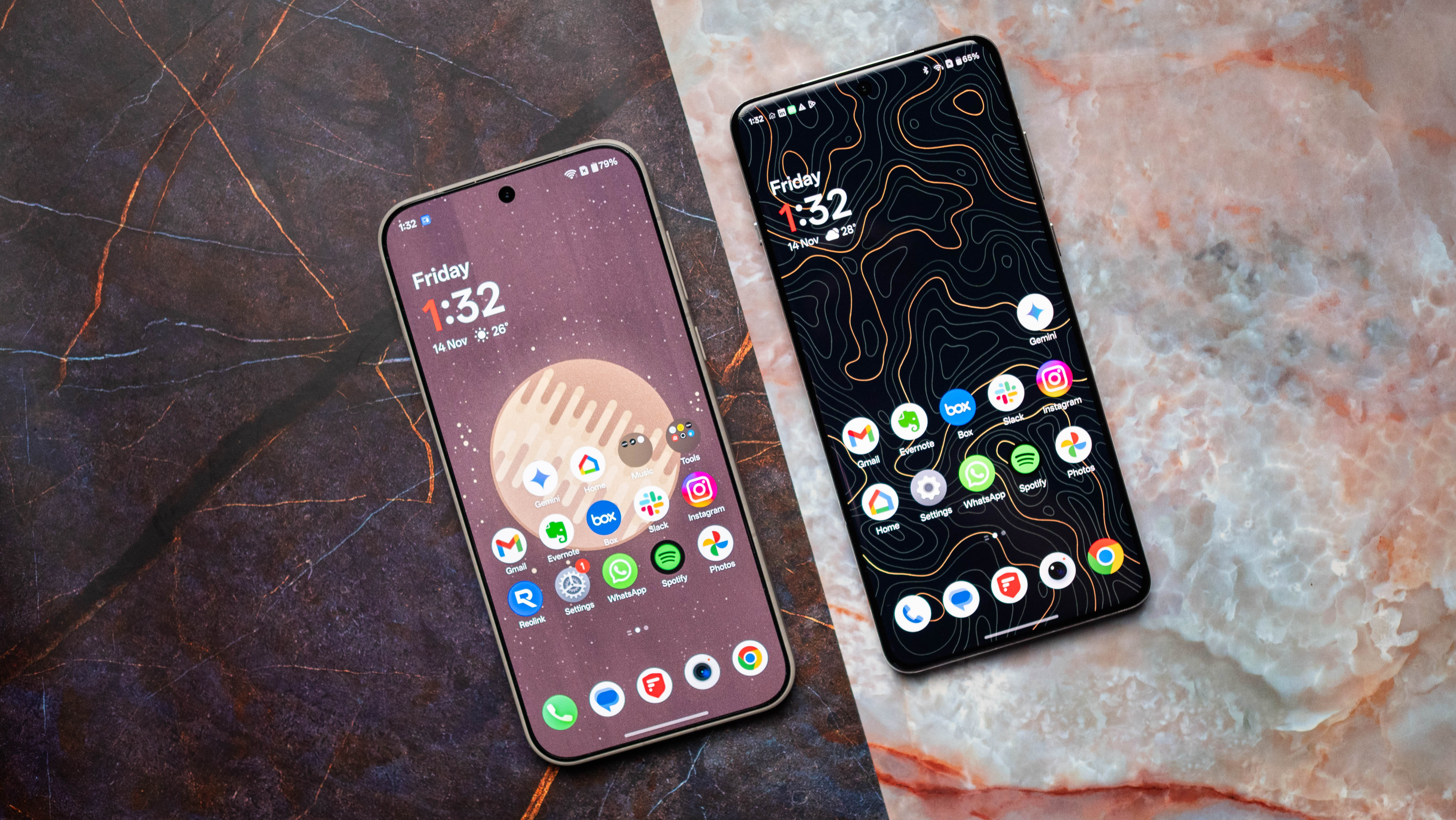
Nothing, a newer UK-based company founded by OnePlus co-founder Carl Pei, has garnered attention for its distinctive design and user experience. While Nothing phones offer healthier dimming solutions, even their "flagship" models are generally positioned as upper-midrange devices rather than direct competitors to the ultra-premium offerings from Apple, Samsung, or Google.
Other vendors like TCL and Nuu also produce phones with healthier displays, but these companies typically target the budget or mid-range segments, not the spec-pushing flagships that OnePlus once championed. This leaves PWM-sensitive consumers with a difficult choice: compromise on specifications, opt for a less premium device, or resort to importing phones from international markets.
The Challenges of Importing and Broader Implications
Importing a smartphone, while offering access to a wider range of devices, comes with its own set of challenges. These include potential issues with carrier compatibility (different 5G bands, VoLTE support), limited or non-existent warranty support, difficulties with software updates tailored for specific regions, and potential customs duties. For many consumers, these risks outweigh the benefits of acquiring a device that might otherwise meet their needs.
The departure of OnePlus also reflects broader geopolitical and economic trends. The article notes that "No companies based in China want to enter the tumultuous U.S. market because of politics." This refers to the escalating trade tensions, national security concerns, and regulatory hurdles that have increasingly impacted Chinese technology companies operating in the U.S. market. The ongoing restrictions and heightened scrutiny create an unpredictable and challenging environment for market entry and sustained growth, deterring even well-established brands.
Oppo, OnePlus’s parent company under the BBK Electronics conglomerate, has reportedly indicated that its sub-brand Realme is intended to replace OnePlus in the global market. However, there has been no specific confirmation regarding Realme’s strategy or availability in the U.S. market. Realme primarily focuses on aggressive pricing and a wide range of devices, but it remains to be seen if it can fill the premium, innovation-focused void left by OnePlus, particularly concerning unique features like flicker-free displays.
An Uncertain Future for Display Health and Innovation
The void left by OnePlus in the U.S. and European markets highlights a critical gap in the smartphone industry. While major players continue to innovate in camera technology, processing power, and battery life, the issue of display flicker and its impact on user health remains largely unaddressed by the dominant manufacturers.
Unless Samsung, Google, or Apple decide to prioritize eye health by adopting higher-frequency PWM or DC dimming solutions across their flagship lines, consumers will continue to face limited choices. The hope remains that the absence of a key innovator like OnePlus might spur other companies to recognize this underserved market segment and integrate more eye-friendly display technologies into their future products. However, without direct competition pushing these innovations, the impetus for such a change may remain weak, leaving many users in a "lousy place" with limited options for comfortable, high-performance smartphones. The long-term implications for consumer choice, technological diversity, and health-conscious design in the Western smartphone market are now more uncertain than ever.
Related posts: