Content Can Rank on the First Page of Google and Still Never Be Cited or Mentioned by LLMs: Understanding Query Fan-Out

The landscape of digital visibility is undergoing a profound transformation, challenging long-held tenets of search engine optimization. A surprising new reality has emerged: content can achieve top rankings on Google’s traditional search results pages and yet remain entirely overlooked by Large Language Models (LLMs) such as ChatGPT, Perplexity, and Google’s own AI features. This apparent paradox is best understood through the lens of "query fan-out," a sophisticated background process integral to how AI systems construct their answers.
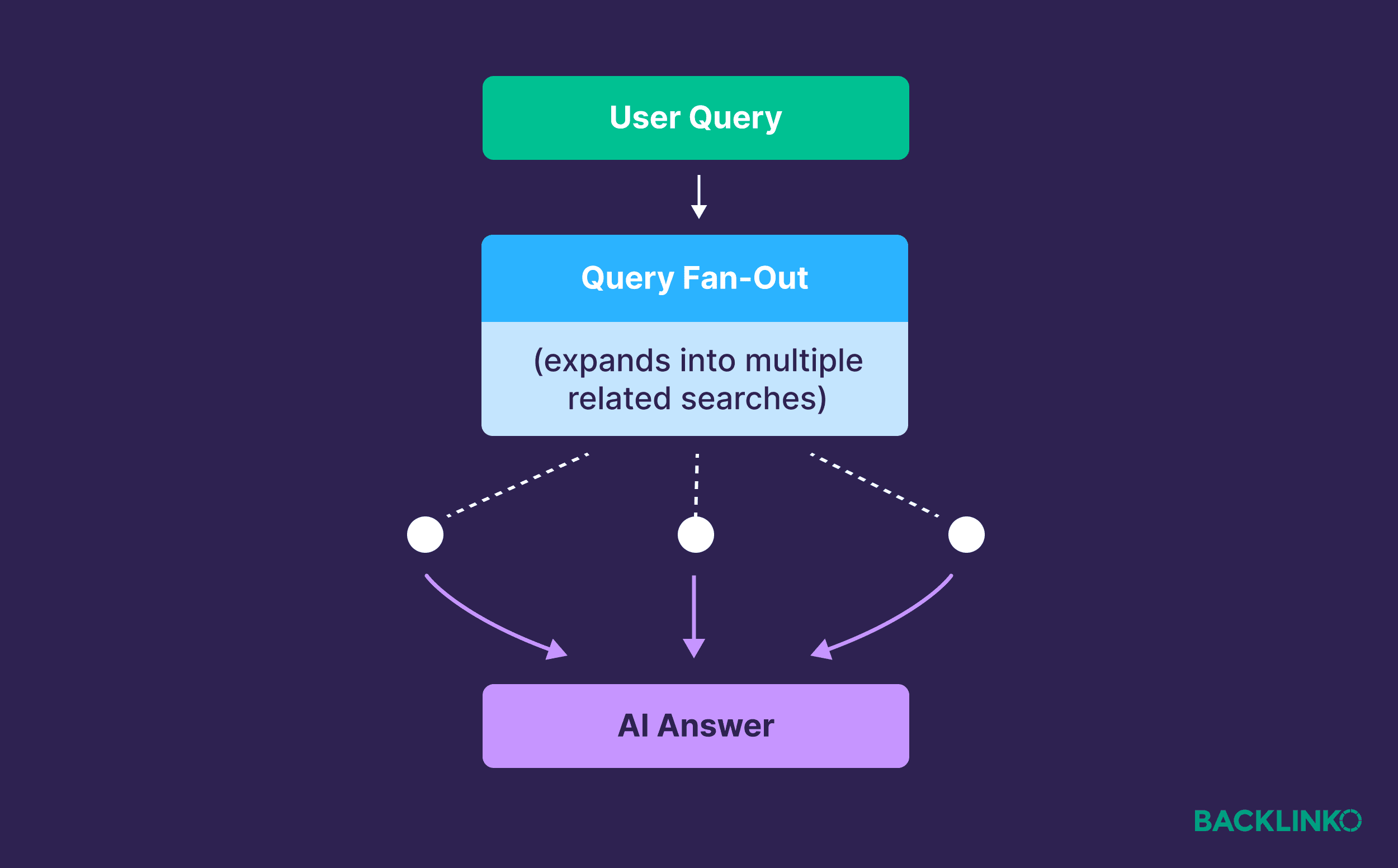
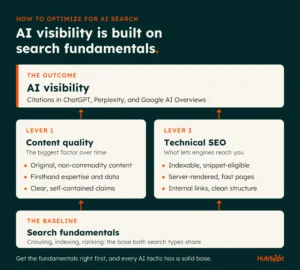
Traditionally, digital marketers have focused on achieving high search engine rankings, believing that prominence guarantees visibility. However, conversational AI platforms operate on a different logic. When a user poses a question to ChatGPT or Perplexity, the system does not merely default to the highest-ranking page for that exact query. Instead, it initiates a complex series of related searches behind the scenes, casting a wide net to pull information from a multitude of the most relevant and reliable sources, irrespective of their conventional search ranking position. This process, known as query fan-out, is fundamentally reshaping the criteria for content success in the age of artificial intelligence. If a brand’s content, or mentions of it by third parties, does not surface within these expanded, often granular sub-searches, its likelihood of being integrated into the AI’s synthesized answer diminishes significantly. While high search rankings certainly don’t hinder visibility, the new paradigm prioritizes comprehensive coverage and granular retrievability of information above all else. This shift necessitates a re-evaluation of content strategies to specifically optimize for AI visibility, focusing on how query fan-out functions.
What Is Query Fan-Out? A Deeper Dive
Query fan-out is a dynamic and intricate process employed by advanced AI search systems to dissect a single user query into numerous, more specific sub-queries. The ultimate goal is to generate the most accurate, helpful, and exhaustive response possible. In essence, the AI "fans out" the initial user query into a series of interconnected, detailed sub-questions. This comprehensive approach allows the AI to construct a more complete and nuanced understanding of the topic at hand.
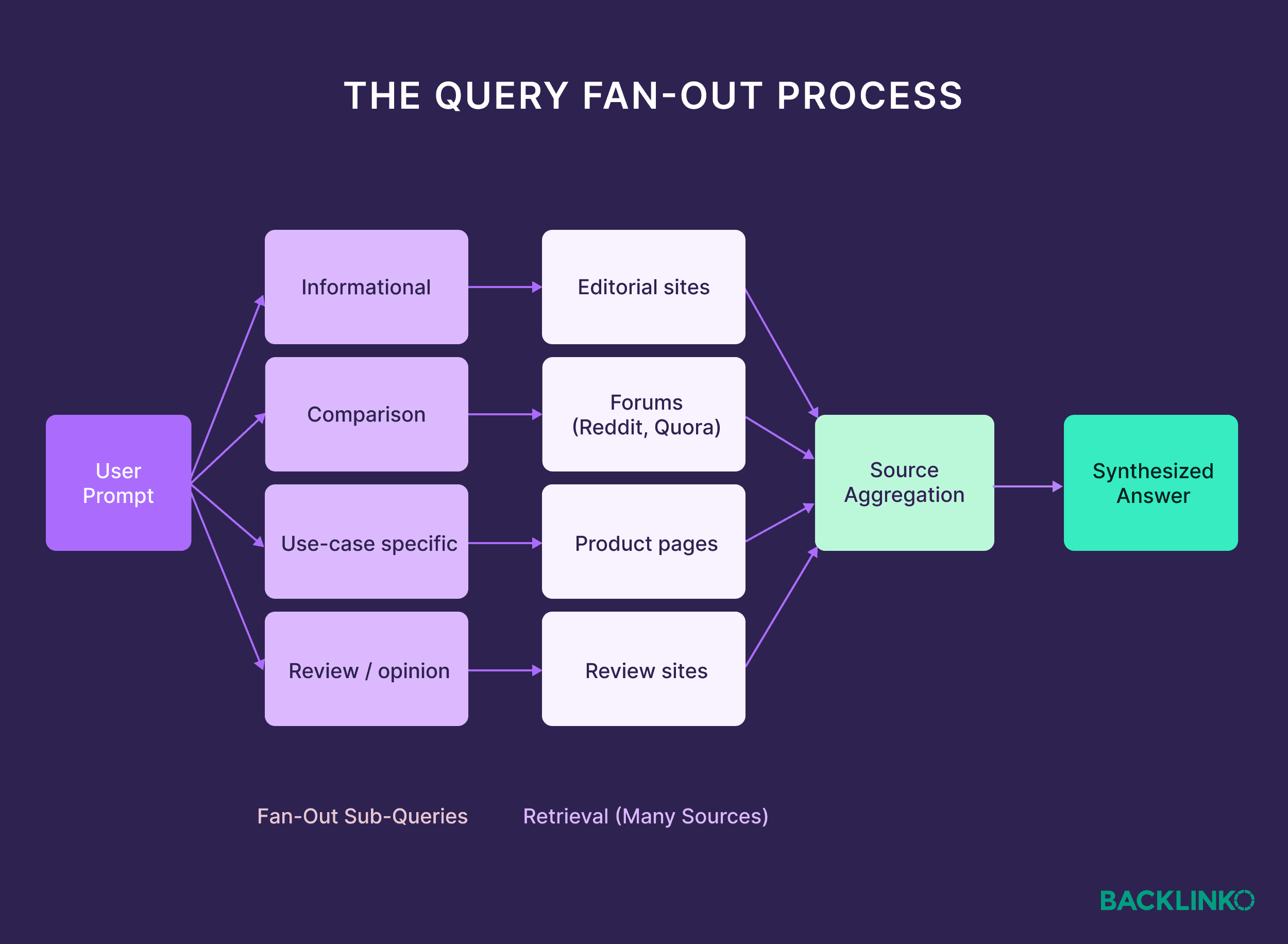
The AI then meticulously gathers information from diverse sources—ranging from authoritative editorial websites and niche Reddit discussions to detailed comparison pages and product listings. This heterogeneous collection of data is subsequently synthesized into a single, coherent, and comprehensive answer that addresses the user’s initial prompt from multiple angles. AI systems leverage query fan-out for several critical reasons: to enhance the depth and accuracy of responses, to anticipate implicit user needs, and to provide a holistic view of complex topics.
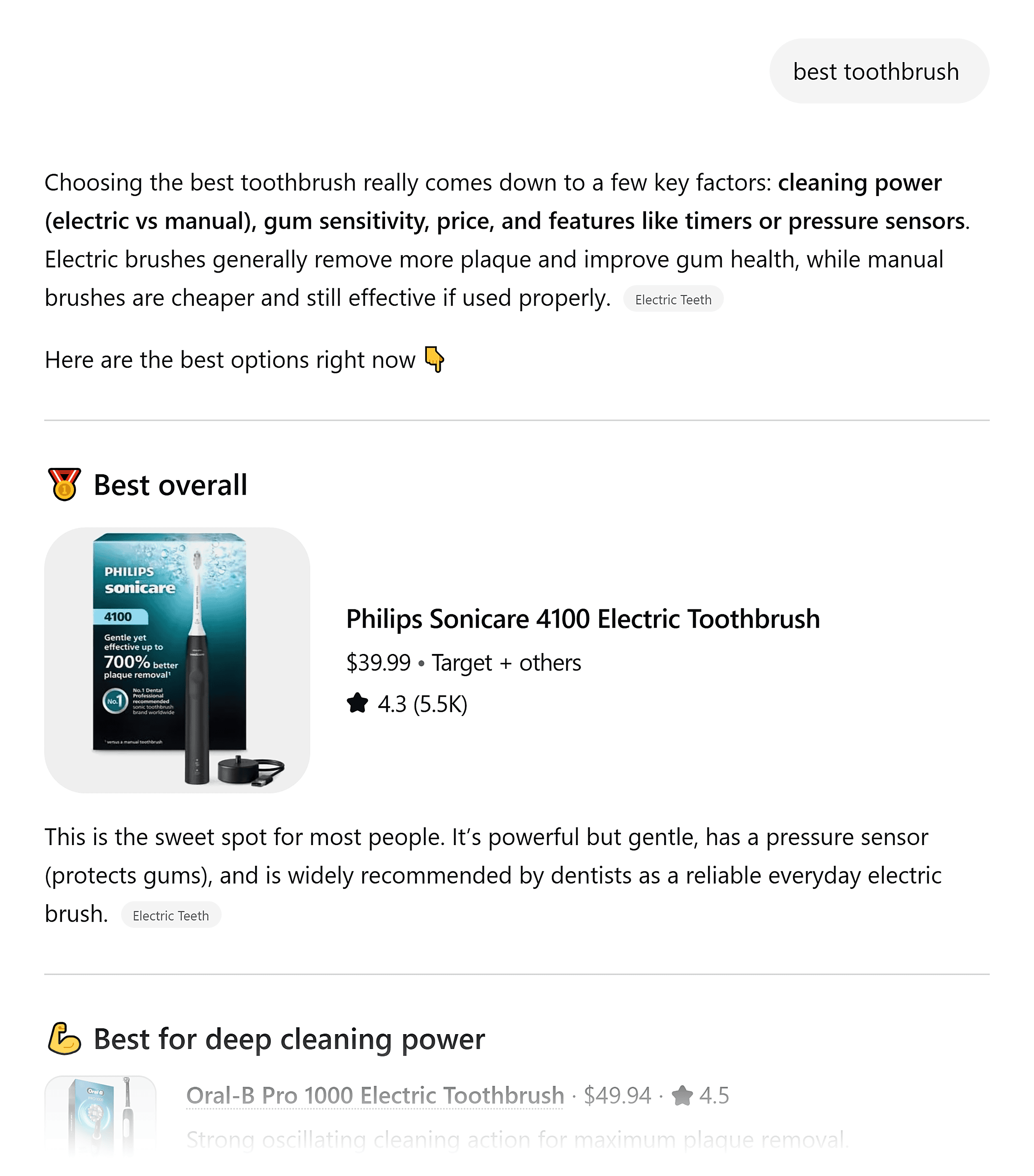
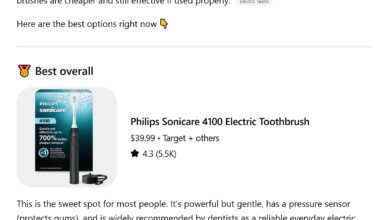
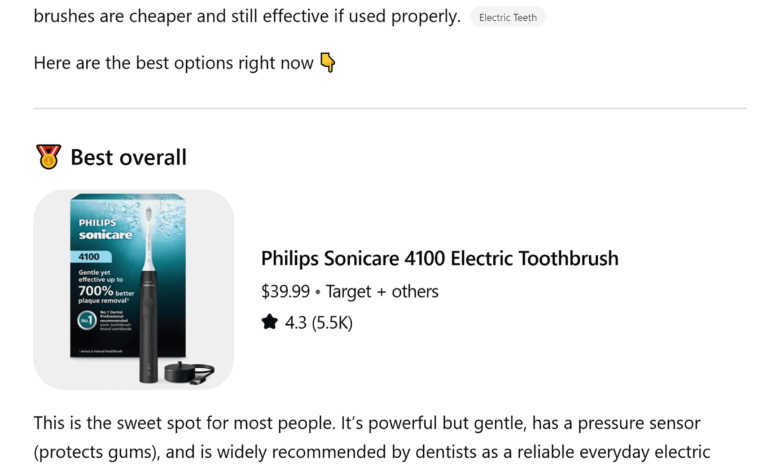
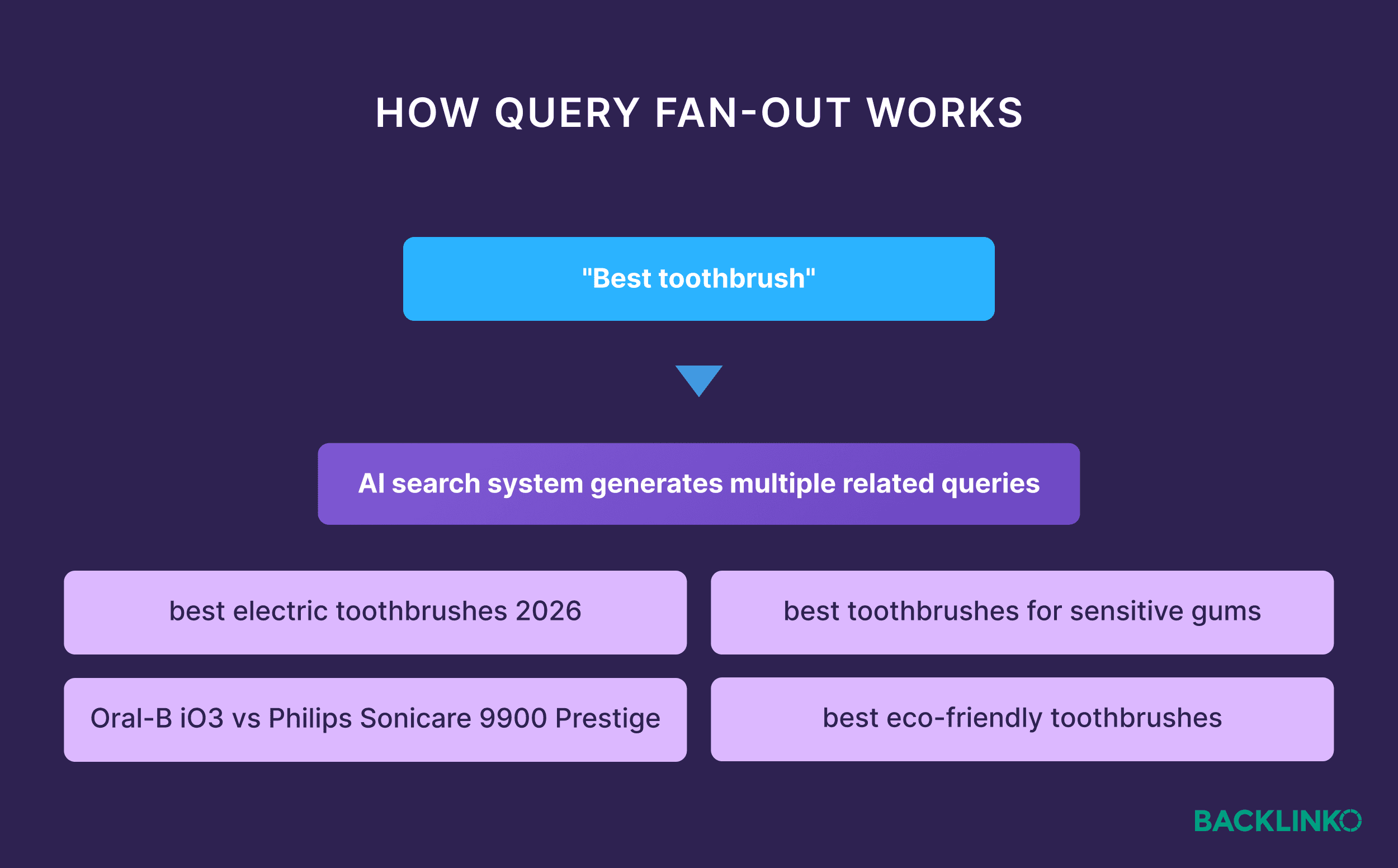
Consider a simple user query like "best toothbrush." A traditional search engine might return a list of pages ranking for that exact phrase. However, an AI system employing query fan-out would automatically generate sub-queries such as "best electric toothbrushes [current year]," "best toothbrushes for sensitive gums," "manual vs. electric toothbrushes," or "oral-B vs. Philips Sonicare comparison." This internal expansion allows the AI to compile a multifaceted answer that covers top-rated picks, use-case specific recommendations, detailed comparison data, and even value propositions or pricing information. Through this sophisticated process, the AI effectively anticipates and addresses the user’s broader needs, delivering a comprehensive response even to a two-word prompt.
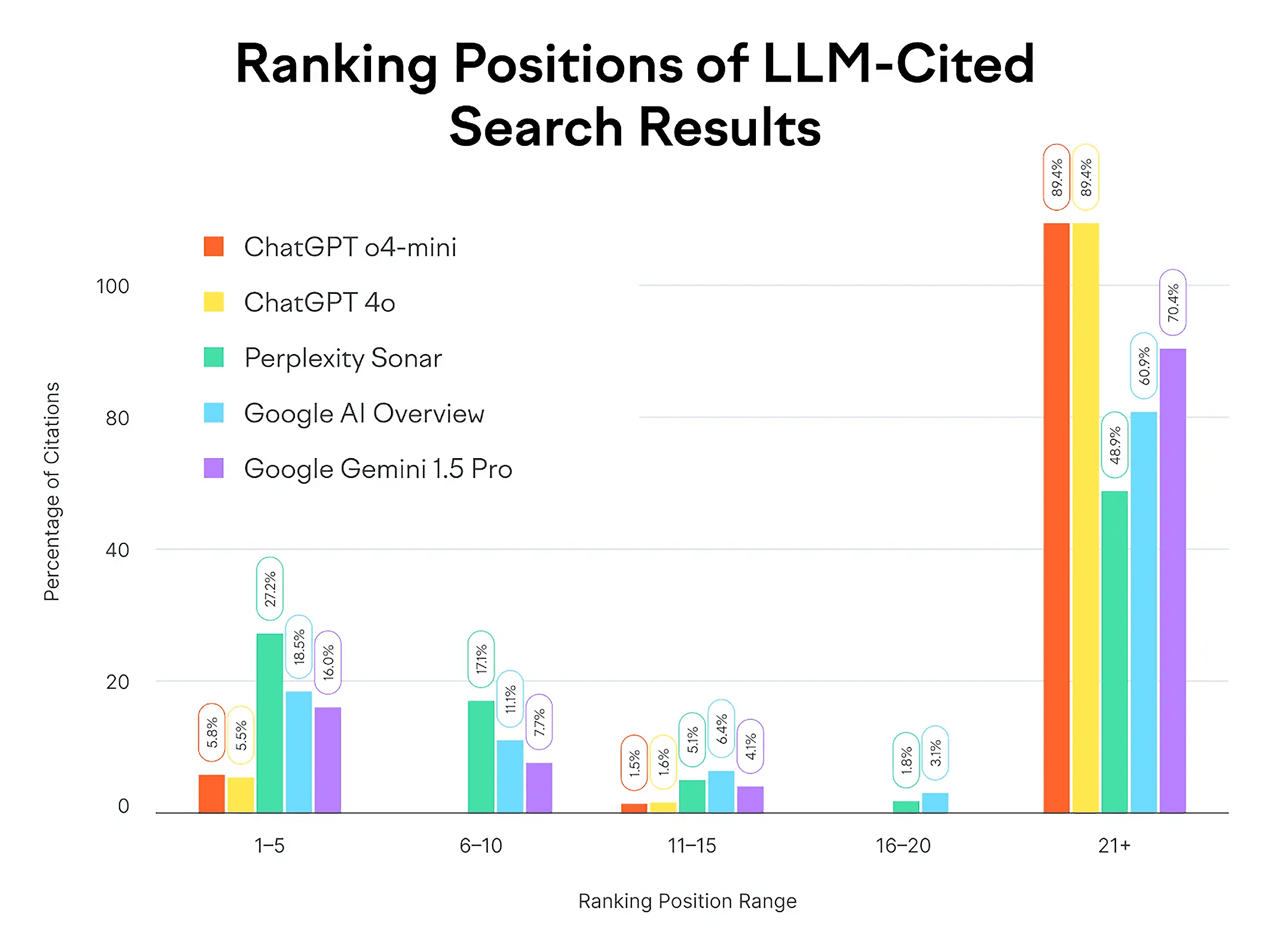
It’s crucial to clarify what query fan-out is not. It is not merely a direct search for the exact query, nor is it simply a collection of loosely related queries. It also fundamentally differs from the traditional SEO focus on achieving top organic search rankings. While a page might rank #1 for "best toothbrush," the AI’s sub-queries might pull highly specific information from a page ranking #30 if that page offers a uniquely relevant passage on "best toothbrushes for sensitive gums." This distinction underscores that in the AI search era, content quality and semantic relevance to specific sub-questions are paramount.
The Shifting Landscape of AI Visibility
The emergence of query fan-out signifies a fundamental paradigm shift for content creators and digital marketers. Understanding its mechanics reveals four critical changes that demand a strategic re-evaluation of traditional content approaches.
Beyond Top Rankings: The New Citation Logic
One of the most disruptive insights is that achieving top rankings in conventional search results no longer guarantees citations by AI models. A study conducted by Semrush revealed that ChatGPT cites pages ranking in position 21 or lower nearly 90% of the time. Similar patterns have been observed with Perplexity and Google’s AI features. This data starkly illustrates that AI’s selection process is driven by relevance and completeness at a granular level, rather than by overall page authority or organic ranking position. When AI deconstructs a query into sub-queries, it seeks out the most pertinent and exhaustive source for each individual sub-question, irrespective of where that source ranks in a standard SERP. This means content creators must now prioritize being the most relevant answer for a specific sub-query, rather than simply aiming for the top of a broad keyword search.
From Pages to Passages: AI’s Granular Approach
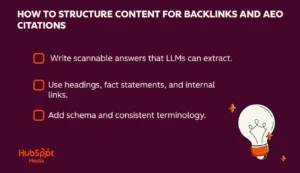
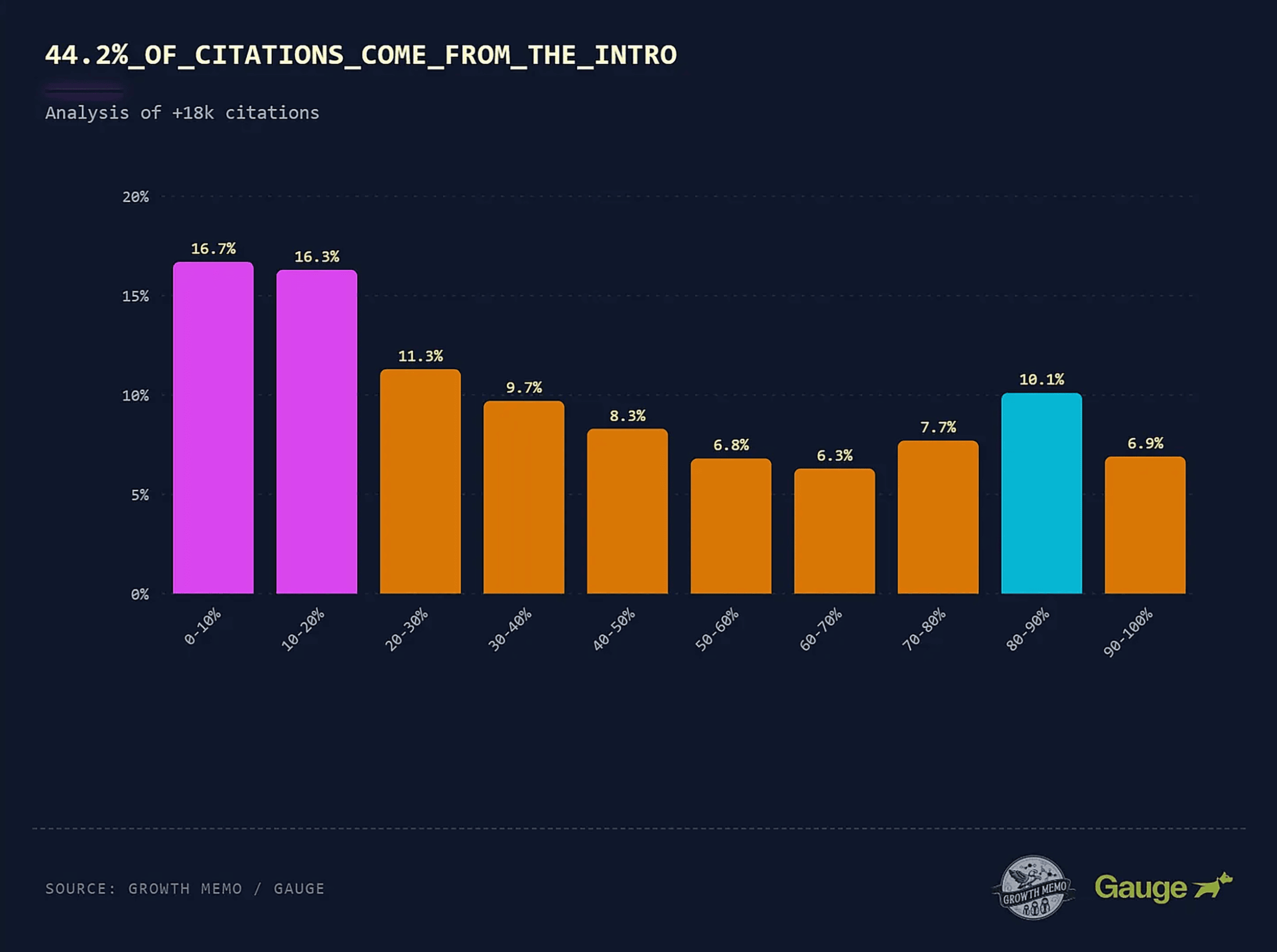
Unlike traditional search, which primarily directs users to entire web pages, AI systems are designed to scan content and extract precise passages that directly resolve a specific sub-query. This has significant implications for content structuring. Data analyzed by growth advisor Kevin Indig from 1.2 million ChatGPT responses indicates that 44.2% of citations originate from the first 30% of a page, while 31.1% come from the middle, and only 24.7% from the final third. This suggests that the earlier a question is answered or a claim is stated within a piece of content, the higher its chances of being extracted and cited by an LLM. Content must be designed for easy digestibility and direct answerability, with key information presented upfront in scannable, self-contained units.
Topical Authority Reigns Over Keyword Focus
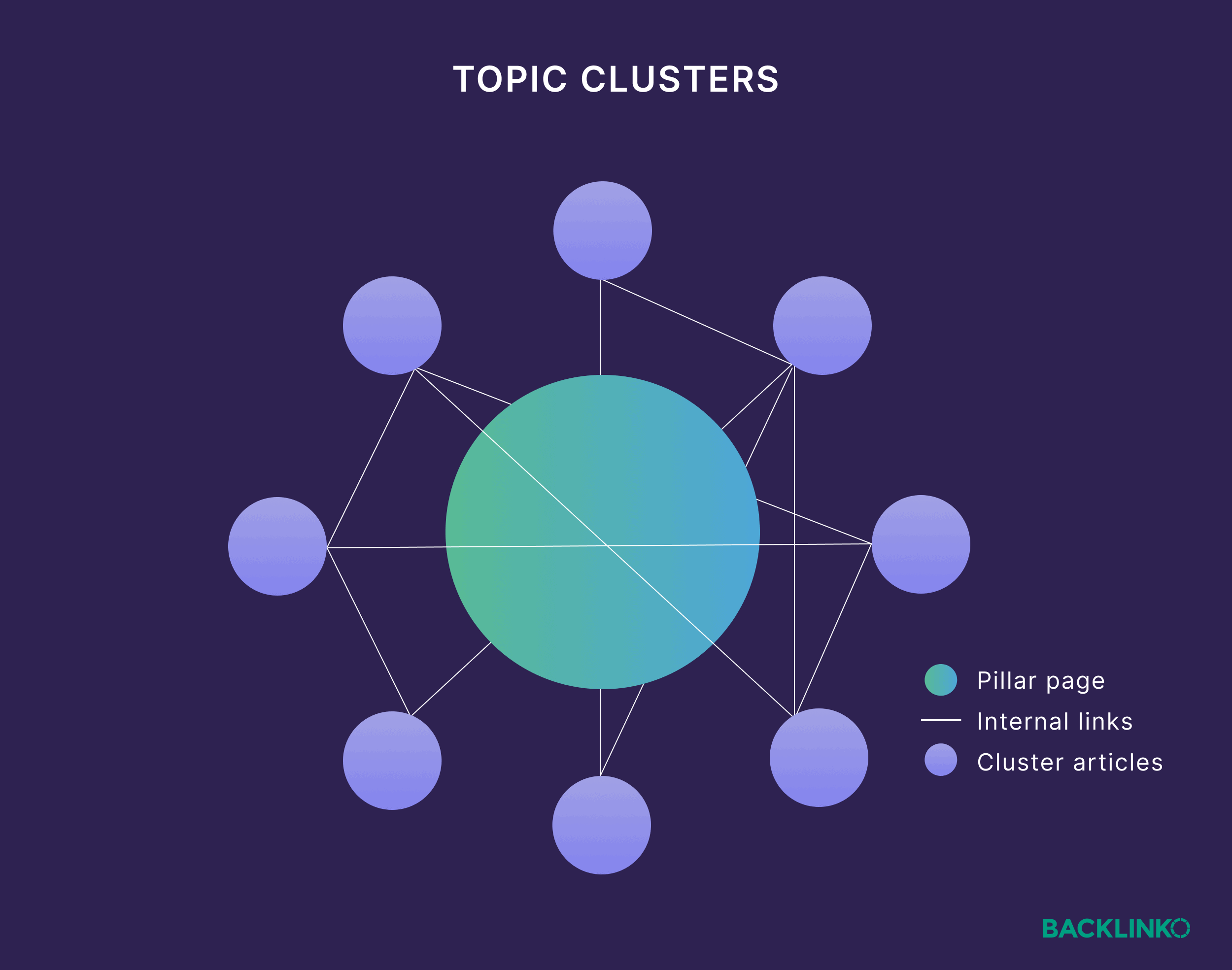
Traditional SEO has long revolved around optimizing for individual keywords. Query fan-out, however, elevates the importance of comprehensive topical coverage. AI thrives on understanding a subject in its entirety, drawing connections between various facets of a topic. This is why content organized into broad, interconnected topic clusters and pillar pages—which thoroughly cover a central theme and link to related sub-topics—is becoming increasingly vital for AI visibility. By establishing deep topical authority, a brand positions itself as a go-to source across a spectrum of related sub-queries, thereby increasing its chances of being cited by AI for a wider range of user intents.

The Collapsed Buying Journey: Instant Gratification for Users
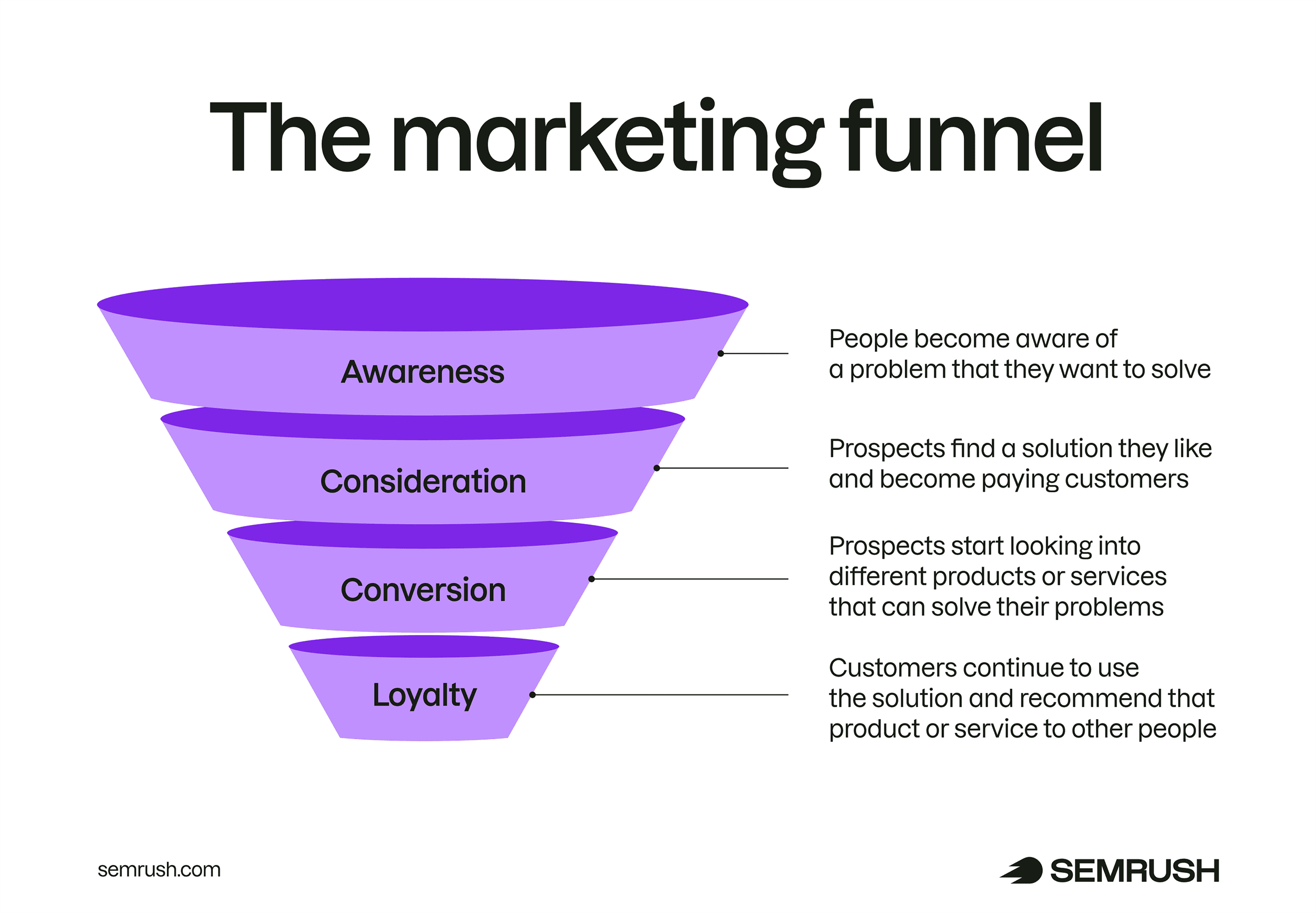
The conventional marketing funnel—awareness, consideration, decision—has dictated content strategy for decades, with content tailored for each stage. AI search, powered by query fan-out, effectively collapses these stages into a single interaction. A user’s initial high-intent question can trigger an AI system to fan out, gathering awareness-level context, consideration-level comparisons, and decision-level specifics all at once. The AI then synthesizes this information into a single, comprehensive answer that can satisfy the entire buying journey. This means content can no longer afford to be siloed by funnel stage; instead, it must be robust enough to address multiple user intents simultaneously within a single piece or interconnected cluster, working across the full funnel to anticipate and answer all potential user needs.

Navigating the AI Era: A Six-Step Content Strategy
To effectively earn AI citations and maintain visibility, content creators must adopt a structured workflow that aligns with the principles of query fan-out. This six-step process is designed for repeatability and scalability across all relevant business topics.
1. Identifying High-Value "Money Prompts"
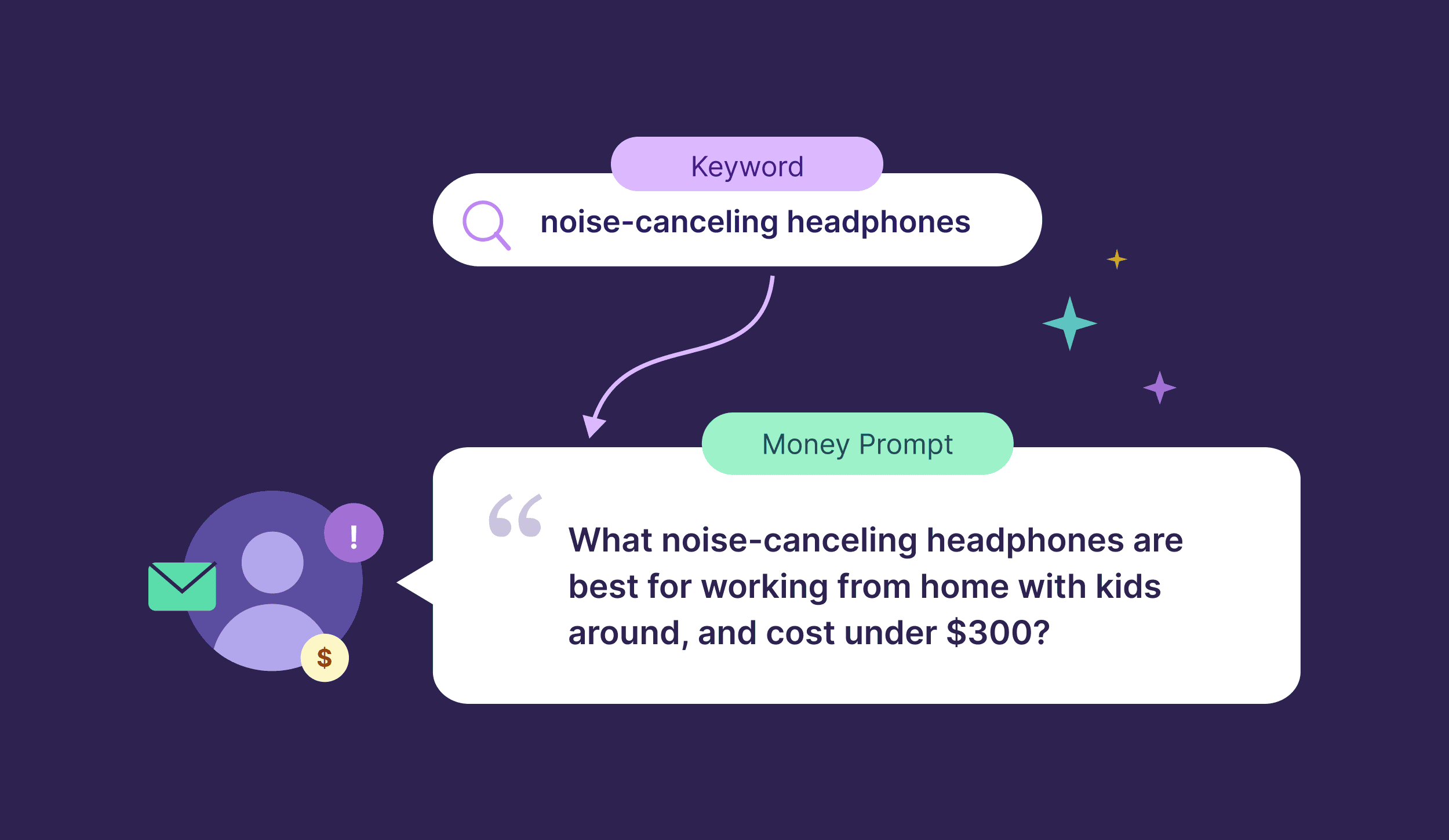
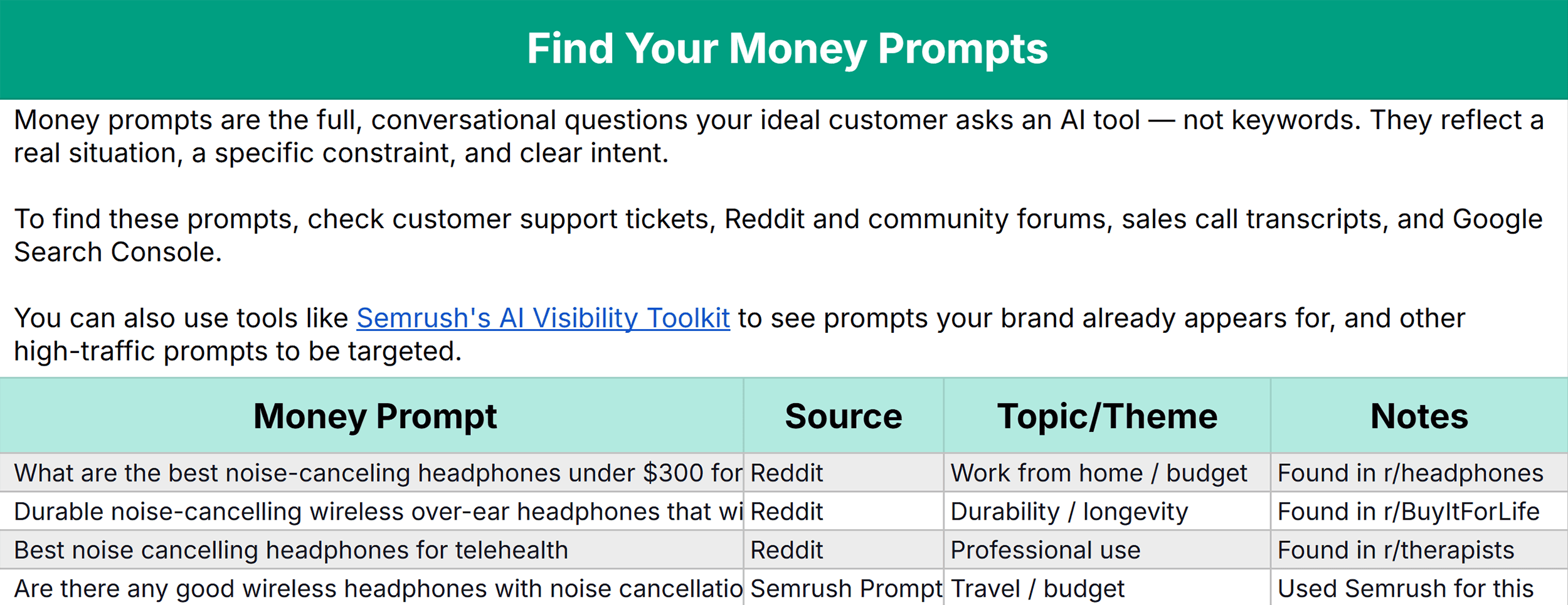
The first critical step is to pinpoint "money prompts"—the conversational phrases or questions that an ideal customer would use when interacting with an AI tool to solve a problem that a product or service addresses. These are the AI SEO equivalent of high-commercial-intent keywords, directly aimed at driving sales or conversions. Money prompts are characterized by their clarity, specific intent, and often include constraints or comparative elements. For example, while "noise-canceling headphones" is a keyword, "What noise-canceling headphones are best for working from home with kids around, and cost under $300?" is a money prompt.
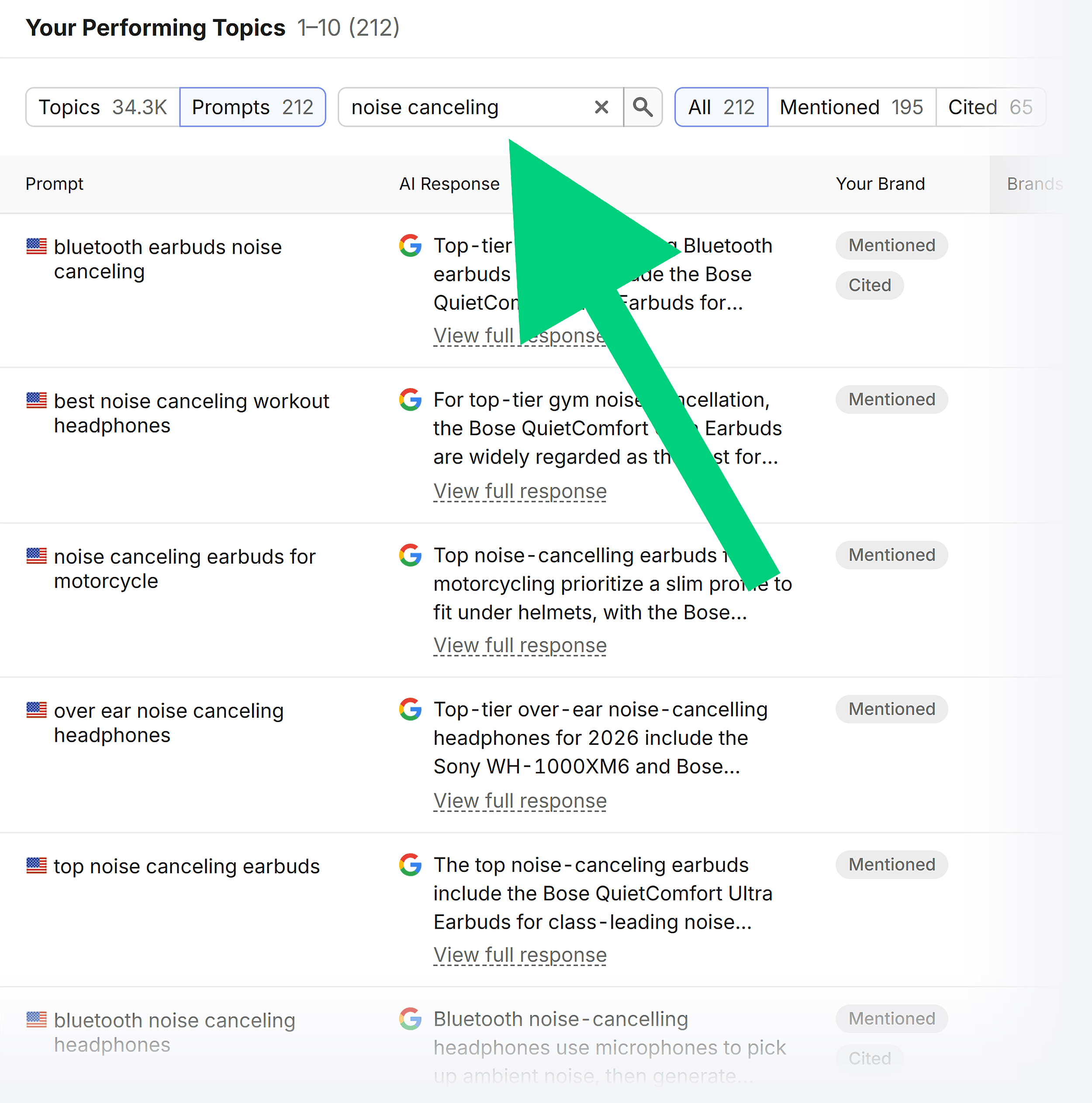
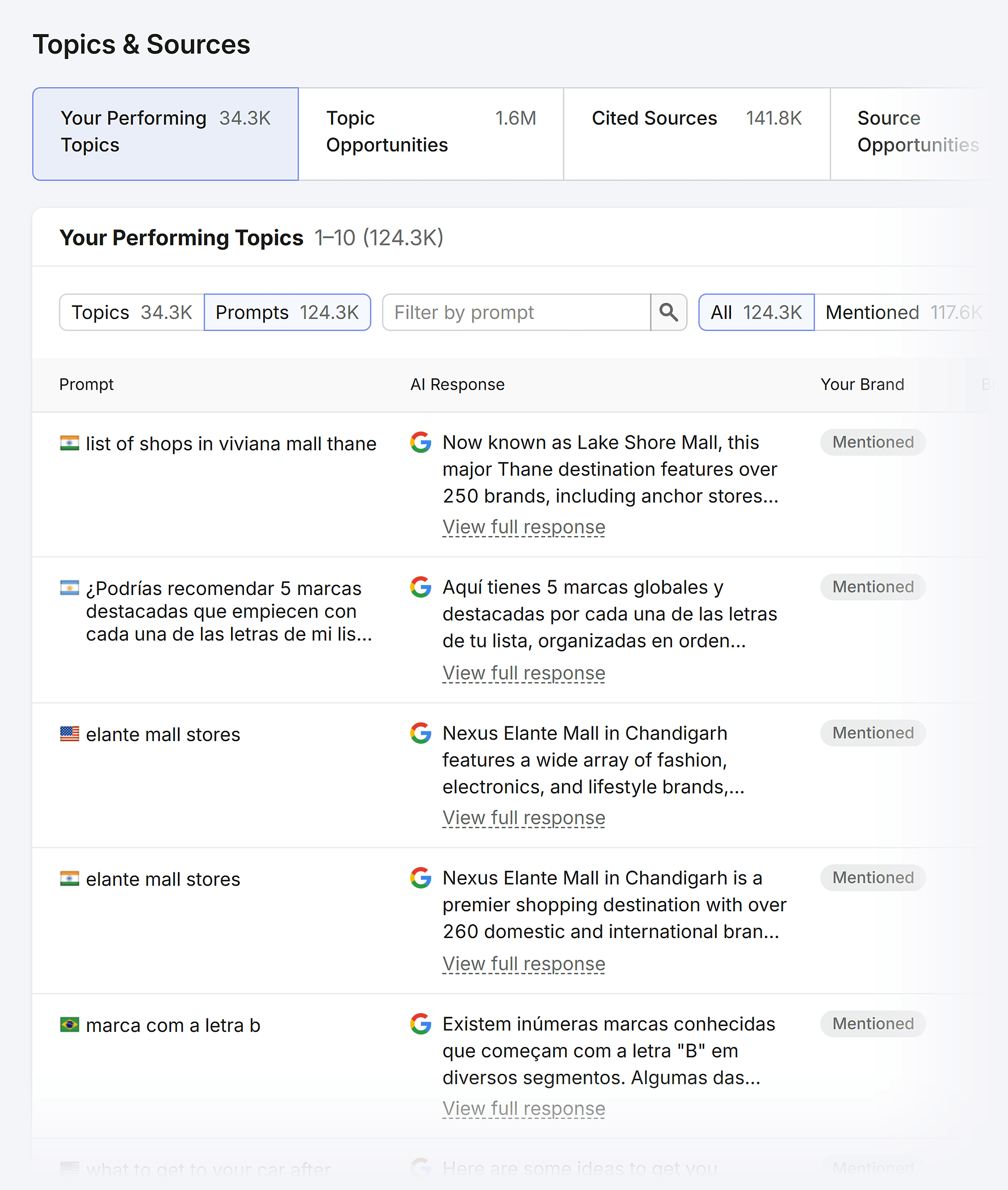
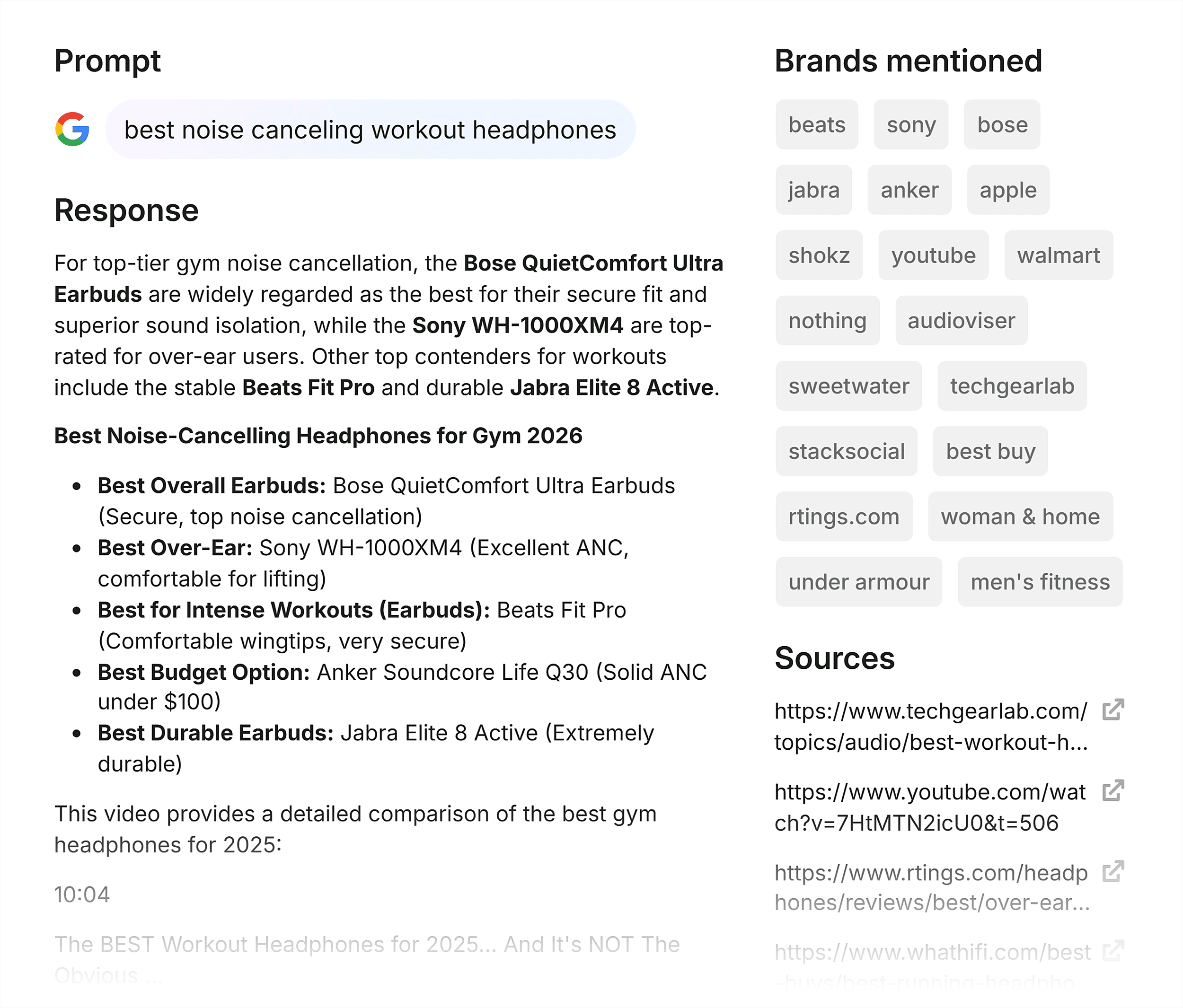
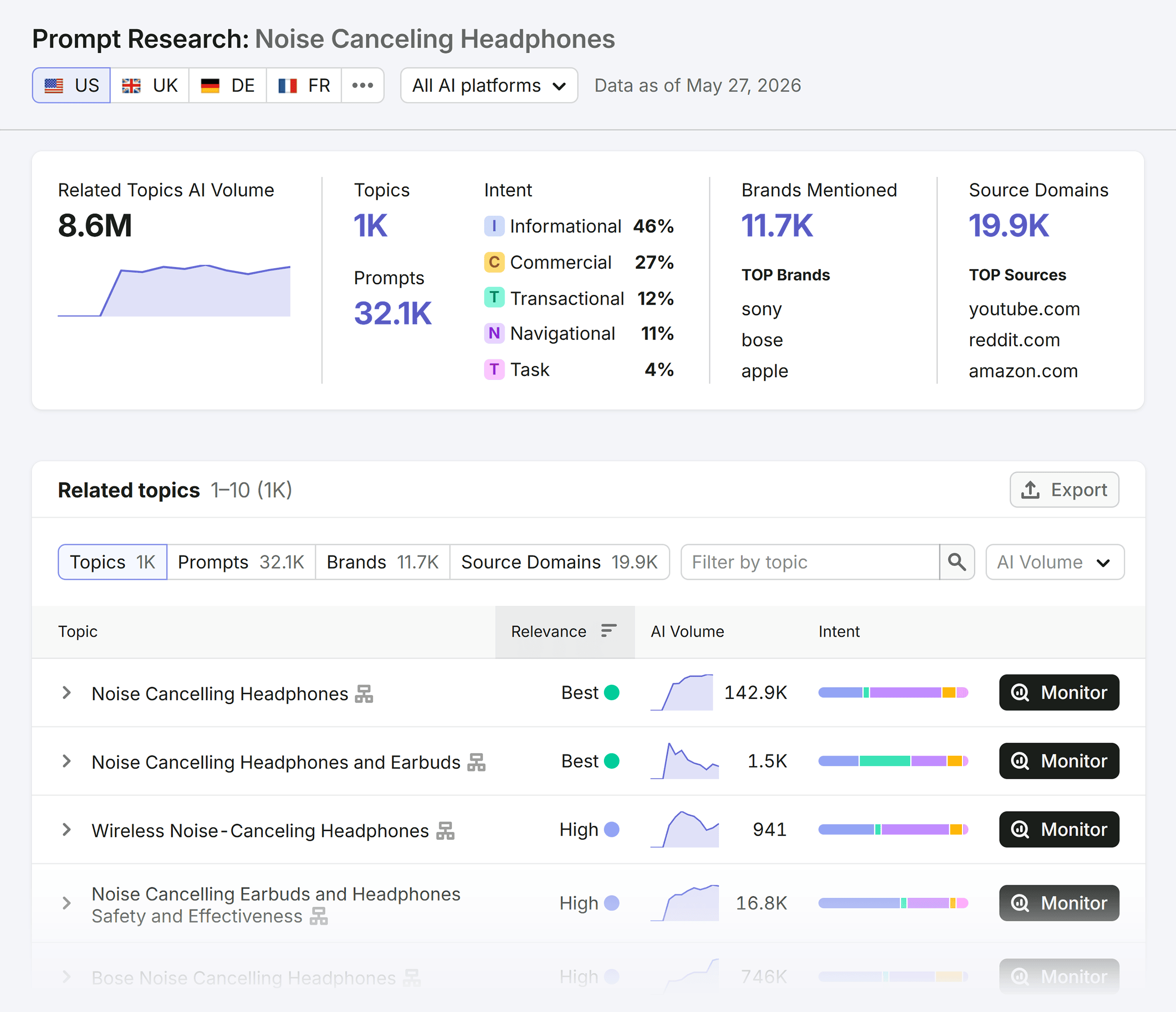
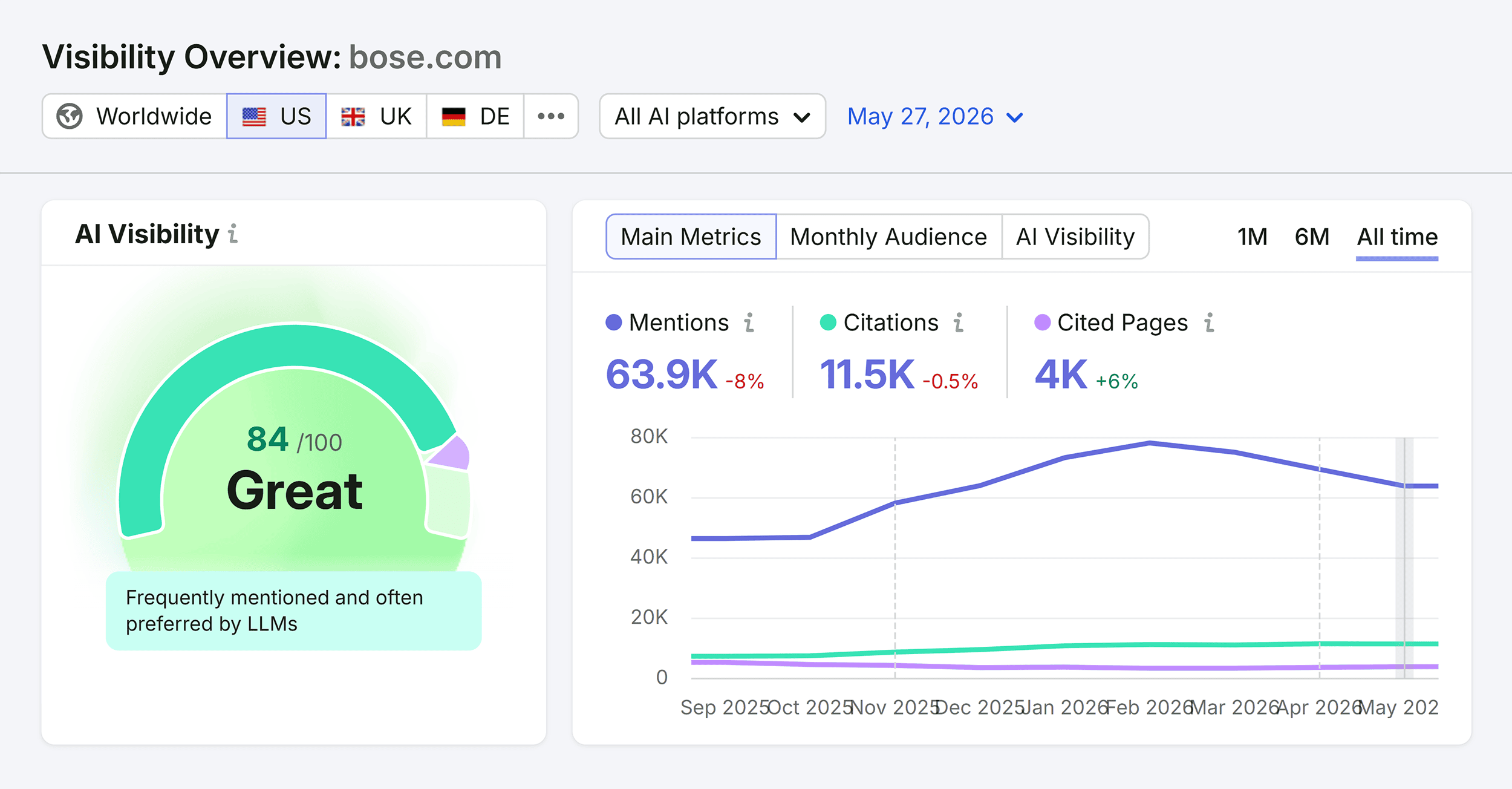
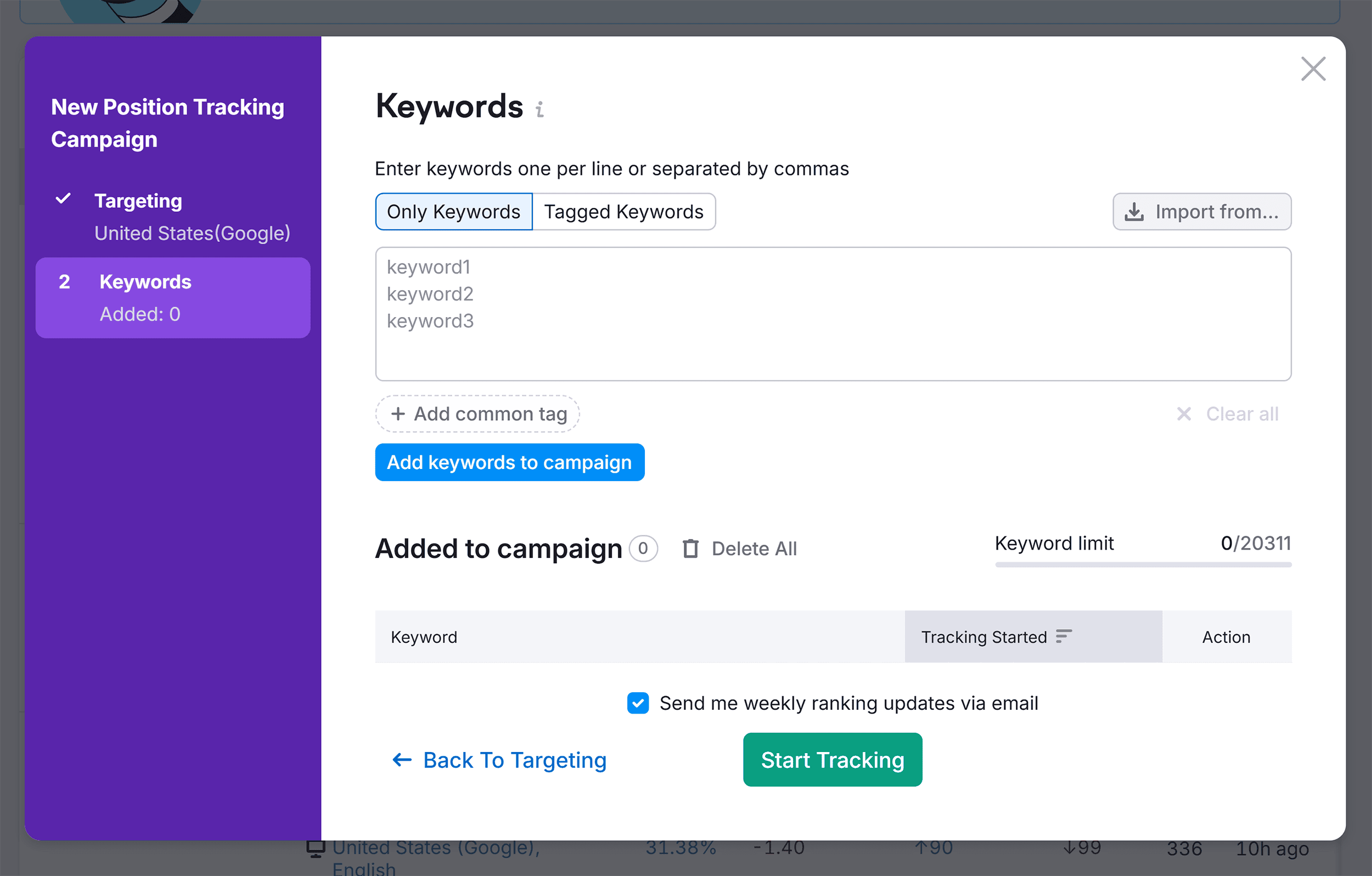
Sources like Reddit forums, Quora, and customer support transcripts are excellent starting points for uncovering these real-world user questions. Dedicated AI visibility tools, such as Semrush’s AI Visibility Toolkit, provide invaluable insights by revealing actual prompts users type into AI systems, along with the AI’s responses and cited sources. By analyzing a brand’s existing AI mentions (e.g., Bose appearing in over 123.7K prompts related to noise-canceling headphones), marketers can identify high-priority money prompts where their audience is already engaging and where the brand is already visible. For brands without existing AI visibility, prompt research tools can identify industry-relevant prompts generating significant AI results. These identified money prompts form the foundation of the content strategy and should be meticulously documented.
2. Unveiling the "Fan-Out Set"
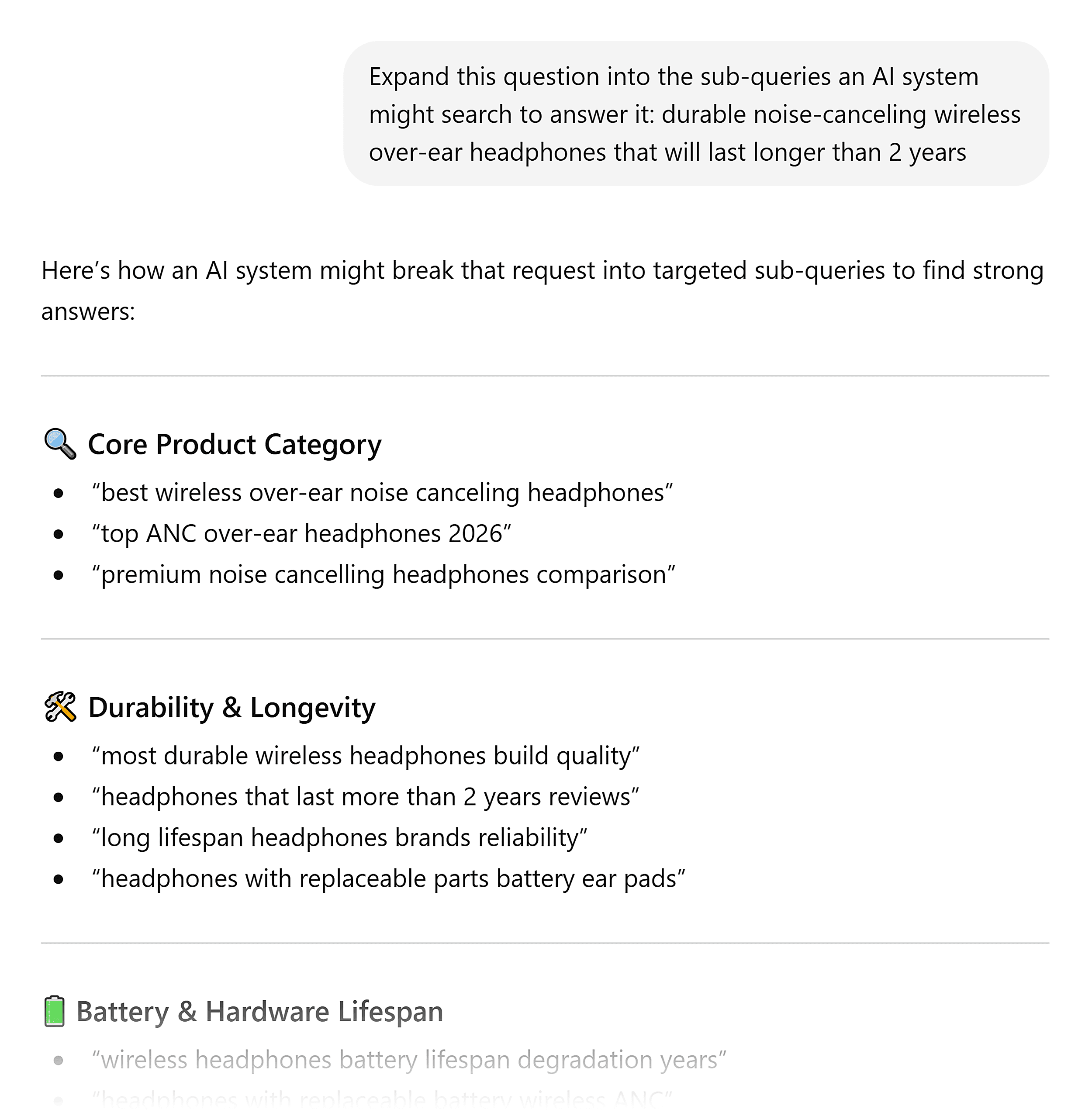
Once money prompts are identified, the next step is to generate their corresponding "fan-out set"—the array of sub-queries the AI would generate internally. This can be done manually or with specialized tools. Manually, a templated prompt can be fed into an LLM (e.g., "Given the user query ‘[money prompt]’, what are the top 5-10 sub-queries an AI system would run to build a comprehensive answer? Group them by category."). Running this through multiple AI platforms (ChatGPT, Perplexity, Claude) provides a more holistic view, as each may expand queries differently.
Alternatively, tools like Backlinko’s ChatGPT Query Fan-Out Tool (a Chrome extension) can capture ChatGPT’s real-time internal sub-queries. As these sub-queries are gathered, they should be categorized by their type:
- Reformulation: A rephrased version of the original prompt.
- Comparative: Queries weighing two or more options.
- Implicit: Addressing unstated user needs.
- Personalized: Tailored to specific situations or preferences.
- Entity expansion: Drilling into specific brands, products, or people.
- Related: Connected topics the AI anticipates the user might explore next.
This categorization informs the content format required in subsequent steps.
3. Categorizing Intent for Precision Content
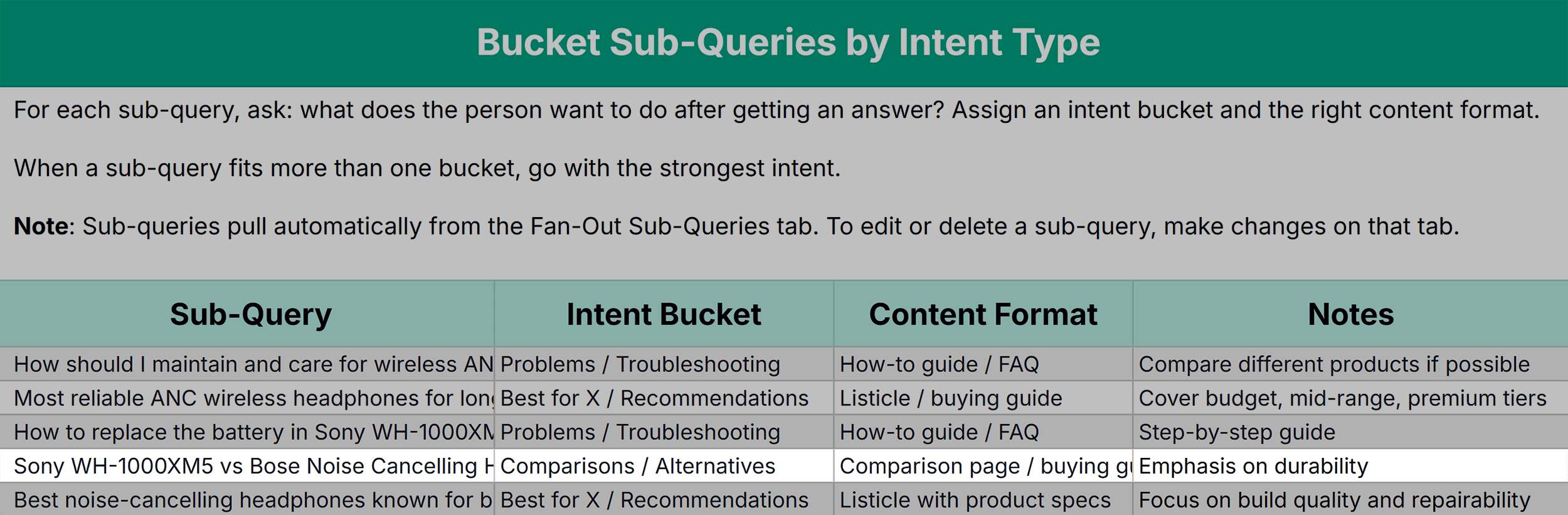
After generating the fan-out set, sub-queries must be bucketed by user intent. This step is crucial for determining the appropriate content format and type. The core question to ask for each sub-query is: "What does the user actually want to do after receiving an answer to this sub-query?"
For instance, the sub-query "Sony vs Bose Noise Canceling Headphones" clearly indicates a "comparison" intent, necessitating a head-to-head comparison page or a detailed comparison table, rather than a general buying guide. Common intent buckets include:
- Definitions/Basics: (e.g., "how do noise canceling headphones work?") – calls for explainer articles or glossary sections.
- Comparisons/Alternatives: (e.g., "apple airpods max vs sony wh 1000xm4") – best served by comparison pages or dedicated sections.
- Best for X/Recommendations: (e.g., "best noise canceling headphones for working from home") – ideal for listicles or buying guides.
- Problems/Troubleshooting: (e.g., "how to get rid of background noise in audio") – requires how-to guides or FAQ sections.
- Pricing/Value: (e.g., "are there any good wireless headphones with noise cancellation under $150?") – suggests pricing pages or value comparison sections.
- Social Proof/Discussions: (e.g., "best earbuds for calls in noisy environment reddit") – benefits from review roundups or user feedback sections.
Assigning an intent bucket helps ensure that the content created precisely matches the user’s underlying need.
4. Strategic Content Auditing: Pinpointing Gaps
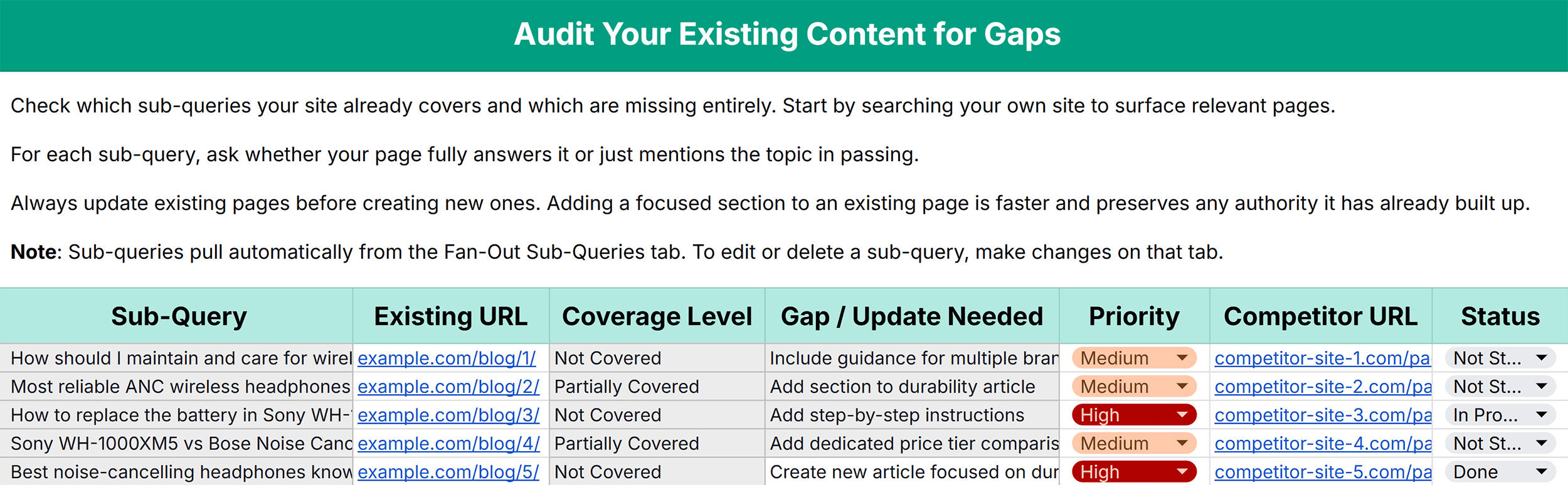
With sub-queries categorized by intent, the next step is to audit existing content for gaps. This involves systematically checking which sub-queries are already covered on the brand’s website and which are not. A simple Google search using "site:yourdomain.com [sub-query topic]" can reveal relevant pages.
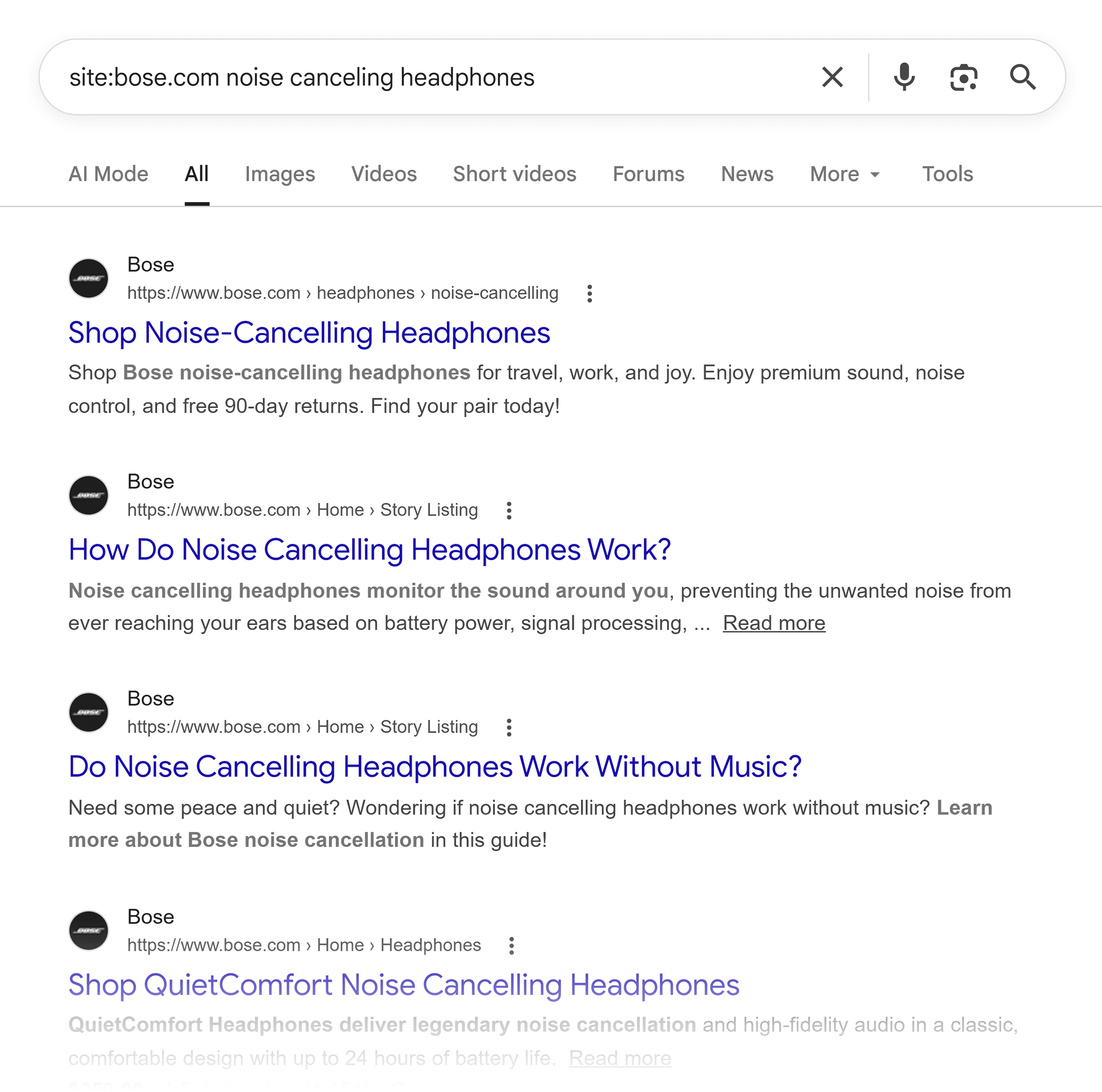
Each existing page should be evaluated against the sub-query it should cover:
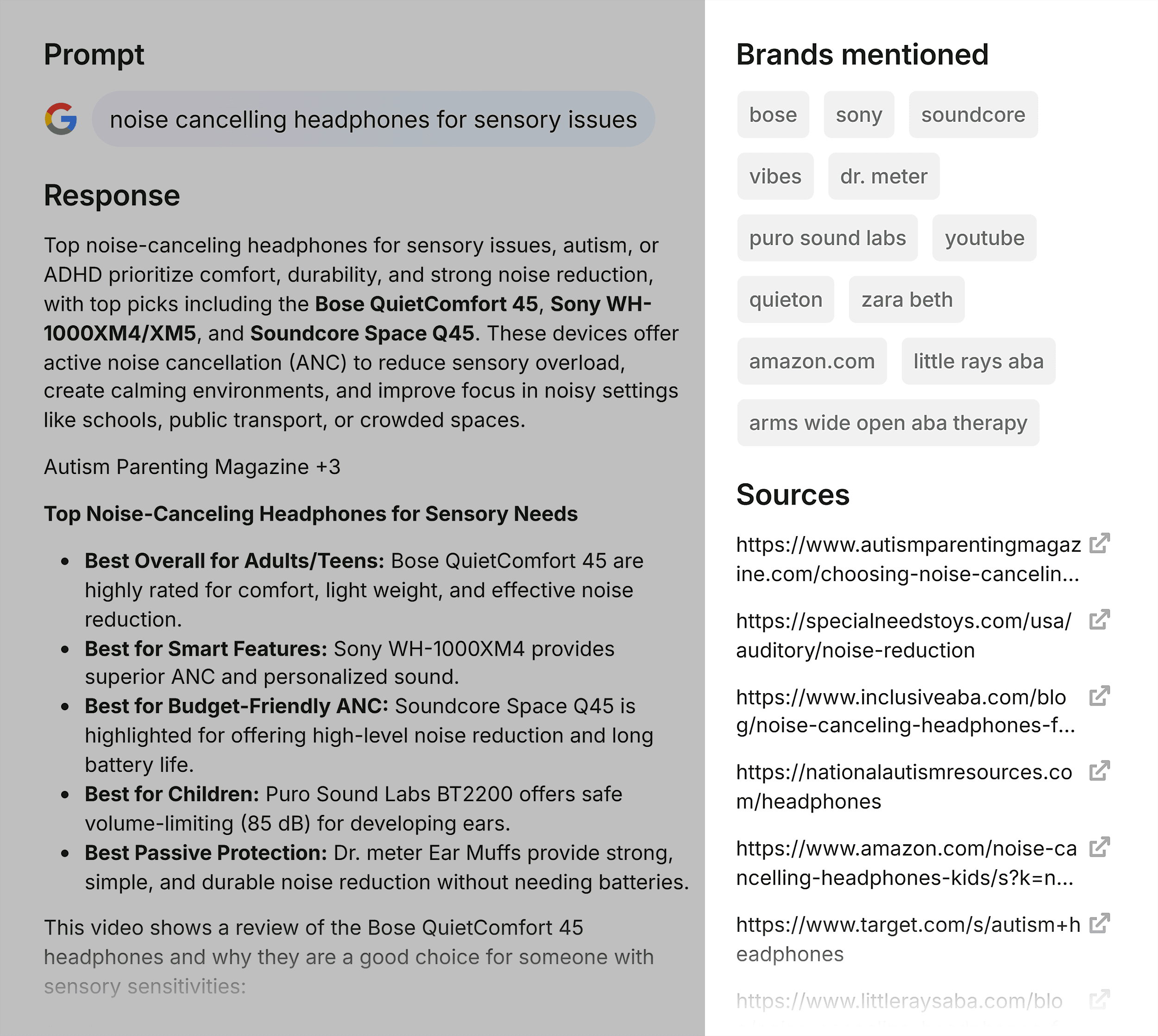
- Not covered: No existing content addresses the sub-query. This requires creating new, dedicated content.
- Partially covered: The topic is mentioned, but the sub-query isn’t fully resolved. This calls for adding a dedicated, self-contained section to the existing page.
- Fully covered: A specific section or page completely answers the sub-query, ready for AI extraction. These should be monitored and regularly updated.
Simultaneously, it’s vital to identify competitors appearing in AI responses for the same money prompts. AI visibility tools can highlight which brands are cited and their exact sources. If competitors are present and your brand is not, it signals a critical content gap to close. If your brand is already showing up alongside competitors, the focus shifts to strengthening that coverage to maintain and enhance visibility.
5. Optimizing Content for AI Extraction and Comprehension
Creating the right content is only half the battle; the other half is ensuring AI can easily find, parse, and utilize it. Filling identified content gaps is paramount. For uncovered sub-queries, new pages or sections must be developed. For partially covered topics, existing pages should be augmented with concise, self-contained answers that address the sub-query without requiring extensive surrounding context.
Content must be structured with AI extractability in mind:
- Front-load answers: Provide direct answers to questions at the beginning of relevant sections.
- Use clear, descriptive subheadings: These act as signposts for AI, indicating the topic of each section.
- Employ lists and tables: Structured data is highly digestible for AI and often directly translates into AI-generated summaries.
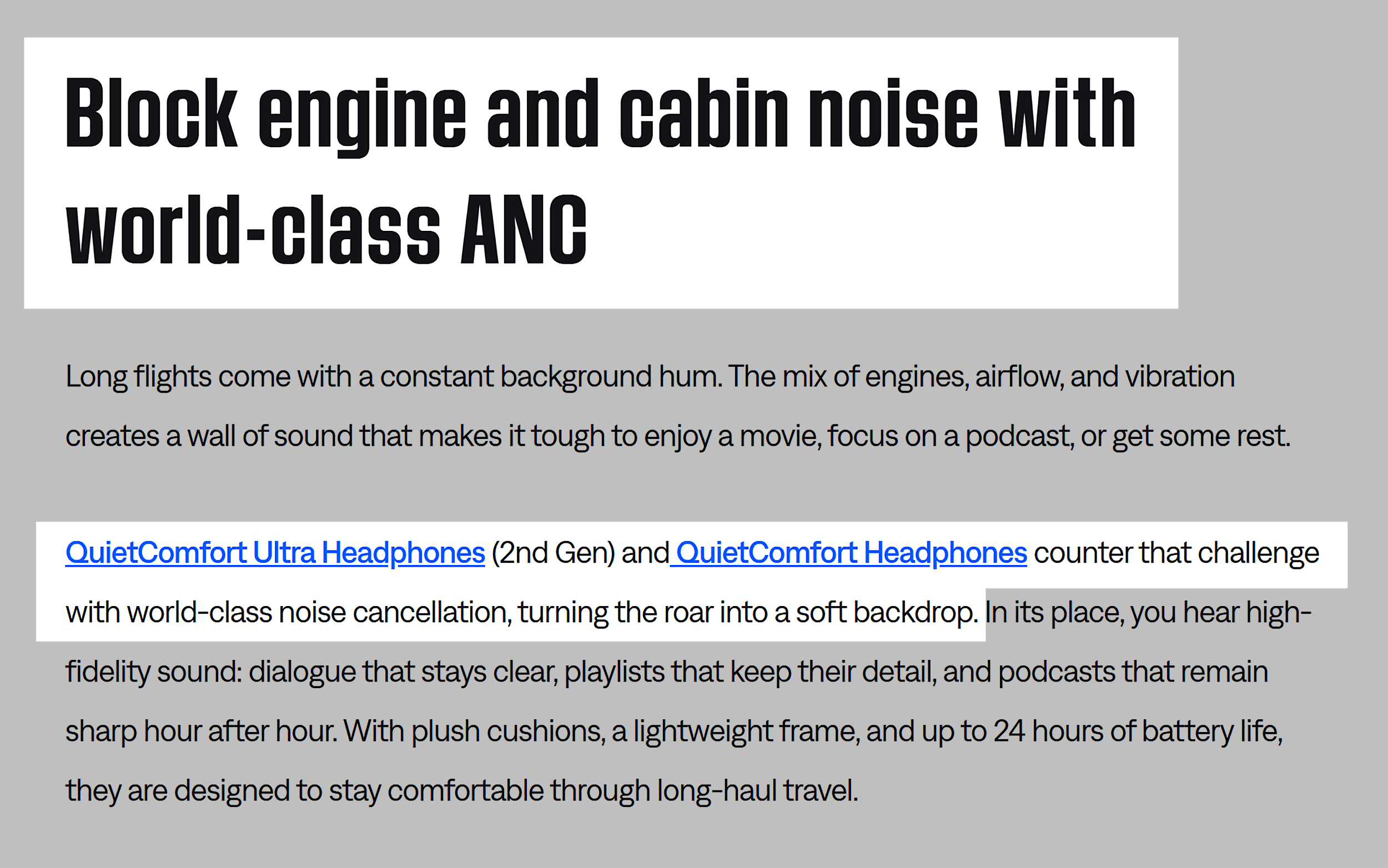
- Utilize descriptive, scenario-specific language: Tailor language to match how users articulate their needs (e.g., "noise-canceling headphones for flight anxiety" rather than just "travel headphones").
- Incorporate FAQs: Directly answer common questions in a Q&A format.
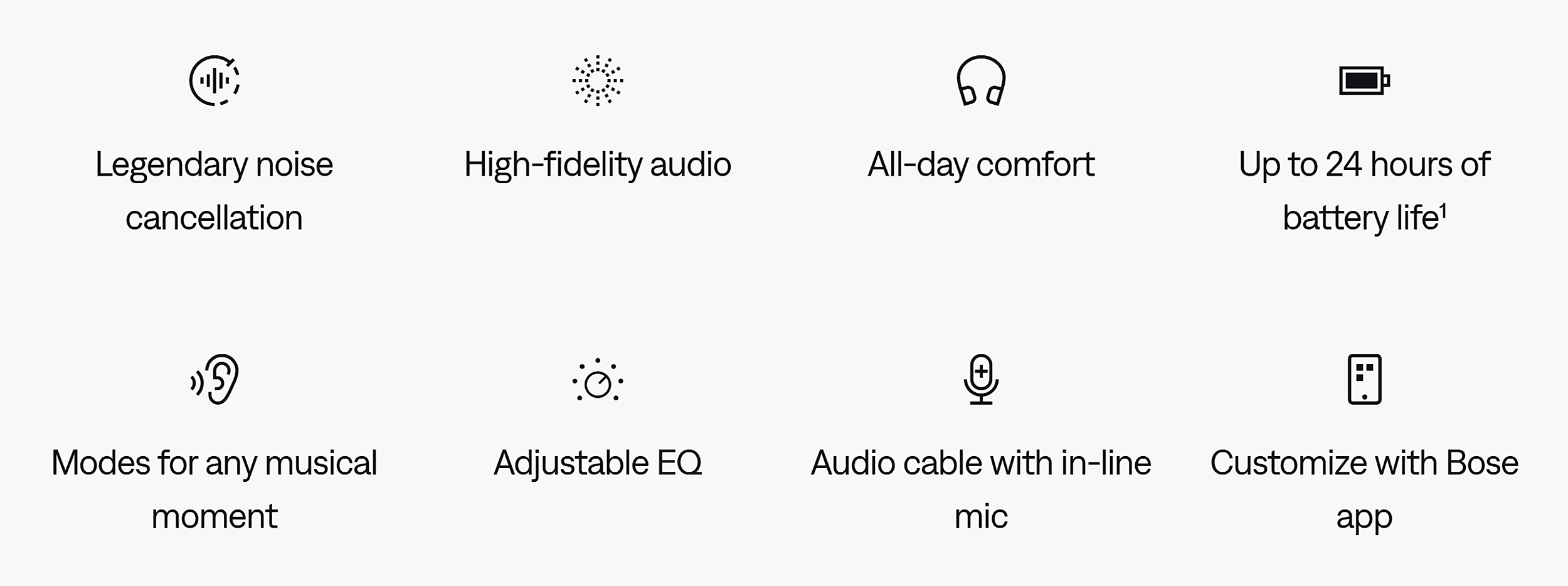
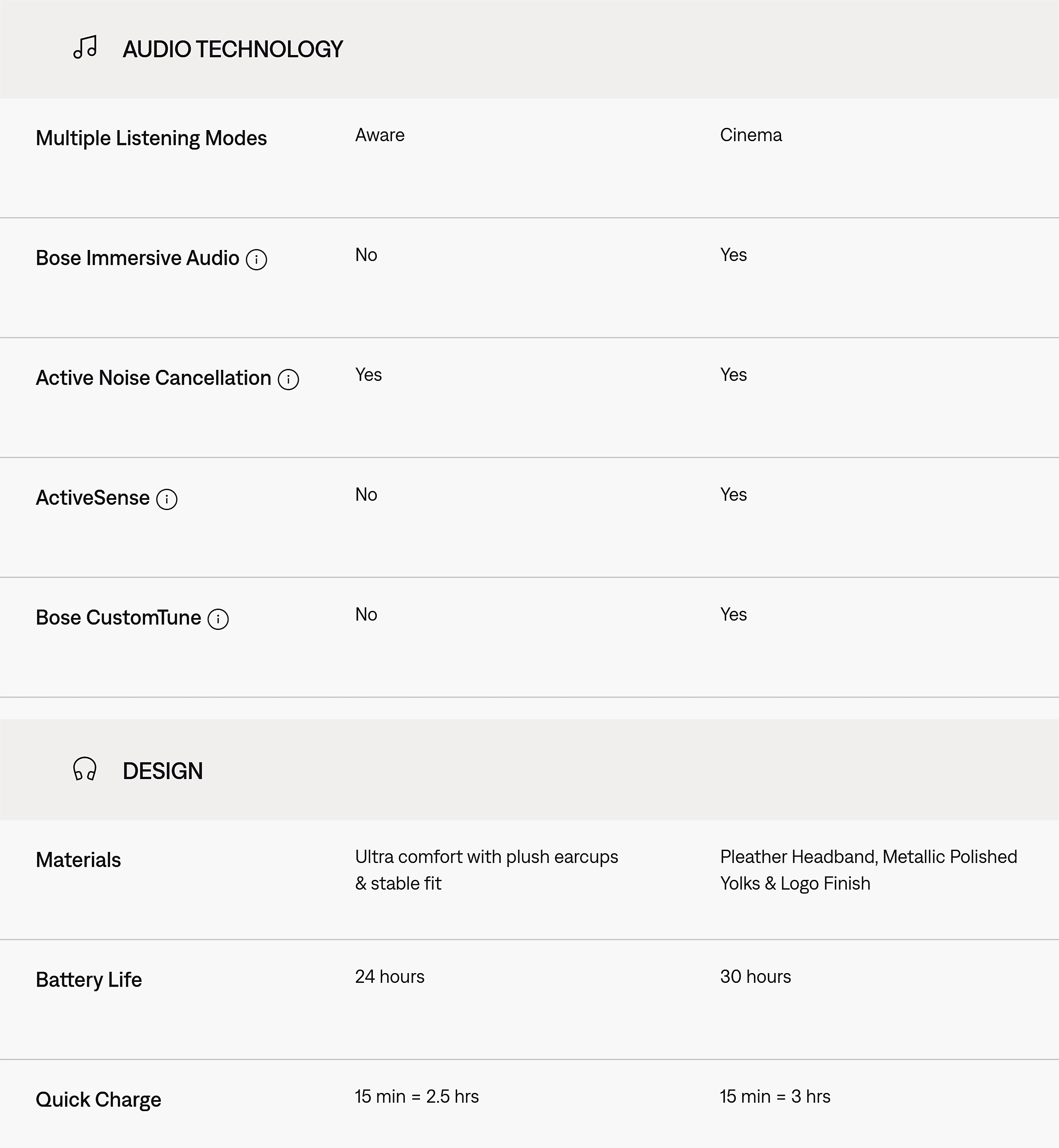
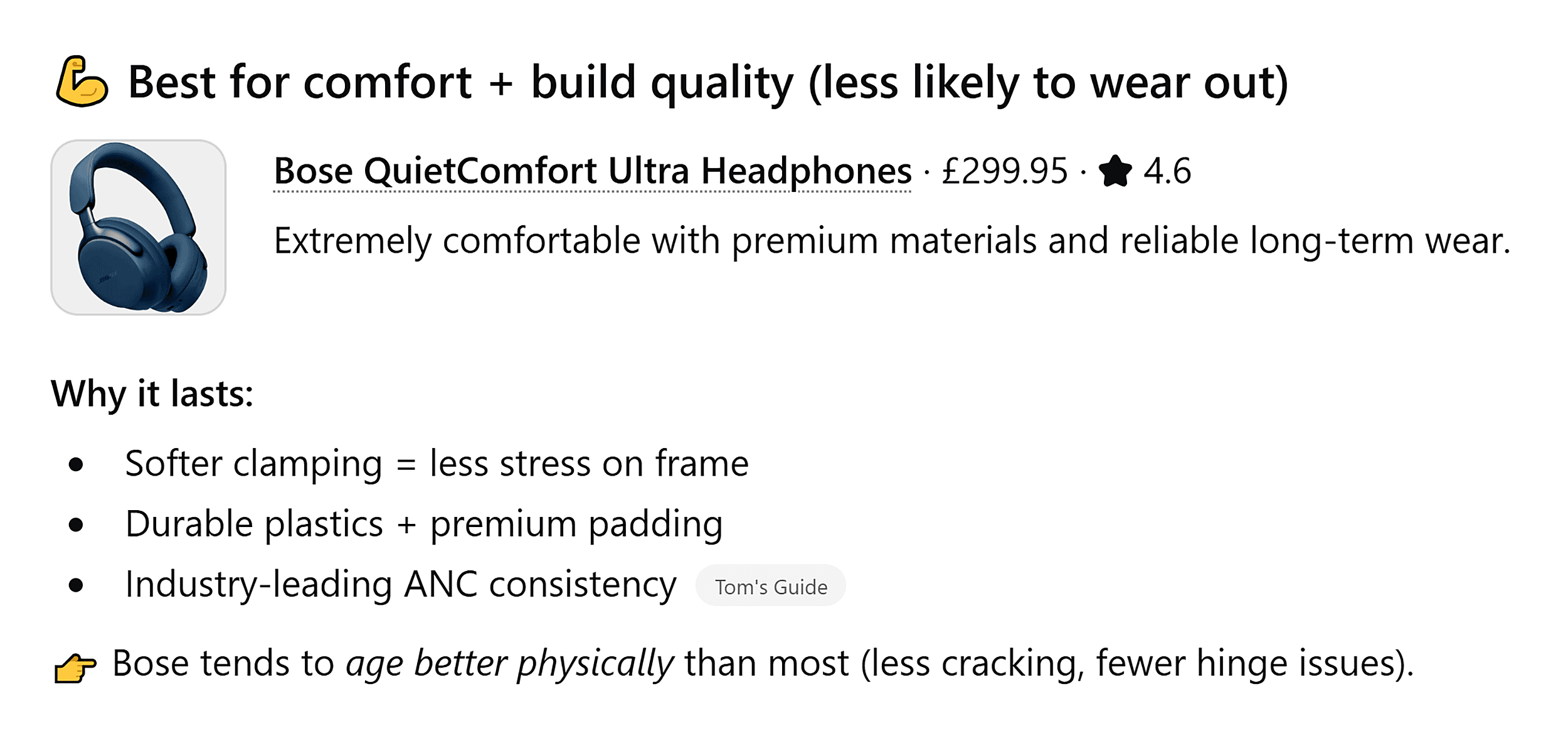
Bose, for example, effectively implements this by front-loading product claims as scannable elements ("24 hours of battery life," "legendary noise cancelation"), organizing key specs into structured comparison tables, and creating dedicated landing pages for specific use cases like "noise-canceling headphones for flights." This granular, purpose-built content directly feeds into AI’s fan-out process, making it more likely for Bose to be recommended when a user’s prompt matches a specific scenario. A complete site overhaul isn’t always necessary; strategically restructuring high-priority pages can yield significant improvements in AI citations.
6. Measuring Success in the AI Search Ecosystem
The final step in the query fan-out workflow is ongoing performance measurement within LLMs. For each identified money prompt, critical metrics include:
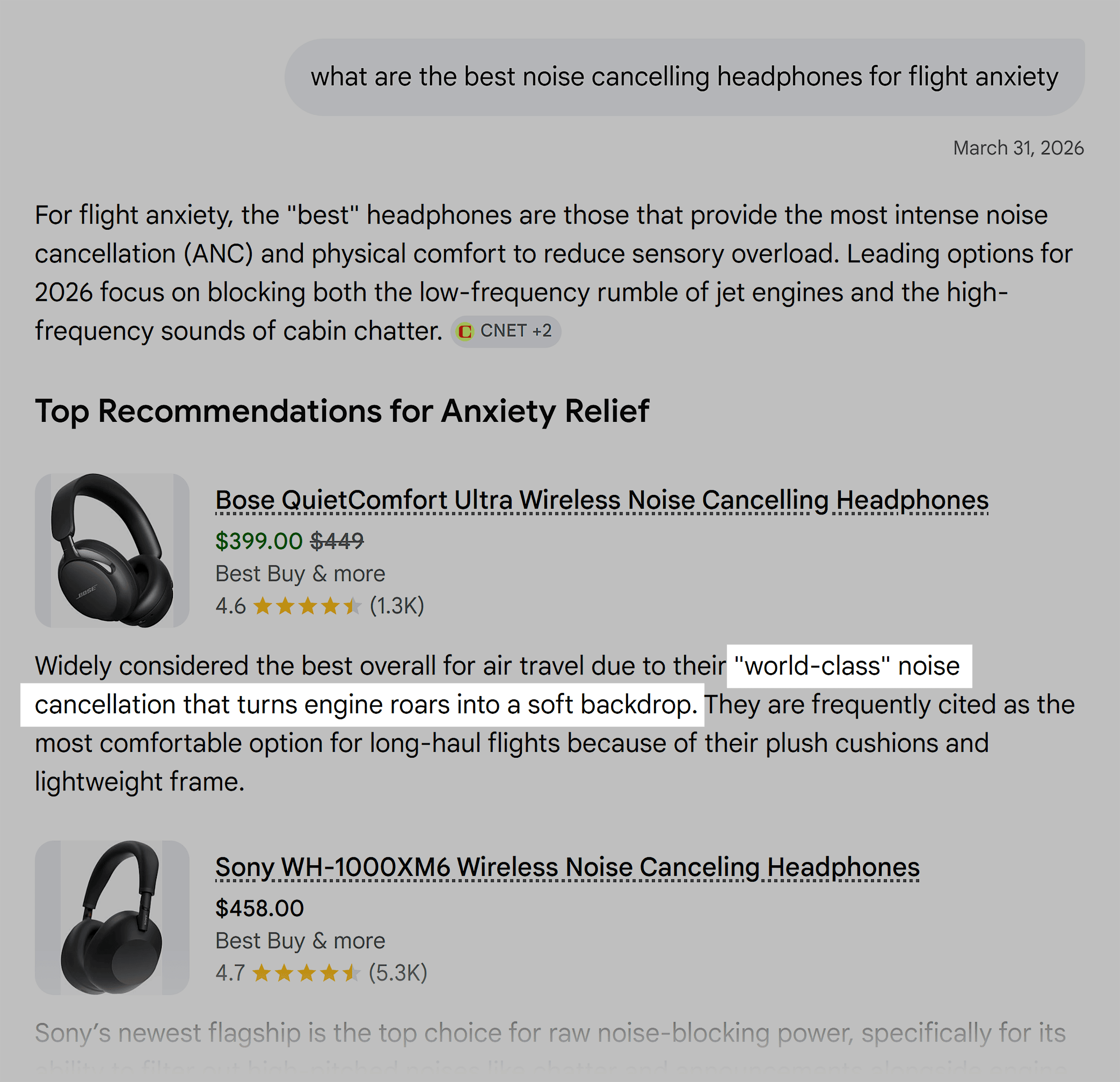
- Whether the brand is cited in the AI response.
- The exact content passage cited.
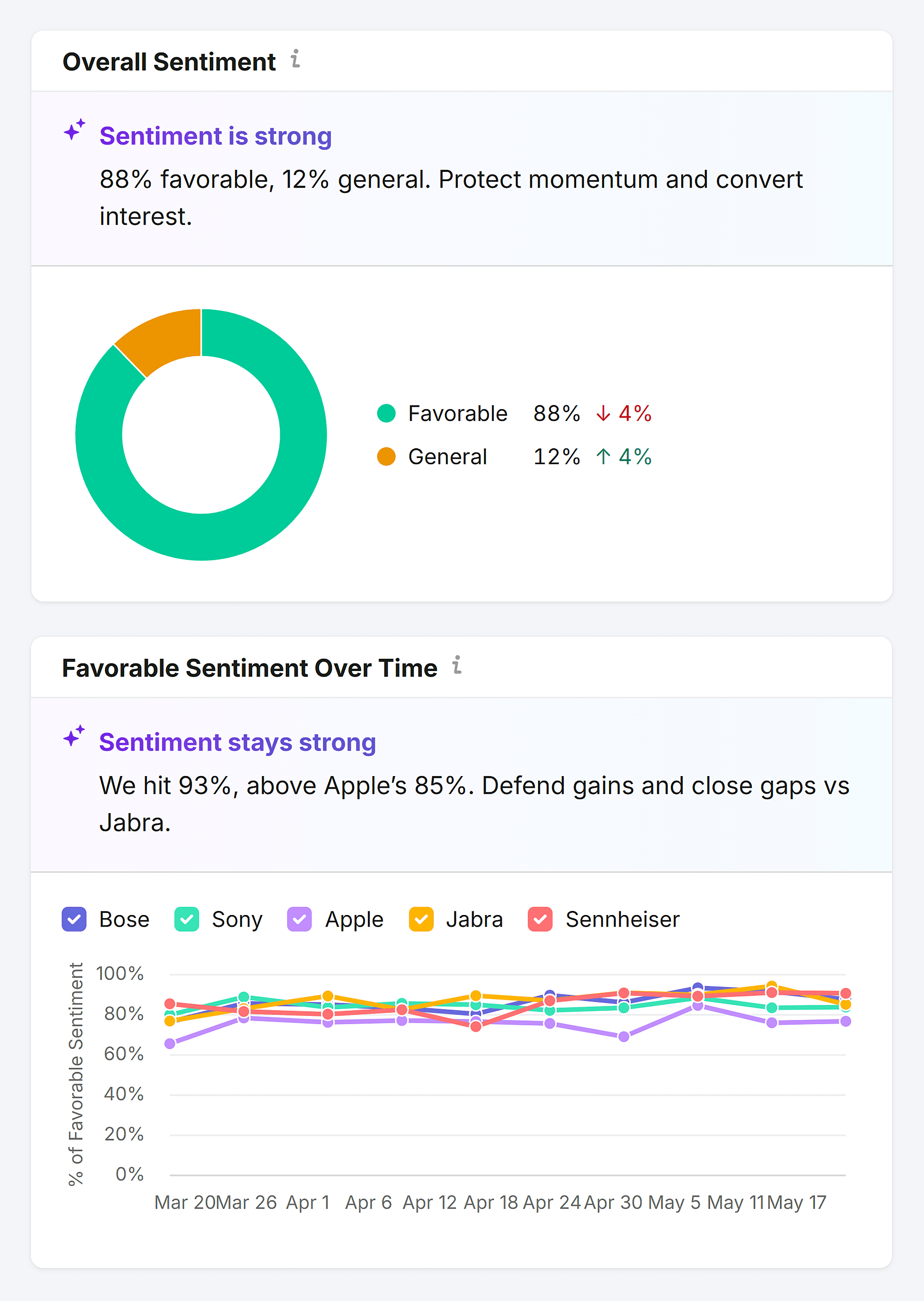
- The sentiment surrounding the brand mention.
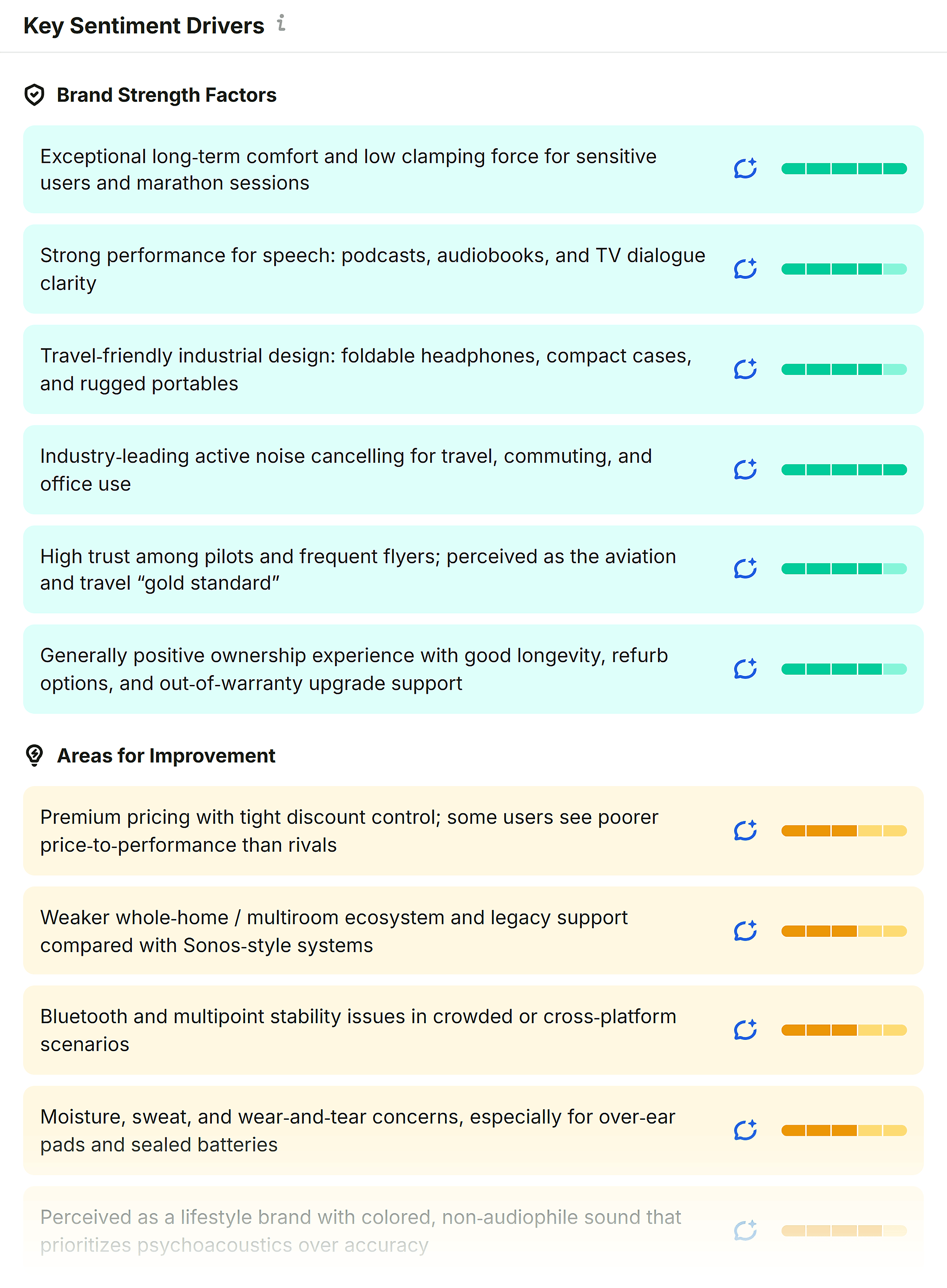
Manual tracking, involving running prompts through various LLMs in incognito mode, is feasible for a small number of queries. However, for a comprehensive strategy, automated tools are essential. Semrush’s Prompt Tracker, for instance, monitors changes in brand mentions for money prompts, eliminating the need for constant manual re-checking. The AI Visibility Overview tool provides a score tracking a brand’s appearance in AI answers relative to competitors. Furthermore, the Perception tool analyzes sentiment, revealing how LLMs describe a brand and whether competitors are mentioned more favorably, along with key sentiment drivers (e.g., "industry-leading noise cancellation" as a strength, or "over-the-ear models not sweatproof" as an area for targeted content). Tracking should be a continuous process, with regular revisiting of money prompts and content updates as new sub-queries emerge or competitive dynamics shift.
How Query Fan-Out Works Across Different Platforms
The specific way content surfaces in an AI answer is influenced by several factors, including the LLM’s architecture, its training data, and its real-time search capabilities. Understanding these platform-specific nuances helps in tailoring content strategy for maximum impact.
| Platform | How Fan-Out Works |
|---|---|
| ChatGPT | Reasons internally; runs live web searches for fresh data, comparisons, or current information. |
| Perplexity | Combines conversational context (user history, preferences) with real-time web search. |
| Claude | Clarifies user intent first through interactive questions; primarily relies on training data after clarification. |
| Google AI Overviews | Synthesizes Google’s existing web index into concise, featured-snippet-style summaries. |
| Google AI Mode | Breaks complex prompts into multiple searches across Google’s index, offering more interactive depth. |
ChatGPT: Reasoning and Real-Time Data
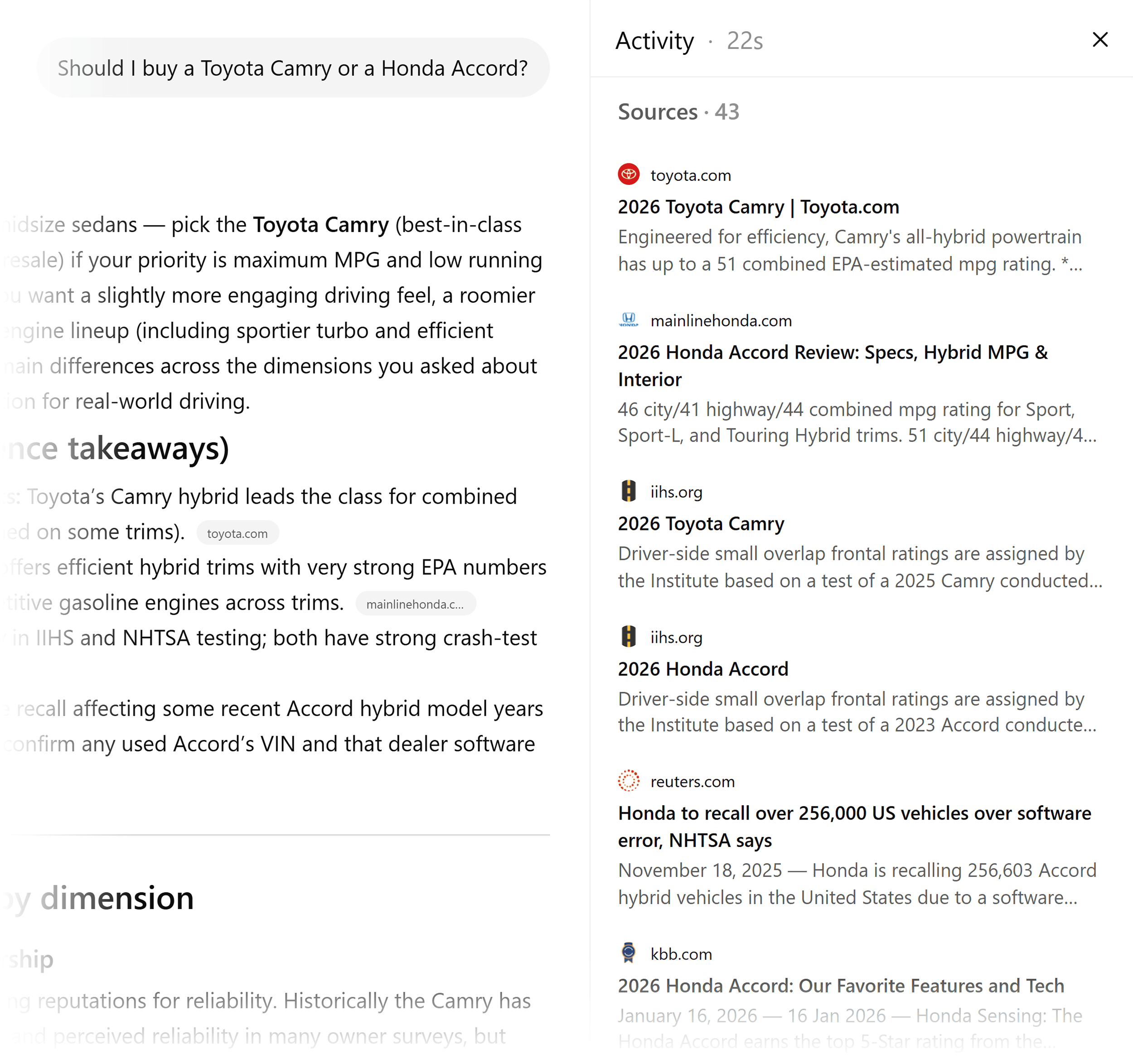
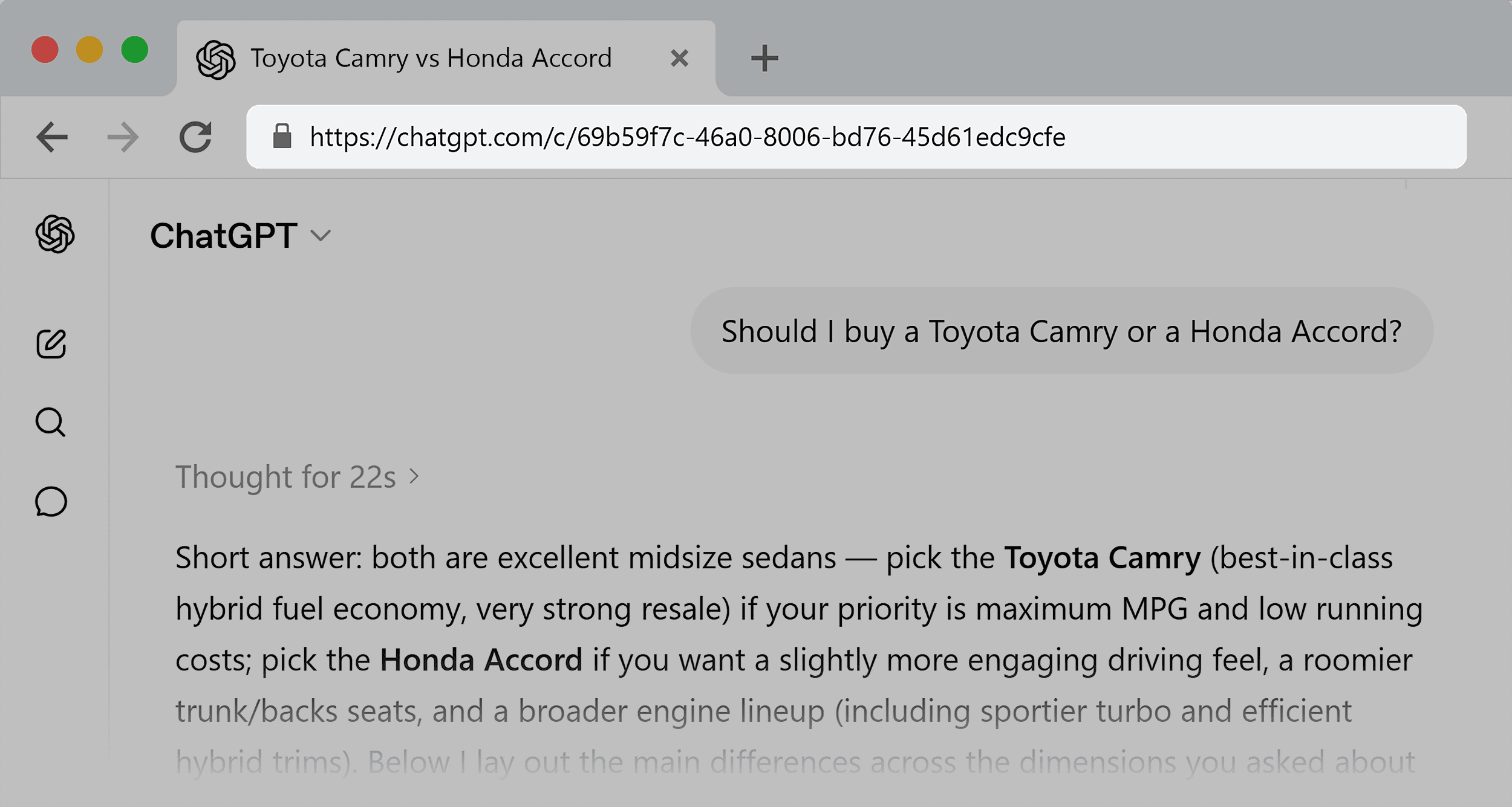
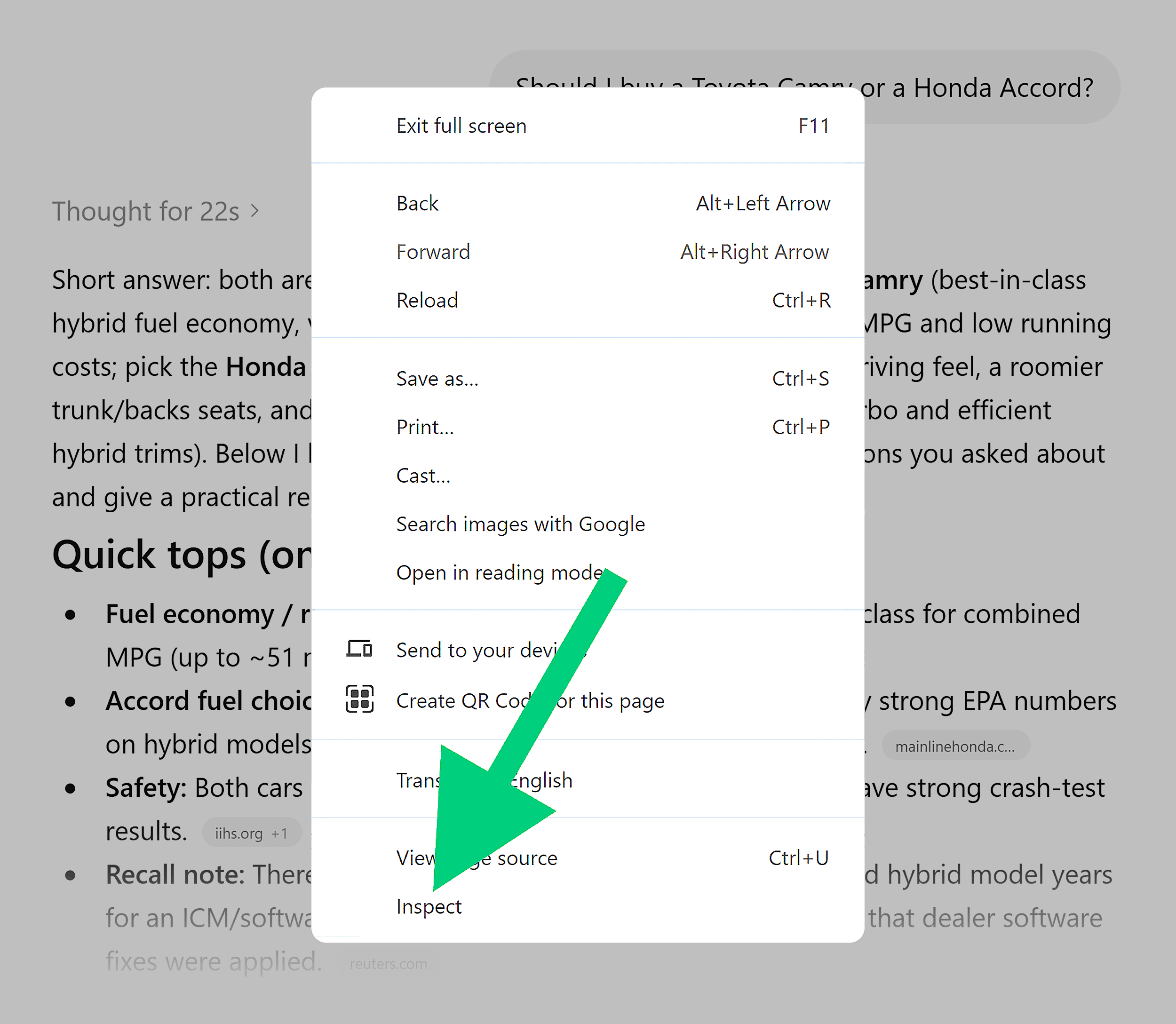
For straightforward, informational queries, ChatGPT typically draws upon its vast training data. However, when a question demands fresh information, comparative analysis, or real-world data, ChatGPT shifts gears, engaging in internal reasoning before executing live web searches. For example, a query like "Toyota vs. Honda" will prompt ChatGPT to analyze numerous sources, often generating 40+ citations. While the sub-queries are not immediately visible, developers can extract them using browser developer tools, revealing internal searches related to reliability, ownership costs, safety ratings, and more. This signifies that topical authority, extending beyond a brand’s own site to include third-party mentions (e.g., Reddit, review sites), is crucial for ChatGPT visibility.
Perplexity: Contextualizing User Intent
Perplexity employs a dual-layered fan-out. It simultaneously generates context-aware sub-queries based on the user’s conversational history and preferences, while also performing real-time web searches. This means Perplexity might first check if the user has previously mentioned budget constraints or specific driving habits before launching external searches on vehicle reliability or safety. For content creators, this implies that content needs to be exceptionally specific and self-contained, capable of remaining accurate and useful regardless of the unpredictable surrounding conversational context.
Claude: Prioritizing User Clarity
Claude takes a distinct approach by prioritizing user intent clarification. Rather than immediately fanning out into numerous sub-queries, it often presents interactive preference widgets or asks clarifying questions to narrow down the user’s needs. Only after receiving these explicit inputs does it generate a tailored response, primarily relying on its extensive training data. This mechanism results in fewer, more targeted fan-out sub-queries compared to other platforms. The implication for content is to focus on directly answering specific, well-defined use cases, rather than attempting to cover every conceivable angle on a single page.
Google’s Dual Approach: AI Overviews and AI Mode
Google integrates AI answers through two main features: AI Overviews and AI Mode. AI Overviews provide concise, AI-generated summaries directly within the search results page, with sources listed in a clickable sidebar. These overviews synthesize information from Google’s existing web index into a compact, featured-snippet-like format. AI Mode, on the other hand, is a dedicated conversational search tab designed for complex, multi-part questions, offering greater interaction and depth while also drawing from Google’s index.
Neither Google platform explicitly exposes its sub-queries to the user, but advanced SEOs have found methods to extract Google’s fan-outs using tools like Screaming Frog configured with a Gemini API. For both AI Overviews and AI Mode, the optimization strategy remains consistent: front-load answers, use clear and descriptive subheadings, and structure content so that individual passages are self-sufficient and readily extractable by AI.
The Road Ahead: Adapting to an AI-First Content World
The era of AI search, driven by the sophisticated mechanism of query fan-out, represents a significant evolution in digital content visibility. High search rankings, once the ultimate measure of online success, are no longer a solitary guarantee of AI mentions. Instead, the brands that will thrive are those that deeply understand the questions their audience is genuinely asking, and critically, make that information easily extractable and citable by AI systems.
The framework of query fan-out provides a clear roadmap for this adaptation. It demands a shift from a keyword-centric mindset to one focused on comprehensive topical authority, granular answerability, and structured content. Content creators must embark on a systematic process: identifying high-value "money prompts," dissecting them into their constituent sub-queries, auditing existing content for gaps in coverage, and meticulously structuring new and revised content to be AI-friendly. This iterative approach, starting with a single topic and progressively addressing gaps, is key to building sustainable AI visibility.
As AI platforms continue to evolve and integrate more deeply into user search experiences, a proactive and adaptive content strategy is no longer optional but essential. Brands must dive deeper into how to get their message seen, understood, and trusted across these intelligent systems. The focus must be on becoming an indispensable source of information, where content is not just found, but intelligently consumed and synthesized by the algorithms shaping tomorrow’s search. The future of content success lies in mastering the art of the query fan-out.