King of Spades Pope Phoenix and the Fusion of Hip Hop Culture and Playing Card Design

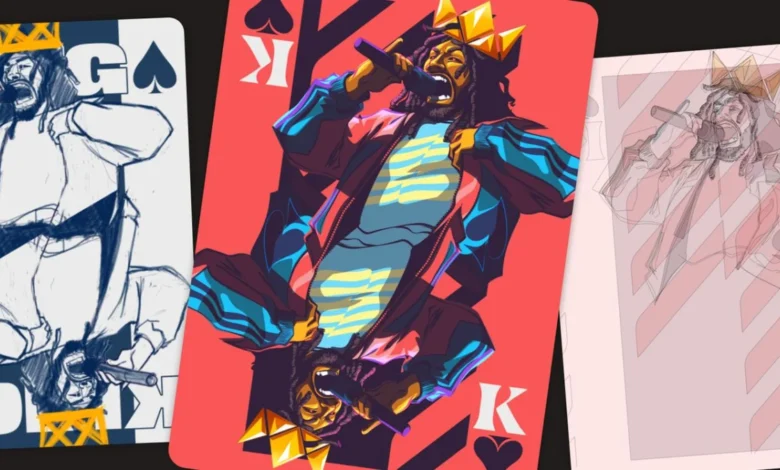
The design of a deck of playing cards represents one of the most deceptively complex challenges in the graphic arts. To the casual observer, a card is a simple rectangle featuring familiar suits and numerical values. However, for the professional illustrator, the medium demands a rigorous adherence to functional constraints: a card must remain legible when viewed upside down, across a table, or fanned in a player’s hand. It must convey a narrative within a space barely larger than a palm while maintaining a strict mathematical symmetry. For New York-based illustrator Pope Phoenix, this challenge served as the catalyst for "King of Spades," a project commissioned by software developer Affinity to explore the intersection of traditional gaming aesthetics and the vibrant visual language of hip-hop culture.
The "King of Spades" project originated from an open brief provided by Affinity, the creators of the Affinity creative suite. The objective was to design a deck that could transition from a digital concept to a physical product, showcasing the capabilities of Affinity Designer. Phoenix, whose portfolio includes work for major institutions such as IBM, PBS, and ESSENCE, utilized this opportunity to reconstruct the concept of the "royal flush" around the four fundamental pillars of hip-hop: MCing, DJing, Breaking, and Graffiti. The resulting work is a sophisticated blend of Afrofuturist aesthetics, gritty hand-drawn textures, and vector precision.
The Conceptual Framework: The Four Pillars of Hip-Hop
To understand the depth of the "King of Spades" deck, one must look at the historical context of the subculture it celebrates. Hip-hop, which emerged from the Bronx in the 1970s, was defined by its founders—most notably Afrika Bambaataa and the Universal Zulu Nation—as a movement resting on four distinct artistic expressions. Phoenix meticulously mapped these pillars onto the traditional hierarchy of a playing card deck.
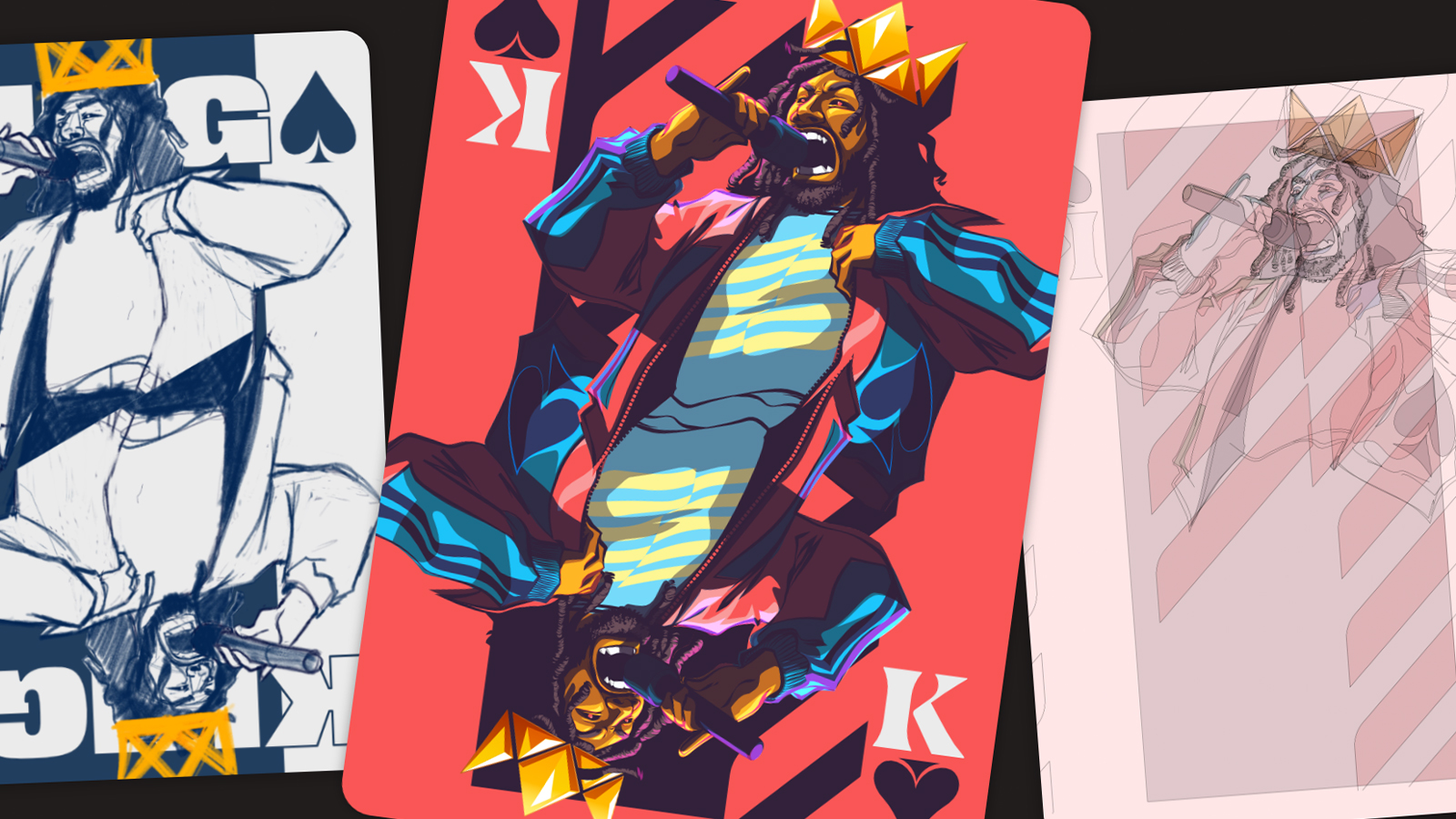
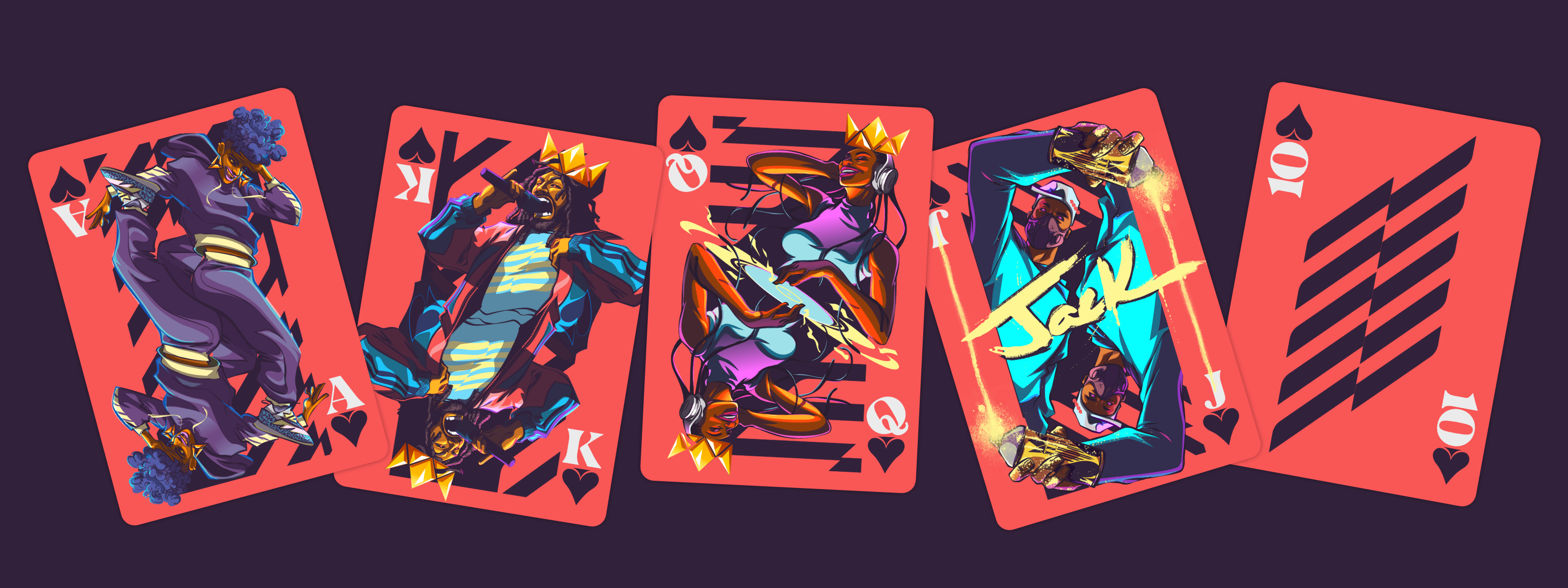
In Phoenix’s reimagining, the face cards—the King, Queen, and Jack—along with the Ace, serve as avatars for these cultural cornerstones. This choice was not merely decorative; it was an intentional effort to elevate hip-hop icons to the status of royalty. The "King" card, for instance, represents the MC (Master of Ceremonies), the vocal leader of the culture. The "Queen" and "Jack" are dedicated to the DJ, the architect of the sound, and the B-boy or B-girl, the physical manifestation of the rhythm. The "Ace," often the most powerful card in the deck, is reserved for Graffiti, the visual language that transformed urban landscapes.
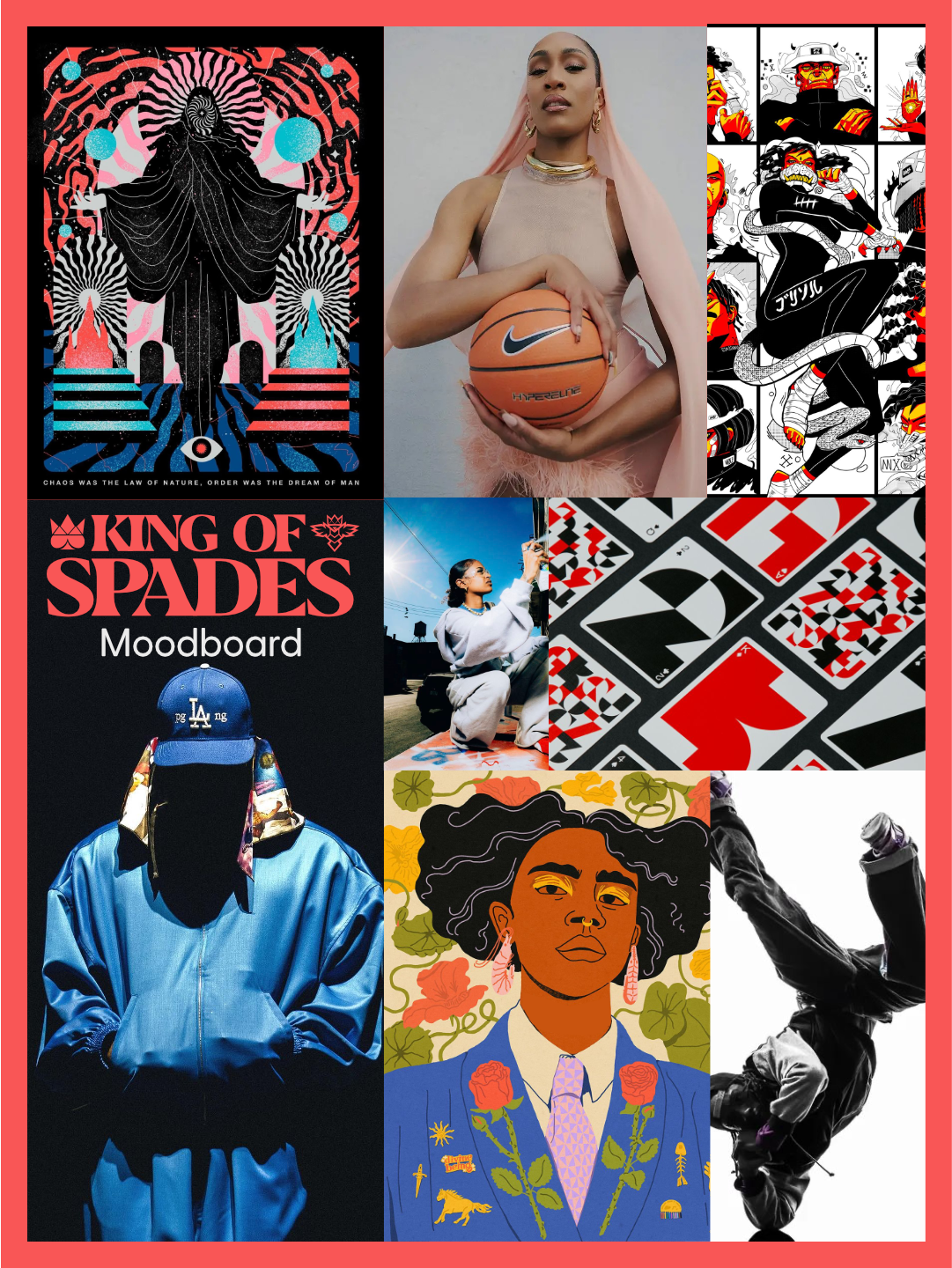
By grounding the project in these pillars, Phoenix moved beyond simple caricature. He drew inspiration from Afrofuturism—a cultural aesthetic that combines science fiction, history, and fantasy to explore the African-American experience—and the "Wakandan" royal aesthetic popularized by contemporary cinema. This framework allowed the illustrator to create characters that felt both ancient and futuristic, a hallmark of his emotionally driven editorial style.
The Technical Evolution: From Sketchbook to Vector
The development of the "King of Spades" deck followed a rigorous professional chronology, beginning with analog ideation and concluding with high-end digital rendering. Phoenix’s process emphasizes the importance of foundational drawing, even when the final output is intended for digital distribution.
Phase 1: Research and Ideation
The initial stage involved a deep dive into the structural requirements of playing cards. Phoenix researched the visual history of traditional decks, such as the standard French-suited patterns, to understand why certain layouts have persisted for centuries. He concluded that the "mirrored" face card structure—where the illustration is flipped along a horizontal axis—was non-negotiable for functionality. This phase also involved gathering references for Afrofuturist fashion and hip-hop equipment, such as the MPC (Music Production Center) sampler, which would later become a recurring motif in the deck’s pattern work.
Phase 2: Analog Sketching and Raster Refinement
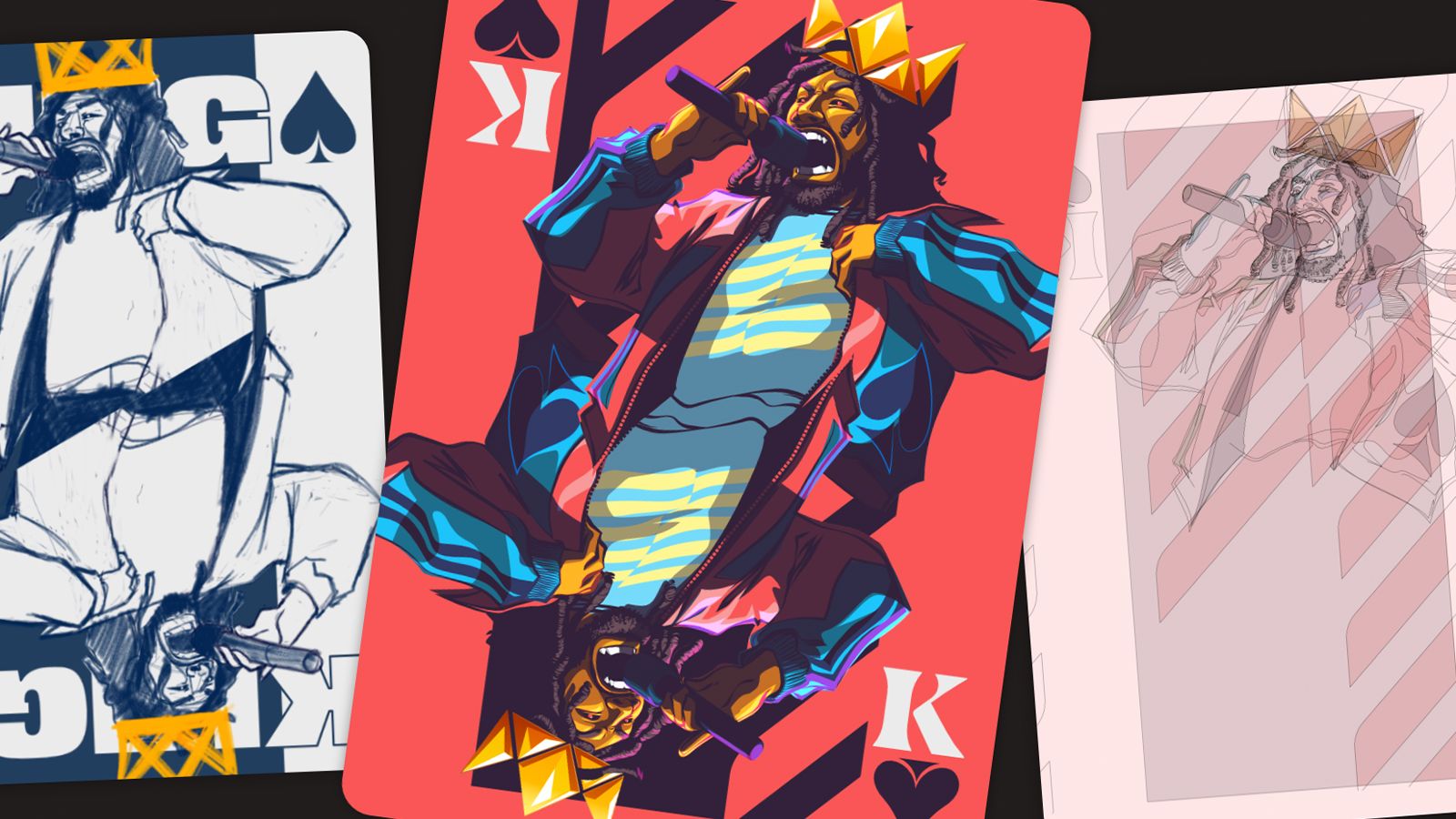
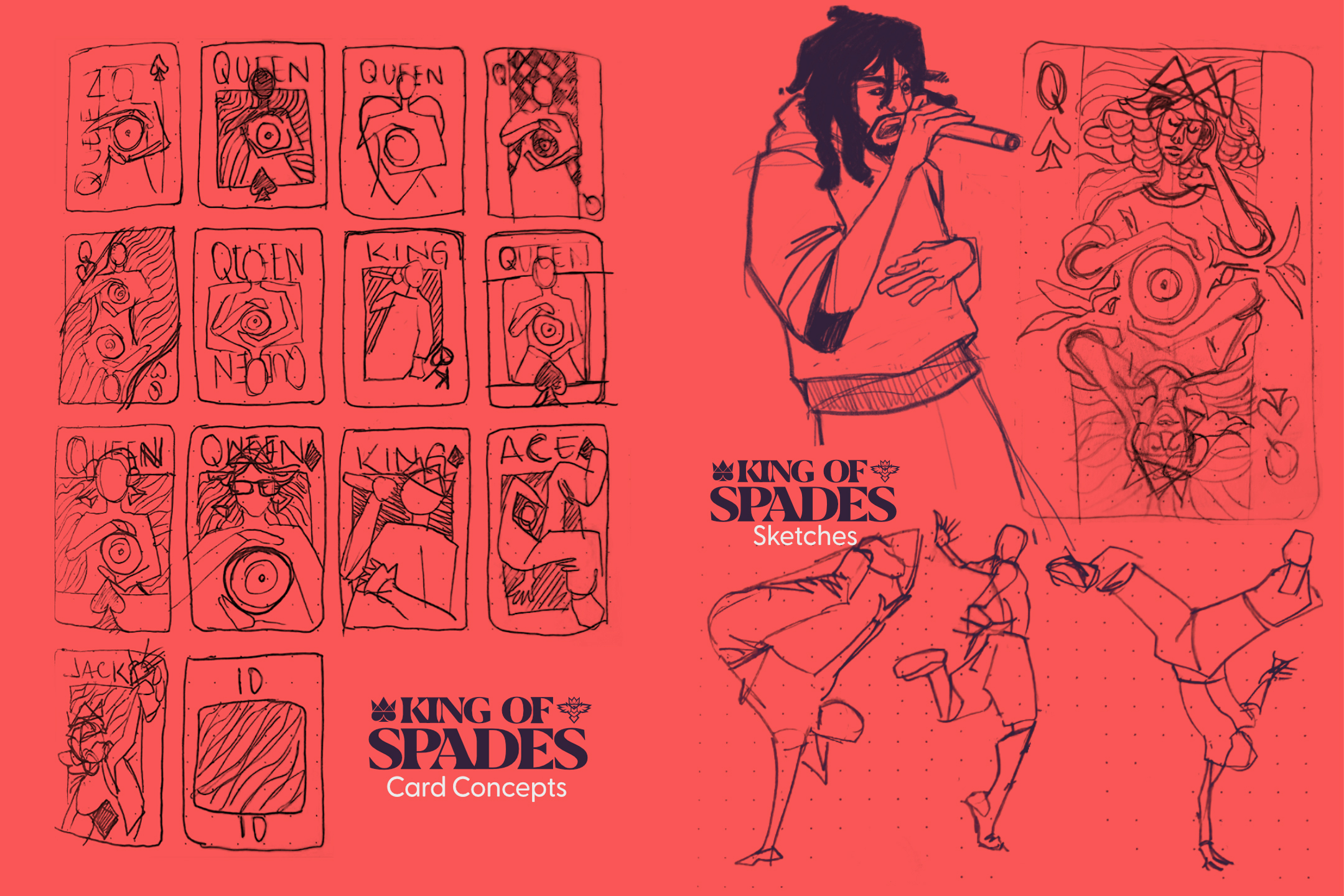
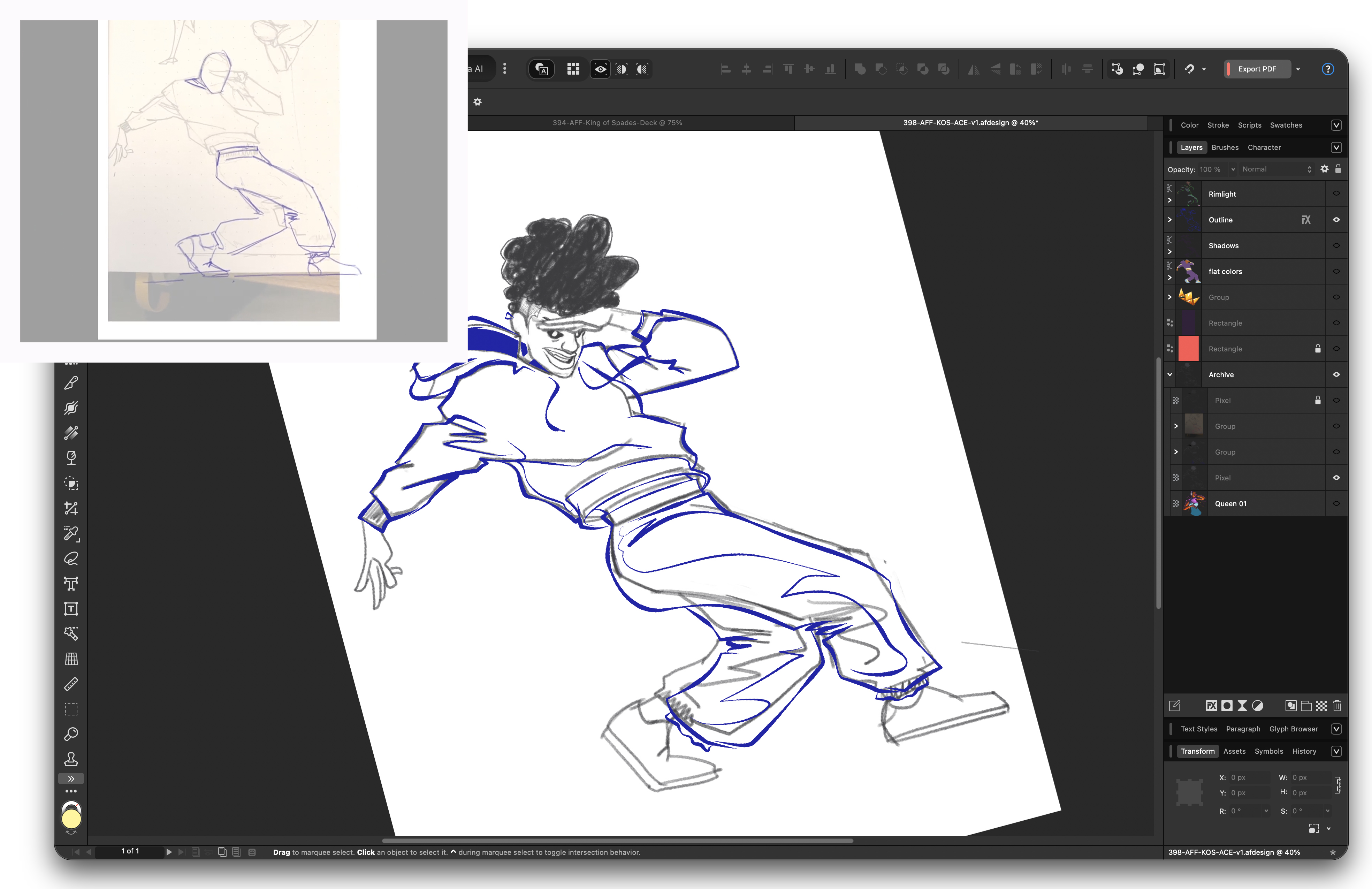
Before touching vector software, Phoenix produced a series of rough thumbnails in a physical sketchbook. These sketches were then scanned and imported into the "Pixel Persona" of Affinity Designer. Using raster pencil brushes, he refined these thumbnails into detailed digital drawings. Phoenix describes these sketches as a "foundation rather than a final drawing," allowing room for the illustrations to evolve as the technical requirements of the mirrored layout became more apparent.
Phase 3: Vectorization and Symmetrical Logic
The transition to vector art is where the project met its greatest technical hurdle. Creating a character that looks aesthetically pleasing in a standard orientation is straightforward; creating one that interlocks perfectly with its own inverted reflection is a feat of geometric engineering. Phoenix had to constantly adjust poses, limb placements, and accessory details to ensure that the "split" in the middle of the card did not disrupt the visual flow. He noted that the mirrored layout ultimately strengthened the deck, as it forced a level of conciseness and clarity that a standard portrait might lack.
Color Theory and Visual Identity
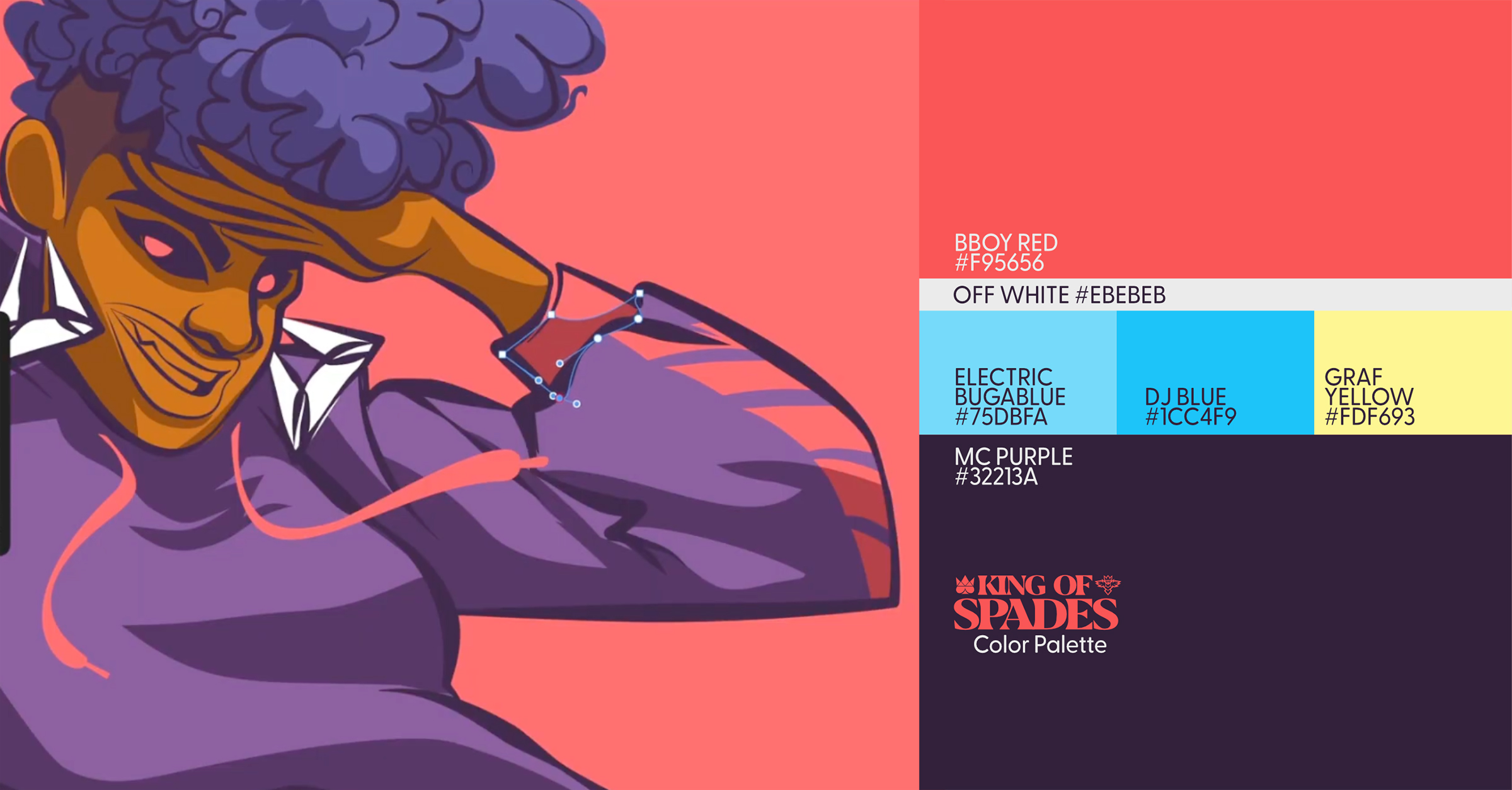
The palette of the "King of Spades" deck is a deliberate departure from the traditional red, black, and white of standard playing cards. Phoenix sought to capture the energy and "neon-lit" vibrancy of urban nightlife and graffiti culture.
The core of the palette is a rich, muted red with a specific mid-range luminosity. When isolated, the red appears understated, but it gains a vibrant "glow" when placed against its primary counterpart: a deep, moody purple. These are supported by a secondary palette of dull yellow and vibrant blue. For highlights, Phoenix employed a light "electric" blue, which provides a futuristic, high-contrast edge to the character designs. Off-white was used for typography and graphic accents, ensuring that the suit symbols and numerical values remained legible against the complex illustrations.
This approach to color mirrors traditional painting techniques, where "temperature" and contrast are used to create depth. By avoiding pure blacks and stark whites in the character work, Phoenix achieved a more painterly, organic feel that bridges the gap between digital art and classical illustration.
Hand-Crafted Details and Lettering
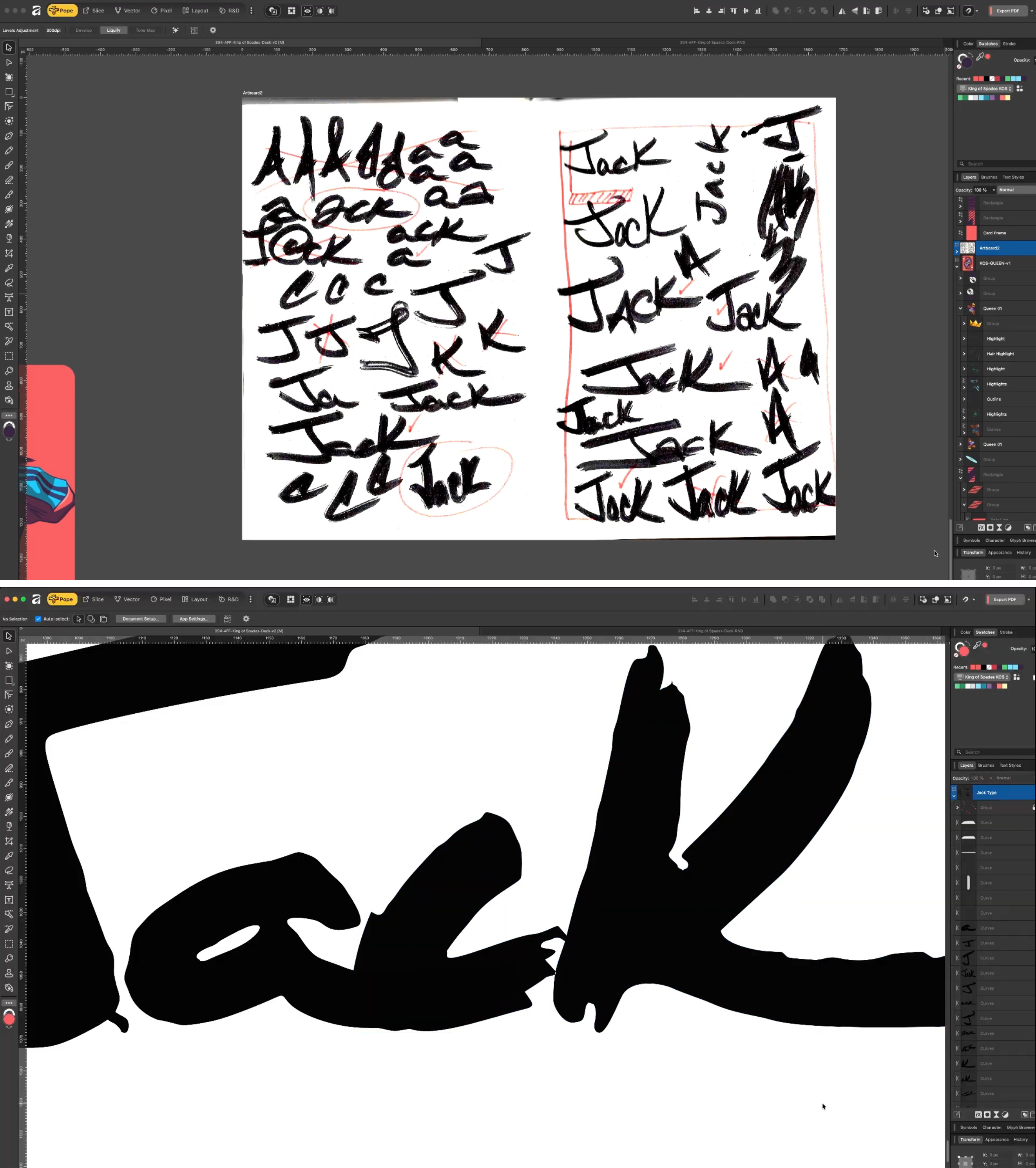
In a move to preserve the "gritty" essence of hip-hop’s origins, Phoenix integrated physical media into the digital workflow. This is most evident in the custom lettering for the "Jack" and "King" titles. Rather than relying on pre-existing typefaces, which can often feel sterile, the illustrator opted for a manual approach inspired by the raw, expressive style of designers like James Victore.
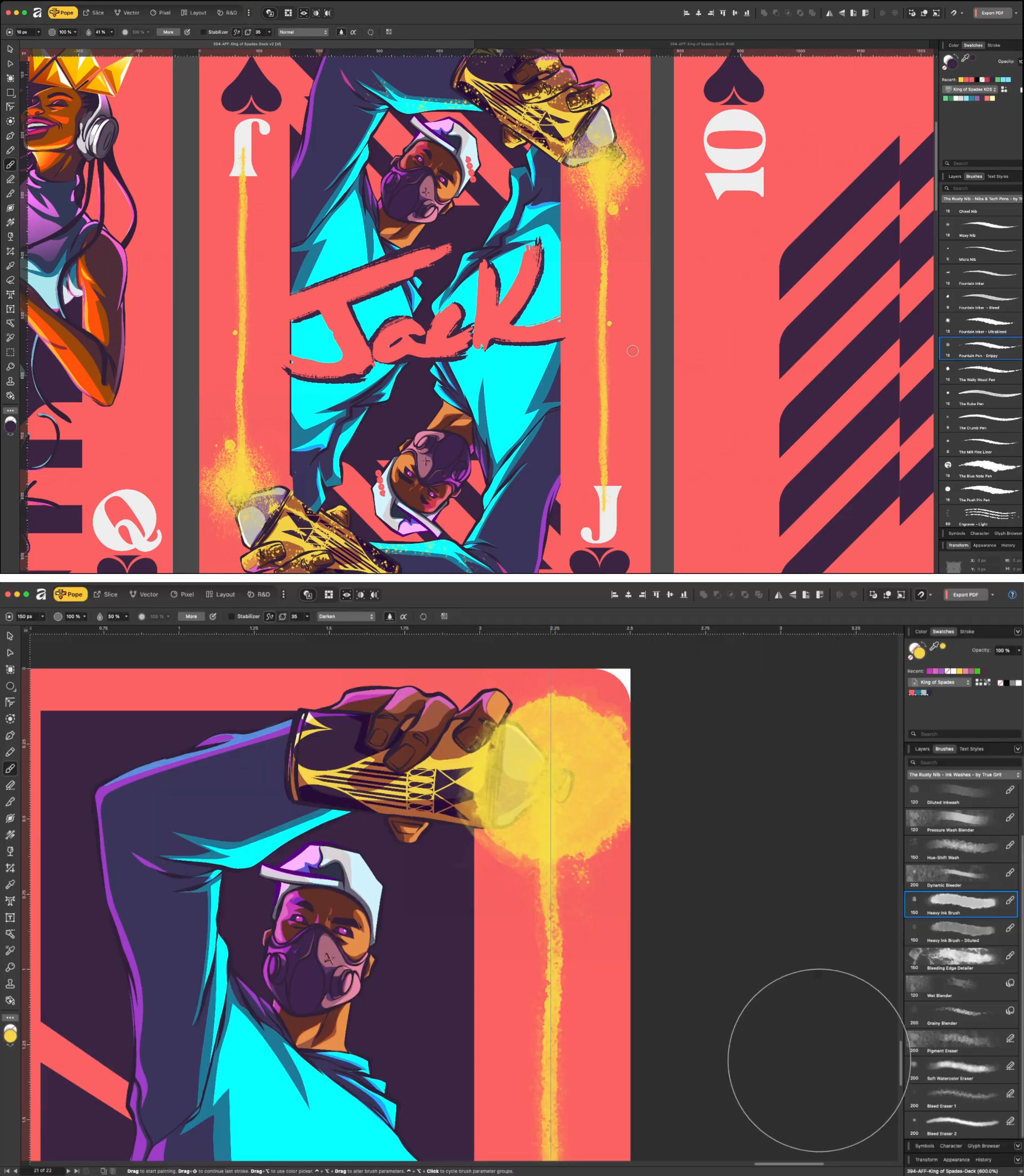
Phoenix modified a Tombow marker by using a razor blade to roughen the nib, creating a tool that produced unpredictable, textured strokes. He then sketched the lettering multiple times, selecting the most "imperfect" and energetic versions to scan into the project. To further enhance the urban aesthetic, he utilized digital brushes from True Grit Texture Supply to simulate the chaotic overspray of a spray-paint can. This layering of "clean" vectors and "dirty" textures creates a visual tension that reflects the dual nature of hip-hop: a culture that is both meticulously produced and spontaneously raw.
Broader Impact and Industry Implications
The "King of Spades" project is more than a single artist’s endeavor; it reflects several broader trends in the design and gaming industries.
- The Rise of Alternative Design Software: For years, the professional illustration market was dominated by a single subscription-based ecosystem. Phoenix’s use of Affinity Designer highlights a growing shift among elite professionals toward alternative tools that offer robust, "one-time purchase" models without sacrificing the high-level features required for complex projects.
- The Resurgence of Custom Playing Cards: The market for "designer" playing cards has exploded over the last decade, driven by platforms like Kickstarter and luxury brands like Theory11. Collectors now view decks as portable art galleries. By centering a deck on hip-hop and Afrofuturism, Phoenix is tapping into a market that craves cultural diversity and high-concept storytelling in traditional formats.
- Cultural Representation in Gaming: Historically, playing cards have featured European royal iconography. Projects like "King of Spades" challenge this norm by placing Black identity and urban history at the center of the "royal" hierarchy. This serves as a significant example of how contemporary illustrators are using their platforms to reclaim and redefine classic imagery.
Conclusion and Future Outlook
The final stage of the "King of Spades" project involved the creation of the card backs and the number 10 card, which serves as the bridge between the face cards and the rest of the deck. Phoenix developed a repeating pattern based on the MPC sampler, rotating and flipping elements to create a complex geometric tapestry. This ensures that the deck is visually cohesive from every angle.
Looking forward, Phoenix has expressed interest in expanding the project into a full 52-card physical release. He also reflected on technical improvements, such as building a dynamic "Symbol" template system in Affinity Designer to automate layout updates across the entire deck.
As an editorial piece, "King of Spades" stands as a testament to the power of the open brief. When given the freedom to merge his personal heritage with his professional craft, Pope Phoenix produced a work that is functionally sound for the card table and culturally significant for the gallery. The project confirms that even the most established design formats can be revitalized through the lens of modern subcultures and the precision of contemporary digital tools.
Related posts: