Maximizing Holiday 2026 Reach: A Comprehensive Guide to Organic TikTok Marketing Strategies

As the marketing landscape continues its rapid evolution, brands are already setting their sights on the crucial second half of 2026, with particular emphasis on holiday promotional strategies designed to amplify reach, cultivate awareness, and drive sales. While many organizations possess well-established promotional calendars or robust frameworks for seasonal campaigns, the dynamic nature of social media consumption mandates a continuous reassessment of traditional methodologies. The imperative to build a robust, organic presence on emerging and dominant platforms like TikTok has become undeniable, offering unparalleled opportunities to engage with burgeoning audiences and capitalize on shifting consumer behaviors. This comprehensive overview, part of a series examining foundational organic social media strategies across major platforms, delves into the intricacies of TikTok, a platform that has unequivocally cemented its position as a pivotal connector for younger demographics and a significant force in the broader digital ecosystem. Understanding and mastering its unique dynamics is paramount for any brand aiming for sustained success in the upcoming holiday season and beyond.
The digital advertising realm is currently experiencing a profound transformation, driven by shifts in user engagement, privacy regulations, and the relentless innovation of social media platforms. In this evolving environment, TikTok has emerged not merely as a fleeting trend but as a fundamental pillar of digital communication and commerce. Its short-form video format, powered by a highly sophisticated recommendation algorithm, has cultivated an unprecedented level of user engagement, particularly among Gen Z and younger millennial cohorts. This demographic, often described as digitally native, exhibits distinct consumption patterns, favoring authentic, engaging, and often ephemeral content over traditional, highly polished advertising. For brands, this necessitates a paradigm shift from conventional push marketing to a strategy rooted in native content creation, community participation, and genuine interaction. The urgency to adapt is heightened by the looming holiday season of 2026, a period where consumer spending reaches its zenith, and competitive noise is at its peak. Establishing an organic presence on TikTok now serves as a critical preparatory step, laying the groundwork for more expansive paid campaigns and ensuring brand resonance when it matters most.
Strategic Planning for Holiday 2026: A Proactive Approach
The lead-up to the 2026 holiday season is not merely a tactical execution period but a strategic planning window. Brands that begin their TikTok strategy development early will possess a significant competitive advantage. This involves more than just content creation; it encompasses deep market research, audience understanding, and the establishment of measurable objectives. Industry analysts consistently highlight that the most successful holiday campaigns are those built upon months of data collection and iterative content testing. For TikTok, this means immersing teams in the platform’s culture, understanding its unique language, and identifying the emerging trends that will define consumer sentiment in the coming months. The timeline for this proactive engagement typically commences at least six to nine months prior to the holiday peak, allowing ample time for experimentation, audience feedback integration, and the refinement of content pillars that genuinely resonate.
Leveraging TikTok Trends: The Core of Organic Growth
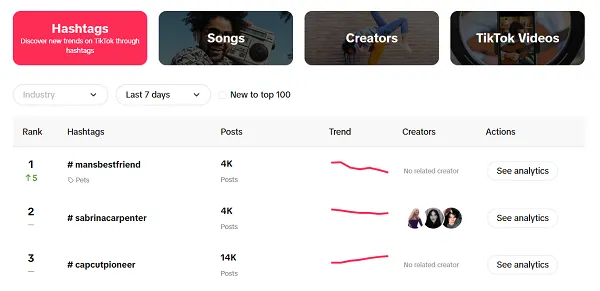
At the heart of any effective TikTok strategy lies the intelligent utilization of trending content. Unlike other platforms where trends might be secondary, on TikTok, trends are the algorithm. The platform’s commitment to providing marketers with robust insights is evident through tools like the free TikTok Trends tool. This invaluable resource allows brands to meticulously track trending topics, sounds, hashtags, and creators, segmented by region and industry sector. For instance, a fashion retailer targeting the North American market can identify burgeoning style aesthetics or viral challenges that are currently captivating their demographic. A consumer electronics brand might uncover trending unboxing videos or DIY tech hacks that offer a natural entry point for product integration.
The TikTok Trends tool offers granular data, including trend velocity, engagement rates, and demographic breakdowns of participants. This level of detail enables marketers to move beyond mere observation to strategic participation. By understanding why a trend is gaining traction and who is driving its adoption, brands can craft content that feels organic and authentic, rather than forced or opportunistic. For example, if a specific audio track is trending, a brand can develop a video concept that incorporates that audio in a creative, brand-aligned manner, tapping into the existing momentum and increasing the likelihood of algorithmic favorability.
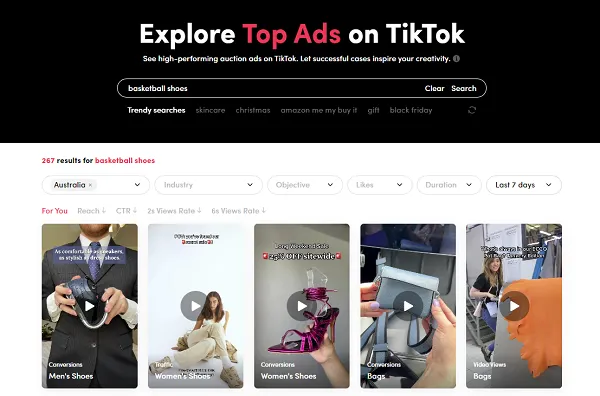
Beyond general trends, TikTok also provides a comprehensive "Top Ads listing." This feature offers an unparalleled window into the most successful paid campaigns across various regions, industries, objectives, and formats. By dissecting these top-performing advertisements, marketers can glean critical insights into effective storytelling, call-to-action strategies, and visual aesthetics that resonate with the TikTok audience. Analyzing the comments section of these successful ads further enriches this understanding, revealing direct consumer feedback, questions, and pain points. This qualitative data is invaluable for shaping not only ad strategies but also informing organic content that directly addresses audience interests and provides value. For example, if users are consistently asking about product features in the comments of a competitor’s ad, a brand can proactively create organic content that showcases those features in an engaging, educational format. This dual approach—leveraging organic trends for reach and analyzing top ads for conversion insights—forms a powerful synergy, enhancing both brand visibility and direct response capabilities.
Curating Content Themes and Formats: Building a Brand Blueprint
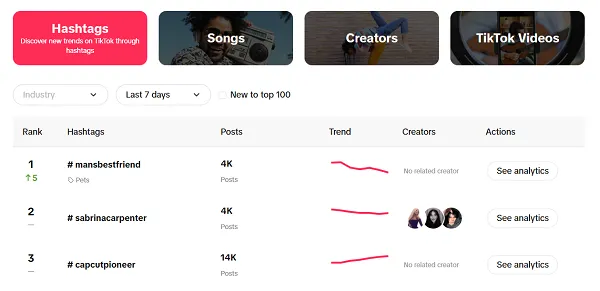
The insights gleaned from TikTok Trends and Top Ads are not merely academic; they are the foundational elements for constructing a brand’s content blueprint. Marketers must systematically categorize key themes, popular video formats, and resonant narrative styles that are gaining significant traction with TikTok users. This structured approach moves beyond anecdotal observation to data-driven content planning. For instance, if comedic skits, instructional tutorials (often referred to as "how-to" videos), or behind-the-scenes glimpses are consistently performing well within a specific niche, brands should prioritize these formats.
The unique characteristics of short-form video demand specific creative considerations. Content must be concise, visually arresting, and immediately engaging. The first few seconds are critical for hooking viewers and preventing scrolls. Brands should experiment with various video lengths, from ultra-short 5-second clips to slightly longer 30-60 second narratives, observing which formats yield the highest completion rates and engagement. Emphasis should be placed on authenticity over perfection, a hallmark of TikTok’s culture. User-generated content (UGC), when integrated effectively, can significantly boost credibility and relatability. Brands can encourage UGC through contests, challenges, or by simply featuring customer content with proper attribution.
Furthermore, TikTok’s suite of interactive features, including polls, Q&A stickers, and Duet/Stitch functionalities, offers powerful avenues for community engagement. Brands can leverage these features to directly interact with their audience, solicit feedback, and foster a sense of participation. A brand launching a new product for the holidays, for example, could use a poll to let users vote on their favorite colorway or use the Q&A feature to answer common pre-purchase questions, thereby building anticipation and direct engagement.
The Power of Influencer Marketing: Authentic Connections
In the decentralized landscape of TikTok, influencers often possess a more profound understanding of the platform’s nuances and audience preferences than many established brands. Collaborating with creators is not merely an amplification strategy; it’s a bridge to authentic engagement. TikTok’s Creator Marketplace and the general trends tool allow brands to identify popular creators by topic, engagement metrics, and audience demographics. This data-driven approach ensures that influencer partnerships are strategic and aligned with specific marketing objectives.
The distinction between micro-influencers and macro-influencers is particularly relevant on TikTok. While macro-influencers offer broad reach, micro-influencers (typically with 10,000 to 100,000 followers) often boast higher engagement rates and a more niche, dedicated audience. Their content tends to feel more genuine and less overtly commercial, leading to higher trust and conversion rates. For holiday campaigns, a mix of both can be effective: macro-influencers for broad awareness pushes, and micro-influencers for targeted product features and authentic testimonials.
Effective influencer partnerships require clear briefs, mutual understanding of brand values, and creative freedom for the creator. Brands must resist the urge to overly script influencer content, as this often diminishes authenticity, a cardinal sin on TikTok. Instead, focus on providing key messages, product benefits, and brand guidelines, allowing creators to translate these into their unique voice and style. Measuring the ROI of influencer campaigns involves tracking metrics such as reach, engagement, website traffic, and direct conversions, often facilitated by unique tracking links or discount codes. Statements from marketing thought leaders often underscore the importance of long-term relationships with influencers, fostering genuine advocacy rather than one-off transactions.
Formulating a Comprehensive TikTok Strategy: From Research to Execution
Armed with research from trends, top ads, and influencer insights, marketers are well-positioned to construct a holistic TikTok strategy for the 2026 holiday season. This strategy must be meticulously aligned with the brand’s overarching marketing objectives and tailored to resonate with the specific interests of its target audience on TikTok. Key components of this strategic framework include:
- Content Pillars: Defining core themes and message categories that align with brand identity and audience interests. For a holiday campaign, these might include gift guides, festive tutorials, behind-the-scenes holiday preparations, or user-generated content challenges related to holiday celebrations.
- Content Calendar: Developing a detailed schedule for content creation and posting, ensuring a consistent and timely presence. This calendar should integrate seasonal peaks, product launches, and relevant holiday events.
- Tone of Voice and Visual Identity: Establishing a distinctive brand voice that is authentic to TikTok – often playful, informative, and engaging – while maintaining visual consistency.
- Community Management: Allocating resources for active engagement with comments, direct messages, and user-generated content. Responsiveness and authentic interaction build brand loyalty.
- Paid Amplification: While the focus here is organic, a robust organic strategy often informs and enhances paid TikTok campaigns. Identifying high-performing organic content to boost with ads can significantly increase ROI.
- Cross-Platform Synergy: Integrating TikTok content and campaigns with other social media platforms and the brand’s e-commerce site. For example, linking TikTok Shop to product pages or cross-promoting TikTok challenges on Instagram and Facebook.
The ability to stay agile and responsive to emerging trends is critical. TikTok’s landscape can shift rapidly, with new sounds or challenges gaining virality overnight. Brands must establish internal processes to monitor these shifts continuously and be prepared to adapt their content strategy accordingly. This could involve daily trend checks, weekly team brainstorms, and rapid content production cycles to capitalize on fleeting opportunities.
Data-Driven Optimization: The Role of Analytics
The final, yet continuous, stage of any effective TikTok marketing strategy involves rigorous analysis of performance data. TikTok’s built-in analytics dashboard provides a wealth of insights into content performance, audience demographics, and follower growth. Marketers must delve into these metrics to understand what is resonating and what is falling flat. Key Performance Indicators (KPIs) to monitor include:
- Reach and Impressions: How many unique users saw the content and how many times it was viewed.
- Engagement Rate: Likes, comments, shares, and saves relative to views. This is a crucial indicator of content resonance.
- Video Completion Rate: The percentage of viewers who watched the entire video, indicating content stickiness.
- Follower Growth: Tracking the increase in audience size.
- Profile Visits and Website Clicks: Measuring direct traffic generated from TikTok.
- Conversion Metrics: For campaigns linked to sales, tracking actual purchases or lead generations originating from TikTok.
By meticulously studying these analytics, marketers can identify patterns, double down on successful content formats and themes, and pivot away from underperforming strategies. A/B testing different creative approaches, call-to-actions, and posting times can provide valuable iterative learning. For example, testing two versions of a product demonstration video—one humorous, one informative—can reveal which style better captivates the target audience. This continuous feedback loop of creation, analysis, and optimization is fundamental to cultivating a thriving and effective brand presence on TikTok. The insights gained from direct user responses and engagement metrics provide concrete data for refining future content, ensuring that marketing efforts are always aligned with audience preferences and platform best practices.
Broader Implications for Brand Engagement and E-commerce
The successful integration of TikTok into a brand’s holiday marketing strategy for 2026 carries significant broader implications beyond immediate sales. Firstly, it substantially enhances brand visibility and cultural relevance, particularly among younger, highly influential consumer segments. A brand that effectively engages on TikTok is perceived as modern, authentic, and attuned to contemporary culture. Secondly, TikTok is increasingly becoming a powerful driver of direct-to-consumer (DTC) e-commerce. Features like TikTok Shop, in-app product tagging, and live shopping events are transforming the platform into a formidable shopping destination. Brands that master organic content can seamlessly integrate product discovery into entertainment, blurring the lines between content consumption and purchase intent. This integration of commerce and content represents a significant competitive advantage.
Furthermore, TikTok fosters unparalleled community building. By encouraging user-generated content, facilitating direct interaction, and participating in trends, brands can cultivate a loyal following that acts as a powerful advocacy network. This community-centric approach builds brand equity and resilience, crucial in a fragmented media landscape. Lastly, insights gleaned from TikTok trends and user feedback can inform broader product development and marketing strategies. The platform acts as a real-time focus group, providing invaluable intelligence on consumer desires, emerging aesthetics, and unmet needs.
Challenges and Future Outlook for TikTok Marketing
Despite its immense potential, navigating TikTok presents its own set of challenges. The platform’s fast-paced, trend-driven nature demands constant vigilance and agile content creation. The risk of misinterpreting trends or creating content that appears inauthentic can lead to negative brand perception. Additionally, the evolving regulatory landscape surrounding data privacy and international relations adds a layer of complexity for global brands. However, the overarching consensus among marketing experts is that TikTok’s influence is only set to grow. With continued investment in e-commerce features, advanced analytics, and creator monetization, the platform will remain a cornerstone of digital marketing strategies for the foreseeable future. Brands that commit to understanding its unique ecosystem, embrace authenticity, and leverage its powerful trend-spotting tools will be best positioned to unlock its full potential for the 2026 holiday season and beyond, cementing their place in the cultural conversation and driving substantial commercial success.
Related posts: