The Emergence of Isar Aerospace and the Growing Demand for Bespoke Orbital Access

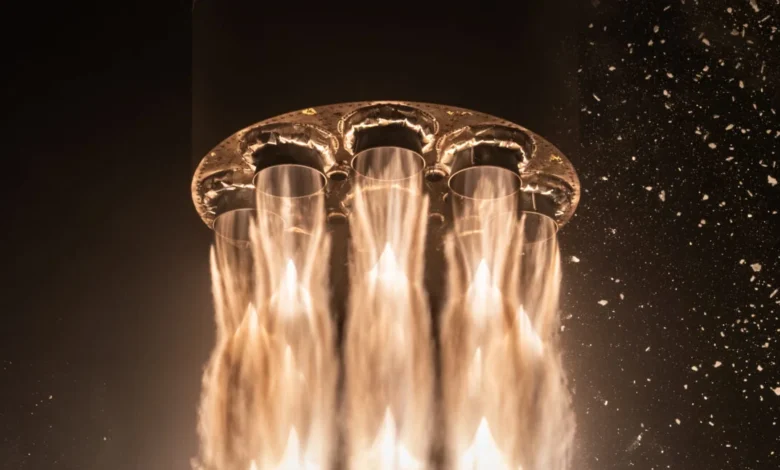
The global space industry is currently navigating a period of profound transition as the historic reliance on massive, consolidated launch providers begins to shift. While SpaceX’s Falcon 9 has long served as the backbone of global orbital deployment, recent indicators of a "launch crunch"—exacerbated by the company’s internal reallocations and the high-stakes developmental phase of the Starship vehicle—have pushed satellite operators to seek alternative, dedicated pathways to orbit. Against this backdrop, the German launch startup Isar Aerospace has achieved a pivotal milestone, successfully reaching orbit with its Spectrum rocket. This achievement, following a difficult initial test flight last year, marks a significant turning point for European space autonomy and provides a critical service option for companies requiring precision, mission-specific deployment.
The success of the Spectrum rocket from a launch facility in northern Norway was not merely a technical victory for Isar Aerospace; it was a validation of the European "new space" strategy. As Arianespace and Avio continue to balance their legacy commitments with modernization efforts, agile startups such as Isar, Rocket Factory Augsburg, and Spain’s PLD Space are accelerating their timelines to address a market that is increasingly starved for dedicated capacity.

A Strategic Partnership in the Face of Uncertainty
The urgency of this demand was underscored by the recent actions of Astroscale, the Japanese-headquartered satellite servicing and debris-mitigation firm. Executives at the company, including Group Chief Operating Officer Chris Blackerby, closely monitored the live broadcast of the Isar launch from Tokyo, despite the early-morning hour. Their interest was far from academic; Astroscale has already entered into two separate launch contracts with Isar, betting on the Spectrum vehicle to deploy its next generation of servicing satellites.
Astroscale’s decision to contract with an unproven provider highlights a critical reality in the modern space economy: when the demand for a specific orbit and a precise injection point becomes the primary constraint, the "rideshare" model—often utilized by major providers to fill excess capacity—becomes insufficient. Astroscale’s missions, which involve complex rendezvous and proximity operations (RPO) with non-cooperative, defunct objects in space, require a dedicated launch. The company’s previous reliance on Rocket Lab’s Electron for smaller missions was effective, but the growth in mass and complexity of its newer spacecraft, such as the ELSA-M and ADRAS-J2, necessitated a move to a vehicle capable of lifting payloads in the 500-to-1,000-kilogram class.
Chronology of the European Launch Pivot
The European launch sector has spent the better part of the last decade attempting to bridge the gap between heavy-lift institutional rockets and the burgeoning small-satellite market. The timeline of this transition is defined by several key developments:

- 2023: Isar Aerospace conducts its first orbital test flight, which terminates prematurely, highlighting the immense engineering challenges associated with building a new launch vehicle from the ground up.
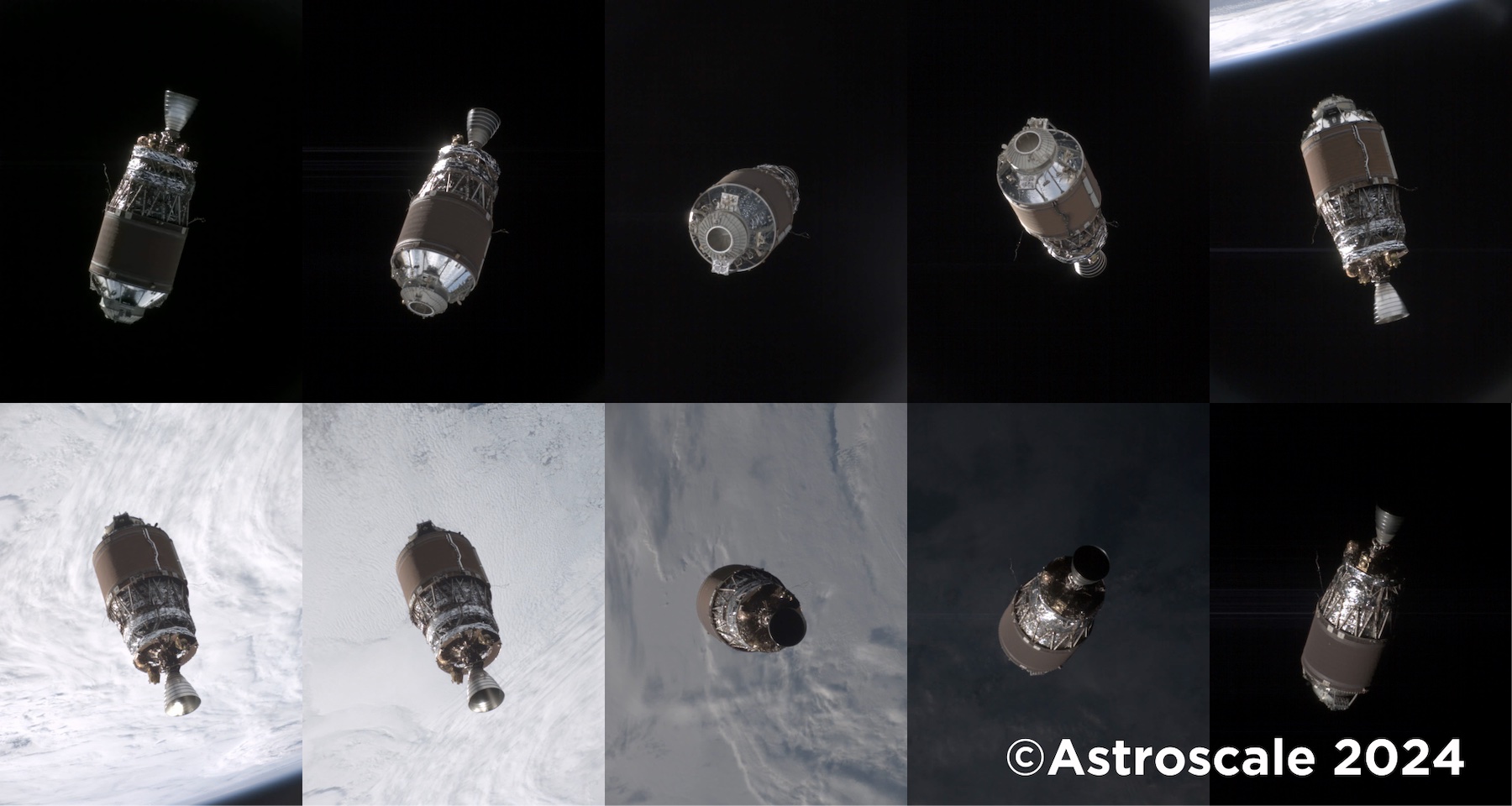
- 2024: Astroscale successfully executes the ADRAS-J mission, demonstrating the ability to approach and inspect a defunct Japanese rocket body in orbit. This success provided the operational blueprint for future debris-removal missions.
- Early 2026: SpaceX signals a reduction in its Falcon 9 launch cadence, triggering anxiety among commercial satellite operators regarding the availability of future launch windows.
- September 2026: Isar Aerospace achieves its first successful orbital insertion, confirming the reliability of its propane-fueled engine architecture and establishing the Spectrum rocket as a viable commercial entity.
This progression suggests that the market is moving away from the "wait-and-see" approach that characterized the early 2020s. Institutional support from the European Space Agency (ESA), the European Union, and the governments of Germany and Norway has provided the financial and regulatory runway necessary for companies like Isar to endure the "valley of death" that typically claims startups in the aerospace sector.
Technical Requirements for Modern Satellite Servicing
The business case for Astroscale—and similar firms—is predicated on the idea that the orbital environment is becoming a critical piece of global infrastructure that requires maintenance. Chris Blackerby notes that the technical complexity of these missions cannot be overstated. "Everything that goes into that—from the hardware side, from the Concept of Operations development, making sure that we make it as safe as possible—is paramount," Blackerby explained.
The ADRAS-J mission taught the company that interacting with an unprepared, uncommunicative object requires a highly autonomous suite of sensors and fault-identification software. The data gathered from the ADRAS-J mission, which confirmed that the targeted Japanese rocket body was stable and not rotating, was instrumental in designing the ADRAS-J2 mission. By building this "dataset of approaches," Astroscale is essentially creating the industry standard for how future commercial and military satellites will be serviced, refueled, or deorbited.

The upcoming Provisioner mission, under contract with the U.S. Space Force, represents the next logical step in this evolution. By demonstrating on-orbit refueling, Astroscale is positioning itself at the center of a potential "space logistics" economy. The demand signal from the U.S. military for "close-in inspection" capabilities suggests that governments are increasingly viewing space debris and the integrity of orbital assets as issues of national security.
Economic Sustainability and the Path Forward
The path to commercial viability remains the most significant hurdle for companies in the small-launch sector. Unlike larger, established providers that benefit from decades of state-subsidized development, startups like Isar must prove their economic sustainability through repeatable, high-frequency launches.
Astroscale’s transition from internally funded demonstrators, such as ELSA-D, to revenue-positive missions like ADRAS-J2, signals a maturation of the sector. The company aims to move toward a commercially repeatable servicing ecosystem by the early 2030s. This shift is essential, as the venture capital community, which fueled the initial wave of "New Space" innovation, is now demanding clearer paths to profitability and more rigorous evidence of operational success.
The broader implications of Isar’s success are twofold. First, it provides a crucial alternative for Western governments concerned about the over-reliance on a single domestic launch provider. The strategic value of having multiple, geographically distributed launch options cannot be ignored in an era of geopolitical volatility. Second, it demonstrates that the "boutique" launch market—those needing dedicated access to specific orbital planes—remains a robust and necessary segment of the industry.
As the industry looks toward the remainder of the decade, the focus will likely shift from merely reaching orbit to optimizing the cost and reliability of those launches. If Isar Aerospace can scale its production and maintain the reliability demonstrated in its recent mission, it will likely secure its position as a primary partner for the next generation of satellite servicing, science, and national security missions. The "launch crunch," while currently a source of frustration for many, has acted as a catalyst, forcing the industry to diversify its assets and invest in the next tier of orbital infrastructure providers. For now, the successful deployment of CubeSats from a Norwegian pad stands as a testament to the resilience of the European space sector and its commitment to securing a permanent, accessible presence in low-Earth orbit.