The landscape of modern dating is undergoing a complex shift as the prevalence of glucagon-like peptide-1 (GLP-1) receptor agonists, such as semaglutide and tirzepatide, continues to rise. While these medications have been heralded as a medical breakthrough for the treatment of obesity and type 2 diabetes, their secondary effects—significant weight loss and suppressed appetite—have created a new, largely undocumented social phenomenon. As individuals navigate the dating pool in smaller bodies, they are finding that the transition brings with it a host of unintended psychological and interpersonal challenges, ranging from the persistence of weight-based stigma to profound existential questions about the nature of attraction.
The New Social Reality of Weight Loss
The clinical success of GLP-1 medications is undeniable. Data from the Centers for Disease Control and Prevention (CDC) indicates that obesity affects nearly 42% of the adult population in the United States, and the adoption of these pharmacological interventions has grown exponentially since 2021. However, the social implications of this shift are only beginning to surface. For many, the physical transformation prompted by the drug is accompanied by a jarring shift in how they are perceived by potential romantic partners.
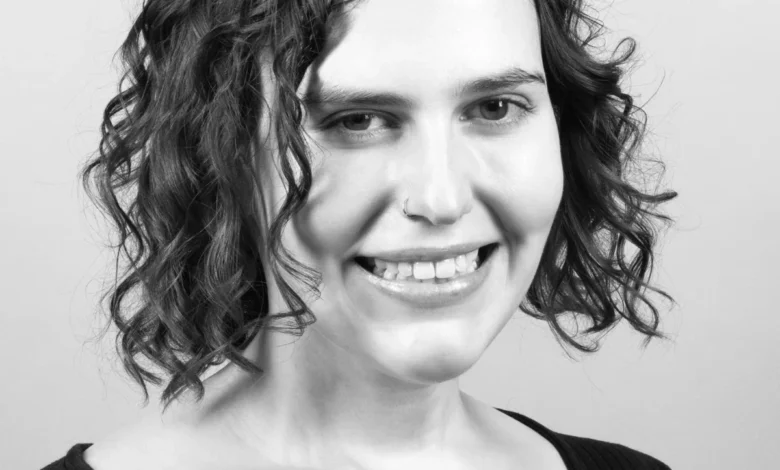
Katherine Lipovsky, who has documented her experience of losing 300 pounds while utilizing GLP-1 therapy, highlights a recurring sentiment among users: the realization that their desirability was previously suppressed by societal fatphobia. "Dating after weight loss is a complex emotional landscape," Lipovsky noted. She describes a painful realization that some past romantic interests were either embarrassed to be seen with her or viewed her as a secret to be kept, despite clear emotional and physical compatibility. This experience has led to a heightened sense of scrutiny in her current dating life, where she finds herself questioning the motivations of potential partners.
Examining the Stigma of Weight Bias
The frustration voiced by individuals like Lipovsky and others in the community is rooted in documented societal biases. According to research published in the journal Stigma and Health, weight discrimination remains one of the most pervasive forms of prejudice in contemporary society. The 2022 study highlighted that, while bias varies across demographics, the "halo effect"—where physical attractiveness is erroneously linked to positive personality traits—continues to influence the decision-making processes of those engaging in the dating market.

For those on GLP-1s, this creates a double-edged sword. While they may experience what has been colloquially termed "skinny privilege"—the sudden, often overwhelming influx of social validation, kindness, and respect from strangers—this validation feels hollow to many who recall being treated with indifference or hostility in larger bodies. The psychological toll of this dichotomy is significant. It forces individuals to confront the reality that their increased social standing is contingent upon their physical appearance, leading to deep-seated insecurities about whether a partner values them as individuals or merely as a reflection of current beauty standards.
The Intersection of Medical Necessity and Public Misconception
A primary point of contention for those using these medications is the public’s misunderstanding of how they function. Many users, such as Alejandra, a professional in her 20s who uses GLP-1s to manage symptoms of Polycystic Ovary Syndrome (PCOS), find that the medication is frequently dismissed as a "shortcut" or a vanity-driven convenience.
This perception gap creates a significant barrier in the initial stages of dating. When the topic arises, it is often met with unsolicited medical opinions or moral judgments. Alejandra’s experience, where she felt compelled to correct a date who characterized GLP-1 users as "lazy," underscores the ongoing battle for bodily autonomy. The necessity of educating partners on the nuances of metabolic health and the role of chronic illness management often complicates the romantic connection, turning what should be a lighthearted interaction into a defensive debate.
The Logistical Hurdles of Dinner Dates
Beyond the psychological impact, the physiological effects of GLP-1s present practical challenges in the traditional "dinner and drinks" dating format. Because these medications significantly delay gastric emptying and suppress appetite, many users find that the standard expectations of a three-course meal are no longer compatible with their physical needs.
The discomfort of having to explain a diminished appetite—or the common side effect of alcohol aversion—can lead to awkward, high-pressure situations. For many, the solution has been to pivot toward more casual, low-stakes activities, such as coffee dates or walk-and-talk outings, which remove the emphasis on food and drink. However, this adjustment requires a level of vulnerability and communication that many are not prepared to offer on a first date, leading to a sense of isolation as they navigate these new social boundaries.

Expert Perspectives and Cultural Commentary
The conversation has reached a broader audience through platforms like podcasts and social media. Comedian Jared Freid, in a recent segment on the "U Up?" podcast, addressed the shame often associated with the medication. He argued that the framing of GLP-1s as "vanity drugs" is an oversimplification that ignores the life-changing impact they have for people who have struggled with the constant, intrusive thoughts associated with food addiction or metabolic dysfunction. By reframing the medication as a "lifestyle" tool rather than a cosmetic one, the discourse is slowly shifting toward a more empathetic understanding of the user experience.
Broader Implications for Future Relationships
As the use of GLP-1 medications continues to normalize, the dating landscape is likely to evolve alongside it. The current trend of "soft disclosure"—deciding when and how to reveal the use of the medication—suggests that people are becoming more selective about their partners, using these conversations as a litmus test for empathy and support.
For individuals like Alejandra and Lipovsky, the goal is not to find a partner who ignores their health history, but one who respects the journey of self-improvement it represents. The rise of these medications has forced a necessary, albeit difficult, conversation about how we treat bodies, how we judge health, and what it truly means to be seen for who we are beneath the surface.
A Path Toward Authentic Connection
Despite the frustrations, many users report that the process of navigating the dating world on a GLP-1 has led to a stronger sense of self-worth. By standing up for their medical choices and refusing to be shamed for their physical transformations, these individuals are setting a new standard for their relationships.
Ultimately, the phenomenon of dating on a GLP-1 is a microcosm of the larger societal struggle to decouple human value from body weight. As the medical community continues to refine these treatments and the public becomes more informed, the hope is that the stigma will dissipate. Until then, those on this path are paving the way, choosing to prioritize their health and happiness while navigating the complex, often unpredictable world of modern romance. The journey, while arduous, is proving to be a catalyst for a more profound and honest search for genuine connection in a world that is only just beginning to understand the complexity of the weight-loss experience.